NASA is heading to the Moon again: 5 things to know about the Artemis II mission
NASA's Artemis II mission will carry astronauts far beyond the far side of the Moon and back.
UPDATED 8 HOURS AGO
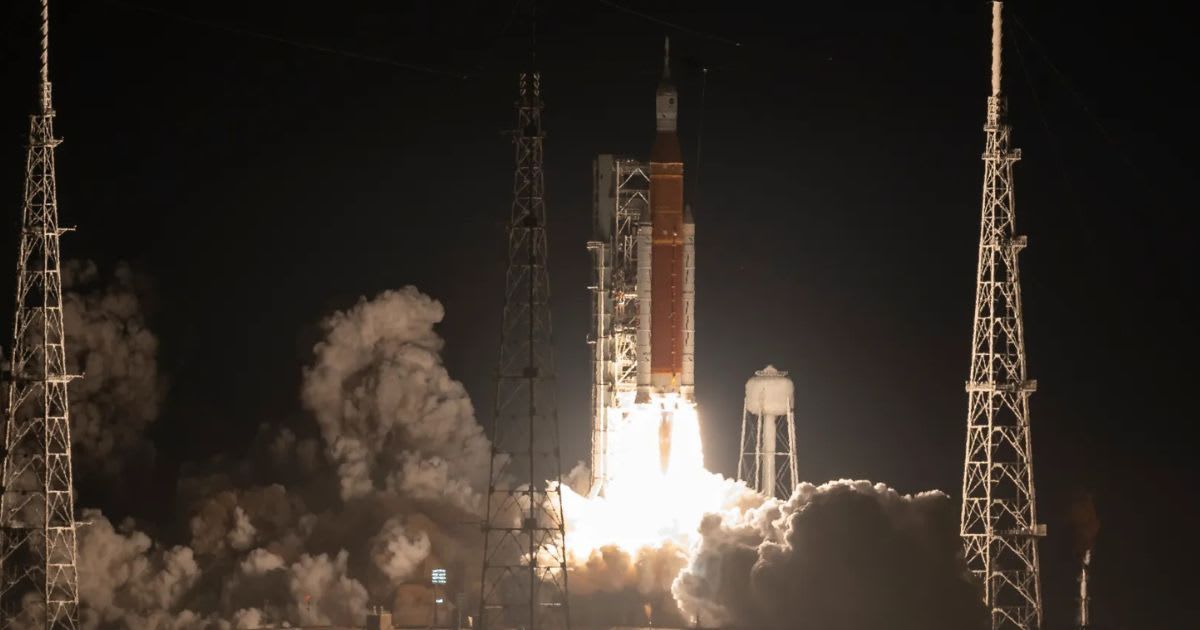
NASA’s Space Launch System rocket carrying the Orion spacecraft launches on the Artemis I flight test. (Representative Cover Image Source: NASA)

When Neil Armstrong first set foot on the surface of the Moon in July 1969, it proved to be one of the most historic feats of the 20th century. What followed was a barrage of Apollo missions between 1969 and 1972, thanks to which 12 astronauts stepped down on the lunar surface. However, since Apollo 17 in 1972, no human has set foot on the Moon again. However, NASA has been planning for another crewed mission to the Moon for a while now.
Astronaut Edwin E.
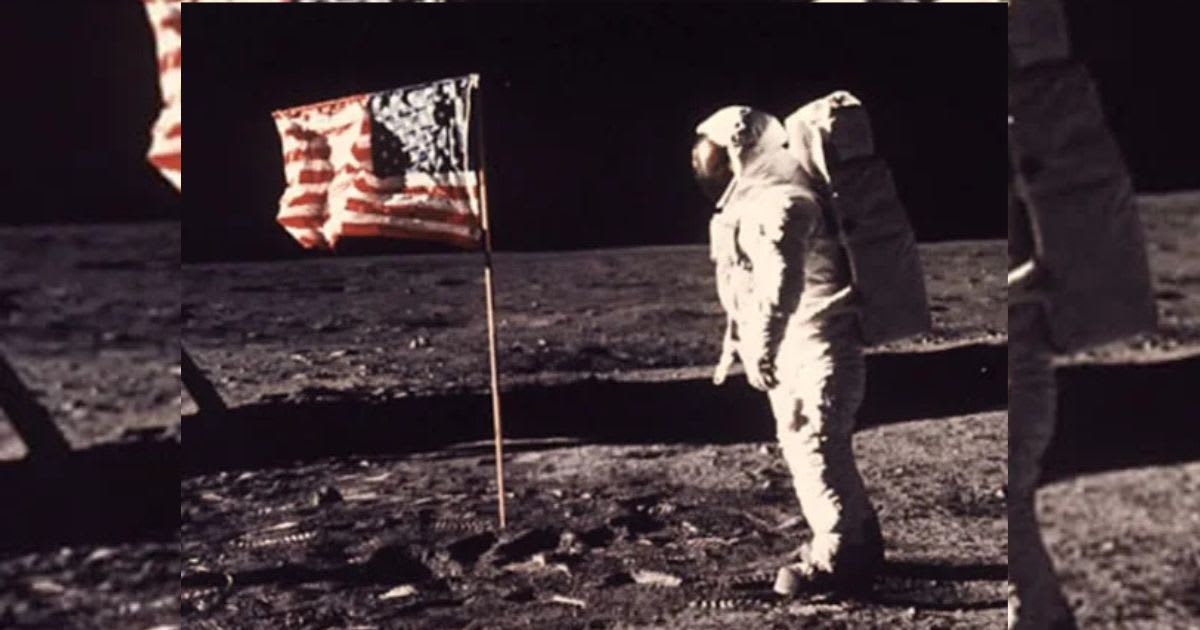
Astronaut Edwin E. "Buzz" Aldrin Jr. poses for a photograph beside the U.S. flag deployed on the moon during the Apollo 11 mission. (Image Source: NASA)

The foundations were laid in the Artemis I launch on November 16, 2022. It was an unmanned mission to check the workings of the hardware and systems, like a test flight before the actual mission. The success of Artemis I gave scientists the courage to plan for the ambitious Artemis II mission, which will see 4 astronauts return to our spherical white neighbor.
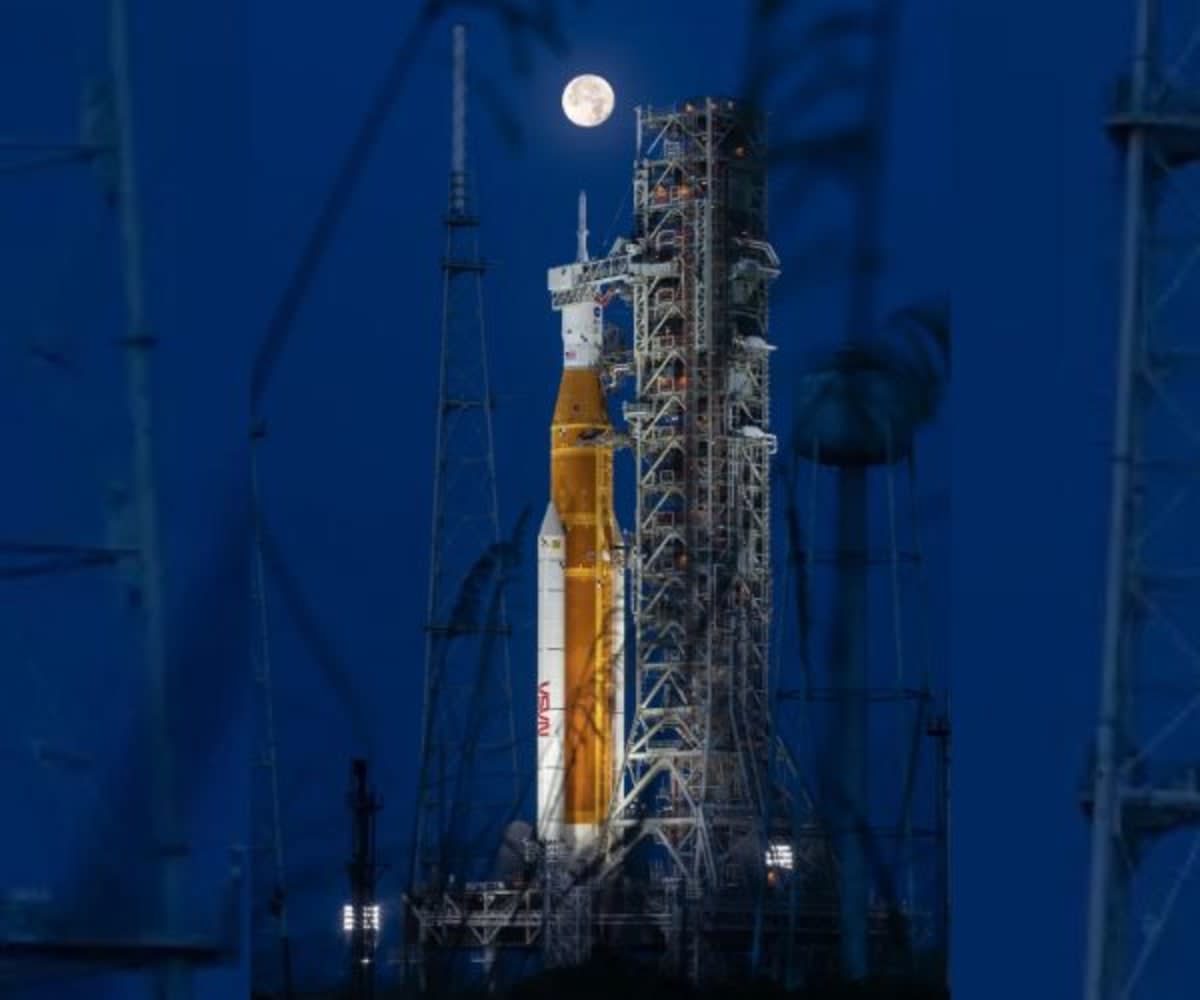
View from Launch Complex 39B at NASA’s Kennedy Space Center in Florida on June 14, as the Space Launch System rocket and Orion spacecraft, atop the mobile launcher. (Image Source: NASA)
View from Launch Complex 39B at NASA’s Kennedy Space Center in Florida on June 14, as the Space Launch System rocket and Orion spacecraft, atop the mobile launcher. (Representative Image Source: NASA)

Going close but not entering

Contrary to popular beliefs, the astronauts won't be stepping down on the lunar surface, so do not expect another recreation of Neil Armstrong with the American flag image. What Artemis II plans to do is take 4 humans to about 4,700 miles beyond the far side of the Moon, from where they will be able to see both the Moon and Earth. During the duration of the mission, the astronauts will test life-support, navigation, and communication systems and experience radiation. This will serve as an important stepping stone for NASA's aim to put humans on the Moon's surface once again.
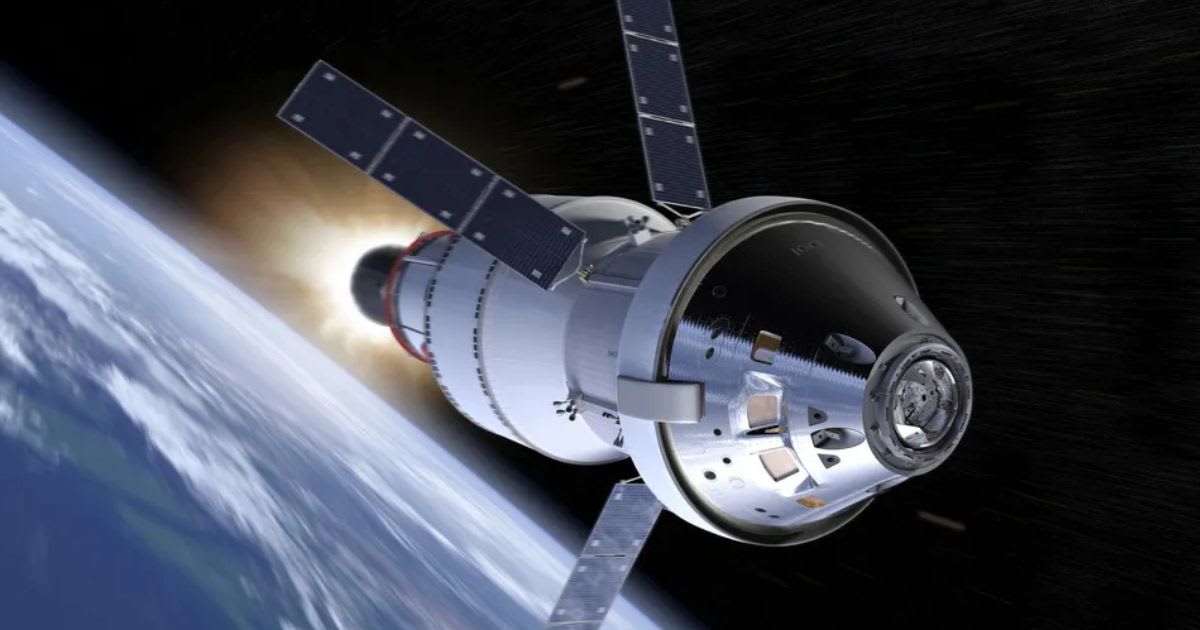
The Orion spacecraft during trans-lunar injection, to bring an Artemis mission to the moon. (Image Source: NASA)

The fantastic four heading up there

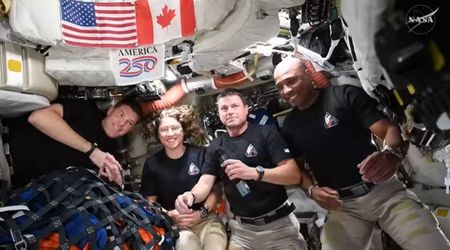
A mere coincidence, one might say, but just like how the fictional Fantastic Four's space mission saw 3 men and a woman in the spacecraft, this mission too has a similar combination with Commander Reid Wiseman, pilot Victor Glover, and mission specialist Christina Koch from NASA, and mission specialist Jeremy Hansen from the Canadian Space Agency. 
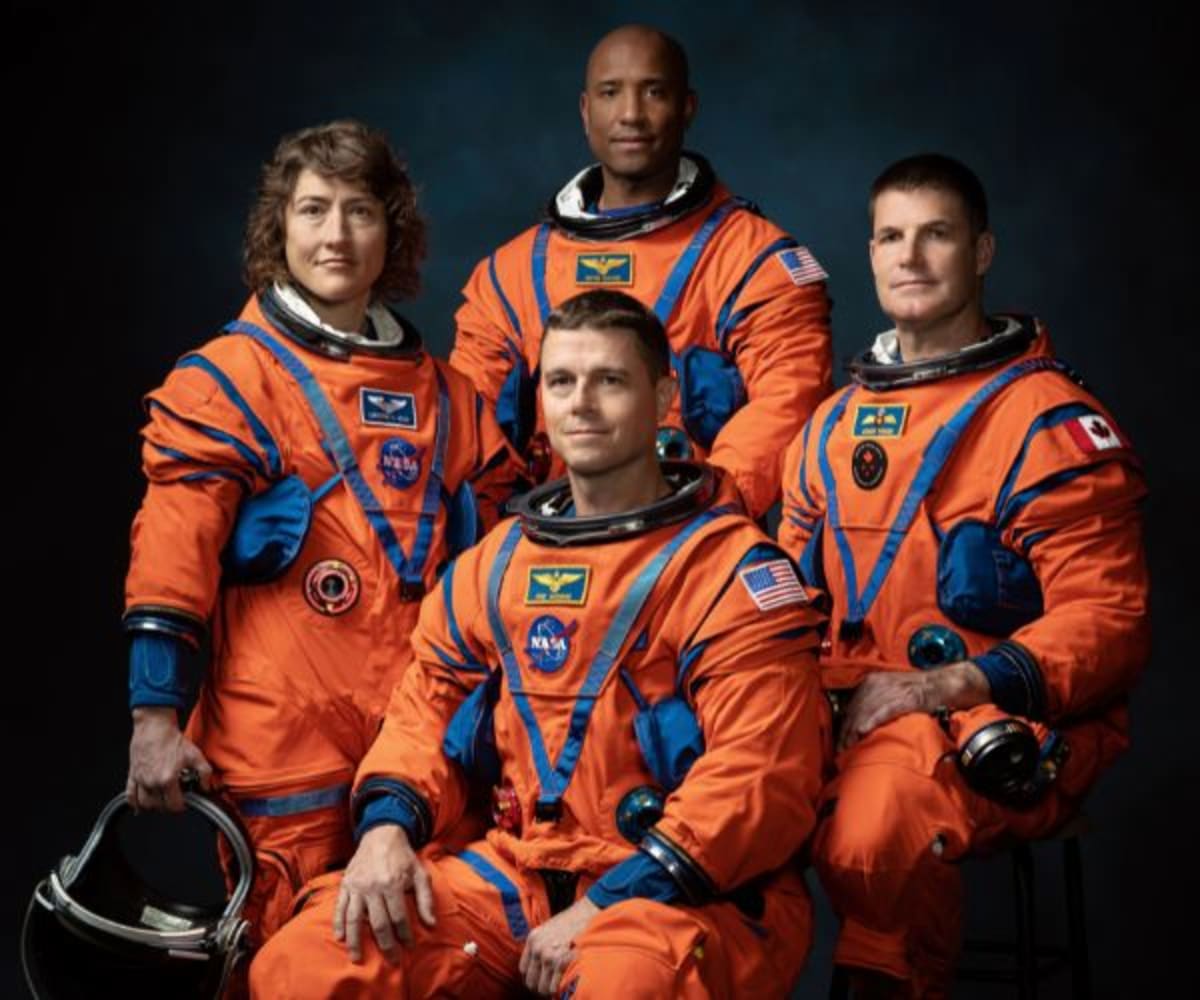
NASA astronauts (left to right) Christina Koch, Victor Glover, Reid Wiseman, and Canadian Space Agency Astronaut Jeremy Hansen. (Image Credit: NASA/Josh Valcarcel)

On what do they leave, and from where?

The astronauts will be aboard NASA’s Space Launch System (SLS) rocket and Orion spacecraft. This approximately 10-day-long mission will see them leave from Launch Complex 39B at NASA’s Kennedy Space Center in Florida as early as February 2026, per NASA

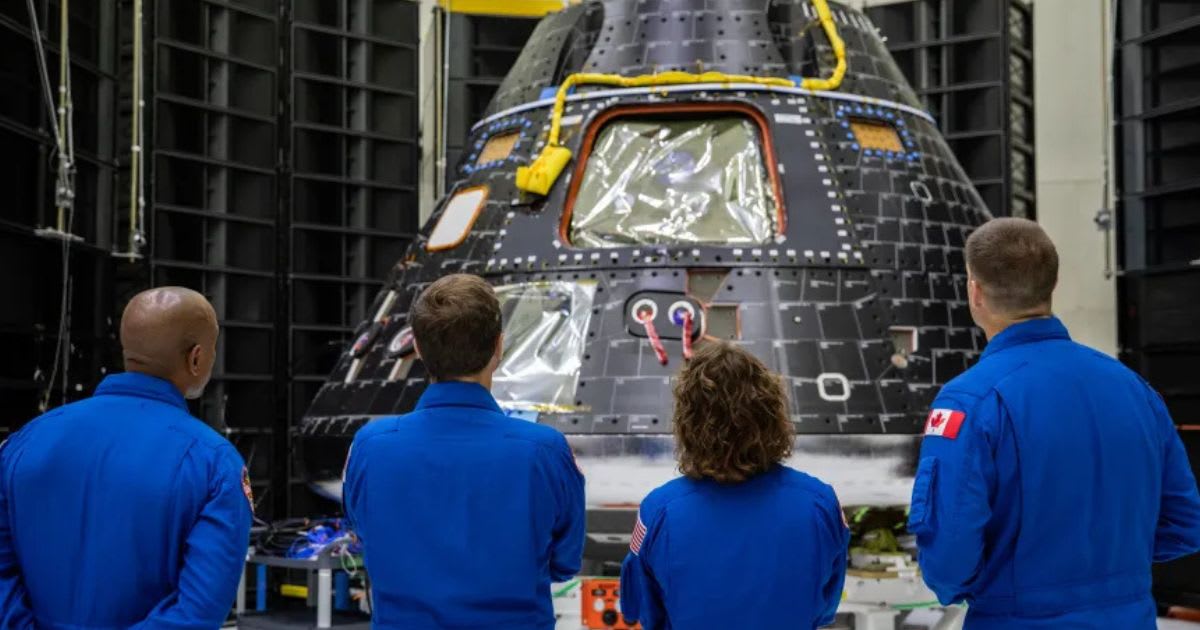
The Four Astronauts take a look at the Orion spacecraft. ( Image Source: NASA)

The return will be using gravity and not fuel

On its return trip, that will last four days, the Orion spacecraft won't use propulsion. Instead, it will harness the Earth-Moon gravity, using the Earth's natural pull to return after its trip to the far side of the Moon. 
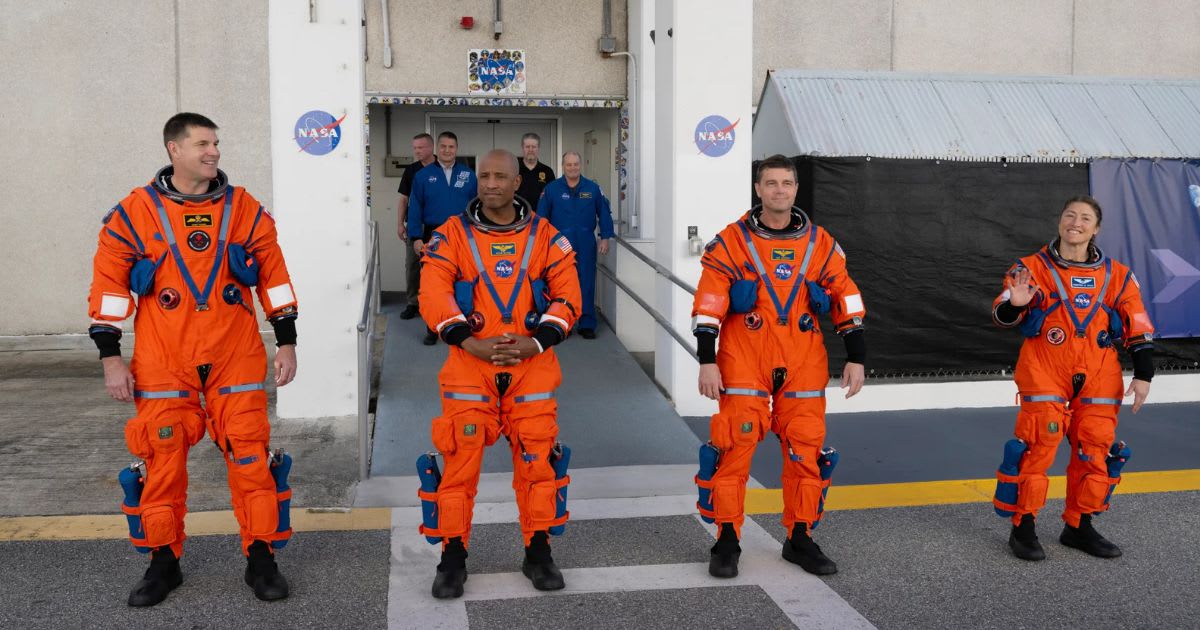
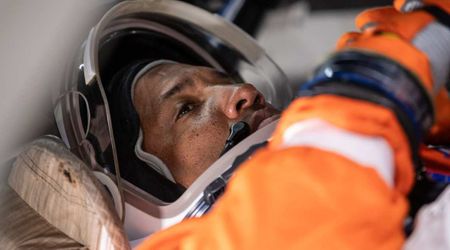
The four astronauts set to fly around the Moon during a dress rehearsal for launch day. (Image Source: NASA)

Preparations in full swing

Recently, on 20 December, a launch day rehearsal was performed to simulate the timeline of the launch day. The crew performed everything down to the T, including a full suit-up and climbing in and out of their Orion spacecraft. As the SLS rocket was not yet on the launchpad, the crew climbed aboard the Orion spacecraft inside Kennedy's Vehicle Assembly Building.

More on Starlust

NASA begins stacking Artemis II amid uncertainty over SLS budget

Saudi Space Agency's CubeSat to be launched aboard NASA's Artemis II test flight
MORE STORIES

The NS-37 mission launched at 8:15 a.m. CST on December 20, completing its journey in just over 10 minutes from liftoff to landing.
16 hours ago
The satellites launched at 06:01 CET from Europe's Spaceport in French Guiana on December 17.
4 days ago
A Starlink satellite and one launched aboard the Chinese rocket Kinetica 1 were just 200 meters apart.
6 days ago
The tests, aimed at assessing the safety of lunar landings, will continue till the spring of 2026.
Dec 12, 2025
Liftoff is scheduled for 8:30 AM CST (14:30 UTC) from Launch Site One, with the live mission webcast beginning 40 minutes prior to the target time.
Dec 12, 2025
The record-breaking run concluded with the Long March 3B rocket launched from the Xichang Satellite Launch Center.
Dec 10, 2025
The powerful rocket launched Tuesday at 2:16 p.m. ET from Space Launch Complex 40 at Cape Canaveral Space Force Station.
Dec 10, 2025
The new year will bring a plethora of space missions, some more exciting than others.
Dec 10, 2025
The spacecraft carrying astronaut Kim, cosmonaut Ryzhikov, and cosmonaut Zubritsky pulled away from the orbiting complex at 8:41 p.m. EST on Monday.
Dec 9, 2025