Lunar landers could accidentally ruin the hunt for biological building blocks on the Moon
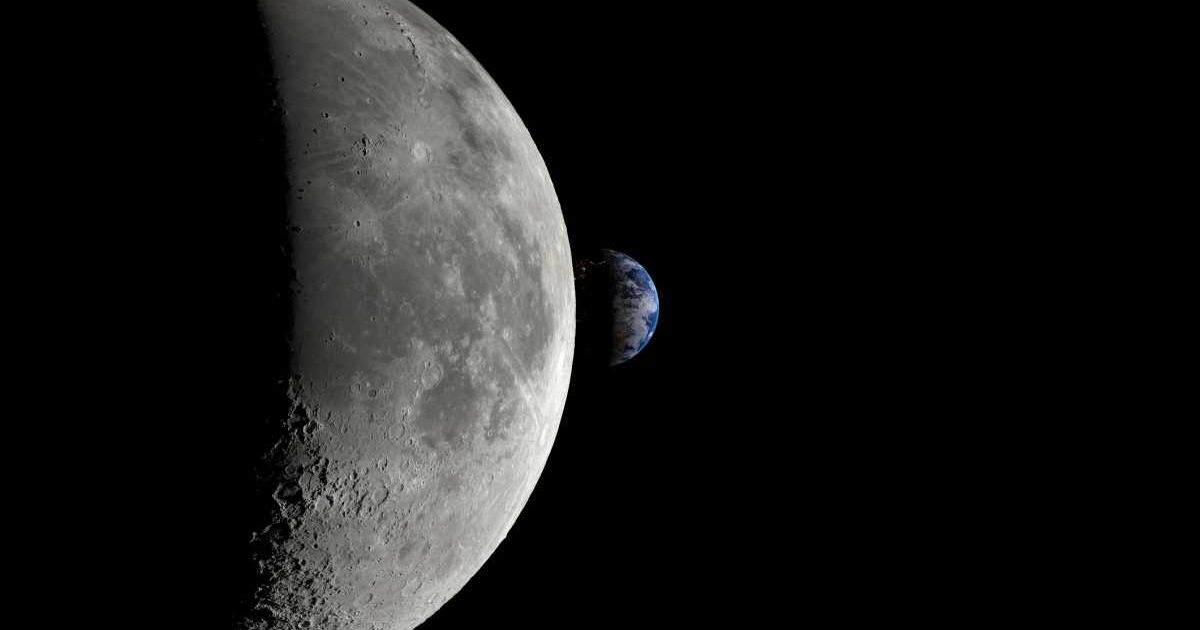
Scientific efforts to find the building blocks of life on the moon may be at risk from the very spacecraft sent to find them. A new study published in the Journal of Geophysical Research: Planets warns that methane gas from rocket engines can rapidly spread across the entire lunar surface, potentially contaminating the pristine ice that scientists believe holds secrets to how life began on Earth.
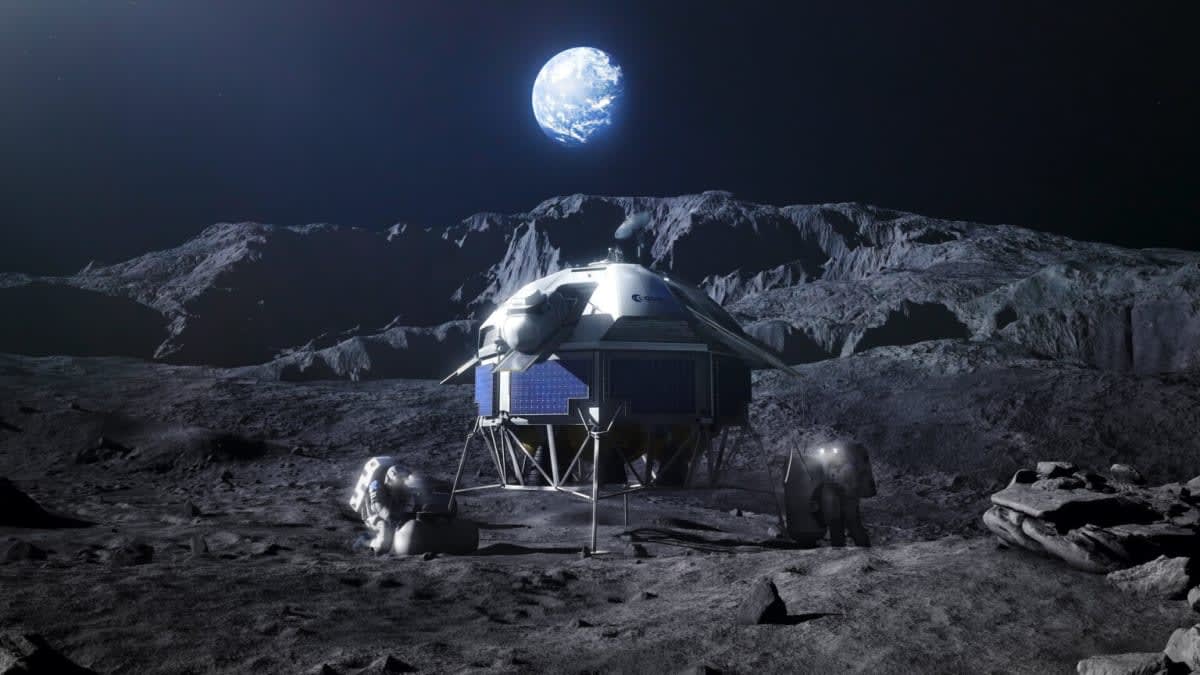
By running a simulation using the European Space Agency's Argonaut mission as a case study, the researcher found that even if a spacecraft lands at the South Pole, exhaust molecules can "hop" across the airless landscape and reach the North Pole in less than two lunar days. "In the end, wherever you land, you will have contamination everywhere," said Francisca Paiva, the study’s lead author, in a statement. Because the moon has no atmosphere to get in its way, the molecules travel along "ballistic" trajectories, essentially bouncing freely across the surface like rubber balls.
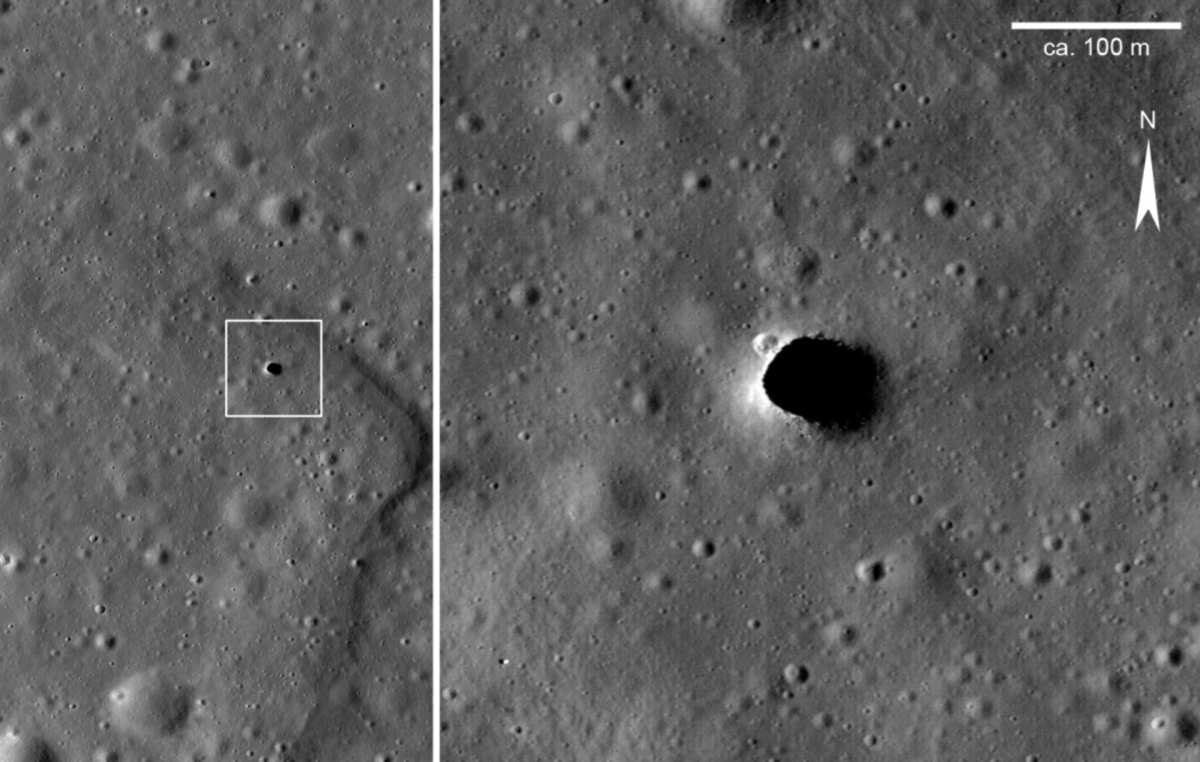
The study is primarily centered on "permanently shadowed regions," deep, frozen craters that have not seen sunlight in billions of years. Scientists believe these areas may hold "prebiotic organic molecules" that, given the optimum conditions, may have combined to form the basic building blocks of life, like DNA. While Earth's churning geology has erased its early history, the Moon is a time capsule. However, molecules from spacecraft exhausts could render it impossible for scientists to tell ancient cosmic matter from modern pollution from spacecraft. "Our activity can actually hinder scientific exploration," said Silvio Sinibaldi, planetary protection officer at the European Space Agency and senior author of the study. “We are trying to protect science and our investment in space.” As both private companies and governments ramp up lunar missions, the authors of the study are calling for a new era of celestial protection.
Beyond rocket fuel, the researchers stress that it is important to investigate how other materials, such as spacecraft paint and rubber, might shed particles, further compromising the lunar surface. The researchers compared the value of the moon to already protected environments on Earth, such as Antarctica, arguing that the lunar surface requires similar legal protections to ensure its scientific integrity remains intact into the future.

While Sinibaldi and Paiva are looking into how pollutants from spacecraft could affect the Moon, scientists are also trying to understand how space weather affects the lunar surface. A recent investigation of the lunar soil samples that were brought back to Earth by the Apollo astronauts more than fifty years ago is providing a new perspective on "space weathering," the process through which solar winds and minute meteors gradually alter the surface of the Moon over time.
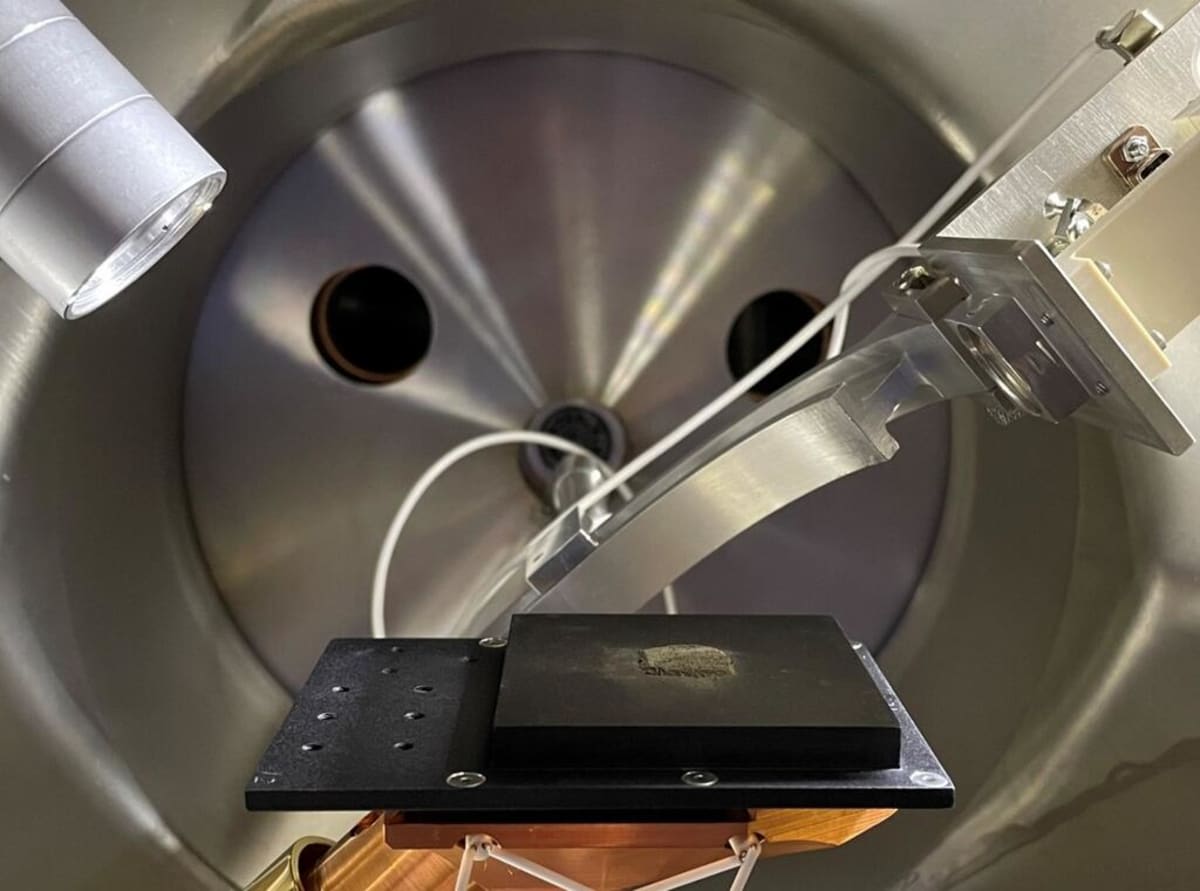
The analysis of the Moon's soil samples, which consisted of just a few particles from the Apollo 11, 16, and 17 missions, was done by experts from the Southwest Research Institute and UT San Antonio, applying modern techniques to see how these external forces affect the lunar composition. Caleb Gilmar, a doctoral degree holder in physics through the SwRI-UT San Antonio Joint Graduate Program, who led the research, explained that space weathering leads to physical and chemical changes in lunar soil, which, in turn, affects their FUC (far-ultraviolet) reflectance. An understanding of this could help in making a better sense of the data from NASA's Lunar Reconnaissance Orbiter Lyman-Alpha Mapping Project, which has been looking for water ice on the Moon since 2009.
More on Starlust
NASA Chief suggests reconsideration of SpaceX lunar lander contract amid 'race against China'
Half-century-old Apollo 17 moon sample uncovers new clues to the origin of a lunar landslide