How to spot Comet C/2026 A1 (MAPS) in the evening sky this week: Best viewing tips
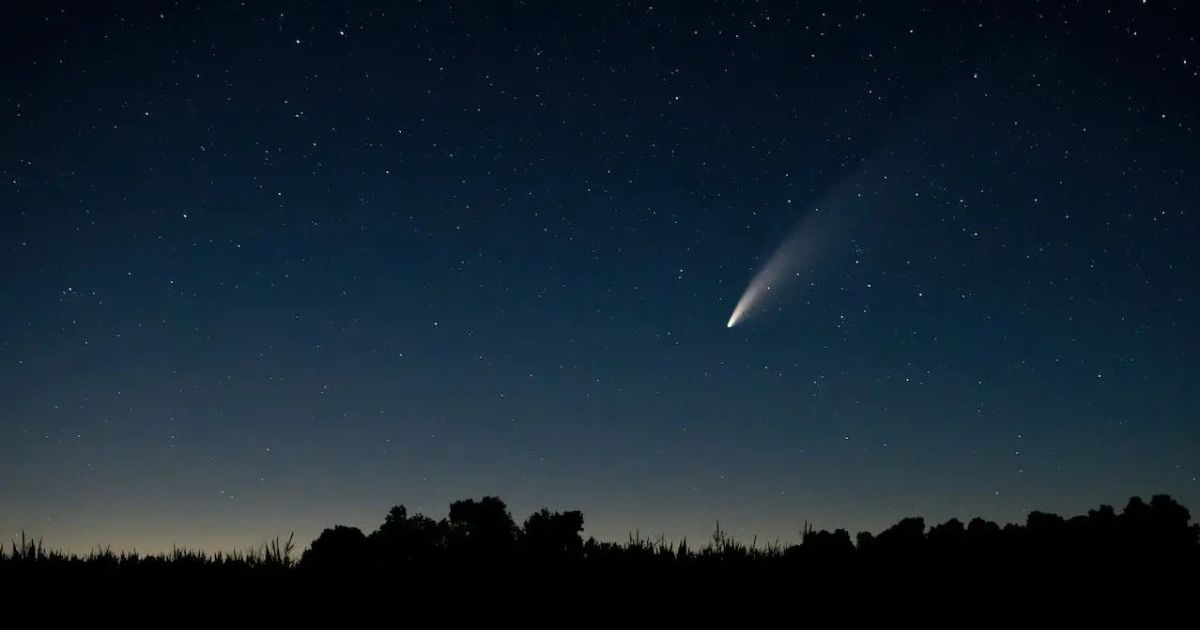
We may be treated to visuals of Comet C/2026 A1 (MAPS) in the evening sky in the coming weeks as it heads for a fiery meet-cute with the Sun on April 4, 2026. Around the time of its perihelion, this newly discovered Kreutz comet, currently in the constellation of Cetus, might be visible to the naked eye. Currently, however, observers will need optical aid to view the comet.
Kreutz gang member
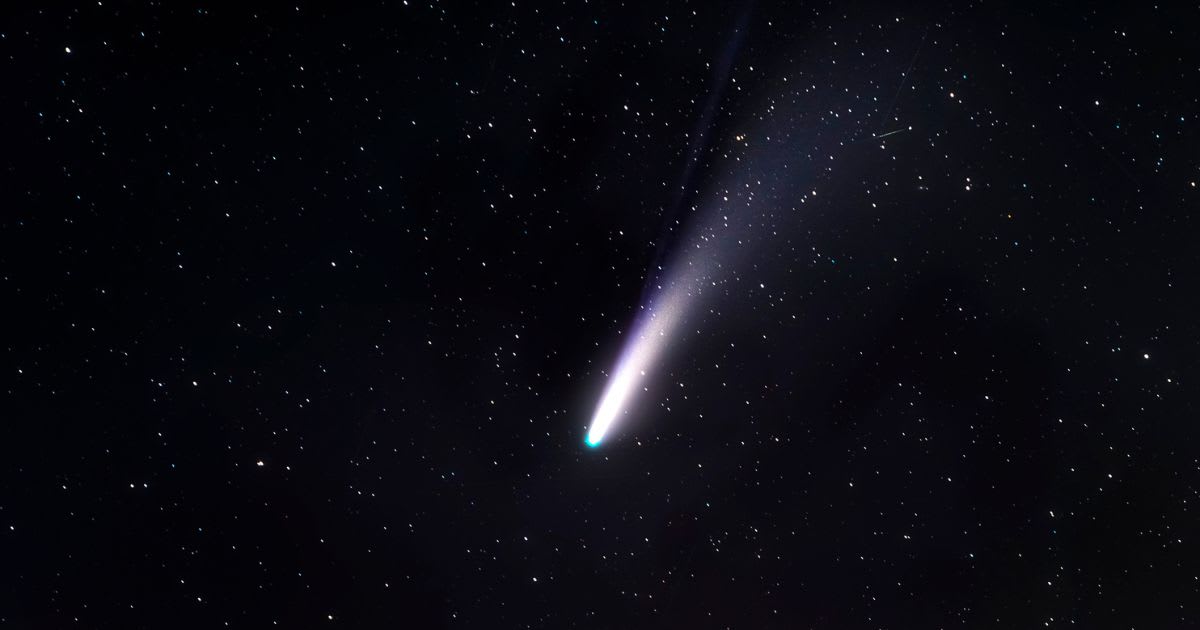
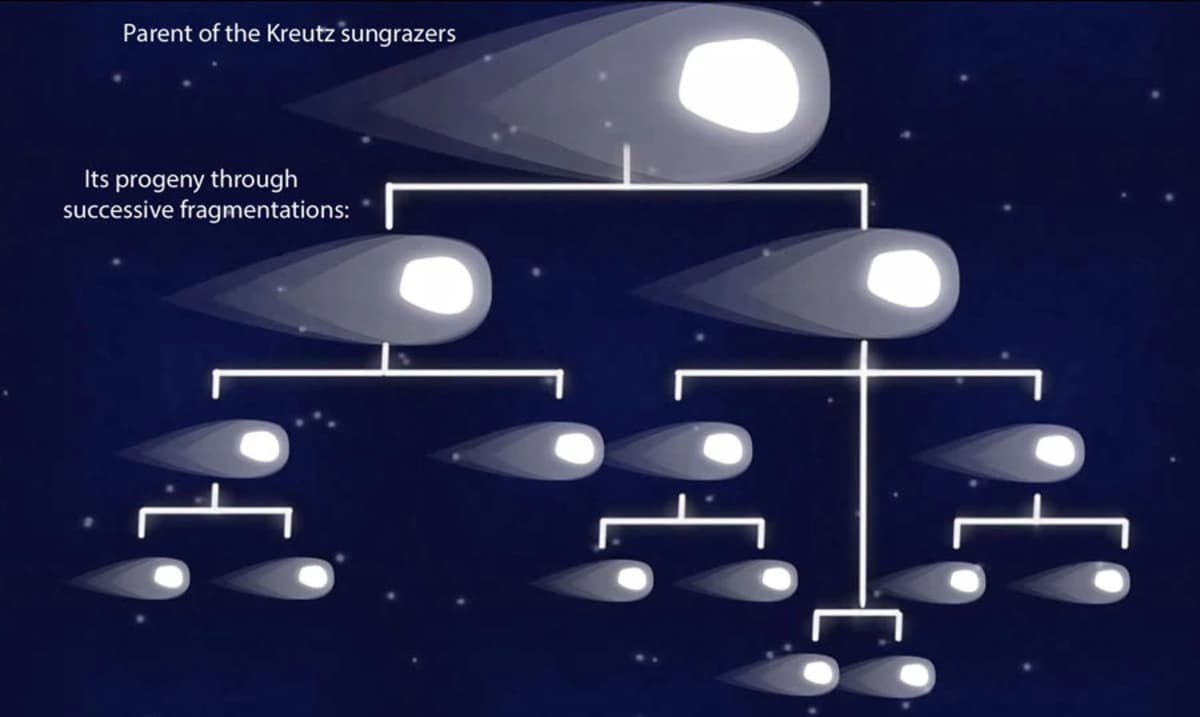
This Kreutz gang comet was discovered photographically on January 13, 2026, at a Chilean observatory by four French astronomers—Alain Maury, Georges Attard, Daniel Parrott, and Florian Signoret. They run a dedicated near-Earth asteroid search program called MAPS, an acronym based on their last names. At the time of its discovery, it was located 191 million miles from the Sun, glowing in the constellation of Columba the Dove, at a faint brightness of 18 magnitude. That being said, some of the brightest comets in history were part of the Kreutz clique—the Great Comets of 1843 and 1882, Comet Ikeya-Seki of 1965, and Comet Lovejoy in December 2011.
Visibility and viewing tips
This magnificent comet is currently at a distance of 185 million kilometers from Earth, with its light taking around 10 minutes to reach us, per The Sky Live. Currently at an observed magnitude of 10.3, the comet might be visible through an 8-to-10-inch telescope over the coming days, based on predictions reported by Sky & Telescope. It will float low in the southwestern sky during the evening twilight, and people in the Southern Hemisphere will get to see it rise higher and higher in the sky. Visibility, of course, also depends on the weather.
MAPS might be visible in the daytime next month
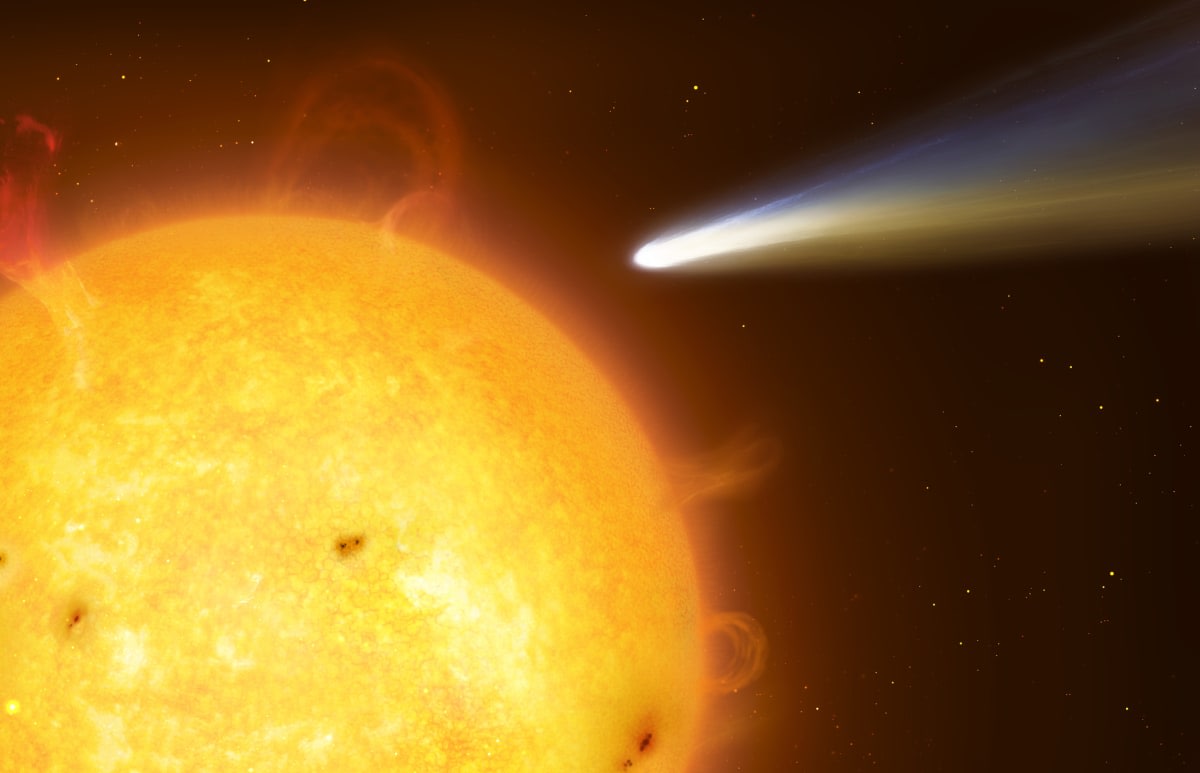
The Comet MAPS is expected to reach its perihelion at around 10 a.m. EDT (9:00 a.m. EST) on April 4. It will pass just 99,000 miles from the solar photosphere. As this comet races towards the Sun, its brightness will continue to increase, eventually peaking at a magnitude of -5, which will make it as bright as Venus, per Seiichi Yoshida's Visual Comets in the Future webpage. As it will be coursing through the Sun’s scorching-hot corona, with temperatures touching around 2 million degrees Fahrenheit, it seems improbable that it will survive and not disintegrate. Either it may be consumed by the heat or torn apart by the strong gravitational forces. But if the comet does miraculously endure, it could form a stunning display of dust and gas to the immediate left of the Sun. That being said, it will be extremely dangerous to try to spot the comet at the time, as the Sun could permanently damage the eye. The safe alternative would be to watch it via the imagery provided by SOHO's Large Angle and Spectrometric Coronagraph Experiment (LASCO) C3 camera.
More on Starlust
ESA's Juice captured interstellar comet 3I/ATLAS shortly after perihelion—here's what it found
Comet 29P/Schwassmann-Wachmann brightens 100-fold after eruption, releases fossil-like debris