How old is the universe? The oldest known stars may hold the answer scientists have been searching for
We know the age of humanity. We know how old Earth is. But the exact age of the universe is still a debatable topic. A new study in cosmology has opened new avenues for estimating it by using precise stellar data to derive insights, overturning prior assumptions. Researchers from the University of Bologna and the Leibniz Institute for Astrophysics Potsdam (AIP), along with other institutes, have conceptualised a new way to address the Hubble tension to gauge the evolution of the universe by comparing estimates of the universe's age rather than its expansion rate. This study has foregrounded a paradox, as it disputes the previous suggestion of a younger universe, since the universe cannot be younger than its oldest stars. Here we delve deeper into the study to understand it better.
The study
The paper, published in the journal Astronomy & Astrophysics, utilizes data on the estimated ages of several old individual stars shining in the Milky Way to infer an approximate estimation of the universe’s age. This project was initiated by an unusual collaboration between two research fields that have been traditionally immiscible - a cosmology group at the University of Bologna and a stellar archaeology group at the AIP.
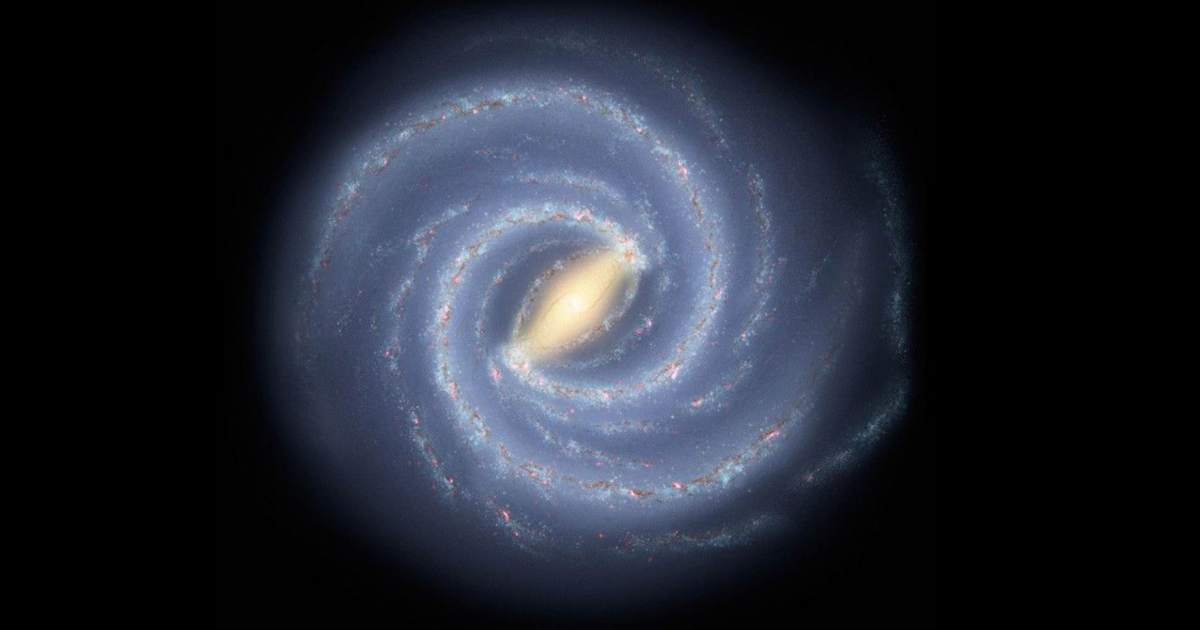
The age data used, which was independent from any cosmological figures, was chosen from a catalog consisting of 3,000 of the oldest and robustly measured stars from Gaia Data Release 3 (DR3). The DR3 from the European Space Agency's Gaia mission has placed a lower limit on the possible age of the universe (symbolized by tU). By using this extensive data on stars, researchers landed on a likely age of about 13.6 billion years for the universe. However, within the standard cosmological model, this age does not align with the previous measurements based on Cepheid variables and supernovae, which points to a faster rate of expansion and, therefore, a younger universe. Yet, the study's estimate is compatible with the observations of the cosmic microwave background, which points to an older universe.
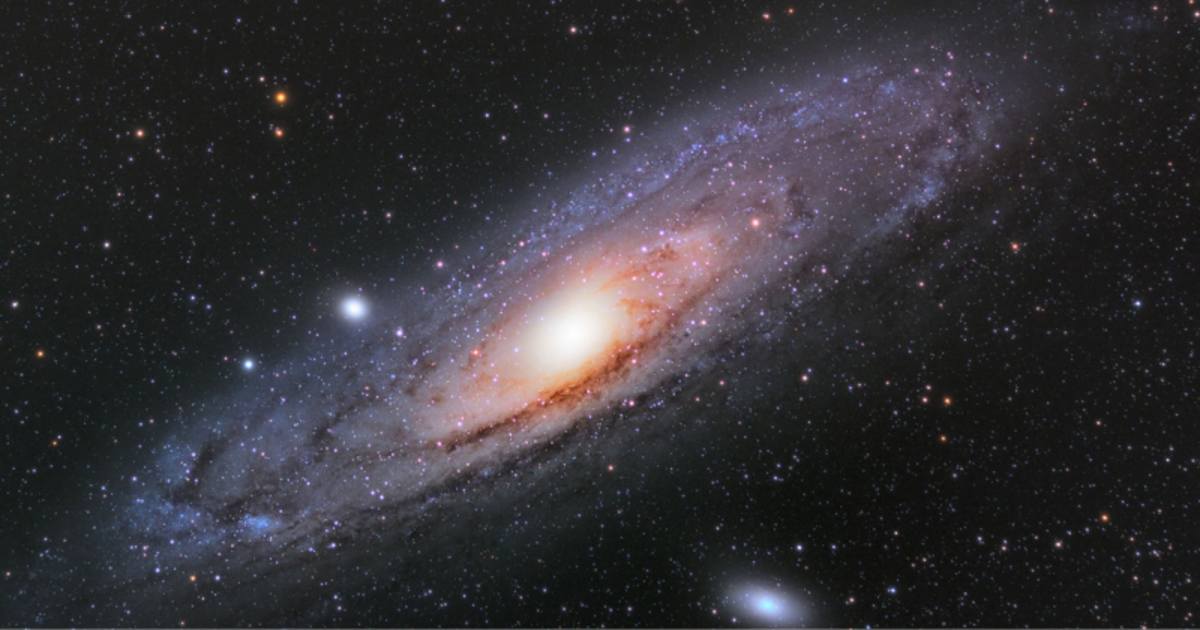
Cepheid Variables, Supernovae and CMB
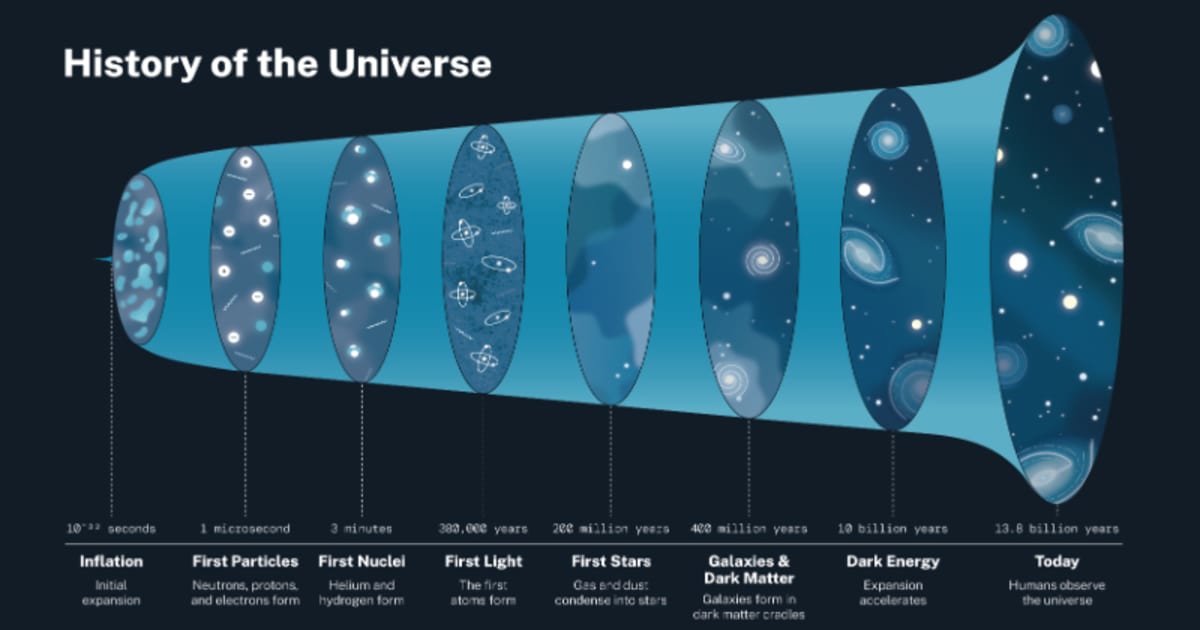
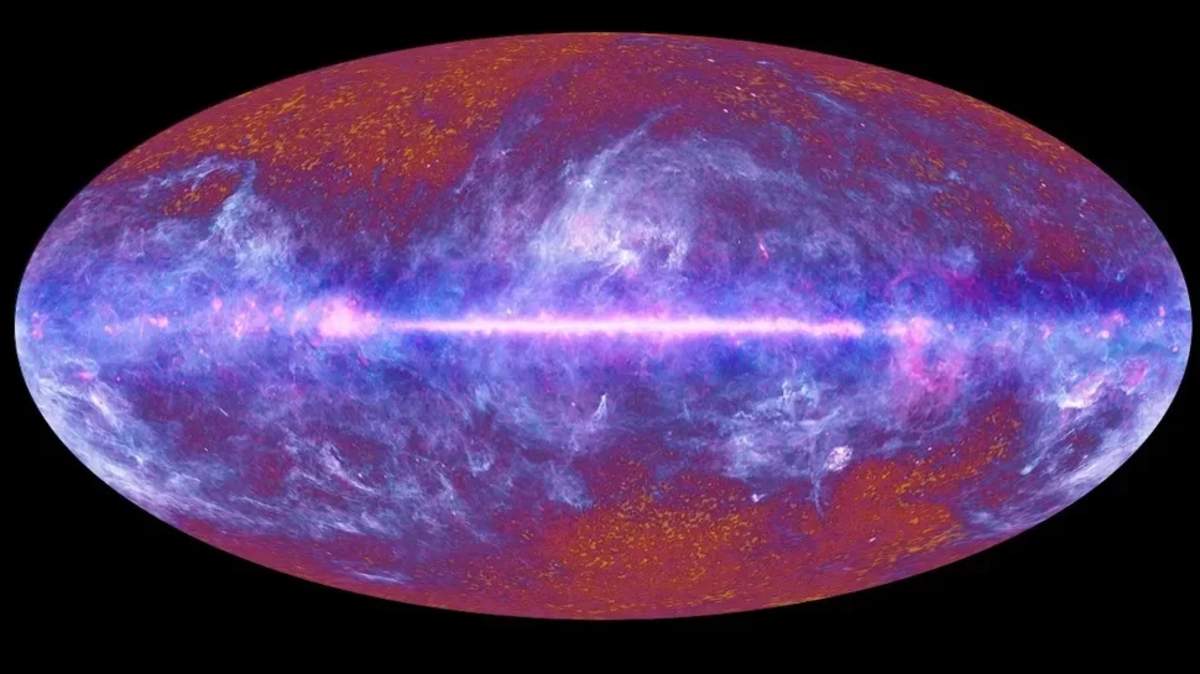
Cepheid variable stars are nearby pulsating stars, while Type 1a supernovae are exploding stars. They are known for their brightness and are referred to as "milestone markers" for measuring cosmic distances, as per NASA. These stars are powerful probes for the Hubble constant and thus have been used to study the expansion rate of the universe. On the other hand, the cosmic microwave background (CMB) is the first radiation to travel through space, released shortly after the Big Bang, and is still detectable as a faint radiation glow as part of the universe. Both have been used to understand the evolution of the universe.

The standard cosmological model and the Hubble Constant
The study builds on the widely used standard cosmological model, also known as ΛCDM. Here, the CDM stands for Cold Dark Matter, which encompasses the exotic, invisible form of matter that makes up most of the universe's matter content. The Λ, or Lambda, is the symbol used for the cosmological constant, which is a central tenet of the model, first proposed by Albert Einstein. This model suggests the universe is made up of 68.3% dark energy, 26.8% dark matter and 4.9% ordinary atoms, a measurement inferred from the cosmic microwave background, as stated by Phys.org. Recent studies and experiments have highlighted discrepancies in the standard model, raising questions about its credibility, specifically tied to the critical parameter of the Hubble constant.
The Hubble Tension debate
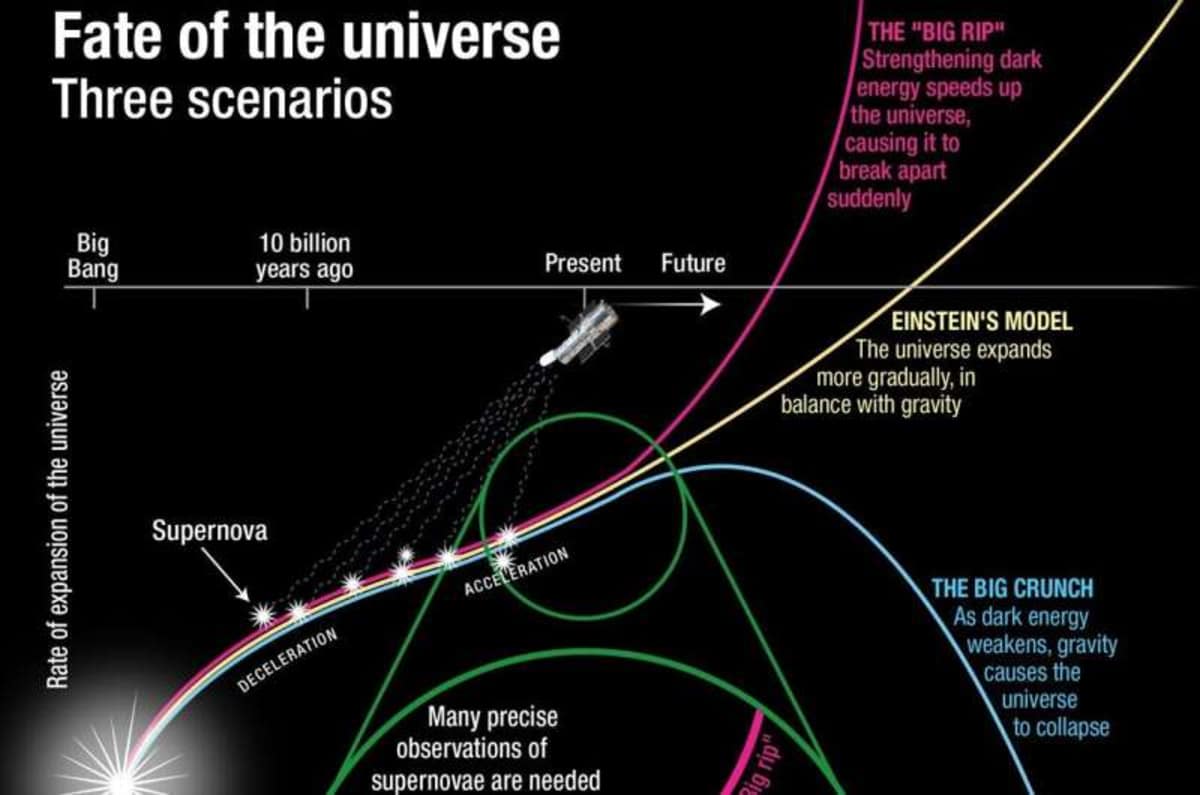
The Hubble Constant measures the rate at which the universe is expanding today. This recent study has opened new doors by providing an alternative method, which redirects focus on the Hubble tension rather than the expansion rate. Current cosmological models link the age of the universe to the Hubble constant; a higher value of the Hubble constant implies a younger universe and vice versa. Presently, we are faced with two estimations of the universe’s age, one from the standard candles, the Cepheids and supernovae, and the other from the CMB, of about 13 and 14 billion years, respectively. Which one is actually correct?
Stars as Clocks
To get closer to the answer, the researchers turned to stars as cosmic clocks. The study reasoned that the universe’s age cannot be less than its oldest stars, allowing researchers to establish a minimum age for the universe. This was achieved through the measurements of the precise ages of the stars, which were also combined with other factors such as brightness, position and distance of more than 200,000 stars in the Milky Way. This work was based on an existing catalog of stellar ages from a previous study by AIP. "This project beautifully shows how combining expertise from different fields can open new windows on fundamental questions," stated co-author Elena Tomasetti from the University of Bologna. "Measuring the age of stars is, in itself, a complex challenge, but we now live in an era in which the quantity and quality of available data allow us to achieve unprecedented precision and, for the first time, statistically significant results. With the next Gaia data release on the horizon, stellar ages could become a fundamental anchor for cosmology," she added.
![Sharpless 2-106, a bipolar star-forming region, captured by NASA's Hubble Space Telescope. [Representative Image Source: NASA, ESA, Hubble Heritage Team (STScI/ AURA)]](https://de40cj7fpezr7.cloudfront.net/c598131b-4eba-4fd0-b855-bda1924aa1a2.jpg)
ESA’s Gaia – A major catalyst
ESA’s Gaia data release was a major catalyst in this project, proving to be a crucial element for comparisons and providing accurate parameters for a plethora of nearby stars. A carefully selected sample of the oldest stars with the most reliable age estimates was compiled from the extensive dataset and the conclusion reached was that in a final sample of 100 stars, the most probable age of the universe is 13.6 billion years.

New Horizons for future cosmology
The results from this project are not final due to uncertainties in stellar age estimates. However, they broaden the horizons in modern cosmology by subverting precedents. Research studies like this are imperative in finding answers to the fundamental questions about the universe. We can anticipate further progress with the fourth Gaia data release, which might confirm or altogether overturn the constraints on the age of the universe and the Hubble constant.
More on Starlust
Gravitational waves may finally reveal how fast the universe is expanding