Spacecraft already in space may help scientists find alien life
Scientists suggest Europa Clipper could detect alien life
The hunt for alien life might soon take a surprising turn as scientists have proposed a new method for carrying out the search. Researchers recently pointed out that we may already have the necessary equipment to aid in the search for extraterrestrial life, and it is an instrument present in the Europa Clipper spacecraft. The new idea is based on the classification and organization of biosignatures.
In a conversation with Space.com, Fabian Klenner of the University of California, Riverside stated, “Our approach could help make the search for life more efficient. If a molecular assemblage shows no life-like organization, that may make it a lower priority target.”
The image is an illustration by Getty Images showing futuristic astronauts standing in front of spaceships.
Scientists debate origins of possible alien biosignatures
Several biological materials, including amino acids, proteins, and peptides, are produced by living beings or organisms, and these markers are referred to as ‘biosignatures’. Scientists believe that if these relatively rare organic compounds are discovered in another celestial body, they could indicate activity by living organisms. However, abiotic chemical reactions, too, can produce these compounds, and differentiating between abiotic and biotic processes to explain their occurrence is the main challenge.
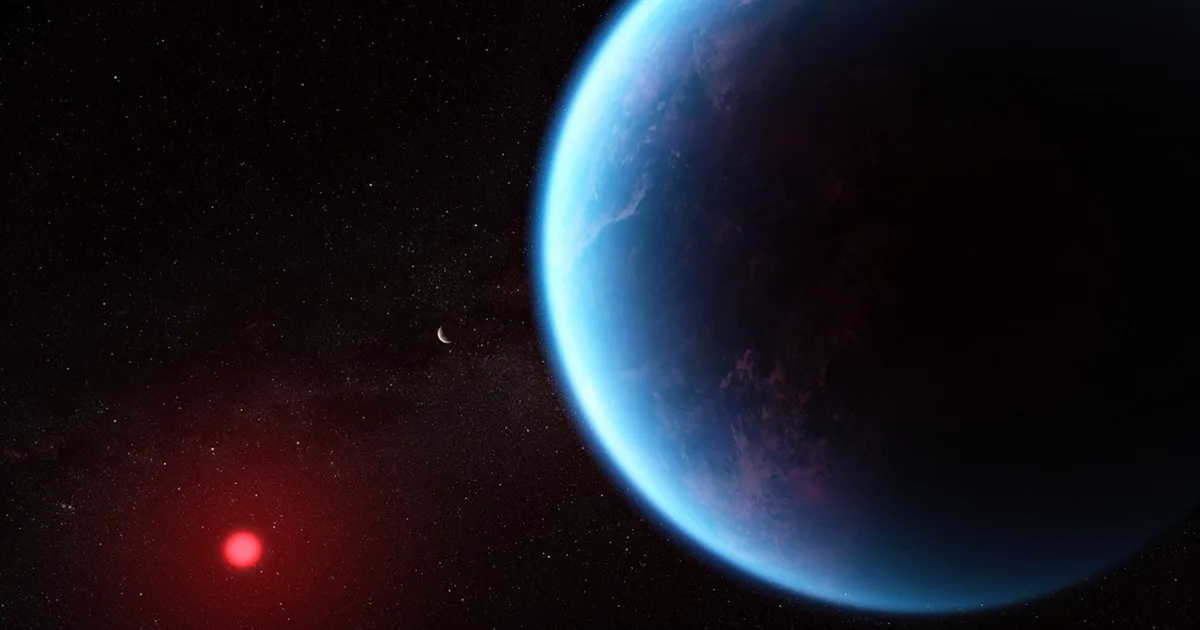
For instance, the methane plumes on Mars, the presence of phosphine in the atmosphere of Venus, and dimethyl sulfide in the atmosphere of the exoplanet K2-18b might be the result of biological or geological processes.
This image is an illustration of the Exoplanet K2-18b constructed based on science data. Research reveals that this Exoplanet is 8.6 times as massive as Earth, orbits the cool dwarf star K2-18 in the habitable zone, and lies 120 light-years from Earth.
New technique may distinguish true signs of alien life
The difficulty in definitively pinpointing the source of biosignatures means that the presence of organic compounds does not necessarily count as evidence of life. However, Klenner is looking to address this issue by distinguishing between biosignatures of biotic and abiotic origins.
Reflecting on the newly discovered process, Klenner added, “We focused on amino acids and fatty acids because they are central molecular classes for life as we know it and because suitable datasets exist”.
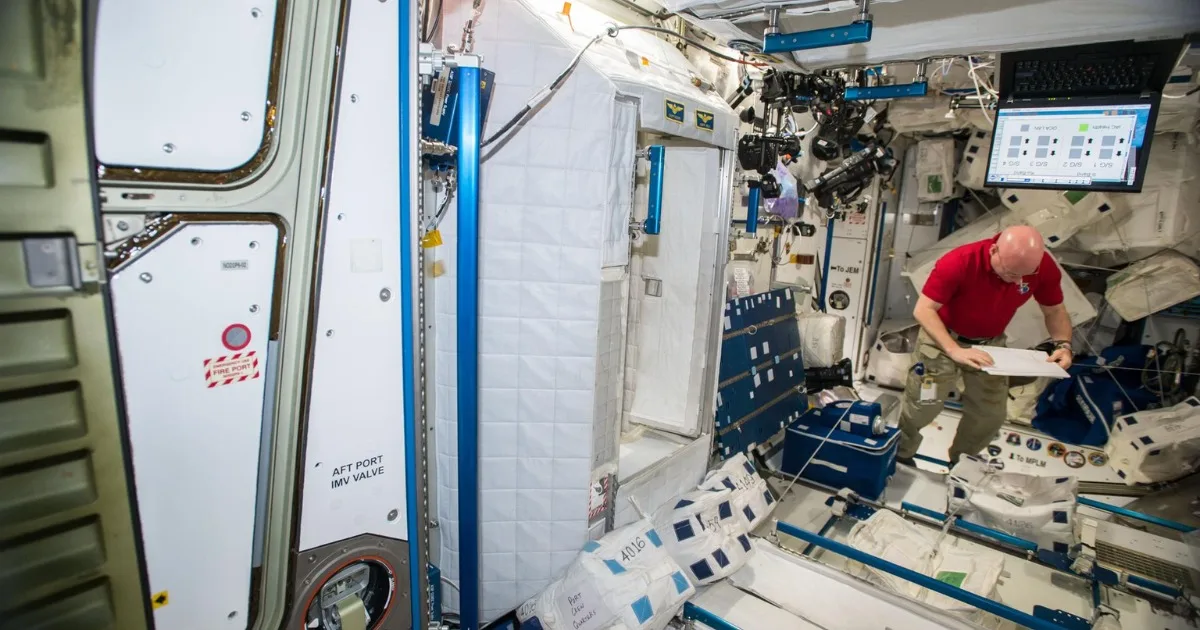
This image shows NASA astronaut Scott Kelly collecting samples for Microbial Observatory-1. This observatory was one of the first to monitor the types of microbes present on the space station.
Study reveals patterns that may indicate alien life
Klenner and team studied about 100 datasets, including samples from asteroids, fossils, meteorites, microbes, soils, and synthetic laboratory samples. These samples revealed how amino acids are distributed evenly and are more diverse when produced by living organisms. Fatty acids, on the other hand, are more diverse when created by abiotic factors.
While this is not a fail-safe way of conducting the research to search for life beyond the Blue Planet, Klenner said, “In principle, similar organizational trends may exist for other molecular classes, but this still needs to be tested.”
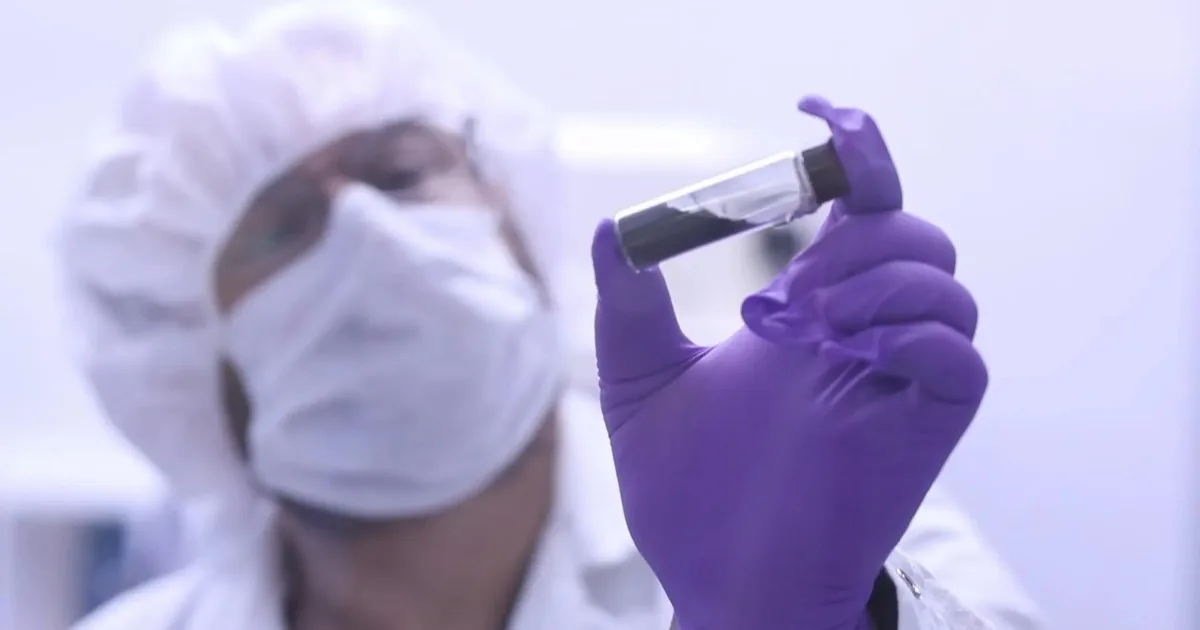
The image shows Jason Dworkin studying a vial that contains part of the sample from asteroid Bennu delivered to Earth by NASA’s OSIRIS-REx.
Scientists outline limits of new alien life method
The new approach may not be applicable for analyzing the DMS detection on K2-18 b, but it can be quite useful for planets closer to the Earth, for example, planets within our Solar System. A very interesting and useful aspect of the latest research is how the initial organizational structures remain intact despite the degradation of the biological samples.
Speaking about the limitations of the method, Klenner briefed, “For a single molecule like DMS, the situation is different. For K2-18b, DMS alone would not be enough for our analysis — we'd need a broader inventory of related molecules.”
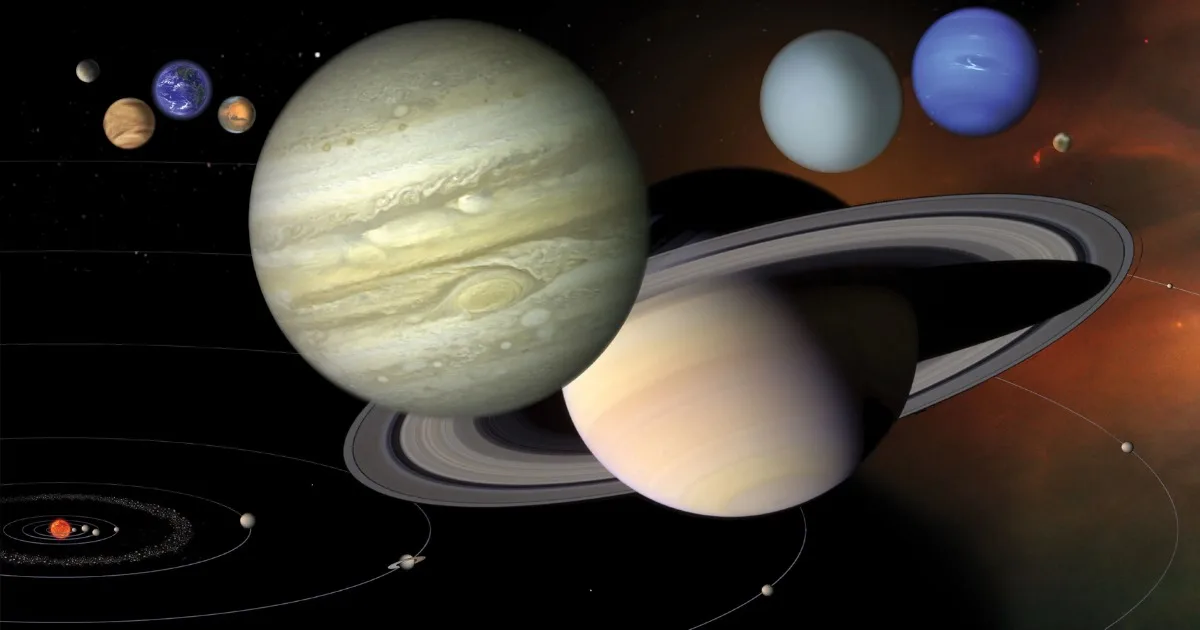
The image is an illustrative representation of our Solar System. The image is not true to scale.
New method could aid search for ancient Martian life
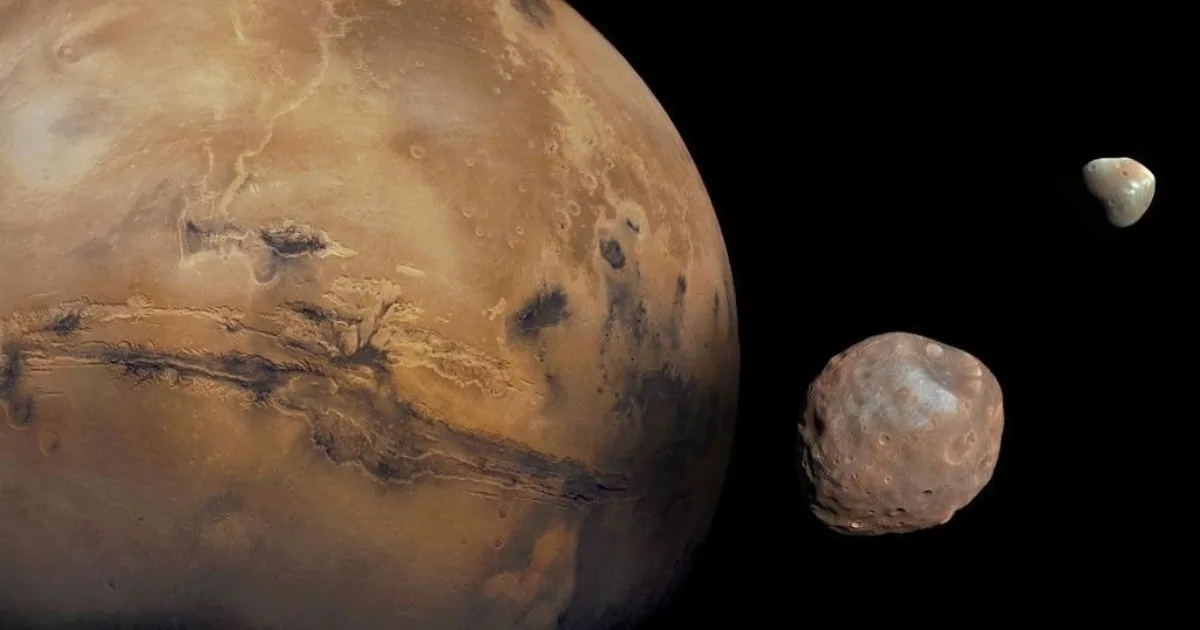
This new method might turn out to be useful for Mars, as astrobiologists have been vigorously searching for any signs of life on the red planet, when Mars was warmer and wetter a few billion years ago. Speaking on the topic, Klener said, “Biological samples do not simply become meaningless once they degrade. Some organizational information can persist, which makes this approach useful for ancient Mars."
The image shows the two cratered moons of Mars, Phobos and Deimos.
Europa Clipper mission could reveal alien life clues
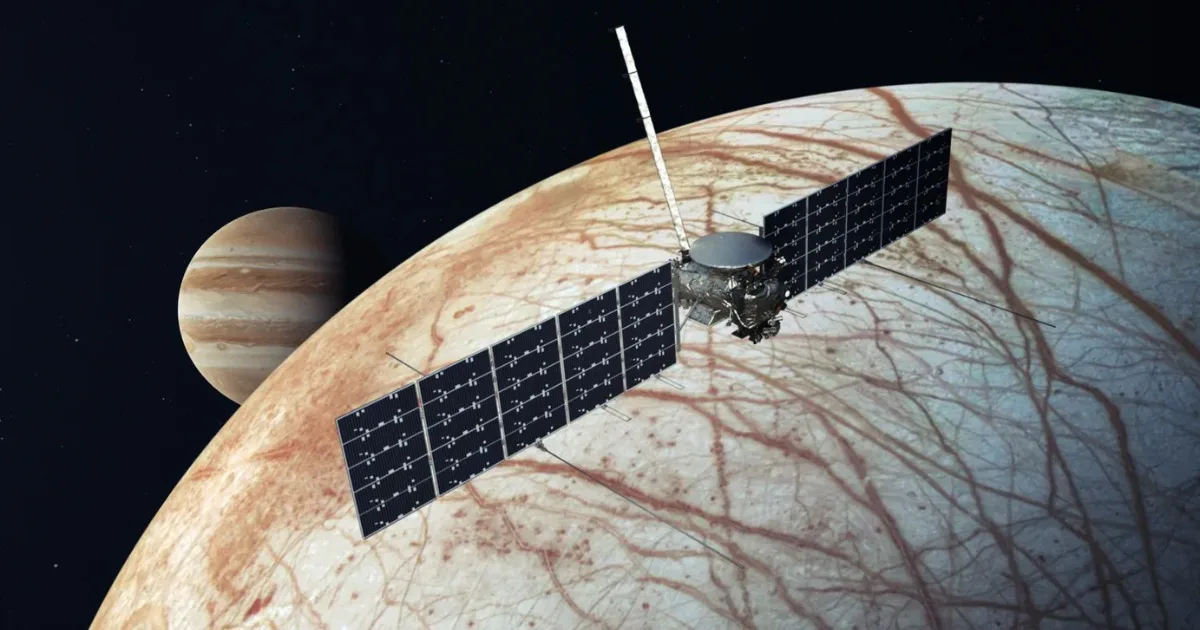
The new technique might not be self-sufficient enough to locate and confirm the existence of life beyond Earth. However, it can surely help scientists in discovering the best places to search for probable alien life. And one such place might be Jupiter’s moon, Europa. Astrobiologists remain doubtful whether Europa’s global ocean of water beneath a thick icy shell can support life. Currently, NASA’s Europa Clipper mission is expected to reach Jupiter in 2031.
Commenting on the mission, Klenner said, “One of the instruments on board Clipper, the Surface Dust Analyzer, will be able to measure the abundance ratios of organic molecules in ice grains emitted from Europa. If families of organic molecules are detected, then our diversity-based approach will help interpret whether these molecules look more consistent with abiotic chemistry or biological organization.”
The image is an artist’s visualization of the NASA Europa Clipper spacecraft.