NASA releases mind-boggling images of the Moon from Artemis II mission
Shades of the Moon in the shadows
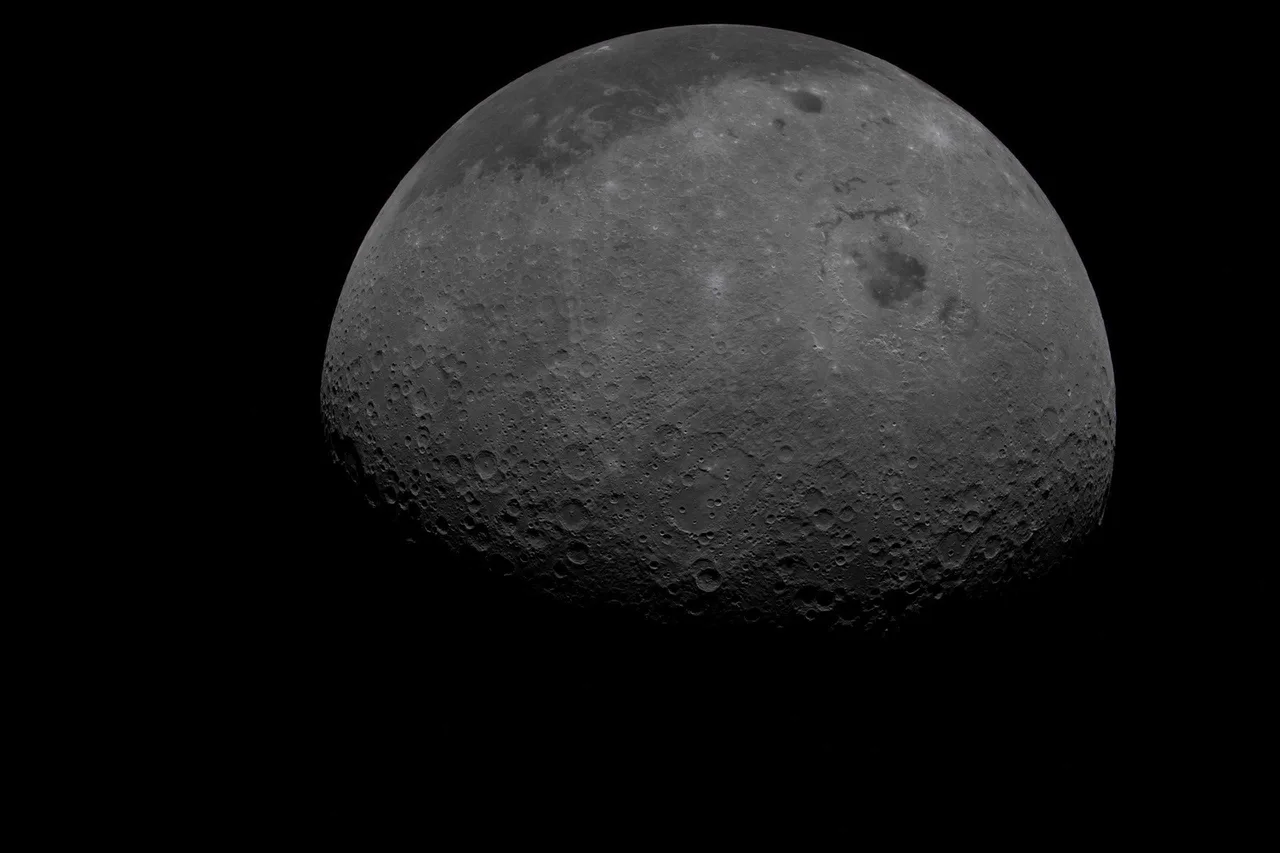
In this view of Earth's only natural satellite, the hemisphere of the Moon that is visible from the Earth has been captured. The Orientale Basin, alongside the dark splotches are clearly visible in the image. A major portion of the Moon is in the dark. The dark splotches mark the areas where the lava flowed during the period when those areas of the Moon were volcanically active. The Orientale Basin is an approximately 600-mile-wide crater that is visible from Earth.
A handheld testament to the Vavilov Crater
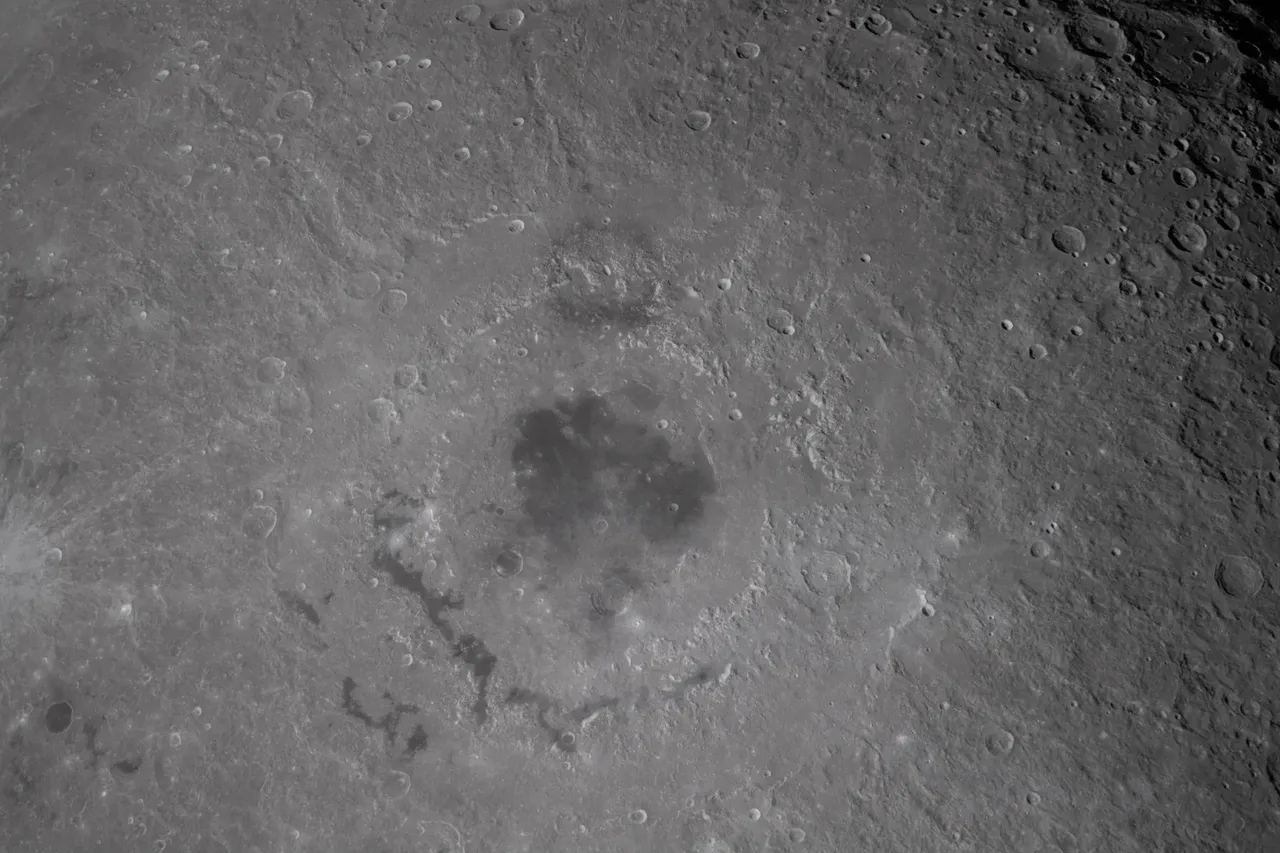
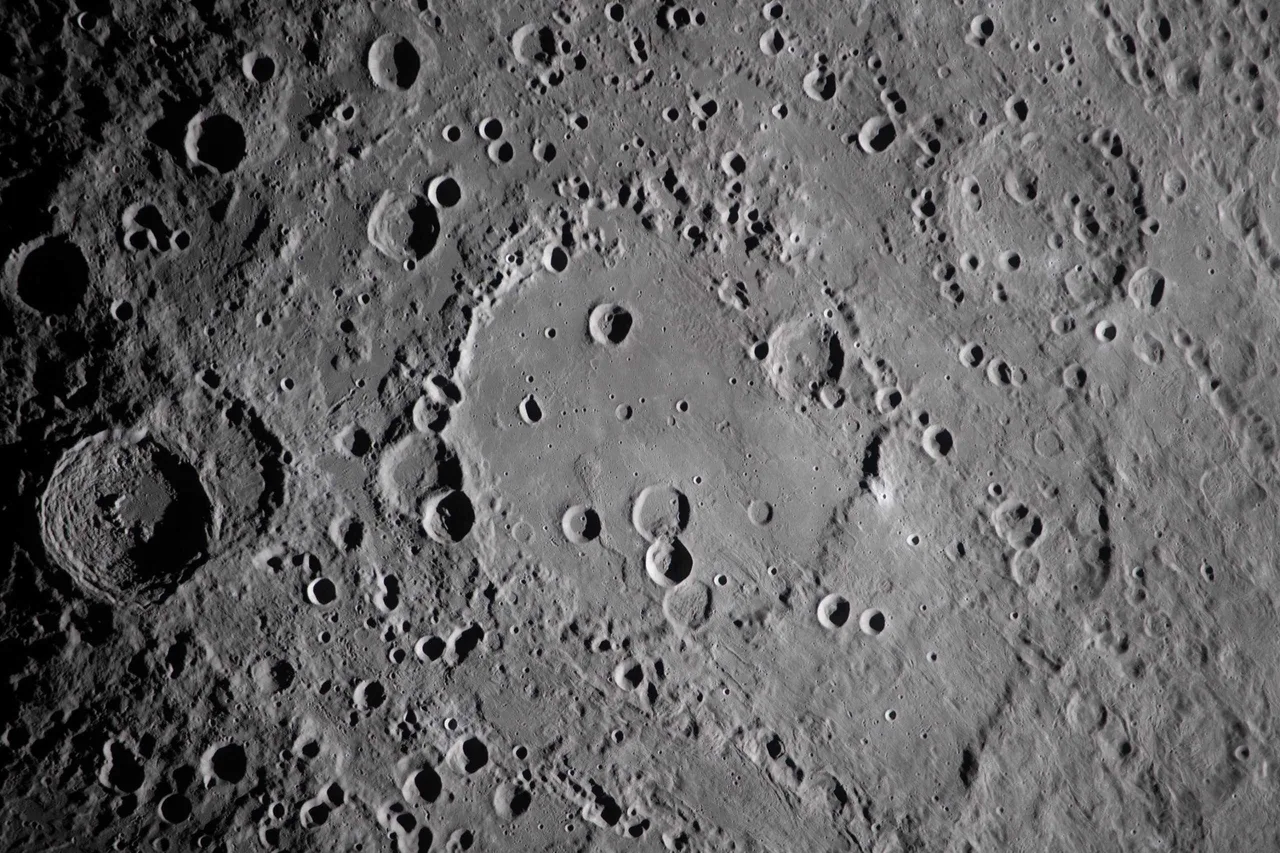
The lunar surface might look the same in pictures with craters and rugged terrains. But there can be some significant characteristics observed when examined minutely. This is exactly the notion that the Artemis II crew gave a thought to when they decided to get an up-close and personal shot of Vavilov crater. Situated on the rim of the significantly larger Hertzsprung basin, the transition shown in the picture is fascinating. The surface shows a drastic change from smooth on the right to a more rugged area around the rim. This particular image was captured with a handheld camera having a focal length of 400mm.
Rings of impact
What's a moon without its craters? Thus, when the Artemis II crew was completing its flyby on April 6, 2026, they remembered to snap a very important aspect of the Earth’s natural satellite. In the picture, a close-up and intricate shot of the rings of the Orientale basin can be spotted. Among the various craters, this one in particular is the youngest and best-preserved large impact crater on the moon. The picture was taken by the crew during their flyby.
The marks of the Moon
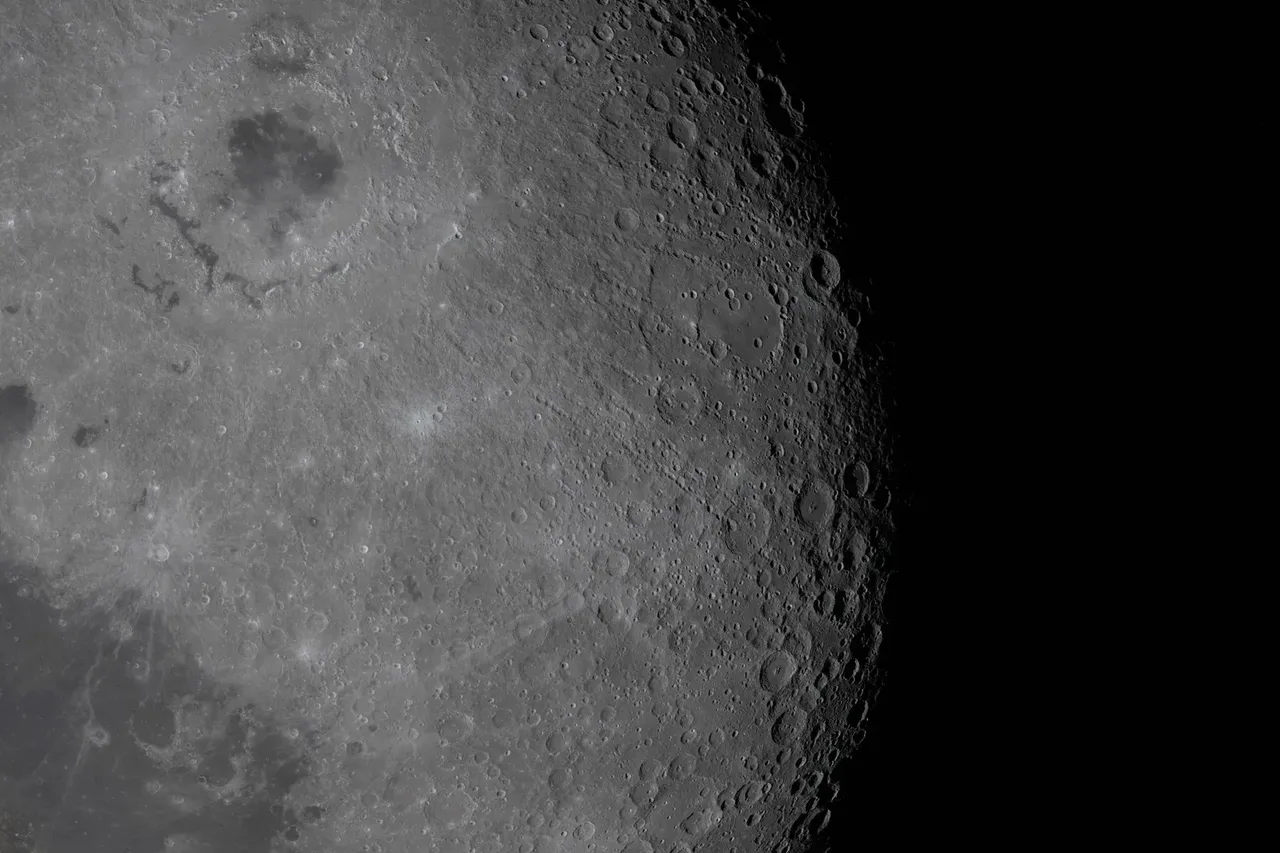
This shot captures the Orientale Basin. And alongside that, the image also captures the darker regions, which include the Oceanus Procellarum, Mare Humorum — known as the "Sea of Moisture". The Moon is glowing while reflecting the light of the Sun in the vast blackness of space.
The Moon in more than two-thirds of its glory
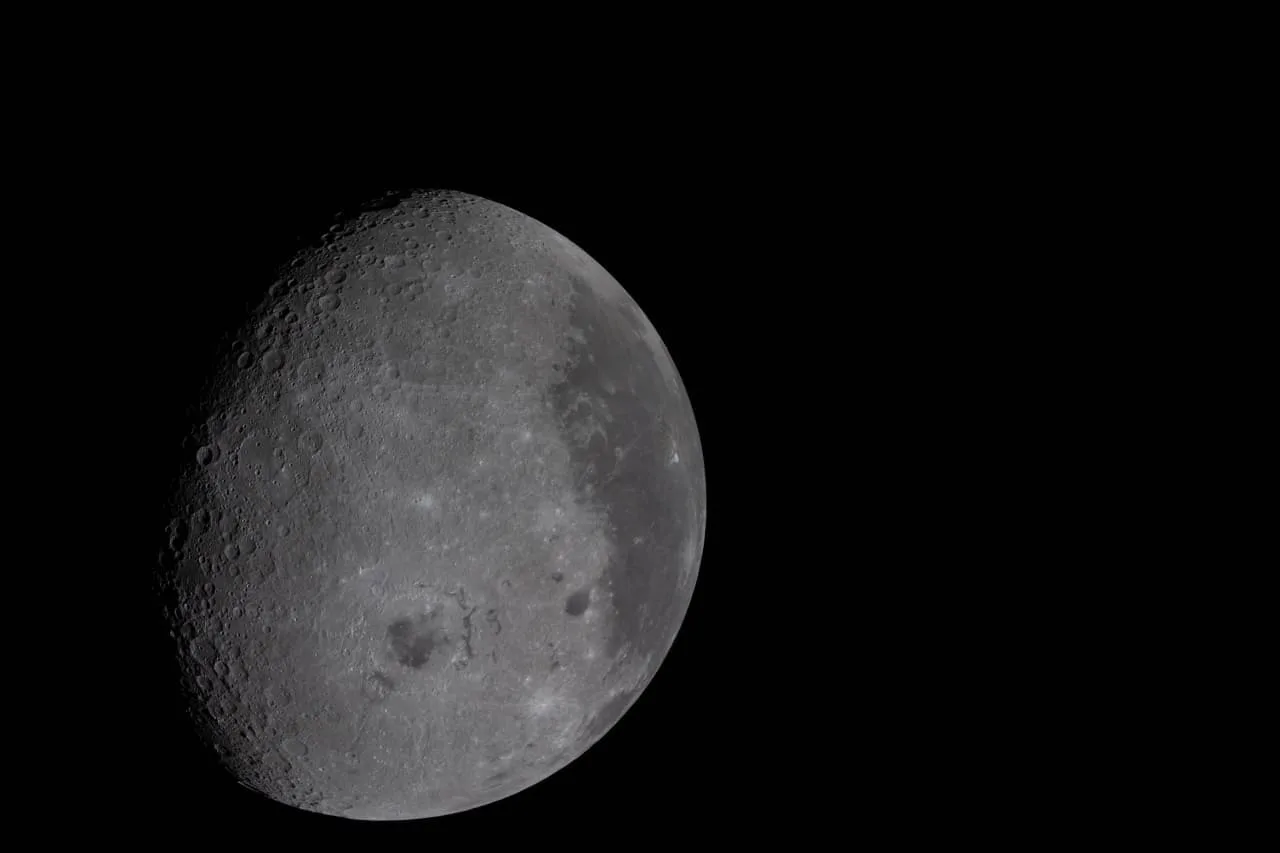
The Artemis II crew not only captured some close shots, but also tried to show a full-blooming moon as they flew by. As in the case of this particular image, more than two-thirds of the Moon is visible. Immediately at a glance, some of the prominent characteristics, like the Orientale basin, the 600-mile-wide impact crater, can be spotted. Apart from these, the Grimaldi crater, which is situated northeast of the Orientale basin, can also be spotted from a distance. Exhibiting a dark lava floor, the basin is visible quite easily in the picture.