Artemis II in photos: Humanity’s historic mission around the Moon and back
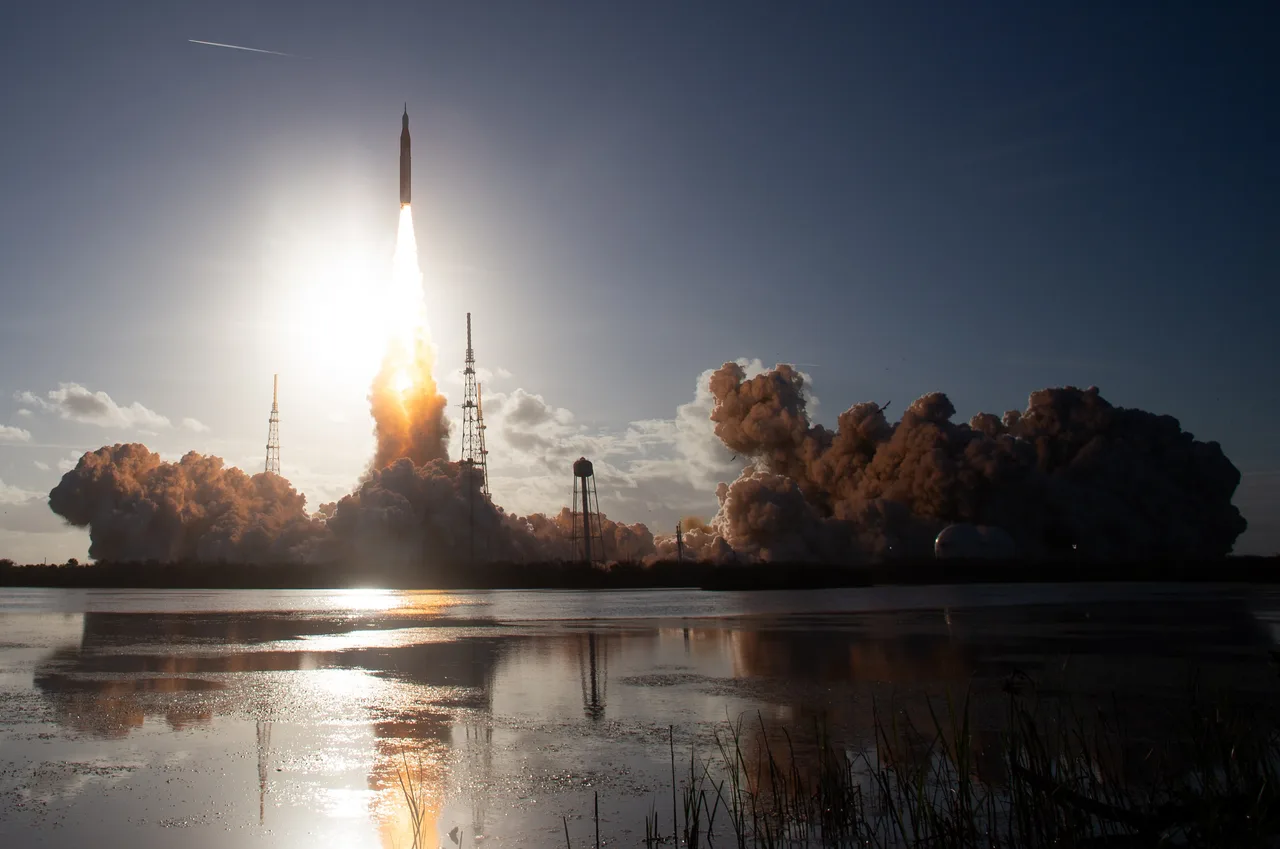
NASA’s Space Launch System rocket just after lift-off of Artemis II
NASA’s Space Launch System rocket carrying the Orion spacecraft launches on the Artemis II mission, Wednesday, April 1, 2026 at 6:35 pm EDT, from Launch Complex 39B at NASA’s Kennedy Space Center in Florida. NASA’s Artemis II mission took the crew on a 10-day journey around the Moon and back aboard their Orion spacecraft.
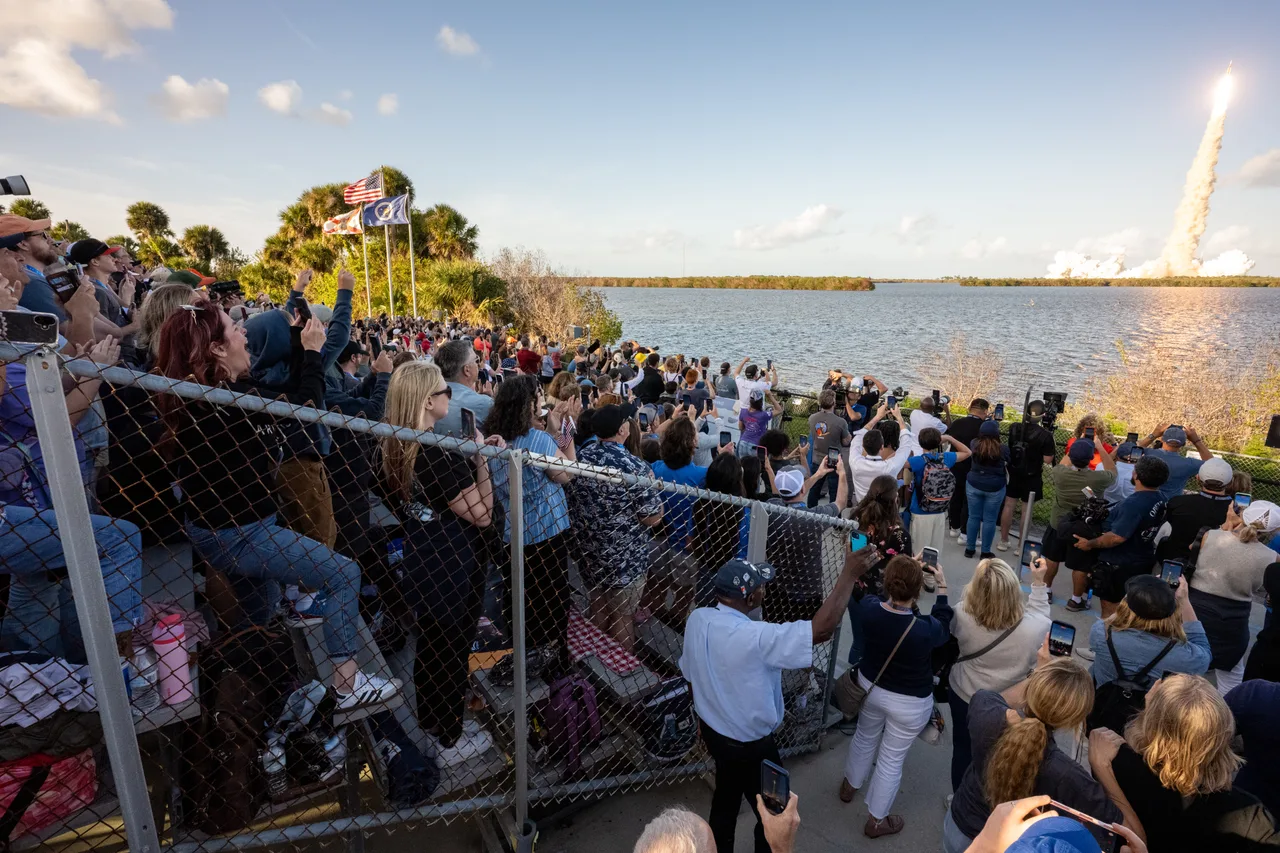
Artemis II launches amid fanfare
Guests at the Banana Creek viewing site watch the launch of NASA’s Space Launch System (SLS) rocket for the Artemis II mission at NASA’s Kennedy Space Center in Florida.
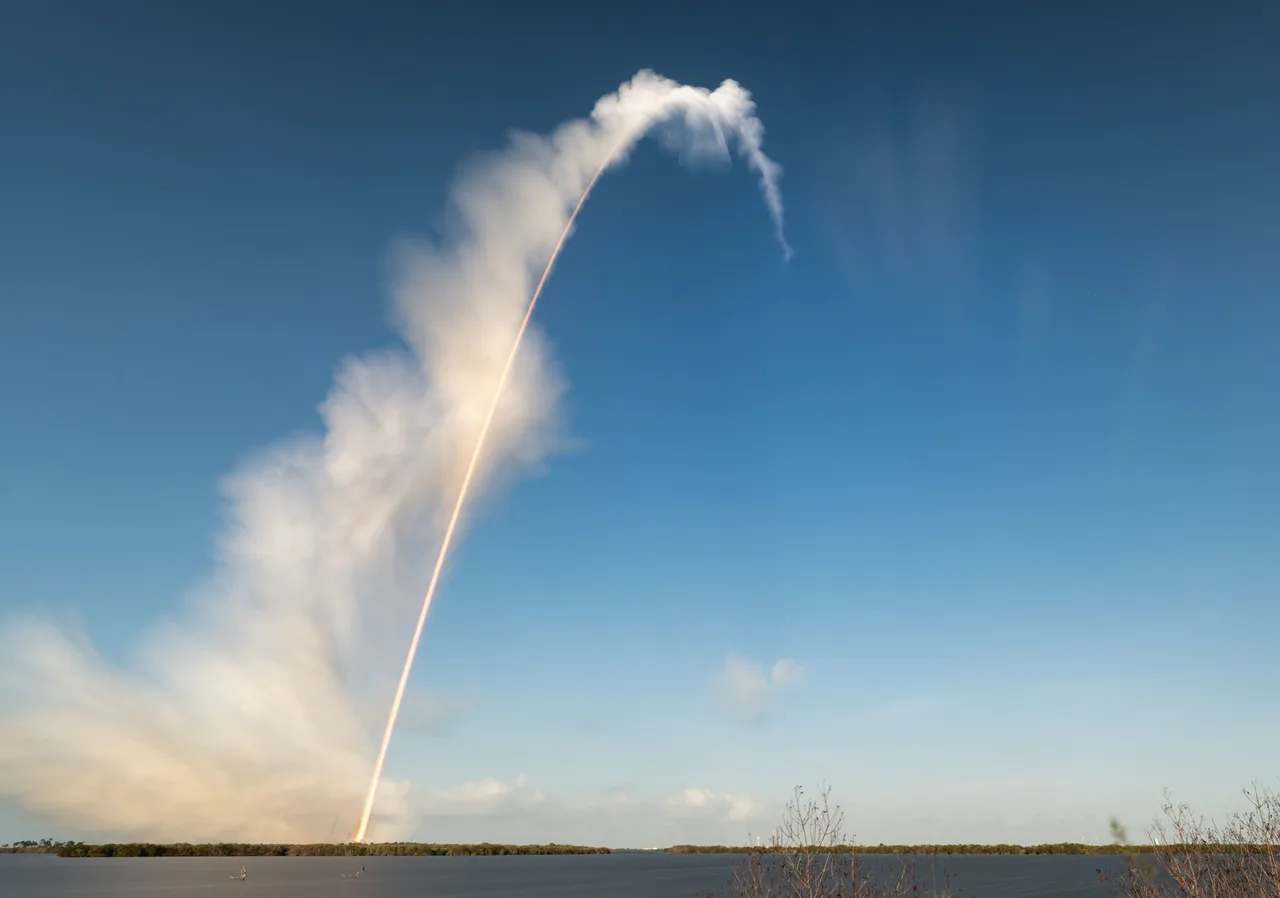
Artemis II SLS rocket's plume
In this three minute exposure, NASA’s Space Launch System rocket leaves behind a trail of vapor as well as tracing a path of light from its RS-25 engines.
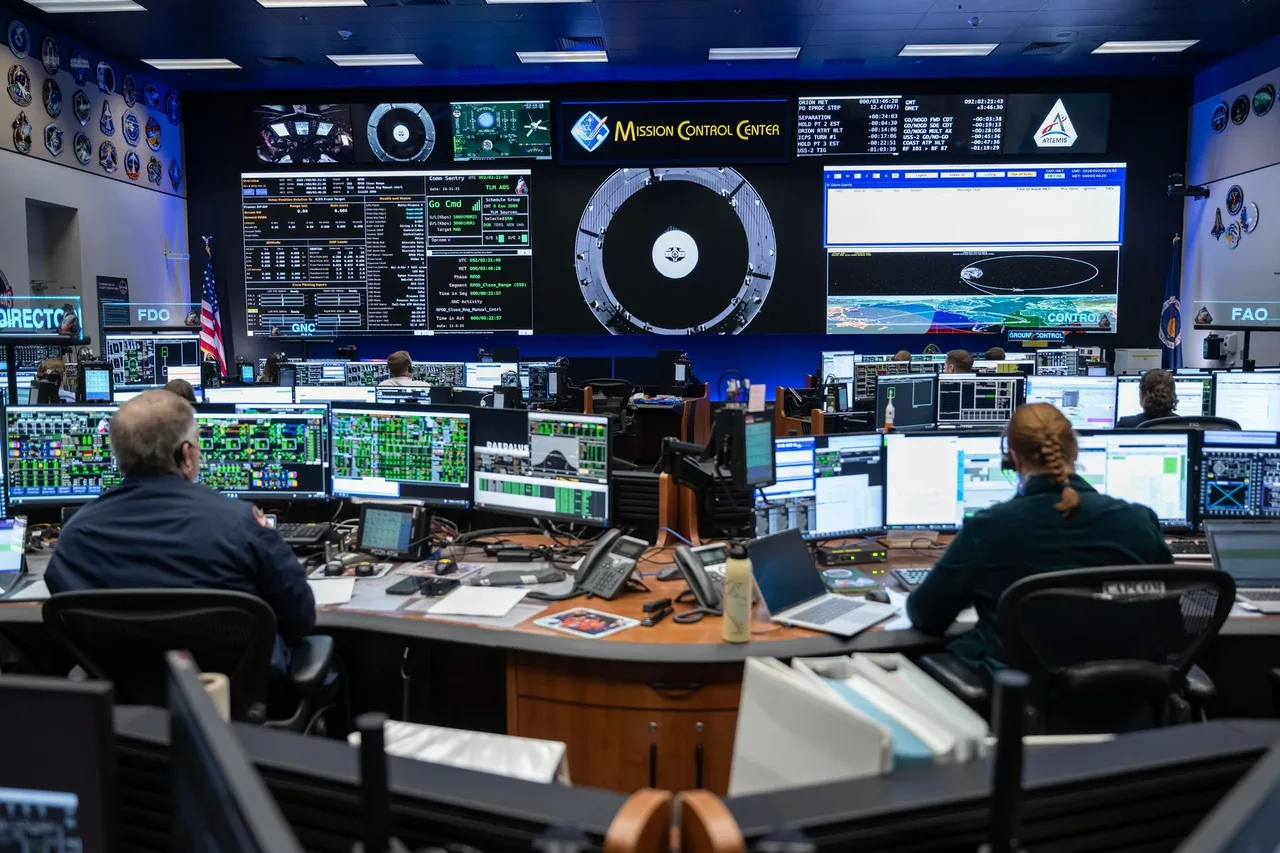
Artemis II mission controllers during proximity operations demonstration
Lead Artemis II Flight Director Jeff Radigan (left) and capsule communicator (capcom) Amy Dill (right) in the White Flight Control Room at the Mission Control Center at NASA’s Johnson Space Center in Houston. At the time of this photograph, a little over three hours into the mission, the Artemis II crew conducting a manual piloting test called the proximity operations demonstration.
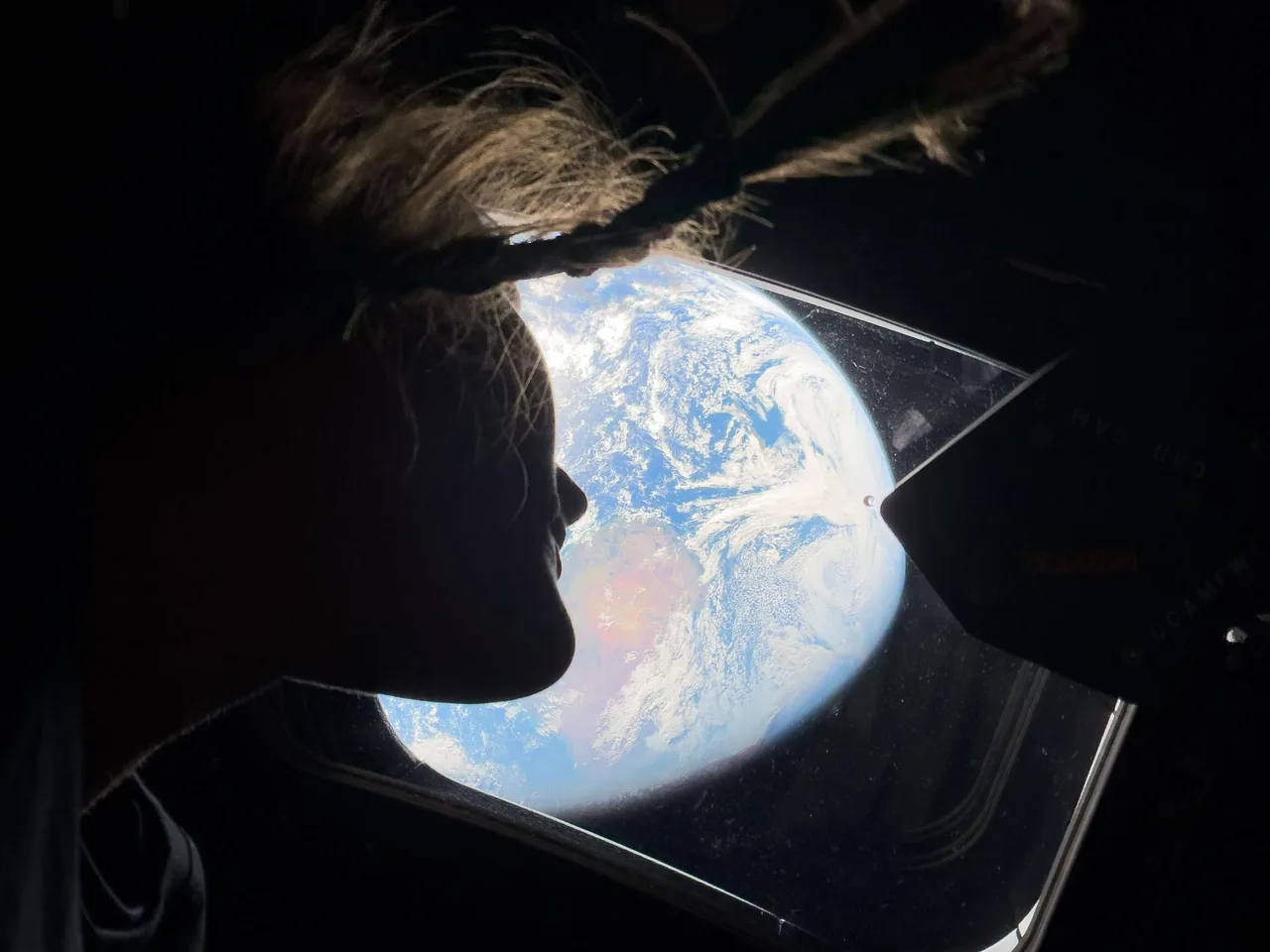
Mission Specialist Christina Koch looking at Earth
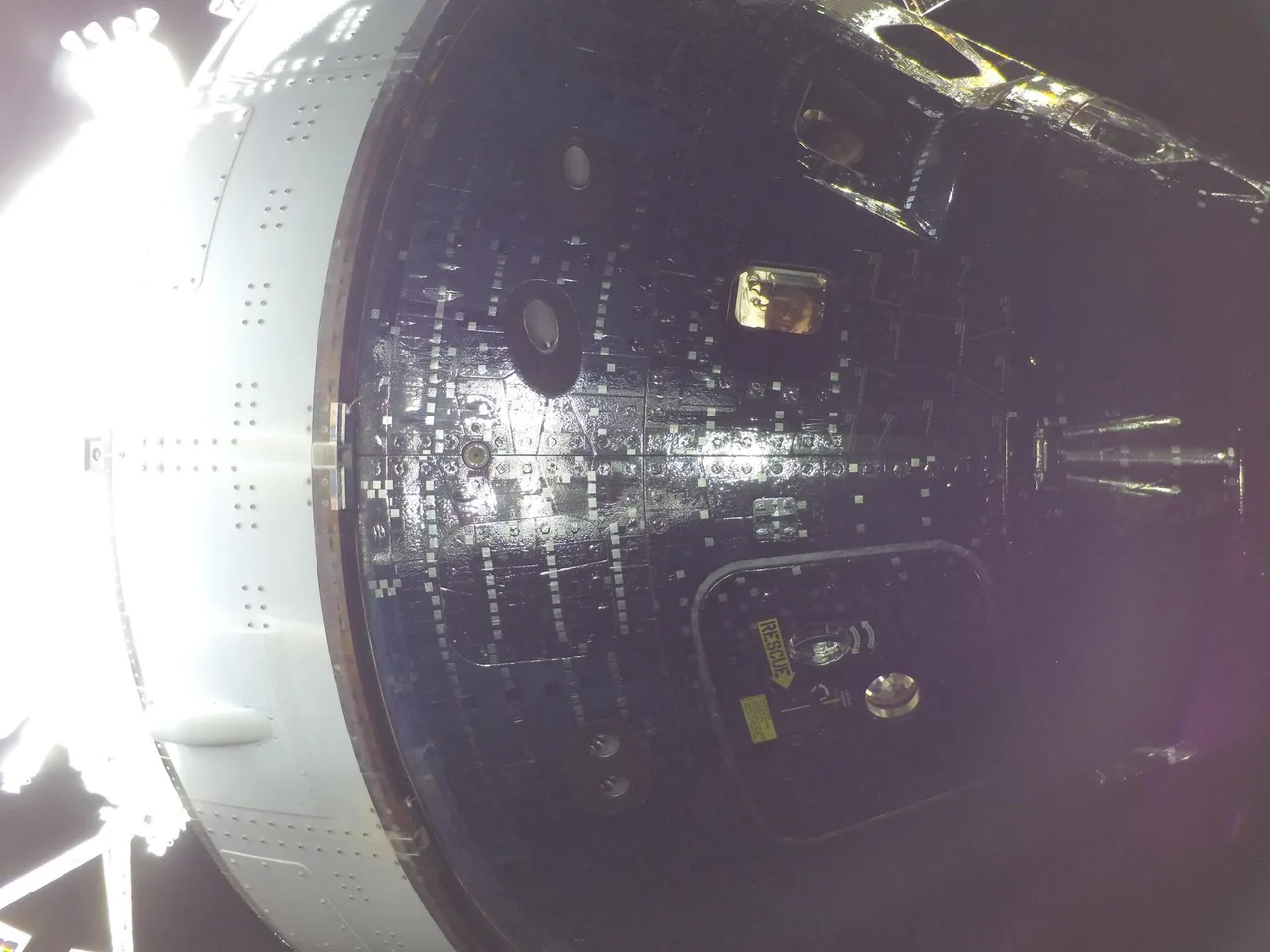
NASA astronaut and Artemis II Mission Specialist Christina Koch peers out of one of the Orion spacecraft's main cabin windows, looking back at Earth, as the crew travels toward the Moon on Day 2 of the mission.
Artemis II family portrait
Artemis II Mission Specialist Christina Koch (center) and Commander Reid Wiseman (top) are seen through windows of the Orion spacecraft while on their way to the Moon. This selfie-style photo was taken using a camera on the end of one of Orion's solar array wings on flight day 4, when Orion was more than halfway to the Moon.
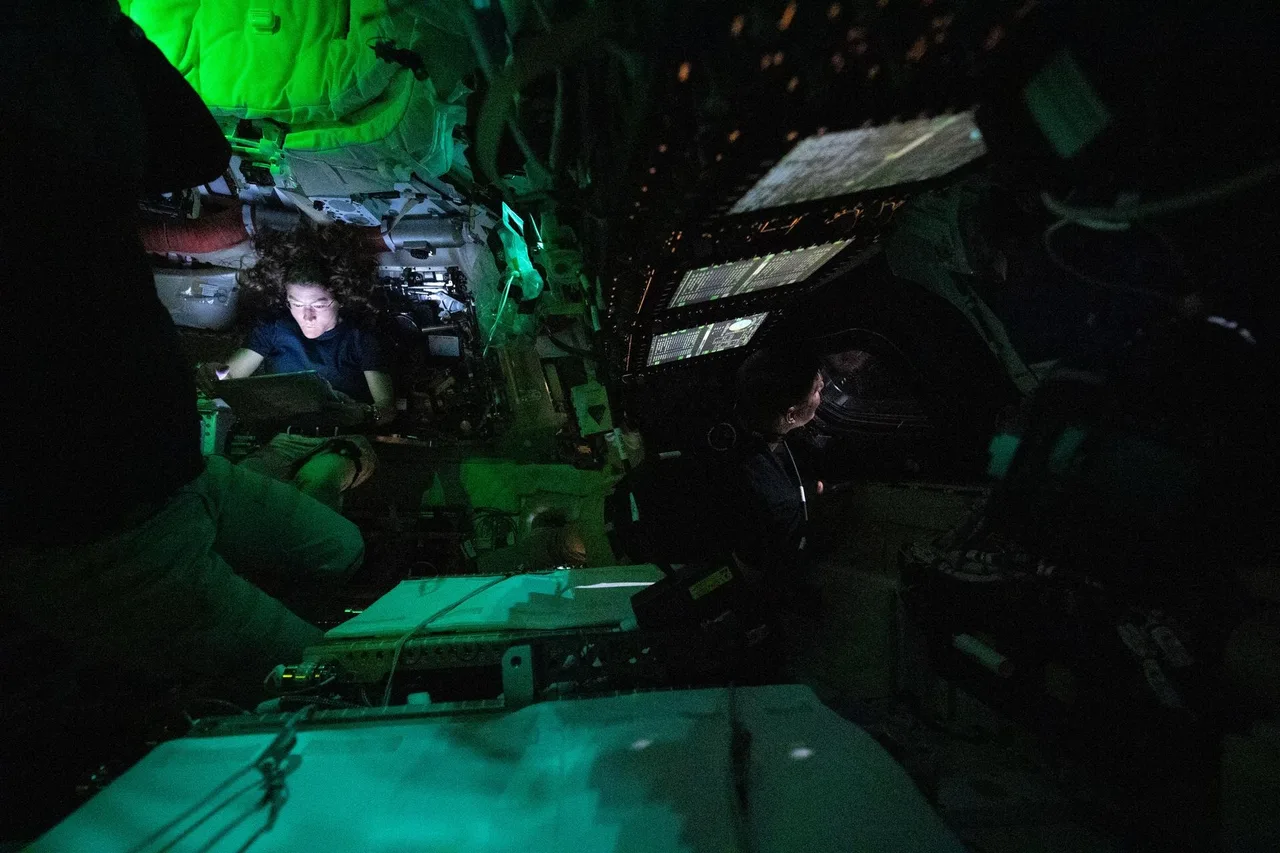
Christina Koch deep at work
NASA astronaut Christina Koch is illuminated by a screen inside the darkened Orion spacecraft on the third day of the agency's Artemis II mission.
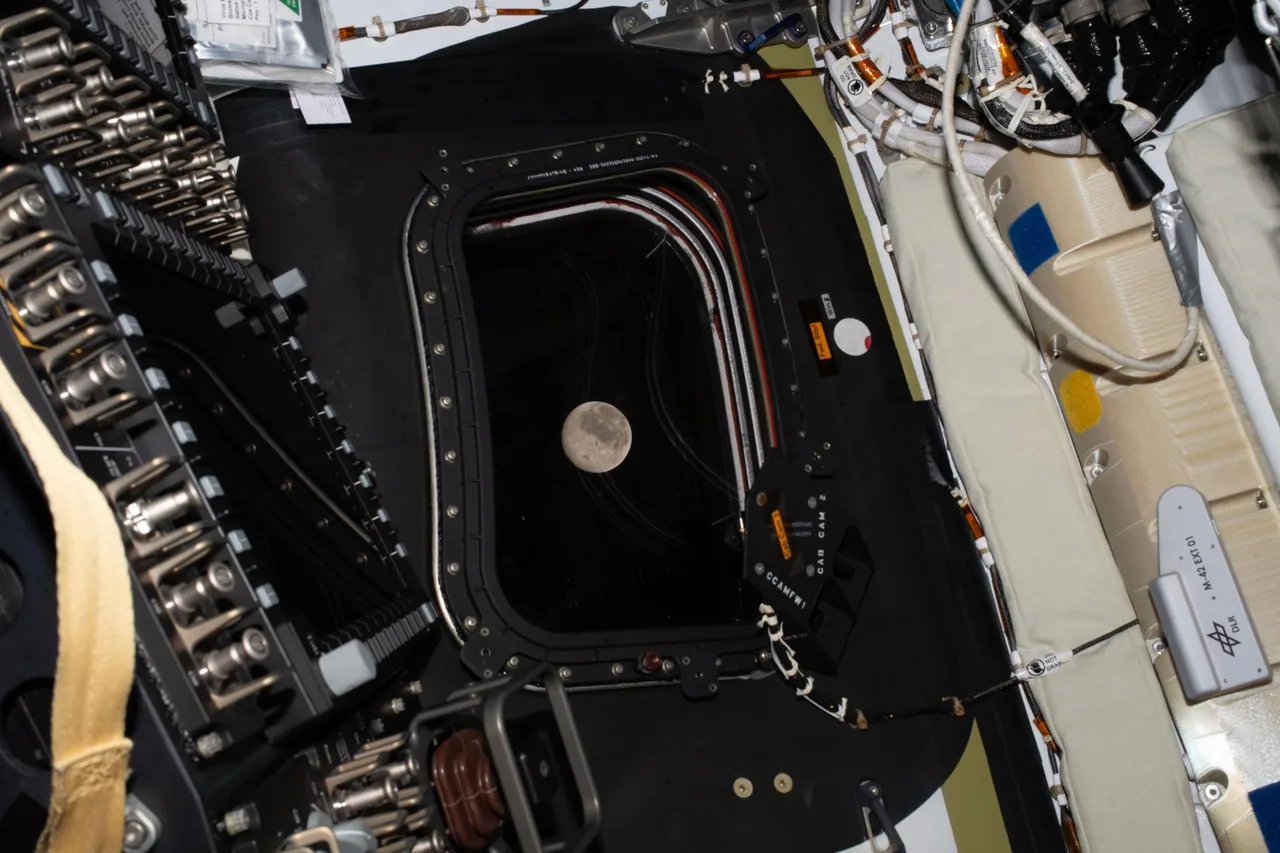
Moon through a window of Integrity
Before going to sleep on flight day 5, the Artemis II crew snapped one more photo of the Moon, as it drew close in the window of the Orion spacecraft. Orion and the four humans aboard entered the lunar sphere of influence at 12:37 am EDT on April 6, at the tail end of the fifth day of their mission. That marked the point at which the Moon's gravity had a stronger pull on the spacecraft than the Earth's.
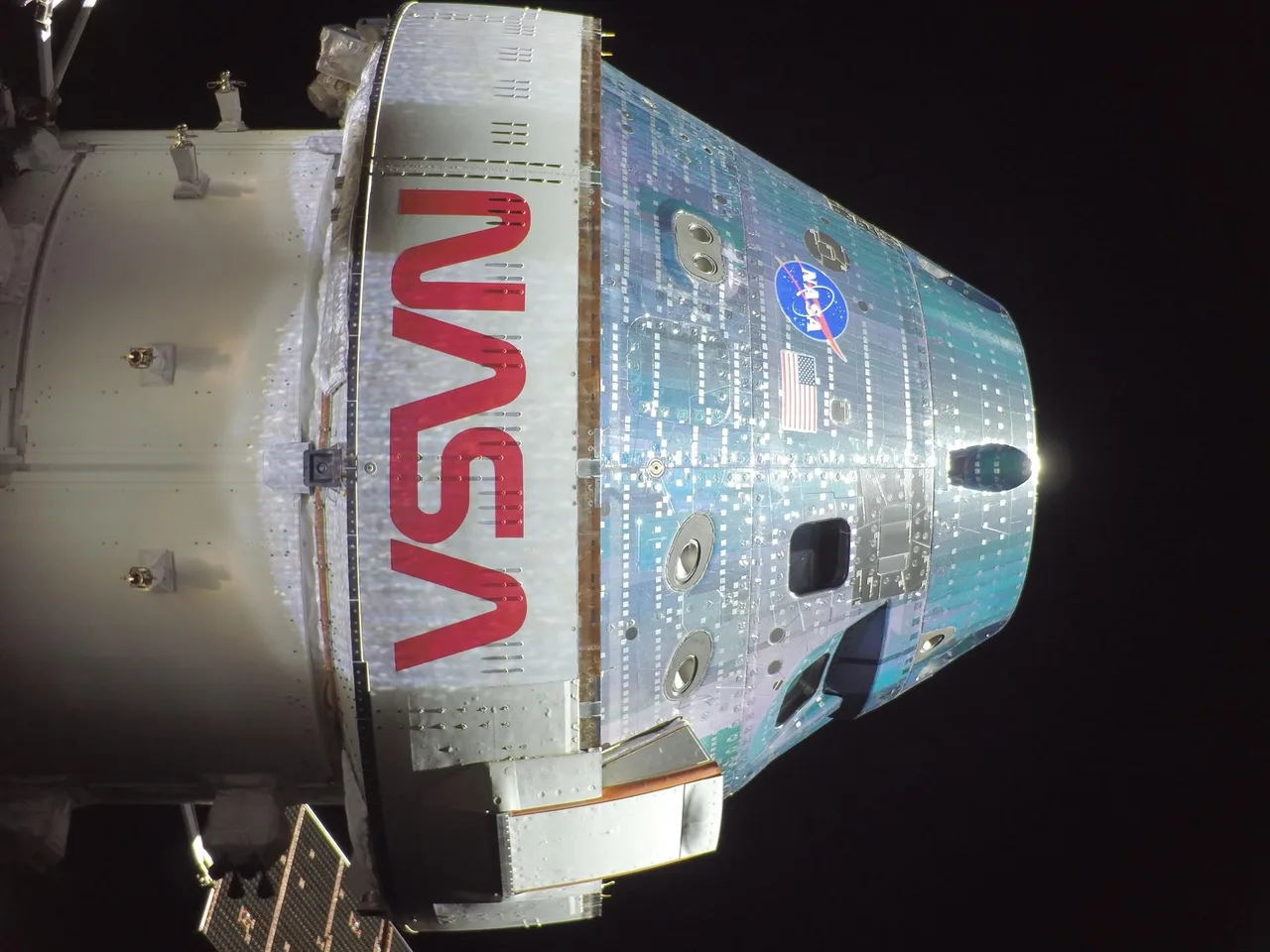
Integrity from the outside
NASA’s Orion spacecraft is pictured here from one of the cameras mounted on its solar array wings. At the time this photo was taken at 8:33 a.m. ET, the Artemis II crew was in a sleep period ahead of beginning their seventh day into the mission.
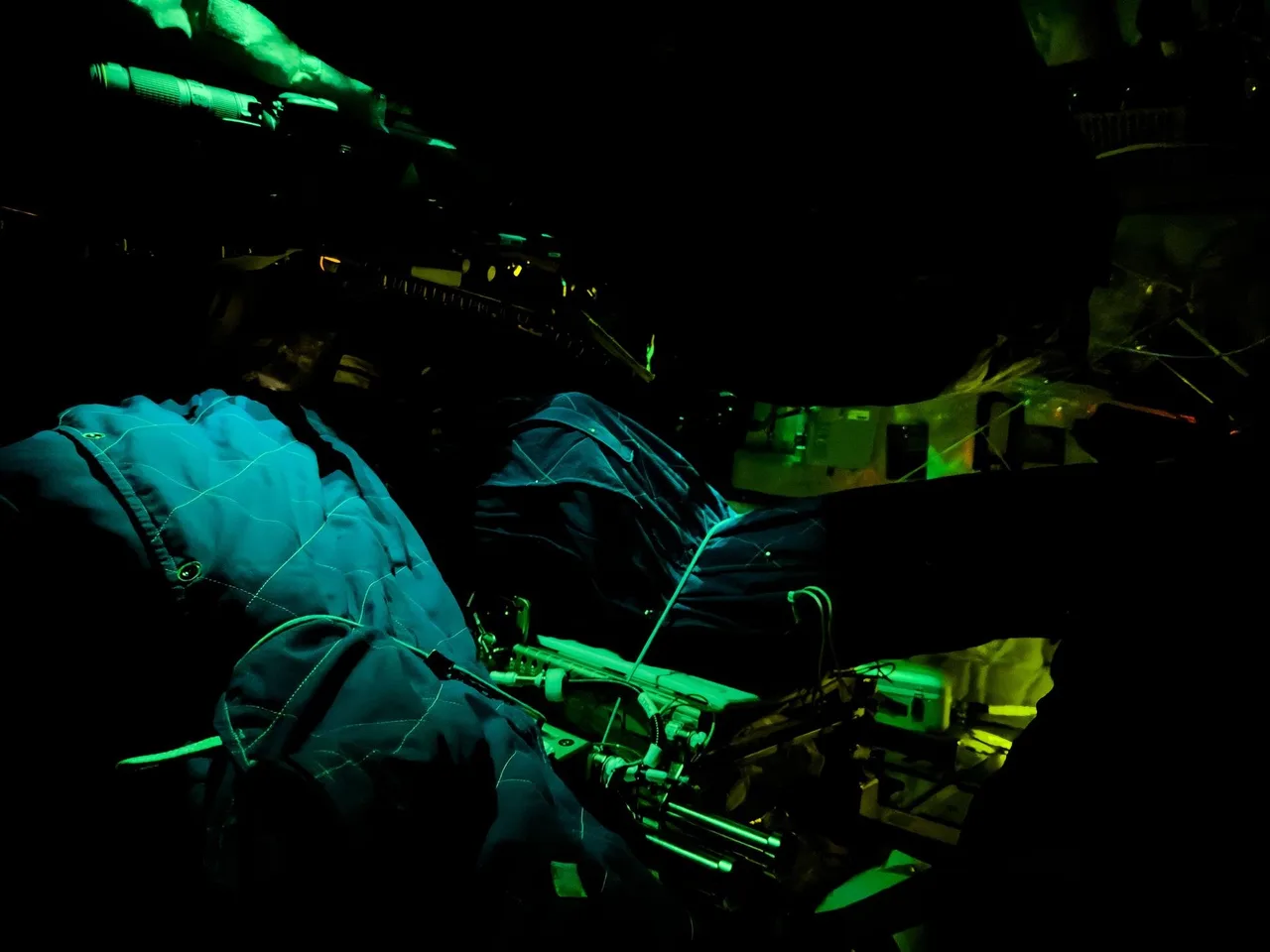
Sleep time aboard Integrity
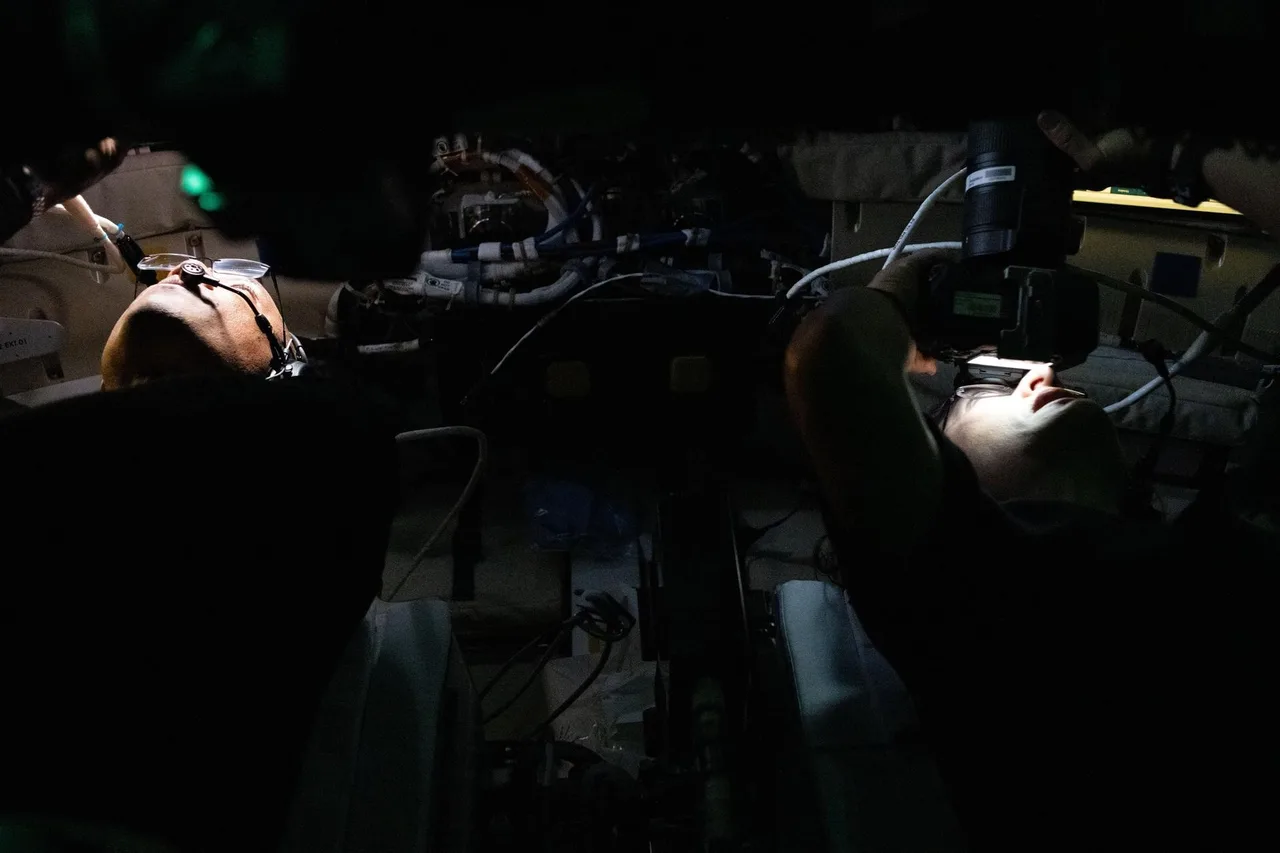
Artemis II crew member sleeping bags are illuminated by indicator and switch lights inside the Orion spacecraft on Flight Day 5 of the mission, with the lights turned down.
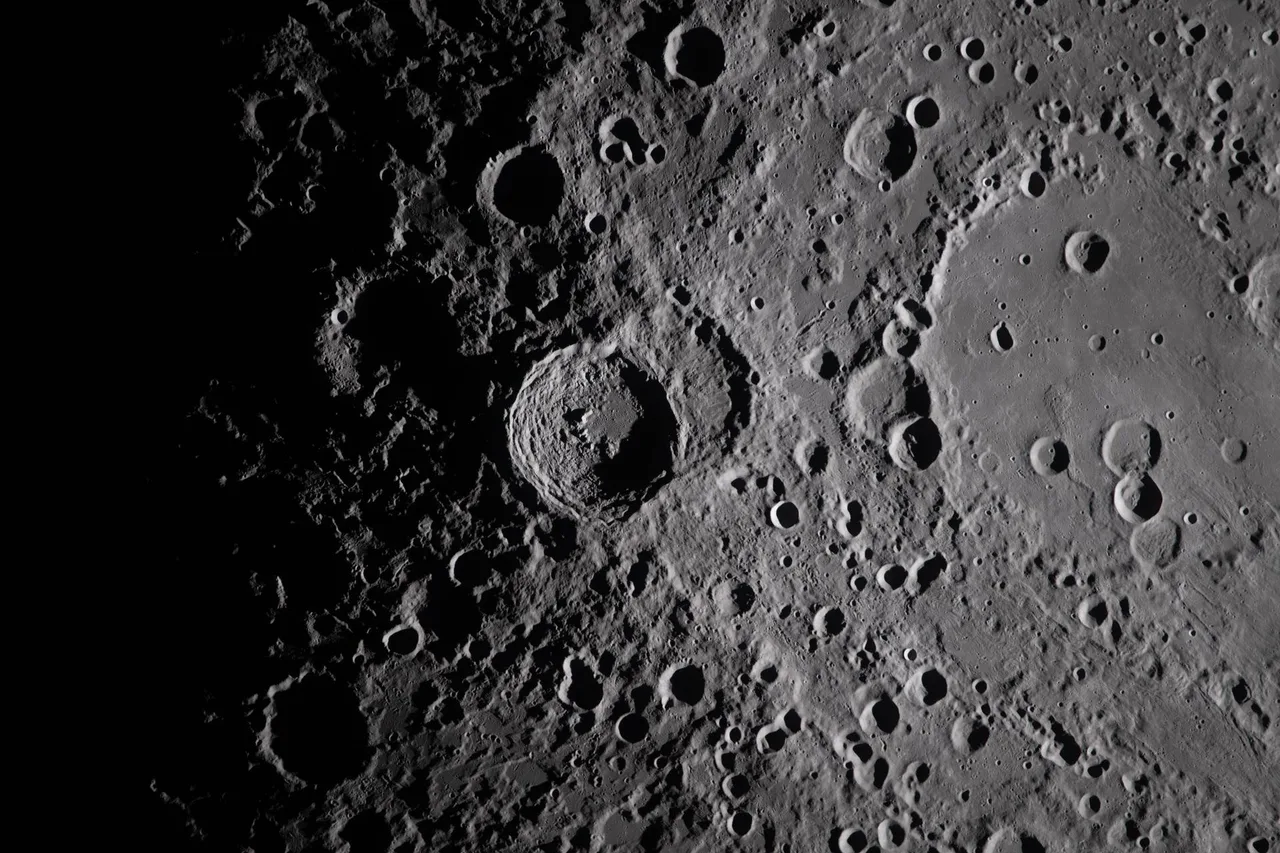
Vavilov crater on the Moon
A close-up view taken by the Artemis II crew of Vavilov Crater on the rim of the older and larger Hertzsprung basin. The right portion of the image shows the transition from smooth material within an inner ring of mountains to more rugged terrain around the rim. Vavilov and other craters and their ejecta are accentuated by long shadows at the terminator, the boundary between lunar day and night. The image was captured with a handheld camera at a focal length of 400 mm, as the crew flew around the far side of the Moon.
Pilot Victor Glover and Commander Reid Wiseman working as a pair
Artemis II Pilot Victor Glover and Commander Reid Wiseman gather images and observations of the lunar surface to share with the world during the lunar flyby on the sixth day of the mission. The crew spent approximately seven hours taking turns at the windows of the Orion spacecraft as they flew around the far side of the Moon. At closest approach, they came within 4,067 miles of the Moon’s surface.
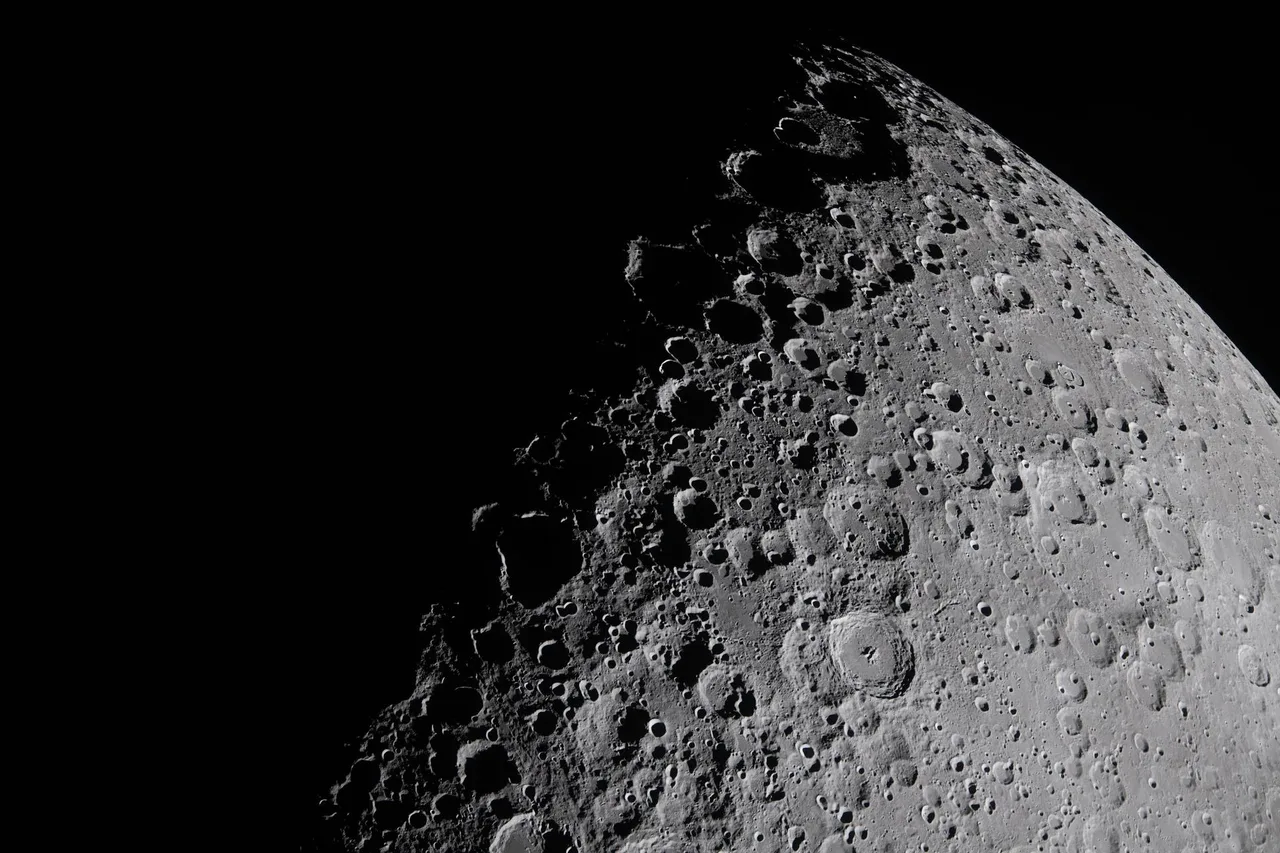
The heavily cratered lunar far side
The Artemis II crew captures a portion of the Moon coming into view along the terminator where low-angle sunlight casts long, dramatic shadows across the surface. This grazing light accentuates the Moon’s rugged topography, revealing craters, ridges, and basin structures in striking detail. Features along the terminator such as Jule Crater, Birkhoff Crater, Stebbins Crater, and surrounding highlands stand out. From this perspective, the interplay of light and shadow highlights the complexity of the lunar surface in ways not visible under full illumination.
Mission Specialist Jeremy Hansen busy at work
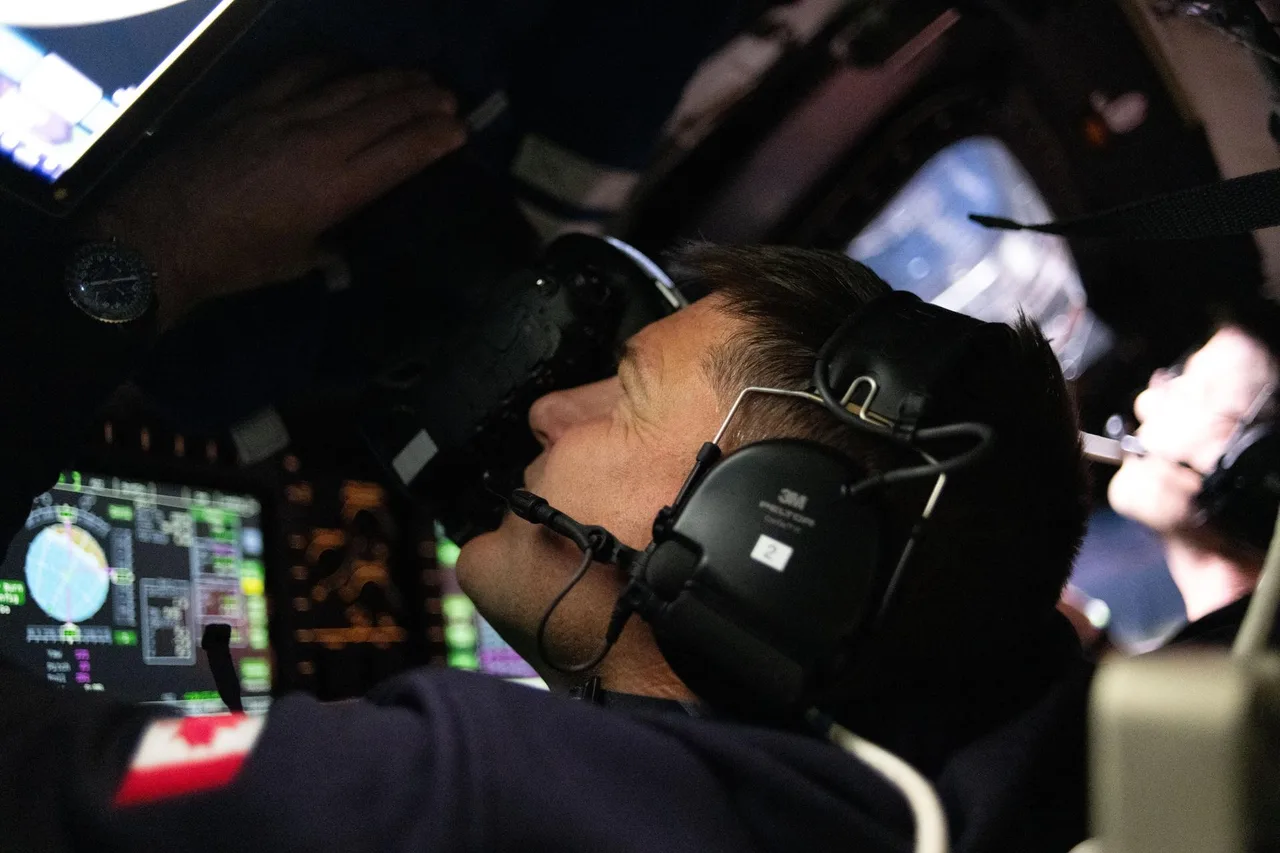
CSA (Canadian Space Agency) astronaut and Artemis II Mission Specialist Jeremy Hansen is seen taking images through the Orion spacecraft window early in the Artemis II lunar flyby. Hansen and his fellow crewmates spent approximately seven hours taking turns at the Orion windows capturing science data to share with their team back on Earth.
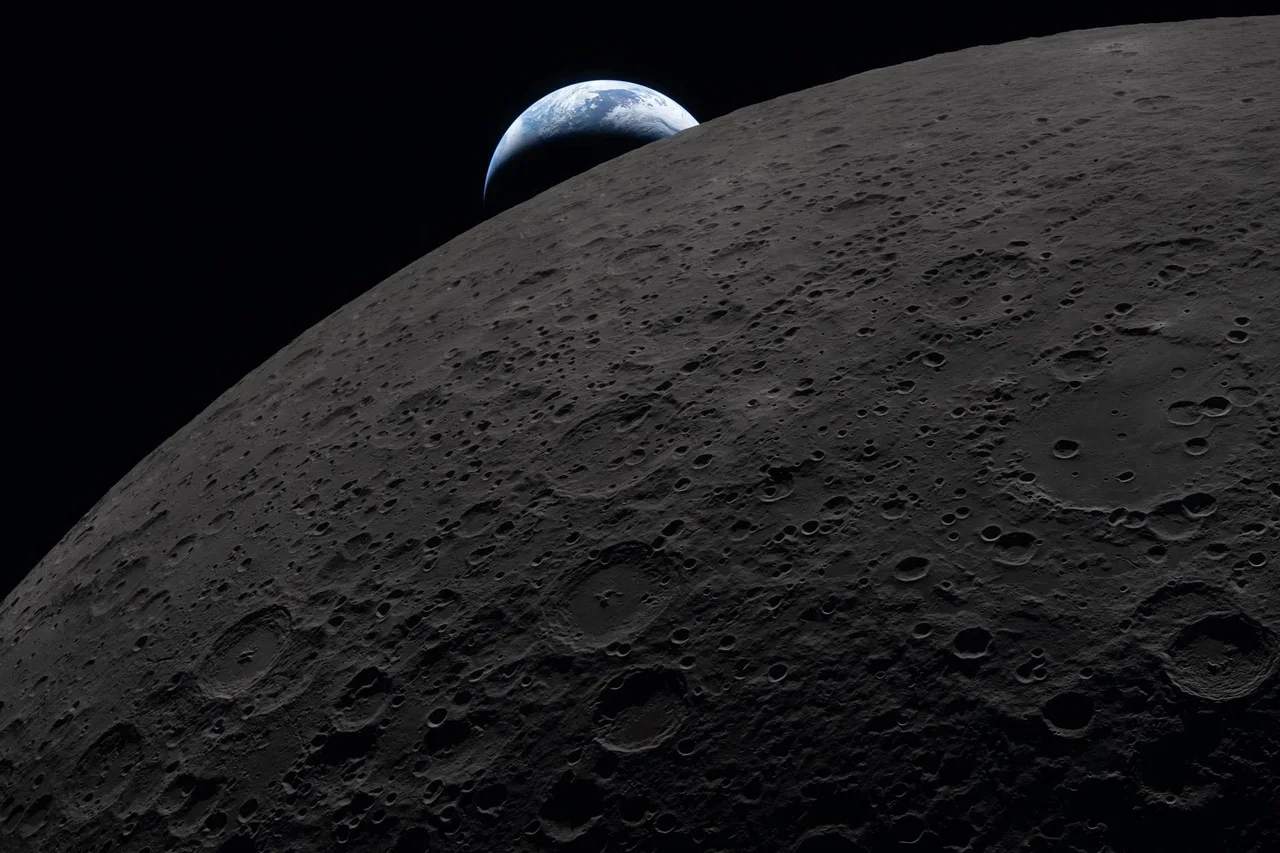
Earth setting behind the lunar horizon
Earthset captured through the Orion spacecraft window at 6:41 p.m. EDT, April 6, 2026, during the Artemis II crew’s flyby of the Moon. A muted blue Earth with bright white clouds sets behind the cratered lunar surface. The dark portion of Earth is in nighttime. On Earth’s day side, swirling clouds are visible over the Australia and Oceania region.
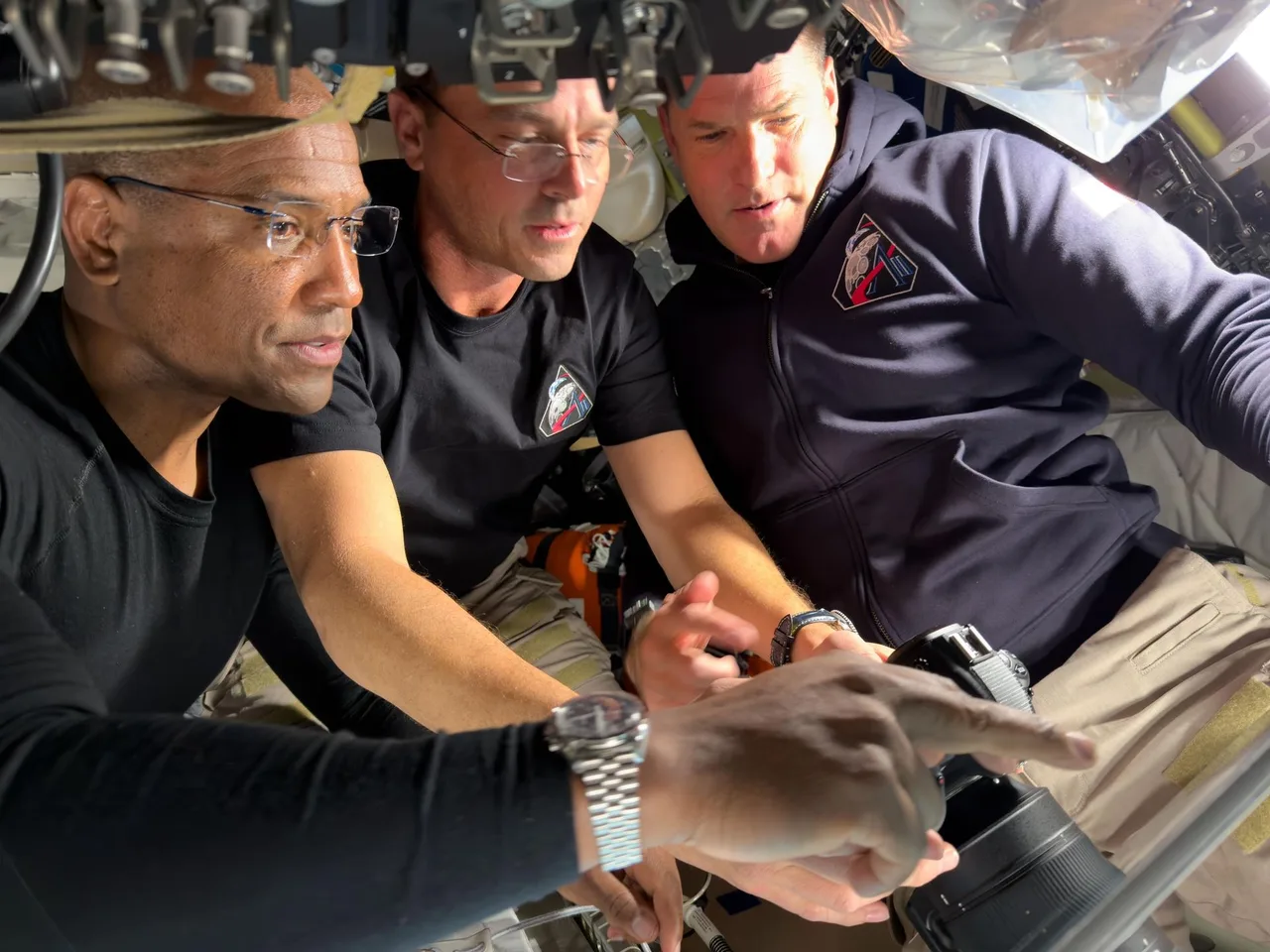
Crew engaged in a discussion while flying by the Moon
Artemis II Pilot Victor Glover, Commander Reid Wiseman, and Mission Specialist Jeremy Hansen prepare for their journey around the far side of the Moon by configuring their camera equipment shortly before beginning their lunar flyby observations.
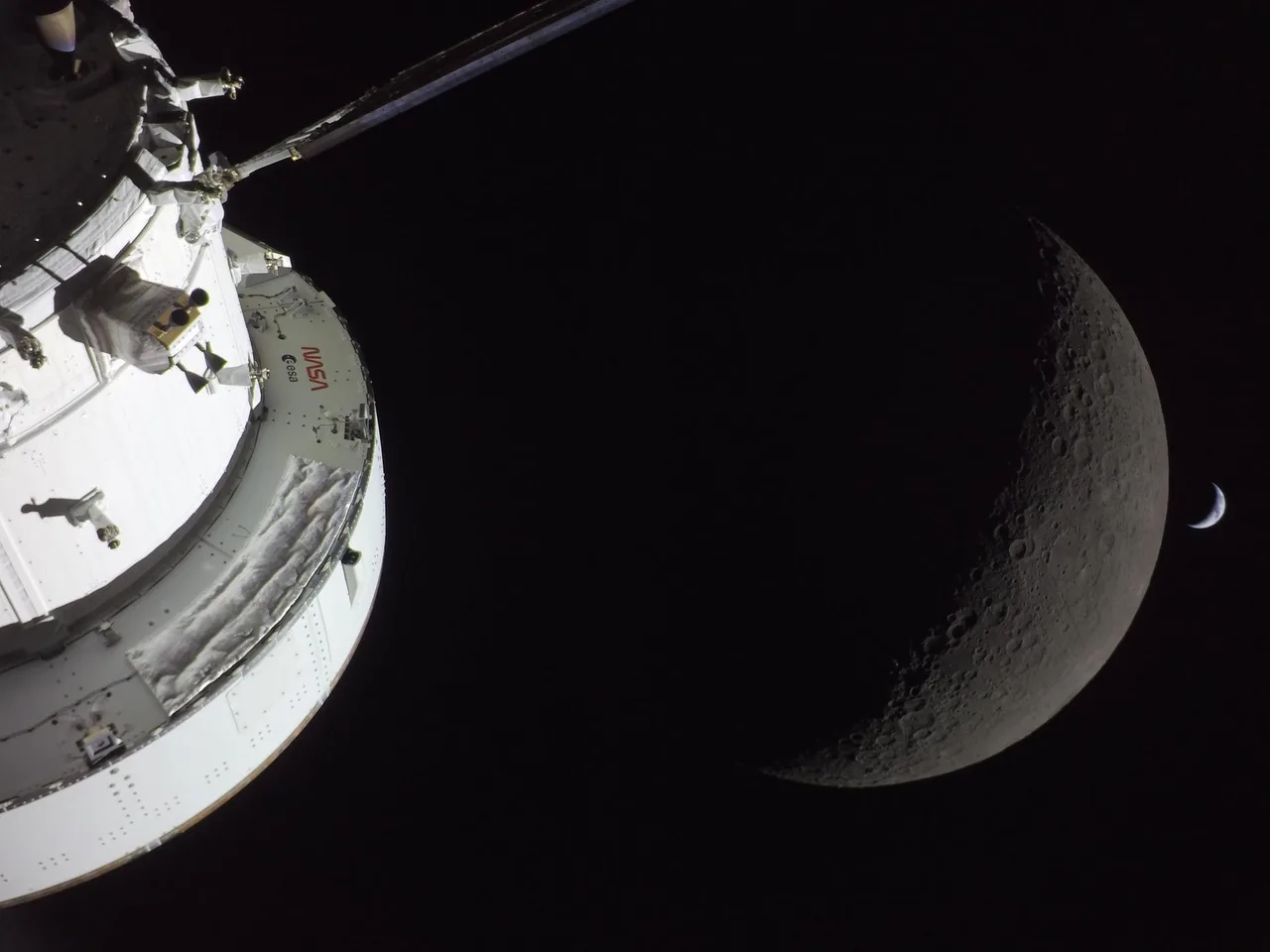
Orion, Moon, and Earth
As the Artemis II crew came close to passing behind the Moon and experiencing a planned loss of signal, they captured this image of a crescent Earth. Seen from afar, it almost looks like a circular arc. Earth is in a crescent phase, with sunlight coming from the right, with the Moon in the middle and Orion capsule in the foreground.
Solar eclipse and Earthshine on the Moon
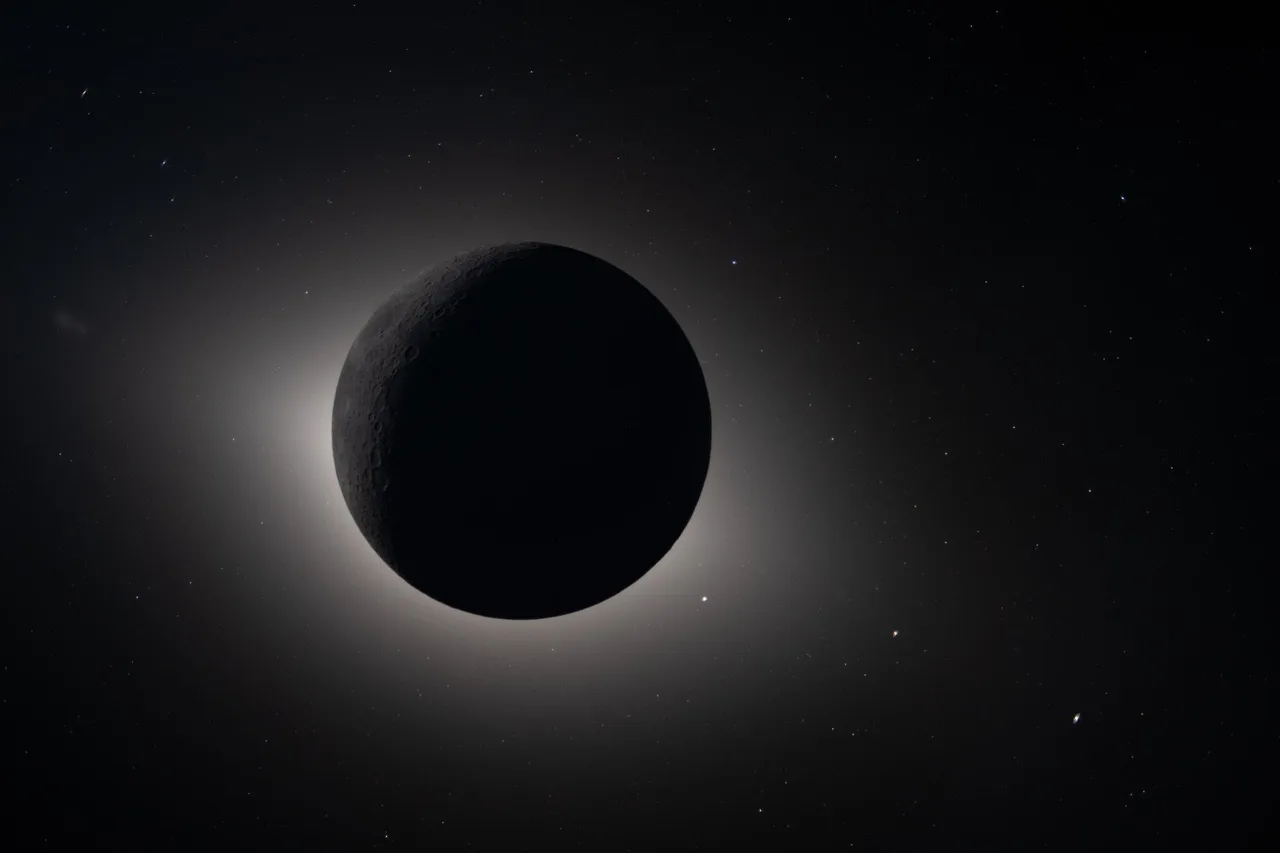
Captured by the Artemis II crew during their lunar flyby on April 6, 2026, this image shows the Moon fully eclipsing the Sun. From the crew’s perspective, the Moon appears large enough to completely block the Sun, creating nearly 54 minutes of totality and extending the view far beyond what is possible from Earth. We see a glowing halo around the dark lunar disk. The science community is investigating whether this effect is due to the corona, zodiacal light, or a combination of the two. Also visible are stars, typically too faint to see when imaging the Moon, but with the Moon in darkness stars are readily imaged. The faint glow of the nearside of the Moon is visible in this image, having been illuminated by light reflected off the Earth.
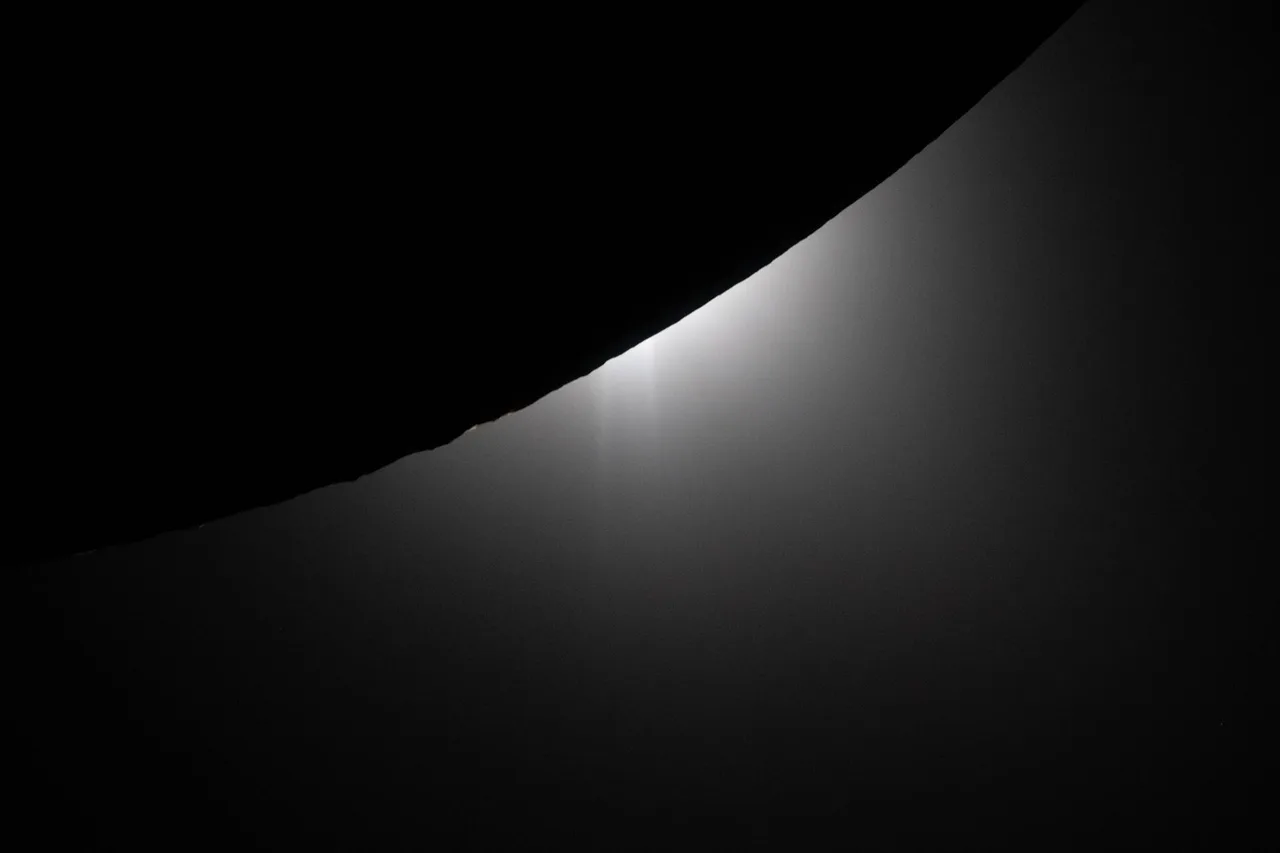
The Sun's outermost layers visible during the solar eclipse
In this view captured by the Artemis II crew on the Orion spacecraft, a wedge of the Moon in nighttime is visible in the foreground, as the Sun is setting on the opposite side. This image captures the beginning of a total solar eclipse that astronauts were able to observe at the end of their lunar observation period during Orion’s closest approach to the Moon on April 6, 2026. Unlike minutes-long eclipses as viewed from Earth, the Artemis II crew witnessed the Sun hide behind the Moon for nearly an hour.
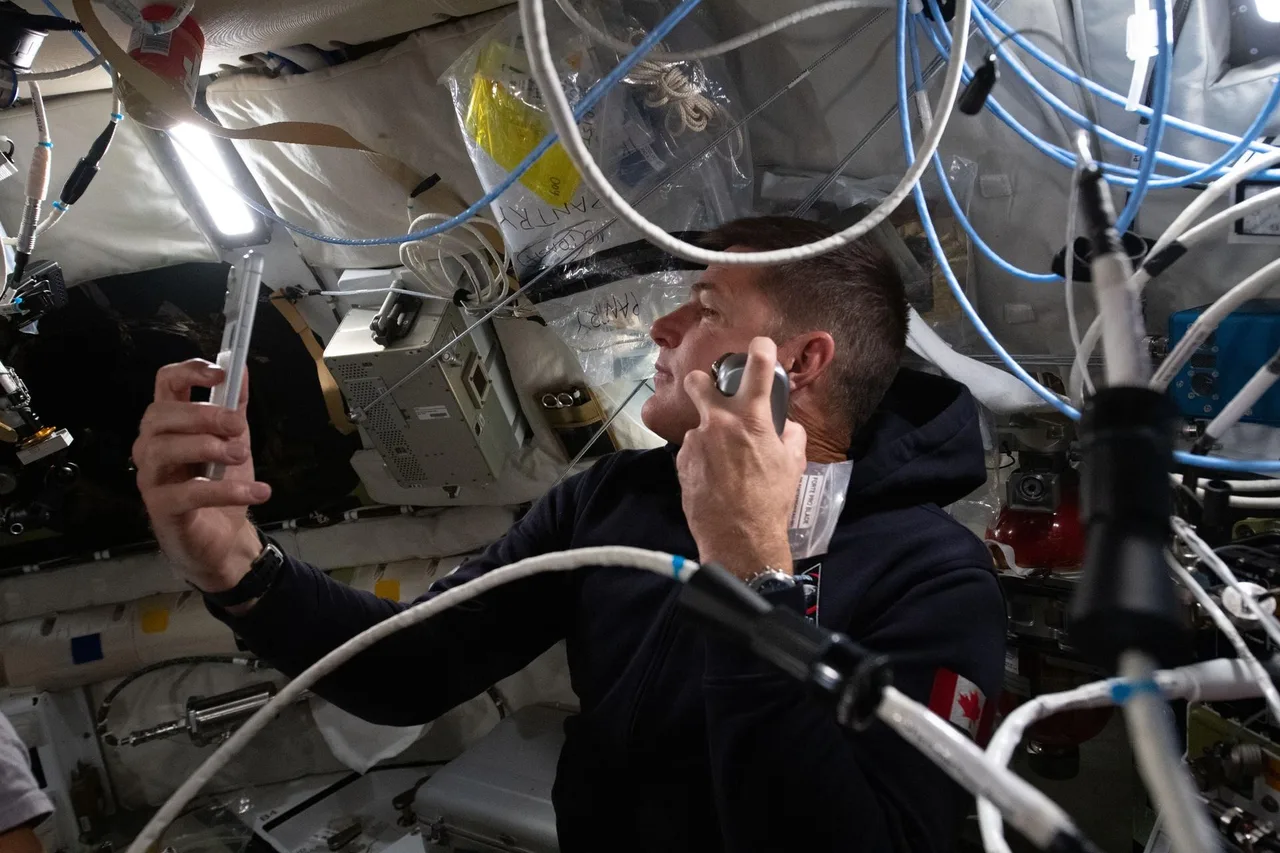
Jeremy Hansen shaving
Artemis II mission specialist and CSA (Canadian Space Agency) astronaut Jeremy Hansen enjoys a shave inside the Orion spacecraft while transiting between the Earth and the Moon
Group hug of Artemis II crew
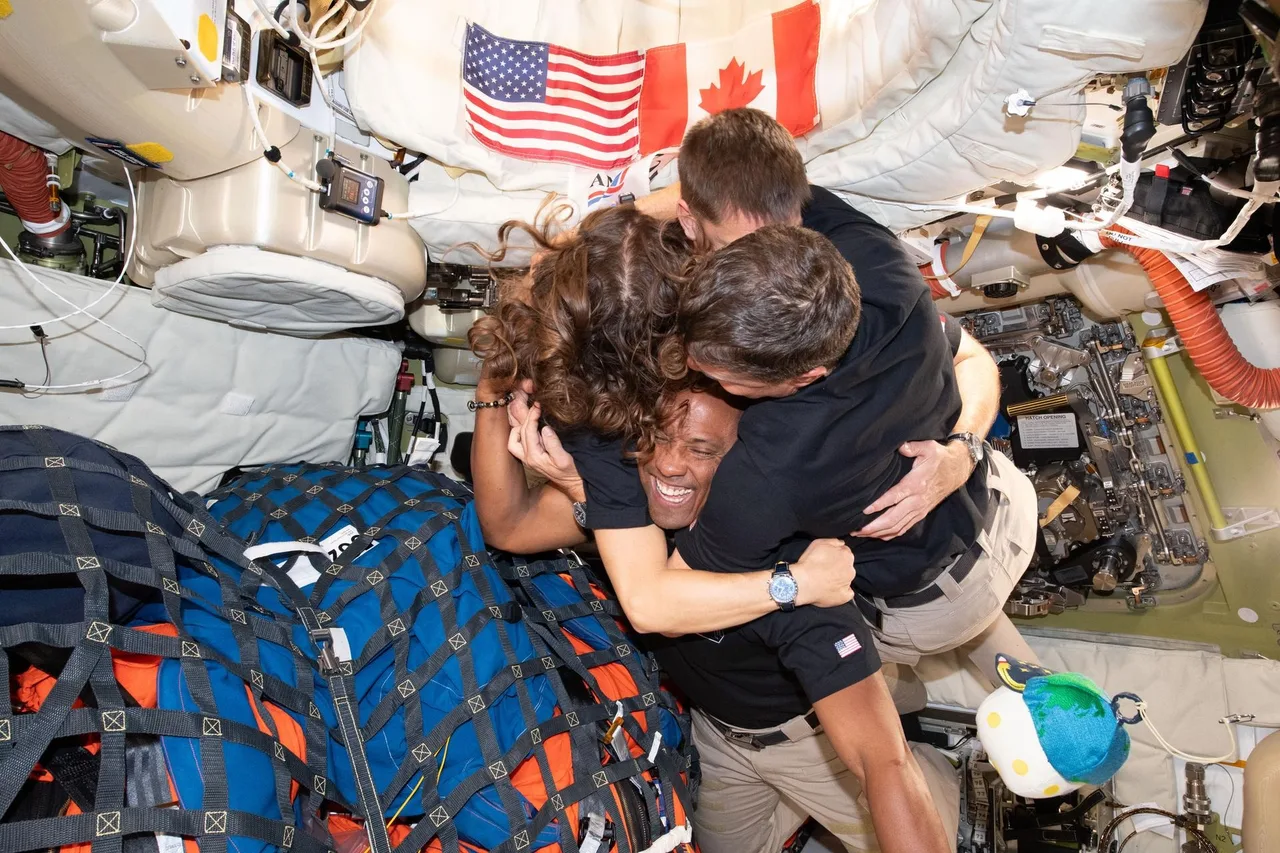
Mission Specialist Christina Koch, Mission Specialist Jeremy Hansen, Commander Reid Wiseman, and Pilot Victor Glover – take time out for a group hug inside the Orion spacecraft on their way home. Following a swing around the far side of the Moon on April 6, 2026, the crew exited the lunar sphere of influence (the point at which the Moon's gravity has a stronger pull on Orion than the Earth's) on April 7, and are headed back to Earth for a splashdown in the Pacific Ocean on April 10.
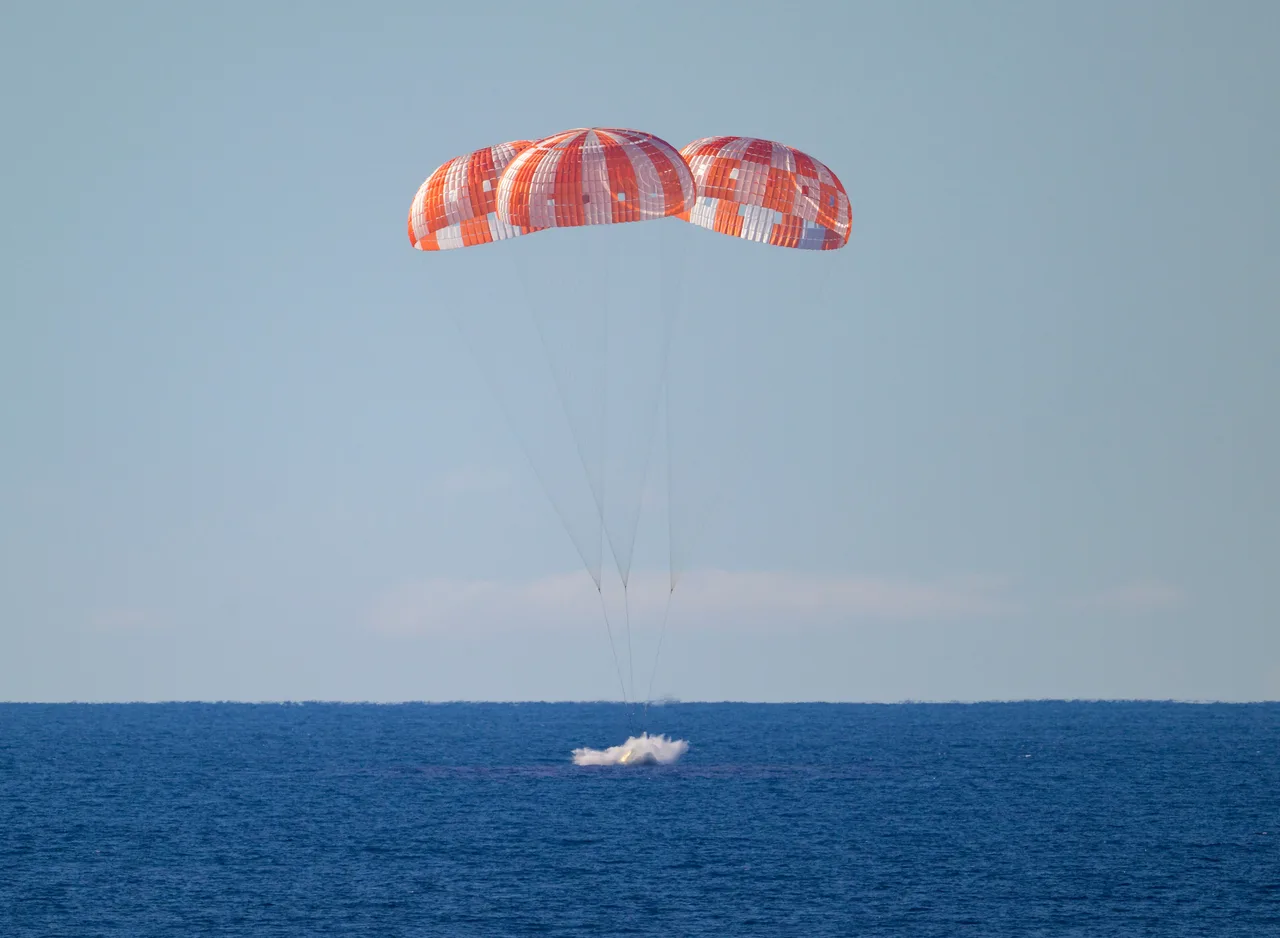
Moment of splashdown
NASA’s Orion spacecraft with Artemis II crewmembers NASA astronauts Reid Wiseman, commander; Victor Glover, pilot; Christina Koch, mission specialist; and CSA (Canadian Space Agency) astronaut Jeremy Hansen, mission specialist aboard is seen as it lands in the Pacific Ocean off the coast of California, Friday, April 10, 2026. NASA’s Artemis II mission took Wiseman, Glover, Koch, and Hansen on a nearly 10-day journey around the Moon and back to Earth. Following a splashdown at 8:07 pm EDT, NASA, U.S. Navy, and U.S. Air Force teams are working to bring the crewmembers and Orion spacecraft aboard USS John P. Murtha.
Crew recovered from Orion
U.S. Navy divers and Artemis II astronauts aboard an inflatable raft are approached by helicopters and lifted away to the recovery ship after egressing NASA’s Orion spacecraft carrying Artemis II crew. NASA’s Landing and Recovery team and the U.S. military are helping the Artemis II crew out of their Orion spacecraft.
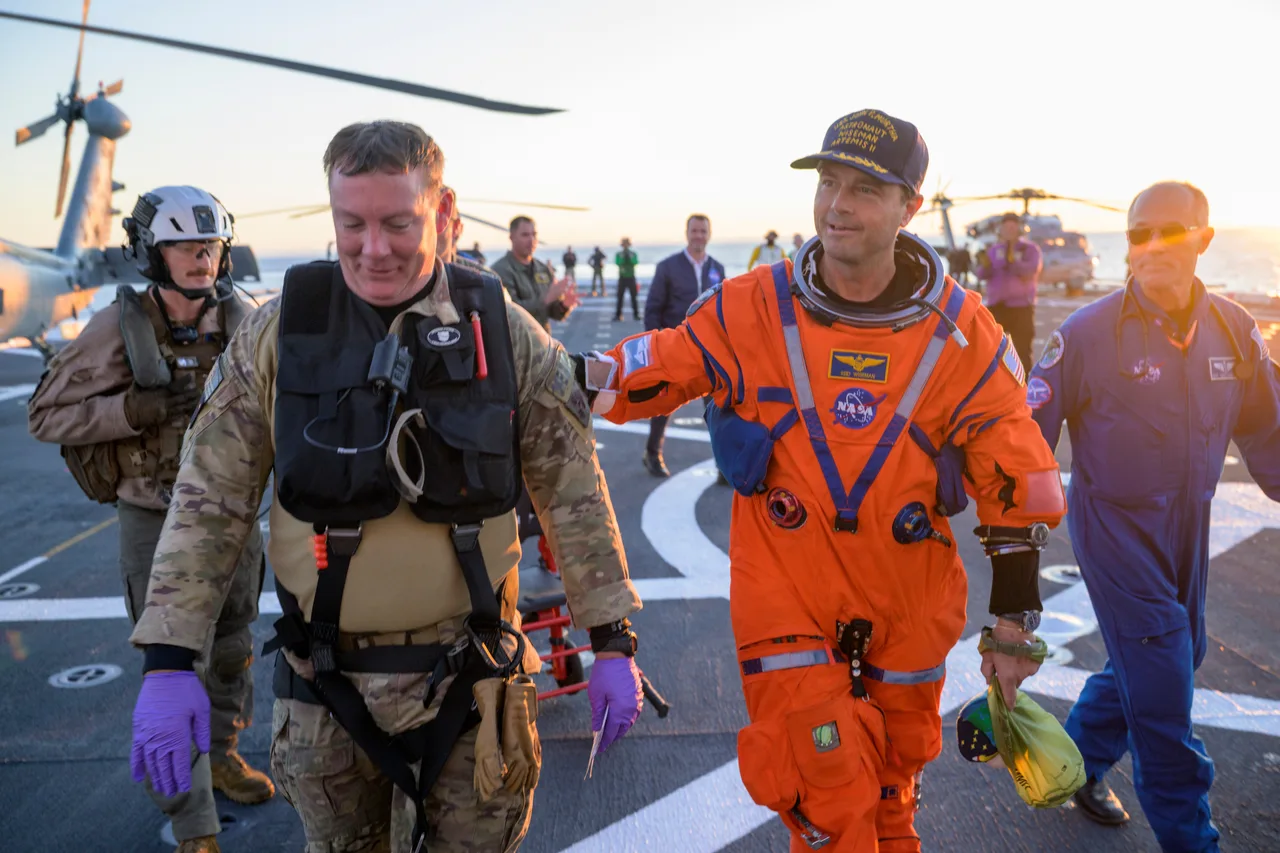
Reid Wiseman with US Navy personnel
NASA astronaut Reid Wiseman, Artemis II commander is assisted off the flight deck after arriving aboard USS John P. Murtha after he and fellow crewmates NASA Astronauts Victor Glover, Christina Koch, and CSA (Canadian Space Agency) astronaut Jeremy Hansen, were extracted from their Orion spacecraft after splashdown,
Victor Glover and Christina Koch rescued
NASA astronaut Victor Glover, Artemis II pilot, left, and NASA astronaut Christina Koch, Artemis II mission specialist are seen sitting on a Navy MH-60 Seahawk from Helicopter Sea Combat Squadron (HSC) 23 on the flight deck of USS John P. Murtha after they and fellow crewmates CSA (Canadian Space Agency) astronaut Jeremy Hansen, Artemis II mission specialist, and NASA astronaut Reid Wiseman, Artemis II commander, were extracted from their Orion spacecraft after splashdown, Friday, April 10, 2026, in the Pacific Ocean off the coast of California.
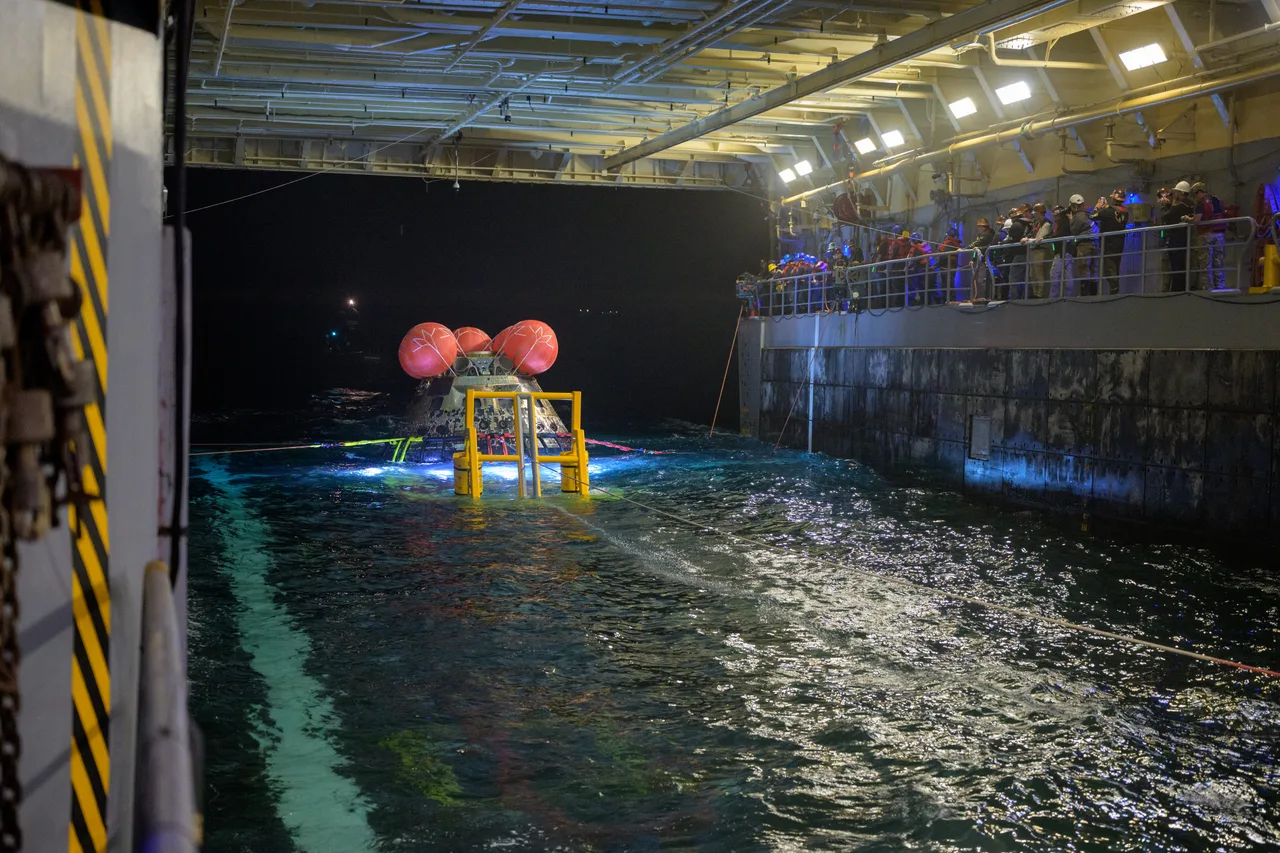
Orion spacecraft recovered for analysis
NASA’s Orion spacecraft is seen as the agency’s Landing and Recovery team, along with U.S. Navy personnel work to recover the spacecraft into the well deck of USS John P. Murtha in the Pacific Ocean off the coast of California, Saturday, April 11, 2026.