Black Holes: From unbelievable theory to observable reality
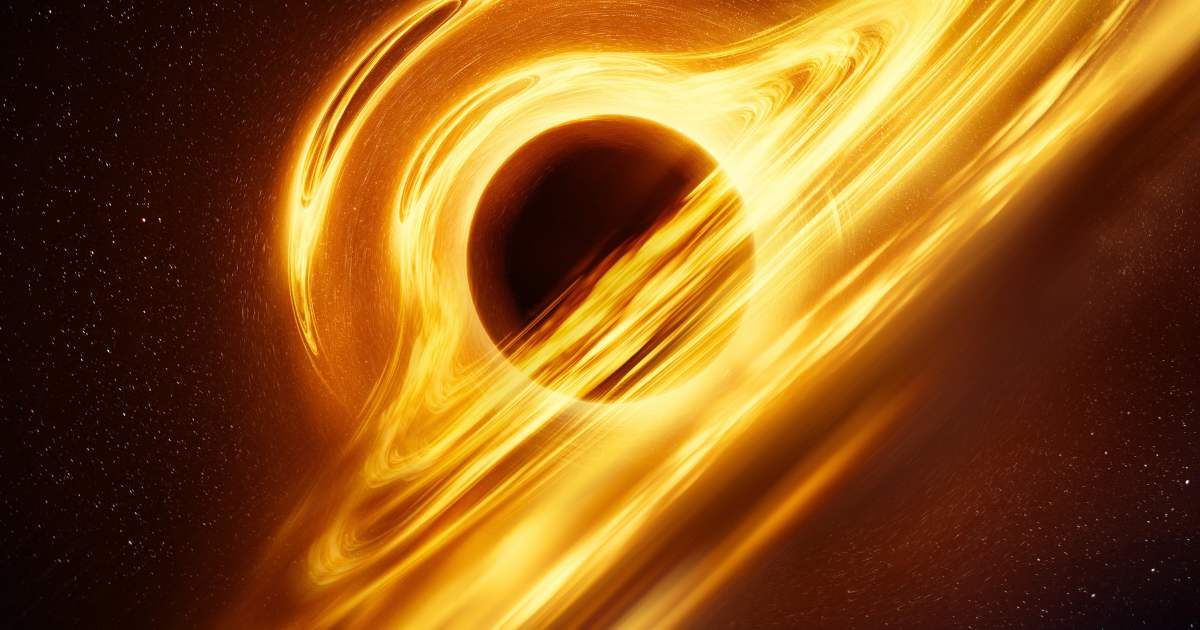
Black holes are some of the most fascinating objects in the universe, born from the collapse of massive stars. A black hole is immensely dense, with the gravity beneath its surface, the event horizon, being so strong that it does not allow even light to escape. Quite unbelievable, right? It was to Einstein as well, even though it was his work that opened up the theoretical doors to black holes, per the BBC.
As a matter of fact, even the origins of the term "black hole" are murky at best. As per Science News, the name stuck after American theoretical physicist John Archibald Wheeler used it in a 1967 lecture in New York City, although the term had been in use for years. “Perhaps Wheeler still gets credit. He never said he originated the term. What was important is that he had the authority to give the scientific community permission to use the term ‘black hole,’” said author and MIT Professor of Practice Emeritus, Marcia Bartusiak.
Now, as mentioned earlier, Einstein laid the foundation for the study of black holes with his theory of relativity, which discussed the curvature of space-time as a result of gravity. It argued that matter could be packed in an infinitely small space and was published as The Field Equations of Gravitation in 1915. It was, however, Karl Schwarzchild, who solved the field equation and described how space-time is not curved just around a planet or a star but also around high-density masses like black holes. In fact, his work led to the theorization of the event horizon. After that, in 1967, Stephen Hawking and Roger Penrose proved that black holes can indeed exist in nature, and that, in specific cases, they are aging stars' ultimate fate, per EBSCO.
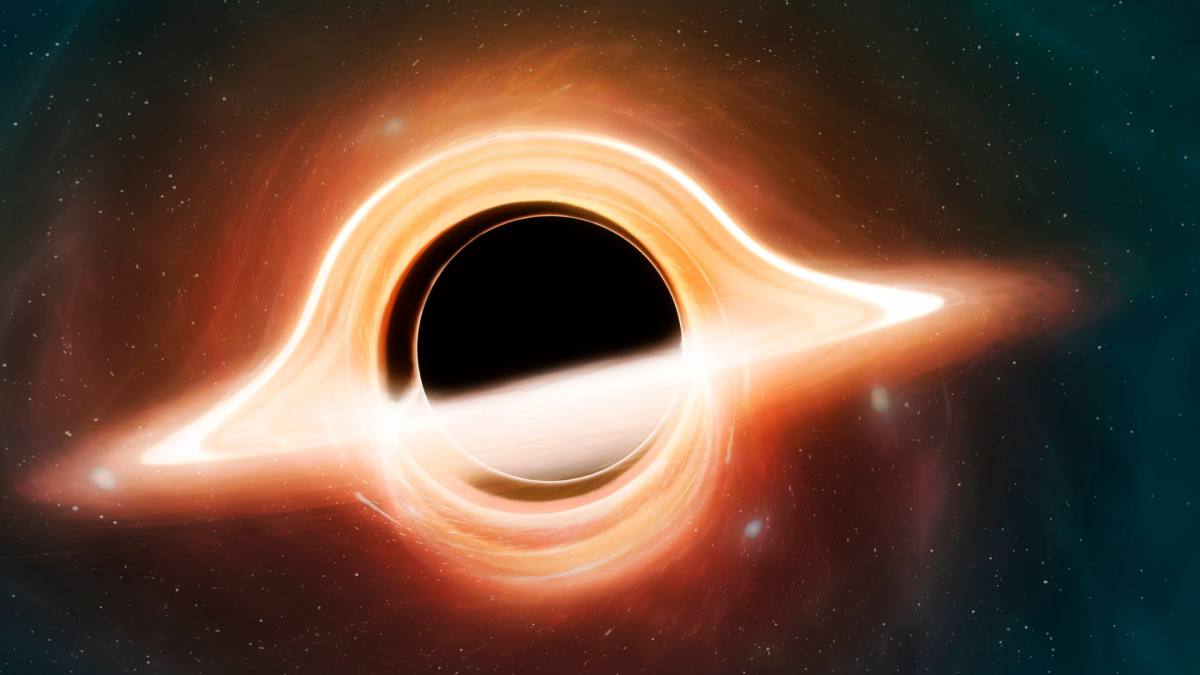
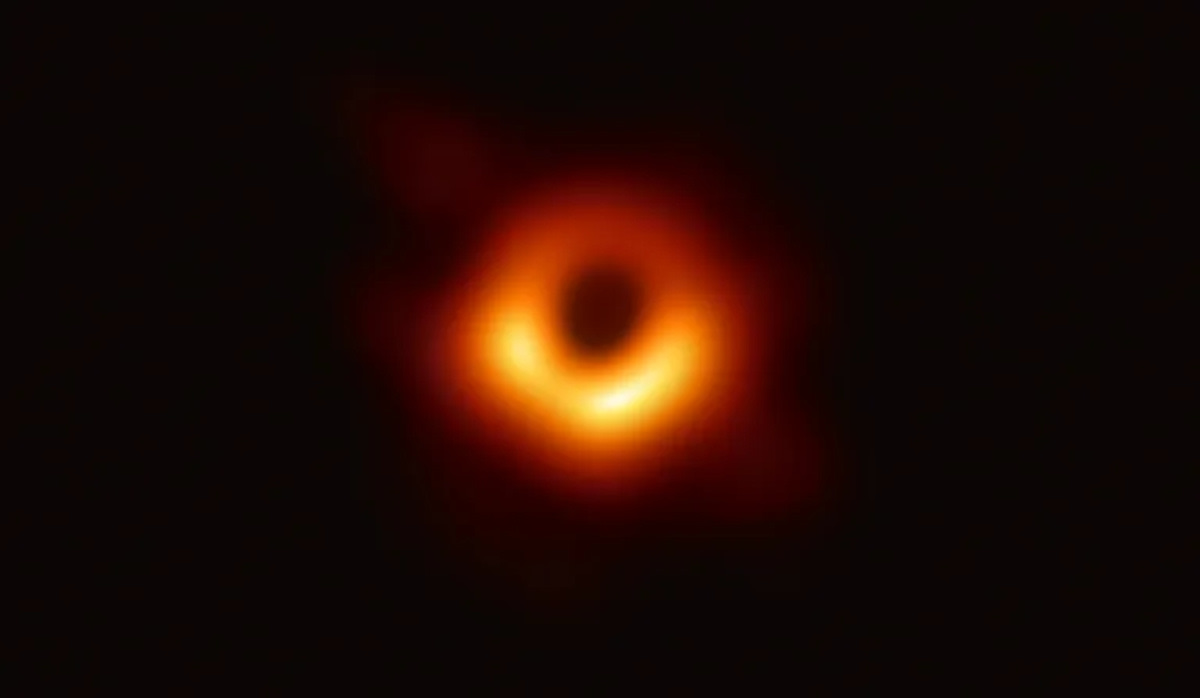
Black holes received further credibility when the first-ever image of one was captured by the Event Horizon Telescope Collaboration on April 10, 2019. The visual was of the black hole M87 at the center of the galaxy Messier 87, per NASA's Jet Propulsion Laboratory.
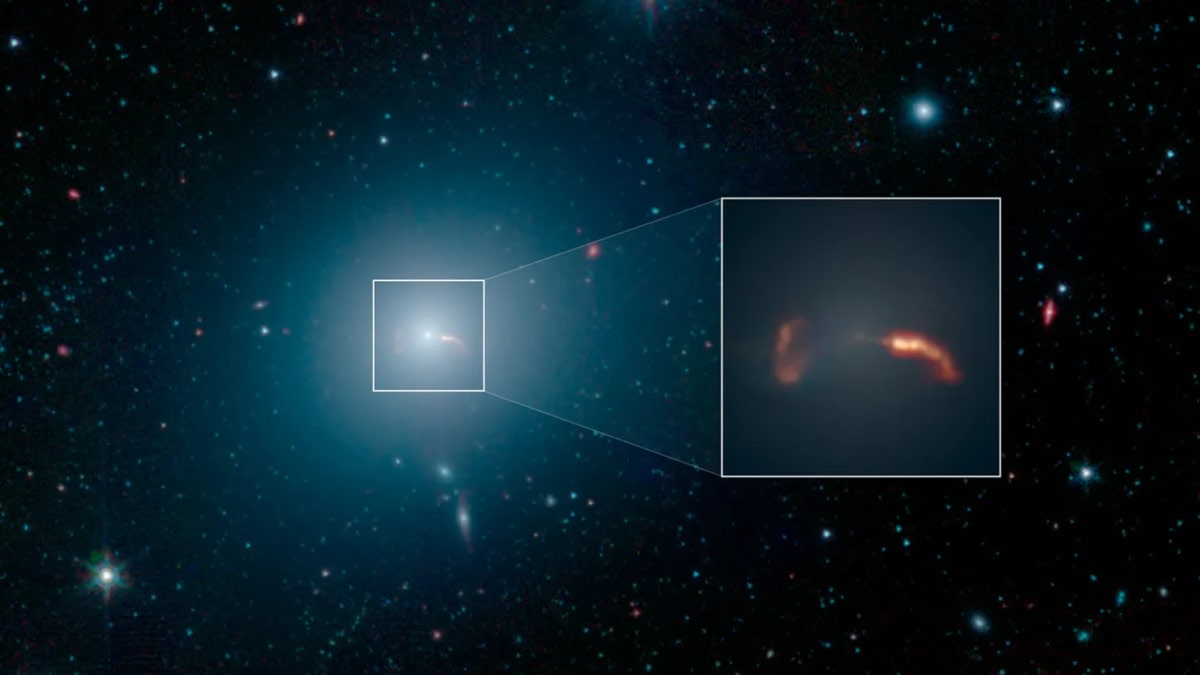
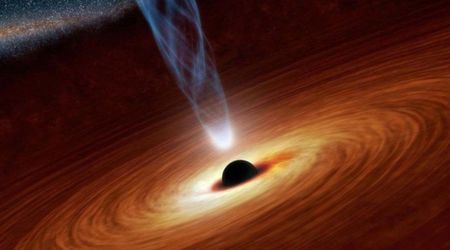
Further proving this reality, astronomers released the image of our own galaxy's supermassive black hole, Sagittarius A*. Of course, the black hole itself is dark and cannot be imaged, but it is surrounded by a ring of light. It was actually the light bent by the immense gravity of the black hole that was captured in the image. “We were stunned by how well the size of the ring agreed with predictions from Einstein’s Theory of General Relativity," said EHT Project Scientist Geoffrey Bower from the Institute of Astronomy and Astrophysics, Academia Sinica, Taipei. "These unprecedented observations have greatly improved our understanding of what happens at the very centre of our galaxy, and offer new insights on how these giant black holes interact with their surroundings.”
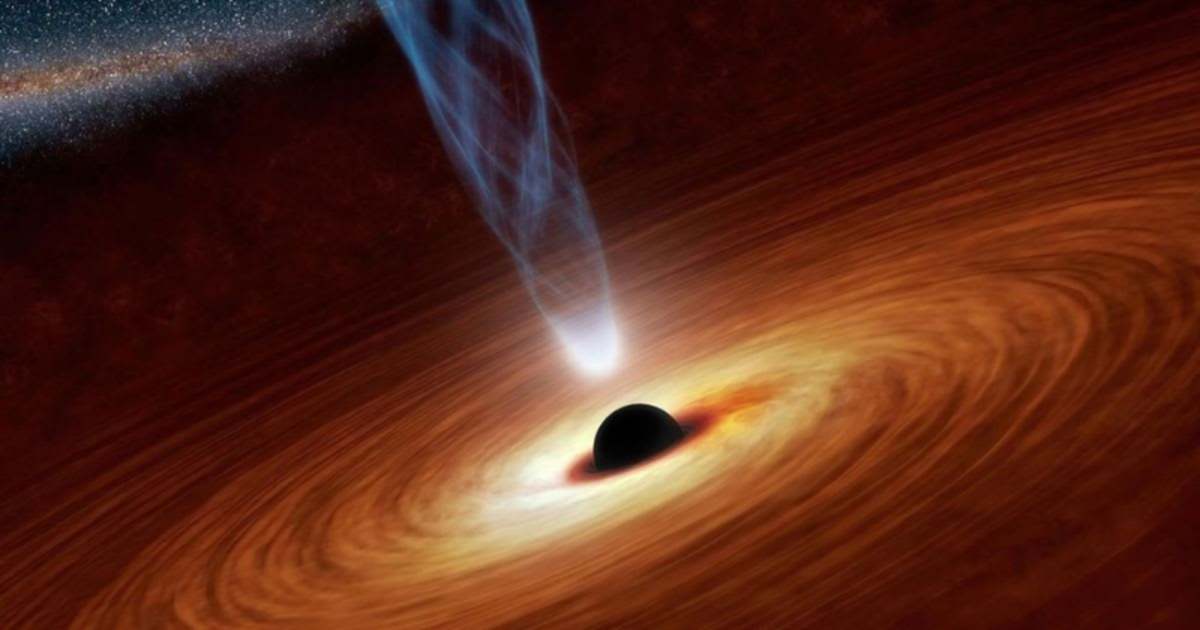
![An illustration supermassive black hole at the center of the Milky Way galaxy, known as Sagittarius A* (A-star). It is surrounded by a swirling accretion disk of hot gas (Image Credit: NASA, ESA, CSA, Ralf Crawford [STScI] )](https://de40cj7fpezr7.cloudfront.net/595fadf2-adbf-417b-b20b-2ee06c9d0b3d.png)
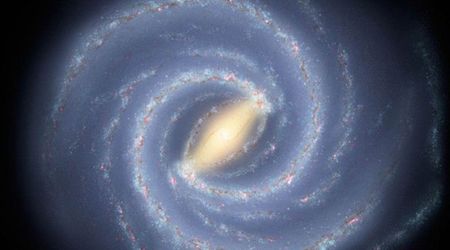
The study of black holes isn't going to come to an end anytime soon. They still remain shrouded in considerable mystery and continue to fascinate us. Not to mention, our own Milky Way is estimated to harbor around 100 million black holes, per Space.com.
More on Starlust
Scientists discover how black holes acquired 'squashed' orbits just before the merger