Astronomers discover unusual slow-pulsing radio signal unlike any observed before

Using the Australian Square Kilometer Array Pathfinder (ASKAP), a research team led by Joshua Pritchard at the Commonwealth Scientific and Industrial Research Organization (CSIRO) has detected a new but unusual long-period radio transient source. It has a duration of 36 minutes, but its nature remains to be defined. Designated as ASKAP J142431.2–612611(ASKAP J1424), its discovery has been reported in a paper published on March 9 on the arXiv preprint server. The radio source belongs to a new class of radio emitters, named long-period radio transients (LPTs). These enigmatic celestial entities emit short, bright pulses at periods ranging from minutes to hours. They also display strong magnetic fields.
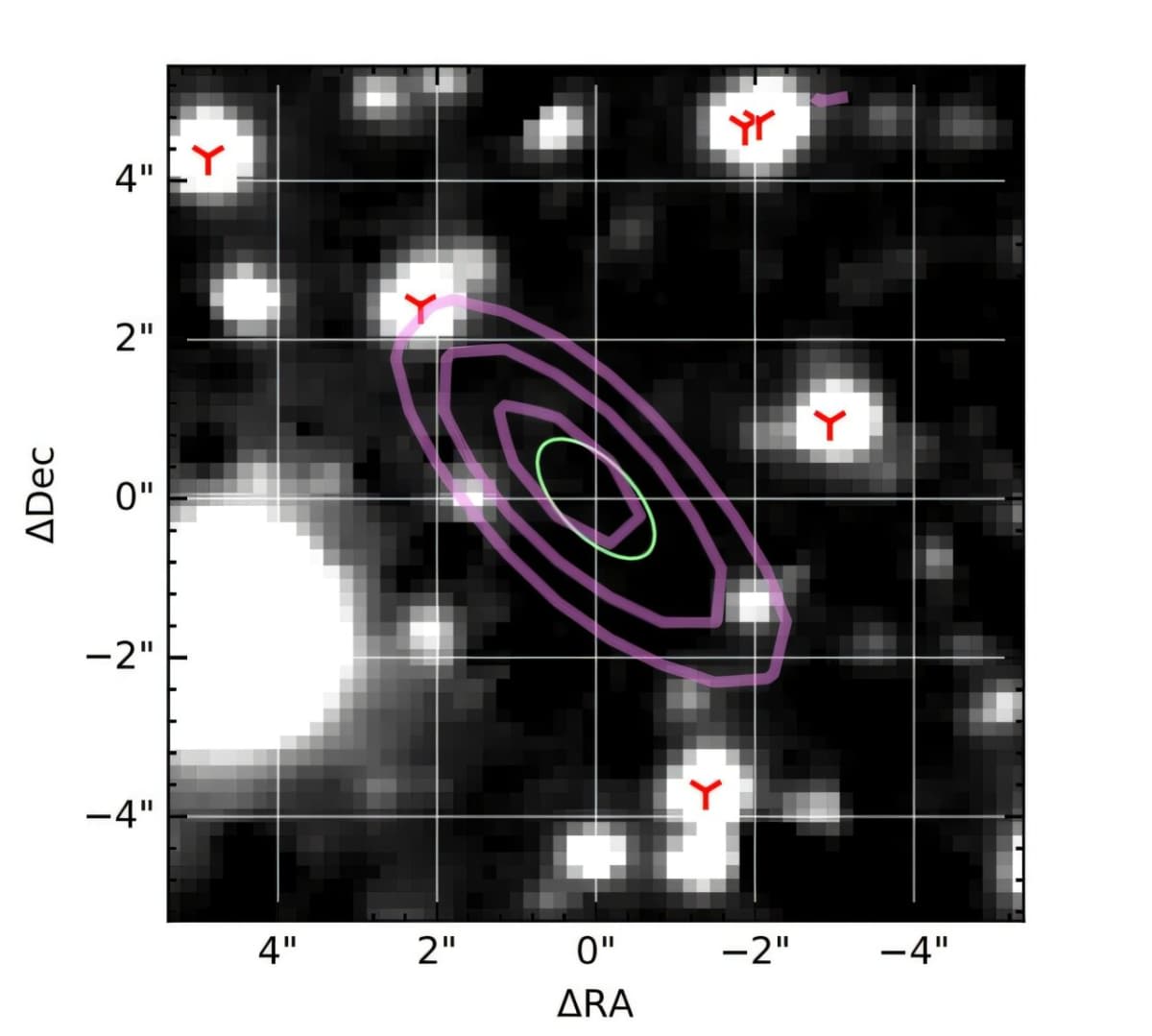
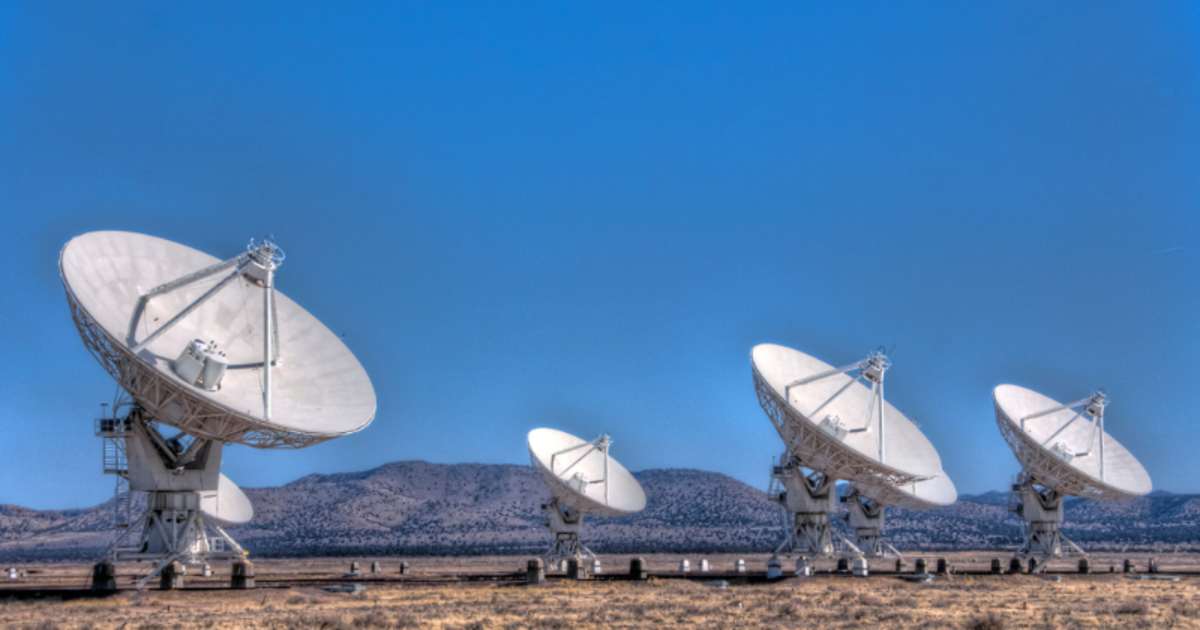
To date, radio telescopes, including multi-wavelength observations, have identified approximately 12 such sources. Analysis reveals that they form binary systems. Radio astronomers infer that such radio sources are likely binary systems with a white dwarf and a low-mass stellar companion, slow-spinning magnetars, highly magnetized isolated white dwarfs and other exotic objects. Sometimes, a radio emitter has a companion that emits optical light. This points toward a white dwarf with a low-mass companion. Some show behavior more consistent with a neutron star progenitor, such as ASKAP J1832−0911, which emitted periodically pulsed X-ray emission. CSIRO’s ASKAP is the best telescope to home in on LPTs. It uses novel technology to achieve extremely high survey speed and map the sky at radio wavelengths. The latest discovery of the LPT is part of ASKAP’s Evolution Map of the Universe (EMU) project.

The team found that the new LPT emitted stable pulsed light for eight days before degrading. This generated limited data, but showed its transient nature. In a follow-up study that used multiple telescopes, the researchers detected the long-period radio transients only with the Australia Telescope Compact Array (ATCA). Scouring through archival data, including 60 observations as part of the Rapid ASKAP Continuum Survey, they didn’t detect any object like the ASKAP J1424. A rigorous review of archival observations suggests that ASKAP J1424 remained inactive for multiple years prior to the 2025 detection. In the 2025 detection, 17 consecutive pulses were detected.
However, the researchers didn’t detect any optical or infrared counterpart to the LPT in archival data and follow-up observations. Like other long-period radio transients, the new LPT resides at low Galactic latitude, a region where dust clouds obscure light. This, in turn, limits the detection power of infrared and optical telescopes that could locate an LPT's binary companion. The astronomers anticipate that the second phase of the VAST Galactic survey will begin in early 2026, following a revised observing strategy. It will repeatedly observe LPTs such as ASKAP and probe how the pulses of such radio emitters evolve over days and then fade.
More on Starlust
Exceptionally detailed map of the sky reveals over 13 million radio sources across the universe