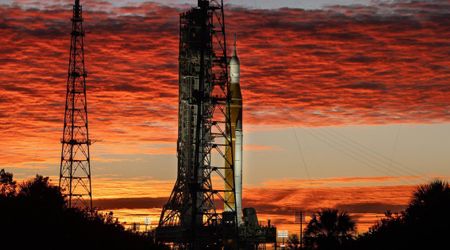
Artemis II launch director gives official 'go'—SLS fueling is underway as the crew wakes up
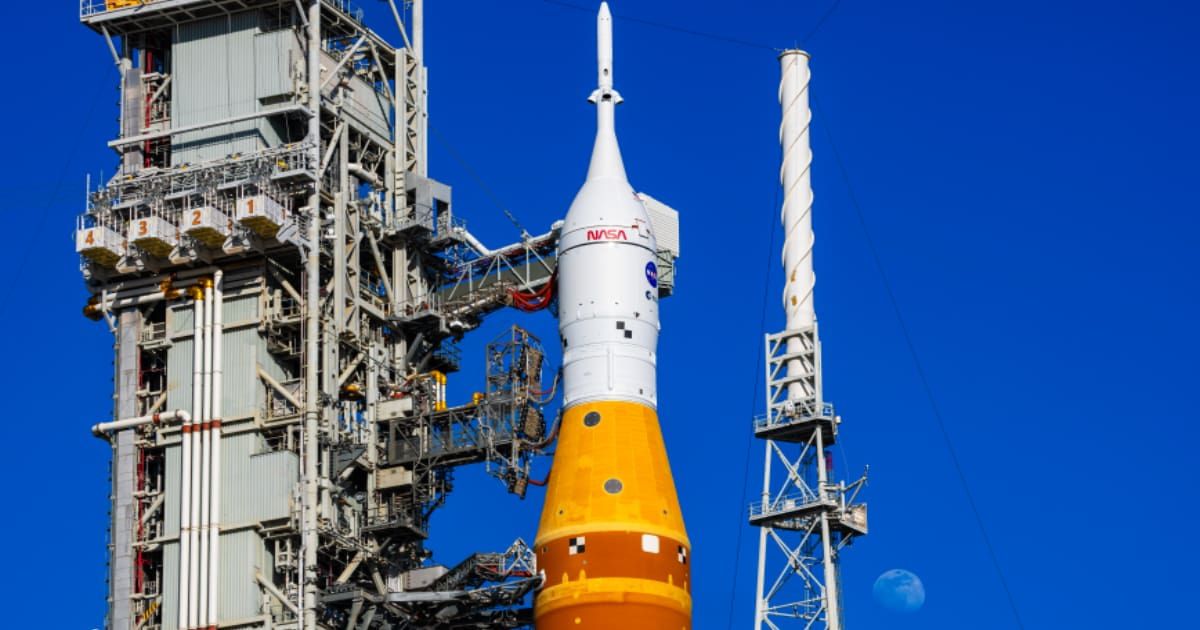
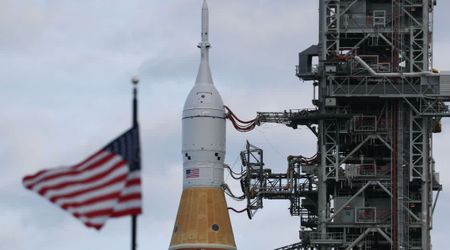
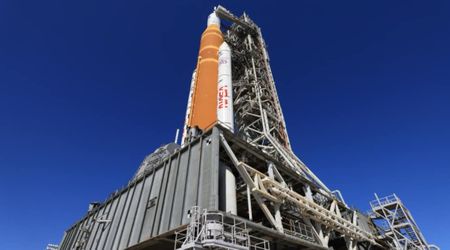
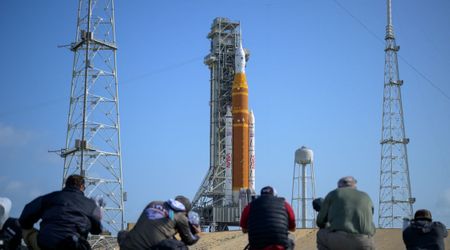
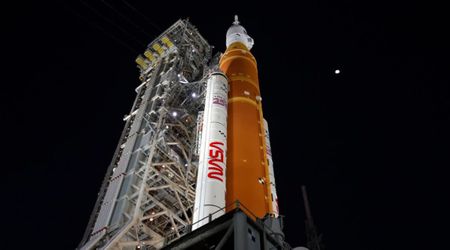
Artemis II launch is just a few hours away now. The tanking phase of the countdown leading up to the lift off has begun, shortly before the flight crew woke up after their final night’s sleep on Earth before the mission. Launch Director Charlie Blackwell-Thompson polled “go” at 7:33 am EDT on April 1, 2026, for loading liquid hydrogen (LH2) and liquid oxygen (LOX) into the massive tanks inside the Space Launch System rocket. As of L-7 hours 42 minutes (at the time of writing the article), teams had begun replenishing LH2 in the core stage. Next up, radio frequency communications with Orion are going to be established, followed by closeout crew assembly and pad rescue staging.
The launch team at @NASAKennedy are GO to begin filling the Artemis II rocket with fuel.
— NASA Artemis (@NASAArtemis) April 1, 2026
The official launch broadcast begins at 12:50pm ET (1650 UTC). Liftoff is scheduled for no earlier than 6:24 pm ET (2224 UTC). Tanking coverage can be found here: https://t.co/VVJqQrRz4a pic.twitter.com/tFoKsKxOvX
The flight crew had been scheduled to wake up at 9:45 am EDT, as discussed in yesterday’s briefing by Senior NASA Test Director Jeff Spaulding at Exploration Ground Systems. This morning, news of them waking up followed the fueling timeline. Earlier on Monday, launch teams had begun counting down to launch at 4:44 pm EDT. After that, the SLS rocket’s core stage, ICPS, and Orion spacecraft were powered up.

Checkouts of communications systems, connections, the rocket’s engines, sensors, diagnostics, and the flight crew’s spacesuits were also done. Personnel not essential for any pre-launch tasks were also made to depart the pad owing to safety considerations. Before tanking could safely be initiated, engineers introduced gaseous nitrogen to the rocket’s insides and cavities to create an inert environment in time for the reception of the volatile cryogenic fuel.
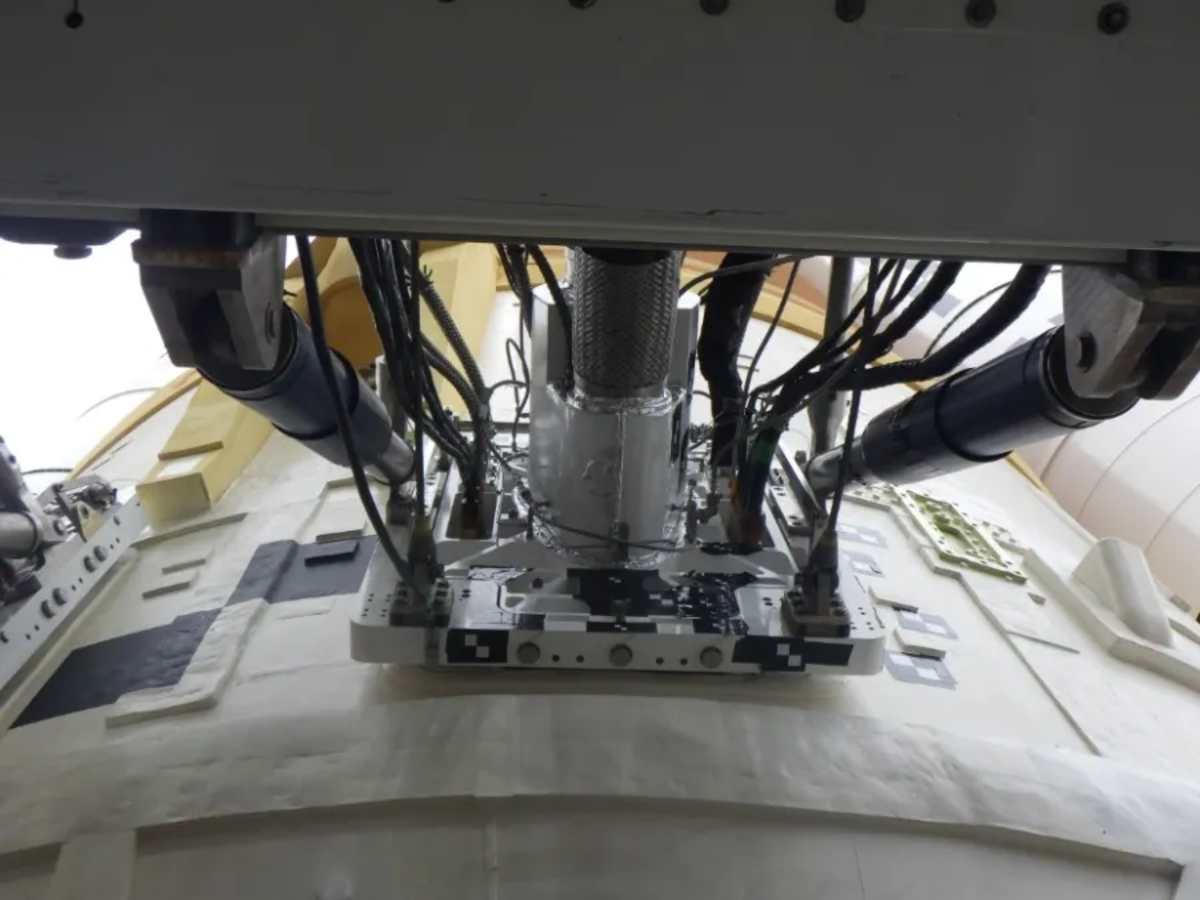
Tanking operations commence with a chill-down of the tanks. The fuel is kept extremely cold so as to allow maximum amounts to be kept within the least possible volume. Because LH2 is kept at minus 423 degrees Fahrenheit and LOX is kept at minus 297 degrees Fahrenheit, they have the propensity to vaporize upon coming in contact with the tank’s walls. They can also thermally shock the tanks, which is why chill-downs are necessary. This is followed by “slow-fills” to ensure there are no leaks in any interfaces, and then fast-fills follow. This phase replicates the processes followed during the two previous wet dress rehearsals, except this time, the crew will be strapped into the Orion capsule on top of the rocket with the intention of making it to lunar orbit and returning safely after a 10-day mission.
More on Starlust
NASA says April 1 the 'most optimum' launch window before wind and rain risks increase
Full Pink Moon to illuminate Artemis II launch: What Moon phase will the crew see in low Earth orbit