Winter stargazing made easy: Spot Perseus, Taurus and other constellations
December and January are the months that stargazers look forward to. The chilly weather might be a deterrent, but then one also gets early sunsets and longer nights, which make for a great stargazing experience. The Northern Hemisphere's clear dark skies are packed with an array of easy patterns. What patterns, one might ask? Well, constellations.
According to NASA, there are a total of 88 officially recognized constellations. There are a few different definitions of constellations, but many people think of constellations as a group of stars. Often, it's a group of stars that looks like a particular animal or object in the sky and has been given a name accordingly.

Observing constellations is not as difficult as observing planets or deep-sky objects. All you need is patience and sometimes a good pair of binoculars or a decent telescope for a more premium experience. Here are some of the easiest constellations to spot in the sky if one is just starting.
Perseus
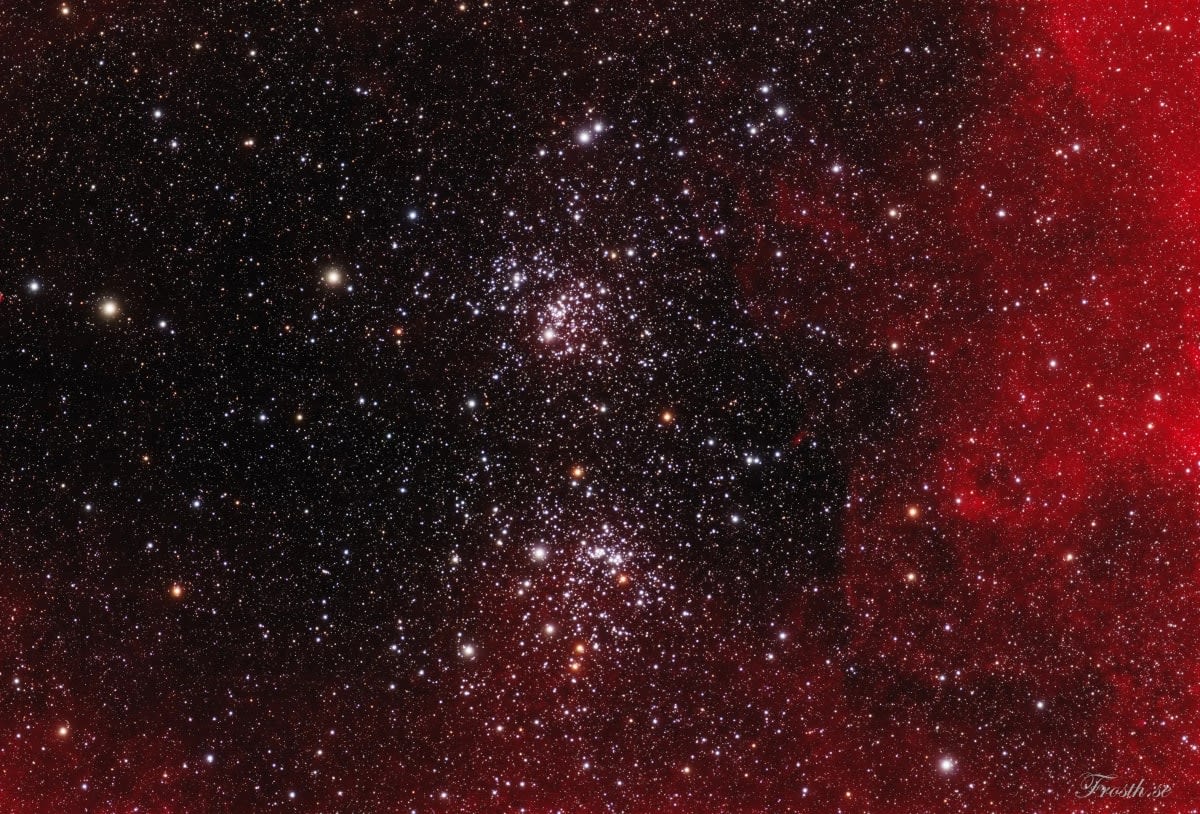
To spot Perseus, the constellation named after the mythological hero, stargazers need to look between Cassiopeia and the bright star Capella, according to Live Science. It appears as a curved line of stars and lies along the Milky Way in winter. The Double Cluster, NGC 869 and NGC 884, a faint, cloudy patch of light, is located between Perseus and Cassiopeia. If you happen to have a pair of binoculars or a small telescope, you are in for a treat observing these groups of stars.
Taurus
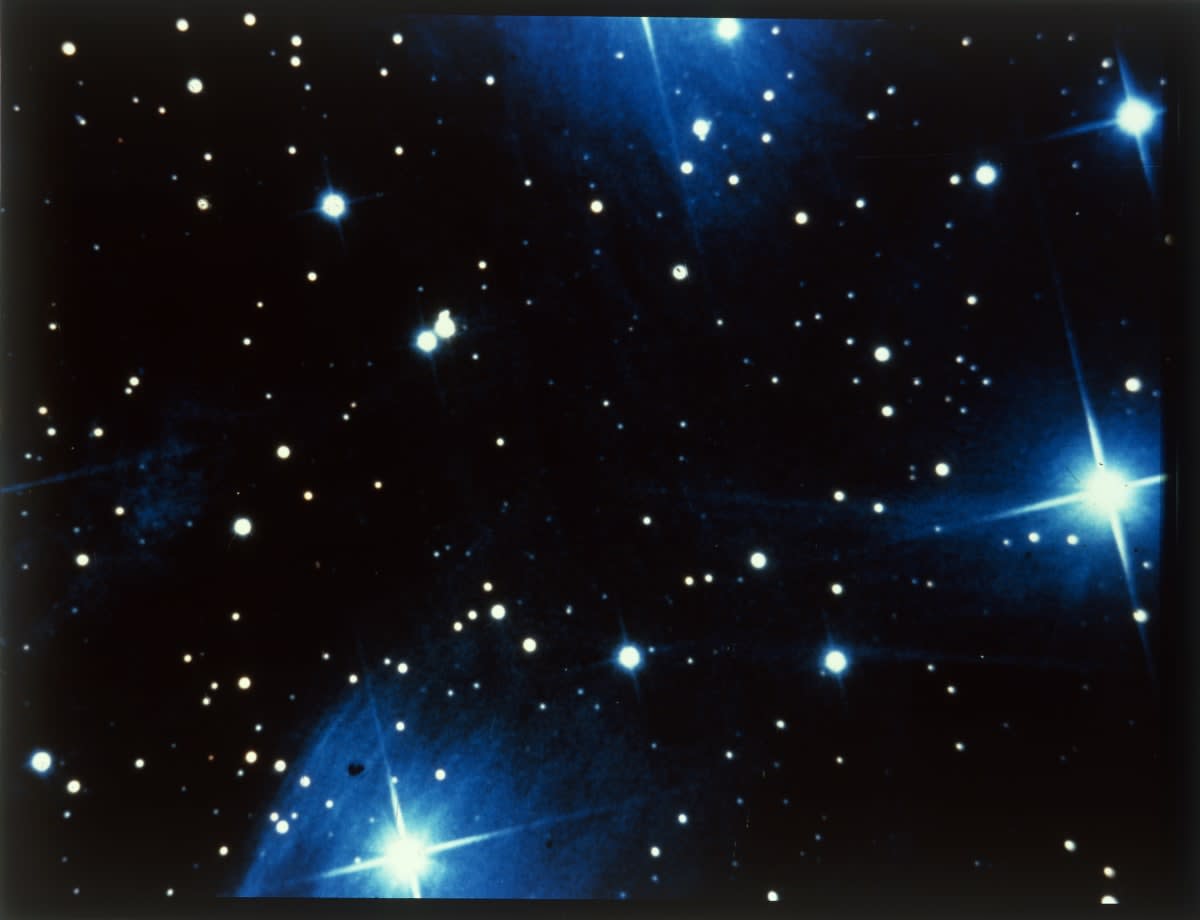
Once the Sun sets, one has to spot the constellation Orion first. Right on top of it will be a bright orange star known as Alderbaran. That orange star makes what is known as the eye of Taurus; it sits in a V-shaped group of stars called the Hyades, which forms the Bull's face. Two other stars, namely Elnath and Tianguan, form the horns of this bull. If one is patient enough, just above Taurus, one can spot the Pleiades, a beautiful, tiny mist patch resembling a mini dipper.
Ursa Major
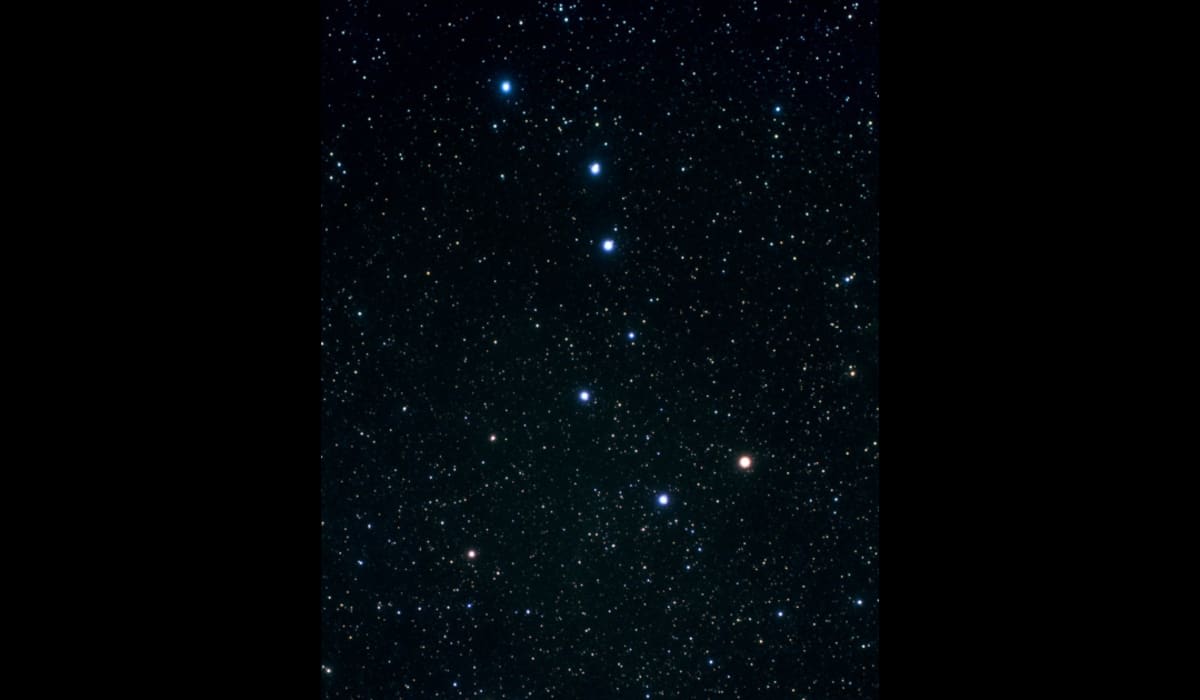
On late December evenings, one has to look low in the north-northeast to find the Big Dipper, part of the constellation Ursa Major. It looks like a large saucepan, with three stars making the handle and four stars forming the bowl. The middle star in the handle, called Mizar, may look slightly blurry to the naked eye.
Pegasus
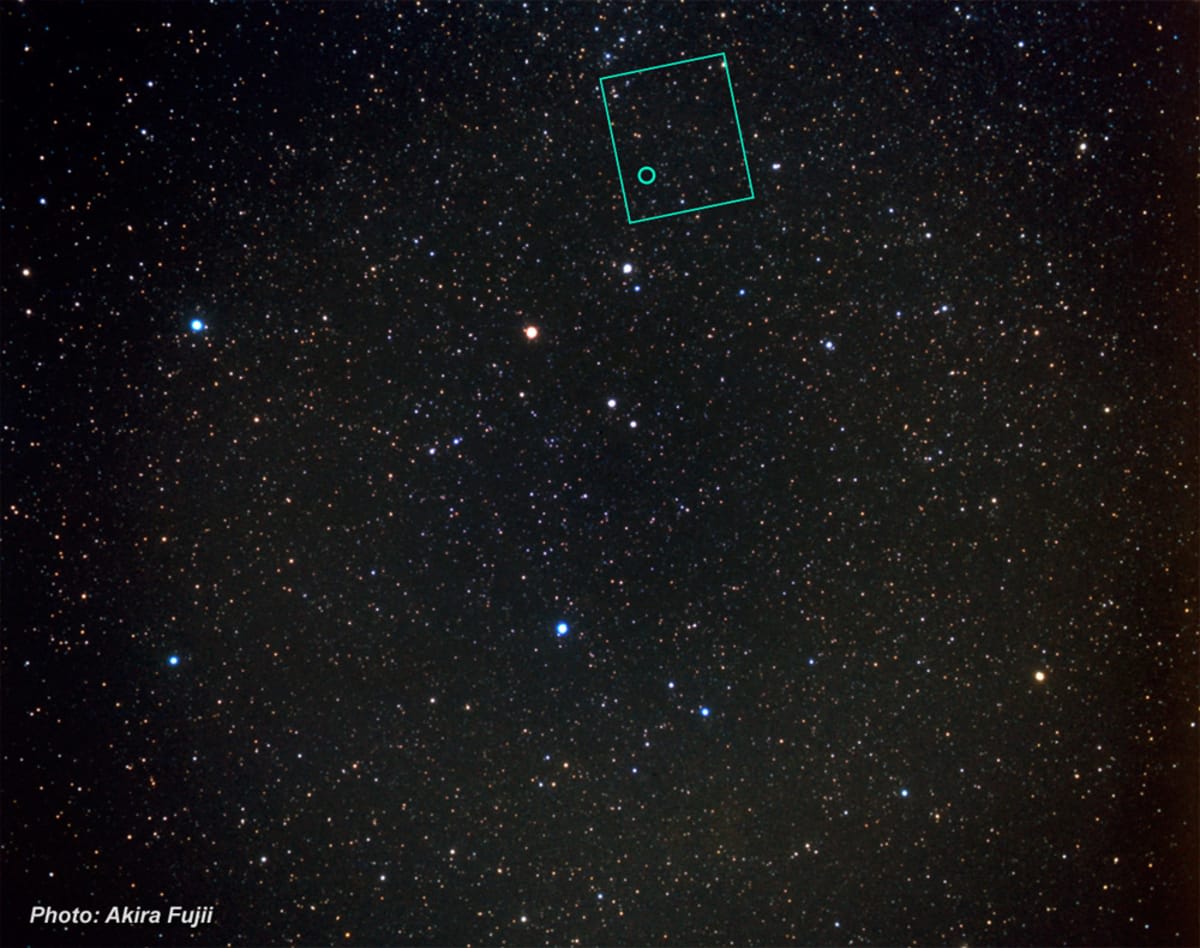
Pegasus, named after the mythological winged horse, is visible on early winter nights along the western skies. Its most noticeable feature is its four medium-bright stars forming a large square called the Great Square of Pegasus. By late December, the square sits lower in the sky but can still be seen in the early part of the night. Pegasus will also have the planet Saturn right below it in January. A small telescope can also show curious stargazers its rings.
Auriga
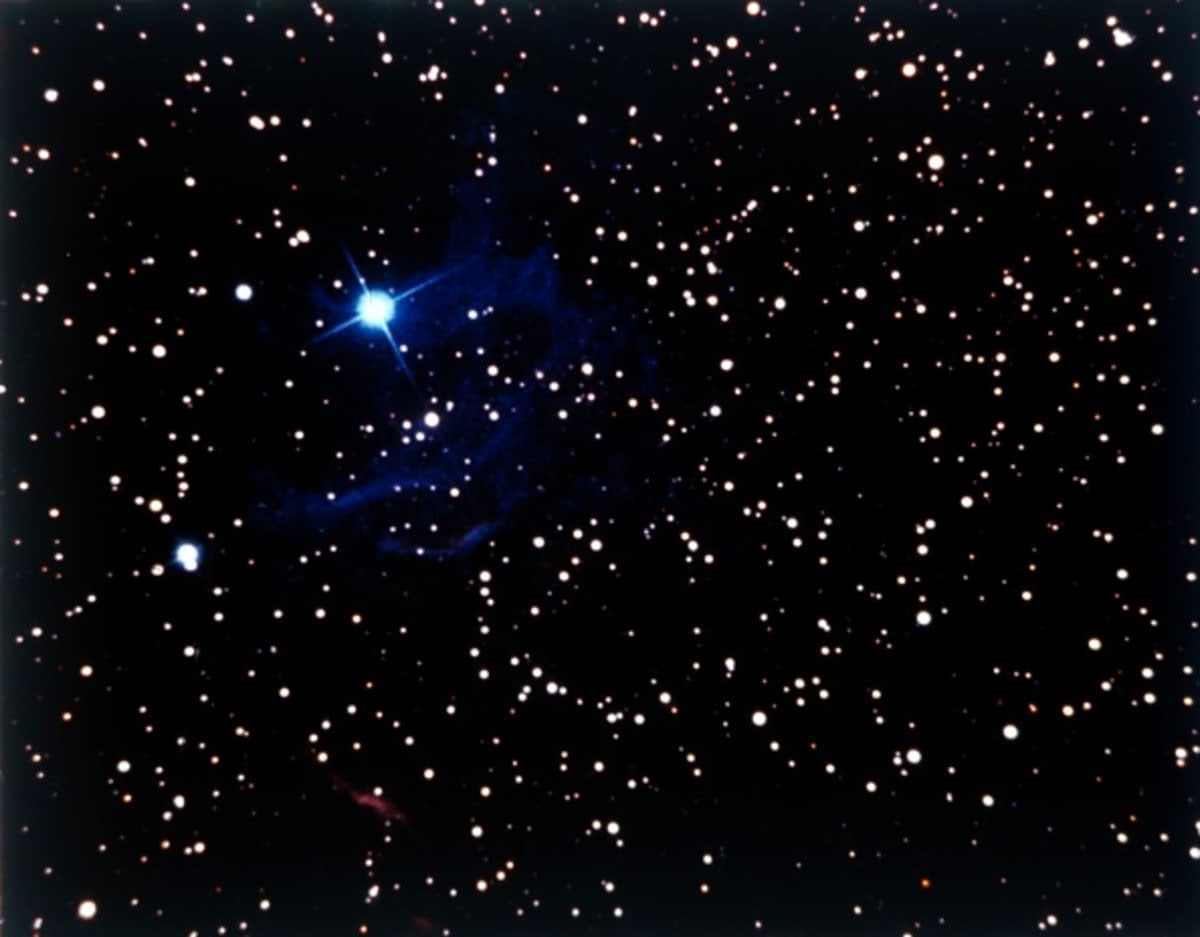
If one looks high in the northeast or almost straight overhead for Capella on winter evenings, they can see Capella, the "Goat Star" that marks a part of Auriga, a five-sided constellation that is easy to see even from cities. Below Capella lie three beautiful star clusters called M36, M37, and M38, filling an apparently empty sky with their bling.
More on Starlust
January 2026: Quadrantids meteor shower and more skywatching events to start the new year