 2:28
2:28
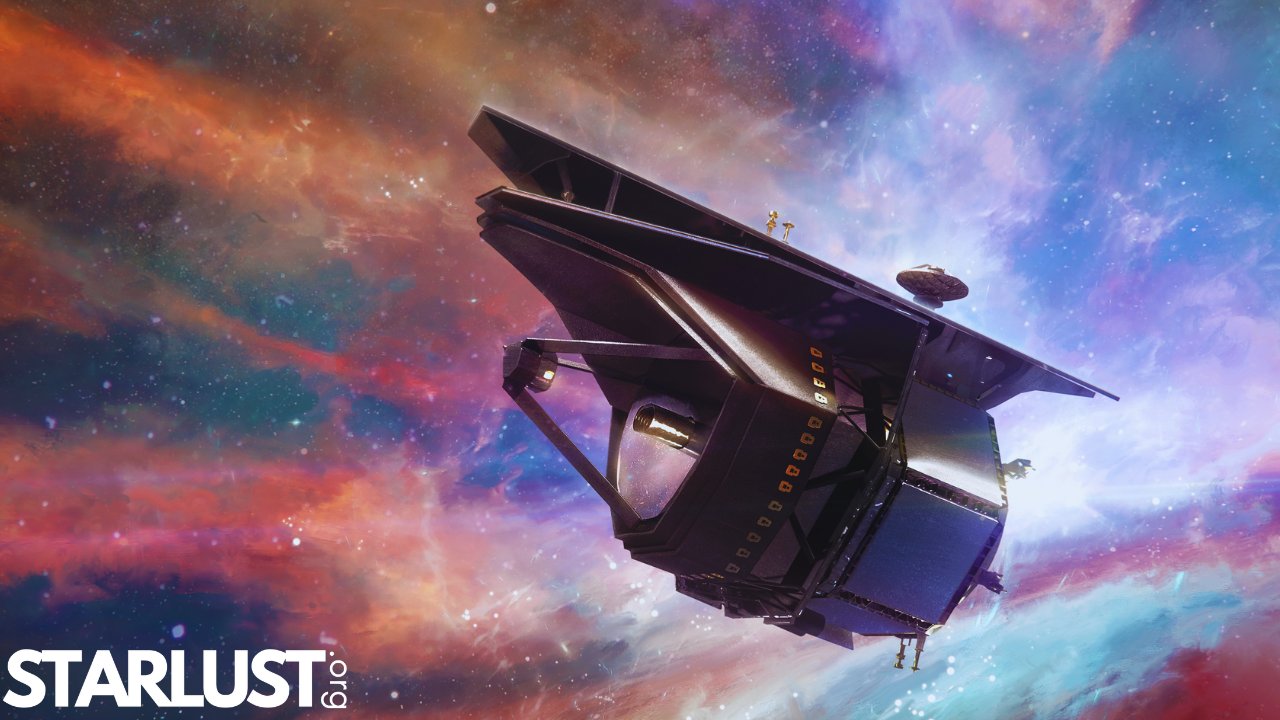
NASA’s new PRIMA space telescope will explore the hidden universe
NASA announced a new space telescope, PRIMA, on September 23, 2026 — the first mission in its new Probe Explorers class. Managed by JPL with international partners including France, Germany, Japan, Canada, South Korea, and the UK, PRIMA will survey the universe in far-infrared light to study planet formation, galaxy evolution, and cosmic dust. The mission has advanced to Phase B and targets a 2033 launch, pending a formal confirmation review, with a project cost capped at $1.2 billion. Credit: NASA/JPL-Caltech; Image Credit: Getty
More Videos
 0:31
0:31
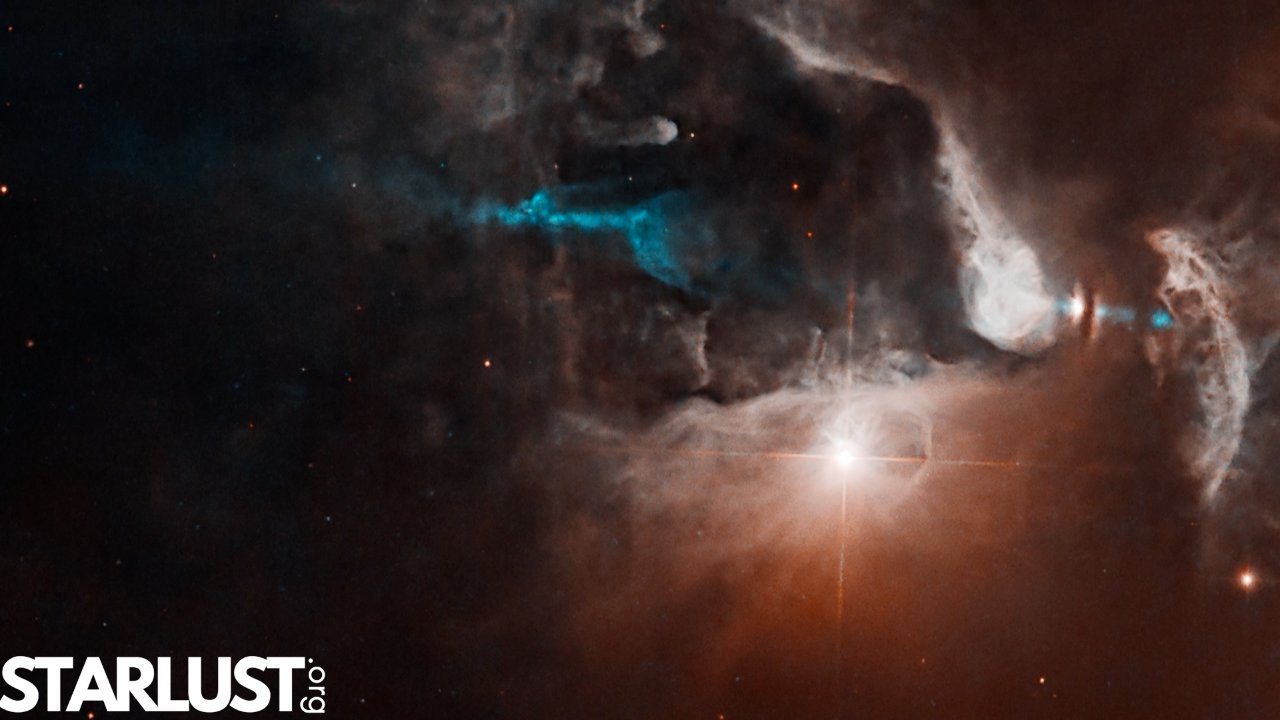
Hubble captured a newborn star 450 light-years away firing a jet of material
NASA's Hubble Space Telescope captured FS Tau B, a newly forming star firing a jet of material into space. The protostar is surrounded by a protoplanetary disc — leftover dust and gas that will eventually form planets. FS Tau sits in the Taurus-Auriga region, about 450 light-years away, a collection of dark molecular clouds where numerous young stars are actively forming. The observations were part of a broader Hubble investigation into dust discs surrounding young stars. Credit: NASA, ESA, K. Stapelfeldt (NASA JPL), G. Kober (NASA/Catholic University of America)
 1:30
1:30
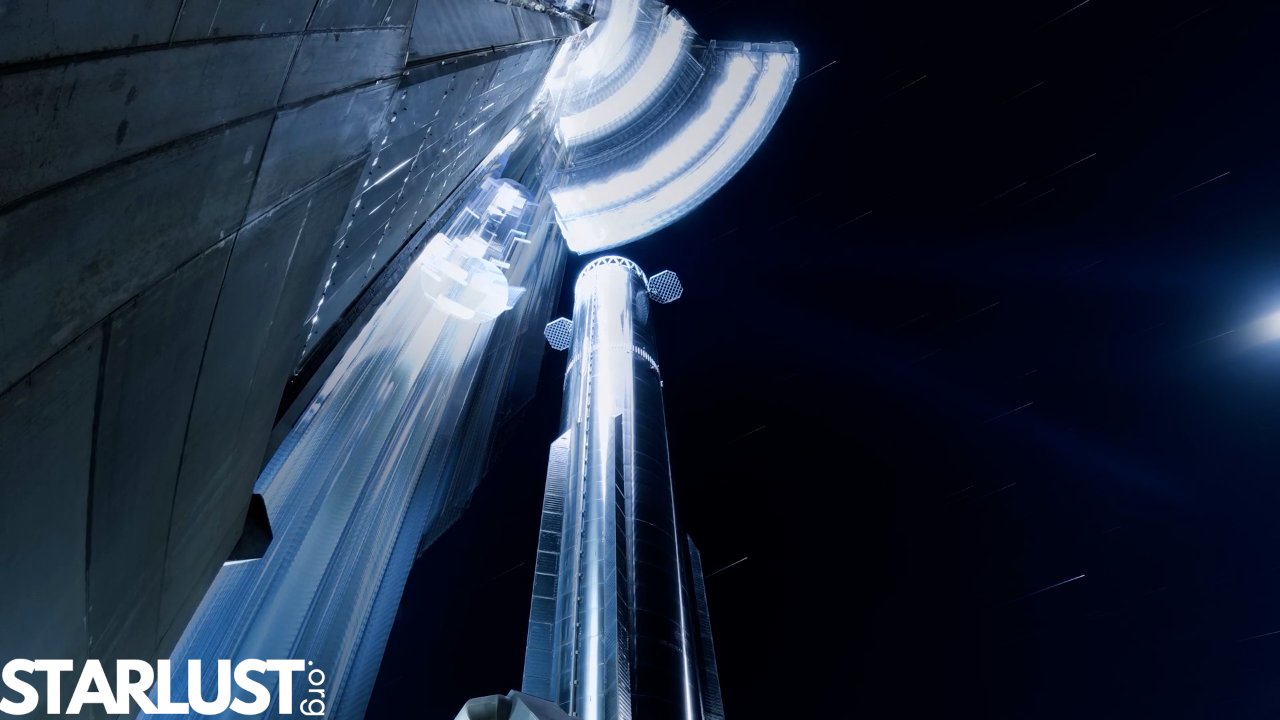
Time-lapse shows SpaceX stacking Starship for Flight 14, all set for wet dress rehearsal
SpaceX has shared a stunning time-lapse after fully stacking its Starship rocket at Pad 2, Starbase, Texas, on September 23, 2026 — Ship 41 atop Super Heavy Booster 21, standing 124 meters tall. This is Flight 14, Starship's first-ever attempt to reach orbit. A wet dress rehearsal is expected as soon as September 24, with launch targeted for Monday, September 28, pending FAA approval. Credit: SpaceX
 1:25
1:25
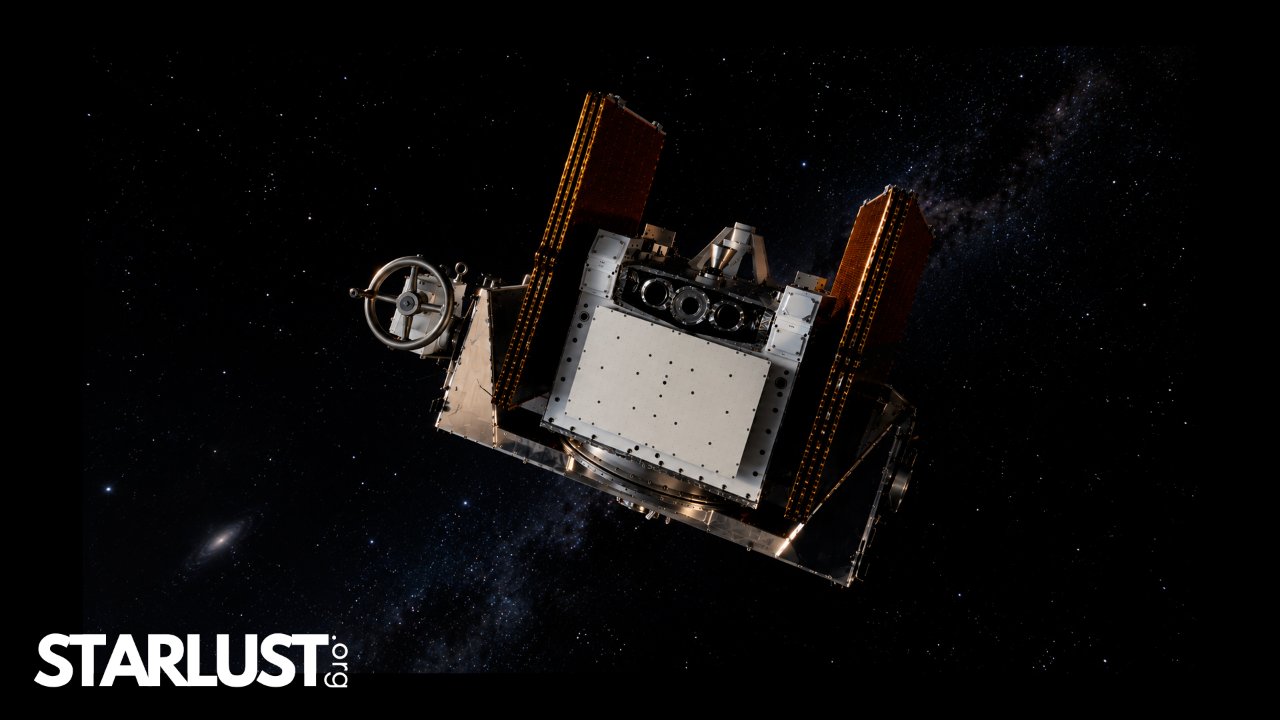
US startup AstroForge is putting AI in command of its next spacecraft, set to launch in 2027
AstroForge has announced Autonomy-1, a planned autonomous space mission powered by 'Solo,' its spacecraft intelligence model. The mission is designed to operate after separation without a single command from human operators, while still transmitting telemetry and science data back to the ground. Solo will first fly in 'shadow mode' on AstroForge’s DeepSpace-2 mission by the end of this year, before taking control of Autonomy-1 in 2027. Video Credit: AstroForge, GettyImages, NASA Read more about AstroForge's Autonomy-1 mission here: https://starlust.org/ai-flying-a-spacecraft-u-s-firm-astro-forge-to-launch-fully-autonomous-mission-in-2027/
 0:46
0:46
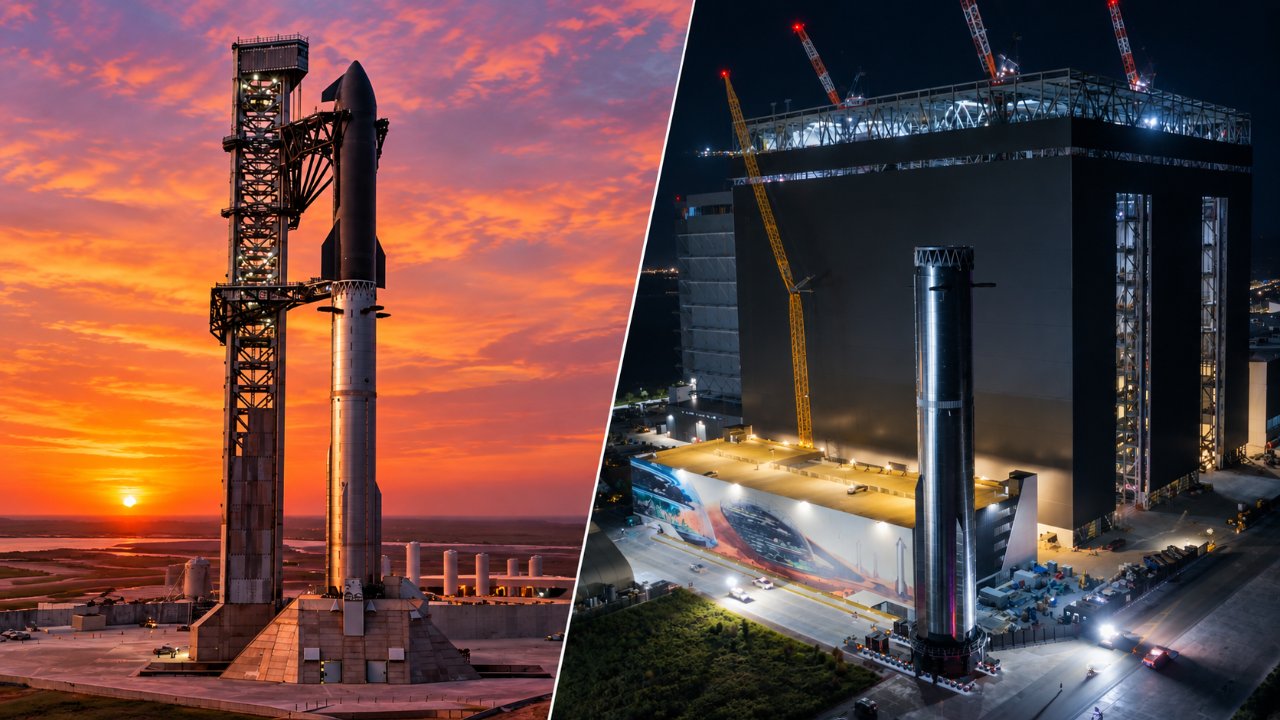
SpaceX moves Ship 41 to the pad ahead of launch on September 28
SpaceX moved Starship Ship 41 to Pad 2 at Starbase today, where it is being prepared to join Booster 21 for Flight 14. The next steps will be stacking and a wet dress rehearsal ahead of the planned launch on September 28. The 75-minute launch window will open at 7:15 a.m. CT on Monday. This will be the first Starship flight planned to go into orbit around Earth. Credit: SpaceX
 1:11
1:11
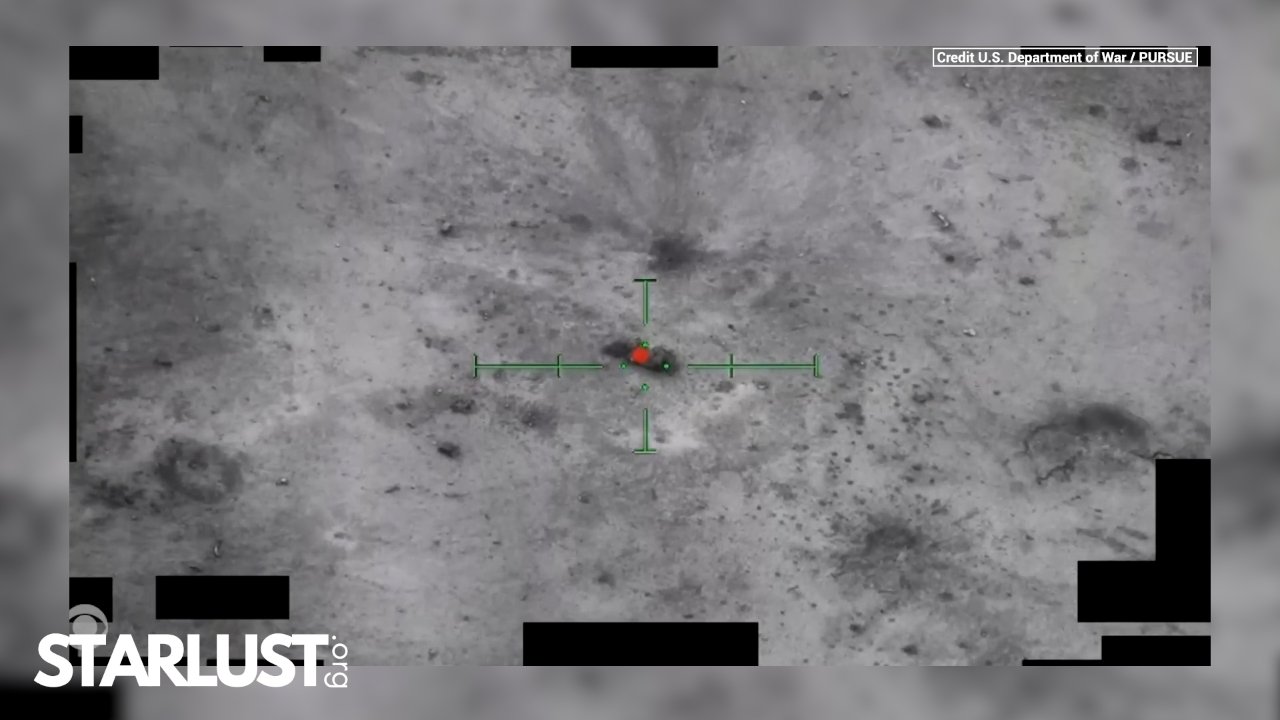
Pentagon releases 6th batch of UAP files. Is it alarming?
The Pentagon has released 72 new UAP records through its PURSUE archive, including 15 videos, 56 documents and one audio recording. The latest batch includes new military footage, historical UFO material from 1952 and documents linked to earlier UAP investigations. The release is part of an ongoing rollout of government UAP records. Video Credit: U.S. Department of War / PURSUE, NBC News Now, NEWSNATION, NBC News, CBS NEWS CHICAGO
 0:39
0:39
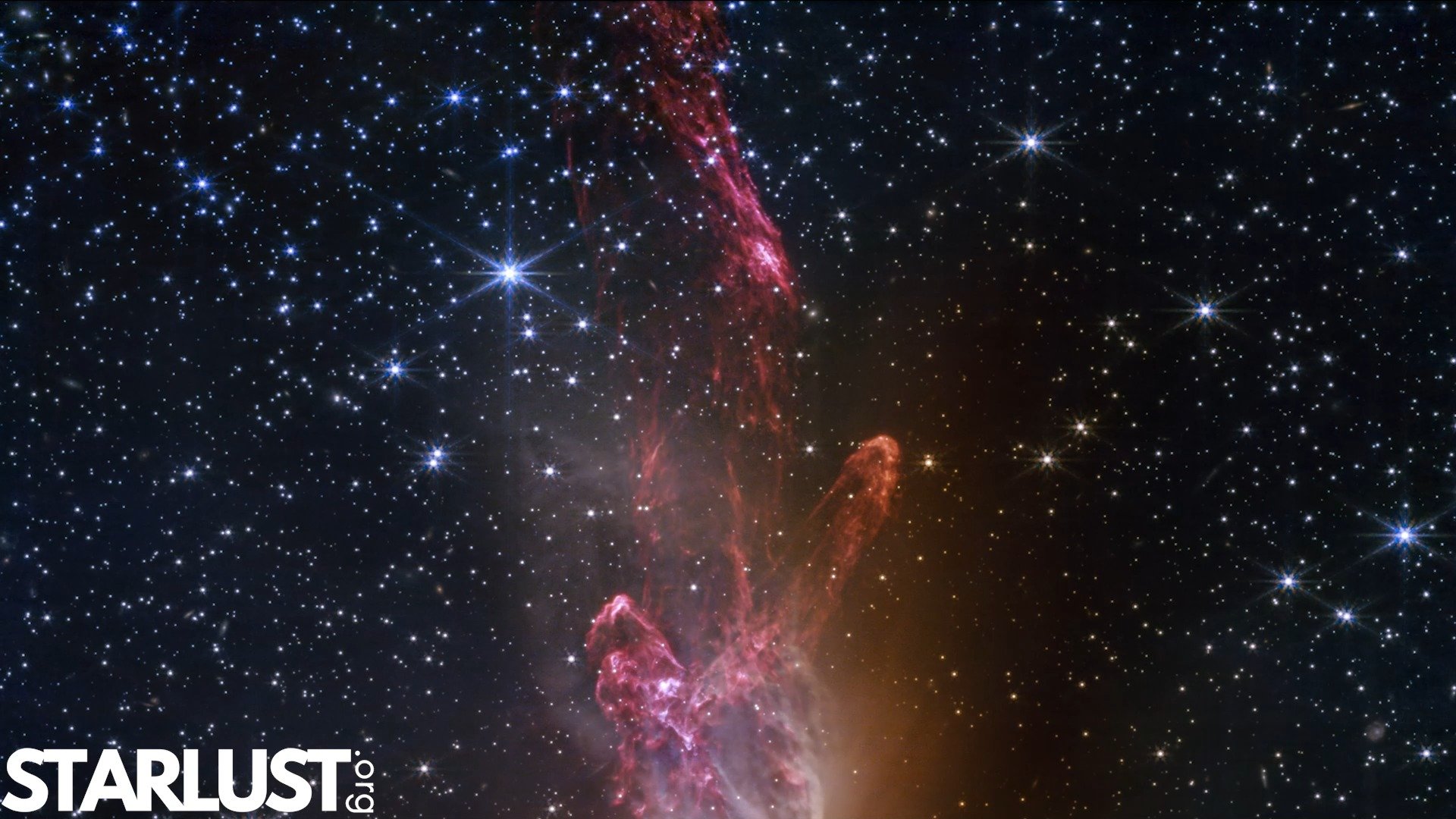
NASA's James Webb revealed jets from two forming stars colliding and twisting into each other
NASA's James Webb Space Telescope captured extraordinary detail in Lynds 483, an hourglass-shaped cloud about 650 light-years away, shaped by ejections from two actively forming stars at its center. Over tens of thousands of years, the protostars periodically fired jets and slower outflows into space — and when newer ejections struck older material, the collisions crumpled and twisted based on the density of what collided. Where dust blocked the view, only faint background stars appeared as orange pinpoints; where it was clear, stars shone brightly in white and blue. Credit: NASA, ESA, CSA, STScI
 0:17
0:17
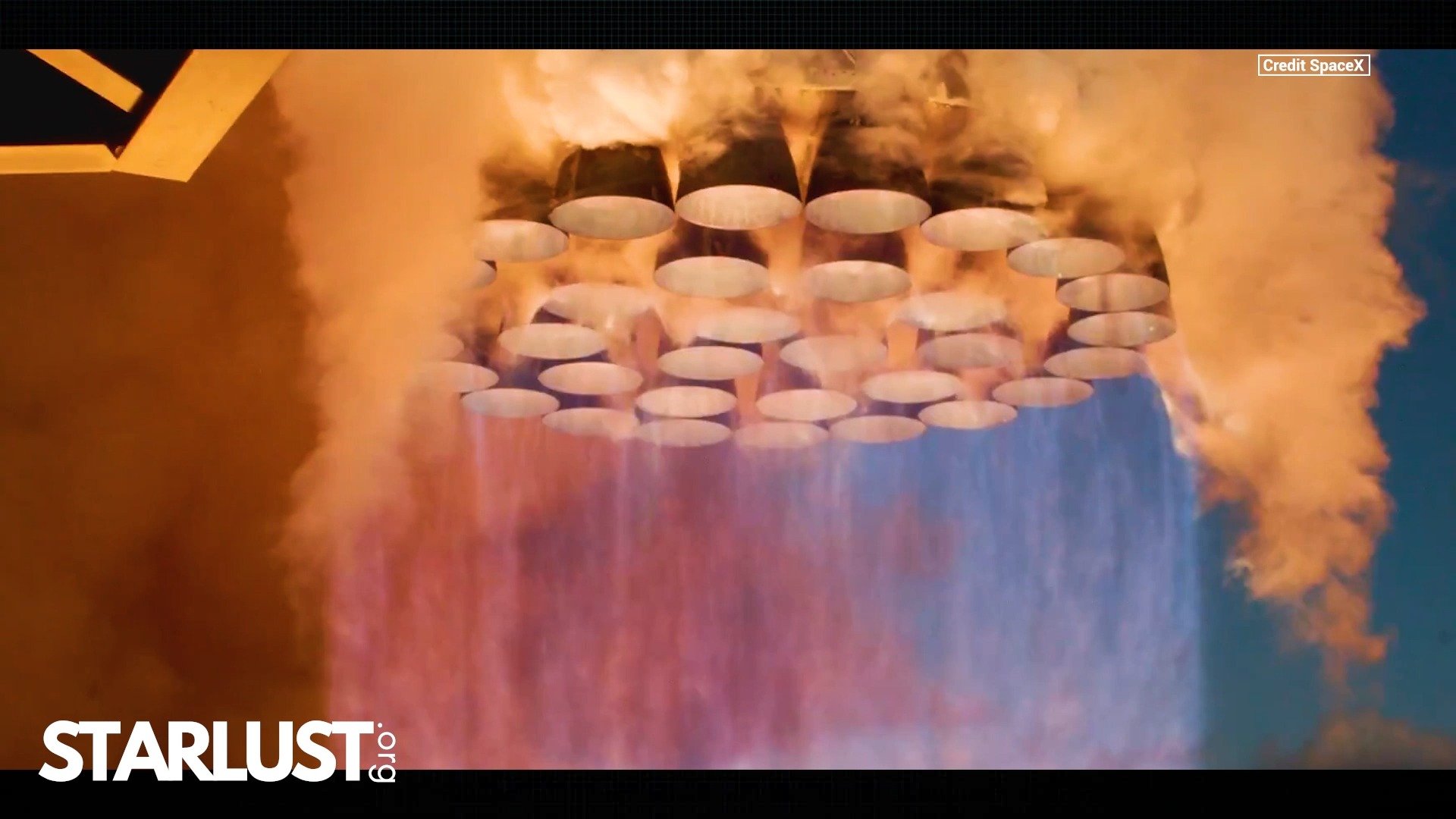
SpaceX shows slow-motion view of all 33 Raptor engines firing during Starship Flight 11
SpaceX captured all 33 Raptor engines firing in slow motion as Starship launched on its 11th flight test, offering a detailed look at the powerful engine array beneath the Super Heavy booster. Video Credit: SpaceX
 0:40
0:40
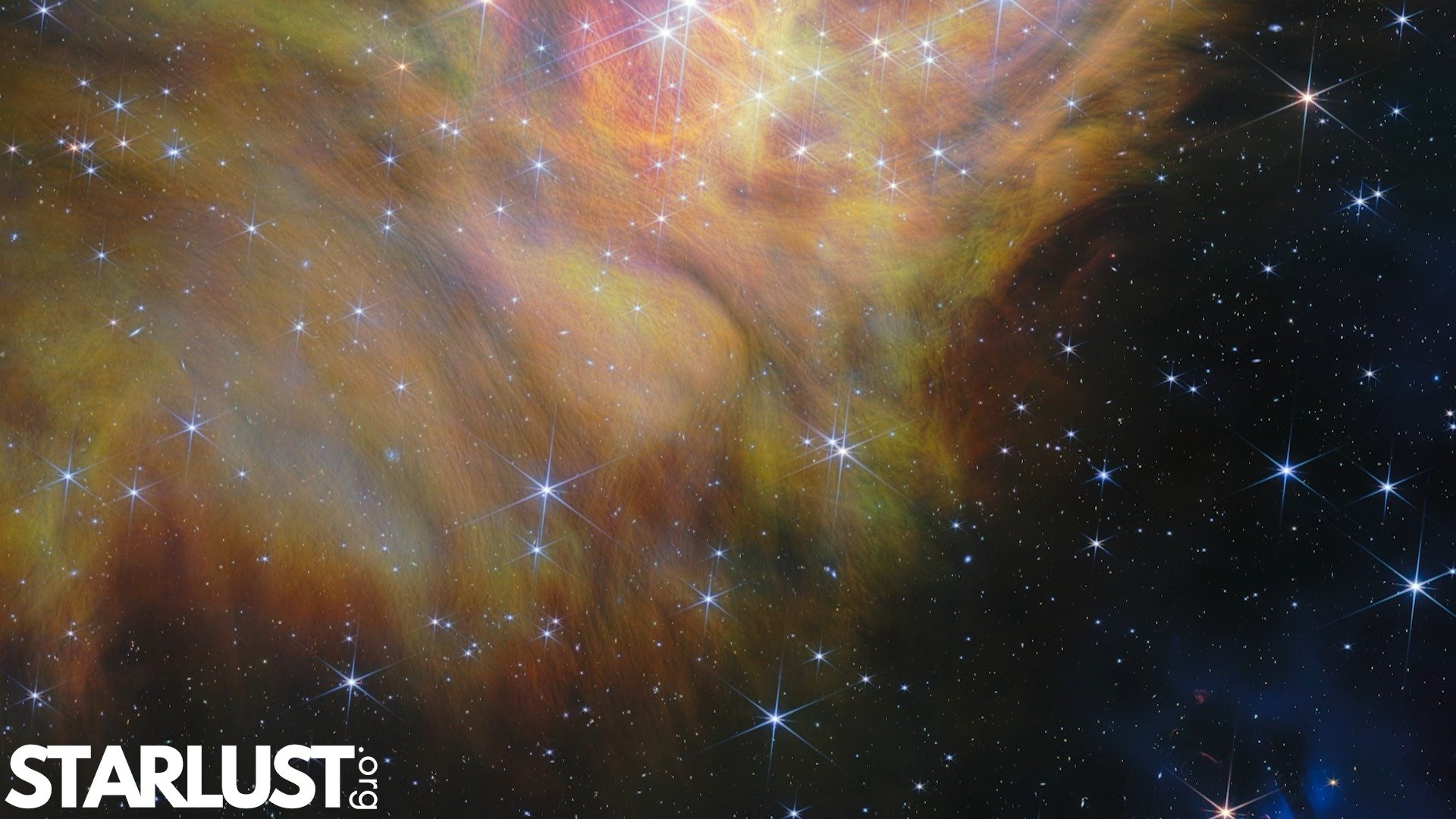
NASA's James Webb found brown dwarfs smaller than theory says should exist
NASA's James Webb Space Telescope observed IC 348, a star-forming region 1,000 light-years away, in one of the largest images released to date from the telescope. Researchers discovered brown dwarfs as small as twice the mass of Jupiter — the least massive ever found, and smaller than current theory predicts should be possible. One of the tiniest showed signs of its own surrounding disk, suggesting small planets could be forming around an object that is itself only planet-sized. The image also captured protostars firing jets into surrounding gas, including a rare double-jet system and a propeller-shaped outflow. Credit: ESA/Webb, NASA, CSA, K. Luhman, C. Alves De Oliveira, M. Zamani (ESA/Webb), N. Bartmann (ESA/Webb)
 0:22
0:22
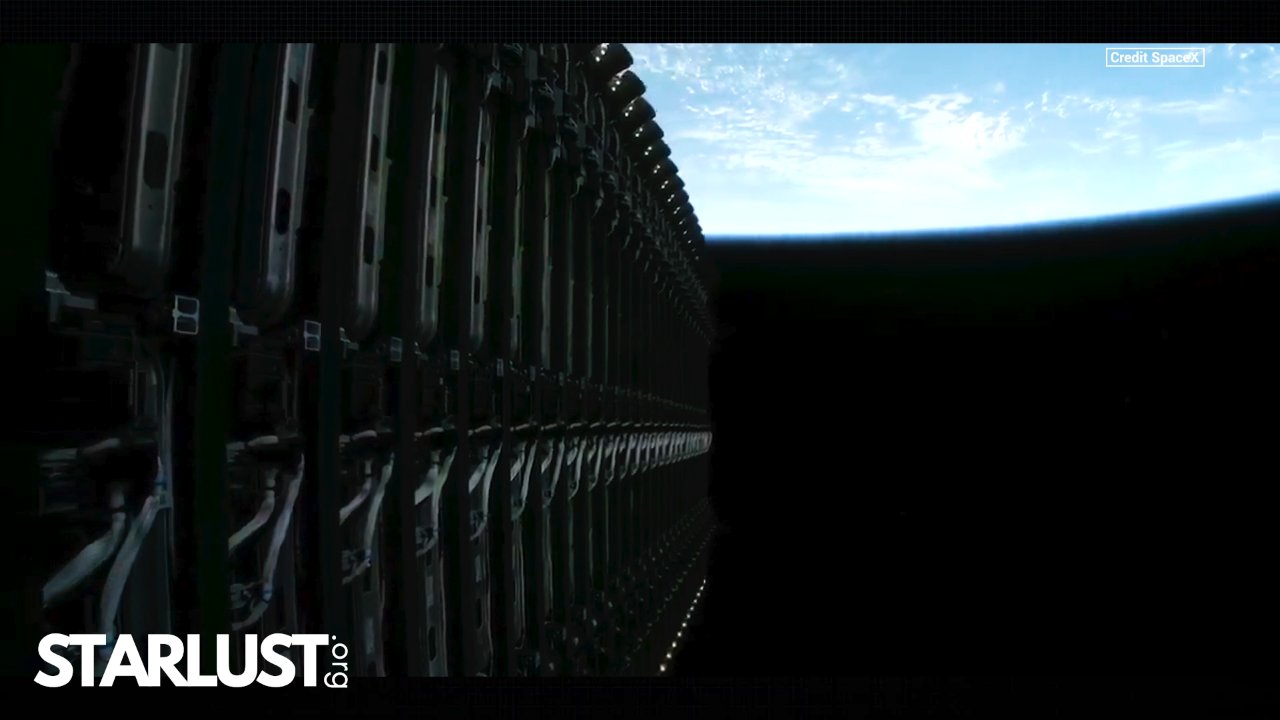
SpaceX shows how 27 Starlink satellites are packed together in orbit
Watch 27 Starlink satellites appear as one massive structure above Earth as SpaceX captures a close-up view of the spacecraft packed together before deployment during a Falcon 9 mission. Video Credit: SpaceX
 0:38
0:38
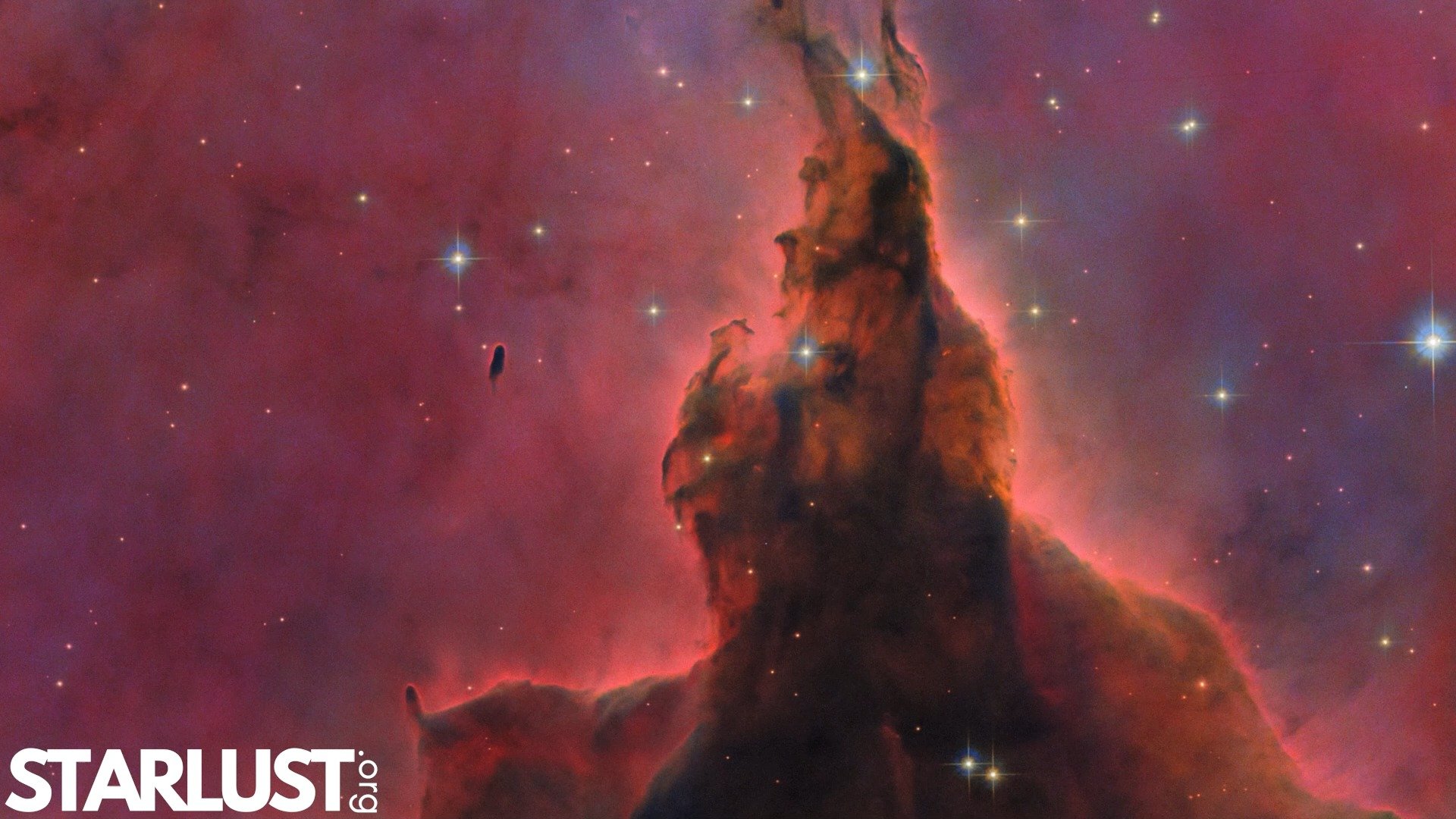
NASA's Hubble captured a 9.5-light-year pillar still standing after millions of years of stellar winds
NASA's Hubble Space Telescope revisited the Eagle Nebula, originally imaged in 2005, using new processing techniques. The image showed a pillar of cold gas and dust standing 9.5 light-years tall, about 7,000 light-years from Earth. Nebulae like this take on sculpted shapes when exposed to radiation and stellar winds from infant stars — denser pockets of gas resist the onslaught and survive as pillars, while surrounding material is stripped away. Not far beyond this scene lies the nebula's heart, home to a young star cluster that carved out the region's dusty pillars, including the famous Pillars of Creation, photographed separately by Hubble in 1995 and 2015. Credit: ESA/Hubble & NASA, K. Noll,N. Bartmann (ESA/Hubble)
 1:00
1:00
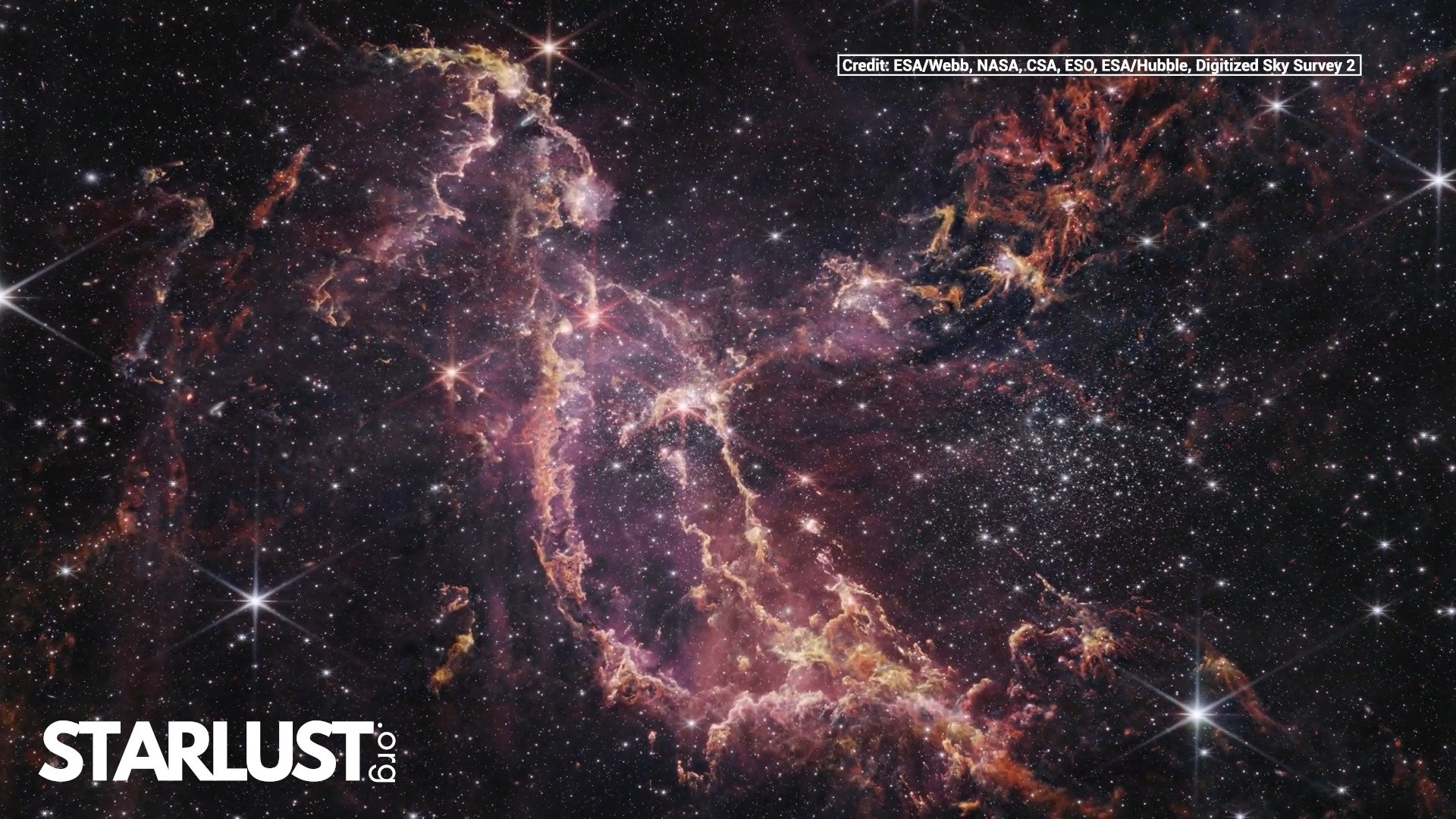
James Webb zooms into NGC 346, a stellar nursery beyond the Milky Way
James Webb zooms into NGC 346, a massive star-forming region in the Small Magellanic Cloud. The region is packed with young stars and clouds of gas and dust, offering astronomers a glimpse of star formation in an environment unlike our Milky Way. Video Credit: ESA/Webb, NASA, CSA, ESO, ESA/Hubble, Digitized Sky Survey 2, A. Nota, N. Bartmann, M. Zamani
 0:17
0:17
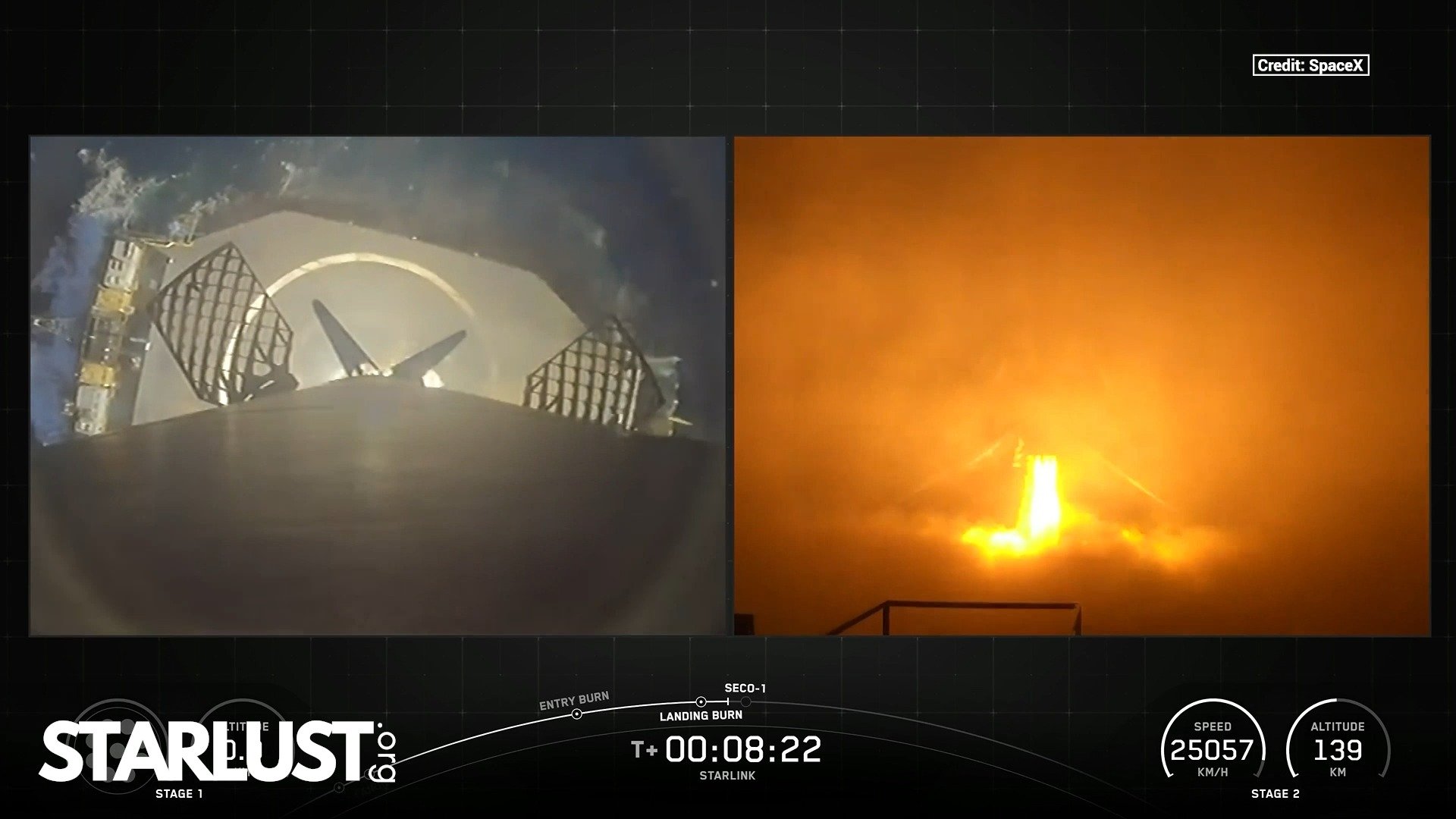
SpaceX Falcon 9 booster lands after 17th flight as fairing half completes 40th flight
SpaceX's Falcon 9 first stage landed on the Of Course I Still Love You droneship after launching 27 Starlink satellites on September 19. It was the booster's 17th flight, while the mission also marked the first time a fairing half completed its 40th flight. Video Credit: SpaceX