 0:35
0:35
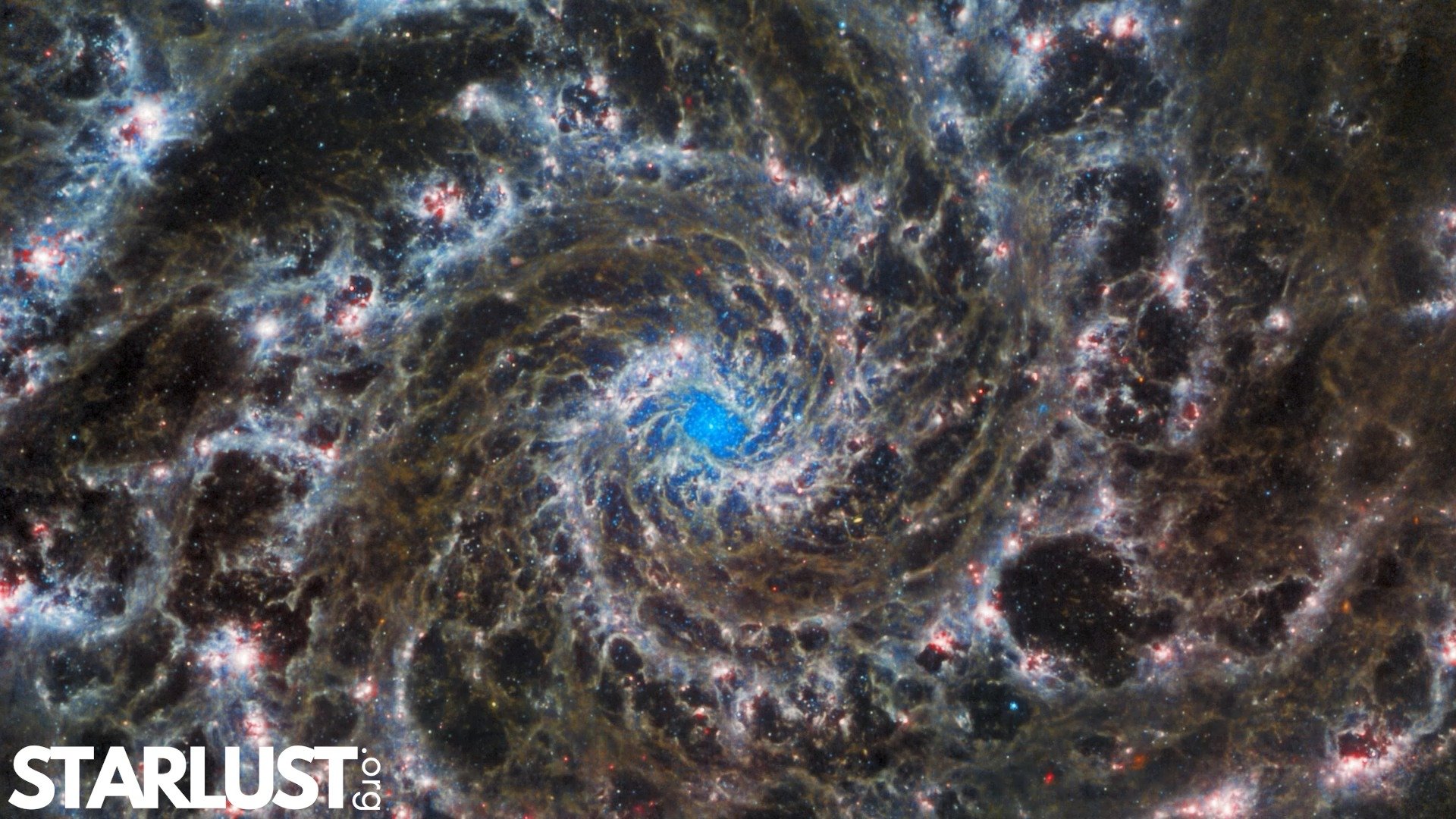
NASA's James Webb inspected the Phantom Galaxy's heart, revealing delicate filaments hidden from Hubble
NASA's James Webb Space Telescope captured the heart of M74, the Phantom Galaxy, about 32 million light-years away in Pisces. Webb's infrared vision revealed delicate filaments of gas and dust in the galaxy's well-defined spiral arms, while a lack of gas near its center gave an unobscured view of the dense star cluster there. Combining Webb's data with earlier Hubble observations, astronomers produced a composite image showing dust in red, young stars in blue, and older stars in yellow — together creating a distinctive greenish glow at the galaxy's heart. Credit: ESA/Webb, NASA & CSA, J. Lee (NOIRLab) and the PHANGS-JWST Team; ESA/Hubble & NASA, R. Chandar; A. Pagan (STScI); N. Bartmann (ESA/Webb); Acknowledgement: J. Schmidt
More Videos
 0:45
0:45
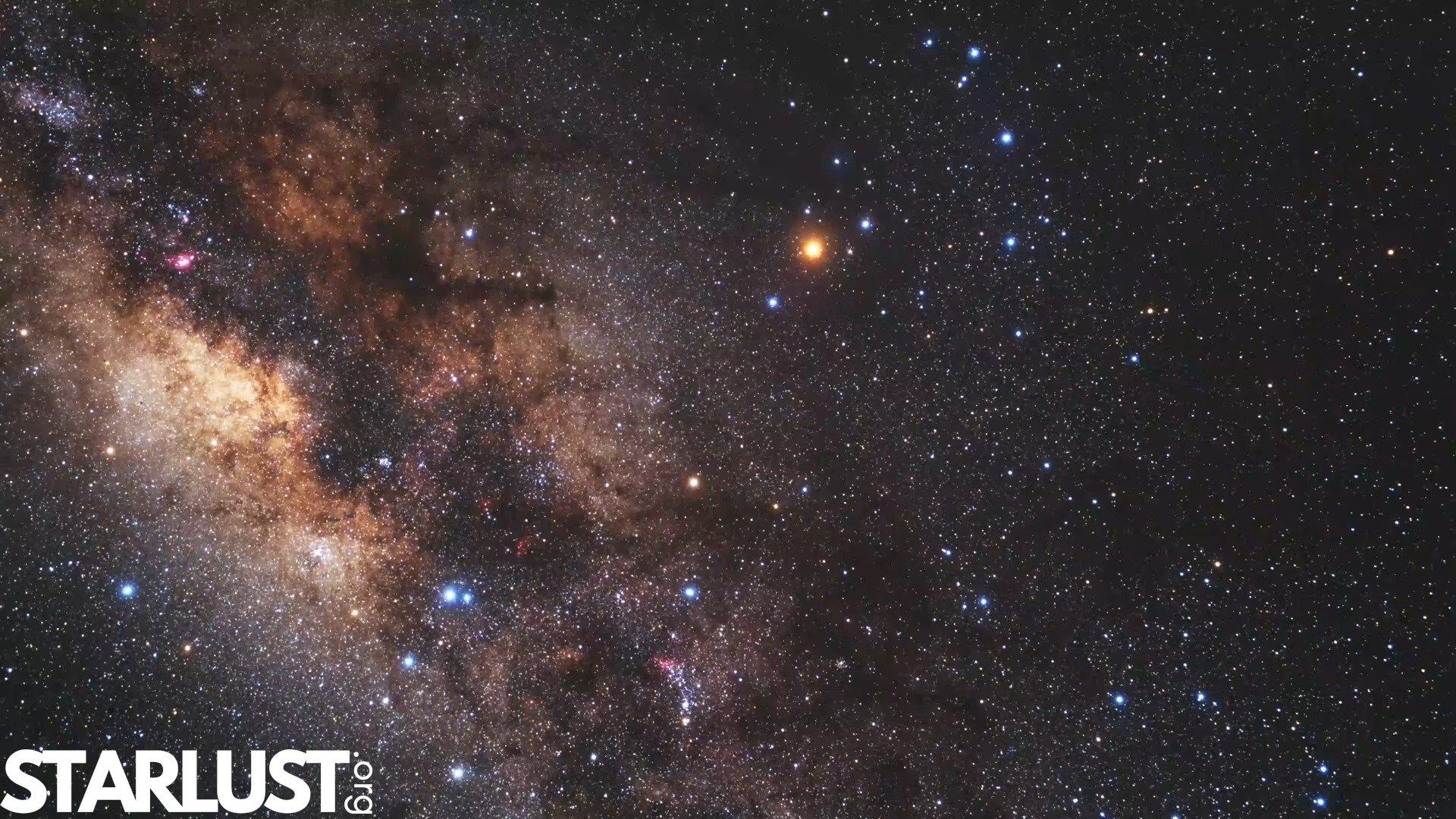
NASA's James Webb revealed a star once thought to be the most massive is actually two
NASA's James Webb Space Telescope captured a sparkling scene of star birth in Pismis 24, a star cluster at the heart of the Lobster Nebula, located along the dusty lanes near the center of the Milky Way in the constellation Scorpius, about 5,500 light-years away. What looked like a craggy mountain top was actually a dust cloud being eaten away by radiation from nearby infant stars. At its center sat Pismis 24-1, once believed to be the single most massive star ever known — later found to be at least two stars, weighing 74 and 66 solar masses. The tallest visible spire spanned about 5.4 light-years, wide enough to fit more than 200 solar systems out to Neptune's orbit across just its tip. Credit: NASA, ESA, CSA, STScI; Image Processing: Alyssa Pagan (STScI); Video: Leah Hustak, Christian Nieves (STScI)
 0:43
0:43
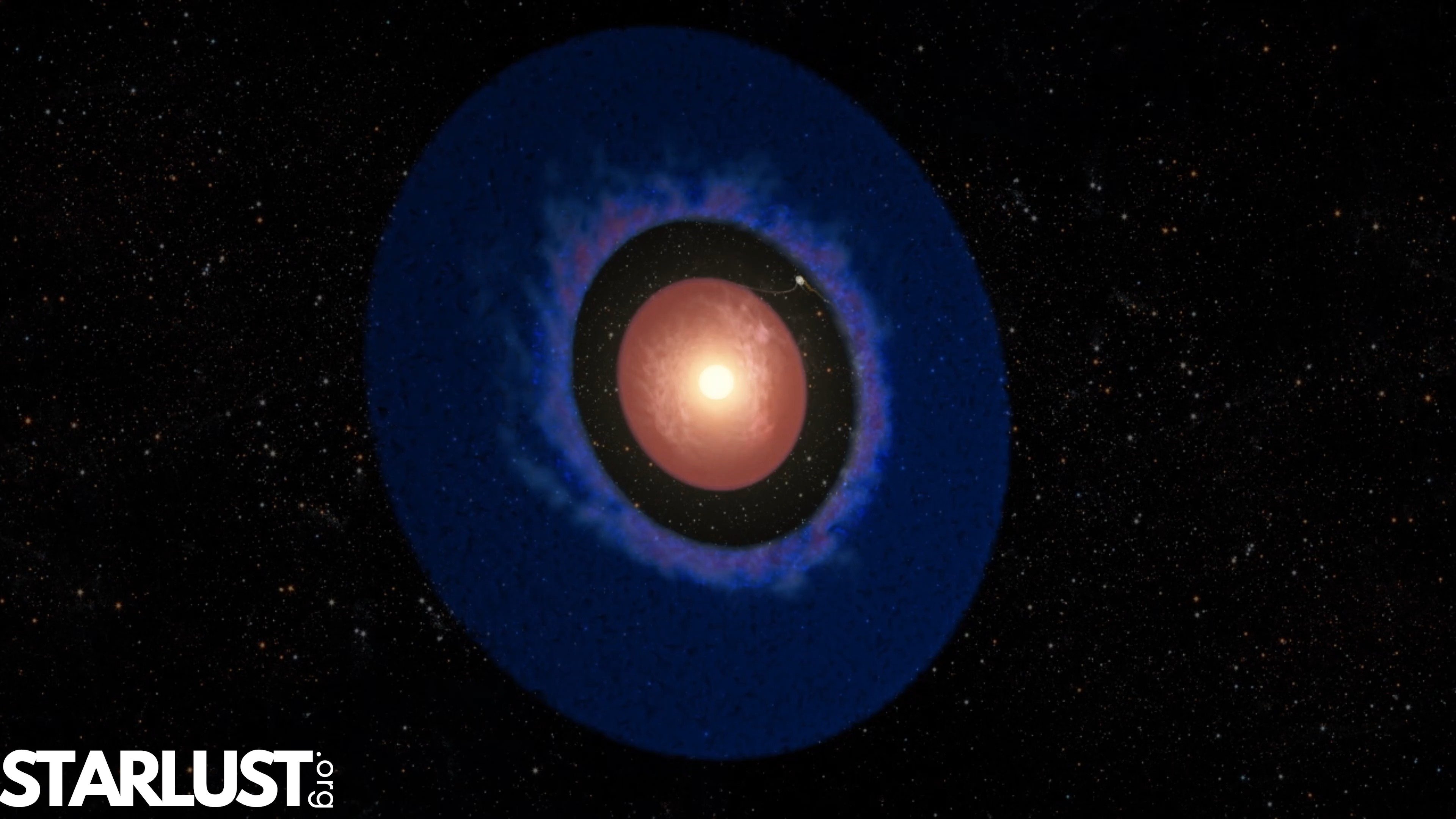
Astronomers found the youngest exoplanet ever detected, solving a decade-old mystery
Astronomers confirmed Elias 2-24 b, the youngest exoplanet ever detected at less than a million years old, still actively gathering material from the disk around its young host star, about 450 light-years away. The discovery solved a decade-old mystery — a faint point of light spotted by the Very Large Telescope inside a gap in the star's disk, long debated as either a planet or an anomaly. Researchers confirmed it using archived Keck Observatory data from 2018 and 2020, tracking its motion to prove it was a real, forming planet. NASA released an artist's animation depicting the planet actively accreting material from the disk within the gap it carved. The find breaks the previous record by more than 4 million years, and researchers say NASA's newly launched Roman Space Telescope should make discoveries like this significantly easier going forward. Credit: W. M. Keck Observatory/Adam Makarenko
 1:59
1:59
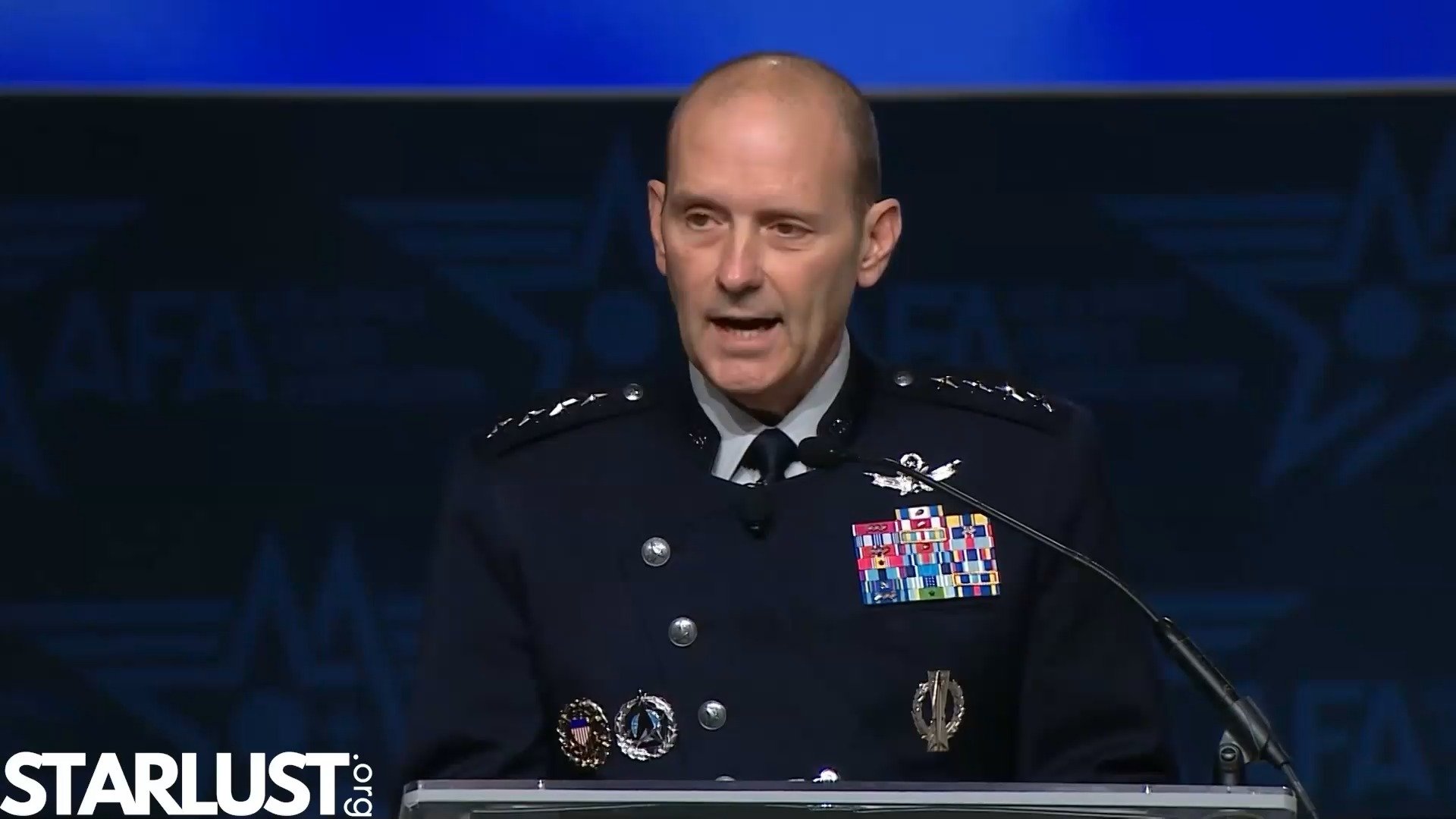
U.S. Space Force General Douglas Schiess confirms use of weapons in orbit
Space Force General Douglas Schiess confirmed the U.S. military currently operates weapons in orbit during a State of the Space Force address, saying Guardians "operate on-orbit weapons that can defend the joint force against space-enabled attacks." Schiess cited the Victus Haze mission as an example, saying it demonstrated the ability to launch and respond to an on-demand, on-orbit threat in just 17 hours earlier this year. Video courtesy: U.S. Space Force and Air & Space Forces Association, from the 2026 Air, Space & Cyber Conference
 0:13
0:13
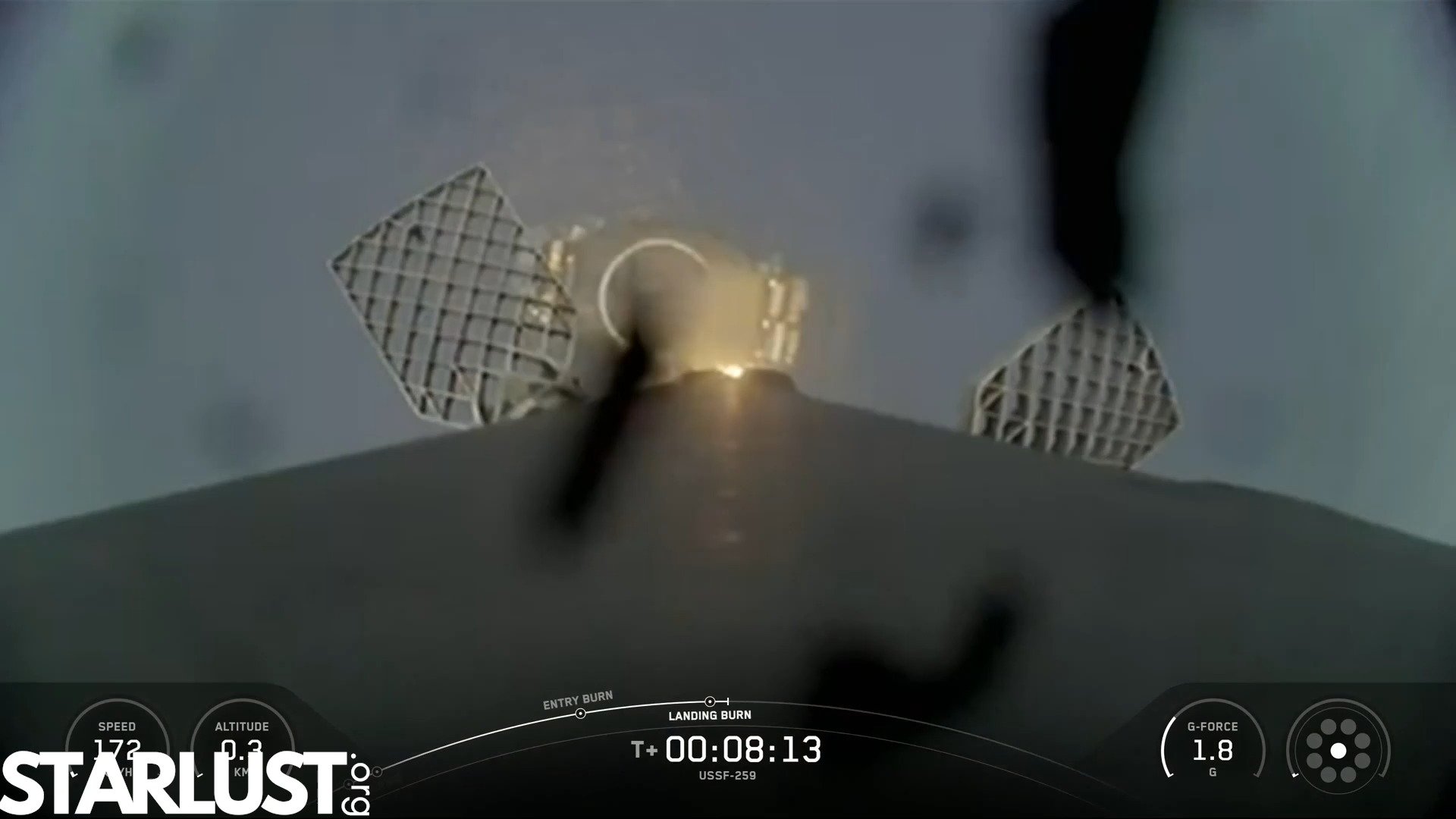
SpaceX Falcon 9 booster lands after 13th flight, carrying classified Space Force payload
SpaceX's Falcon 9 first-stage booster, B1097, landed on the droneship "Of Course I Still Love You" in the Pacific Ocean after launching the classified USSF-259 mission on September 16, 2026 — the booster's 13th flight. The launch followed a scrubbed attempt the previous night due to an unexplained issue. Video Credit: SpaceX
 0:24
0:24
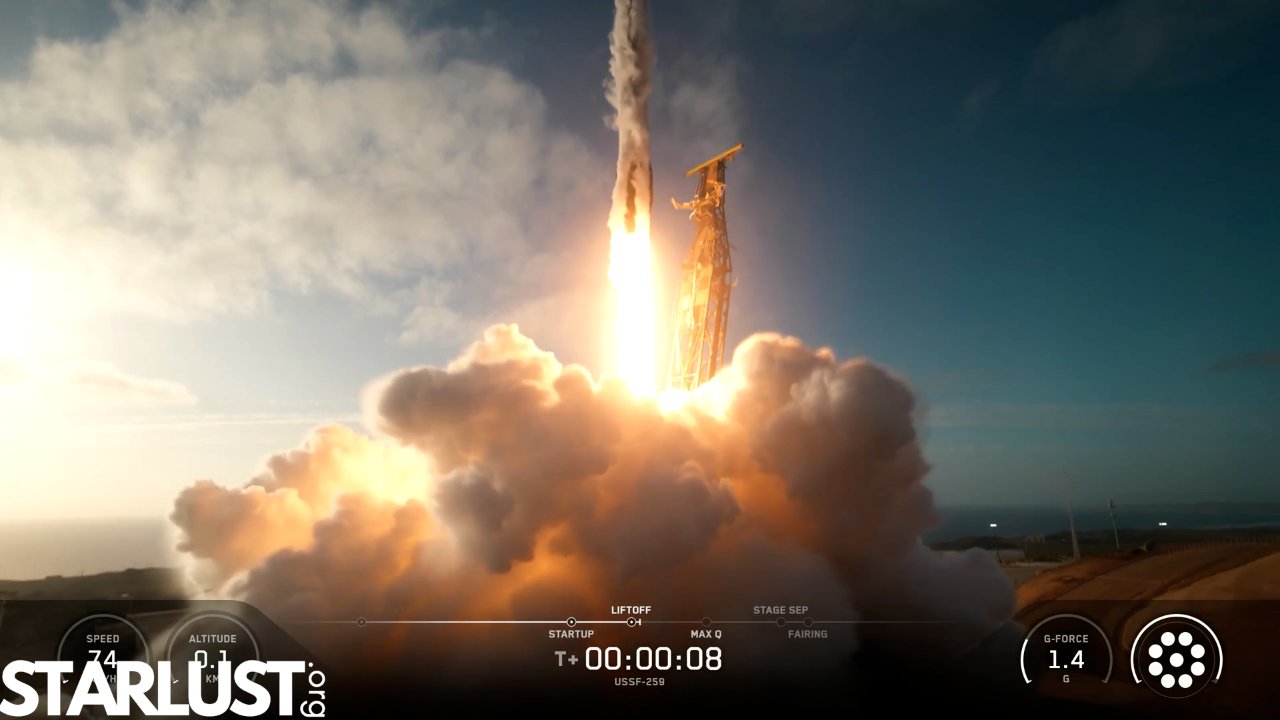
SpaceX launches classified USSF-259 mission on booster's 13th flight
SpaceX launched a Falcon 9 rocket carrying the classified USSF-259 mission for the U.S. Space Force from Vandenberg Space Force Base, California, on September 16, 2026, a day after Tuesday's attempt was scrubbed prior to fueling. The first-stage booster, B1097, flew for its 13th time. The payload's exact purpose remains classified, though it may involve satellites built on SpaceX's Starshield platform. Video Credit: SpaceX
 0:51
0:51
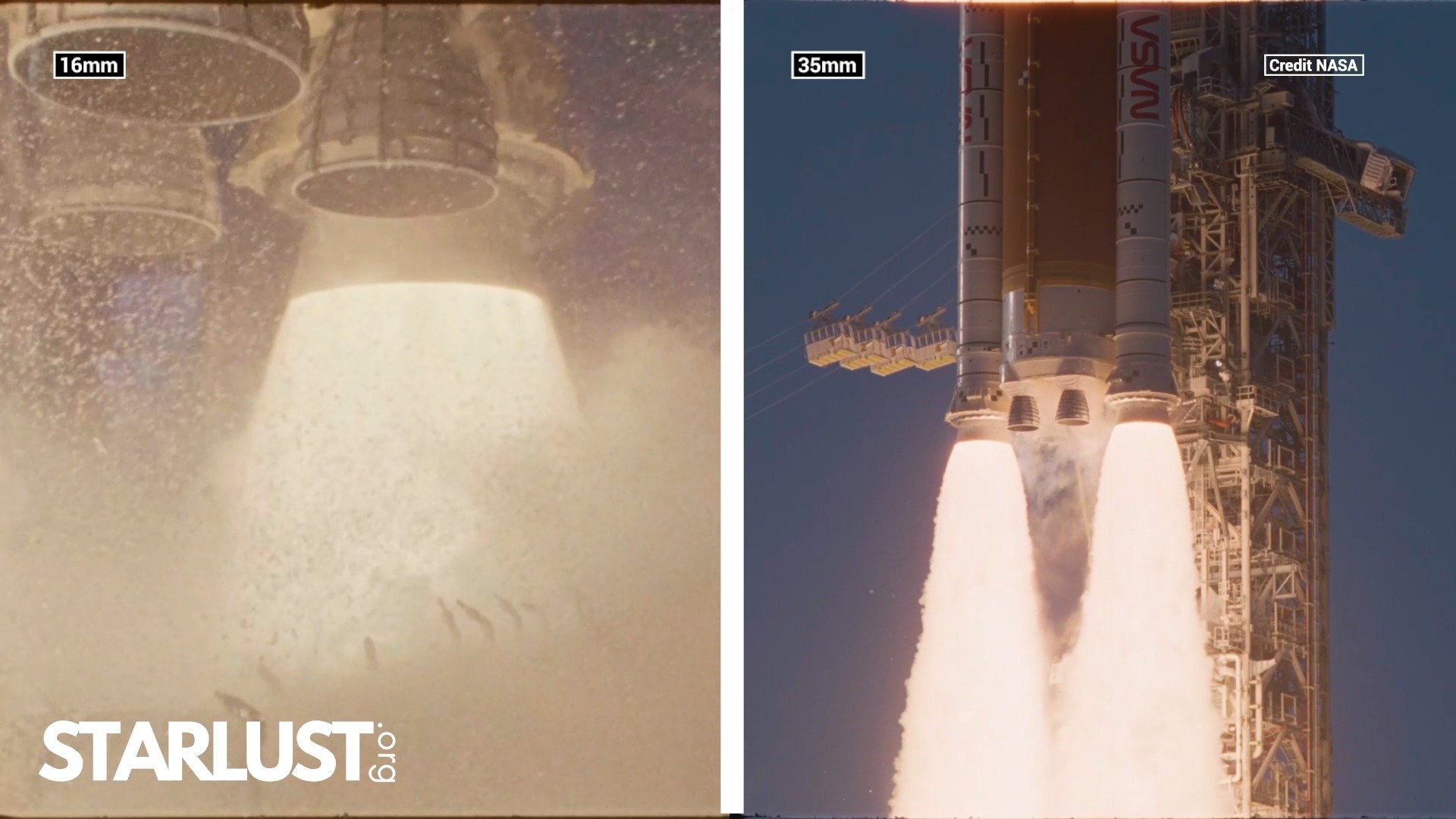
NASA just released insane high-speed 16 mm and 35mm film footage of Artemis II launch
NASA captured the Artemis II launch in stunning 16mm and 35mm high-speed footage, showing the SLS rocket lifting off from Kennedy Space Center and powering through its ascent. The multiple film perspectives highlight the scale and intensity of the historic launch, with NASA making the footage public more than four months after the April 1 liftoff. Video Credit: NASA
 0:54
0:54
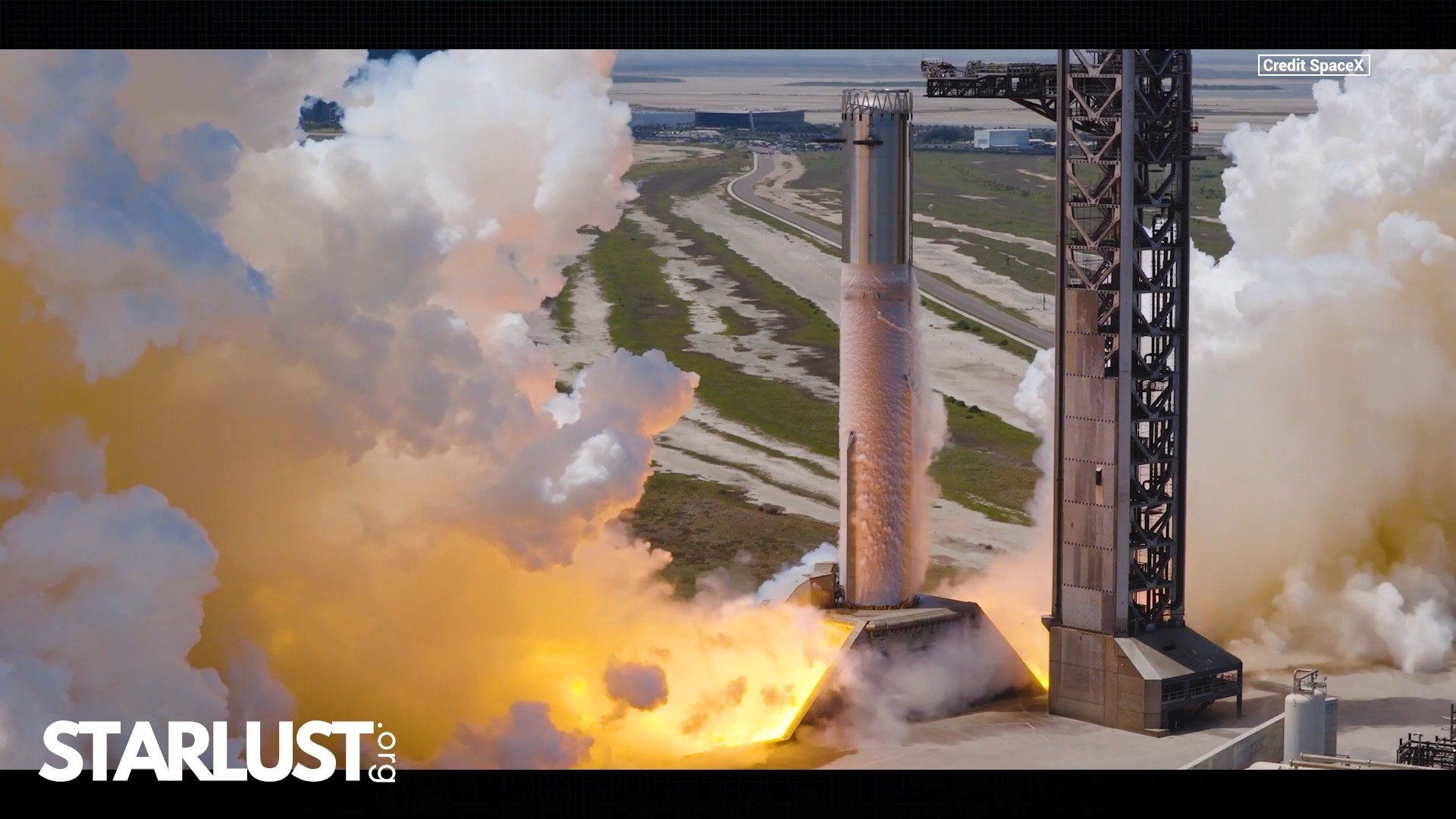
SpaceX tests next-generation Starship ahead of Flight 14
SpaceX is testing its next-generation Starship ahead of Flight 14, planned to be the vehicle's first mission to orbit Earth. The nearly 10-hour flight will target about 275 km altitude and roughly six orbits, while deploying 26 Starlink V3 satellites and testing several upgraded heatshield features. Video Credit: SpaceX
 0:22
0:22
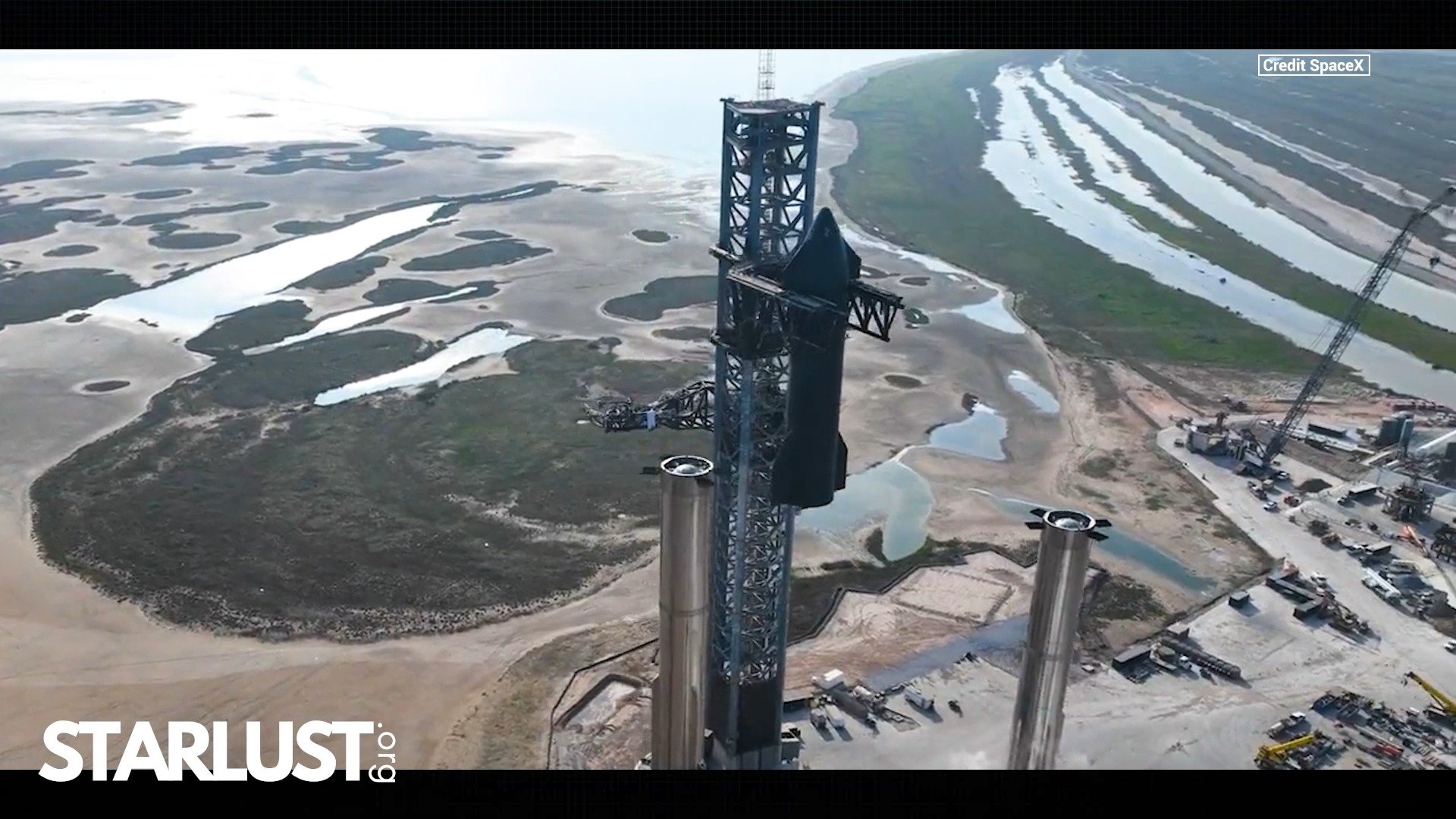
The moment SpaceX’s “chopsticks” stacked Ship 24 on Booster 7
SpaceX’s massive “chopsticks” carefully stacked Starship Ship 24 on Super Heavy Booster 7 at Starbase, Texas, bringing the two stages together into a complete Starship vehicle. Video Credit: SpaceX
 0:44
0:44
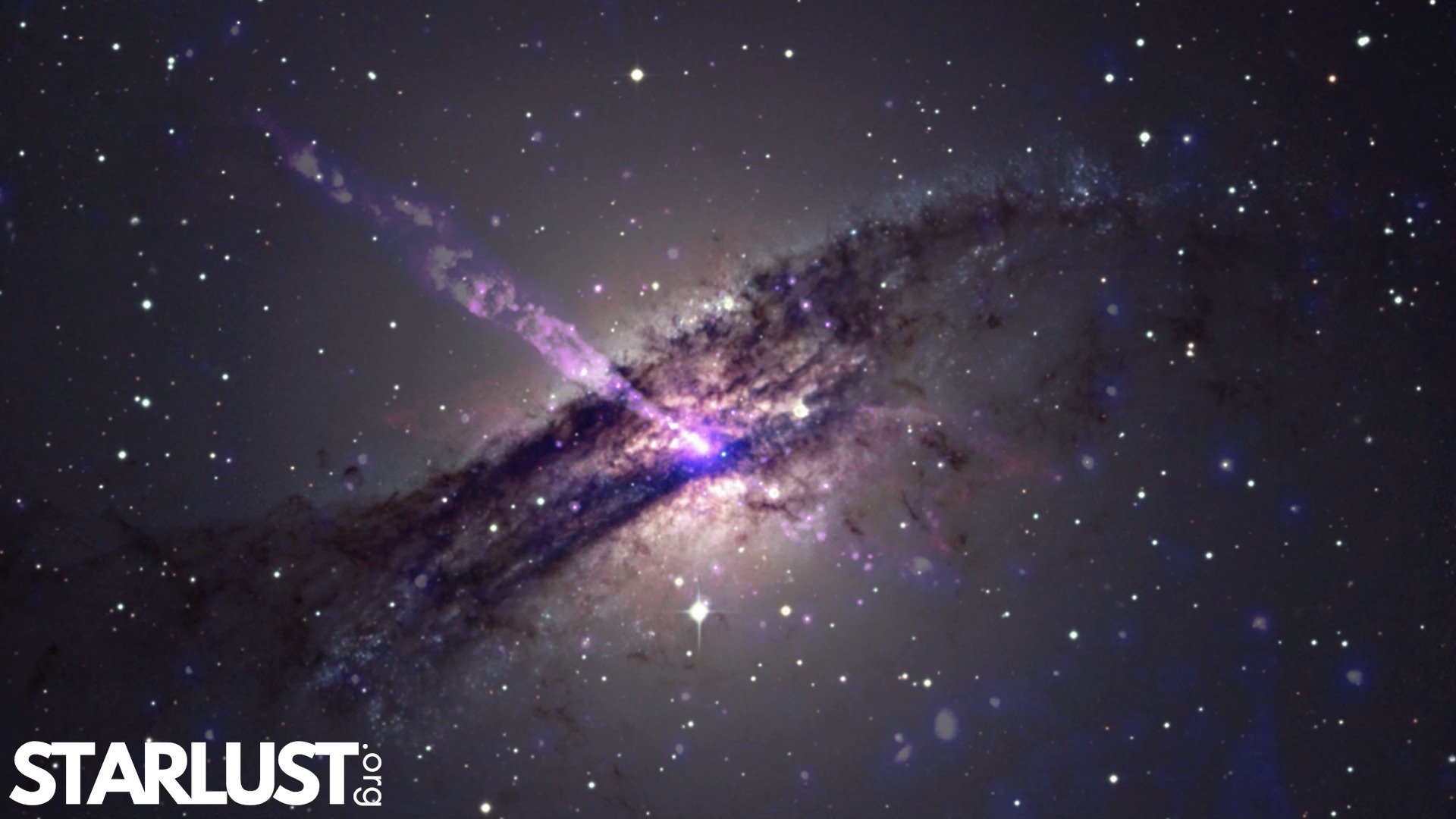
NASA's Chandra caught a black hole's jet slamming into a mysterious hidden object
Using the deepest X-ray image ever made of Centaurus A, NASA's Chandra X-ray Observatory found an unusual mark from the galaxy's black hole jet striking an unidentified object — something never seen before in this galaxy. Centaurus A sits 12.4 million light-years from Earth, and its jet, moving at close to the speed of light in certain spots, formed a V-shaped X-ray pattern with arms at least 700 light-years long. The source of the emission, named C4, sits close to the jet's path and had never been detected before. The object being struck remains a mystery, too distant to be seen even by today's most powerful telescopes — though researchers believe it may be a massive star colliding with the jet's particles. Credit: NASA/CXC/SAO/D. Bogensberger et al.; Image Processing: NASA/CXC/SAO/N. Wolk
 0:37
0:37
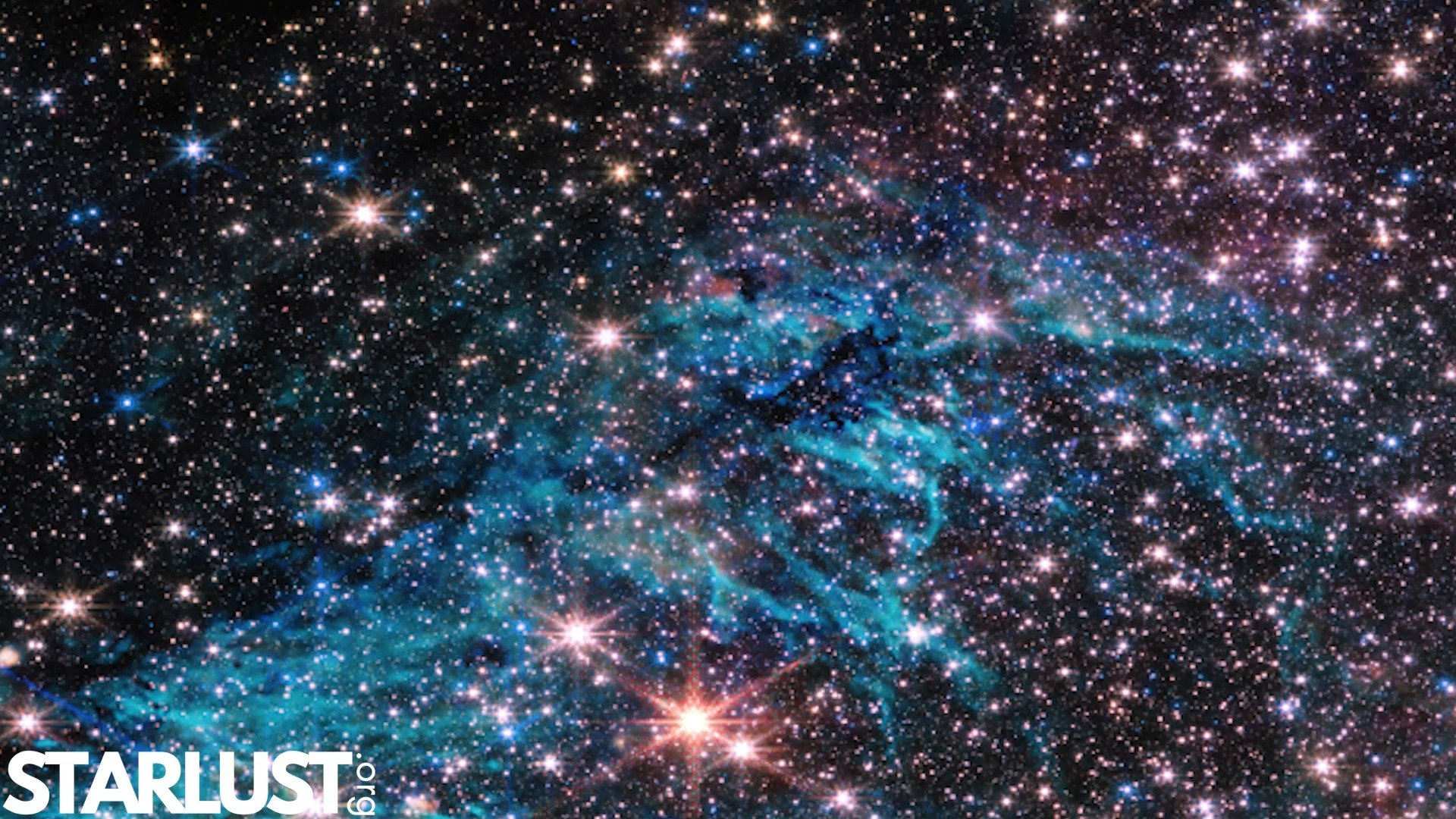
NASA's James Webb revealed 500,000 stars and unexplained features in the heart of the Milky Way
NASA's James Webb Space Telescope captured a 50-light-years-wide portion of the Milky Way's dense center, a region called Sagittarius C, about 300 light-years from the galaxy's central black hole. Released on November 20, 2023, the image revealed an estimated 500,000 stars, including a cluster of protostars centered on one more than 30 times the mass of the Sun. Webb also captured mysterious needle-like structures in glowing hydrogen gas, oriented in seemingly chaotic directions — a feature astronomers said they planned to study further. Credit: NASA, ESA, CSA, STScI, Samuel Crowe (UVA)
 0:27
0:27
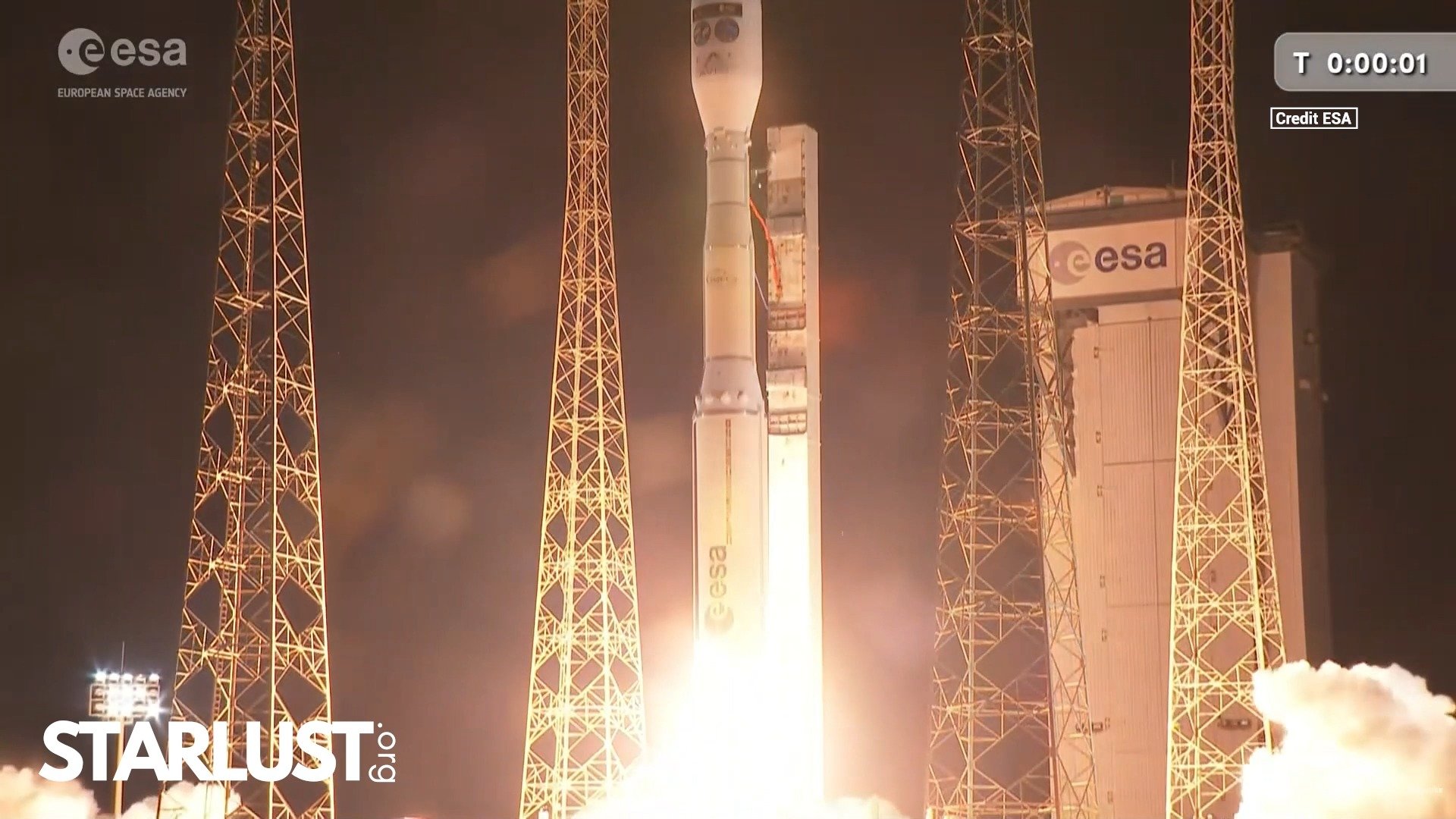
Vega-C launches FLEX and Sentinel-3C to reveal how Earth’s vegetation responds to climate change
ESA’s Vega-C has launched the FLEX and Copernicus Sentinel-3C satellites into orbit. FLEX will detect the faint fluorescence emitted by plants during photosynthesis, helping scientists study vegetation health, environmental stress and the global carbon cycle. Sentinel-3C will monitor Earth’s oceans, land and atmosphere, adding another layer of data to Europe’s Earth-observation efforts. Video Credit: ESA
 0:38
0:38
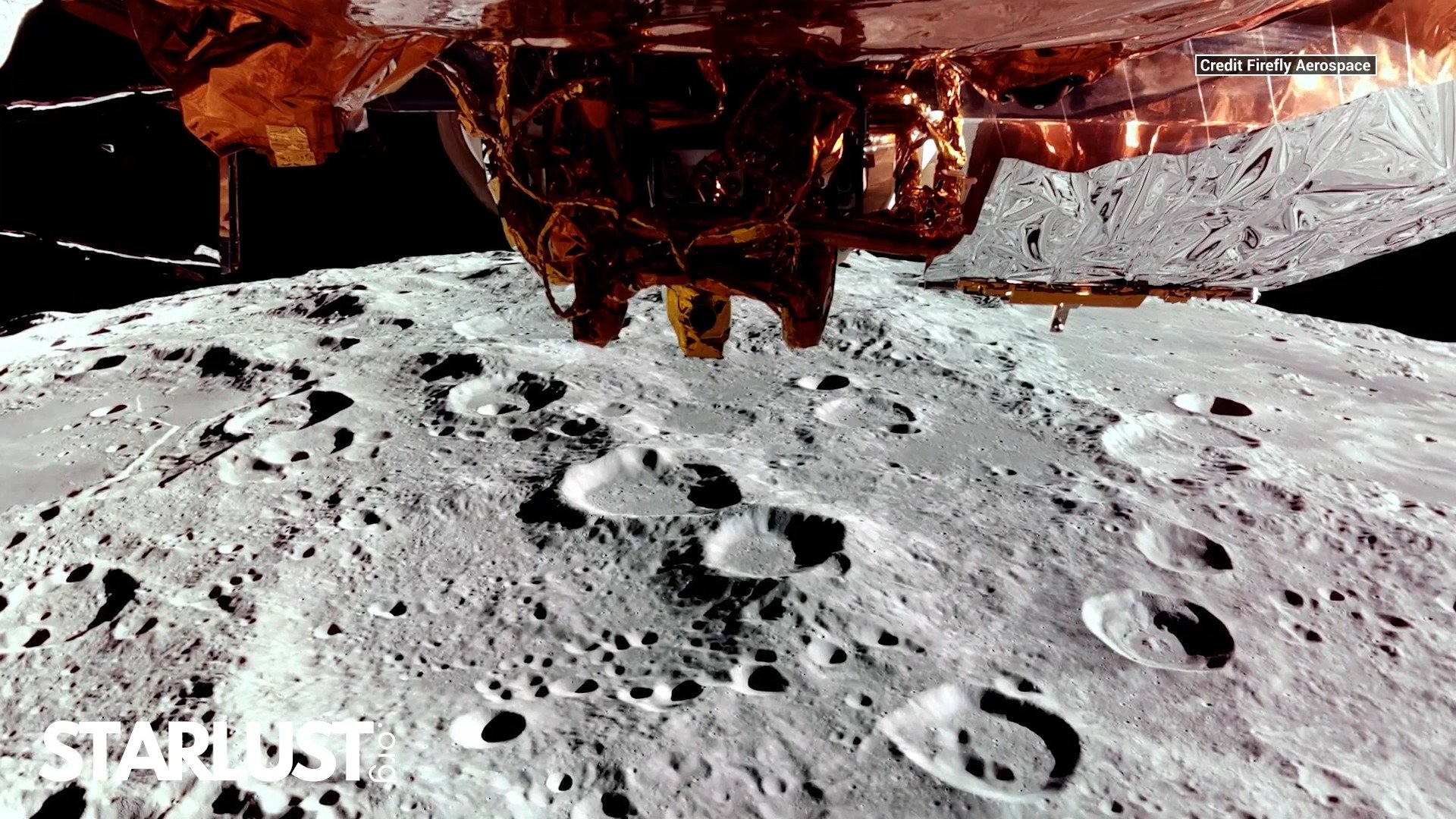
Firefly’s Blue Ghost captured stunning view of Moon from 100 km above the surface
Firefly Aerospace’s Blue Ghost captured this stunning view of the Moon’s far side from about 100 km above the lunar surface. The 10X-speed footage also showed the lander’s RCS thrusters and radiator panels during its low lunar orbit. Video Credit: Firefly Aerospace