 1:26
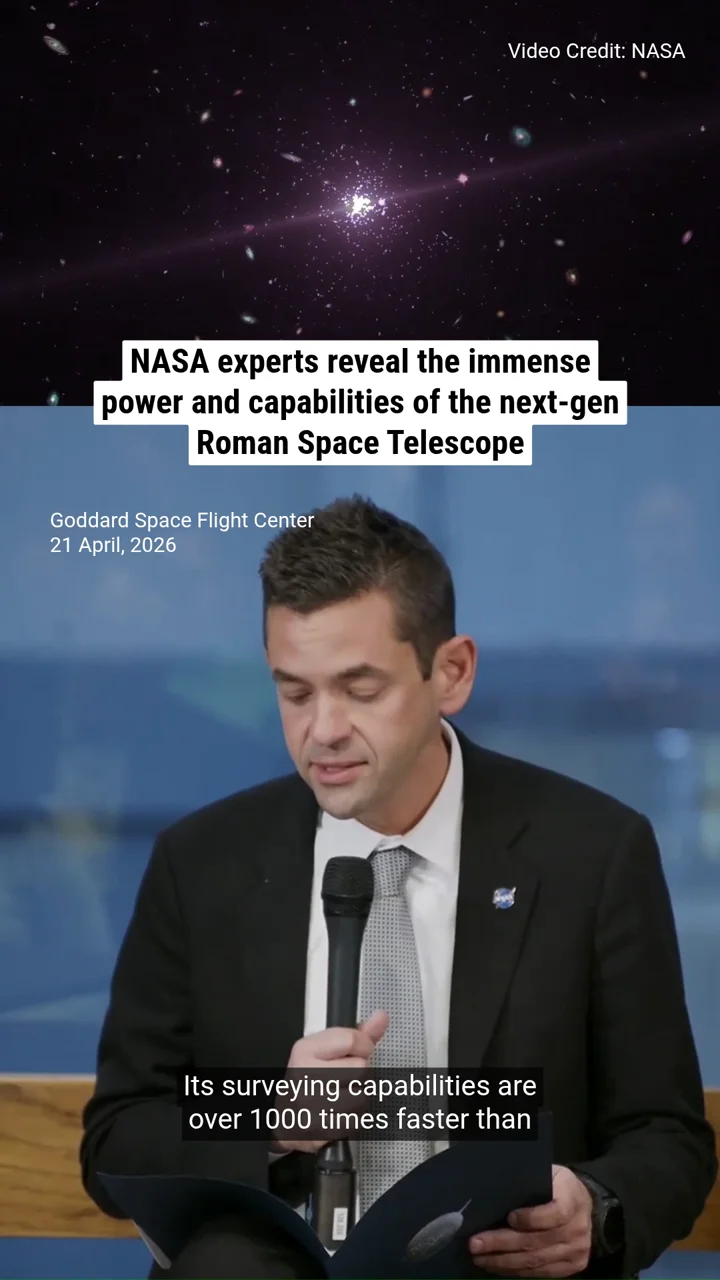
NASA experts reveal the immense power and capabilities of the next-gen Roman Space Telescope
Just how powerful is the new Nancy Grace Roman Space Telescope compared to Hubble? Hear from NASA's top experts as they break down the sheer scale and capabilities of this groundbreaking observatory. The fully integrated telescope is officially complete, eight months ahead of schedule and under budget — currently targeting an early September launch aboard SpaceX’s Falcon Heavy rocket. Nancy Grace Roman Space Telescope will investigate dark matter, dark energy, and the structure of the universe, thanks to its capacity to detect over two billion galaxies. Credits for inset videos: NASA's Goddard Space Flight Center Clip 1: Producer: Sophia Roberts (eMITS) Videographers: Scott Wiessinger (eMITS), Sophia Roberts (eMITS), Rob Andreoli (eMITS) Drone pilot: Francis Reddy (University of Maryland College Park) Camera operator: John D. Philyaw (eMITS) Animator: Adriana Manrique Gutierrez (eMITS) Clip 2: Scott Wiessinger (eMITS): Producer/editor Barb Mattson (University of Maryland College Park): Narrator Scott Wiessinger (eMITS): Writer Ashley Balzer (eMITS): Science Writer Claire Andreoli (NASA/GSFC): Public Affairs Officer Adriana Manrique Gutierrez (eMITS): Animator Michael Lentz (eMITS): Animator Krystofer Kim (eMITS): Animator Jonathan North (eMITS): Animator Dominic Benford (NASA/HQ): Science Advisor (NOTE: The Starlust team just compiled this telescope-focused montage and removed the original audio; no other edits have been made.)
More Videos
 0:26
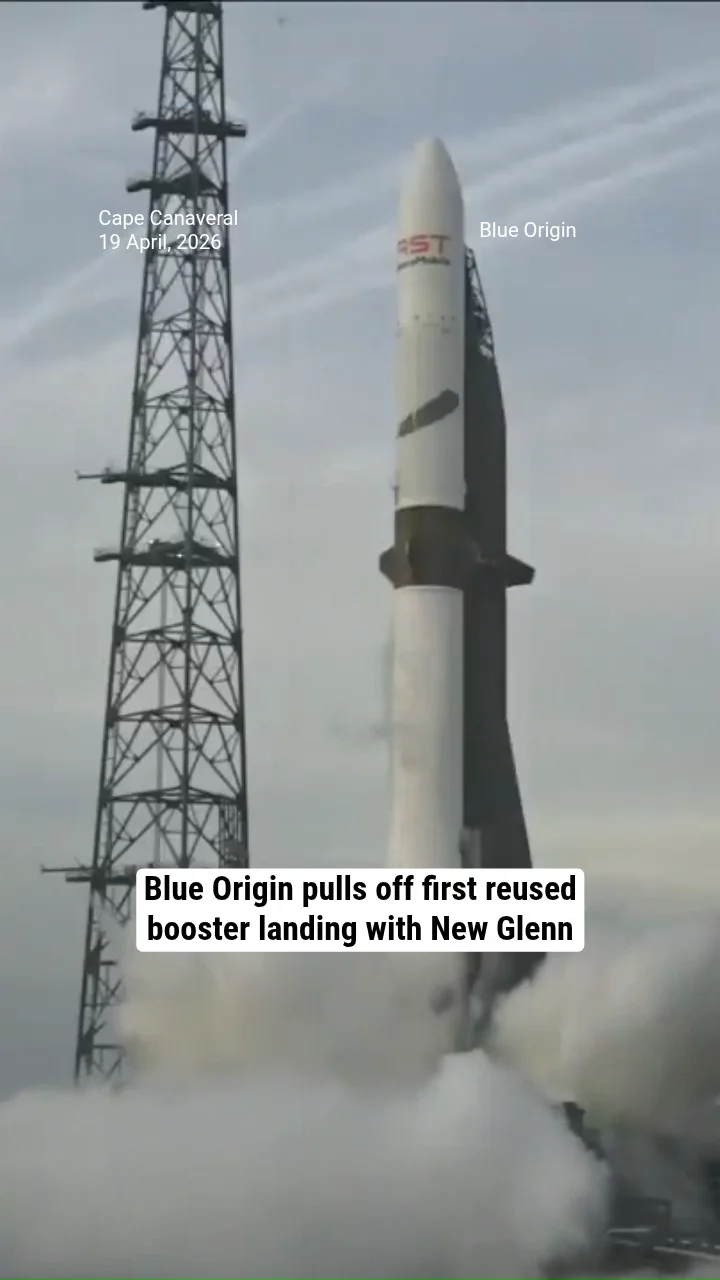
Blue Origin pulls off first reused booster landing with New Glenn
Blue Origin launched its massive New Glenn rocket for the third time on Sunday (April 19), marking the first reuse of a previously flown booster. The NG-3 mission carried the BlueBird 7 direct-to-cellphone satellite, but while the booster successfully returned, the rocket’s upper stage placed the payload into an incorrect, low orbit, preventing the satellite from operating as intended.
 0:36
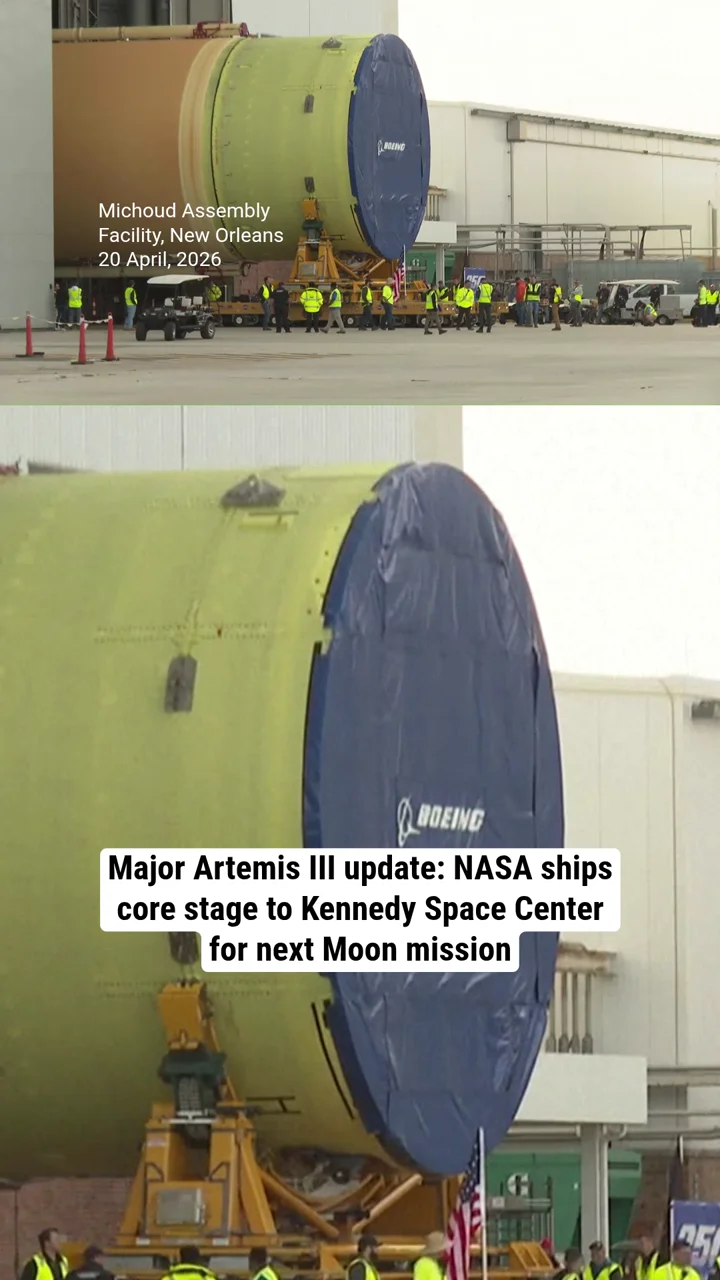
Major Artemis III update: NASA ships core stage to Kennedy Space Center for next Moon mission
NASA rolled out the largest section of its Space Launch System rocket from the Michoud Assembly Facility on Monday. This core stage will power Artemis III, the agency’s next crewed mission to the Moon. About four-fifths of the massive core stage was moved out of the facility and loaded onto NASA’s Pegasus barge for transport to Kennedy Space Center. Standing 212 feet tall, the SLS core stage is equipped with four RS-25 engines and generates more than 8 million pounds of thrust—enough to send astronauts toward the Moon and support NASA’s long-term goal of reaching Mars. The Artemis III mission is currently targeted for launch in 2027. It will build on Artemis II, which concluded on April 10.
 0:40
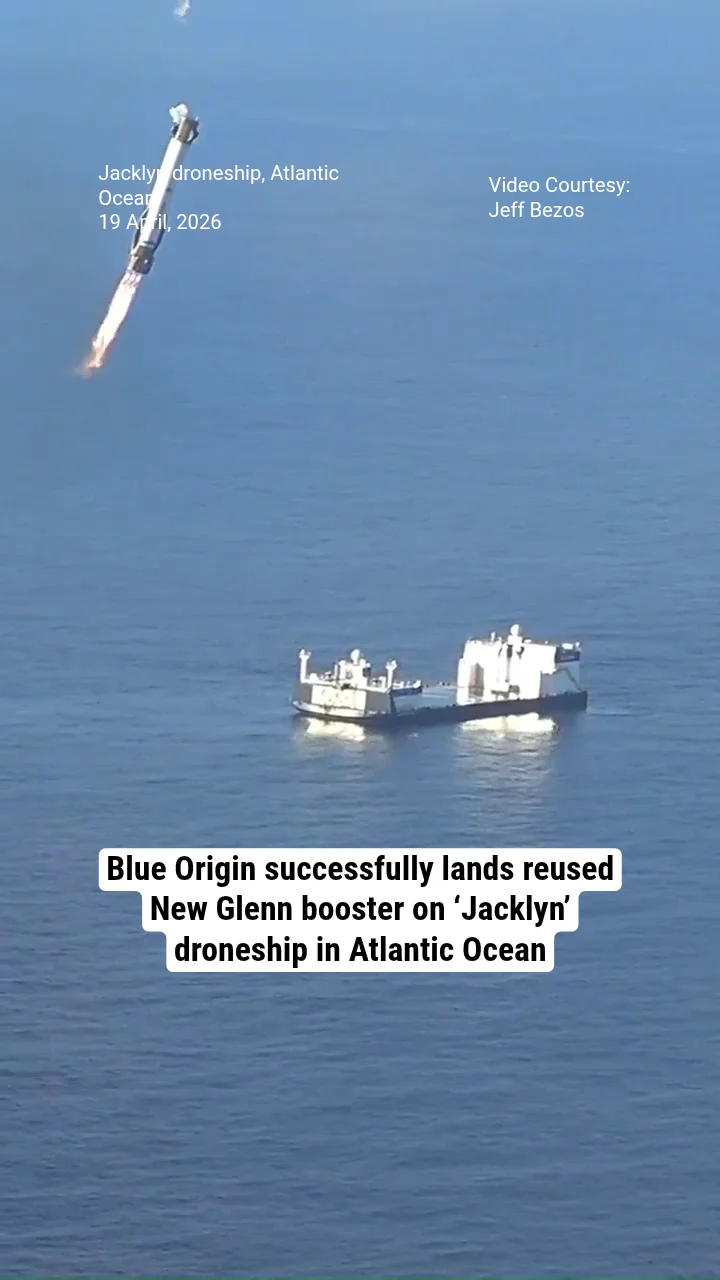
Blue Origin successfully lands reused New Glenn booster on ‘Jacklyn’ droneship in Atlantic Ocean
Blue Origin’s New Glenn launched from Cape Canaveral at 7:25 a.m. ET on April 19, with its booster “Never Tell Me the Odds” making a successful droneship landing about 10 minutes later. The 321-foot rocket rose on seven BE-4 engines, staging after roughly three minutes as the upper stage took over with BE-3U engines. The booster then followed a controlled arc back to Earth, touching down on the Jacklyn platform in the Atlantic.
 9:32
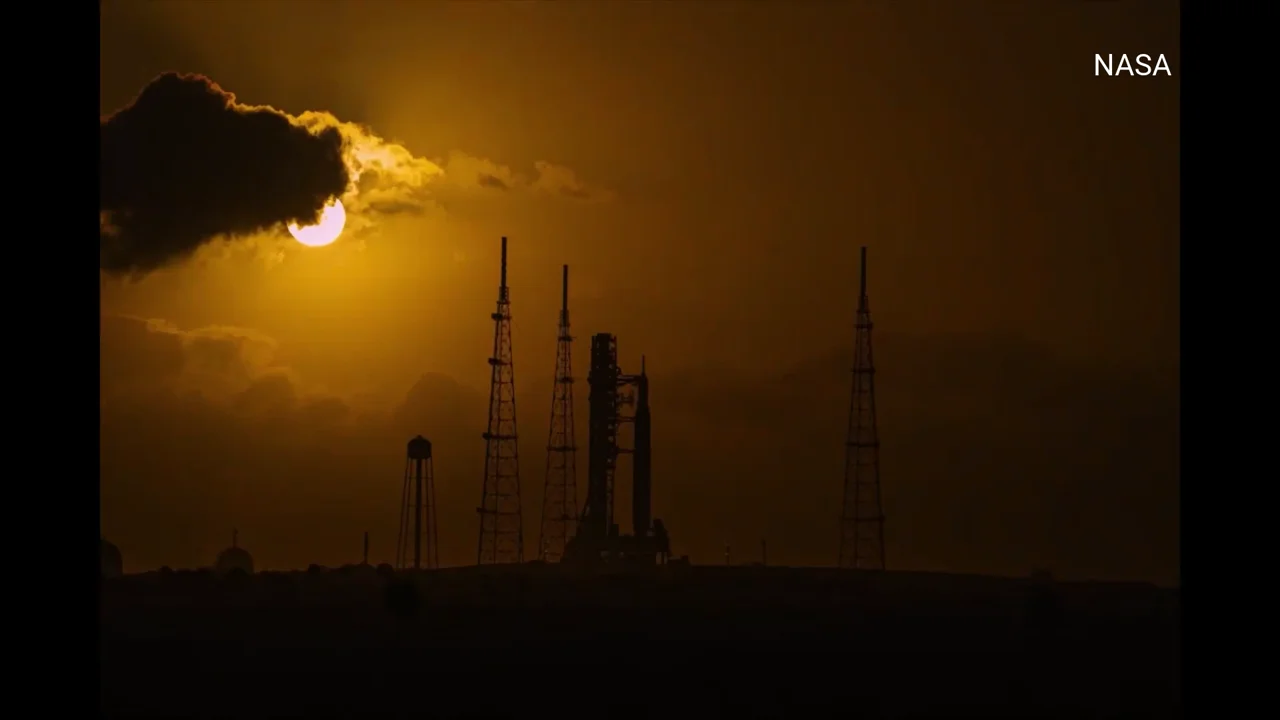
NASA's Artemis II recap: Key highlights from the crew's 10-day mission to the Moon and back
From crew suit up to splashdown, watch all of the highlights across all 10 days of NASA's flagship mission to the Moon. The flight crew consisted of Commander Reid Wiseman, Pilot Victor Glover, and Mission Specialists Christina Koch of NASA and Jeremy Hansen of CSA. Artemis II launched with lift-off of the massive SLS rocket from Kennedy Space Center in Florida on April 1, 2026. The crew flew by the Moon on day 6 of the mission, before arriving home on April 10, 2026, with splashdown in the Pacific Ocean. Video Courtesy: NASA
 0:53
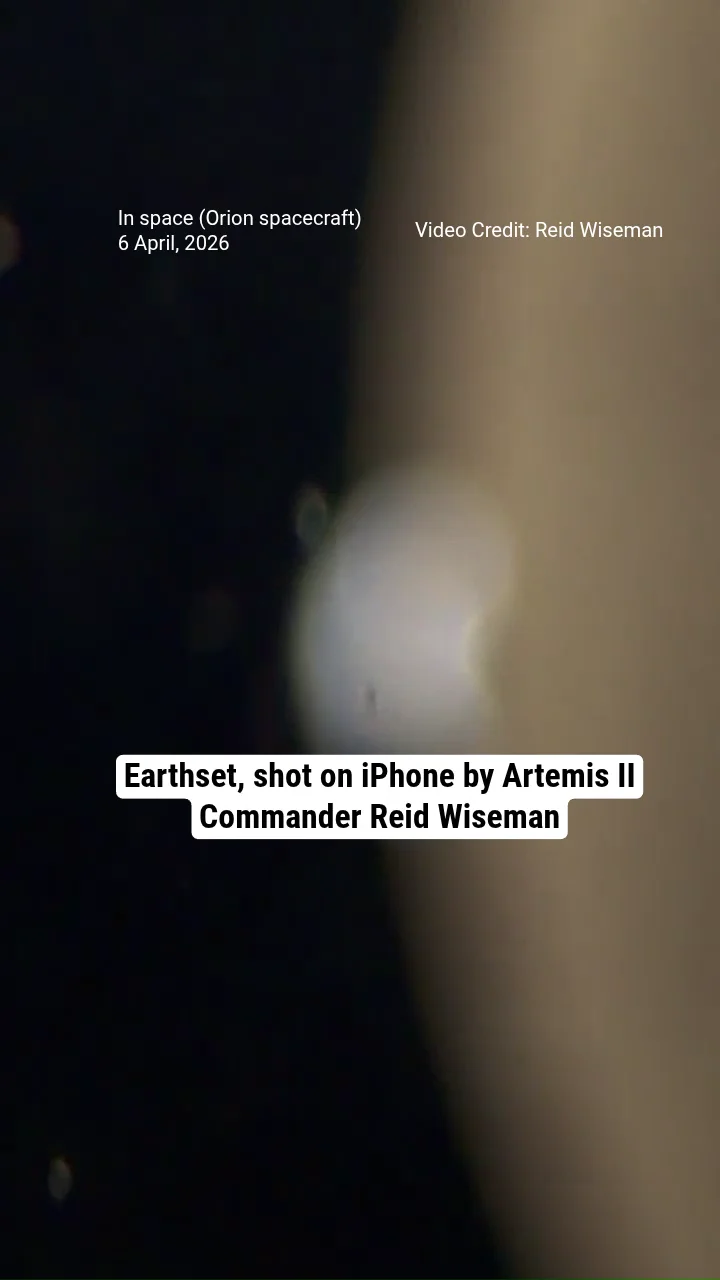
Earthset, shot on iPhone by Artemis II Commander Reid Wiseman
Days after their return from the historic Artemis II mission, Commander Reid Wiseman shared the first-ever Earthset footage shot on an iPhone 17 Pro Max from inside the Orion crew capsule.
 0:29
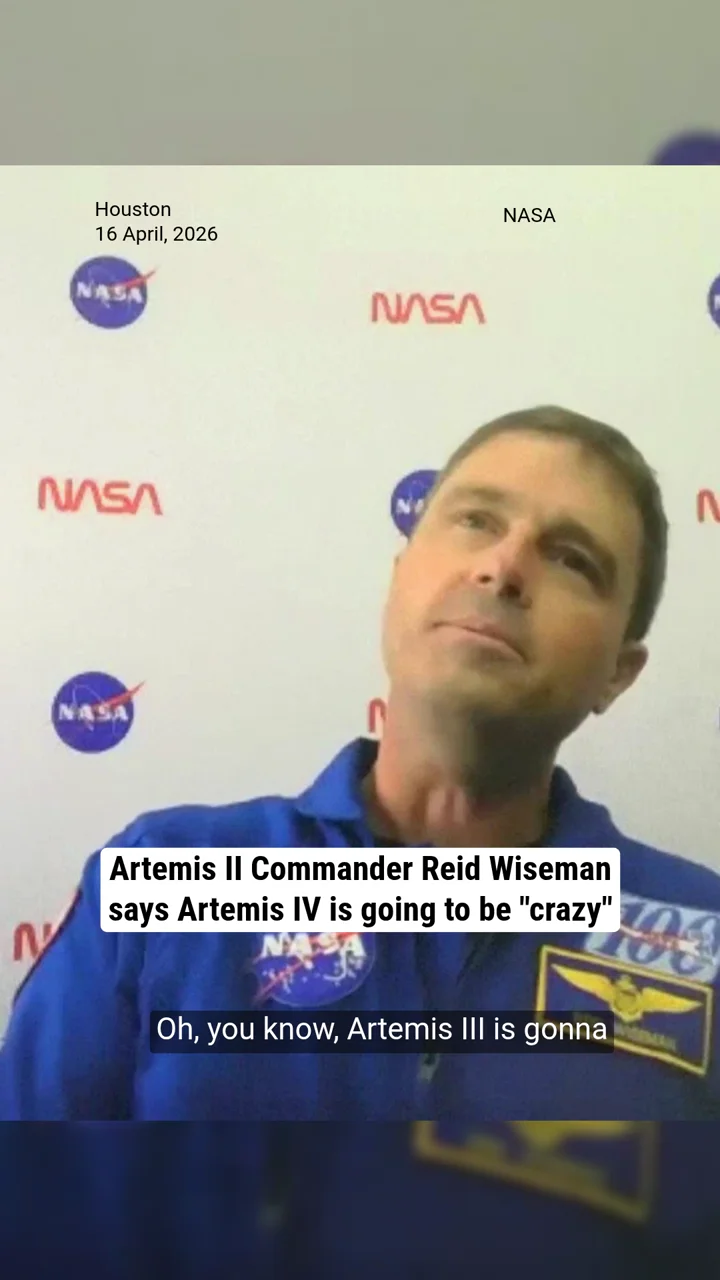
Artemis II Commander Reid Wiseman says Artemis IV is going to be "crazy"
 0:44
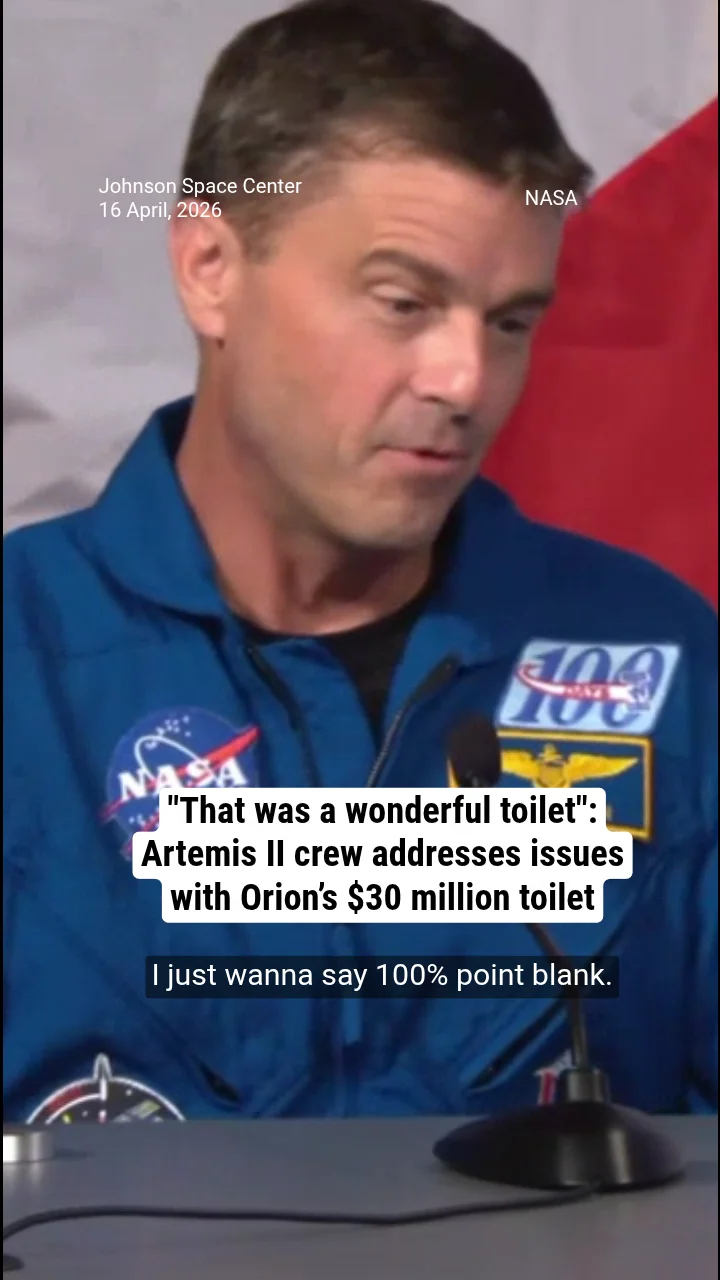
"That was a wonderful toilet": Artemis II crew addresses issues with Orion’s $30 million toilet
During the Artemis II mission, the crew faced an unexpected but manageable issue with Orion's toilet system. While the toilet itself functioned normally, a clog developed in the primary vent line that handled liquid waste after flushing. But for the crew, it was a "wonderful toilet."
 0:46
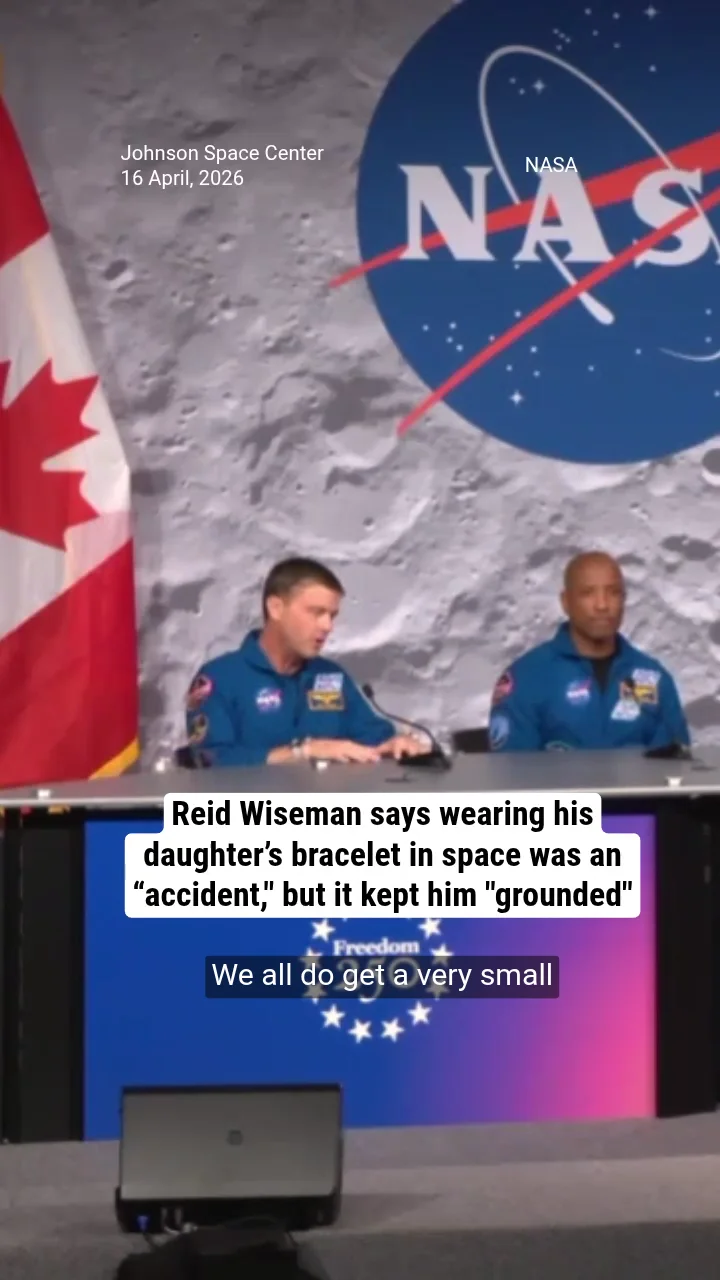
Reid Wiseman says wearing his daughter’s bracelet in space was an “accident," but it kept him "grounded"
The bracelet Reid Wiseman wore on the Artemis II mission quickly caught everyone’s attention—but few know it wasn’t planned. Made by his daughter, the bracelet ended up in space by accident. Yet, in a place far from Earth, it became something much more—his quiet reminder of home, and the one thing that kept him feeling “grounded.”
 1:38
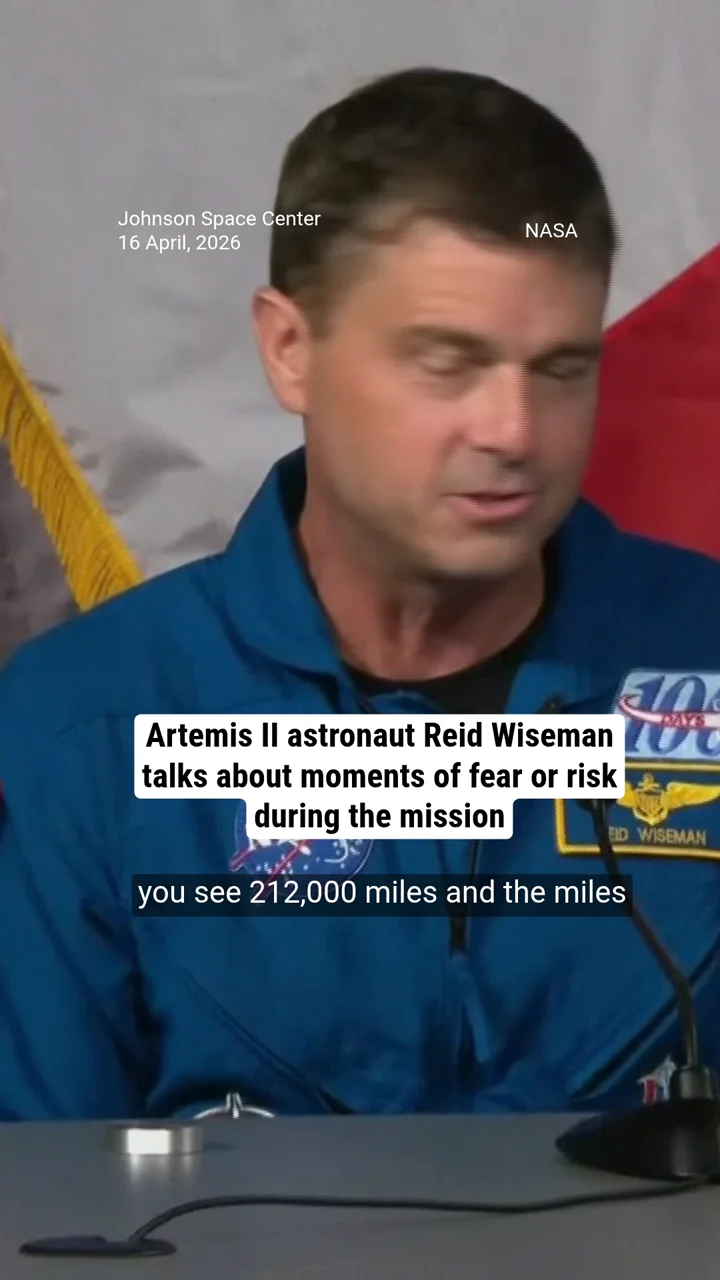
Artemis II astronaut Reid Wiseman talks about moments of fear or risk during the mission
During the mission, Artemis II Commander Reid Wiseman described a constant sense of awareness as the crew watched their distance from Earth climb past 200,000 miles. Even as they checked in on each other daily for signs of stress or tension, he said the team remained calm, supportive, and remarkably composed throughout. There were a few tense moments—minor pressure leaks, system warnings, and even a smoke alarm going off while they were still tens of thousands of miles from home—but nothing spiraled into panic. Instead, the crew relied on their training, staying measured and deliberate under pressure.
 0:10
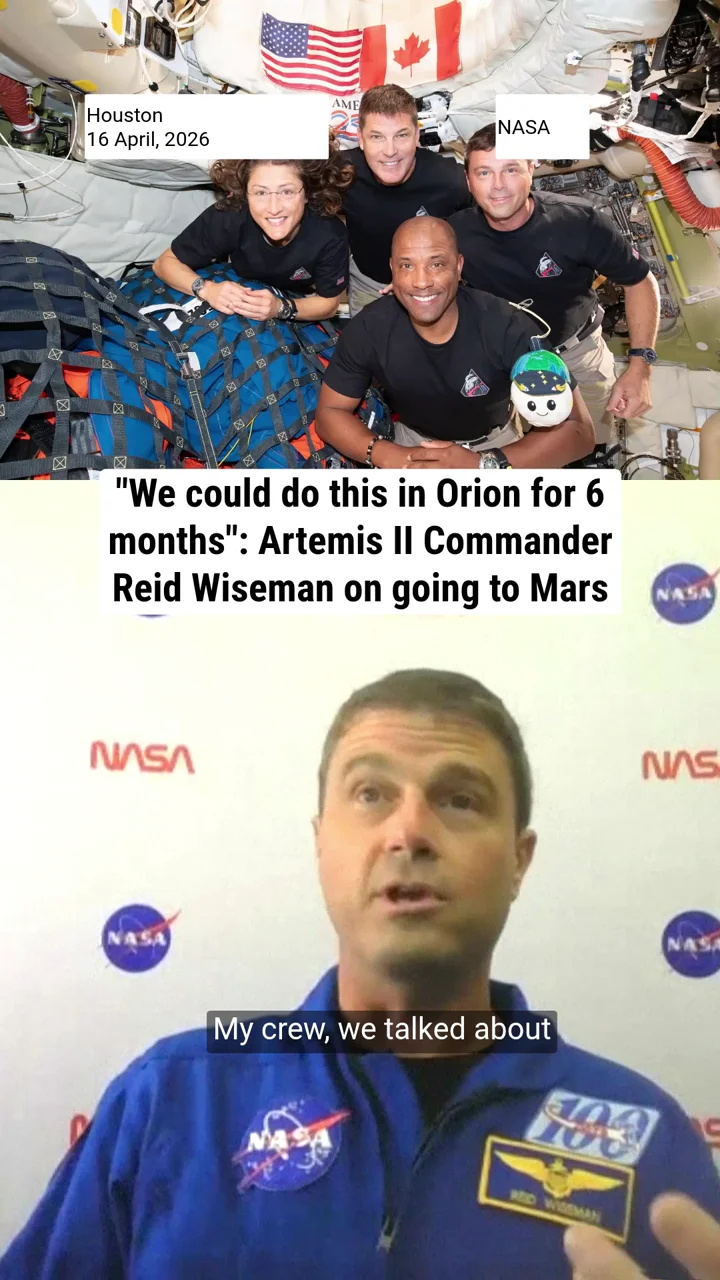
"We could do this in Orion for 6 months": Artemis II Commander Reid Wiseman on Mars potential
Artemis II Commander Reid Wiseman, during media interaction at Houston on April 16, shared that while the crew was in space, they felt they could use the same preparations and the same Orion for a few months to reach Mars.
 0:37
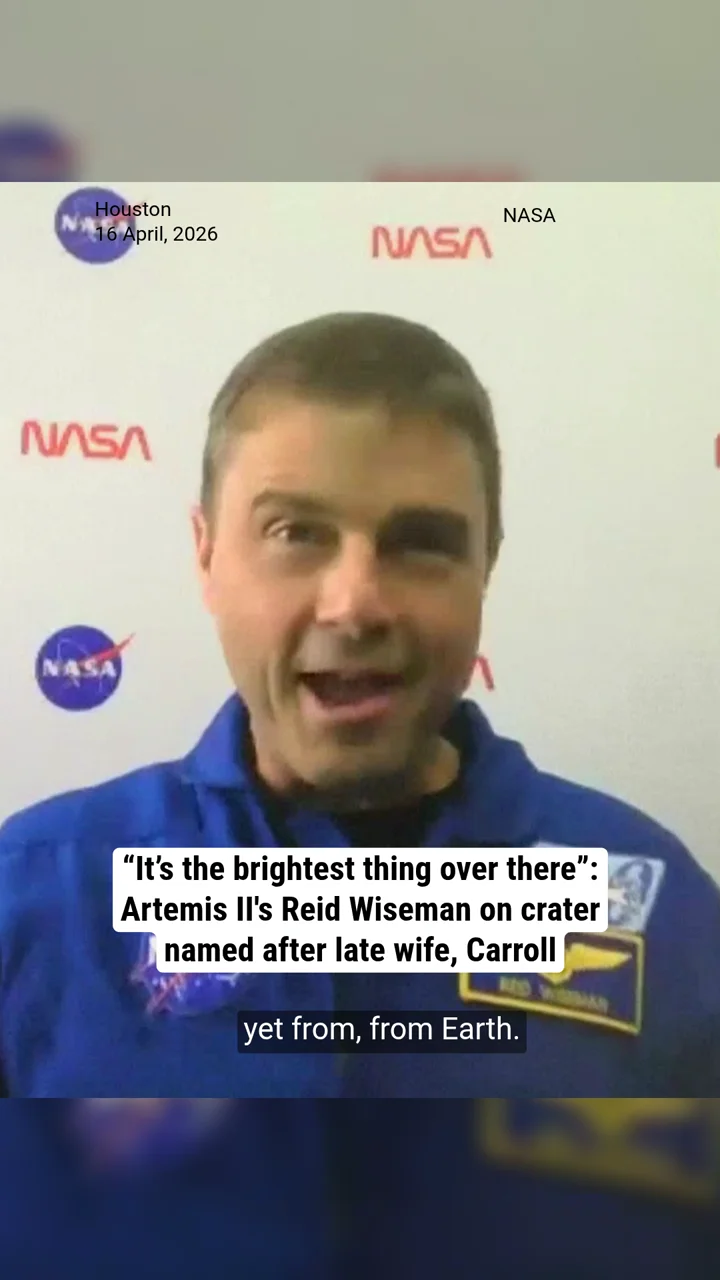
“It’s the brightest thing over there”: Reid Wiseman on Moon crater named after late wife, Carroll
During a recent media interaction in Houston on April 16, Artemis II Commander Reid Wiseman shared how his time in space has completely changed the way he sees the Moon—even from afar. He shared how he will always be able to spot the crater named after his late wife, Carroll, during the lunar flyby.
 0:37
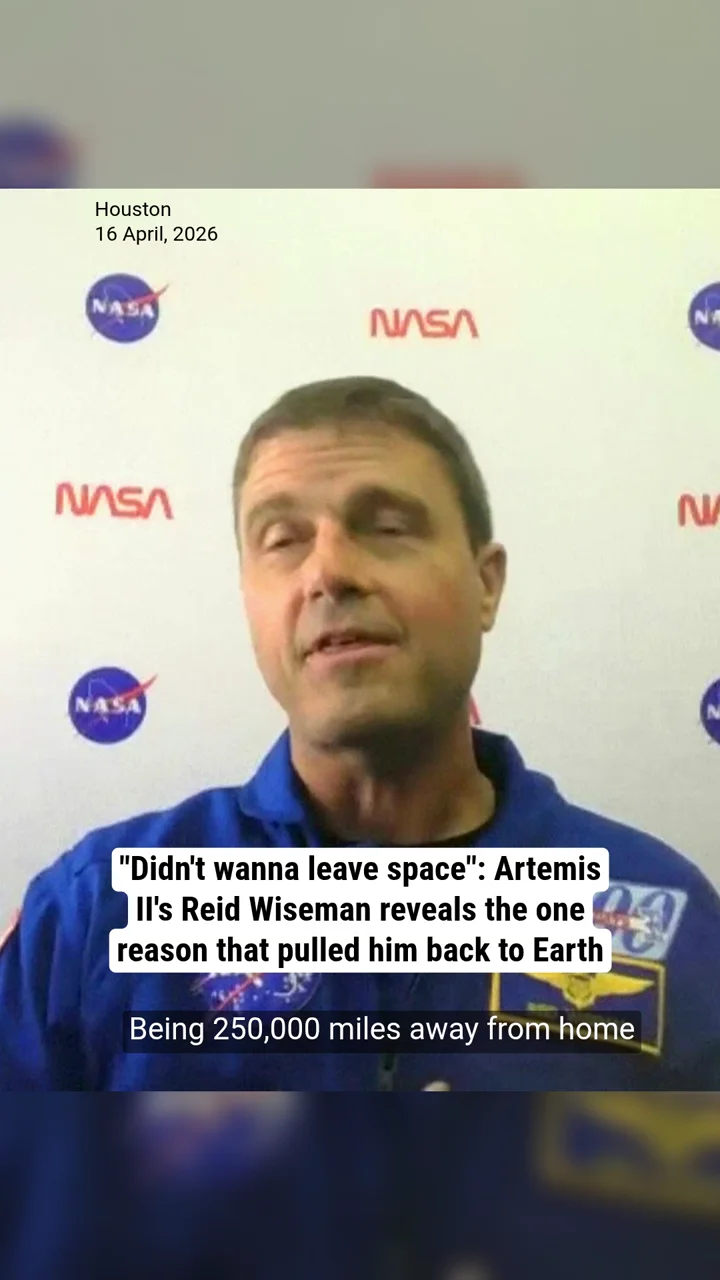
"Didn't wanna leave space": Artemis II's Reid Wiseman reveals the one reason that pulled him back to Earth
Artemis II Commander Reid Wiseman, during media interaction at Houston on April 16, talked about the awe of being 250,000 miles from Earth, but said the risk of reentry—and the desire to be safe for his family—made him want to come home, despite not wanting to leave space. The crew took off for the mission on April 1 and returned to Earth on April 10.