 0:17
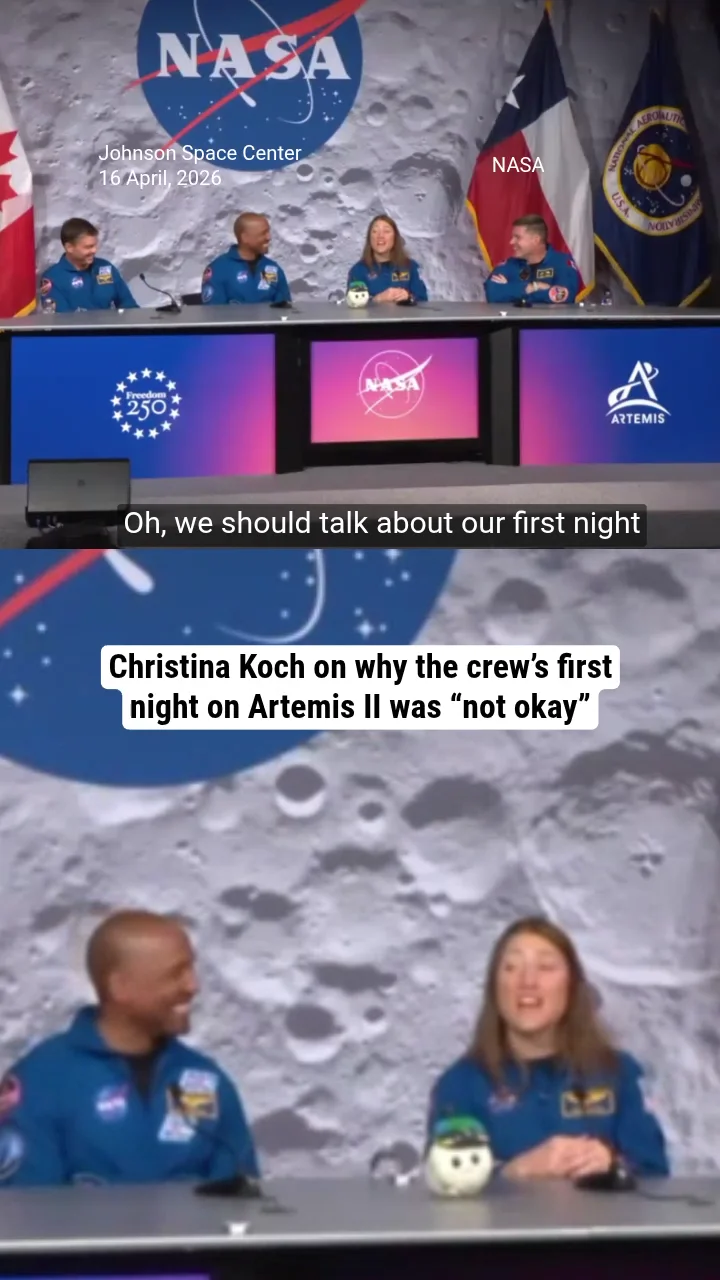
Christina Koch on why the crew’s first night on Artemis II was “not okay”
During a media briefing in Houston on April 16, 2026, Christina Koch jokingly revealed what didn’t quite go right on the crew’s first night of the Artemis II mission.
More Videos
 0:19
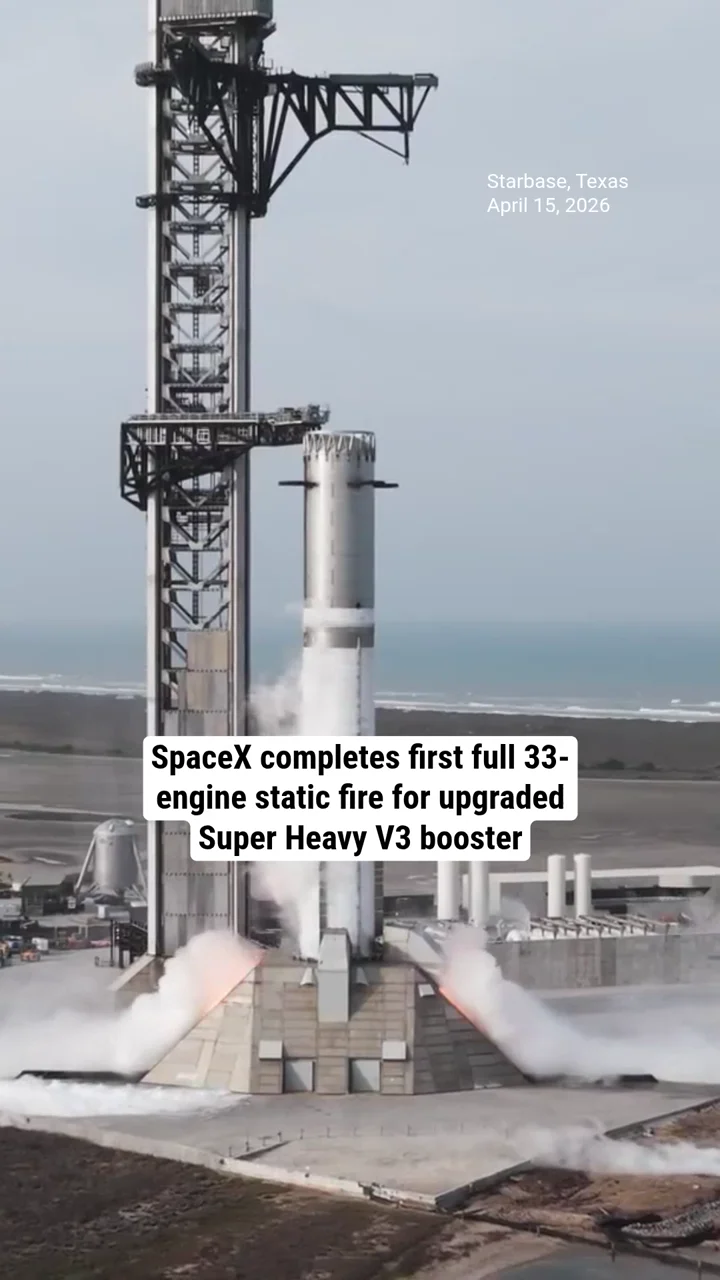
SpaceX completes first full 33-engine static fire for upgraded Super Heavy V3 booster
On April 15, SpaceX pulled off a huge milestone—its first-ever 33-engine static fire test of the V3 Super Heavy booster. With all 33 Raptor 3 engines roaring to life at Starbase in Texas, Booster 19 delivered a short but intense burn, sending massive plumes into the sky. With this test complete, Starship Flight 12 is edging closer, and the next-gen vehicle could take off as early as May.
 0:24
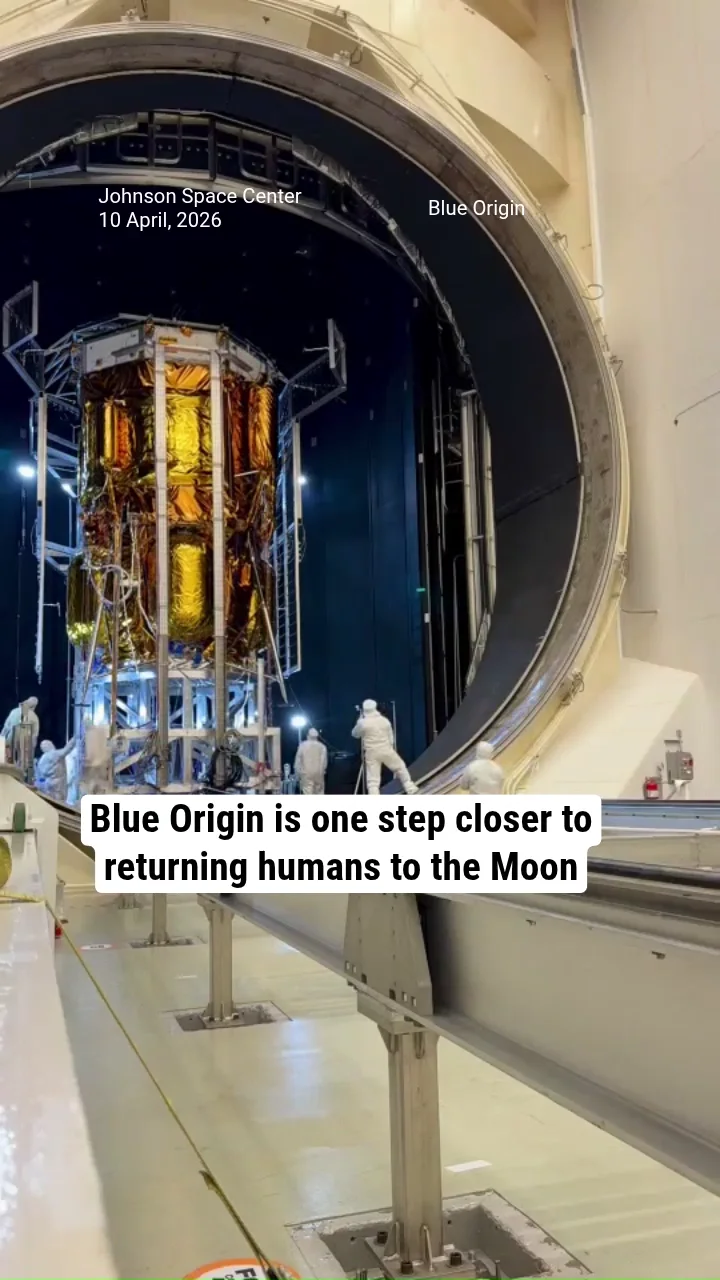
Blue Origin is one step closer to returning humans to the Moon
Blue Origin’s MK1 'Endurance' successfully completed TVAC testing at Johnson Space Center before heading back to Florida. This is another major milestone on the path to the Moon.
 1:10
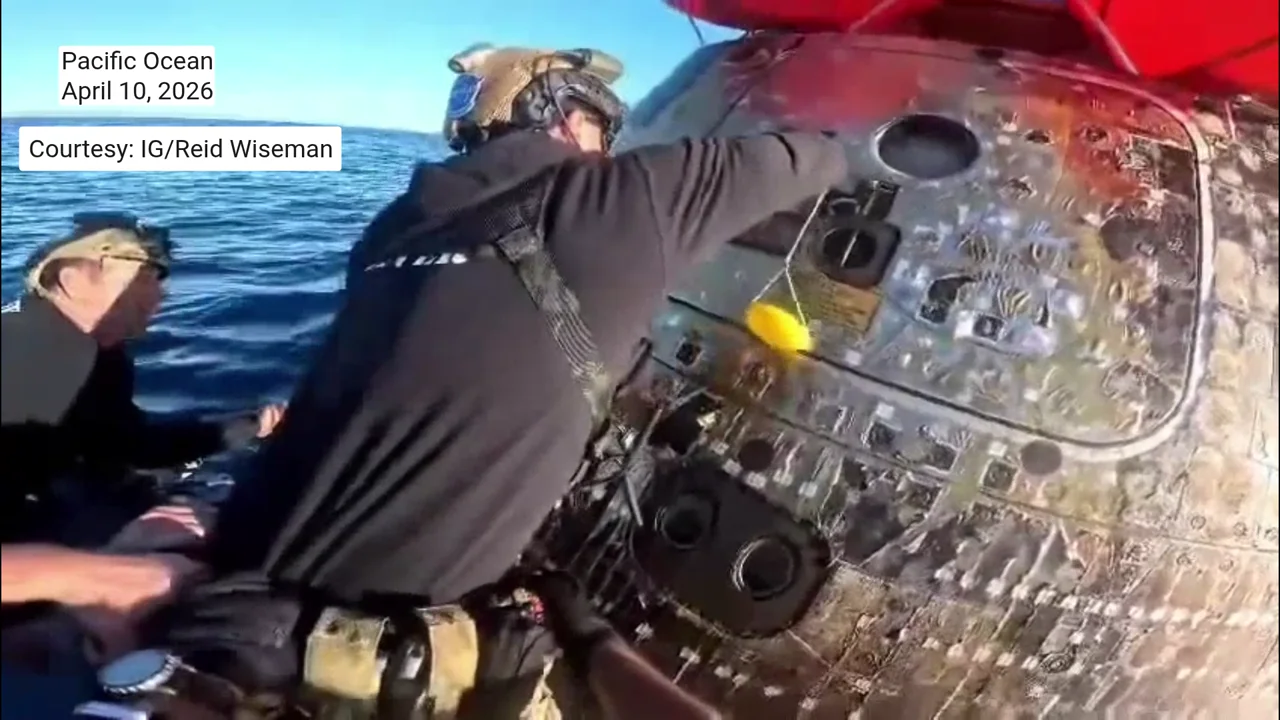
Rare footage shows Artemis II astronauts welcoming recovery team aboard Integrity moments after splashdown
Artemis II astronaut Reid Wiseman, four days after returning to Earth from the historic Moon mission, shared a video showing him and his crewmates welcoming the recovery team aboard the Orion capsule just minutes after their splashdown in the Pacific Ocean off the coast of San Diego, California, on Friday, April 10, 2026, at approximately 8:07 p.m. EDT. The recovery team comprised four Navy sailors: Lt. Cmdr. Jesse Wang, Senior Chief Hospital Corpsman Laddy Aldridge, Chief Hospital Corpsman Vlad Link, and Hospital Corpsman 1st Class Steve Kapala. Video Courtesy: @astro_reid
 0:48
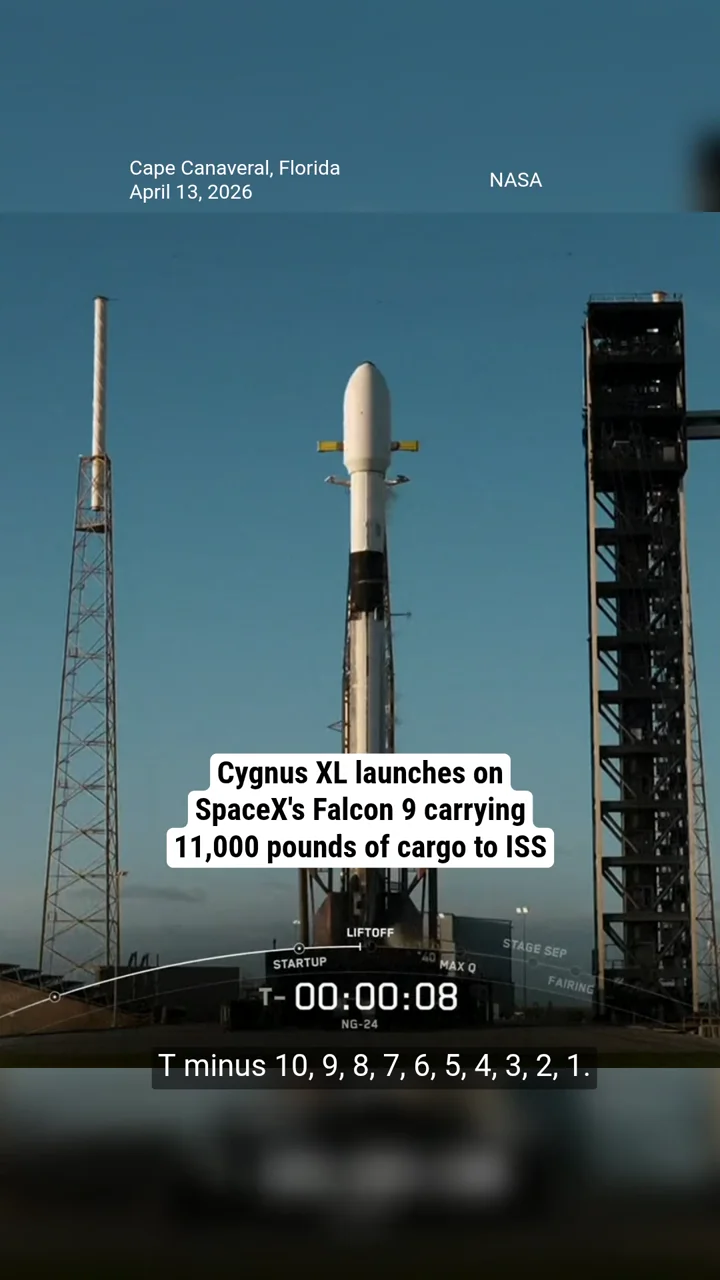
Cygnus XL launches on SpaceX's Falcon 9 carrying 11,000 pounds of cargo to ISS
Northrop Grumman’s CRS-24 mission successfully launched on April 11, sending the Cygnus XL cargo spacecraft to the International Space Station. Liftoff took place aboard a SpaceX Falcon 9 rocket from Cape Canaveral, carrying approximately 11,000 pounds of science experiments, supplies, and equipment to support ongoing research and operations in orbit.
 0:56
NASA has just released infrared view of Artemis II liftoff
Watch NASA’s Space Launch System (SLS) rocket lift off on April 1, captured in stunning infrared and shown at 5x speed. Launching from Launch Complex 39B at Kennedy Space Center, the rocket carried Artemis II Commander Reid Wiseman, Pilot Victor Glover, and Mission Specialists Christina Koch and Jeremy Hansen on their journey around the Moon. The mission concluded on April 10 with a flawless splashdown in the Pacific Ocean, marking a successful end to a historic flight.
 0:14
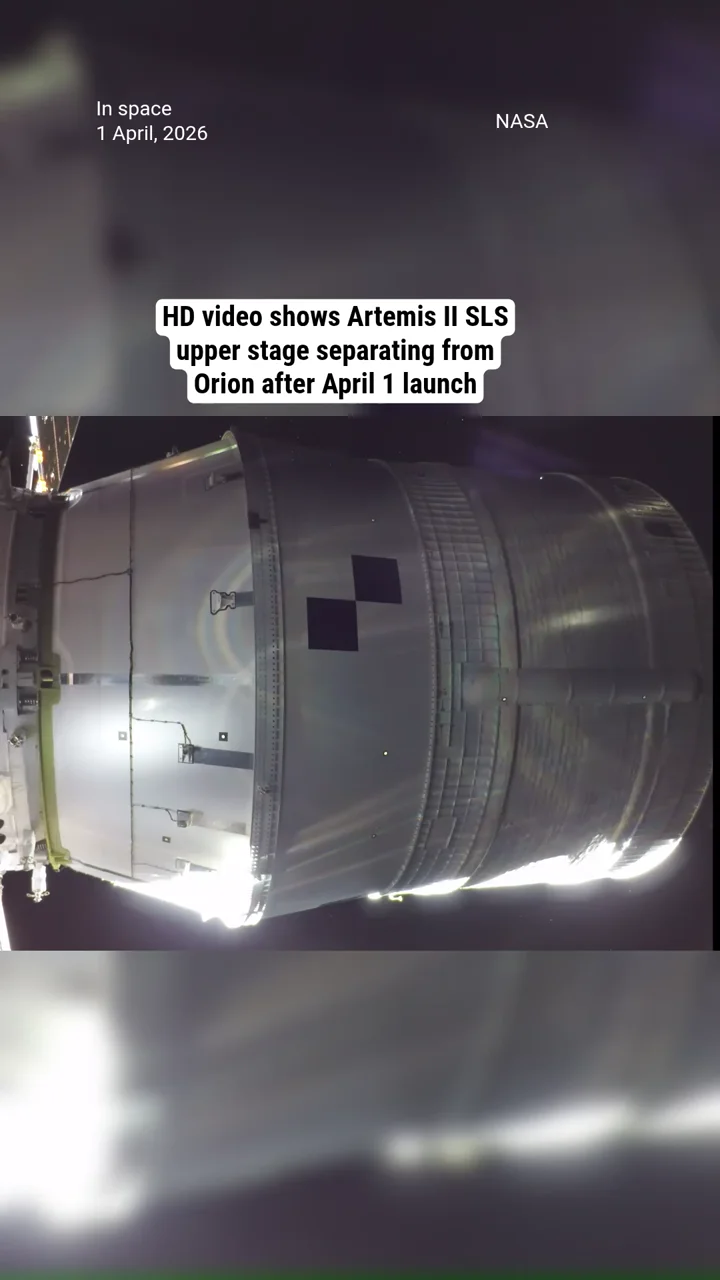
HD video shows Artemis II SLS upper stage separating from Orion after April 1 launch
This HD video provided by NASA shows the SLS upper stage of the Artemis rocket—known as the interim cryogenic propulsion stage (ICPS)—separated from the spacecraft after delivering Orion to space during the April 1 launch.
 0:31
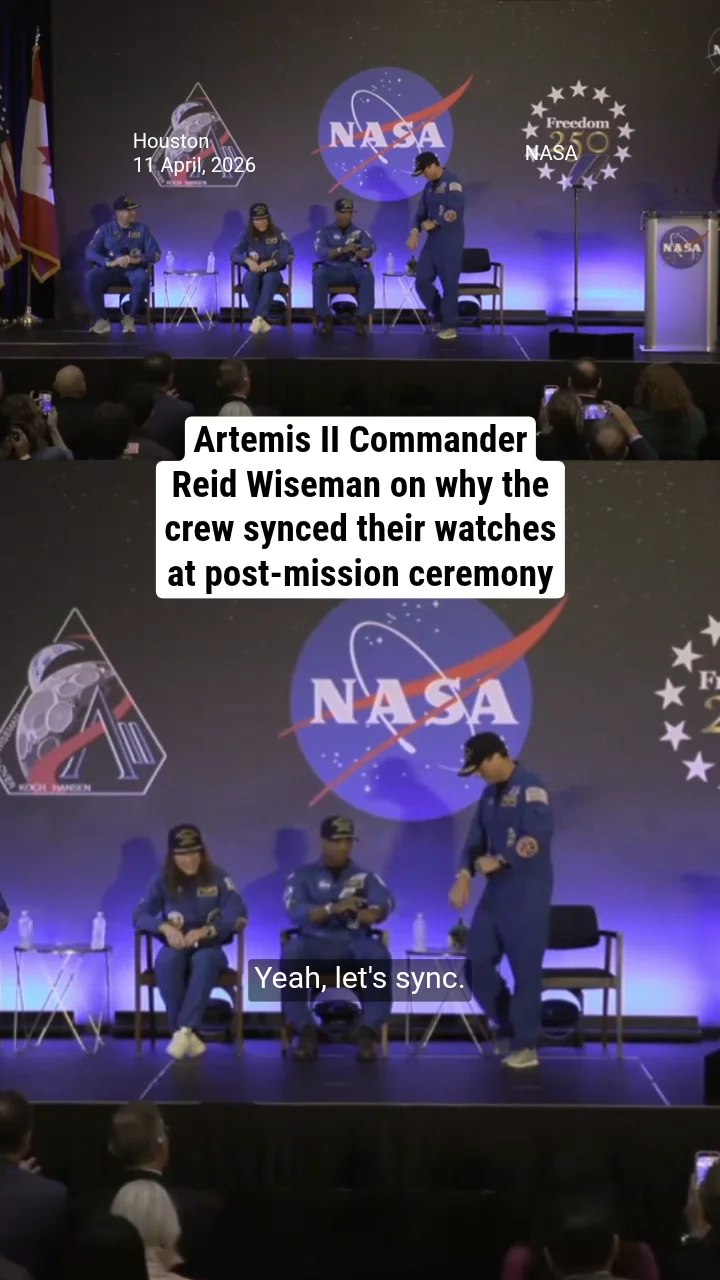
Artemis II Commander Reid Wiseman on why the crew synced their watches at post-mission ceremony
 0:14
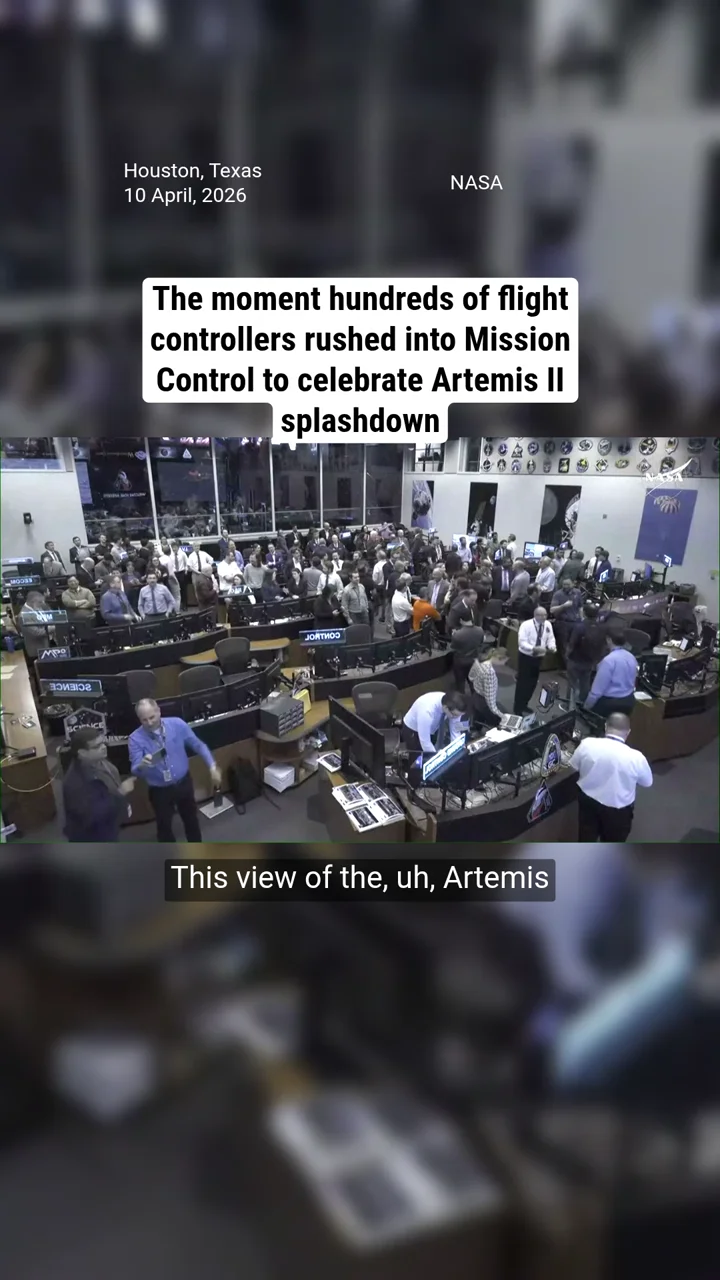
The moment hundreds of flight controllers rushed into Mission Control to celebrate Artemis II splashdown
Following the successful splashdown of the Artemis II mission on April 10, 2026, hundreds of flight controllers and personnel rushed into the Mission Control Center at NASA’s Johnson Space Center in Houston to celebrate the crew’s safe return.
 0:36
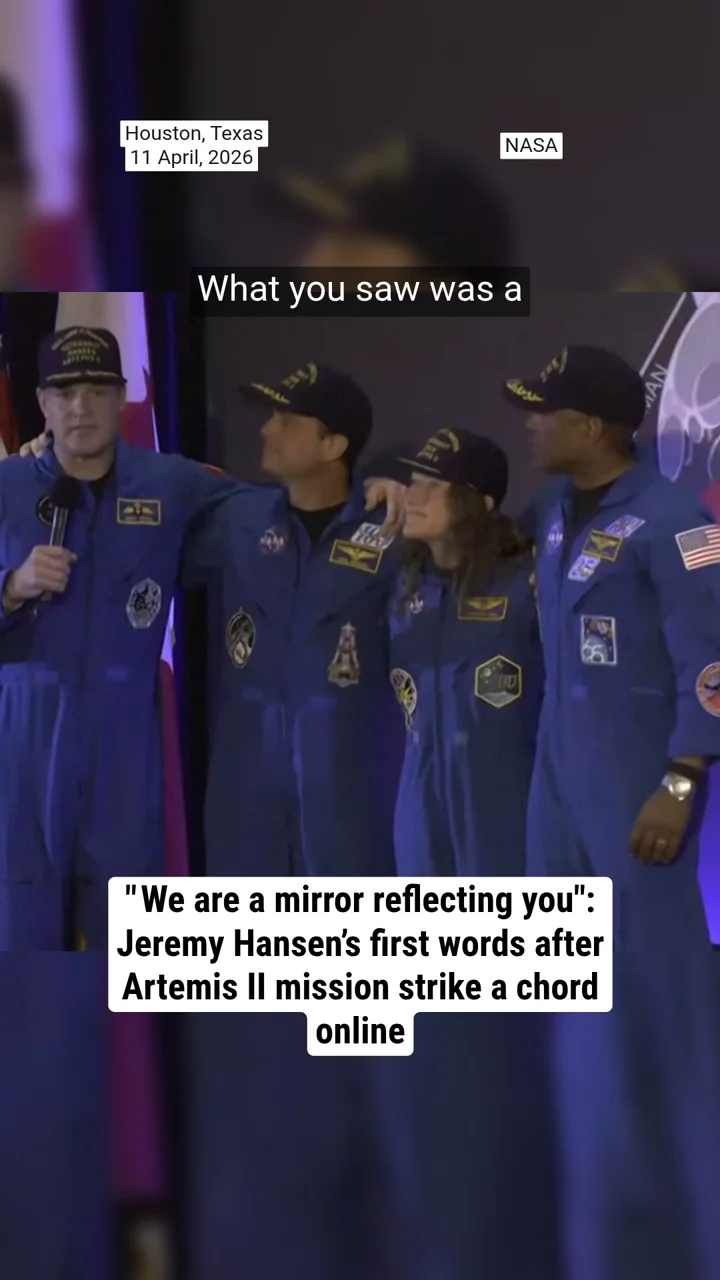
" We are a mirror reflecting you": Jeremy Hansen’s first words after Artemis II mission strike a chord online
CSA astronaut Jeremy Hansen said the Artemis II crew wasn’t just a group of astronauts, but people who found purpose and joy in contributing to something bigger than themselves. His words moved the internet.
 0:35
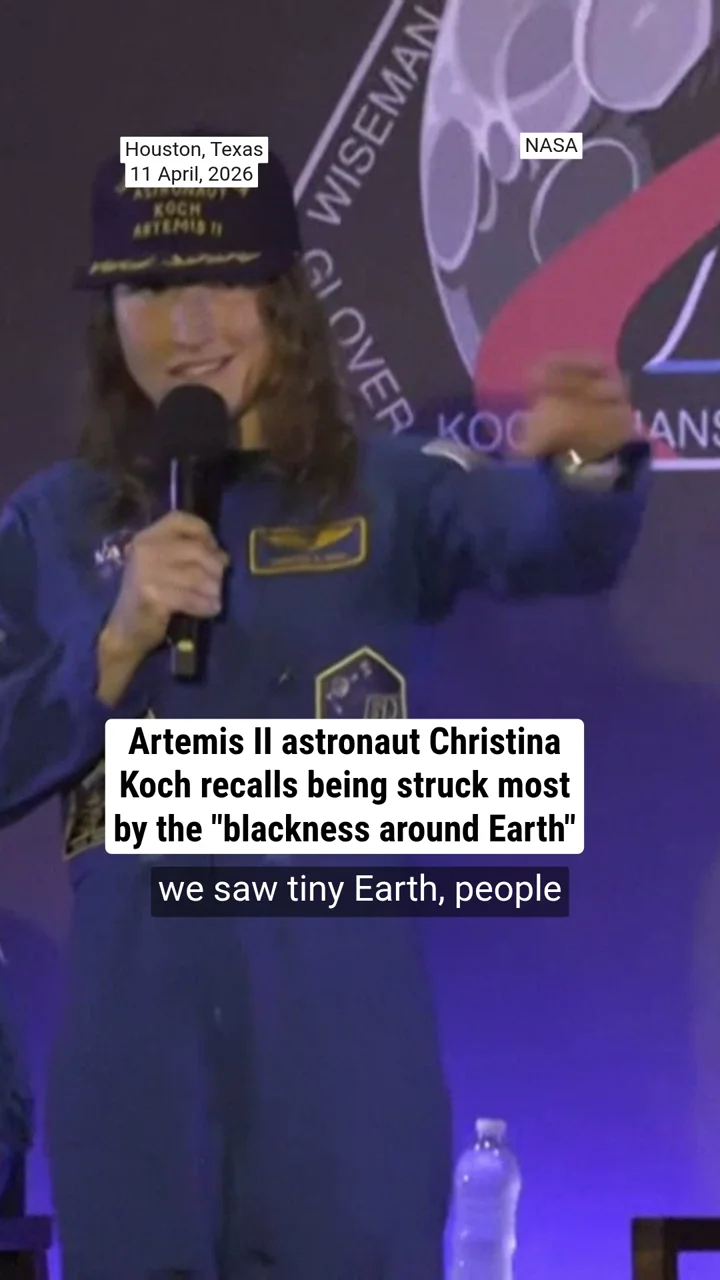
Artemis II astronaut Christina Koch recalls being struck most by the "blackness around Earth"
From space, Earth looked less like the center of everything (what we feel on the planet) and more like a small “lifeboat” floating in endless darkness, said Artemis II astronaut Christina Koch in her first words after returning from the Moon mission.
 0:46
"Gratitude is too big to just be in one body": Artemis II Pilot Victor Glover chokes up during post-mission speech in Houston
When words fail, the Artemis II crew goes for one big group hug Artemis II Pilot Victor Glover got emotional while delivering his first words post the Moon mission, saying he was “afraid to start talking” because he still hasn’t fully processed everything he just experienced. He said the emotions and gratitude he felt were “too big to just be in one body.” The crew has just returned after an almost 10-day mission, with the splashdown occurring at 5:07 PM Pacific Time off the coast of San Diego on April 10.
 0:30
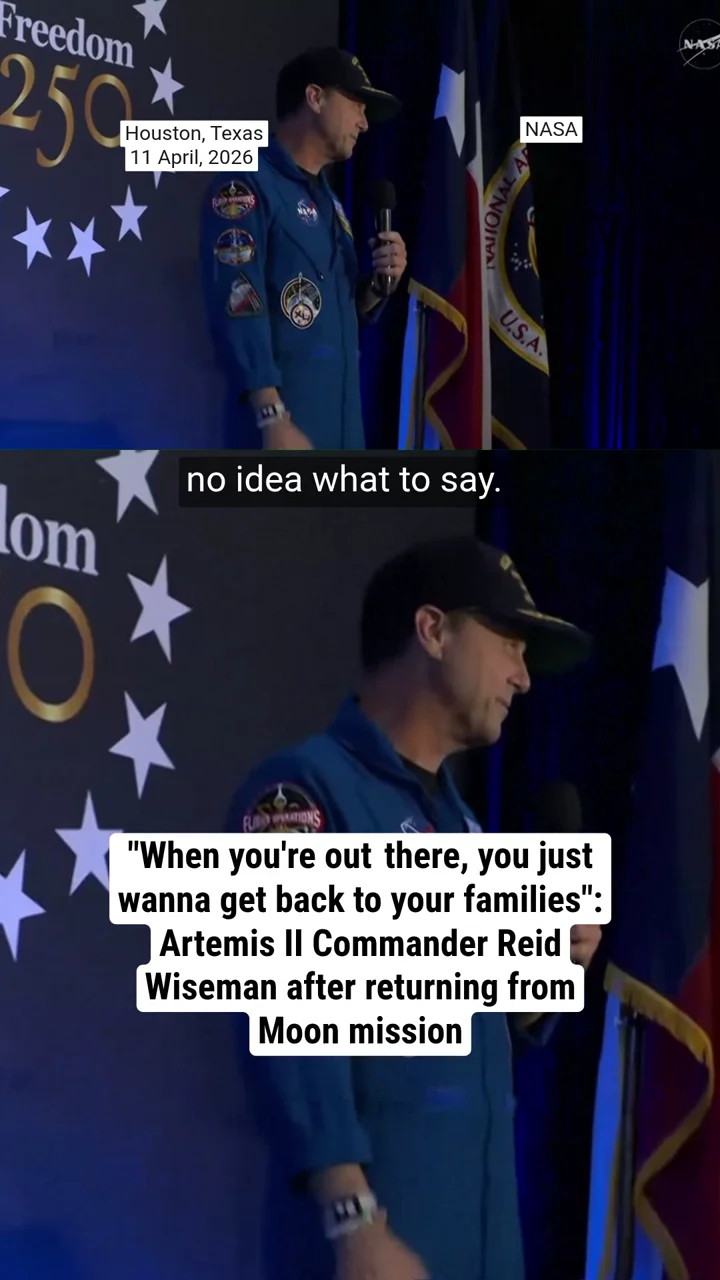
"It's a special thing to be a human": Artemis II Commander Reid Wiseman after returning from Moon mission
Artemis II Commander talked about the emotional toll of the mission, saying that being more than 200,000 miles from Earth felt like a dream before the launch on April 1, but reality quickly shifted once they reached space. He shared that the experience deepened his appreciation for home, adding that all he wanted while out there was to return to his family and friends. The crew returned to Earth on April 10.