Upcoming asteroid flyby: Near Earth Object 2025 YU6 to pass by our planet on January 11
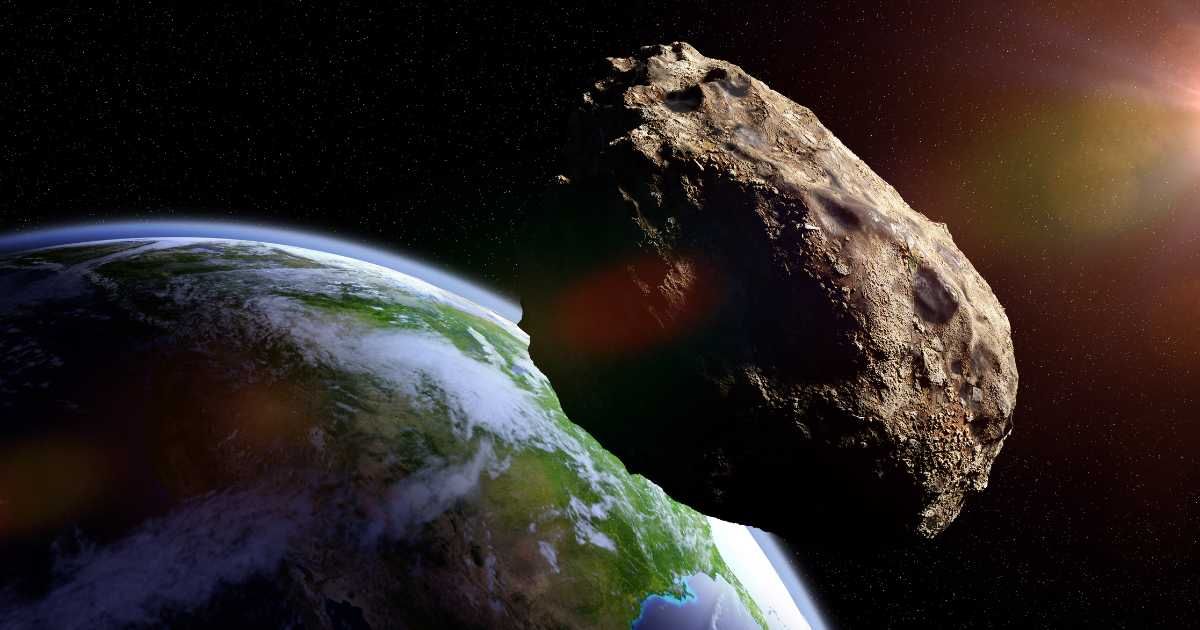
A Near-Earth Object (NEO)—an asteroid designated 2025 YU6—is expected to make a close approach to Earth on January 11, 2026. According to the data released by the European Space Agency (ESA), the object will make its approach at around 4:24 p.m. EST (21:24 UTC).
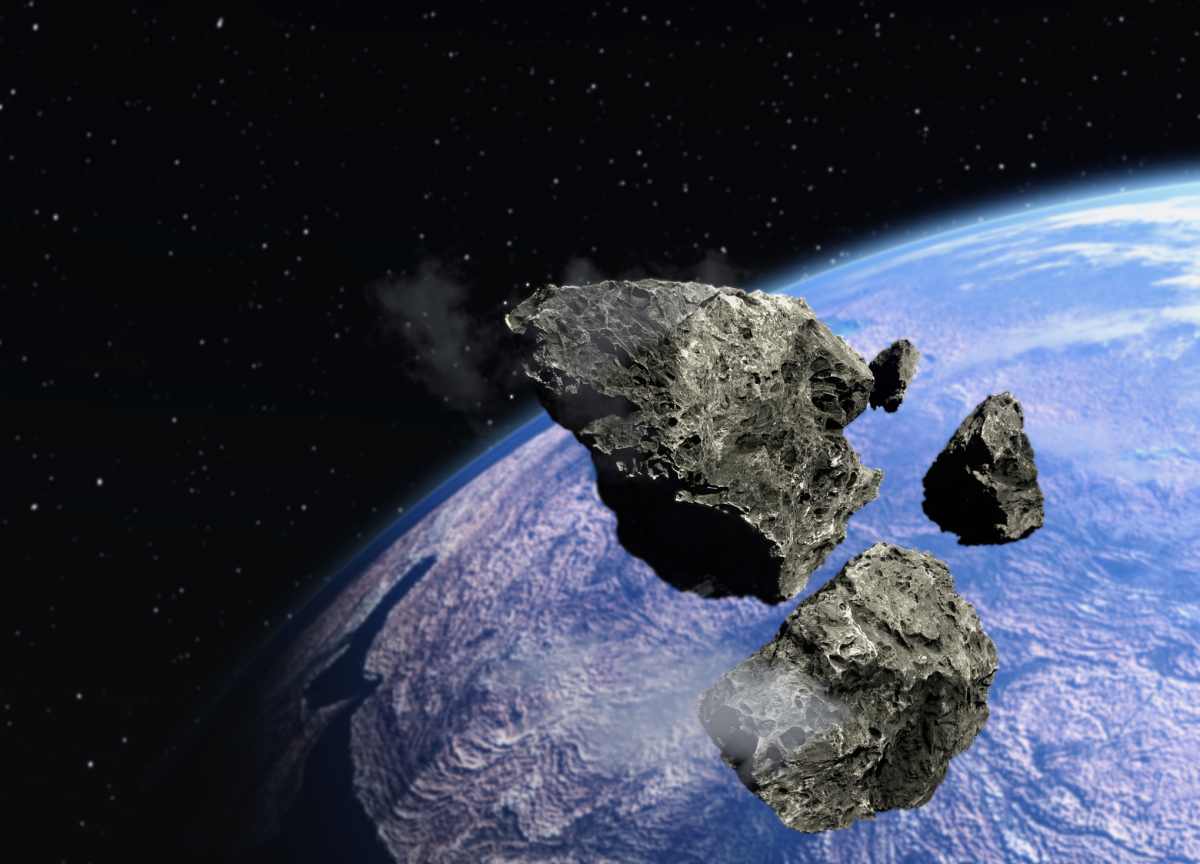
The distance of the object at the time will be approximately 0.0106 au, or 985,456 miles. Currently, it is at a distance of around 1.9 million miles, traveling through the constellation Lynx, according to The Sky Live. More specifically, the object is at a Right Ascension of 07h 47m 25s and a Declination of +47° 12’ 40”. When the flyby happens, the coordinates of the asteroid will change to a Right Ascension of 12h 11m 07s and a Declination of +38° 40’ 20”.
Visibility
As for its visibility, the object is reported to be moving with a visual magnitude of 18.79, but it will hopefully reach a peak brightness of 18.6 during its close approach to Earth. Either way, observing 2025 YU6 will be hard since it is very dim and will be visible only through very specialized viewing methods. Observers will likely need a telescope with at least a 50-cm-aperture reflector, according to the International Comet Quarterly.
Is it a risk to Earth?
This asteroid was discovered only recently on December 26, 2025, by the Pan-STARRS 2 observatory in Haleakala, per the ESA. As for its size, experts estimate it to be between 17 and 40 meters in diameter. Even though this object will come quite close to our planet, the European Space Agency has stated that the asteroid poses no danger to us and hence has not been placed on the risk list.
Near-Earth Objects are, by their definition, asteroids and comets closer than 120 million miles (195 million kilometers) to the Sun, which eventually causes them to pass through Earth’s orbital neighborhood. According to NASA/JPL, the sizes of these objects differ widely, from a few meters up to almost 40 kilometers across. To ascertain whether a Near-Earth Object poses any risk to our planet, scientists keep a watch on its orbital path during an extended timespan. Thanks to this, they can see an object's position in the future, even decades ahead, and predict if it could come close to Earth. Most of the time, NEOs don't come too close to our planet, but "potentially hazardous asteroids" warrant more careful observation. That's because they are bigger than 140 meters and get within 4.6 million miles (7.5 million kilometers) of Earth’s orbit. 2025 YU6, with a maximum estimated size of 40 meters, is definitely not classified as such.
More on Starlust
NASA is tracking asteroid more than twice the size of Empire State Building as it approaches Earth
2026 key skywatching events: Blue Moon, total solar eclipse and more