NASA to unveil Nancy Grace Roman Space Telescope in April. Here's all you need to know
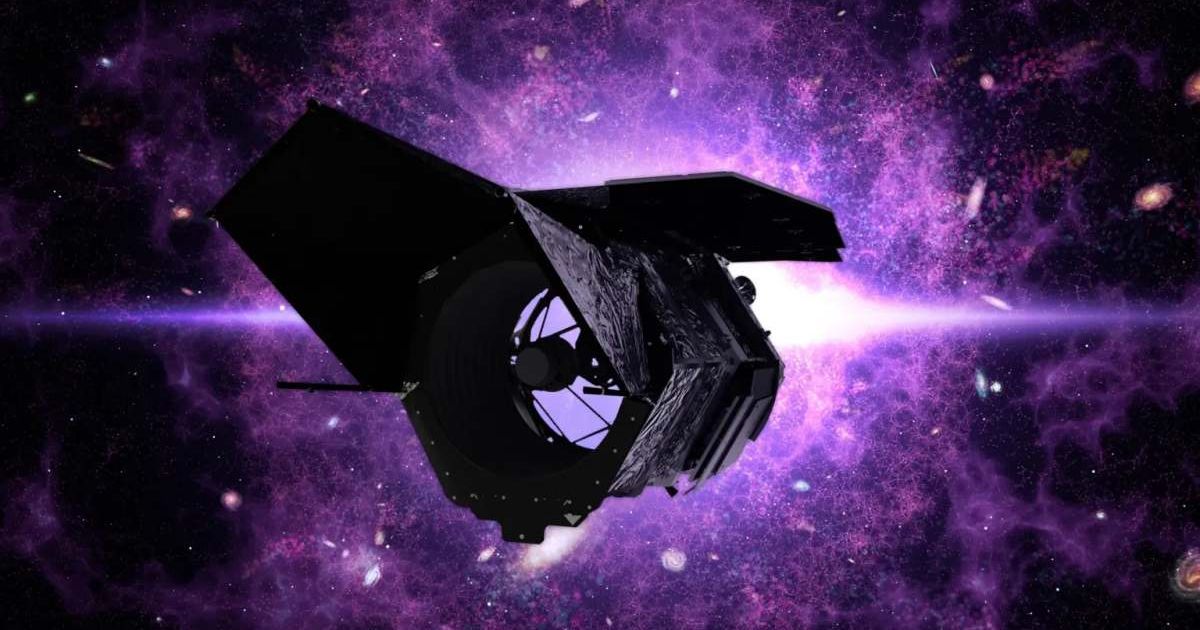
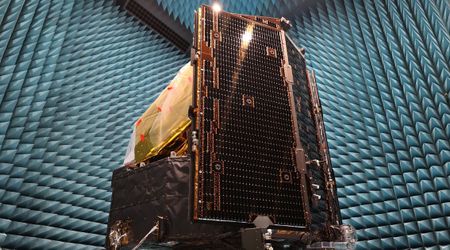
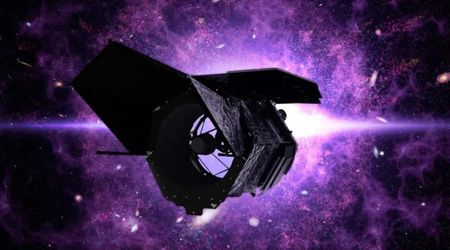
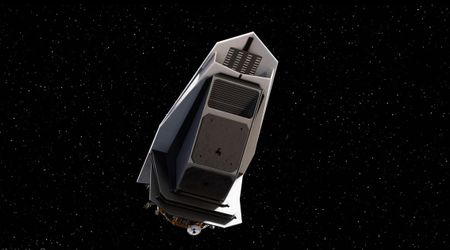
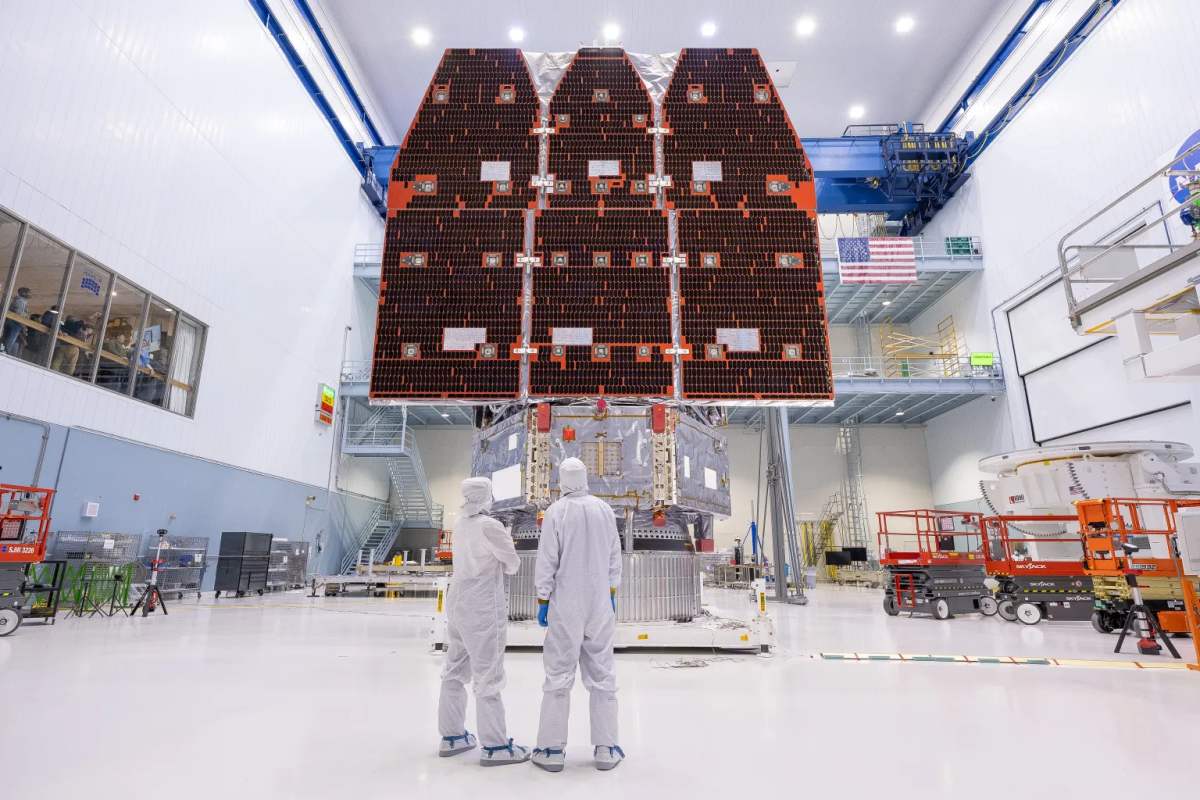
NASA’s fully assembled Nancy Grace Roman Space Telescope is now completely ready for its official premiere. On April 21, the space agency is preparing to host a media briefing at NASA’s Goddard Space Flight Center in Greenbelt, Maryland, where the next-generation flagship telescope will be unveiled to the public. As previously reported, the Roman Space Telescope successfully passed all major pre-launch tests, making it ready for launch aboard the SpaceX Falcon Heavy rocket. Therefore, this upcoming event is the last opportunity for the general public to view the fully integrated telescope. After which, it will be shipped to NASA’s Kennedy Space Center in Florida to get ready for its launch planned as early as this fall, the agency reported.
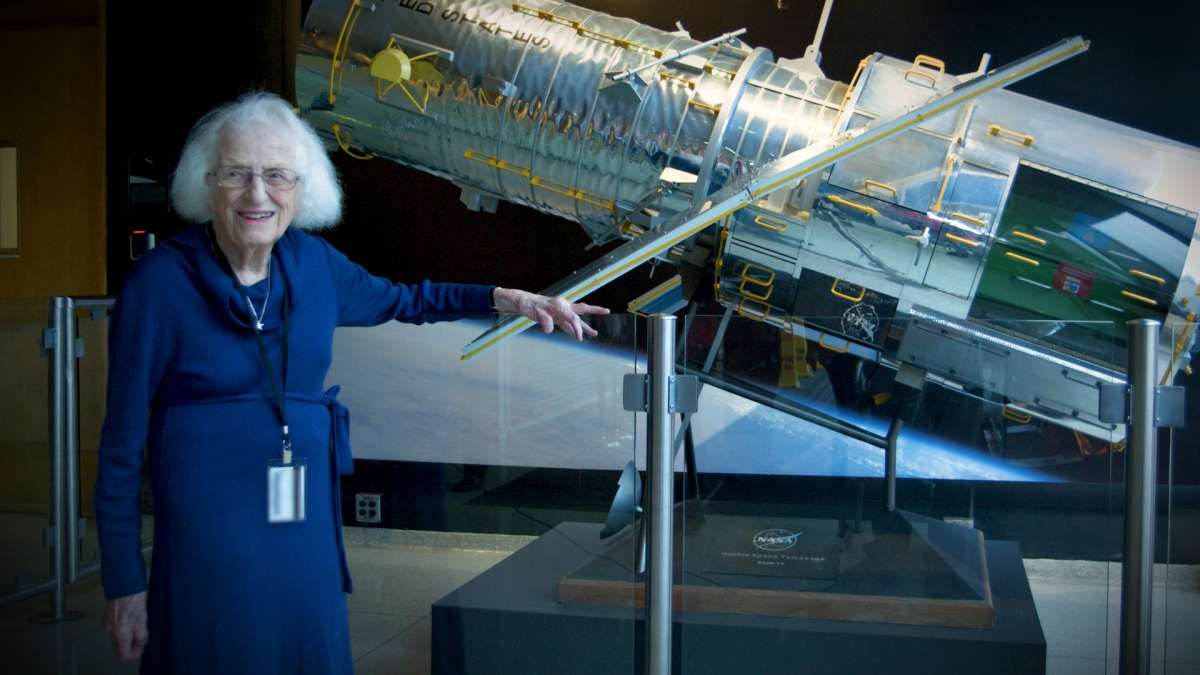
The Nancy Grace Roman Space Telescope is set to revolutionize our understanding of the universe as we know it. Named after NASA’s first chief astronomer, Dr. Nancy Grace Roman, this telescope has a field of view that is 100 times larger than the Hubble Space Telescope. It will provide an extensive panoramic view of the cosmos, delivering unprecedented imagery of distant celestial bodies over the duration of the mission. Catching the light from a billion galaxies, it will help unravel a trove of information regarding exoplanets, dark energy, protoplanetary discs and other phenomena that have never been seen before. A fun fact: Dr. Nancy Roman is also known by the endearing sobriquet “Mother of Hubble.”
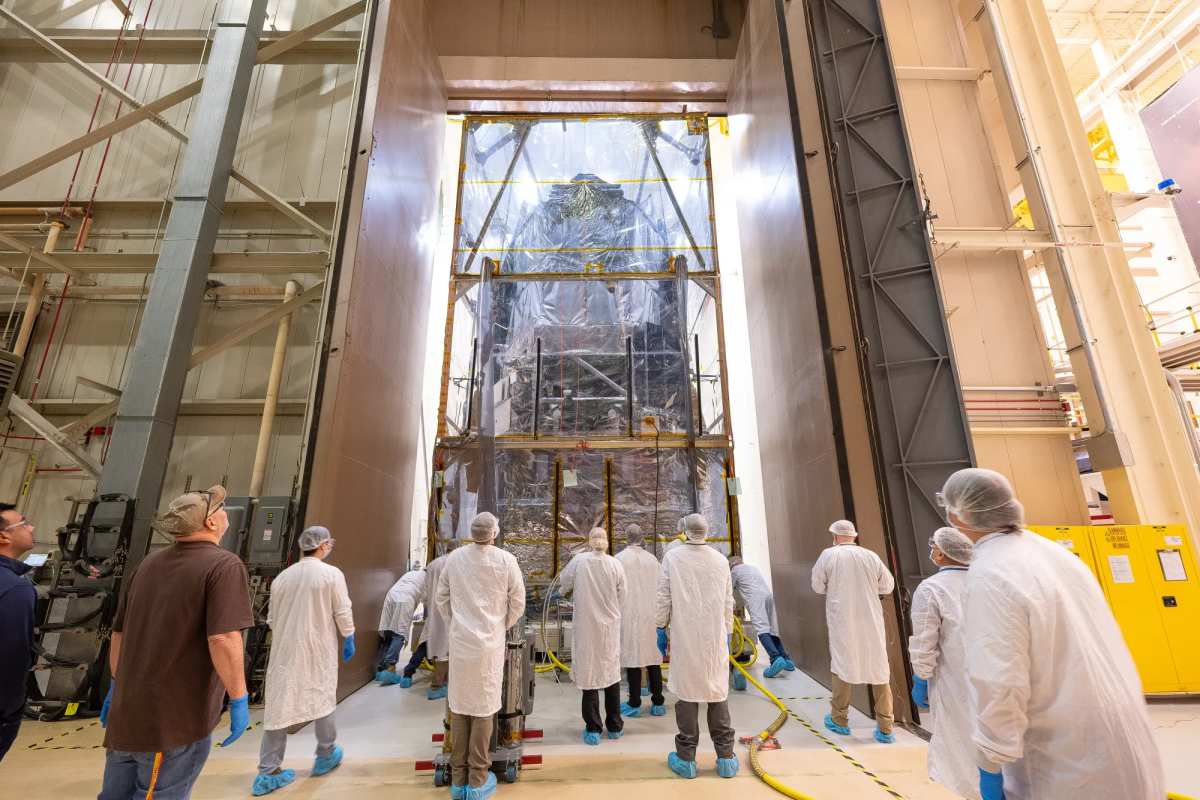
The unveiling event will start off with a press conference that will commence at 4 p.m. EDT. The live coverage of the whole event will be available to watch across multiple platforms like NASA+, the agency’s YouTube channel, X account and other third-party streaming services. You can tune in accordingly, depending on your timezone, to watch the live grand reveal of the breathtaking Roman Space Telescope on any feasible streaming platform. You can also refer to NASA’s 'Ways to Watch' website, which offers a variety of information regarding their online streaming platforms, providing access to all the agency’s relevant programs and facilitating a comfortable viewing experience. Now coming back to the presser, it will take place in NASA Goddard’s largest clean room, which will serve as the background during the conference. The conference will offer live updates and responses from the following NASA experts:
1. NASA Administrator Jared Isaacman
2. Nicky Fox, the associate administrator, Science Mission Directorate, NASA Headquarters, Washington
3. Jamie Dunn, the Roman telescope project manager, NASA Goddard
4. Julie McEnery, the Roman telescope senior project scientist, NASA Goddard
This event will also provide media personnel with great opportunities to visit other center facilities and get candid interviews with various subject matter experts on pressing current topics, including the details of the Artemis Program, the DAVINCI mission to Venus, updates on the ISS, the Dragonfly mission to Saturn’s moon Titan, and more. A plethora of questions that will get satisfactorily answered. Participants who wish to be a part of this media briefing can refer to NASA’s media accreditation policy, which is available online.
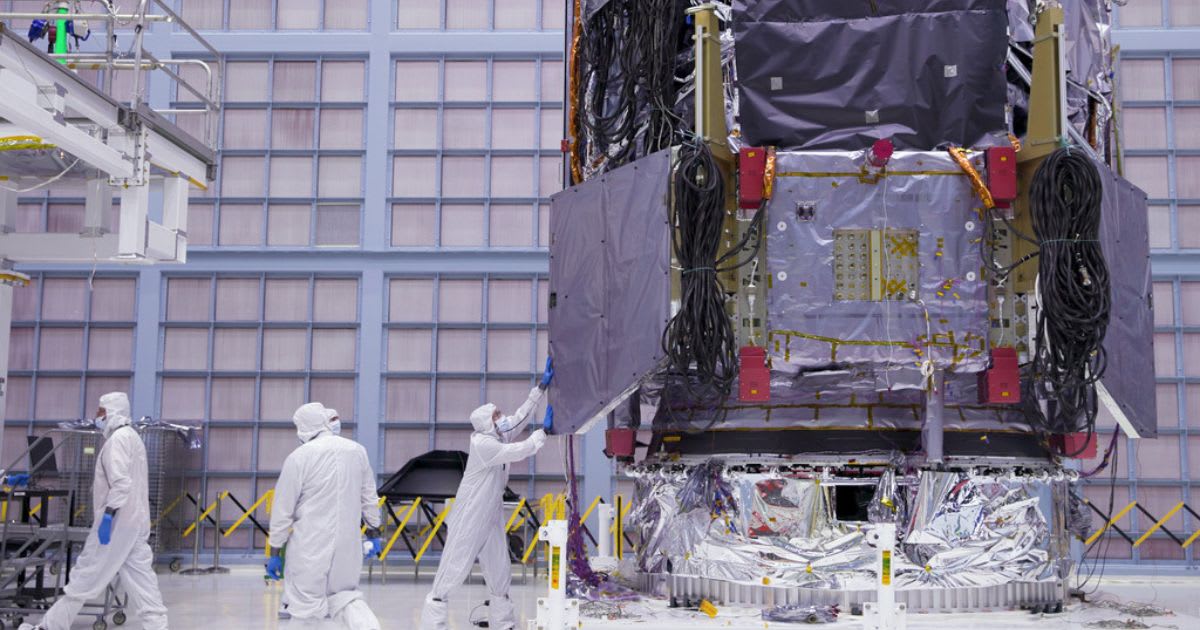
The Roman observatory will usher in a new era of cosmic delights with its cutting-edge technology. It will carry the most advanced technology ever launched into space that will allow it to directly capture planets around nearby stars, marking a step ahead in NASA’s search for extraterrestrial life in other worlds and galaxies.
More on Starlust
NASA’s Roman Space Telescope passes major pre-flight tests, may launch as early as this fall
NASA's Roman Telescope to map dark matter and dark energy more precisely than ever