✕
Astronomy Constellation Deep Sky Objects Skywatching Instruments Spaceflight Videos
Home / Galleries

Could we save Earth when the Sun dies? A scientist says there could be a way

Astronomy Aug 24, 2026
BY SHILADITYA RAY
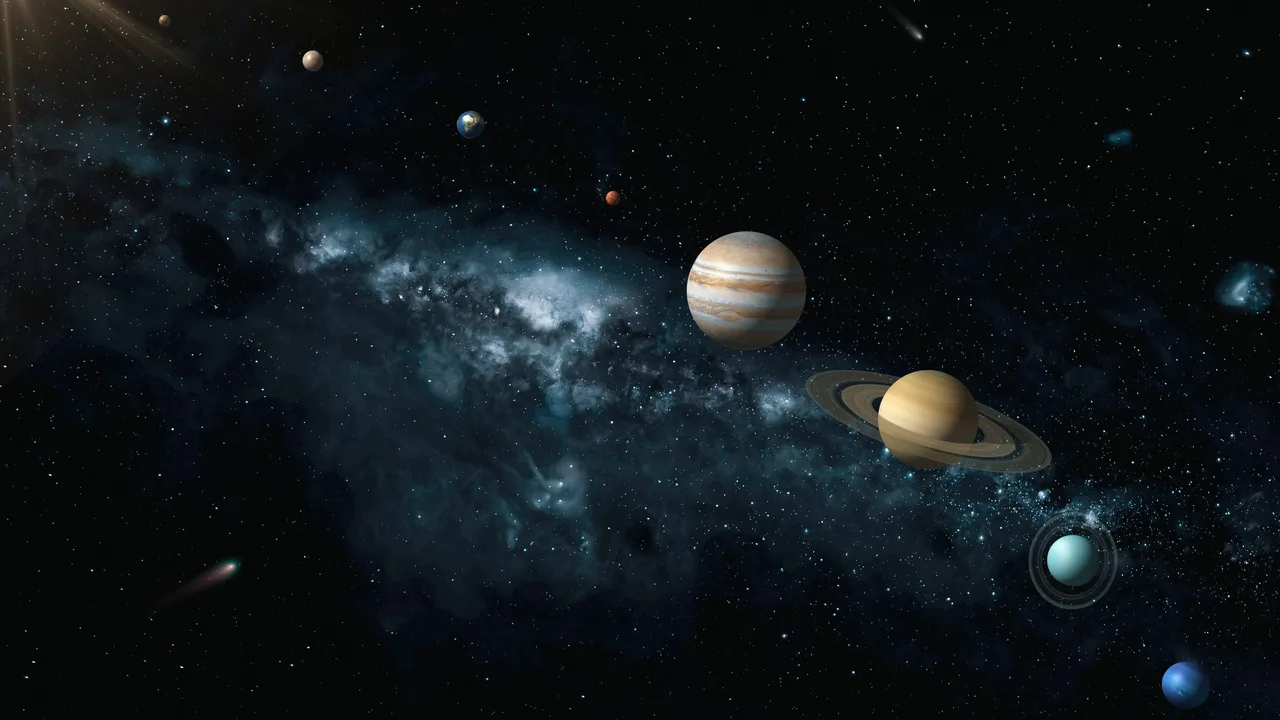
Image showing a fiery Sun and Earth. For representational purposes.
Life on Earth is staring at extinction when the Sun turns red giant a billion years from now, but a scientist believes we can save the Blue Planet, as well as our solar system.
7 Photos
1 / 7
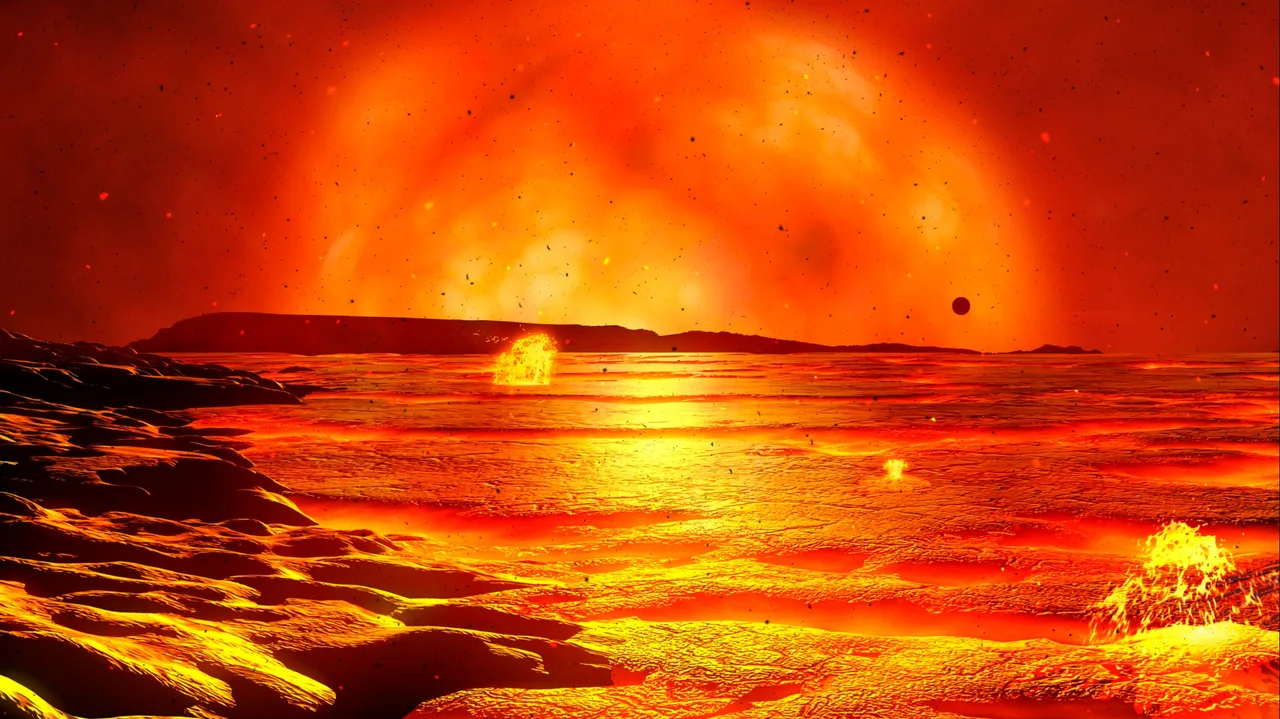
The Sun's impending death casts a looming shadow over Earth
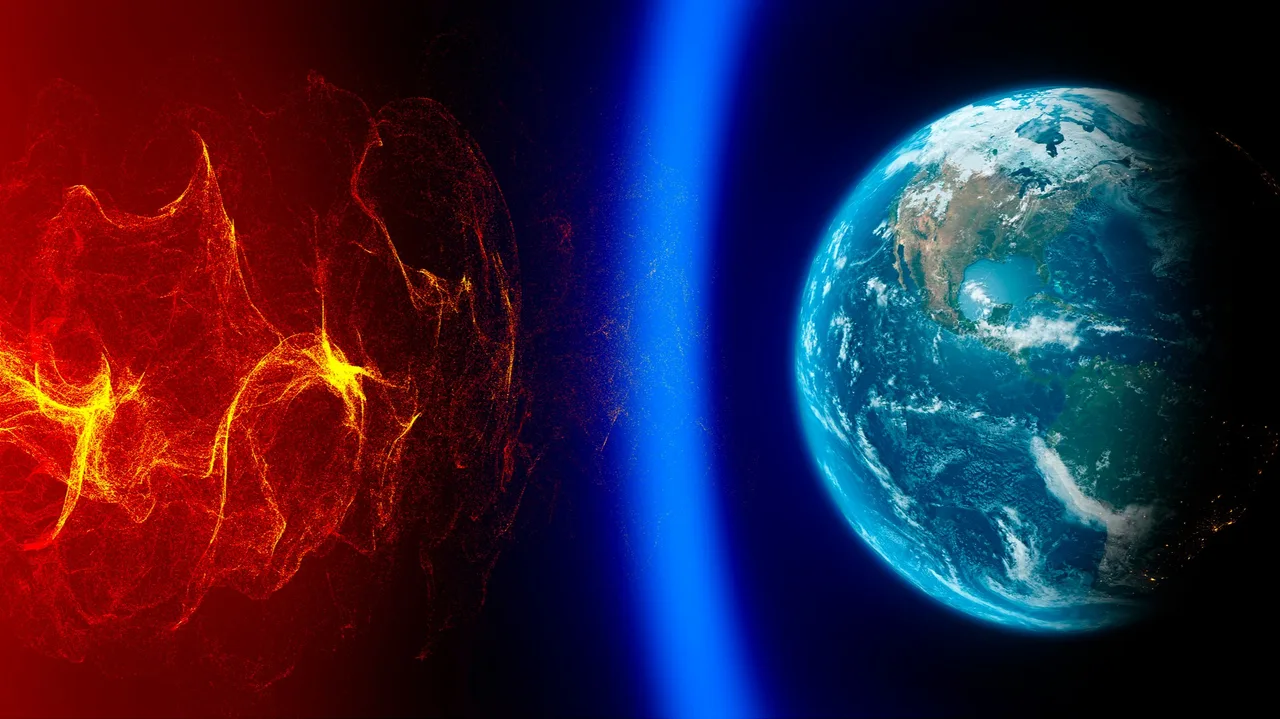
IMAGE SOURCE: GETTY IMAGES/SCIENCE PHOTO LIBRA

The Sun's impending death casts a looming shadow over Earth

In about a billion years, the solar system as we know it will become unrecognizable: as the Sun starts to run out of fuel, it will expand to become a massive red giant before eventually shrinking to a dim white dwarf. However, long before darkness engulfs the solar system, Earth will be long gone, with its oceans and atmosphere vaporized and the planet itself engulfed by our once life-giving host star. Given the extreme timescales involved, it is natural to accept our cosmic fate, but not everyone's having it: in a bold attempt to defy fate, a scientist named Gabriel Harry has proposed ways in which humans can conceivably prevent the end of all life in the solar system.

2 / 7
Blocking out the Sun
IMAGE SOURCE: GETTY IMAGES

Blocking out the Sun

Currently available on the preprint arXiv server, Harry's study proposes a multi-stage plan to prevent catastrophe, of which the first stage involves blocking out the Sun. Yes, you read that right. Before the Sun even becomes a red giant, it will continuously brighten, hitting Earth with increasing amounts of energy that can trigger a runaway greenhouse effect and turn our planet into something akin to Venus. To prevent this, Harry proposes constructing a colossal orbital sunshade that would cover a 70-degree arc of the sky. To put that into perspective, this sunshade would have to measure a mind-boggling 700,000 kilometers in diameter, and would need to be parked near the Earth-Sun Lagrange Point (L1) and anchored by high-tensile carbon tethering cables. This structure would essentially act like a massive umbrella for Earth, blocking out excess solar radiation and helping the planet sustain conditions for life.

3 / 7
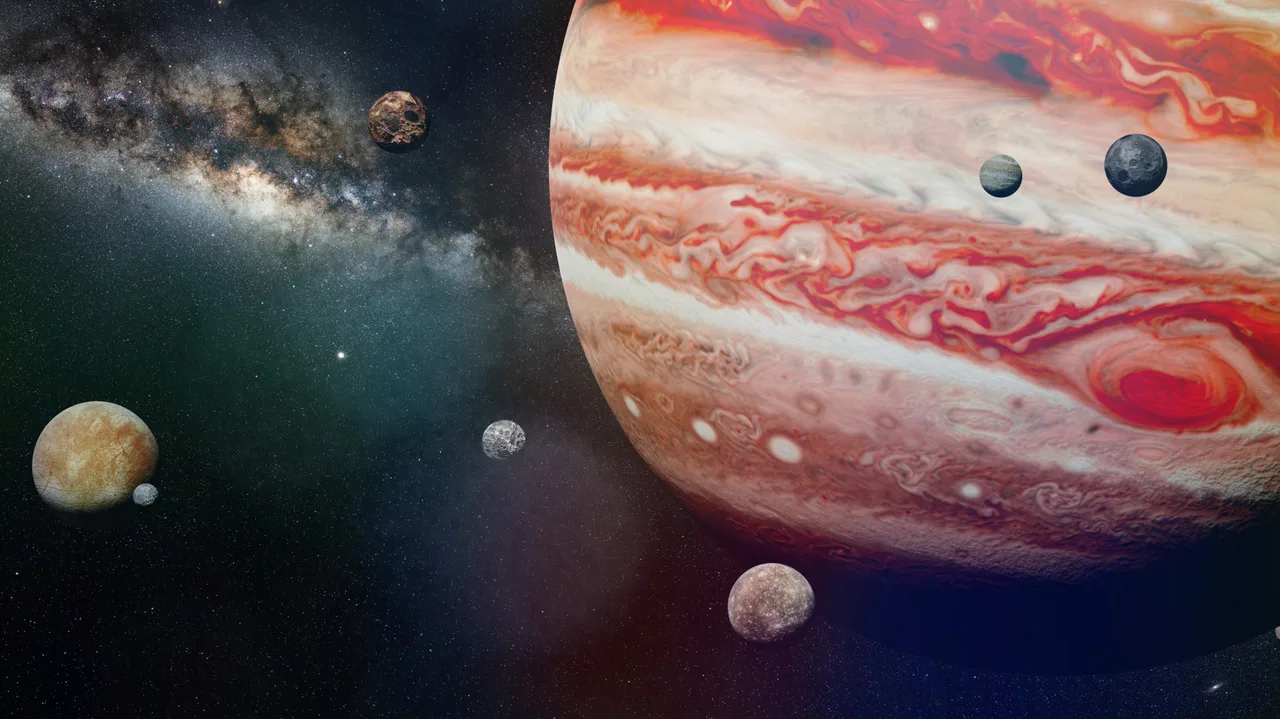
Fusion reactors on Jupiter
IMAGE SOURCE: DOTTEDHIPPO/GETTY IMAGES/ISTOCKPHOTO

Fusion reactors on Jupiter

While blocking out the Sun can help Earth survive our host star's waning years, it would plunge our planet into darkness, stopping photosynthesis and creating freezing, sub-zero conditions that would essentially be a death sentence for most life. This problem, Harry proposes, can be solved by Jupiter. While technically not a star, Jupiter is rich in hydrogen and helium, and Harry proposes constructing fusion reactors deep inside Jupiter. While current technology cannot hold a fusion reactor together, Harry says the immense pressure inside Jupiter would suffice, and fusion reactors 4,000 miles inside the gas giant's atmosphere could generate the energy required by Earth. This energy could then be beamed up to Jupiter's Lagrange point 1, transmitted via a laser to a Lagrange point relay near Earth, and shone on our planet's surface.

4 / 7
A planet that drifts
IMAGE SOURCE: BURADAKI/GETTY IMAGES/ISTOCKPHOTO

A planet that drifts

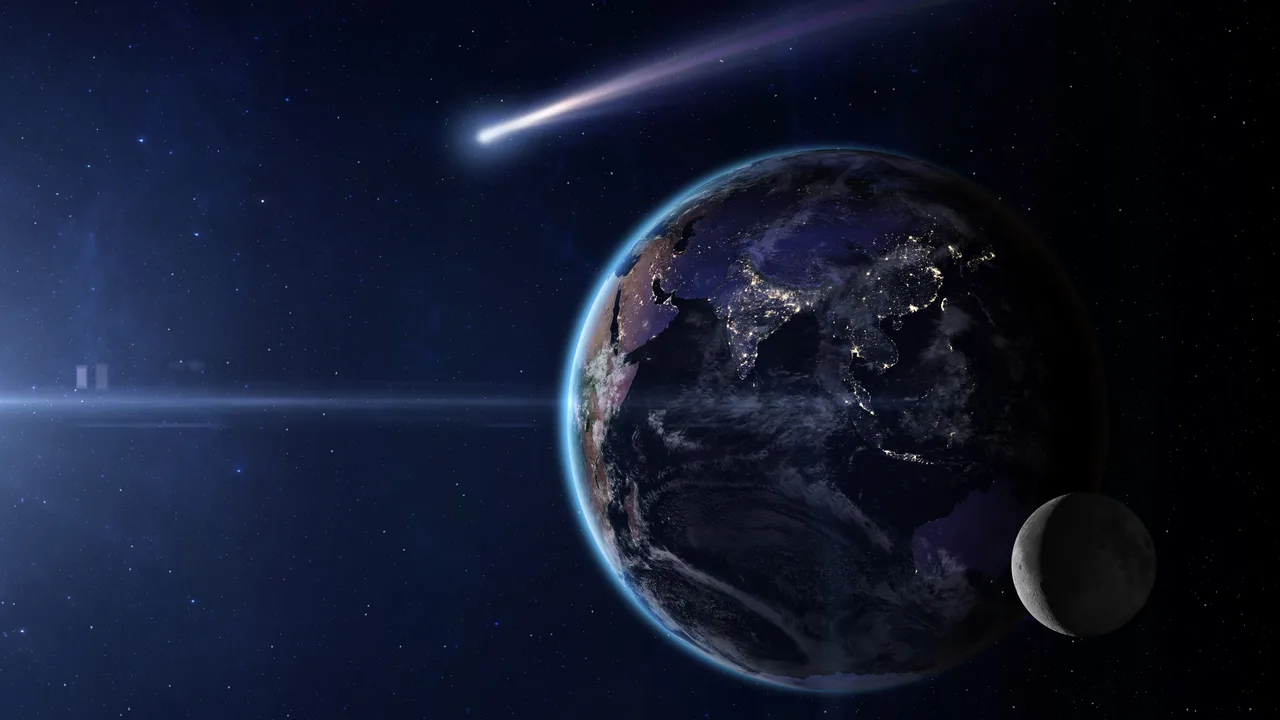
While the aforementioned solutions suffice for the billions of years leading up to the Sun's transformation into a red giant, they would be unable to stop Earth from getting engulfed when the Sun eventually takes its penultimate form. So, how can humans tackle this? Harry proposes an outrageous but simple solution: just move Earth. One way this could be done is by making a massive asteroid fly past Earth a million times, but this would be inherently risky for us: even a slight miscalculation could wipe out all life. Instead, Harry proposes extracting oxygen from Jupiter and firing a particle beam past Earth. This beam, which would be "equivalent in mass to half of the Amazon River's outflow," would act as a gravitational whip, slowly but steadily propelling Earth away. Over long enough timescales, this small push would be enough to push our planet away from the expanding Sun.

5 / 7
Reheating Earth's core
IMAGE SOURCE: GETTY IMAGES/ISTOCKPHOTO

Reheating Earth's core

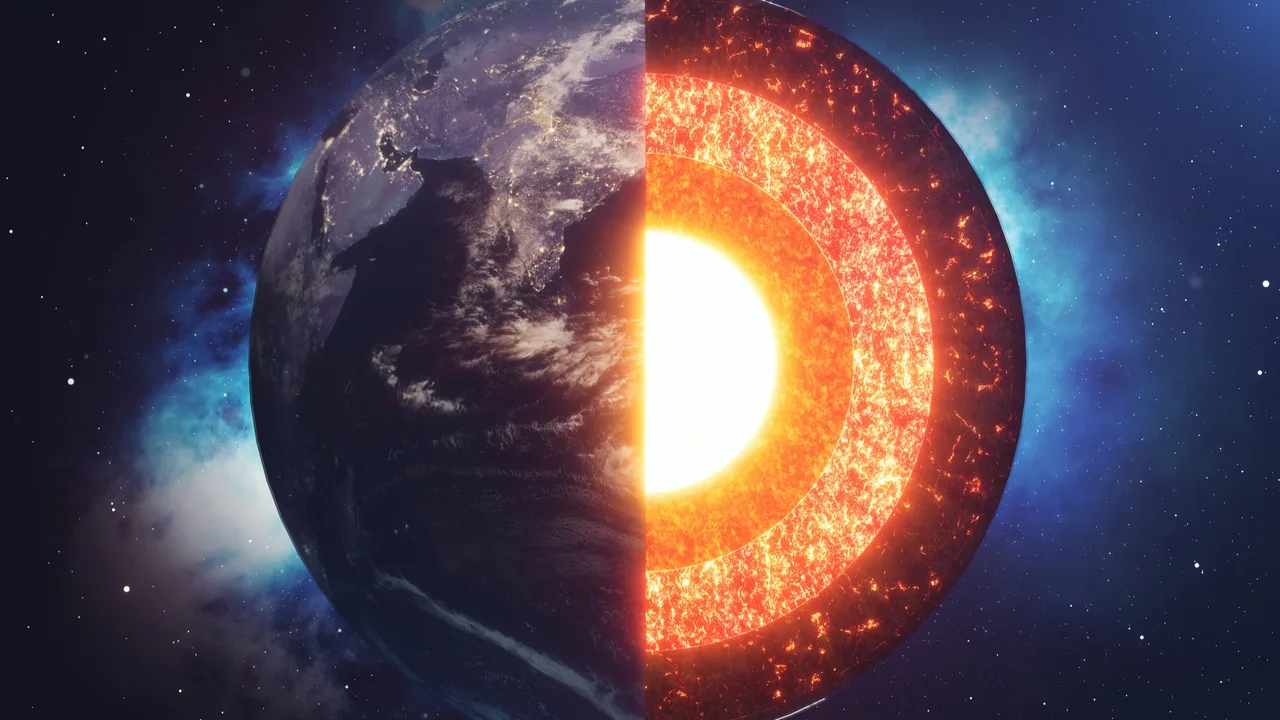
Harry's proposal not only accounts for the death of the Sun, but also offers solutions against our planet's eventual decay. As Earth's interiors cool over the next two to three billion years, it will halt Earth's plate tectonics, thereby bringing an end to mountain building and "life-giving recycling." This, Harry says, can be averted by producing sizeable quantities of antimatter and pouring it into Earth. Harry's solution goes like this: create antimatter, put it in a container, blast a hole in Earth's surface, and pour molten iron into it along with the antimatter-carrying container. This would, according to Harry, help reheat Earth's interior: when the container with antimatter eventually runs out of energy to keep it from contact with other matter, the resulting annihilation would provide heat to the cooling interior of our planet. "Producing and sinking 2 kg of antimatter per day would maintain Earth's tectonics—at 10% energy efficiency, we could use the equivalent of the total solar-panel area of India to produce this amount," Harry writes for Phys.org.

6 / 7
Avoiding galactic collisions
IMAGE SOURCE: GETTY IMAGES/SCIENCE PHOTO LIBRA

Avoiding galactic collisions

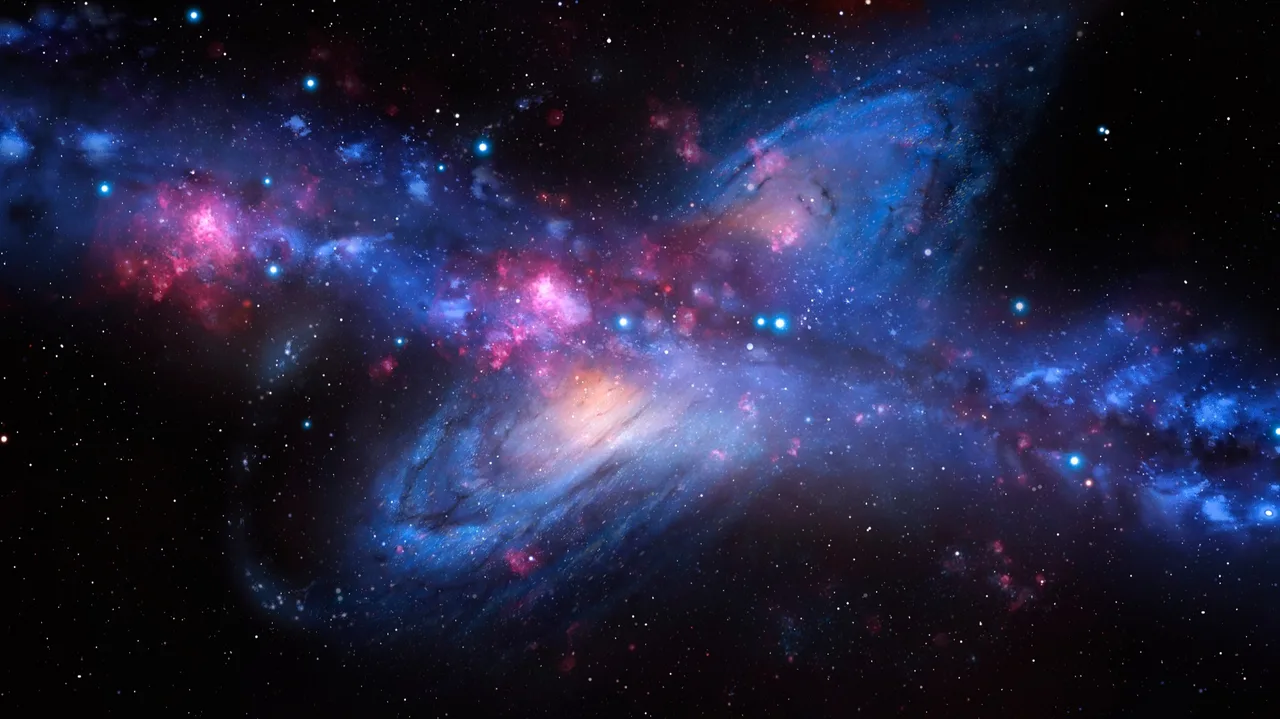
If all of the steps highlighted by Harry succeed, Earth would still have one remaining problem: over long enough timescales, our planet could get caught up in galactic collisions, such as the one between Andromeda and the Milky Way expected to happen in about 4.5 billion years. This, too, can be solved using the particle beam from Jupiter. Instead of using oxygen, Harry proposes firing a beam of hydrogen just above or below the north or south pole of the Sun. The slingshot effect from this particle beam, Harry says, would also help gradually move the solar system away from impending collisions.

7 / 7
A future secured for 9 quadrillion years
IMAGE SOURCE: RBKOMAR/GETTY IMAGES

A future secured for 9 quadrillion years

But why do all this if we can just move to another habitable planet? Harry argues that interstellar space travel, and keeping humans alive for such distances, are extremely difficult, and his proposed solutions do not require us to figure this out. He also argues that the safeguards proposed would require a "thousand to a million" times less energy than interstellar mass migration. Moving humanity across the stars would also conceivably require us to send terraforming technology in advance, which would not yield any economic benefits for centuries, perhaps even millennia. Finally, Harry argues that colonizing the galaxy would also create a "security risk", wherein the colonies over long timescales would become their own civilizations independent of humanity. "They would be akin to aliens," argues Harry, saying that their knowledge of Earth's location and its paradise-like conditions could eventually become a threat. Staying as one society within the solar system prevents these issues, and Harry argues that his safeguards would grant life on Earth 9.1 quadrillion years to thrive.

MORE GALLERIES

Top cosmic mysteries NASA’s powerful new Nancy Grace Roman Space Telescope could solve 5

Top cosmic mysteries NASA’s powerful new Nancy Grace Roman Space Telescope could solve

Aug 23, 2026
What if the universe isn’t actually speeding up? Oxford physicist offers a new explanation 5

What if the universe isn’t actually speeding up? Oxford physicist offers a new explanation

Aug 22, 2026
Manhattan on Mars? UFO researcher claims the Red Planet had an ancient city 4

Manhattan on Mars? UFO researcher claims the Red Planet had an ancient city

Aug 21, 2026
Strange ‘jellyfish’ object spotted on Mars in NASA’s Curiosity image. Is it a UFO? 5

Strange ‘jellyfish’ object spotted on Mars in NASA’s Curiosity image. Is it a UFO?

Aug 21, 2026
New Pentagon UFO files: How close are we to alien life? Ex-NASA official explains 5

New Pentagon UFO files: How close are we to alien life? Ex-NASA official explains

Aug 21, 2026
Love from Mars: NASA captures surreal heart-shaped landscapes on the Red Planet 7

Love from Mars: NASA captures surreal heart-shaped landscapes on the Red Planet

Aug 20, 2026
Is the universe actually a simulation? One scientist says he's found evidence 5

Is the universe actually a simulation? One scientist says he's found evidence

Aug 19, 2026
Could aliens be communicating like fireflies? This study challenges human bias in ETI search 4

Could aliens be communicating like fireflies? This study challenges human bias in ETI search

Aug 19, 2026
Could Mars be our next home? Five strange facts about the Red Planet that will make you rethink 6

Could Mars be our next home? Five strange facts about the Red Planet that will make you rethink

Aug 18, 2026
Harvard scientist Avi Loeb says Earth may be a North Sentinel island adrift in a sea of spacefaring aliens 4

Harvard scientist Avi Loeb says Earth may be a North Sentinel island adrift in a sea of spacefaring aliens

Aug 18, 2026
This is what living on NASA's future moon base could actually look like 5

This is what living on NASA's future moon base could actually look like

Aug 17, 2026
"There is an agreement between the U.S. government and aliens": Former Israeli space security chief's wild claim 5

"There is an agreement between the U.S. government and aliens": Former Israeli space security chief's wild claim

Aug 17, 2026
Astronomers just confirmed the first black hole star: "We’re seeing pure black hole star light" 5

Astronomers just confirmed the first black hole star: "We’re seeing pure black hole star light"

Aug 15, 2026
When a mystery cone-shaped object on Mars ignited a public feud between a Harvard scientist and NASA 5

When a mystery cone-shaped object on Mars ignited a public feud between a Harvard scientist and NASA

Aug 14, 2026
There may be a second universe out there, and it could be why anything exists at all 5

There may be a second universe out there, and it could be why anything exists at all

Aug 13, 2026
Harvard professor Avi Loeb wants UFO “biologics” as new files raise more questions 5

Harvard professor Avi Loeb wants UFO “biologics” as new files raise more questions

Aug 13, 2026
The 2026 total solar eclipse in photos: Best shots of the historic event from August 12 7

The 2026 total solar eclipse in photos: Best shots of the historic event from August 12

Aug 13, 2026
What if déjà vu is a sign we're living inside a simulation? Here's what scientists say 5

What if déjà vu is a sign we're living inside a simulation? Here's what scientists say

Aug 12, 2026
Harvard professor says humans could reach the Milky Way's center in just 10 years. Here's how 5

Harvard professor says humans could reach the Milky Way's center in just 10 years. Here's how

Aug 12, 2026
Starlust.org is part of the Scale Content Inc. publishing group.

Google Source

About Us
Editorial Guidelines
Privacy Policy
Cookie Policy
Terms of Use
Contact Us
Link to Facebook
Link to Instagram

© Scale Content Inc. 1178 Broadway, 3rd Floor #3469, New York, NY 10001, United States