How Soyuz 11 cosmonauts made history before becoming the only humans to die in space
Soyuz 11: The first ever space station crew
The Soyuz 11 crew of Georgi Dobrovolski, Vladislav Volkov, and Viktor Patsayev made history in June 1971, when they became the first cosmonauts to board Salyut, the world's first space station. Their record-breaking mission, however, ended in tragedy, as they died as a result of the sudden depressurization of their spacecraft shortly before re-entry into Earth's atmosphere.
They are the only astronauts to lose their lives in space.
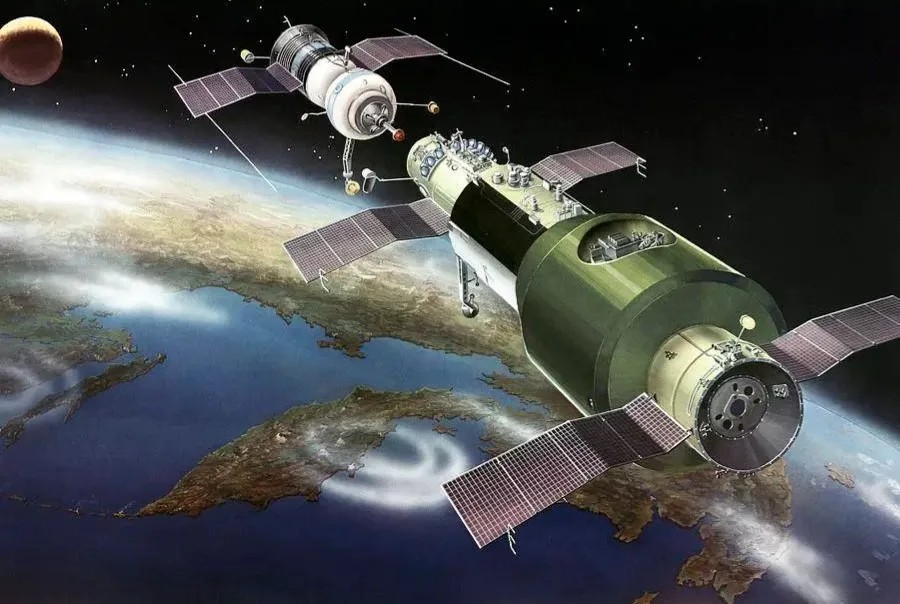
The image is an illustration of the Salyut space station in orbit with a Soyuz crew transport spacecraft approaching at upper left.
The Soviet cosmonauts were miles above Earth—and they still voted
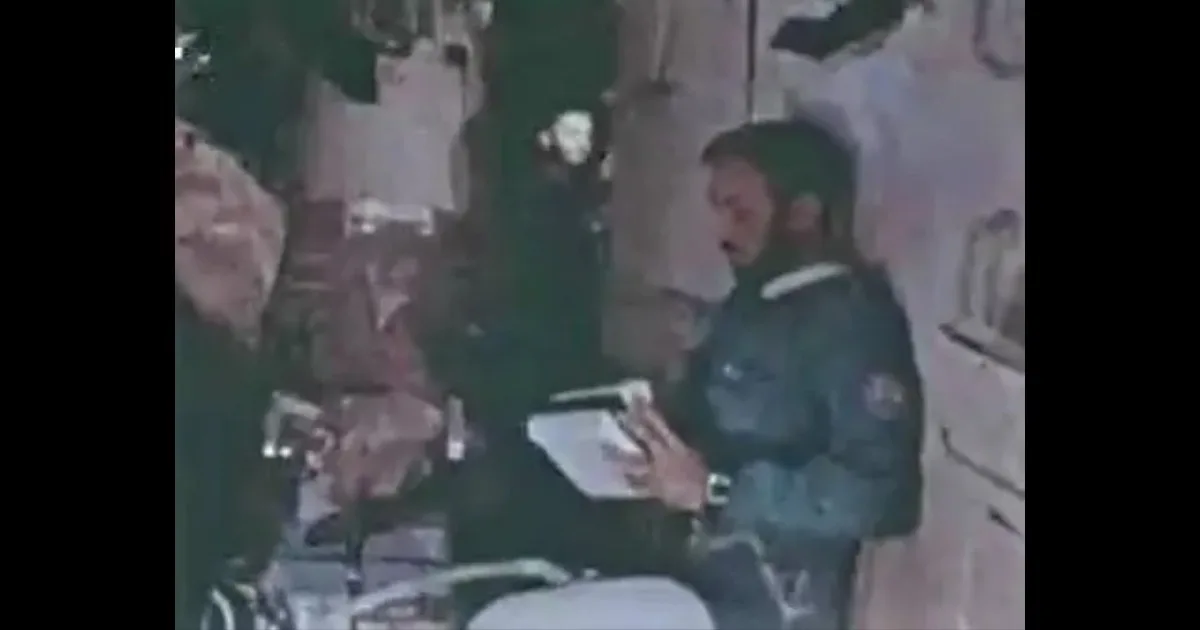
While in space, the cosmonauts broadcast their daily activities and research via television to the citizens of the Soviet Union. The crew also cast ballots from Salyut during the Soviet elections, thus becoming the first to vote from space.
The image shows Georgi Dobrovolski (foreground) going through onboard instructions while Vladislav Volkov (rear) exercises on a treadmill.
A lemon and an onion: How the Soyuz 11 crew celebrated a birthday in space
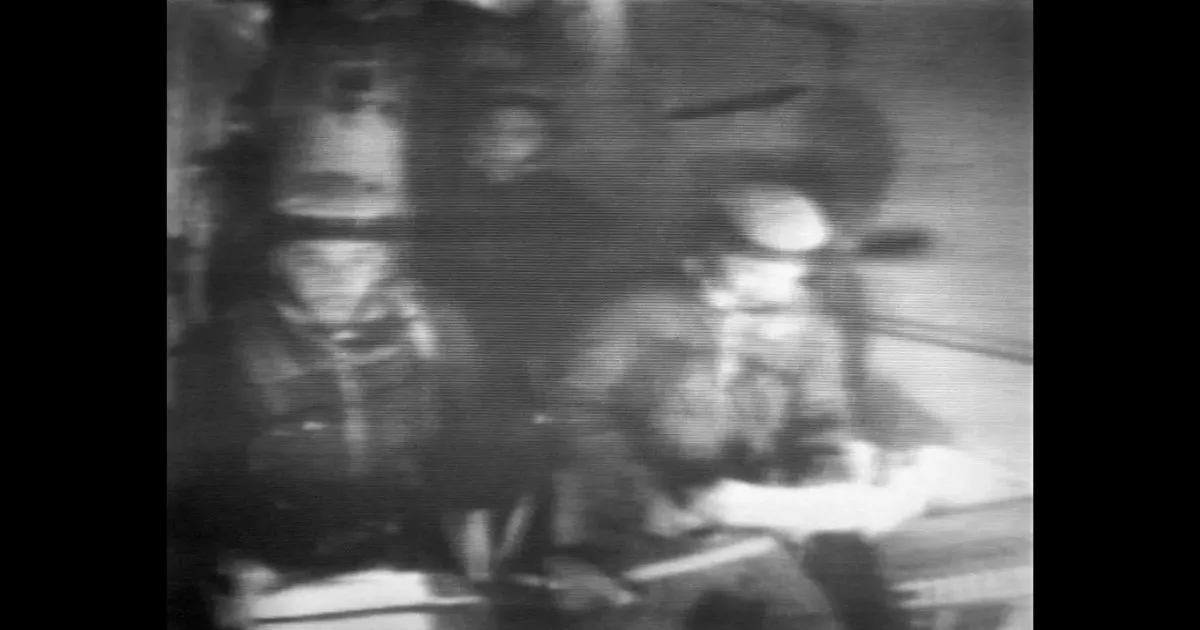
Patsayev, who turned 38 years old on June 19, 1971, became the first person to celebrate his birthday in space. As gifts, he received an onion and a lemon from Dobrovolski and Volkov, both of which the latter had snuck into the Soyuz 11 spacecraft before it launched on June 6.
This image of the Soyuz 11 crew was captured during a televised press conference from aboard the Salyut space station.
The Soyuz 11 crew set an example in spaceflight endurance
Just five days after Patsayev's birthday, the Soyuz 11 crew broke the Soyuz 9 crew's 18-day spaceflight endurance record that had been set in June 1970. What's more, they were even congratulated by the Soyuz 9 cosmonaut Andriyan Nikolayev, who was the spacecraft communicator for the mission.
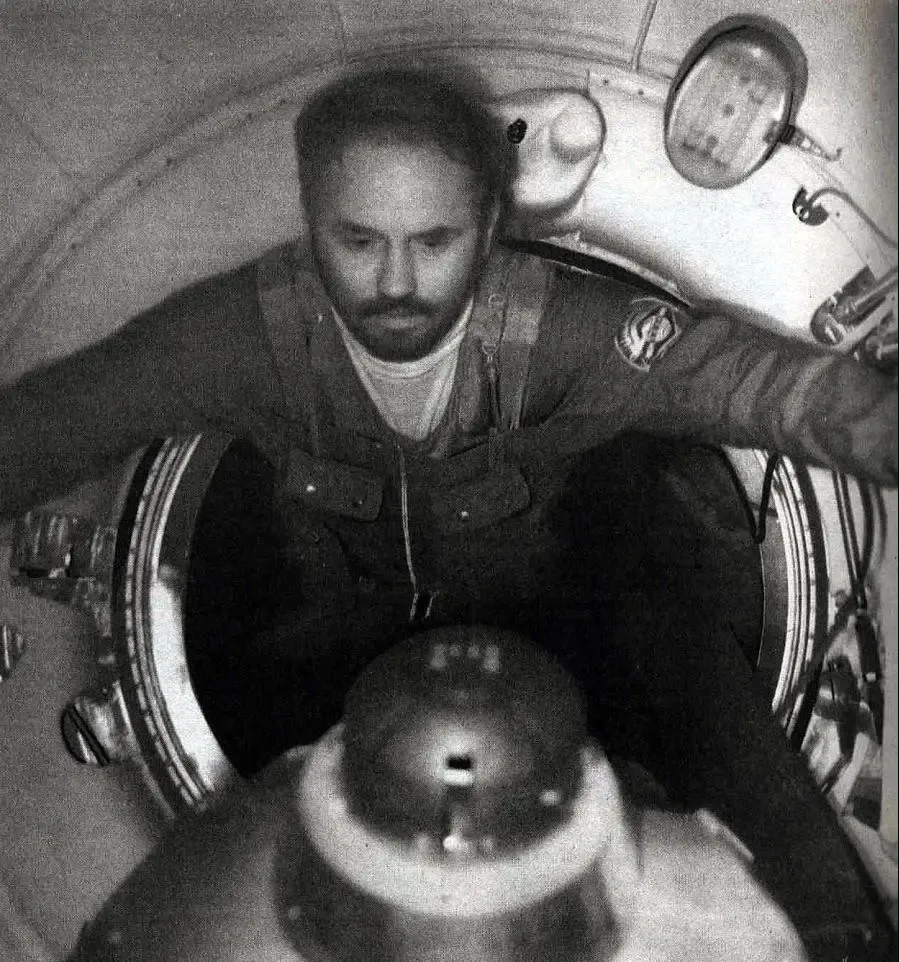
After successfully docking their spacecraft with Salyut on June 7, 1971, the Soyuz 11 crew spent 23 days onboard the orbiting lab before undocking on June 29.
The image shows Dobrovolski floating into the Soyuz spacecraft at the end of their mission.
The Soyuz 11 cosmonauts stayed fit, even engaged in some gardening
During their 23-day stay aboard Salyut, the cosmonauts exercised on the onboard treadmill, monitored their health, and even grew Chinese cabbage and onions in the onboard Oazis-1 plant growth facility as part of their experiments. "These are our pets," Patsayev said. The mission also saw him become the first person to use a telescope—the Orion-1 ultraviolet equipment—in space.
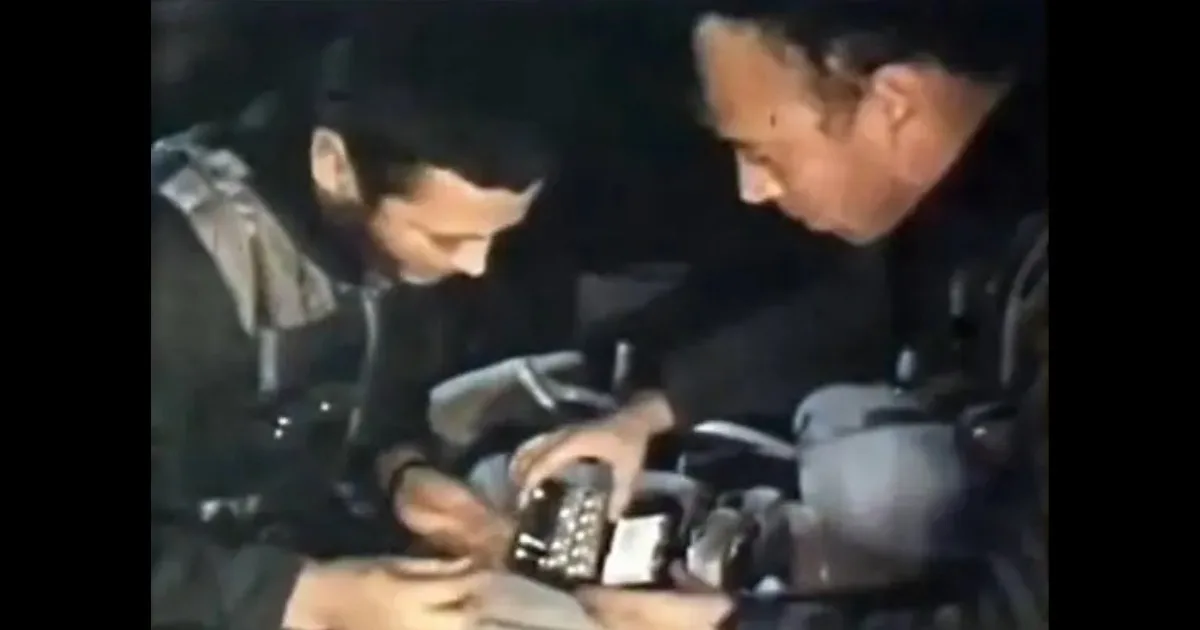
The image shows Volkov examining blood samples from Patsayev.
The tragedy that ended the historic mission
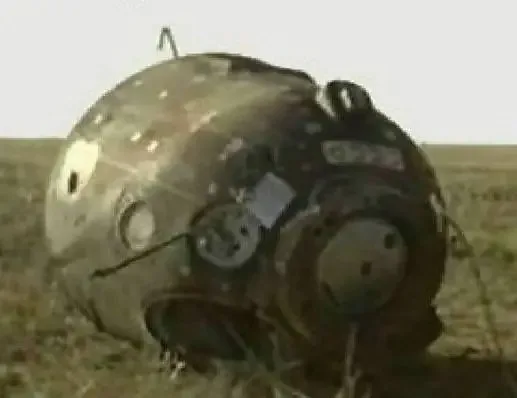
Before landing on Earth on June 30, 1971, the Soyuz spacecraft had to separate into three parts, with the bell-shaped descent module housing the crew. Just 30 minutes before landing, however, the shock from the separation mechanism opened a valve to the vacuum of space, causing the pressure inside the cabin to sink rapidly, claiming the lives of all three, none of whom had been wearing pressure suits.
Evidence suggests that they made a desperate effort to close the valve but could not do it since it was located under a seat. At the end, the spacecraft made a soft landing 320 miles east of the city of Zhezkazgan in Soviet Kazakhstan. Their lifeless bodies were still strapped to their seats when the recovery personnel opened the hatch.
The image shows the Soyuz 11 capsule after landing in Kazakhstan.
A state funeral and words of praise from a rival nation
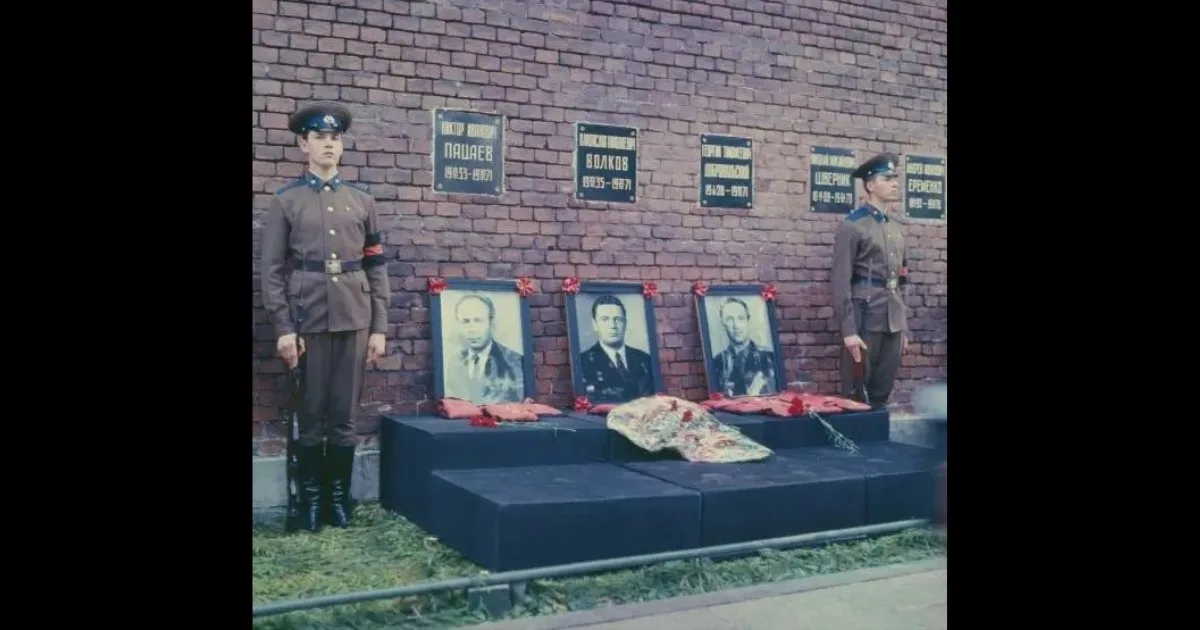
Following the incident, the government of the Soviet Union posthumously awarded the entire Soyuz 11 crew the Hero of the Soviet Union medal. They also received a full state funeral on Red Square after cremation. Richard M. Nixon, the President of the United States, the country with which the Soviet Union was locked in a space race at the time, also issued a statement in honor of the cosmonauts.
"The whole world followed the exploits of these courageous explorers of the unknown and shares the anguish of their tragedy," he said.
The image shows the Kremlin Wall, where the ashes of the deceased cosmonauts were interred.