Rare images of the Soyuz 11 mission that cost its crew their lives
The entire Soviet Union was onboard Salyut—thanks to 'Cosmovision'
On June 6, 1971, the Soviet Union sent cosmonauts Georgi T. Dobrovolski, Vladislav N. Volkov, and Viktor I. Patsayev to the world's first space station, Salyut, aboard the Soyuz 11 spacecraft. While in space, the crew had their day-to-day activities and experiments televised for the people of the Soviet Union. Soviet journalists dubbed these events ‘Cosmovision.’
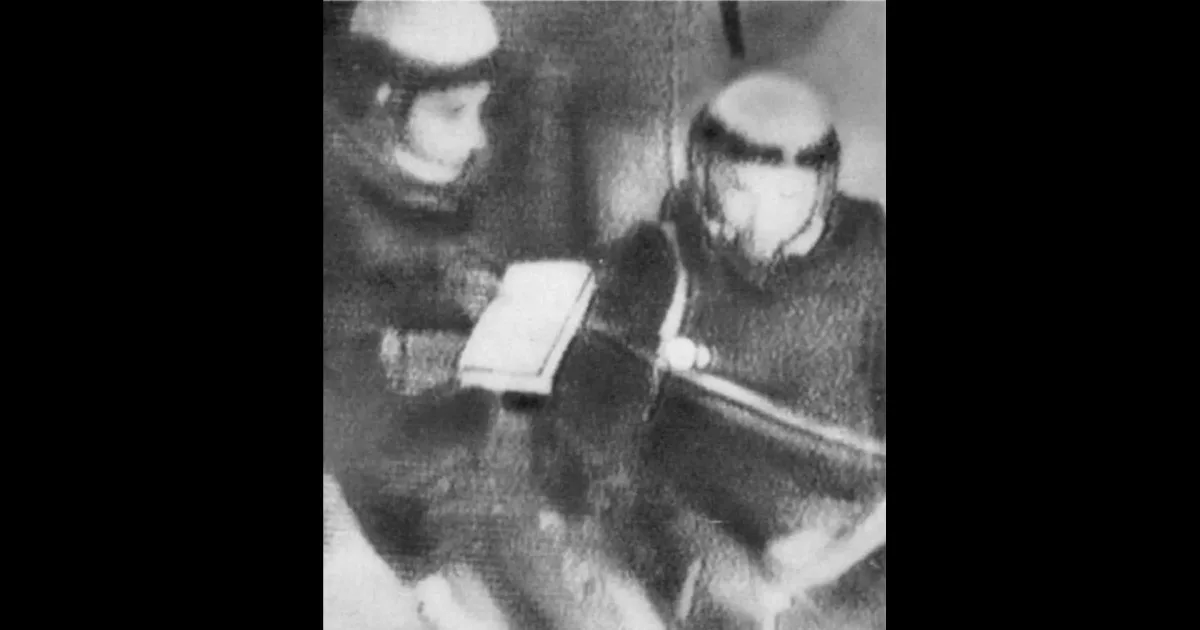
The image shows a televised visual of Patsayev, left, and Volkov inside the Salyut space station.
The tricky first day aboard Salyut
Upon entering Salyut on June 7, 1971, Patsayev came across a strong smell and floated back to the Soyuz spacecraft. The crew was then instructed by cosmonaut Aleksei S. Yeliseyev, the communicator in the Flight Control Center in the Crimea, to activate the station’s air regeneration system. Eight fans had malfunctioned soon after Salyut had launched, so Patsayev and Volkov fixed them before retiring in the Soyuz spacecraft for the night.
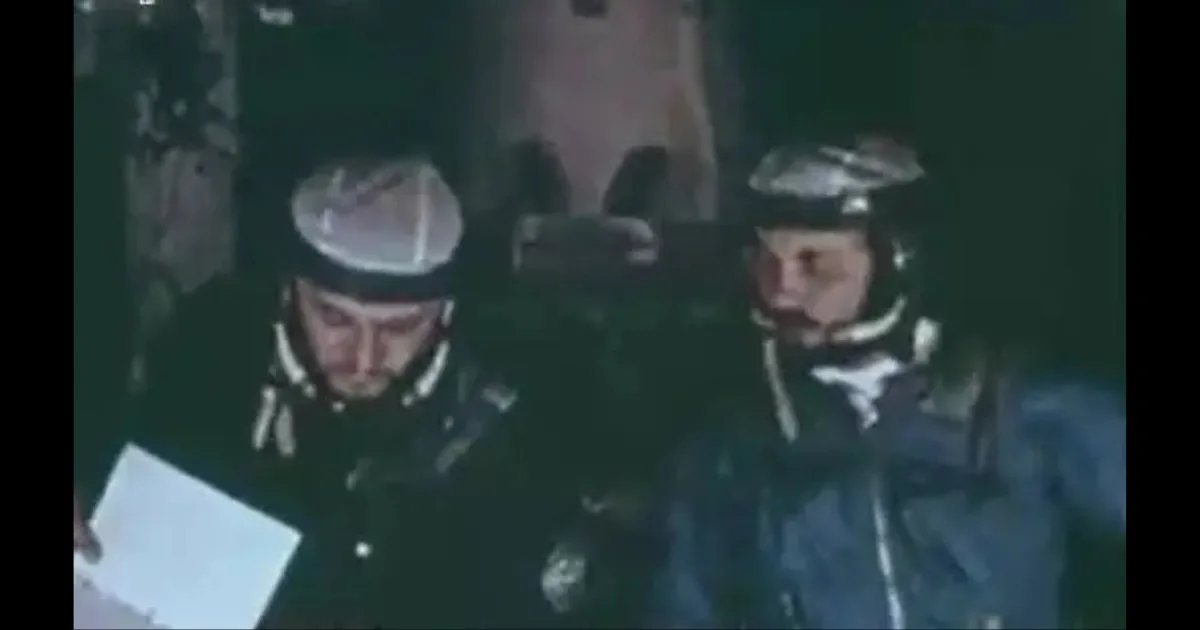
The image shows Volkov, left, and Dobrovolski communicating with the Flight Control Center.
Staying fit was important—more so because they were in space
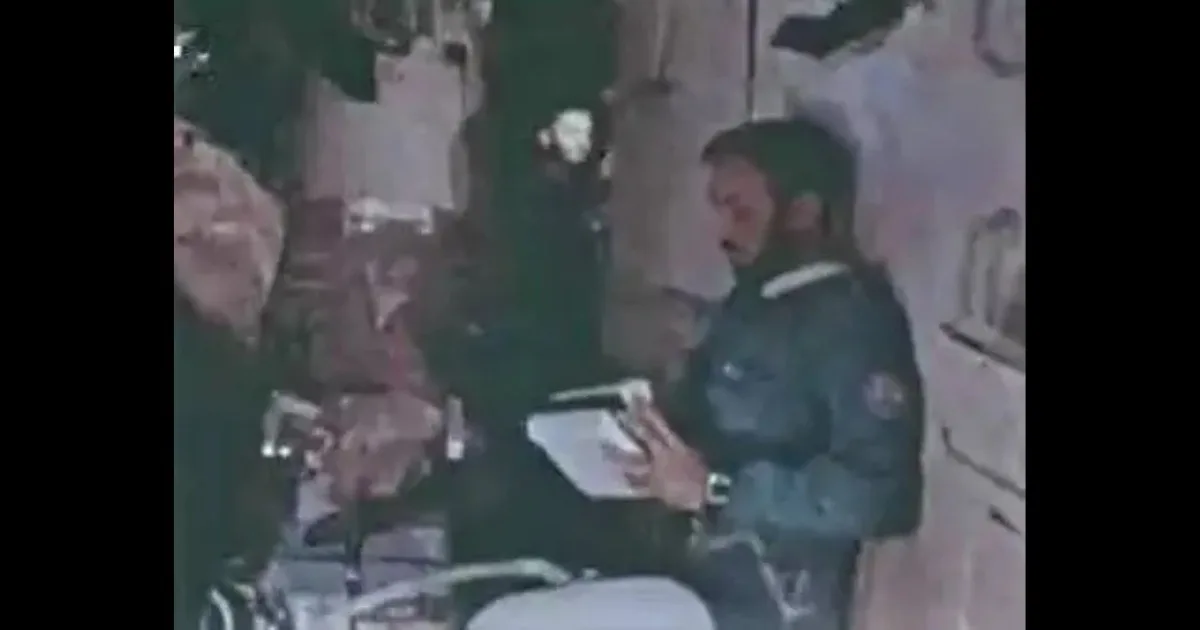
During their stay aboard Salyut, the cosmonauts exercised regularly on a treadmill and used elastic bands to combat microgravity-induced muscle loss. They constantly monitored their health, testing the condition of their cardiovascular system with a device called Veter. They also made notes of their pulmonary function and drew blood samples for later analysis.
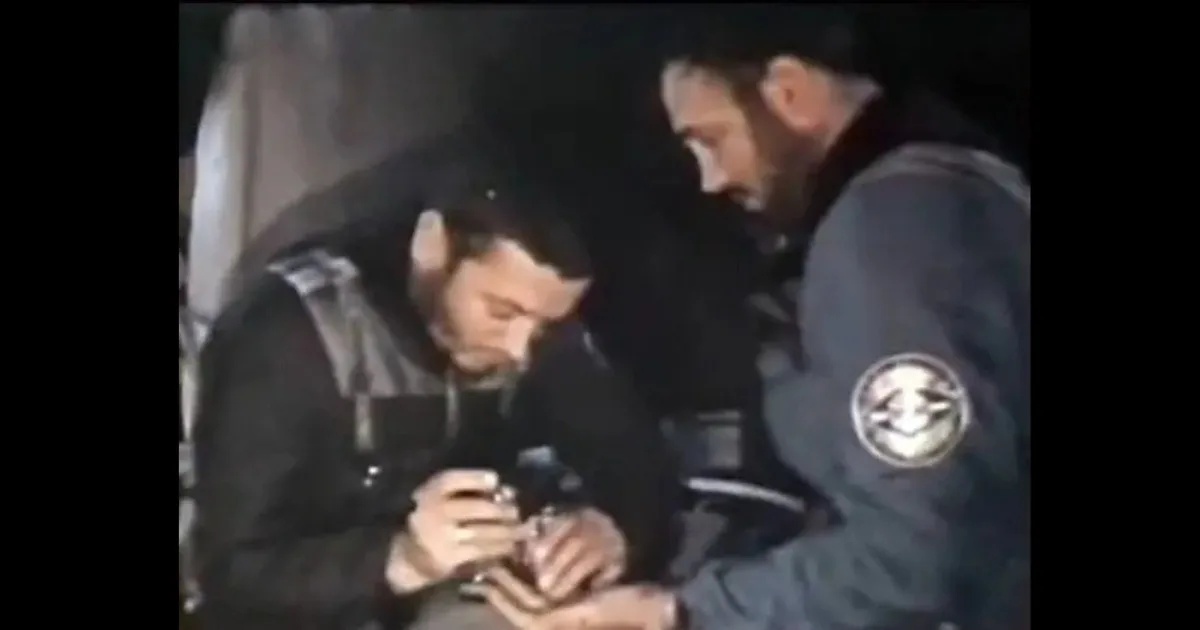
The image shows Volkov, left, extracting Dobrovolski’s blood sample.
To make the most of the opportunity, the Soyuz 11 crew worked around the clock
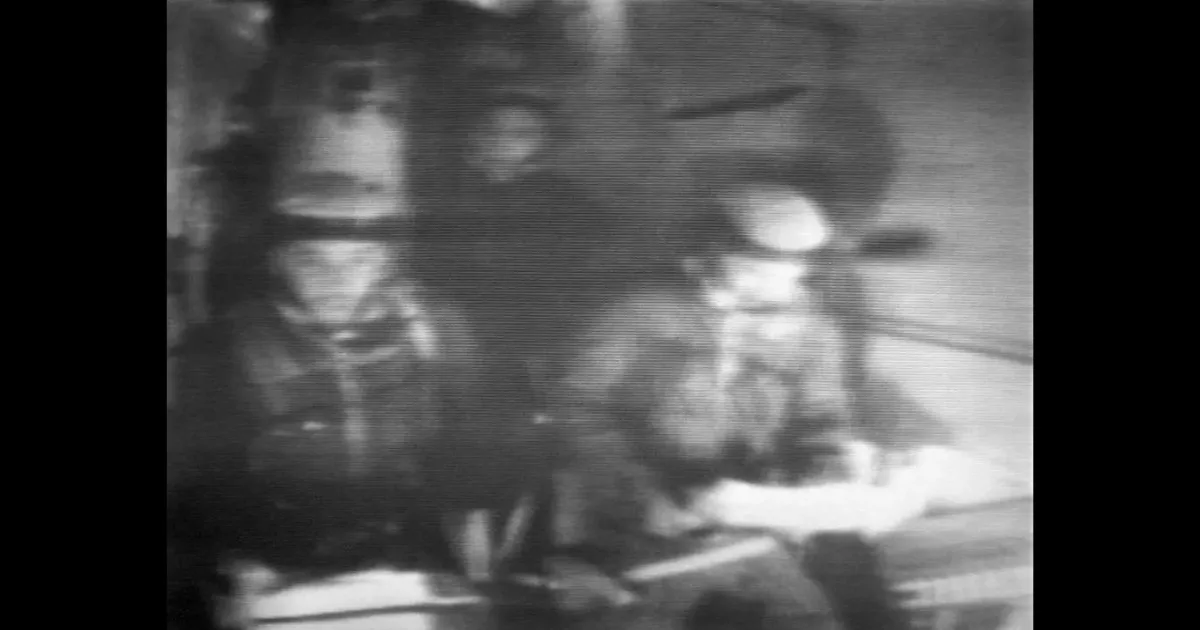
The cosmonauts slept on a rotational basis, ensuring at least one of the crew members was awake at all times. This was done so that research time could be maximized.
The image shows Dobrovolski, foreground, busy with his work, while Volkov exercises on the treadmill.
The experiments that filled their days in space
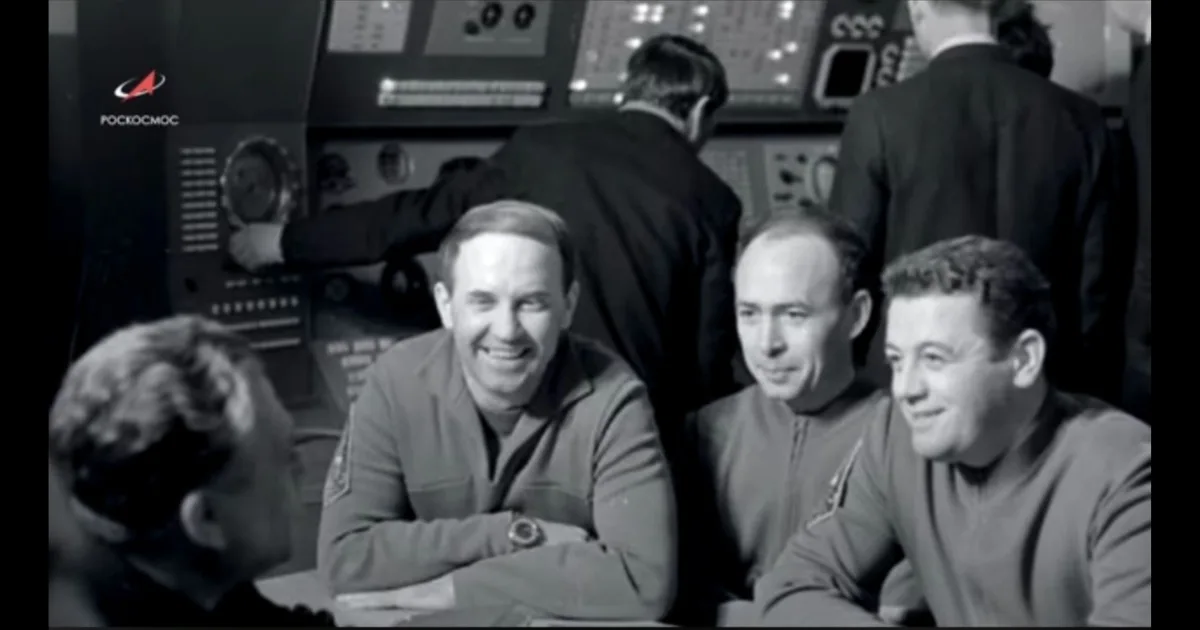
All three members of Soyuz 11 carried out different activities during their stay. As part of their experiments, the crew grew Chinese cabbage and onions. Patsayev also became the first person to use a telescope in space when he operated the Orion-1 ultraviolet instrument.
The image shows Dobrovolski, left, Patsayev, and Volkov during a televised presser.
A space birthday
On June 19, 1971, Patsayev turned 38 and became the first person to celebrate their birthday in space. Volkov had planned ahead for the occasion and had smuggled a lemon and an onion aboard Soyuz, which he and Dobrovolski presented to the birthday boy.
This image of the Soyuz 11 crew has been taken from the YouTube video titled 'Soyuz 11 — A Flight into Eternity, the Tragic Death of the Crew of the Manned Spacecraft' released by Roscosmos TV on June 30, 2021.
The tragic discovery that cast a shadow over the historic mission
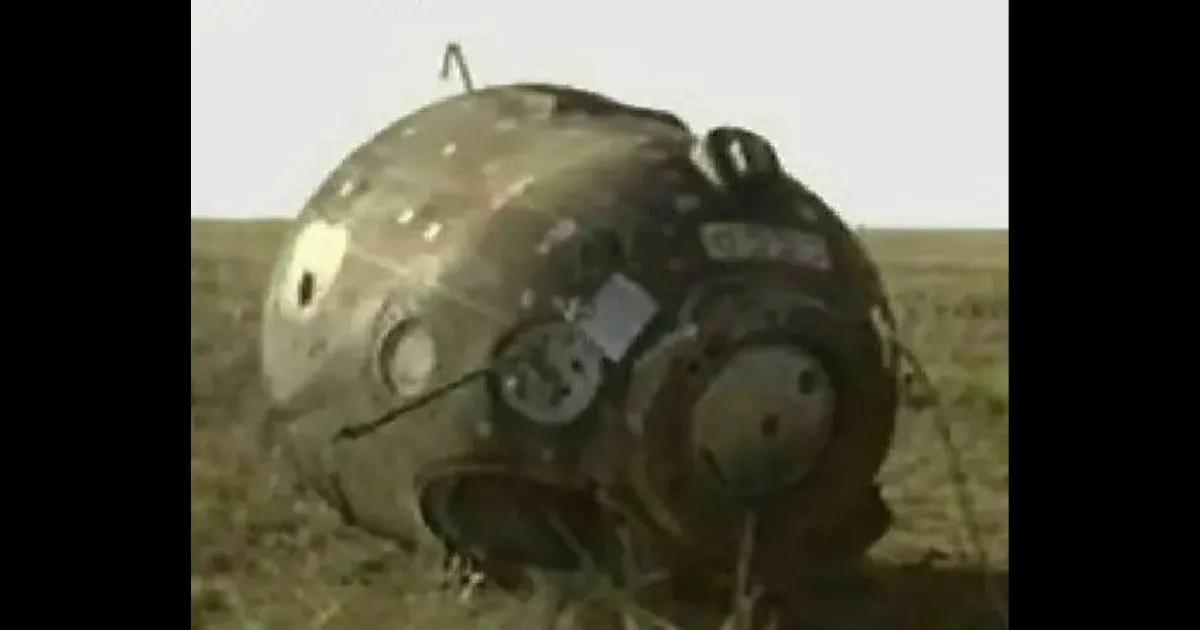
The Soyuz 11 capsule re-entered Earth's atmosphere automatically, ultimately achieving a soft landing in Soviet Kazakhstan on June 30, 1971. However, when the recovery personnel opened the hatch, they discovered that the three astronauts, who were still strapped to their seats, had died.
The image shows the Soyuz 11 capsule in Kazakhstan.
It was a mechanical failure that cost the cosmonauts their lives
It was found that just 30 minutes prior to landing, the mechanism that had separated the descent module from the other two segments of the spacecraft had also jarred open a pressure valve. This caused the air inside the descent module to escape within seconds, with the cosmonauts, who didn't have their pressure suits on, rapidly losing consciousness.
There is evidence that they tried to close the valve manually. But they simply did not have enough time.
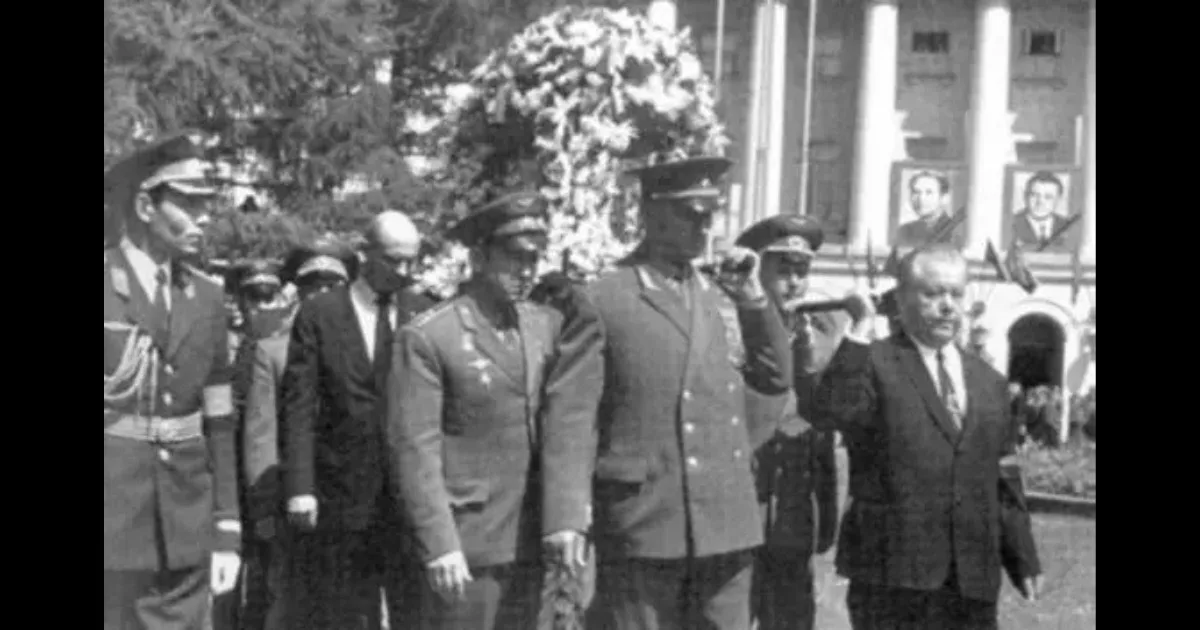
The image shows American astronaut Thomas P. Stafford, carrying the bier containing Dobrovolski’s ashes.
A lunar tribute from spacefaring rivals
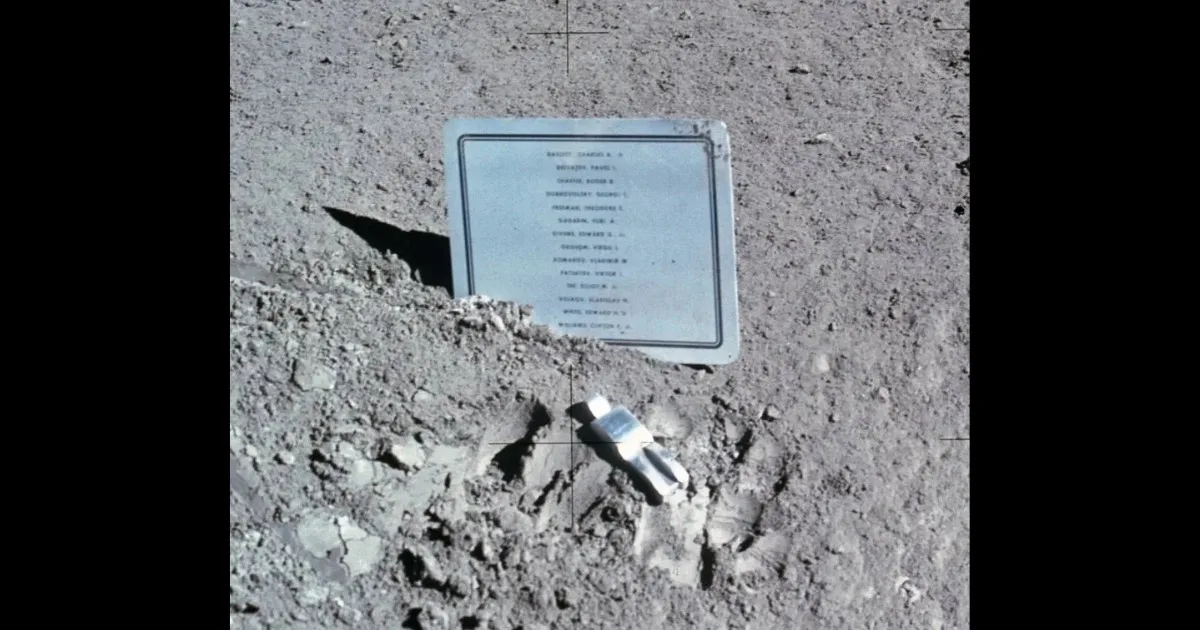
On August 2, 1971, one month after the funeral for the Soyuz 11 cosmonauts, Apollo 15 crew members, David R. Scott and James B. Irwin, deployed a plaque containing the names of fallen astronauts on the Moon. The plaque also had the names of all three cosmonauts from the Soyuz 11 mission.
The image shows the plaque on the lunar surface.