✕
Astronomy Constellation Deep Sky Objects Skywatching Instruments Spaceflight Videos
Home / Galleries

NASA identifies five space dangers that can make life in space brutal for astronauts

Spaceflight Jun 22, 2026
BY DISITA SIKDAR
An astronaut in full spacesuit on spacewalk above Earth with moon visible in the background. (Image Credits: Peepo/Getty Images)
Space travel looks fun—until it is not.
6 Photos
1 / 6
Space travel sounds incredible? These 5 space hazards could change your mind
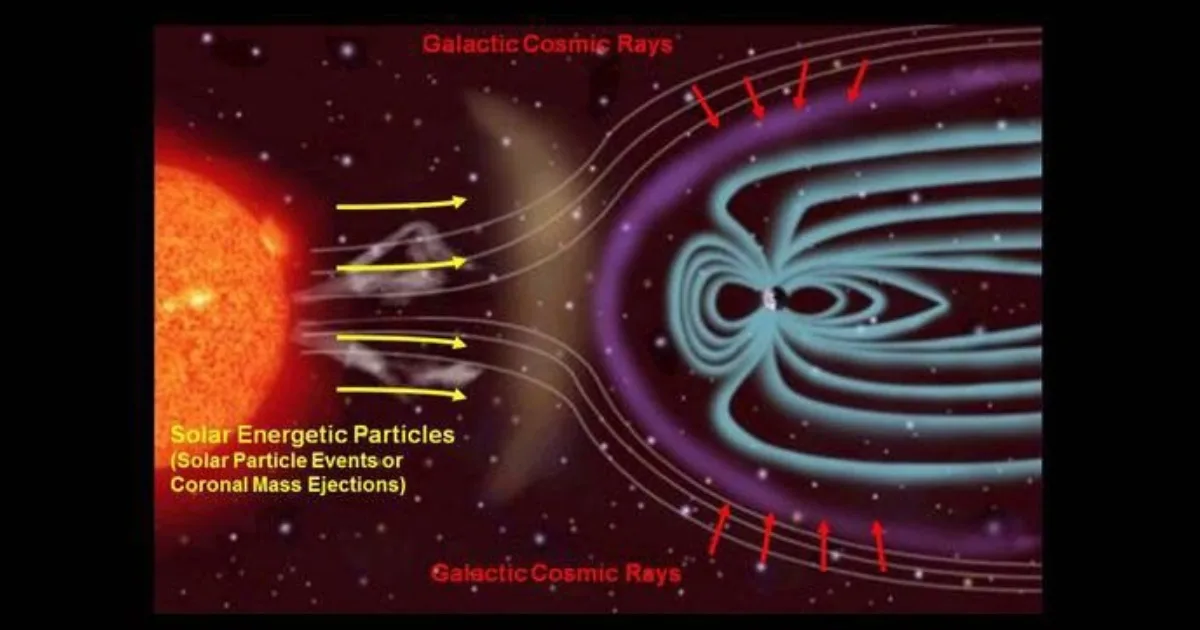
IMAGE SOURCE: NZOKA JOHN/GETTY IMAGES

Space travel sounds incredible? These 5 space hazards could change your mind

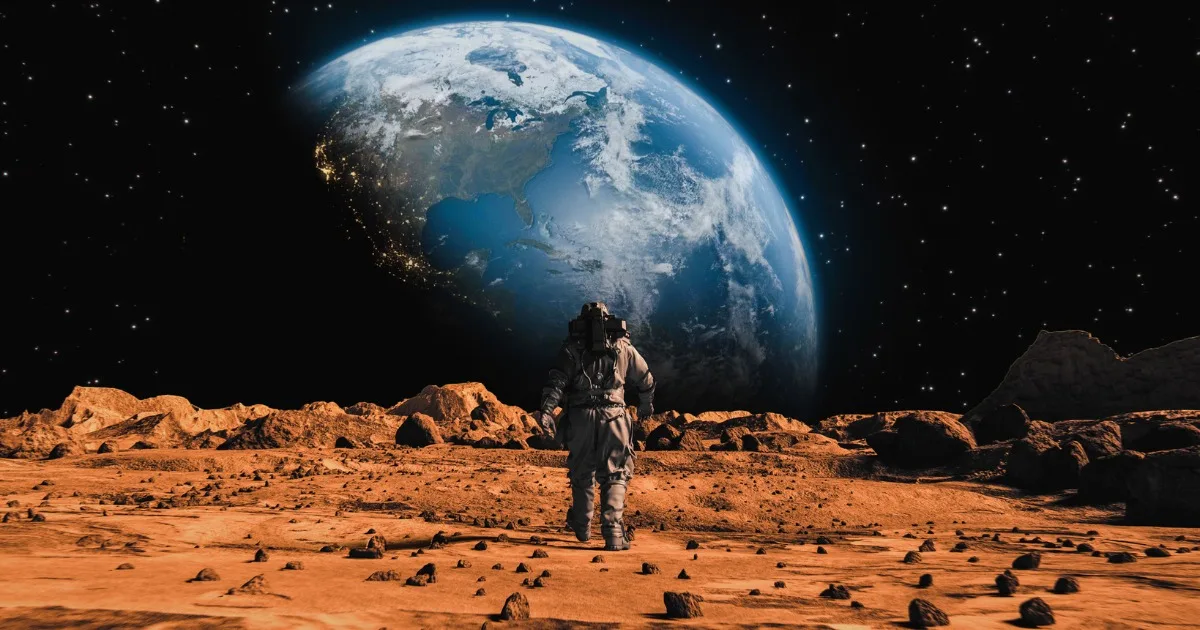
For decades, humanity has looked toward Mars as the next giant leap in space exploration. Deep space travel, however, is strewn with invisible dangers that can seriously harm astronauts.

NASA’s Human Research Program has identified five hazards that astronauts will have to face during a mission to Mars.

This image is an illustration showing an astronaut walking on Mars.

2 / 6
Why space radiation is more dangerous than most people realize
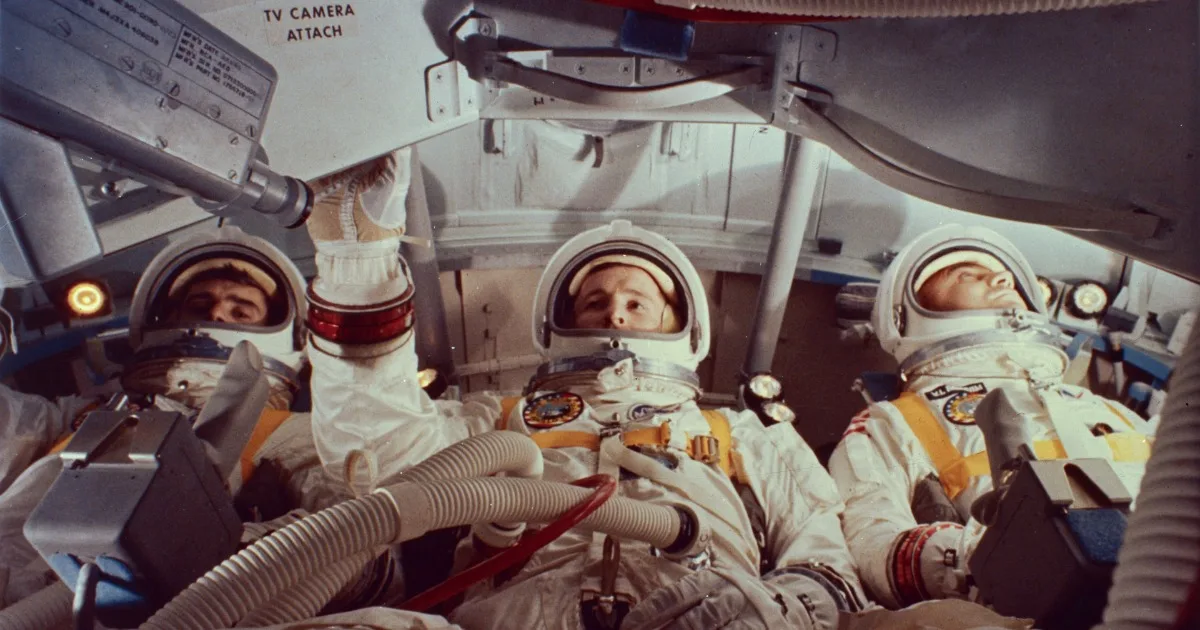
IMAGE SOURCE: NASA/JPL-CALTECH/SWRI

Why space radiation is more dangerous than most people realize

Our planet has a protective magnetic field and atmosphere. But once astronauts step out of this protective zone, they are subjected to the ionizing radiation of space. High-energy galactic cosmic rays originating in supernovas, solar particle events, and coronal mass ejections are a huge threat to astronauts.

Astronauts exposed to space radiation can develop acute radiation sickness during the mission, while long-term effects include cardiovascular diseases, central nervous system issues, and even cancer.

NASA scientists are trying to understand the effects of space radiation on the human body better so that adequate measures may be taken to protect astronauts on deep space missions.

This image is an illustration showing sources of ionization radiation in interplanetary space.

3 / 6
How isolation and confinement can push astronauts to their limits
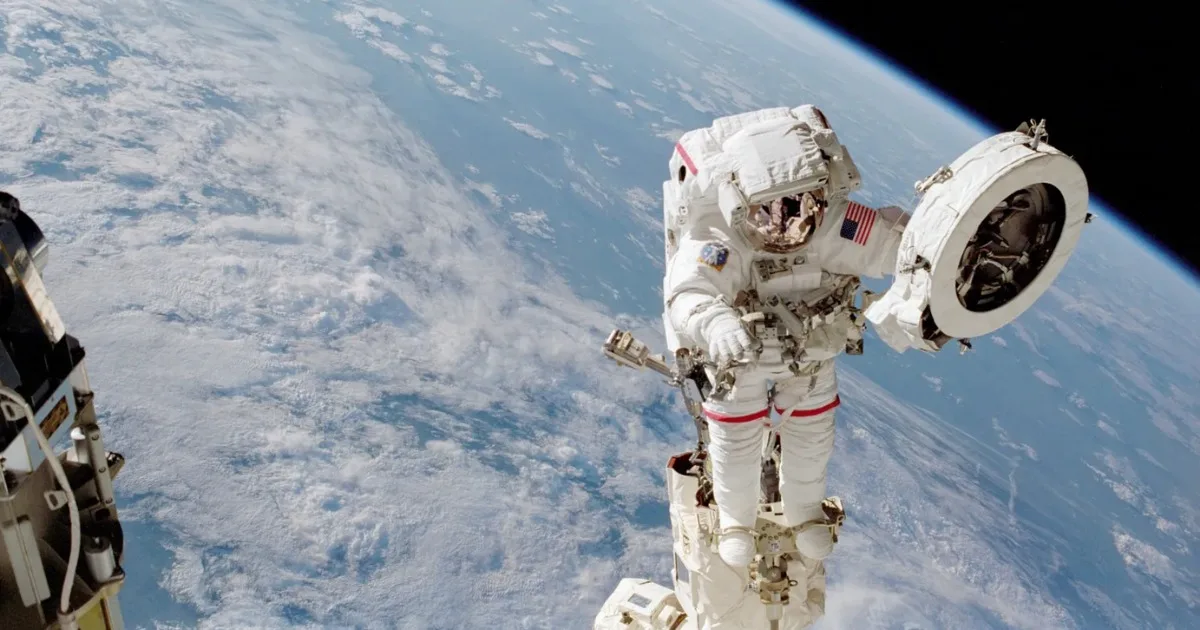
IMAGE SOURCE: MPI/GETTY IMAGES

How isolation and confinement can push astronauts to their limits

While space presents physical dangers, some of the biggest challenges may come from the effects of prolonged isolation. A mission to the Red Planet will last for years. And for that entire duration, the astronauts will have very little interaction with anyone outside of their own crew. This kind of isolation and confinement, combined with circadian desynchronization and heavy workload, can affect the astronauts' performance and can negatively impact their health.

To address these risks, researchers are developing methods to monitor behavioral health so that they can come up with tools to make deep space missions a little easier for astronauts.

This image shows astronauts Virgil I. Grissom, Edward White, and Roger Chaffee inside a practice module for the aborted Apollo 1 mission at Cape Kennedy in 1967. All three astronauts, unfortunately, later lost their lives when a fire swept through the oxygen-filled Command Module during a pre-flight test on 27 January 1967.

4 / 6
Earth could be too distant for quick rescue once astronauts set out for Mars
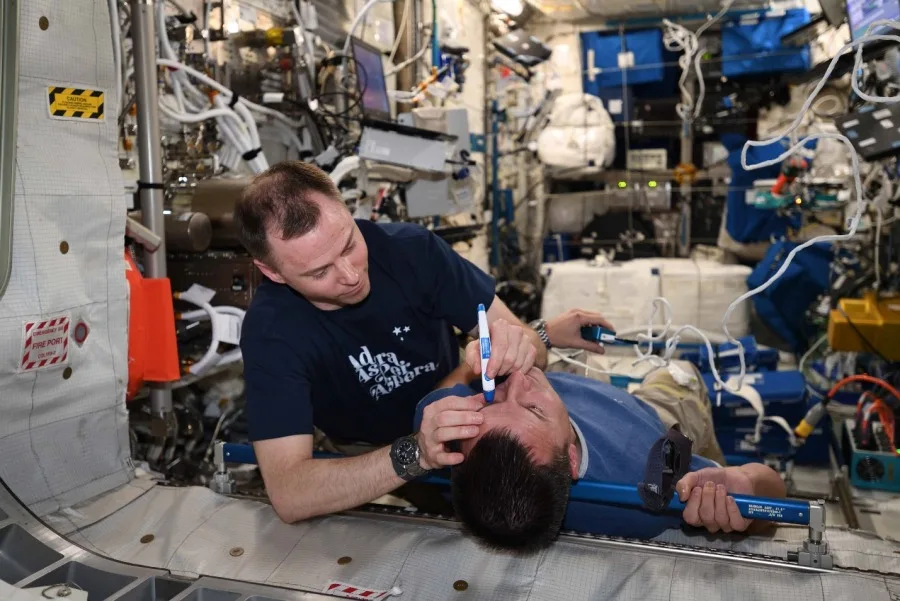
IMAGE SOURCE: NASA

Earth could be too distant for quick rescue once astronauts set out for Mars

On average, the Red Planet is 140 million miles away from Earth. Due to this vast distance, astronauts chosen for the mission will leave the Blue Planet for approximately three years. 

Additionally, they would also face a one-way communication delay of up to 20 minutes. Thus, it is of utmost importance for the crew to keep their rations, medical emergency supplies, and other essential items in abundance. However, even with all the necessary precautions taken, any equipment failure or unprecedented disruption might make rescue operations difficult due to the distance between the two planets. 

The image shows Franklin R. Chang-Diaz during an STS-111 mission spacewalk back in June 2002.

5 / 6
How moving between gravity fields can take a toll on astronauts
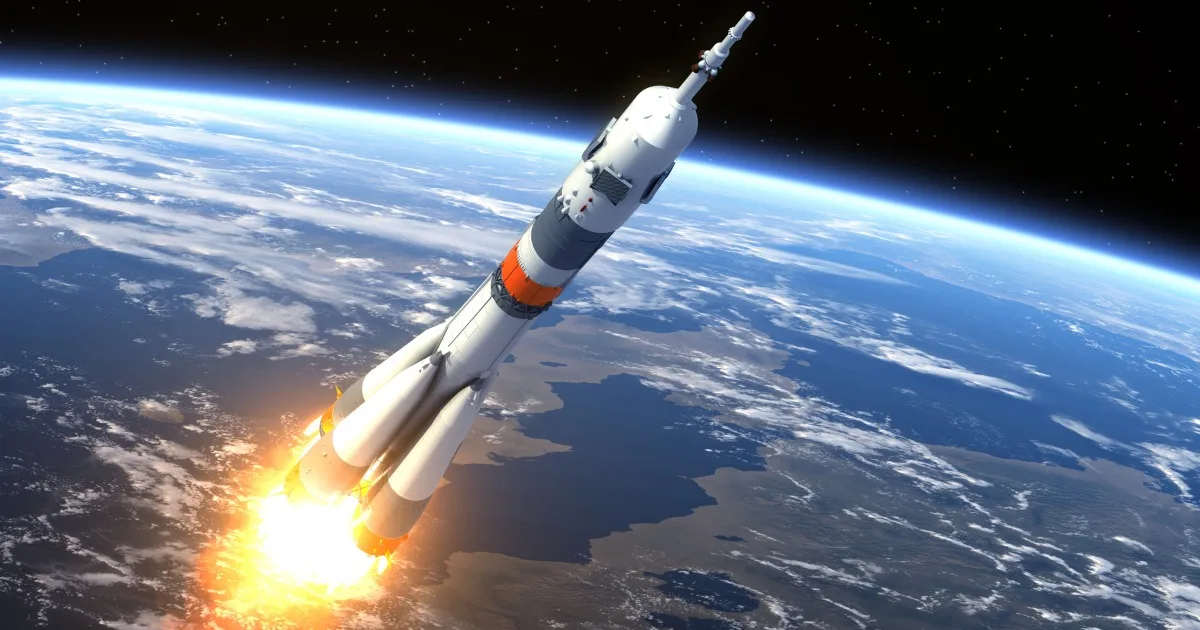
IMAGE SOURCE: NASA

How moving between gravity fields can take a toll on astronauts

When astronauts travel to space, they experience a change in gravity. And while it might not sound critical, the implications it can have on the human body can be brutal. For example, during a mission to Mars and back, astronauts will have to encounter a total of three gravitational fields.

Initially, for the first six months, when the astronauts are approaching Mars, they will experience weightlessness. Next up, upon setting foot on the Red Planet, the crew will experience approximately one-third of Earth's gravity. Again, when the team makes it back to Earth, the gravity field will change accordingly.

When not made to work against Earth's gravitational load, weight-bearing bones lose 1-1.5% of mineral density per month. Moreover, water in the body shifting upwards due to the lack of gravity can put pressure on the eyes, causing visual impairments.

The image shows NASA astronaut Nick Hague collecting intraocular pressure from NASA astronaut Andrew Morgan for the Fluid Shifts study.

6 / 6
The closed environment of spacecraft can become hostile
IMAGE SOURCE: 3DSCULPTOR/NASA/GETTY IMAGES

The closed environment of spacecraft can become hostile

Microbes can become more dangerous in space. The cramped environment of a spacecraft can make it easier for microorganisms to travel from one person to another. Moreover, closed habitats may elevate stress levels and can also impact the immune system, thereby making astronauts even more vulnerable to infections. 

The image is a stock photo of a carrier rocket launch.

MORE GALLERIES

American company plans to 'create' gravity to stay longer in space 5

American company plans to 'create' gravity to stay longer in space

Jun 19, 2026
Neil deGrasse Tyson explains how Artemis missions would lay the groundwork for Mars exploration 5

Neil deGrasse Tyson explains how Artemis missions would lay the groundwork for Mars exploration

Jun 13, 2026
Artemis III astronaut reveal: Landmark photos of NASA’s next crew heading toward lunar exploration 11

Artemis III astronaut reveal: Landmark photos of NASA’s next crew heading toward lunar exploration

Jun 10, 2026
NASA declares its Mars spacecraft MAVEN dead, but its legacy lives on 12

NASA declares its Mars spacecraft MAVEN dead, but its legacy lives on

Jun 6, 2026
What would happen if Earth got too close to a black hole? NASA has a terrifying answer 6

What would happen if Earth got too close to a black hole? NASA has a terrifying answer

Jun 4, 2026
James Webb uncovers dark matter shaping unseen cosmic web of the universe 7

James Webb uncovers dark matter shaping unseen cosmic web of the universe

Jun 3, 2026
Blue Moon 2026 in pictures: Stunning views of the rare lunar event and year's smallest full Moon 6

Blue Moon 2026 in pictures: Stunning views of the rare lunar event and year's smallest full Moon

Jun 1, 2026
Scientists thought a black hole forming before its galaxy was impossible — then James Webb spotted one 7

Scientists thought a black hole forming before its galaxy was impossible — then James Webb spotted one

May 29, 2026
Mars revealed like never before by NASA's Psyche spacecraft in breathtaking new images 6

Mars revealed like never before by NASA's Psyche spacecraft in breathtaking new images

May 28, 2026
NASA offers a fresh look at how astronauts could live at future Moon Base 12

NASA offers a fresh look at how astronauts could live at future Moon Base

May 27, 2026
Aliens may not be green creatures but purple beings 6

Aliens may not be green creatures but purple beings

May 26, 2026
Starship V3 launch: Spectacular photos of SpaceX’s most powerful rocket in flight 9

Starship V3 launch: Spectacular photos of SpaceX’s most powerful rocket in flight

May 25, 2026
Why Stephen Hawking warned humanity to leave Earth before it’s too late 8

Why Stephen Hawking warned humanity to leave Earth before it’s too late

May 24, 2026
Scientists think advanced civilizations like ours may not last long—it may explain the Great Silence 8

Scientists think advanced civilizations like ours may not last long—it may explain the Great Silence

May 23, 2026
'If it's all true... bring out the alien': Neil deGrasse Tyson demands hard evidence of alien life after UFO files release 5

'If it's all true... bring out the alien': Neil deGrasse Tyson demands hard evidence of alien life after UFO files release

May 22, 2026
Spacecraft already in space may help scientists find alien life 7

Spacecraft already in space may help scientists find alien life

May 21, 2026
10 breathtaking celestial spectacles that skywatchers must not miss in 2026 10

10 breathtaking celestial spectacles that skywatchers must not miss in 2026

May 19, 2026
6 upcoming space missions that could help humanity move beyond Earth 6

6 upcoming space missions that could help humanity move beyond Earth

May 18, 2026
Powerful words from NASA astronauts that still inspire the world today 8

Powerful words from NASA astronauts that still inspire the world today

May 16, 2026
Starlust.org is part of the Scale Content Inc. publishing group.

Google Source

About Us
Editorial Guidelines
Privacy Policy
Cookie Policy
Terms of Use
Contact Us
Link to Facebook
Link to Instagram

© Scale Content Inc. 1178 Broadway, 3rd Floor #3469, New York, NY 10001, United States