James Webb uncovers dark matter shaping unseen cosmic web of the universe
James Webb map reveals dark matter’s early cosmic influence
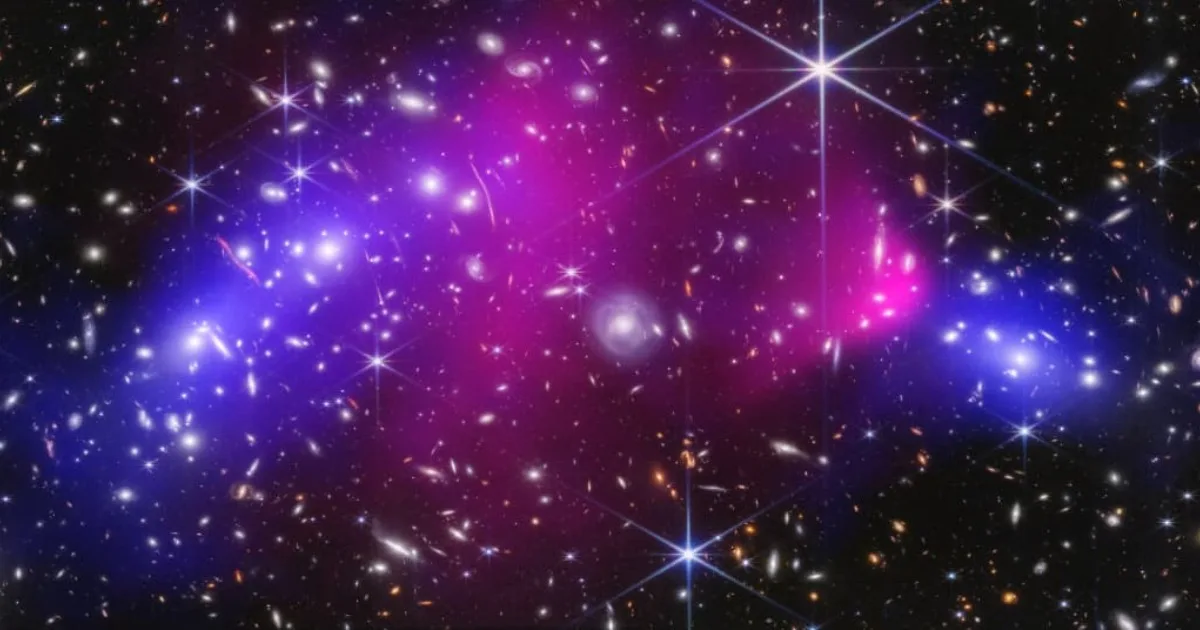
The concept of dark matter has remained a mystery for decades, existing predominantly as a theoretical explanation rather than a directly visible phenomenon. Despite its true nature not having been fully deciphered, recent findings from the James Webb Space Telescope (JWST) have provided unprecedented insights into dark matter. According to researchers, these latest perspectives strengthen the understanding that dark matter subtly helped shape the universe long before planets or stars existed. However, because it does not interact with light, dark matter still remains invisible to direct observations, despite its gravitational influence being undeniable.
The image released on June 30, 2025, combines observations from NASA’s Chandra X-ray Observatory and the James Webb Space Telescope (JWST) to generate a visualization of dark matter within the Bullet Cluster.
NASA plans larger dark matter surveys after Webb breakthrough
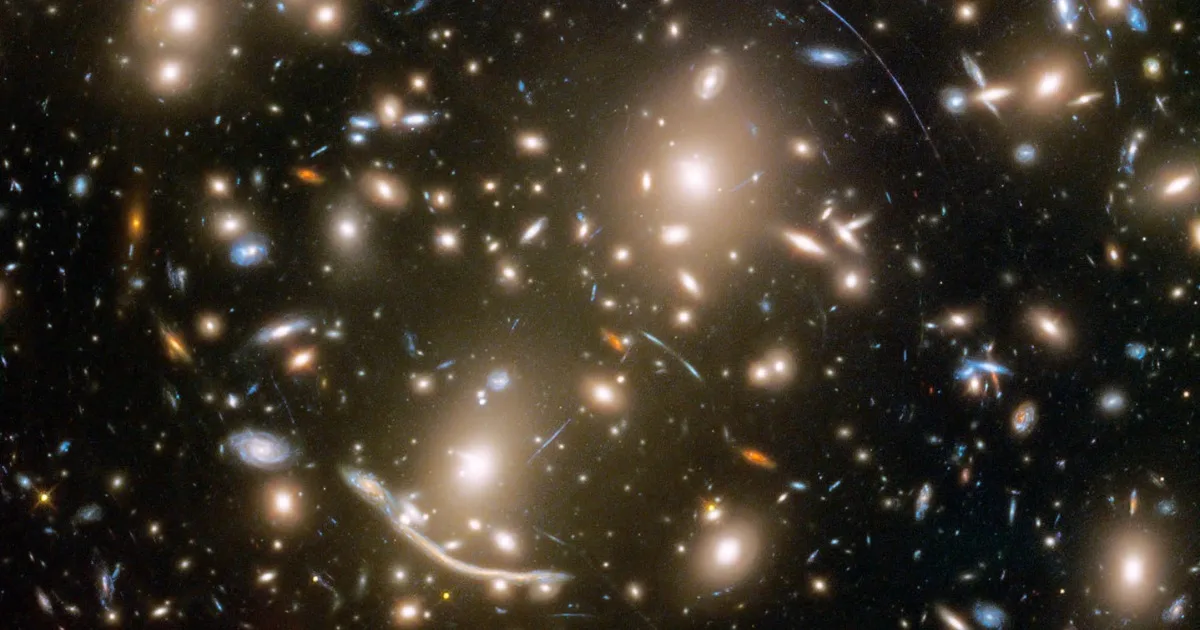
Following JWST's recent breakthroughs, NASA is advancing its dark matter surveys. A groundbreaking new dark matter map was produced using hundreds of hours of observations of a particular region of the sky known as the COSMOS field, located in the constellation Sextans. By analyzing the light from distant galaxies, researchers noticed many appeared stretched, faint, or distorted. These distortions are signatures of gravitational lensing, a phenomenon where unseen mass bends the fabric of space itself., creating a magnifying glass-like effect.
This image captured by the Hubble Space Telescope showing mysterious blue light arcs among galaxies, an example of gravitational lensing.
Mapping unseen cosmic mass reveals web-like universe structure
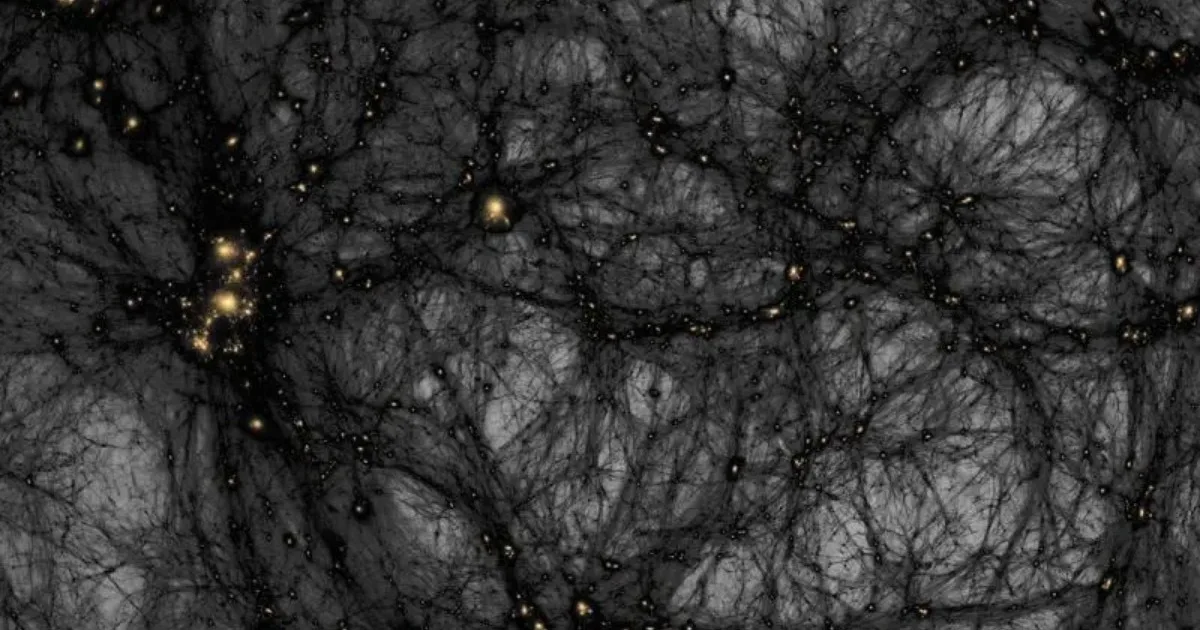
As distant light shifts from its path, scientists carefully study the lensing pattern to determine the presence and approximate location of massive amounts of unseen mass. Interestingly, a web-like pattern emerges, where dense knots of dark matter are found near galaxy clusters, while thinner strands stretch in between.
The image shows a simulation of the cosmic web of dark matter.
How dark matter paved the way for galaxy formation
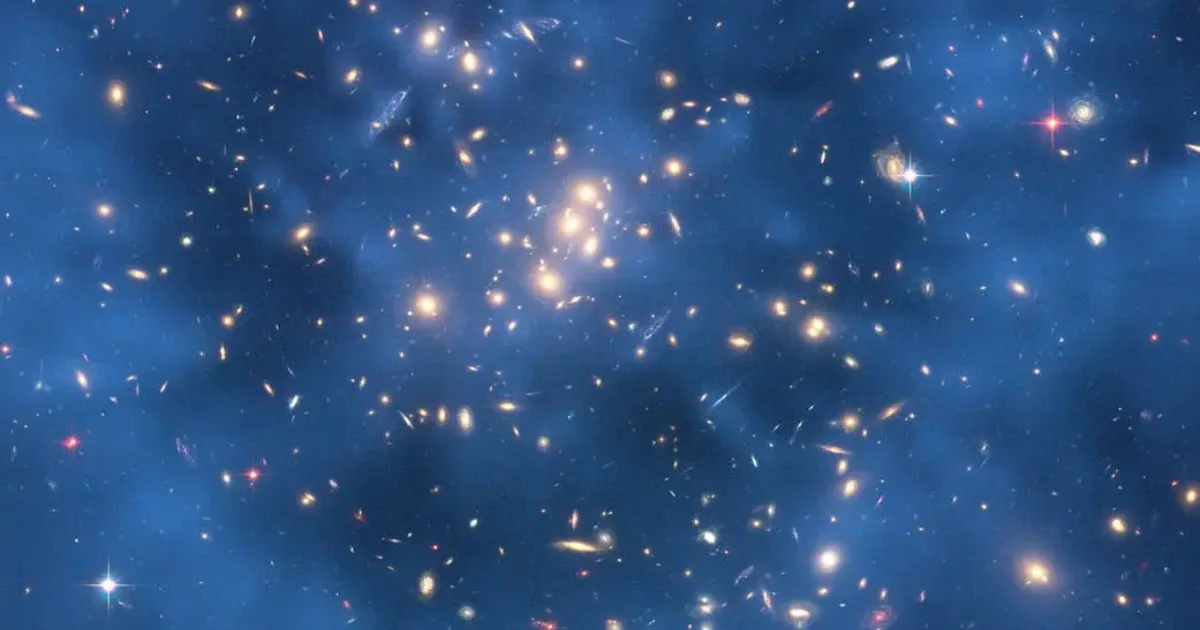
The COSMOS-Web map reveals a stark correlation between dark matter and ordinary matter. Interestingly, dark matter is dense near galaxy clusters, while it is quite sparse in voids where galaxies thin out. According to researchers, such a correlation is not coincidental; rather, gravity plays the central role. Over billions of years, dark matter is believed to have attracted gas and dust, in turn fostering the necessary conditions for the formation of galaxies.
The photo is a Hubble Space Telescope image revealing a ghostly ring of dark matter surrounding the center of the galaxy cluster CL0024+17.
JWST improves COSMOS mapping over earlier Hubble surveys
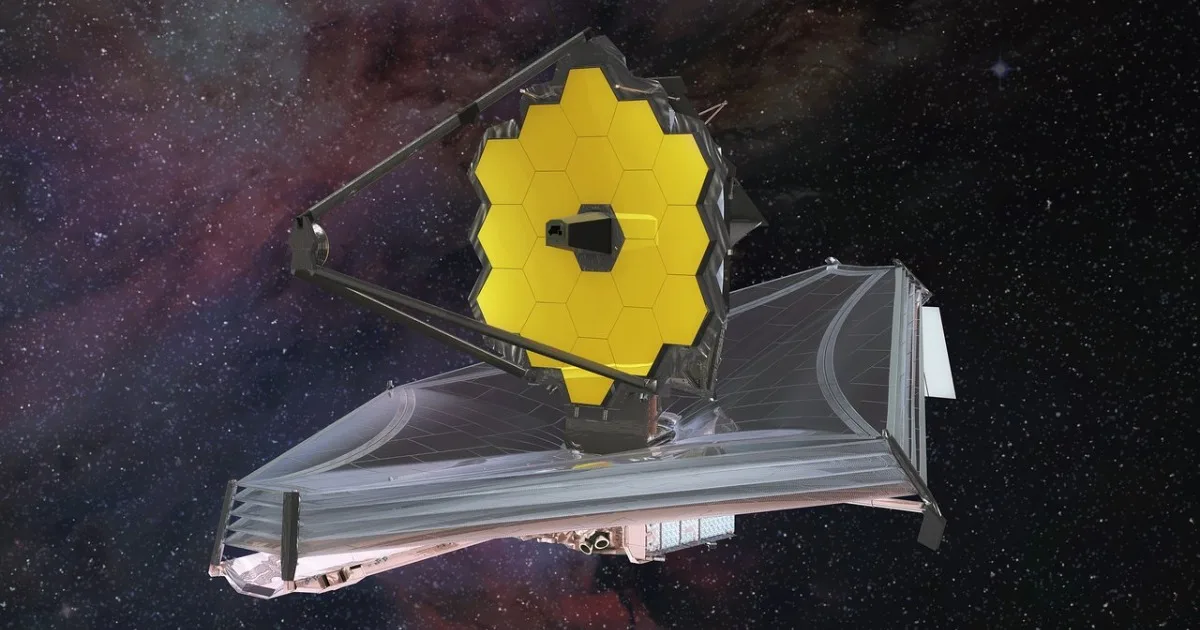
Dark matter surveys have been conducted for decades. For example, the COSMOS region was extensively observed with the Hubble Space Telescope dating back to the mid-2000s. However, these older surveys lacked exact distance measurements and captured far fewer galaxies. Thankfully, these limitations are addressed with the new James Webb Space Telescope, whose infrared instruments make it easier for researchers to measure galactic distances accurately and peer through cosmic dust.
The image is an illustration showing the James Webb Space Telescope (JWST) in deep space.
How dark matter shaped the early universe
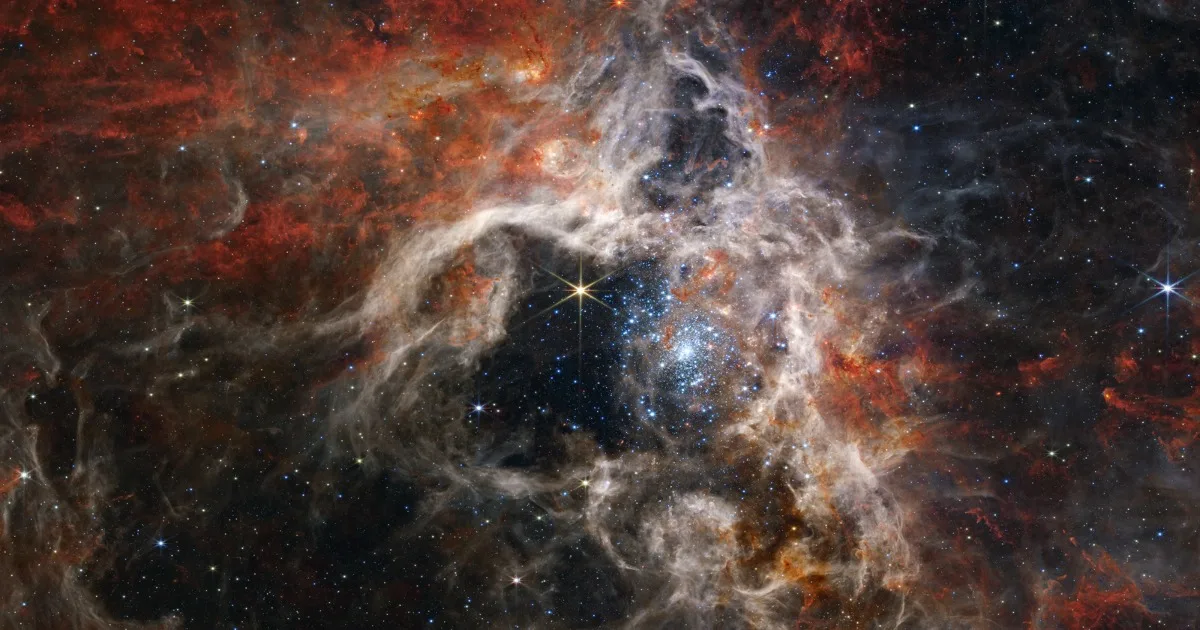
In the early universe, matter was incredibly dense but smoothly distributed. However, driven by tiny quantum fluctuations, dark matter is thought to have begun clumping first, creating deep gravitational wells. It was later that ordinary matter was pulled into these regions. This is an important sequence: without this invisible scaffolding created by dark matter, galaxies—and eventually, planets like Earth—would not have had the concentrated materials necessary to form.
The photo is a mosaic image captured by the Near-Infrared Camera (NIRCam) of the James Webb Space Telescope, displaying the star-forming region of the Tarantula Nebula.
The next era of dark matter mapping
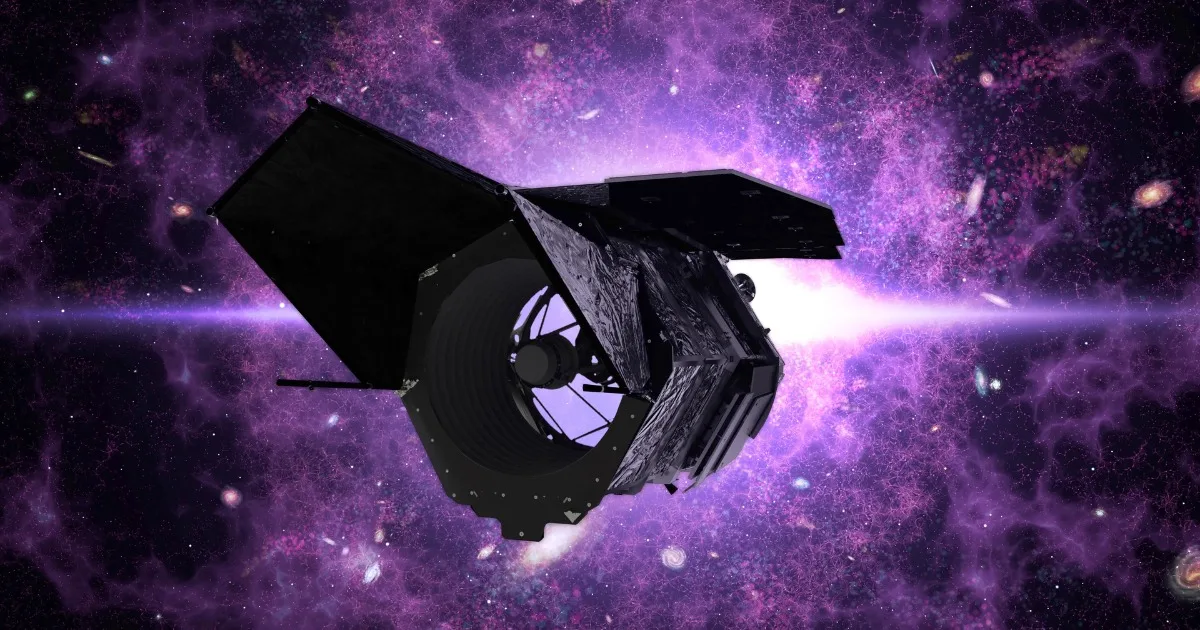
Even with these mapping breakthroughs, scientists do not expect the James Webb Space Telescope to provide all the answers. Future instruments, such as the Roman Space Telescope, will help map dark matter across much larger regions of the universe, complementing Webb’s highly detailed but narrower observations. By combining wide-area surveys with high-resolution data, astronomers hope to build a more complete picture of the dark universe.
An illustration of NASA's Wide Field Infrared Survey Telescope (WFIRST), now officially known as the Nancy Grace Roman Space Telescope. The observatory is named after Dr. Nancy Grace Roman, NASA's first Chief of Astronomy.