American company plans to 'create' gravity to stay longer in space
Microgravity seems fun, but it takes a toll on astronauts
Astronauts in space experience several physical and health challenges. Microgravity causes a significant loss in bone and muscle density. Living without gravity also affects the immune system, heart health, and even cognitive functions. But things might change if we manage to build a space station that can create artificial gravity by spinning.
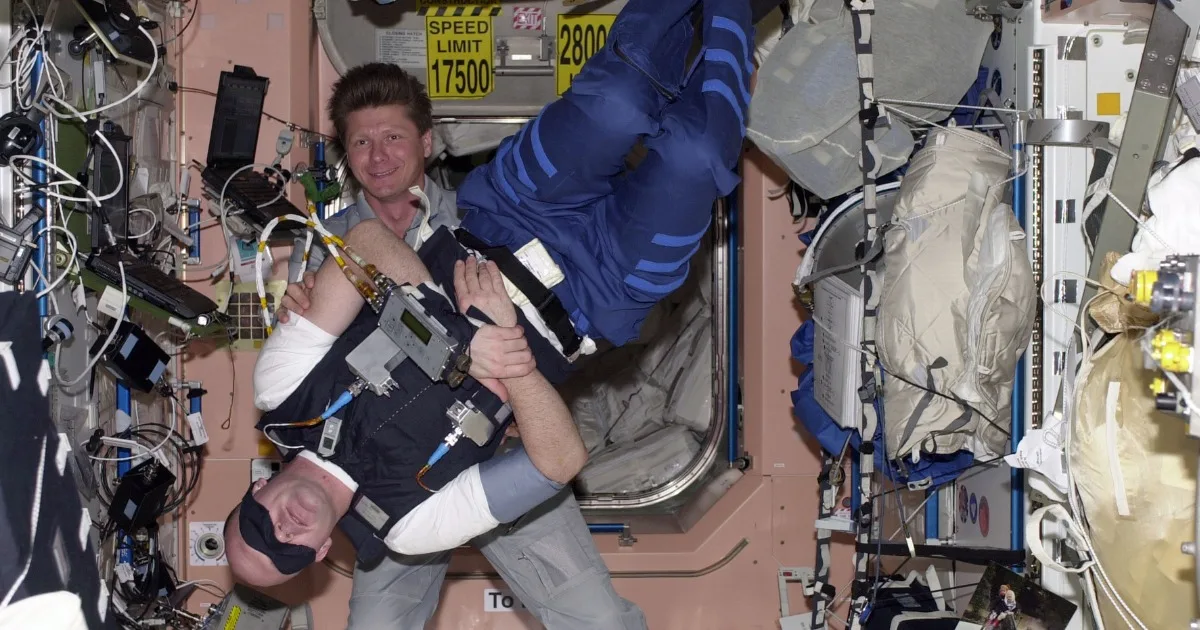
The image shows astronauts working aboard the International Space Station (ISS). European Space Agency astronaut Andre Kuipers can be seen performing a scientific experiment with assistance from Russian cosmonaut Gennadi Padalka.
Artificial gravity space station: Realistic or just stuff of sci-fi?
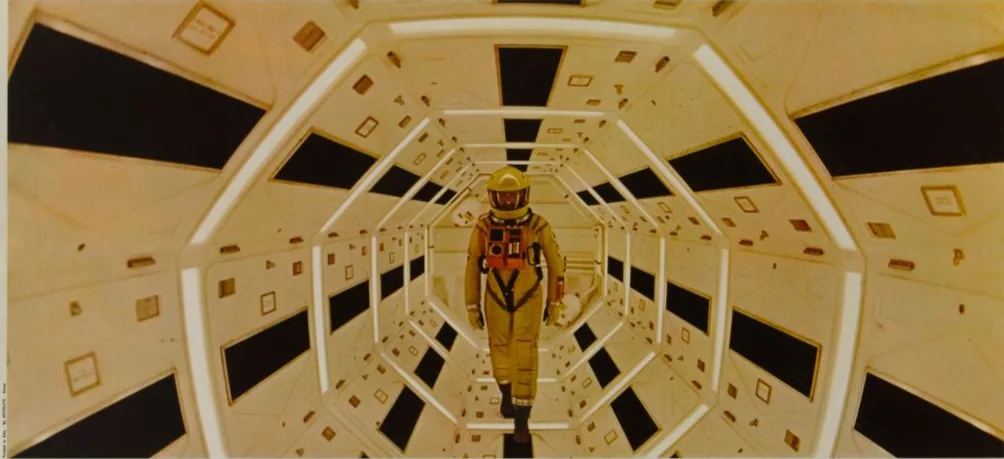
The concept of a rotating artificial gravity spacecraft has been explored in sci-fi films like the iconic ‘2001: A Space Odyssey’ (1968) and the more recent ‘Project Hail Mary’ (2026), which is based on an Andy Weir book of the same name.
But just because it has stayed within the confines of sci-fi so far doesn't necessarily mean that the concept is not realistic.
In fact, the idea was initially proposed by the Russian rocket scientist Konstantin Tsiolkovsky and was later endorsed by Wernher von Braun, who was the chief architect of NASA's Saturn V launch vehicle that put Americans on the Moon.
The whole idea essentially boils down to this: when a spacecraft rotates at a certain speed, it creates an outward force that pushes astronauts to the floor, thus creating artificial gravity.
The image is still from '2001: A Space Odyssey' starring Gary Lockwood.
What U.S. company Vast is planning for its rotating space station
Space agencies have given serious thought to building artificial gravity space stations. NASA, in fact, began working on the Nautilus-X rotating wheel space station in 2011. But that did not work out due to budget constraints.
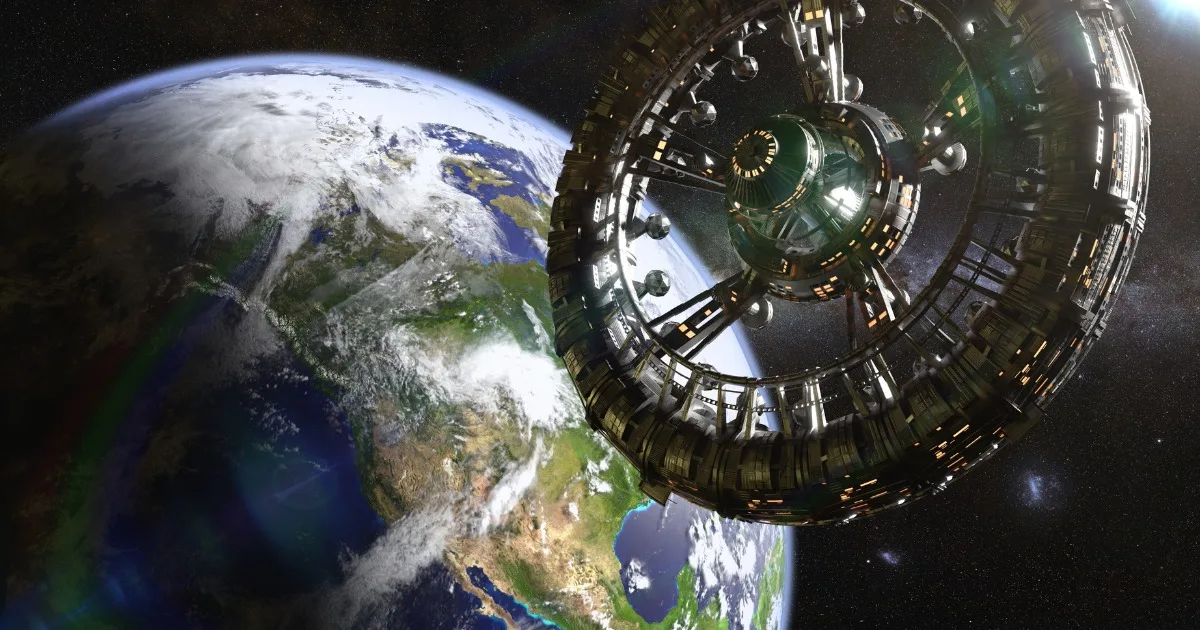
Now, Vast, a California-based aerospace company, is planning to begin work on its own artificial gravity space station, which will rotate end over end at 3.5 rpm and house a crew of 40. The motivation is simple: enable humans to stay longer in space.
The image shows an artist's illustration of Vast's artificial gravity space station.
Artificial gravity space stations can make deep space travel easier
“One of the problems with the humans in space is they suffer bone loss and muscle loss because of the side effects of living in microgravity, but if you can create an artificial gravity space station, you’re now living in the gravity environment we’re in here," said Tom Shelley, vice president of private crew recruitment at Vast. "Theory suggests that, therefore, you can spend longer in space, and you can therefore explore further and deeper into space."
The founder of the company, Jed McCaled, in fact, wants to see millions living across the solar system so that civilization can carry on while Earth is preserved.
The image is a 3D rendition of a futuristic space station.
'Before you can spin a space station...'
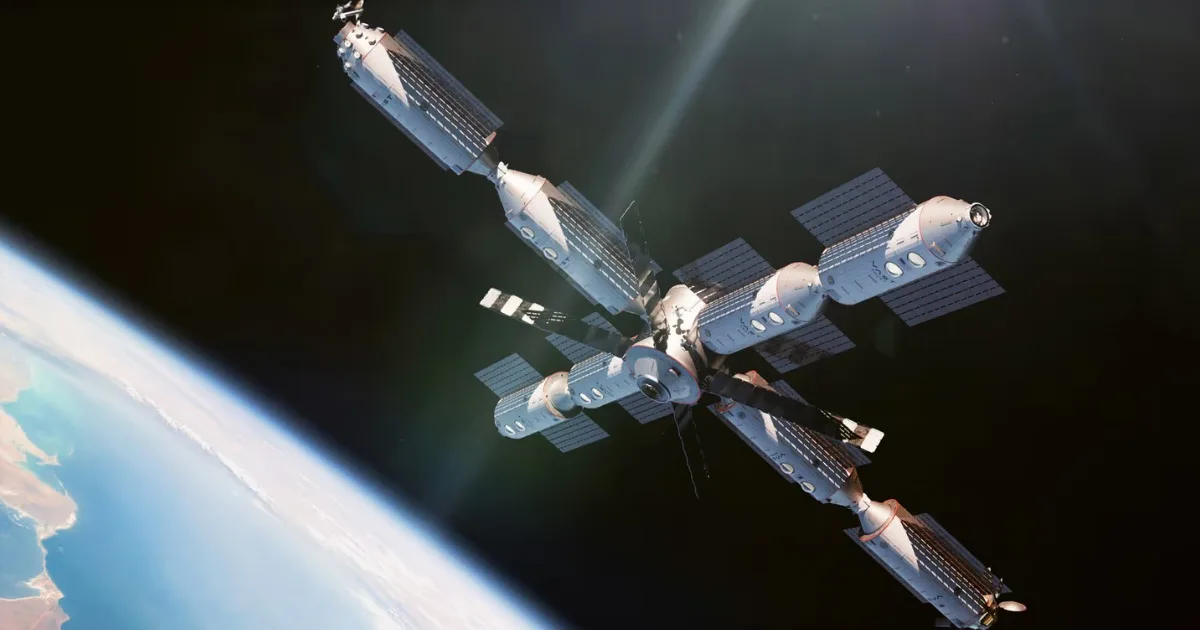
As exciting as the idea sounds, Vast is in no rush and is taking an incremental approach to realize its ultimate vision. The company is planning on launching Haven-1 next year, which could become the world's first commercial space station. It will be followed by Haven-2, which is expected to be operational by 2030 and could become the successor to the International Space Station, which is scheduled to be retired in the same year.
"Before you can spin a space station to create artificial gravity, you have to learn how to build and operate a station, and that’s really what Haven-1 and Haven-2 is about,” explained Shelley.
The image shows a digitally rendered snap of Vast’s Haven-1.