Cosmonaut spent months in space—by the time he returned, his country was gone
Russian cosmonaut Sergei Krilalev left for space but returned to a vanished homeland
Imagine you embark on a space mission, knowing one day you will return home. But when it's time for you to come back, you find out your homeland no longer exists on the world map. While this might sound like a science fiction plot, for Russian cosmonaut Sergei Krilalev, the nightmare was for real. Back in 1991, Krikalev got deployed to the Mir space station on a Soyuz capsule. Unfortunately, as the Soviet Union dissolved, Krikalev’s five-month-long space mission turned out to be a 312-day-long stay in space.
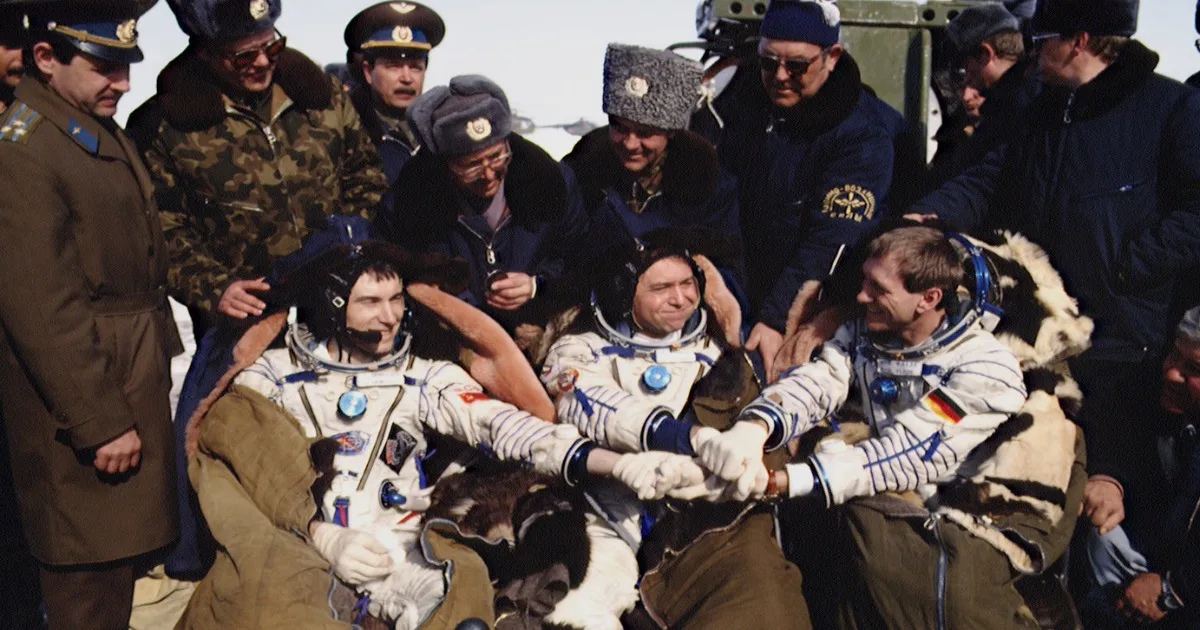
In this picture, the Russian cosmonaut can be seen alongside his fellow cosmonauts after returning to Earth on March 25, 1992.
How Sergei Krilalev repaired space, then returned to a changed world
Krikalev was accompanied by fellow scientist Anatoly Artsebarsky and British scientist Helen Sharman on the mission. The trio was in charge of doing repair work at the Mir space station. However, as Sharman left for home after eight days, Krikalev and Artsebarsky stayed back.
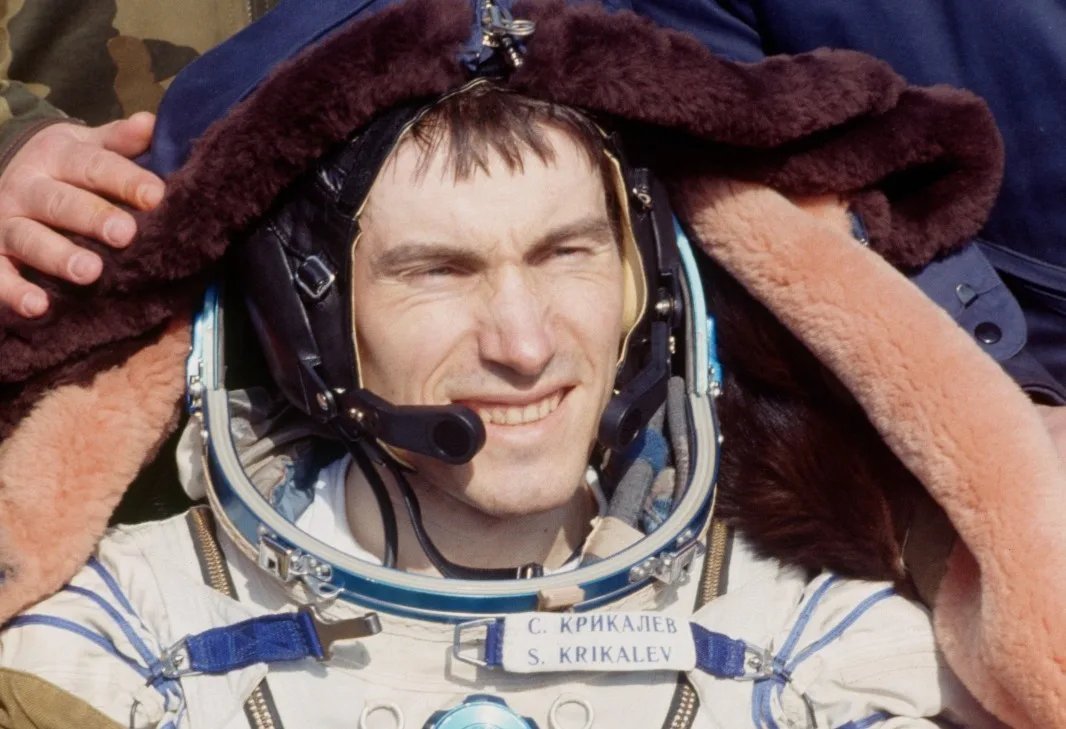
The image shows a close-up of Krikalev right after reaching Earth on March 25, 1992.
While Krikalev was in orbit, his country quietly disappeared from the map
While the Russian cosmonaut was having relatively calm days in orbit, tensions were spiraling within the USSR. With political instability affecting the USSR, the Soviet Union was moving closer to collapse. And this was bad news for Krikalev.
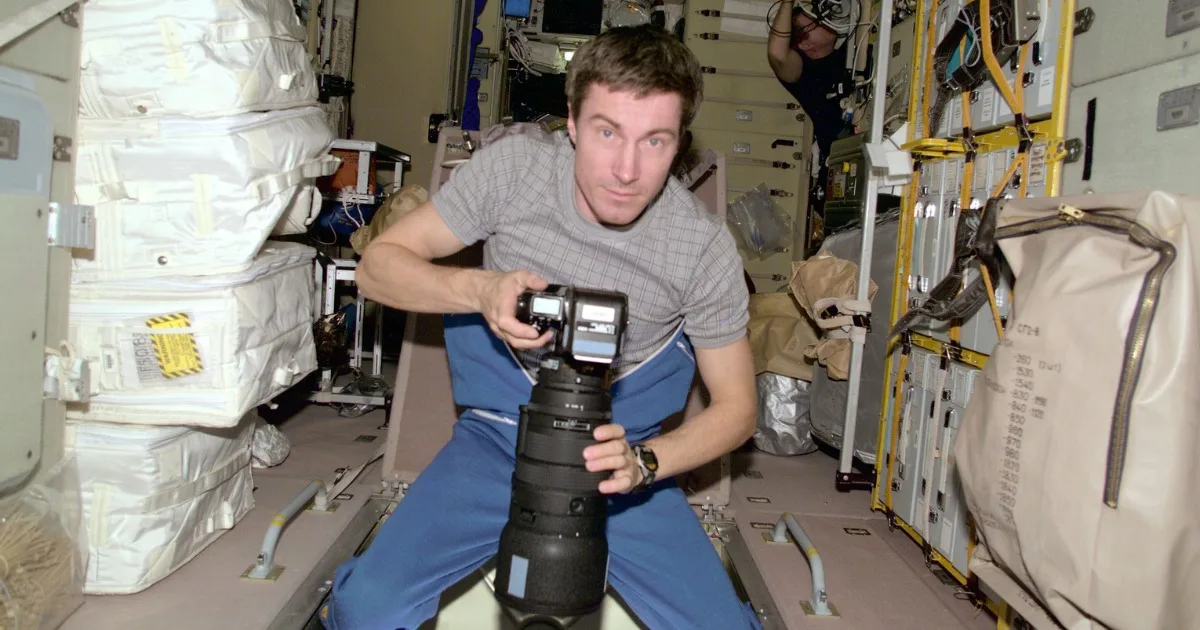
In the image, Krikalev is seen posing for a picture while working towards capturing geographic targets of opportunity through a viewing port on the International Space Station's Zvezda Service Module, in December 2000.
There was nothing Krikalev could do to save his country from orbit
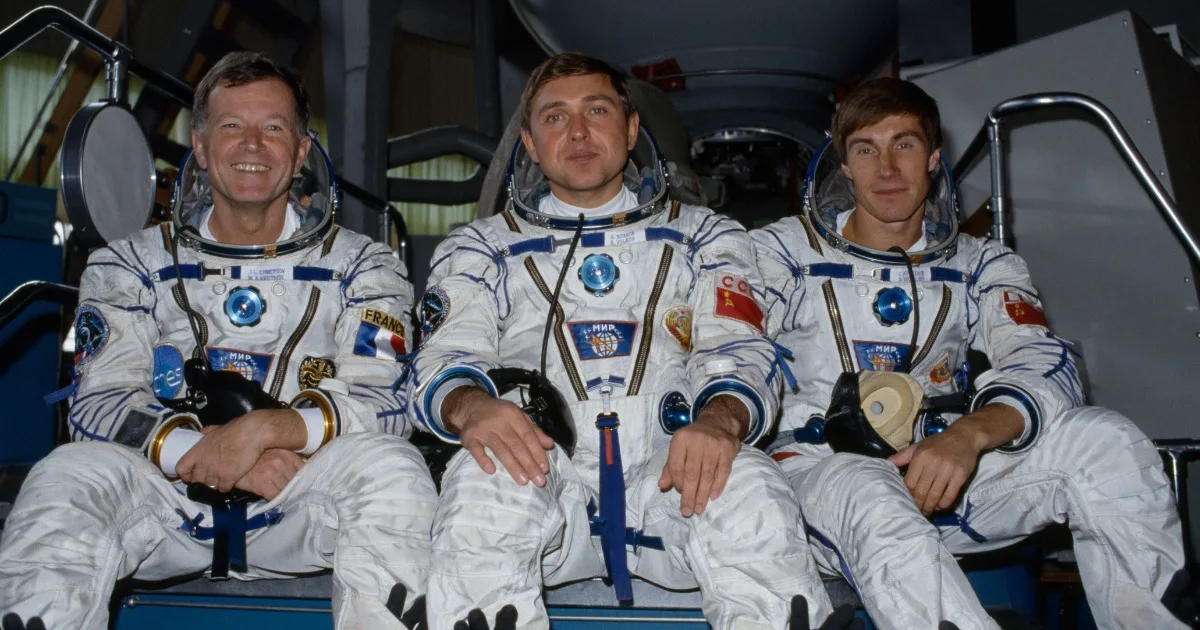
As the nations battled for independence, Kazakhstan emerged as one of the states asking for the same. Sensing the need to please the state, Moscow decided to offer the state a spot on the Mir space station to one of its cosmonauts. Unfortunately, for Krikalev, this meant that the Kazakh cosmonaut would now replace an experienced cosmonaut, who could have relieved Krikalev from Mir.
The picture, taken on 19 September, 1988, shows the French astronaut Jean-Loup Chrétien alongside Aleksandr Volkov and Sergey Krikalev. They spent 22 days carrying out a program of joint Soviet-French experiments.
Political scenario on Earth reshaped Sergei Krilalev’s mission in space
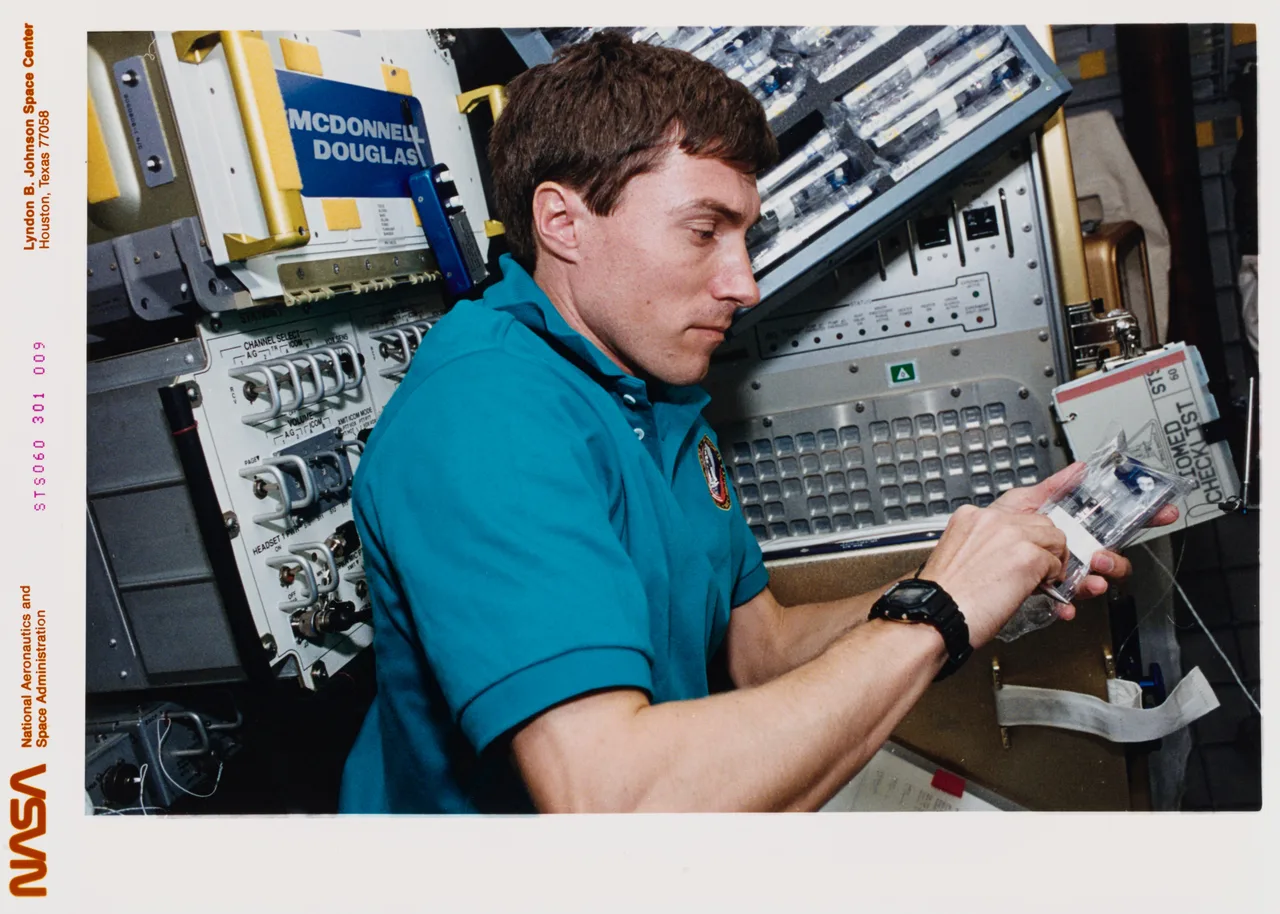
In the meantime, danger was brewing for Krikalev. He was not trained to stay at the space station for long, and now, his return to Earth was postponed until further notice. However, in December 1991, as Mikhail Gorbachev stepped down, it was decided to send three cosmonauts to relieve Krikalev’s stay in space.
The picture here depicts Krikalev working on sealing a set of biomedical samples in the Spacehab module prior to performing a Bioserve experiment during Space Shuttle Discovery mission STS-60, February 3 to 11, 1994. This was taken on February 1, 1994.
Sergei Krikalev remained stranded in orbit until Earth finally called him home
Krikalev's staying for a prolonged period in space put a lot of financial stress. To combat the problem, Russia initiated offers of space station vacation to the West. Thankfully, after almost a year, in March 1992, Krikalev received news that he would finally set foot on Earth again.
In this snap from December 14, 1998, Krikalev is spotted alongside his crewmates, holding a notebook onboard the Unity connecting module while he and two crewmates perform various tasks to ready it for its ISS role.
Sergei Krikalev returned from space to a different country
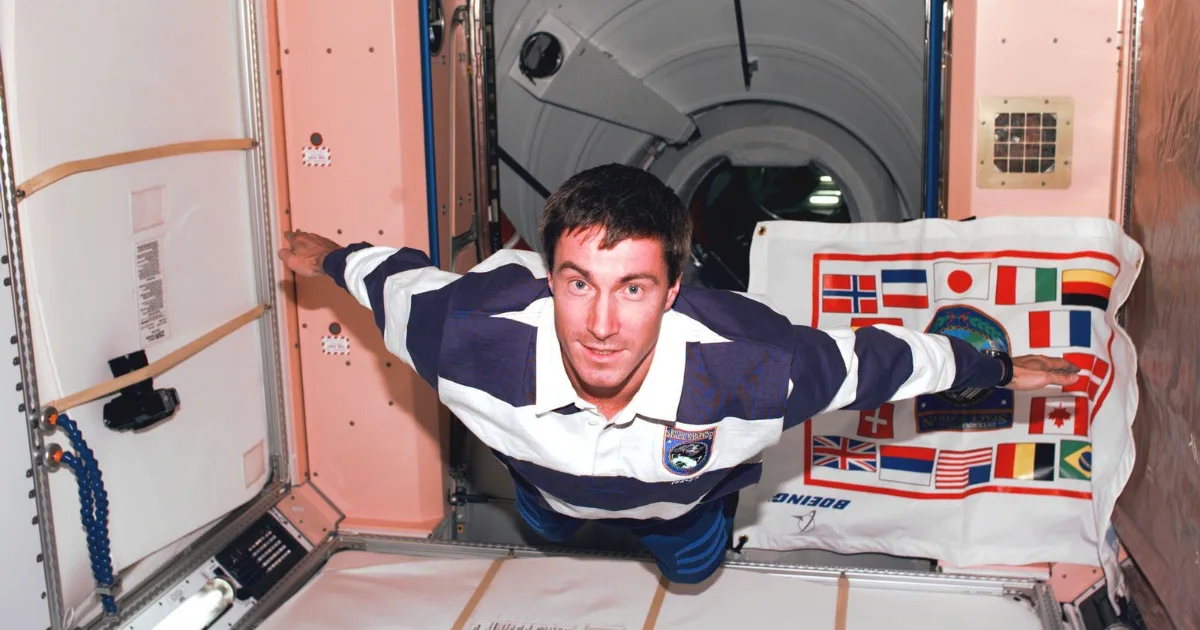
Krikalev’s return to Earth was supposed to be a celebratory occasion. But while his fellow crewmates rejoiced, the Russian cosmonaut faced yet another startling reality. After landing safely near Arkalyk in the newly independent Republic of Kazakhstan, he realized that his hometown of Leningrad no longer existed. It had once again become St. Petersburg, Russia.
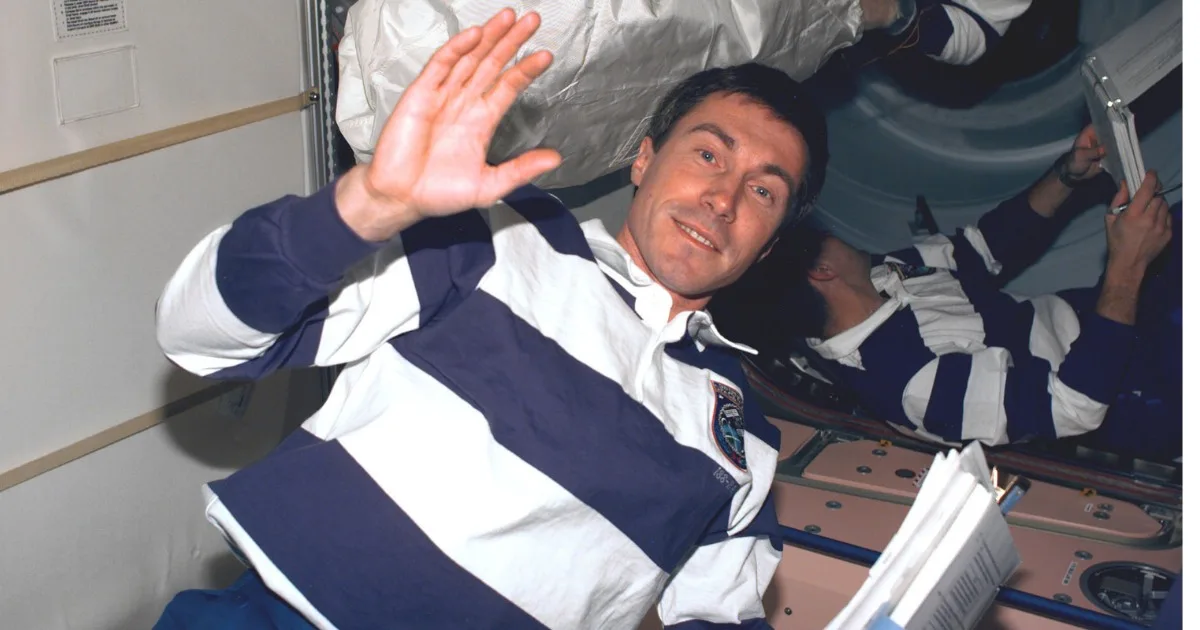
In the picture from December 14, 1998, the Russian cosmonaut is seen floating in the Unity module on Flight Day 8.
After almost a year in orbit, Krikalev was keen to return home
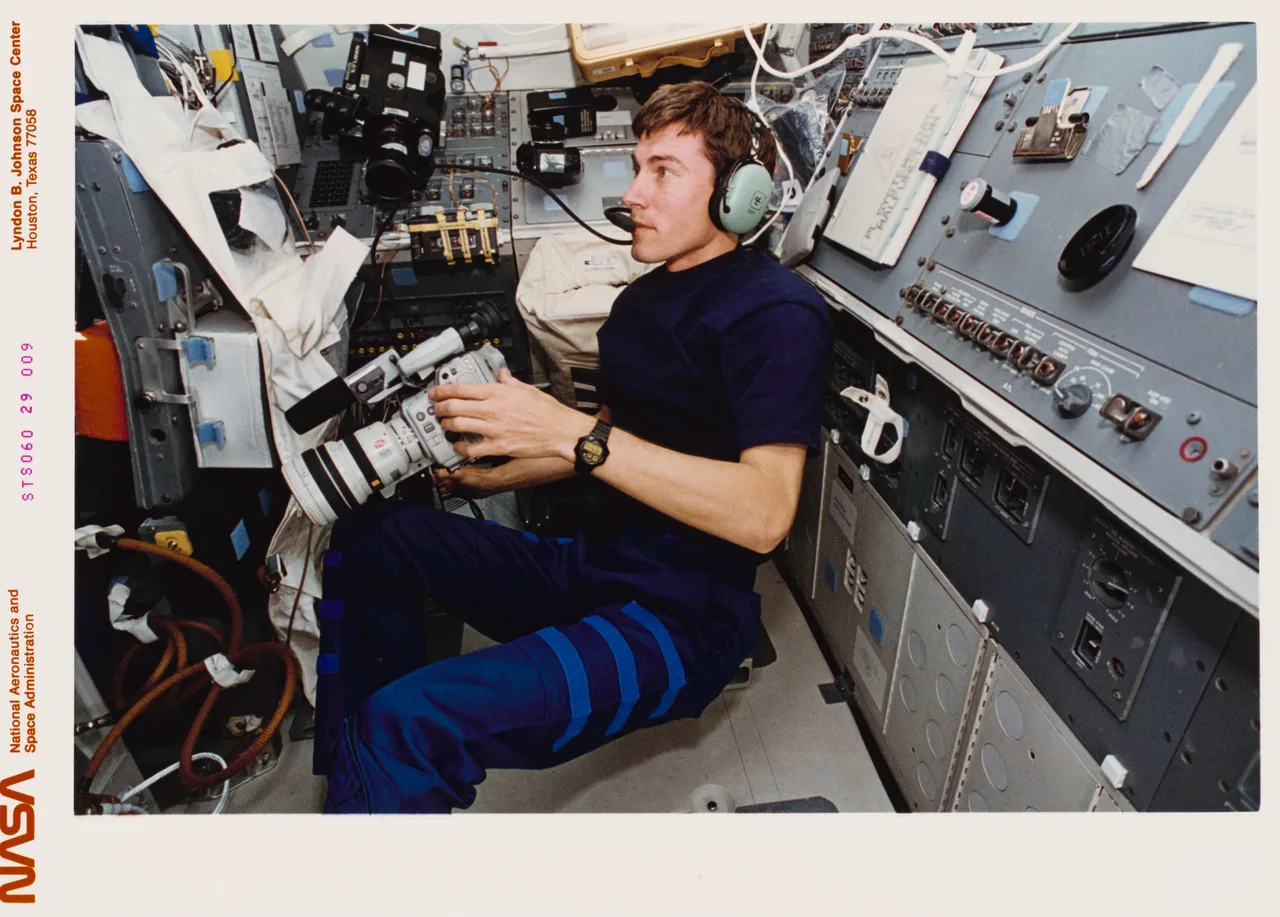
Spending a prolonged period in space requires a lot of dedication. But it also comes with a big health risk. Having spent 312 days in space, Krikalev showed significant physical damage, alongside bone weakening and muscle loss. But that did not deter him from going on future space missions.
In the picture from February 10, 1994, Krikalev is snapped communicating with students in Maine via the Shuttle's amateur radio experiment (SAREX) during the STS-60 Space Shuttle Discovery.
Krikalev called space 'home' away from his actual home
Recalling time in space with Krikalev, fellow astronaut Sharman stated, “He always said when he got into the space station, he felt like he was going home.” After all, having spent almost a year in space and then coming back to find his home missing, Krikalev remains, to this date, a stark example of dedication and commitment to his work.
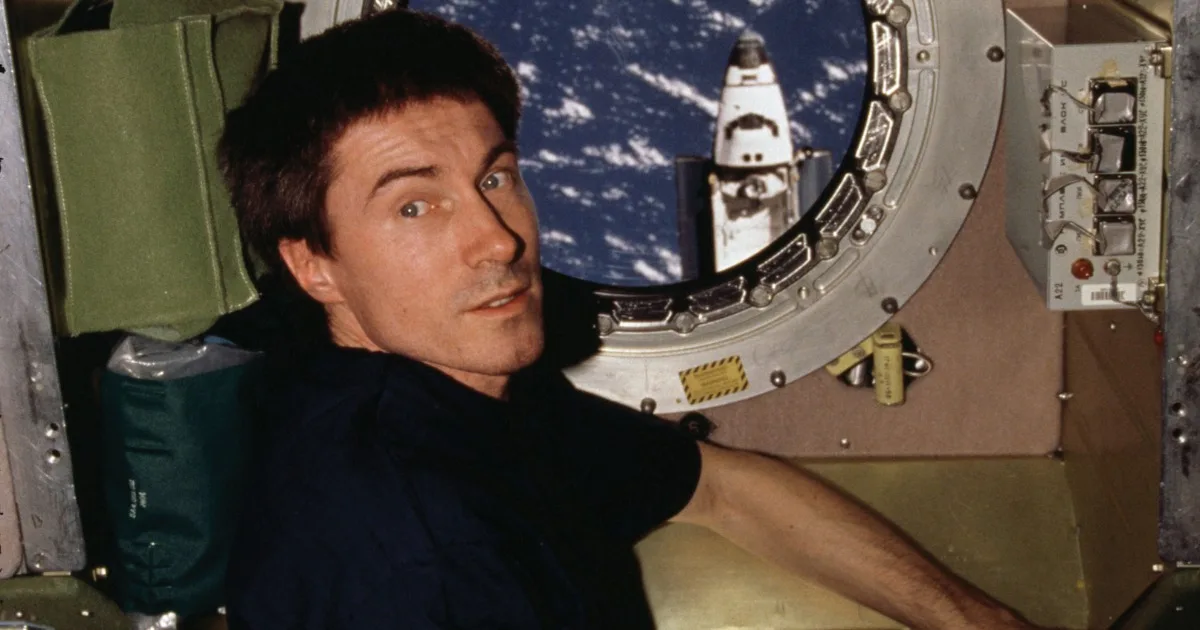
Sergei Krikalev is seen in this image positioned at a porthole on the Zvezda service module of the International Space Station during Expedition 1 as Space Shuttle Atlantis approaches for a link-up. The floating clouds can be spotted in this picture captured in November 2000.