Blue Moon 2026 in pictures: Stunning views of the rare lunar event and year's smallest full Moon
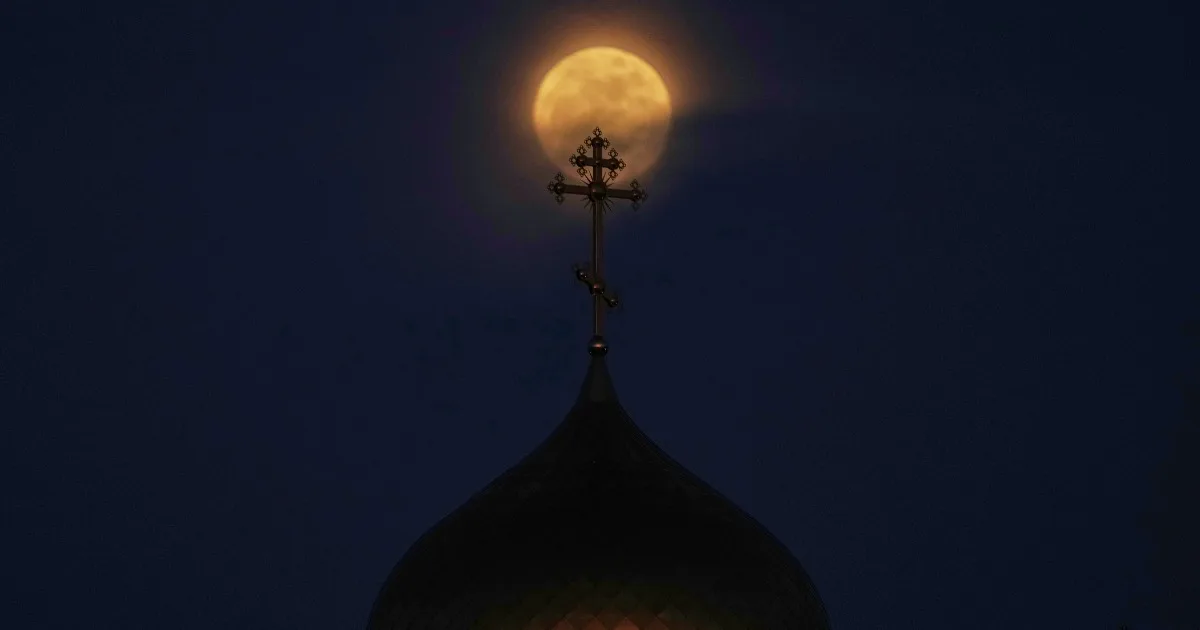
Smallest full Moon rises behind Cyprus Orthodox Church
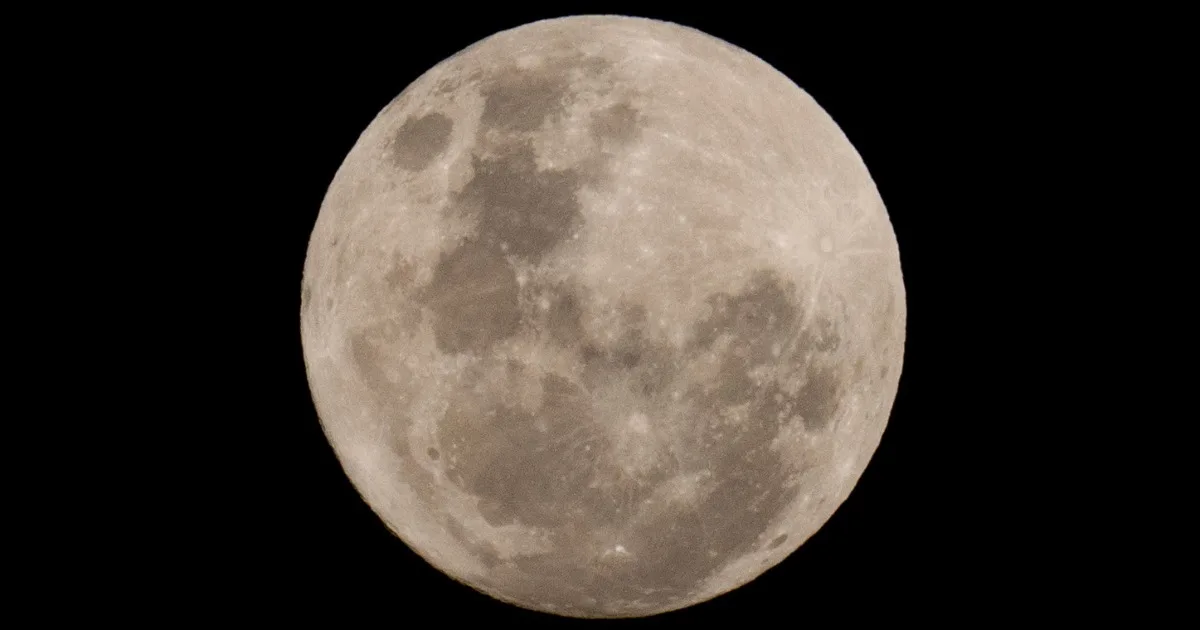
This Sunday, a special full moon graced the sky: The Blue Moon. It was the smallest full moon of the year and the second full moon in the month of May. Usually, a calendar month has only one full moon, as the interval between full moons (the synodic month) is approximately 29.53 days. However, because most calendar months are 30 or 31 days long, rare alignments like May 2026 can witness two full moons in one month.
The image shows a Blue Moon behind the Apostle Andrew's Russian Orthodox church at Episkopeio, Cyprus, on May 30, 2026.
Rare Blue Moon shines over Chile sky
Interestingly, a Blue Moon is not actually blue in color; it looks like a normal moon. According to Yang Jing of the Chinese Astronomical Society, a monthly Blue Moon usually appears every two to three years. The next Blue Moon is expected to appear in late December 2028 or January 2029, depending on your time zone.
The image shows this year's Blue Moon in the San Jose de Maipo outskirts of Santiago, Chile, on May 30, 2026.
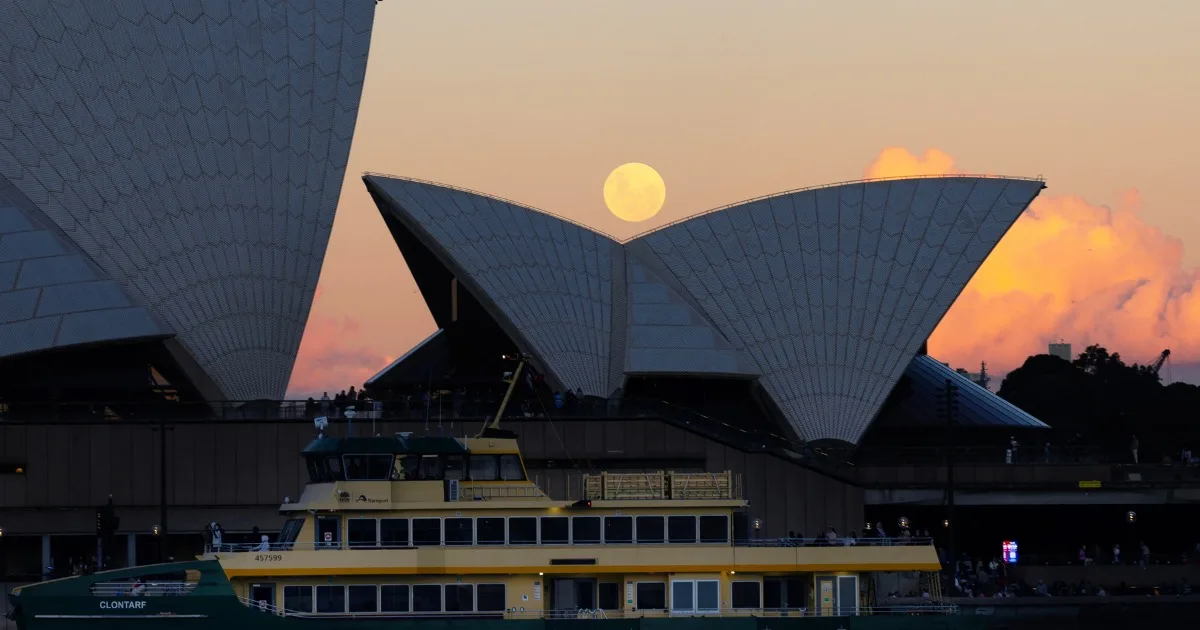
Rare Blue Moon rises over Sydney Opera House
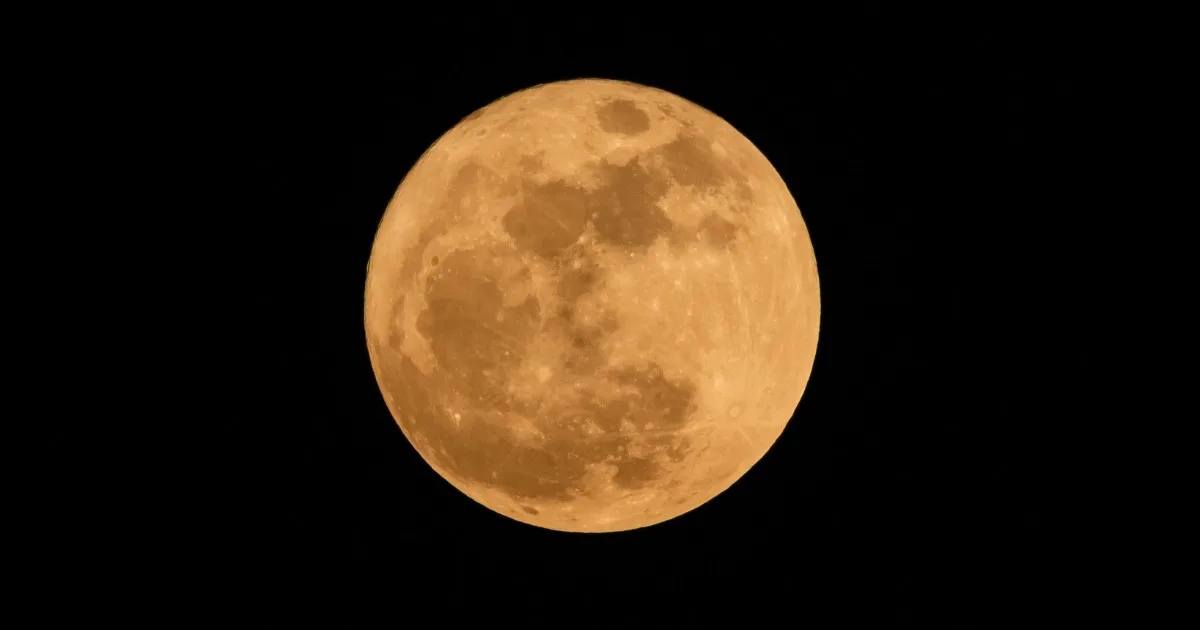
A Blue Moon that is also the smallest moon of the year is a rare occurrence, last happening in 2020. The phenomenon occurs when the full moon coincides with lunar apogee—the farthest point from Earth in its elliptical orbit. According to Yang, for a full moon to qualify as a "micromoon," the time gap between peak illumination and apogee must be under 24 hours. For example, on May 31, 2026, the moon reached peak illumination at 08:45 UTC. However, it did not reach exact apogee until 04:33 UTC on June 1, 2026. The time gap between the two was less than 20 hours, solidifying its status as the smallest moon of the year.
The image shows the Blue Moon rising above the Sydney Opera House, Australia, on May 31, 2026.
Largest full Moon of 2026 yet to grace the skies

Conversely, there are also exceptionally large supermoons. Because the moon’s orbit around the Earth is elliptical, its distance ranges from approximately 356,400 kilometers (221,500 miles) at perigee to roughly 406,700 kilometers (252,700 miles) at apogee. The difference in apparent diameter between these extreme full moons is roughly 14%, according to Yang. The largest full moon of the year is expected to happen on December 24, 2026.
The image shows the Blue Moon in Shenzhen, Guangdong Province, China on May 31, 2026.
Blue Moon draws skywatchers in Shenzhen on May 31, 2026
Interestingly, there is an older, astronomical definition for this phenomenon: a "seasonal" Blue Moon. This occurs when a single season contains four full moons, and the third moon in that sequence bears the ‘Blue Moon’ nickname. However, the May 31, 2026, event was a calendrical (or monthly) Blue Moon, not a seasonal one.
The image shows people taking pictures of the Blue Moon from Shenzhen, Guangdong Province, China, on May 31, 2026.
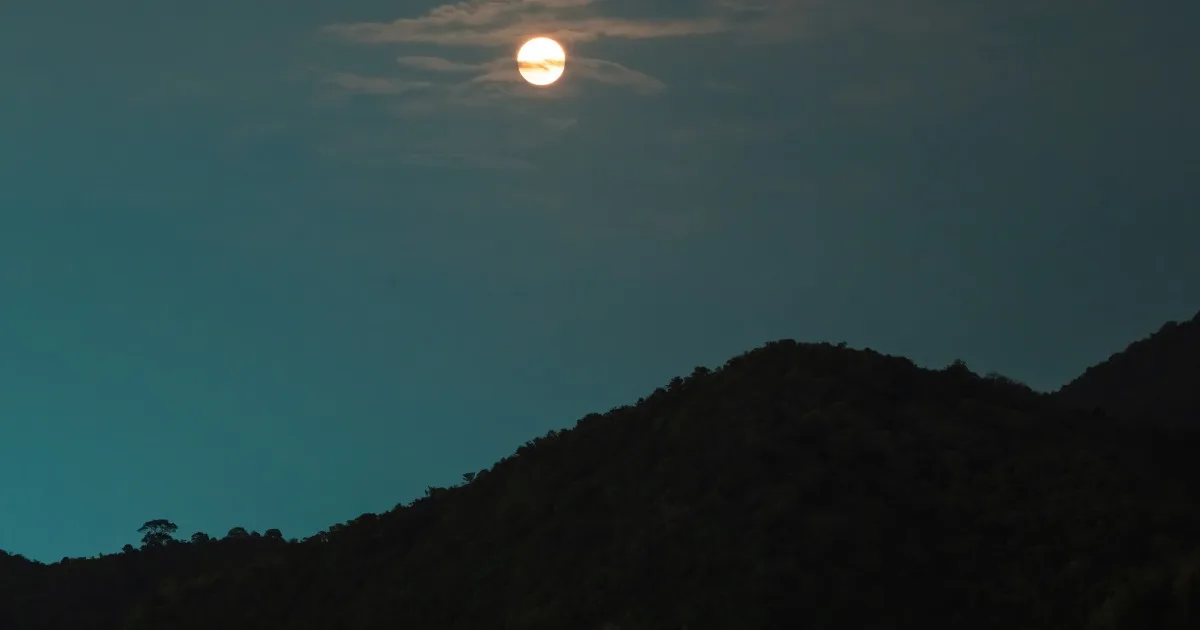
Blue Moon rising over coastal hills of Guangdong Province
Sitting opposite the Sun in the Earth’s sky, the Blue Moon reached its peak illumination at 4:45 AM EDT (08:45 UTC) on May 31, 2026. Observers across the Americas watched the celestial event unfold as the nearly full moon slowly rose over the eastern horizon at sunset on May 30, illuminating the night sky before peaking just before dawn.
The image is of a Blue Moon over the coastal hills of China’s Guangdong Province.