Iconic space photos captured by astronauts and the incredible stories behind them
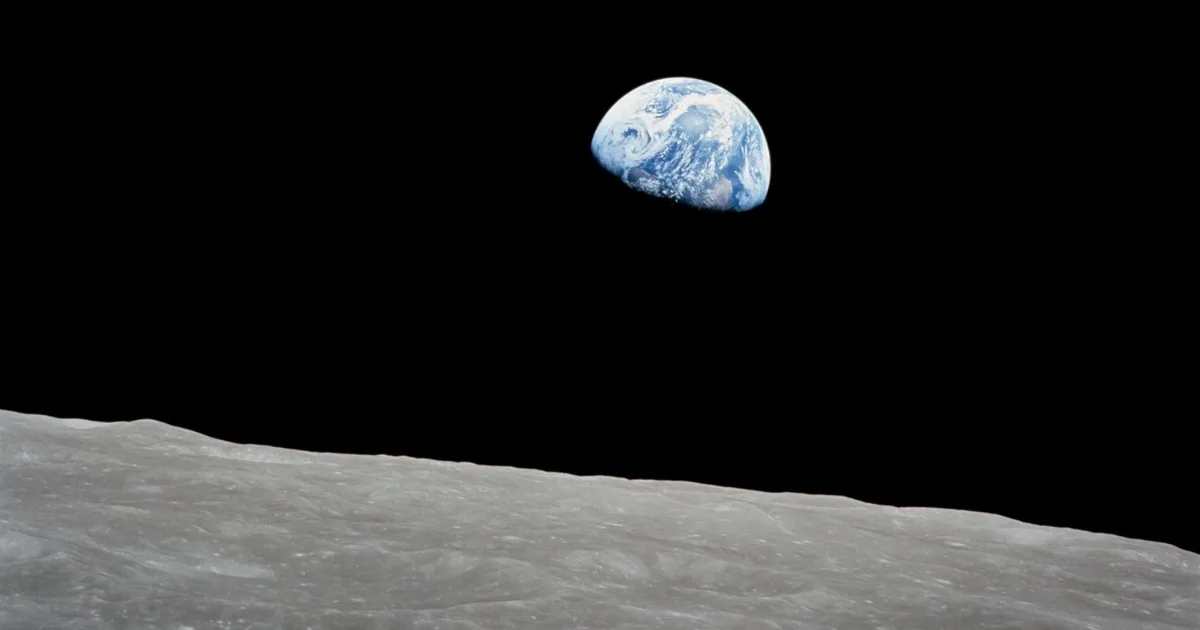
Bill Anders snapped Earth’s first cosmic pic from the Moon
William Anders — The “Earthrise” Photo
NASA astronaut William A. Anders, aka Bill Anders, captured the “Earthrise” while in lunar orbit on December 24, 1968. This image was captured when our planet was rising over the Moon's horizon. Anders served as the lunar module pilot on the Apollo 8 mission. Alongside Anders, the crew also had Frank Borman and Jim Lovell, and they became the first humans to orbit the Moon.
Before becoming an astronaut for NASA, Anders served as a fighter pilot for the US Air Force. Alongside Apollo 8, he was also a part of Gemini XI and Apollo 11 flights as the backup pilot.
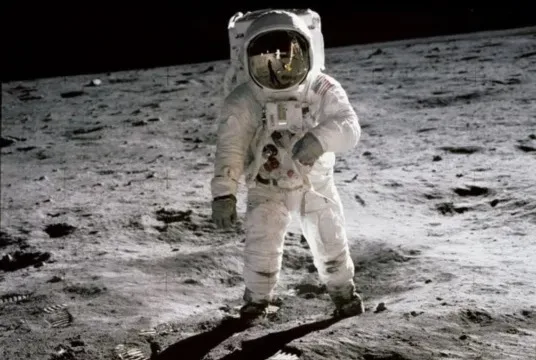
Buzz Aldrin’s visor accidentally captured humanity’s coolest Moon mirror selfie
Buzz Aldrin — The Visor Reflection Shot
Neil Armstrong and Buzz Aldrin were the crew members of Apollo 11 (1969), the first manned mission to the surface of the Moon. Aldrin became the second person, after Armstrong, to set foot on the surface of Earth's only natural satellite. This picture was captured during their Apollo 11 mission when lunar module pilot Aldrin was standing on the surface of the Moon.
On Aldrin's visor, we can spot the photographer and the first man to have stepped on the Moon, Neil Armstrong. This image later turned out to be one of the most iconic images from the Apollo 11 mission.
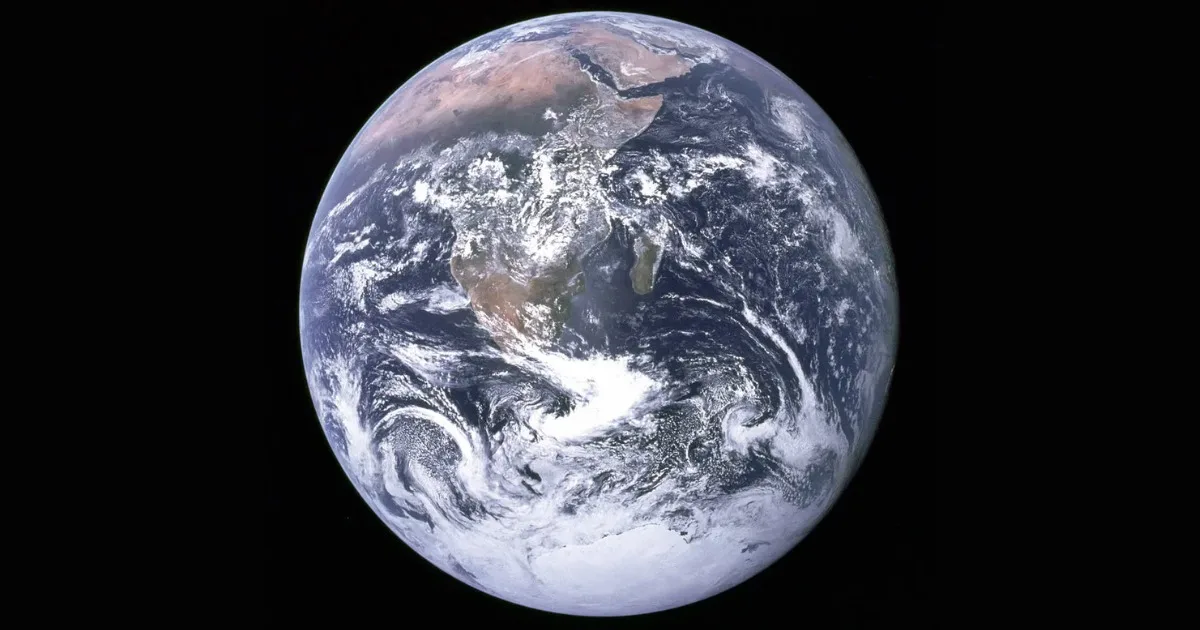
Harrison Schmitt turned Earth into our solar system's most beautiful floating blue marble
Harrison Schmitt — The Blue Marble
This was our Blue Planet as seen and captured by the Apollo 17 crew on their way to the Moon. The crew members for this mission were astronaut Eugene A. Cernan, commander; astronaut Ronald E. Evans, command module pilot; and scientist-astronaut Harrison H. Schmitt, lunar module pilot. This image was titled the Blue Marble because of its appearance and muted blue shade. In this image, Schmitt and team could capture the side of the Earth representing the Mediterranean Sea area to the Antarctic South polar ice cap. Adding to that, the photograph also reflects the entire coastline of Africa and the Arabian Peninsula. The large island off the coast of Africa is the Malagasy Republic, and Asia can be spotted on the Northeast horizon.
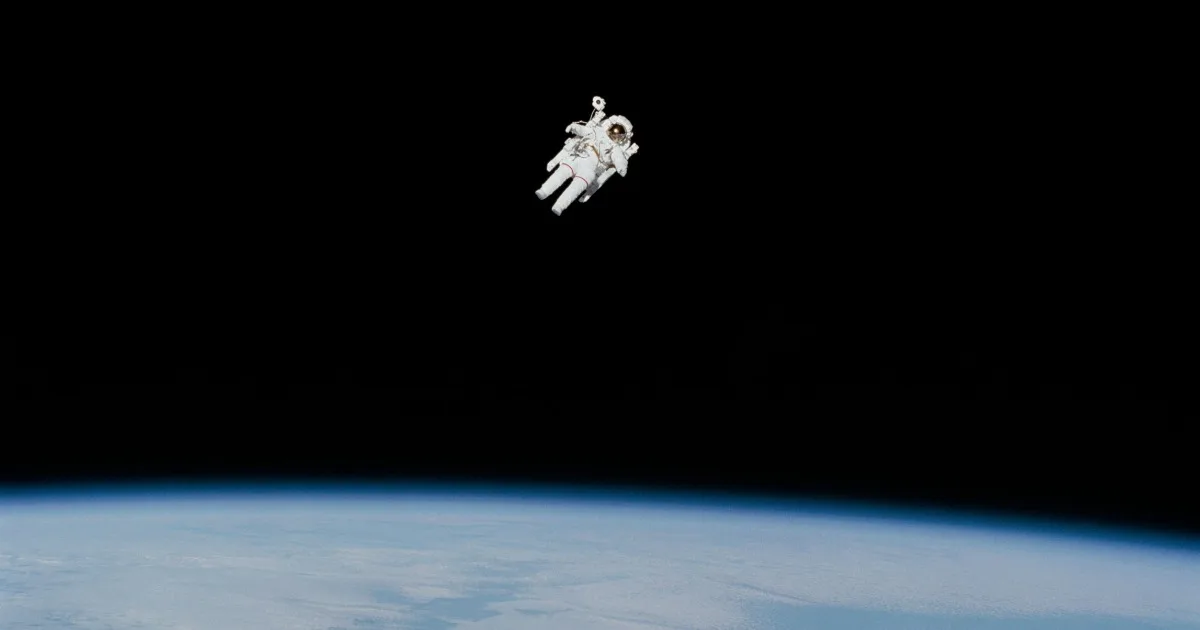
Bruce McCandless casually became humanity’s first solo drifter across endless outer space
Bruce McCandless II — The Untethered Spacewalk
Astronaut Bruce McCandless II became the first in history to perform an untethered walk in space. This image captured McCandless when he approached maximum distance from the Earth-orbiting Space Shuttle Challenger on February 7, 1984. The crew was testing out the nitrogen-propelled, hand-controlled backpack device called the manned maneuvering unit (MMU) for the first time, and it was at that moment that McCandless was photographed. The astronauts were then allowed by the MMU to move outside of the cargo bay, away from the safety of the spacecraft. This turned out to be one of the most thrilling experiences for McCandless, who stated, "It may have been one small step for Neil, but it’s a heck of a big leap for me.”
Chris Hadfield turned Earth’s glowing cities into orbit’s midnight postcards
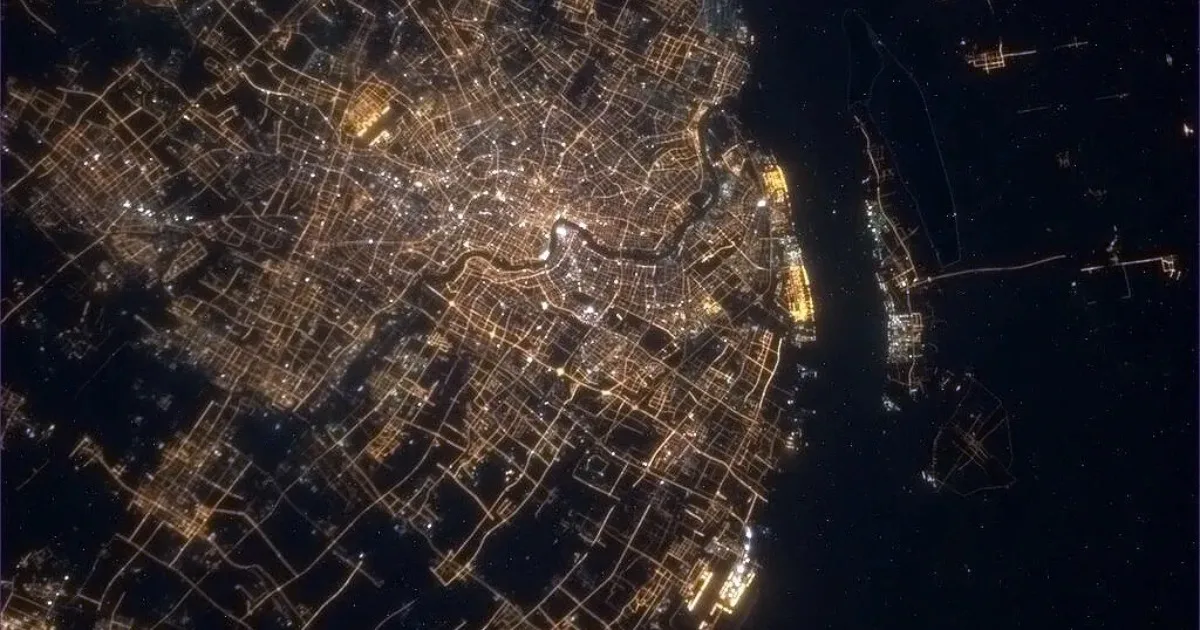
During his 2012-2013 mission on the International Space Station, Canadian astronaut Chris Hadfield became known for his prolific photography of Earth at night. He captured numerous cities, including Tokyo, Delhi, New York, Singapore, and São Paulo. And each of the photos reflects their luminous, distinct urban patterns as captured from the orbit.
He captured nighttime cities from orbit, including Hangzhou, China, Calgary and Vancouver, Canada, and many more. In this image, the glimmering city of Shanghai was captured on February 9, 2013, just before the Chinese New Year on February 10.
Michael Collins captured history’s most breathtakingly lonely Moon moment
Michael Collins — The Loneliest Photograph
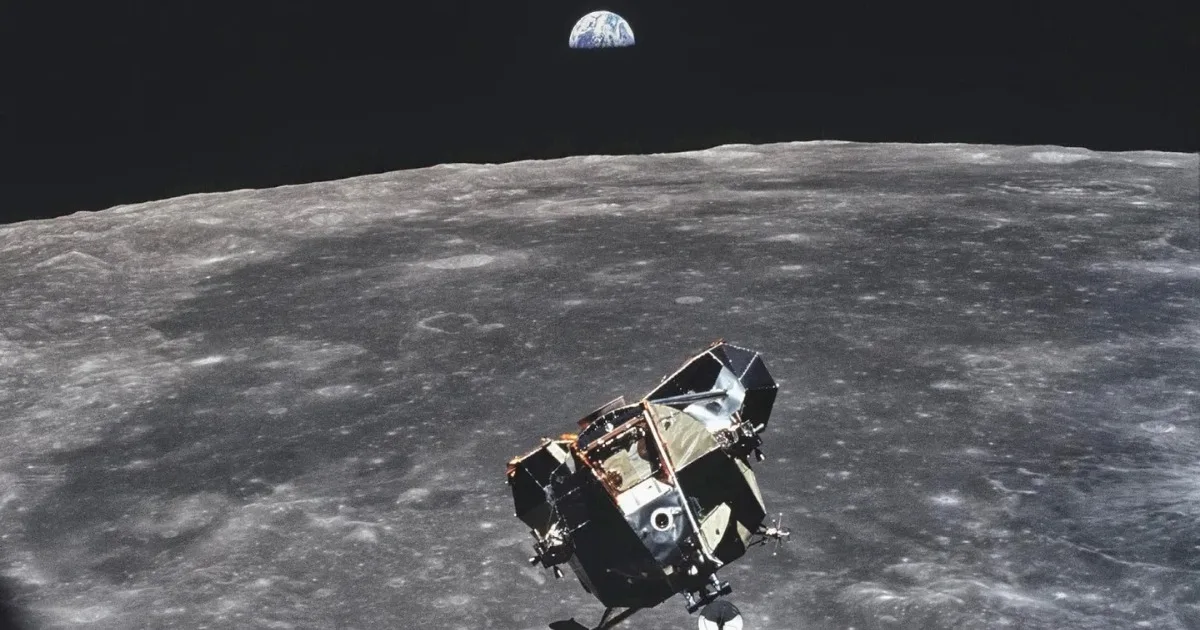
While we all remember Neil Armstrong and Buzz Aldrin as the names for the Apollo 11 mission as they stepped on the Moon, we often forget to talk about another crew member of the mission, Michael Collins, who remained in the Command Module when Aldrin and Armstrong stepped out. This photograph was captured by Collins, showing the approaching lunar module, Eagle, was captured. When Aldrin and Armstrong paced the Moon, Collins waited alone in the Command Module for more than 21 hours. While he was unsure about how the mission would turn out and whether
Aldrin and Armstrong would be able to return home safely; he had to patiently wait on the other side of the Moon, completely isolated.
And that made Collins write, "I am alone now, truly alone, and absolutely isolated from any known life. I am it. If a count were taken, the score would be three billion plus two over on the other side of the moon, and one plus God knows what on this side."
Commander Reid Wiseman clicked the coolest zero gravity group selfies
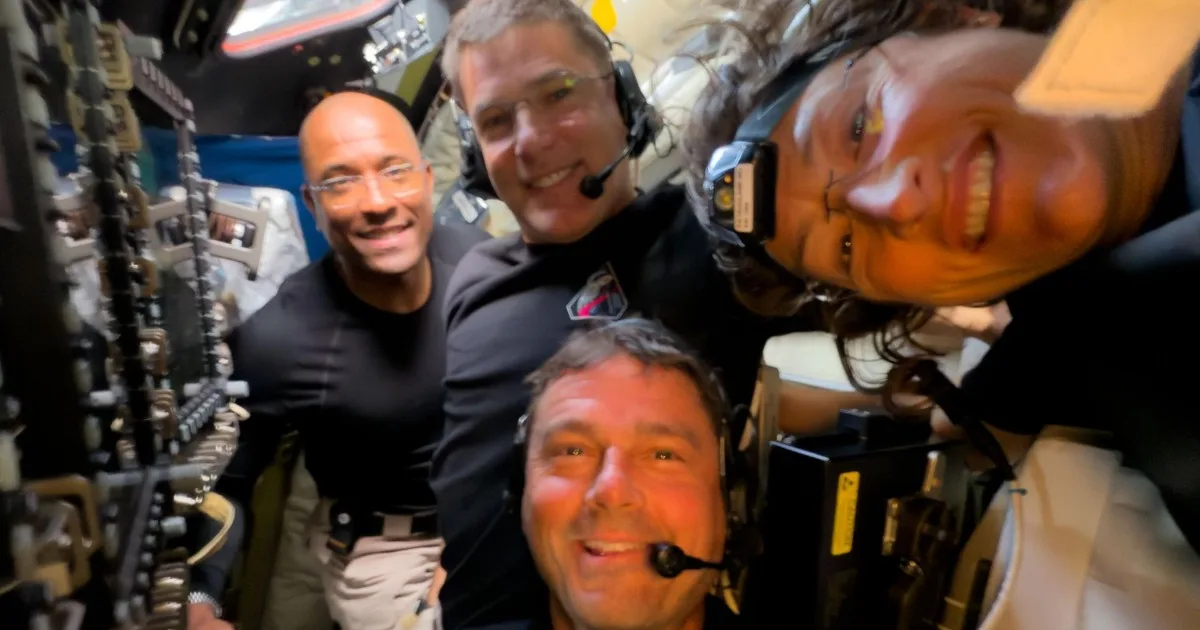
Till now, we have witnessed ample pictures capturing the Moon and its surface from up close. While the pictures came out quite phenomenal, the faces behind the lunar flyby mission often remained in the shadows. Thus, for a change, on April 6, 2026, the crew members of the Artemis II mission decided to flip the camera and show the world some smiling, proud faces. In this picture, Artemis II crew members Jeremy Hansen, Christina Koch, Victor Glover, and Reid Wiseman could be spotted posing for a selfie inside the Orion spacecraft. The beaming faces tell the story of a successful lunar flyby squad, who completed their successful splashdown in the Pacific Ocean on April 10, 2026.