5 space myths everyone grew up hearing (that aren’t true)
‘Astronauts float because there's no gravity’
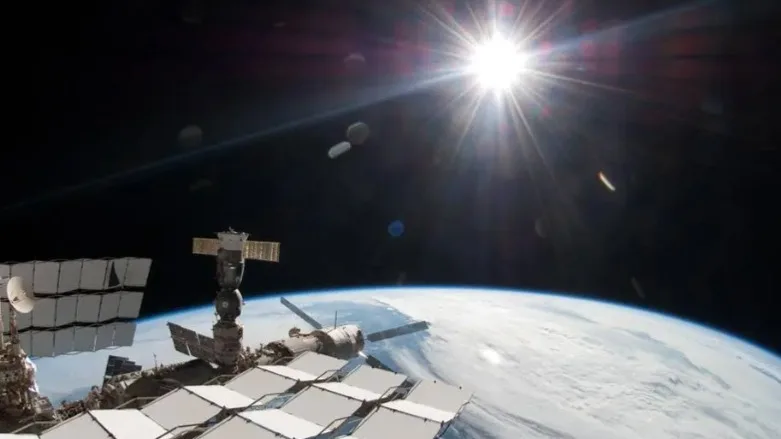
Despite what many people believe, gravity is still at work on the ISS. So why do astronauts float in space? NASA has confirmed that gravity up there is nearly as strong as it is on the ground, and roughly 90% of Earth's gravity still reaches the station. What actually causes the floating is that the ISS is moving so fast that it keeps missing the planet as it falls. This puts everyone aboard in a continuous state of free fall toward Earth.
'The Great Wall of China is visible from space'
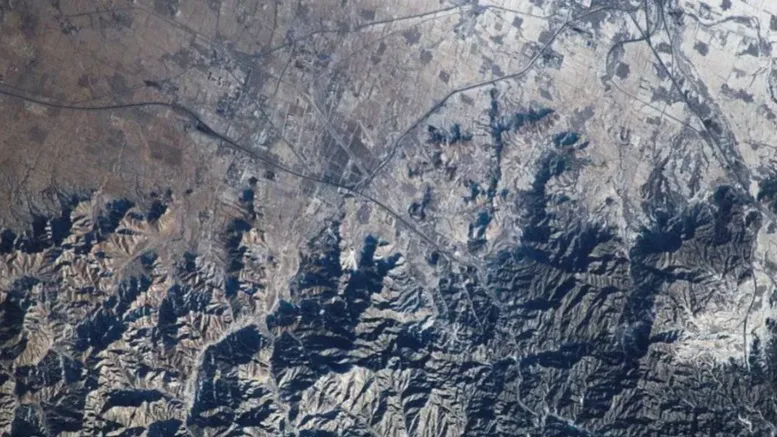
We have heard this one quite a lot before. But this isn’t really true. The narrow shape of the Great Wall of China blends too easily into the surrounding land, even from the relatively close orbit of the ISS. While Apollo 12 astronaut Alan Bean noted that "no man-made object is visible at this scale" when looking from the Moon, things are different from the International Space Station. In low Earth orbit, many human-made structures like cities and highways are visible to the naked eye—but the Great Wall is not. During his time on the ISS in 2013, Commander Chris Hadfield tweeted, "I did not see the Great Wall of China from space and neither did the Chinese astronauts. With a big enough camera lens and clear air, maybe."
'You explode instantly without a spacesuit'
Losing a spacesuit in orbit is dangerous, but it won't kill you the way movies suggest. Space doesn't contain enough particles to pull heat from a human body quickly, so freezing solid within seconds simply isn't realistic. The greater risk comes from lost oxygen and a sudden pressure drop. In 1966, NASA technician Jim LeBlanc survived 87 seconds of accidental decompression during a suit test, and he walked away with nothing worse than an earache.
'Earth is perfectly round'
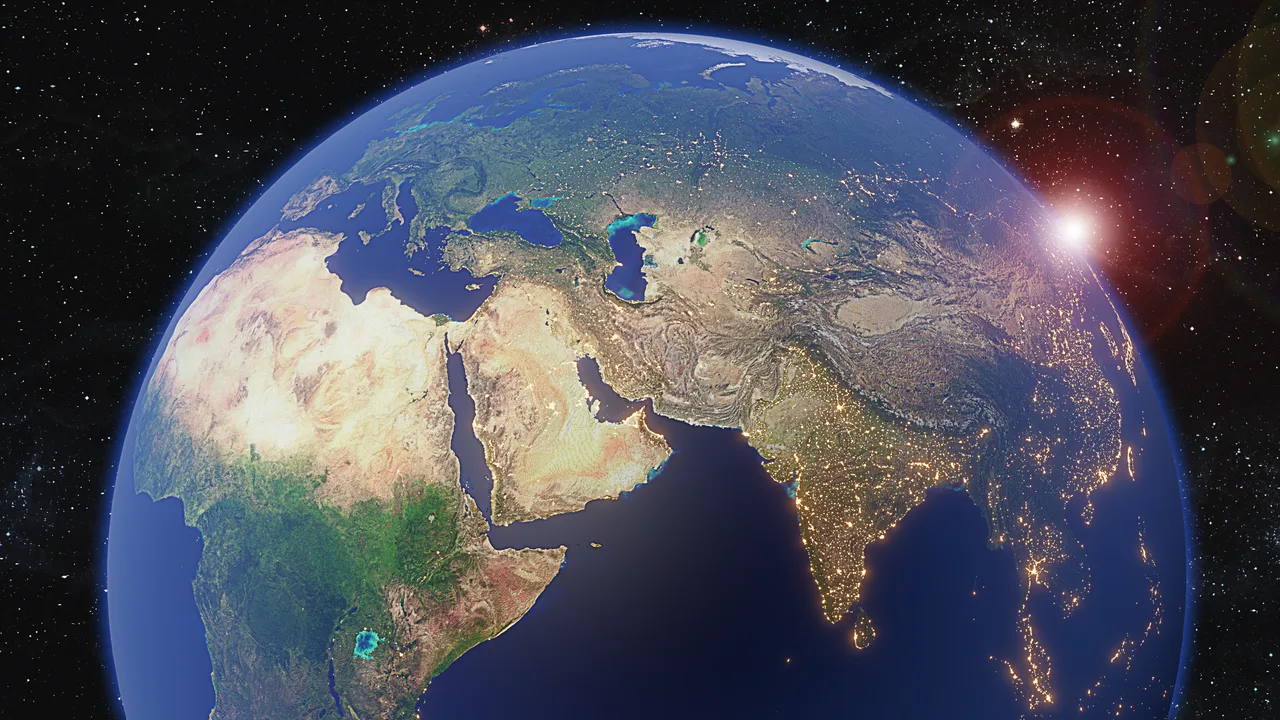
Earth may look like a clean sphere in most photos, but contrary to popular belief, its actual shape is a little bit complicated. Our planet's rotation causes a slight bulge at the equator, and this makes the diameter roughly 43 kilometers wider than pole to pole. That bulge is also why Chimborazo (and not Everest) sits farthest from Earth's center. As James Tuttle Keane, a planetary scientist at NASA's Jet Propulsion Laboratory in Pasadena, put it, "most planets and moons are not true spheres; they are usually squished in some way or another."
'The Sun is yellow'
Growing up, we’ve always been told, “The Sun is yellow, and the sky is blue”. But those aren’t their true colors at all. The reason is that the Sun emits every wavelength of visible light at once, which combines into a clean white glow when seen from space. On Earth’s surface, the shorter blue wavelengths scatter across the sky and leave us with a Sun that looks yellow. But, at sunrise and sunset, that same scattering causes it to turn red or even orange. It’s also why the sky looks blue from Earth, but black from space, since there is no atmosphere to scatter light.