ESA confirms solar eclipse-generating Proba-3 satellite is 'alive' after a month of silence
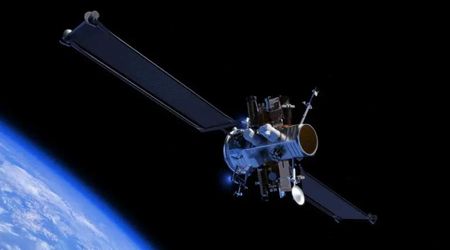
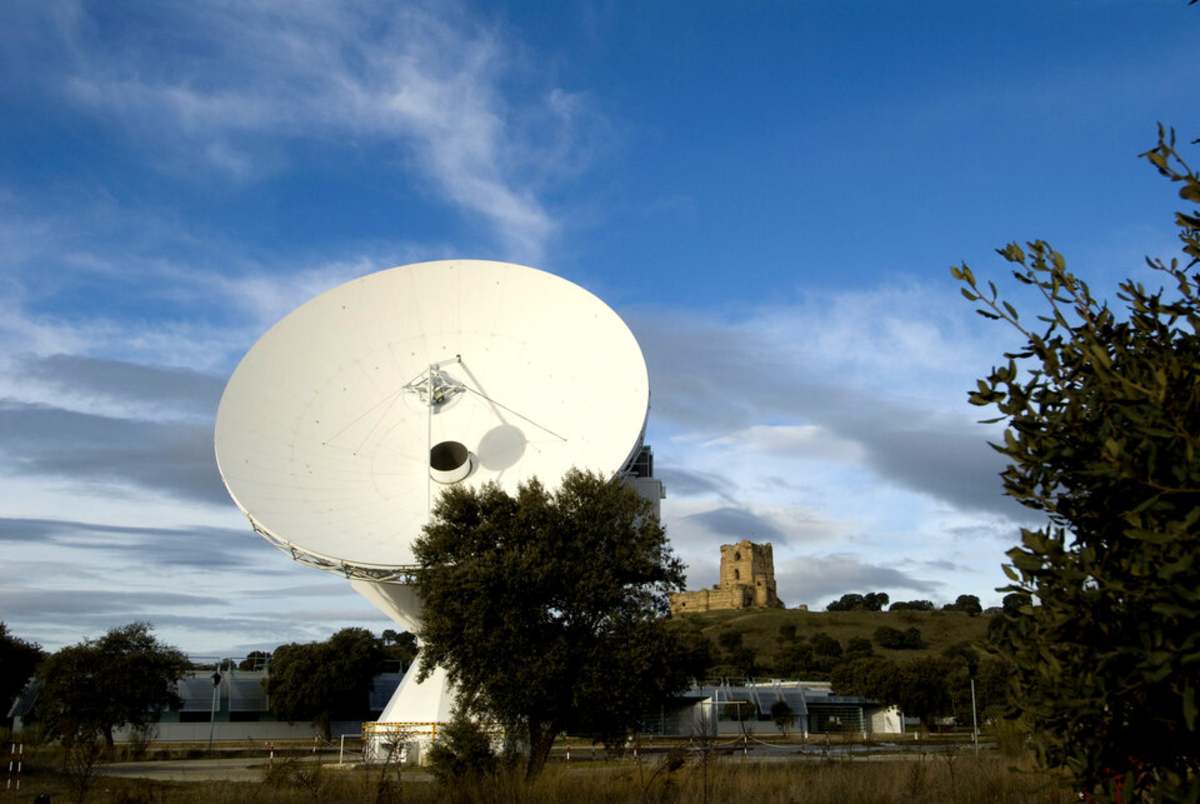
The European Space Agency’s (ESA) Coronagraph spacecraft has re-established contact with Earth after communication was cut off in mid-February. The spacecraft is one of two satellites comprising the ESA’s Proba-3 mission that creates artificial solar eclipses in space. After more than a month of silence, the Coronagraph sent telemetry to ESA’s ground station in Villafranca, Spain, thereby confirming that it is "alive." Telemetry data typically includes information on the spacecraft’s temperature, voltage, and system health.
Proba-3 Mission Manager Damien Galano expressed his relief on hearing back from the spacecraft in an official statement. “Since the issue was detected a month ago, the mission team, operators and our industry partners have been working tirelessly to get the spacecraft back,” he explained. The solar eclipse satellite was on the brink of mission failure, as an onboard anomaly between February 14 and 15 triggered a chain reaction of errors. The Coronagraph lost communications with its on-ground handlers, as well as its attitude, i.e., its orientation in space.
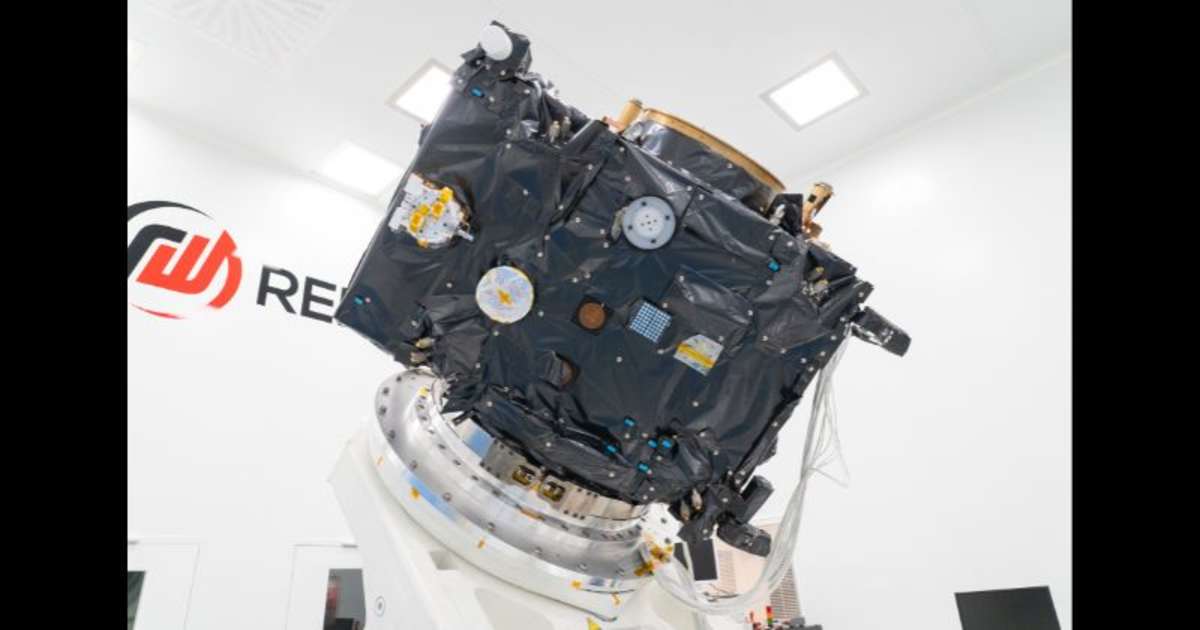
Safe mode didn’t work either, which left the spacecraft drifting in harsh, cold outer space for weeks with no contact. Instead, with its solar panel facing away from the Sun, the satellite entered survival mode, which restricts electronic activity to a minimum and stops data transmission to the ground. Proba-3’s Coronagraph may have made contact now, but its recovery is still in question. While the ESA has confirmed that the spacecraft is now in safe mode and stabilizing, teams are still looking into whether any part of it has been damaged.
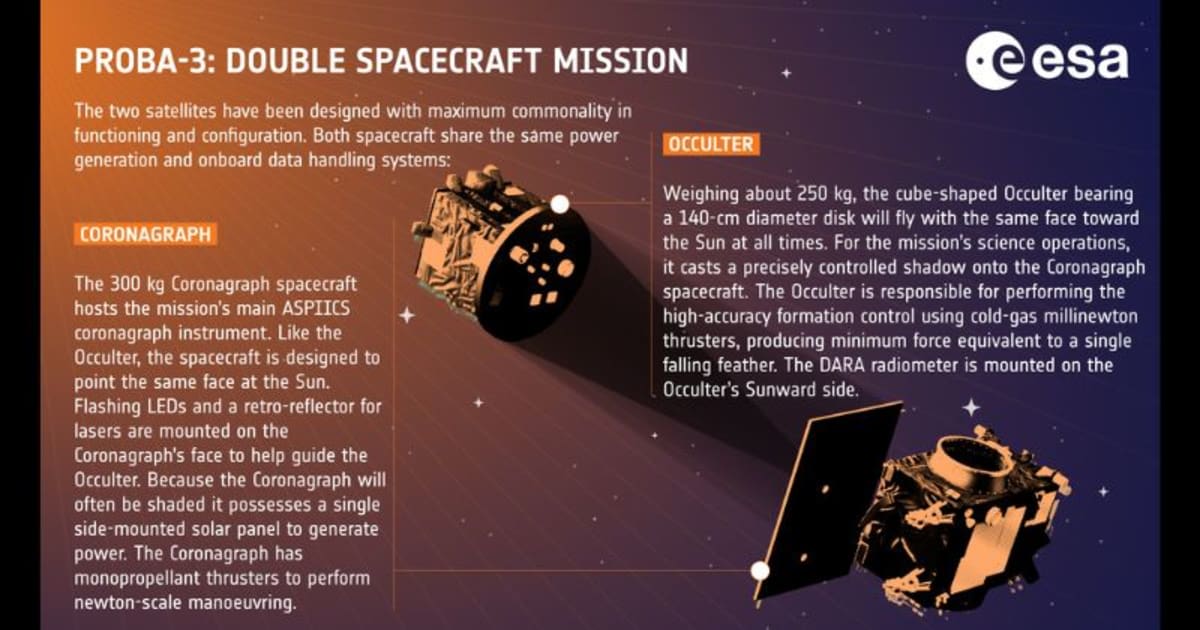
“The hard work is not over yet – we need to carefully look at the data before we take any further steps,” said Galano. The Coronagraph’s solar panel is now correctly facing the Sun, which is essential for powering onboard electronics and charging its batteries. However, the spacecraft’s systems have been exposed to severely cold conditions. Because of this, they need time to warm up gradually, which is crucial for resuming normal operations.
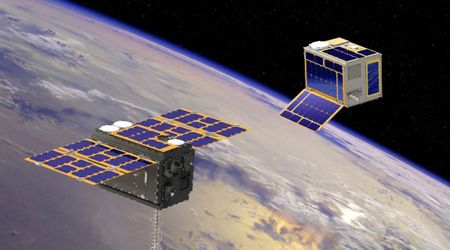
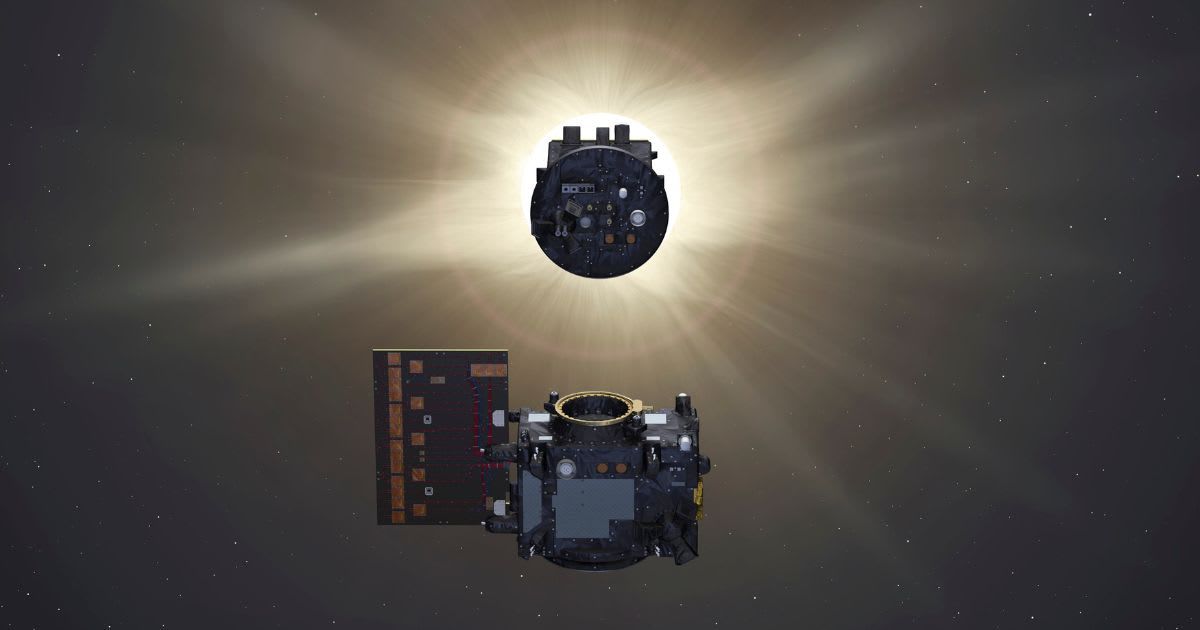
As the name suggests, the Coronagraph studies the Sun’s faint outer atmosphere, i.e., the corona. The Proba-3 mission’s other satellite, called the Occulter, blocks the Sun’s bright disk, generating an artificial solar eclipse. This allows the Coronagraph to observe the corona. If either of the two spacecraft stops functioning—like how the Coronagraph went silent for a month—so does the mission. The two of them fly about 150 meters apart and must maintain their positions with an extreme accuracy of just 1 millimeter. Now that communication is restored, the ESA’s Proba-3 mission team aims to get back to studying solar activity and space weather that can affect satellites in orbit as well as power grids and networks on Earth.
More on Starlust
European Space Agency's Proba-3 mission delivers first images of artificial solar eclipses
ESA's Proba-3 images multiple solar prominence eruptions in just hours