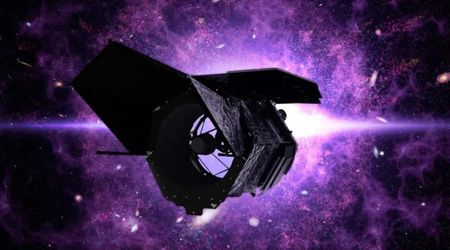
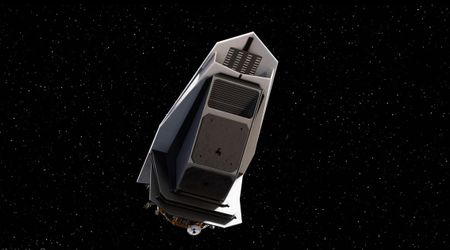
Blue Origin has come up with bold plan to protect Earth from asteroid impacts
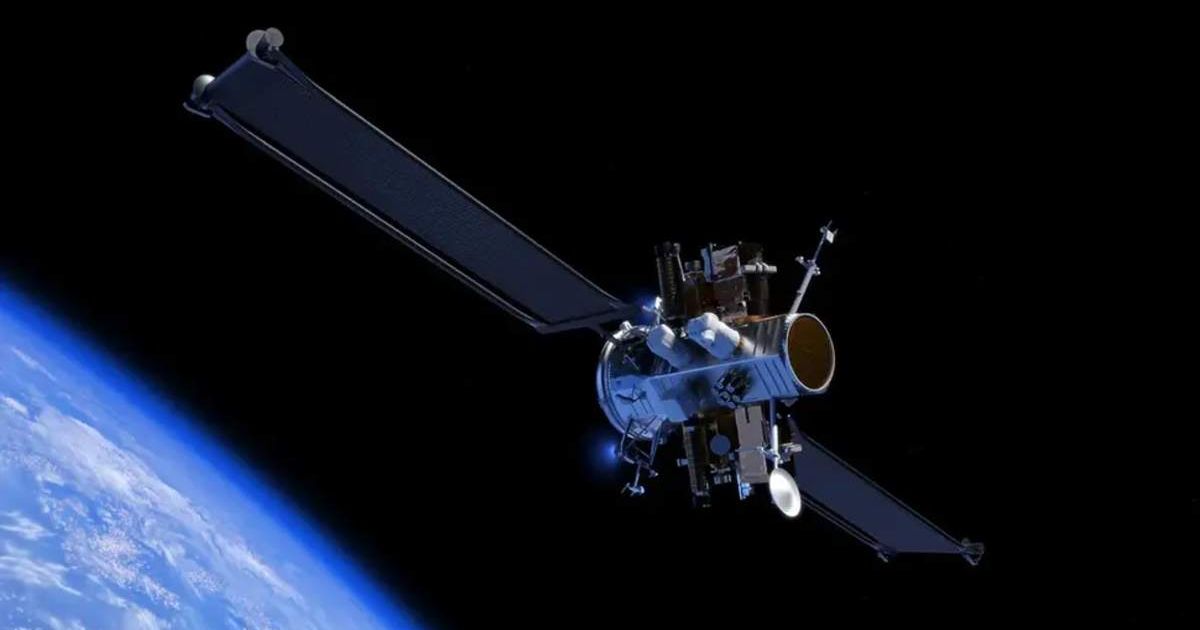
Jeff Bezos' Blue Origin has devised a way to shield Earth from asteroid attacks with its Near-Earth Objects (NEO) Hunter mission concept developed for planetary defense. It has partnered with researchers at NASA’s Jet Propulsion Laboratory and the California Institute of Technology to integrate this novel mission concept into their already existing Blue Ring platform. NEO Hunter will leverage two tactics to deflect asteroids from collision courses with Earth, namely the ion-beam deflection method and the robust direct kinetic impact method.
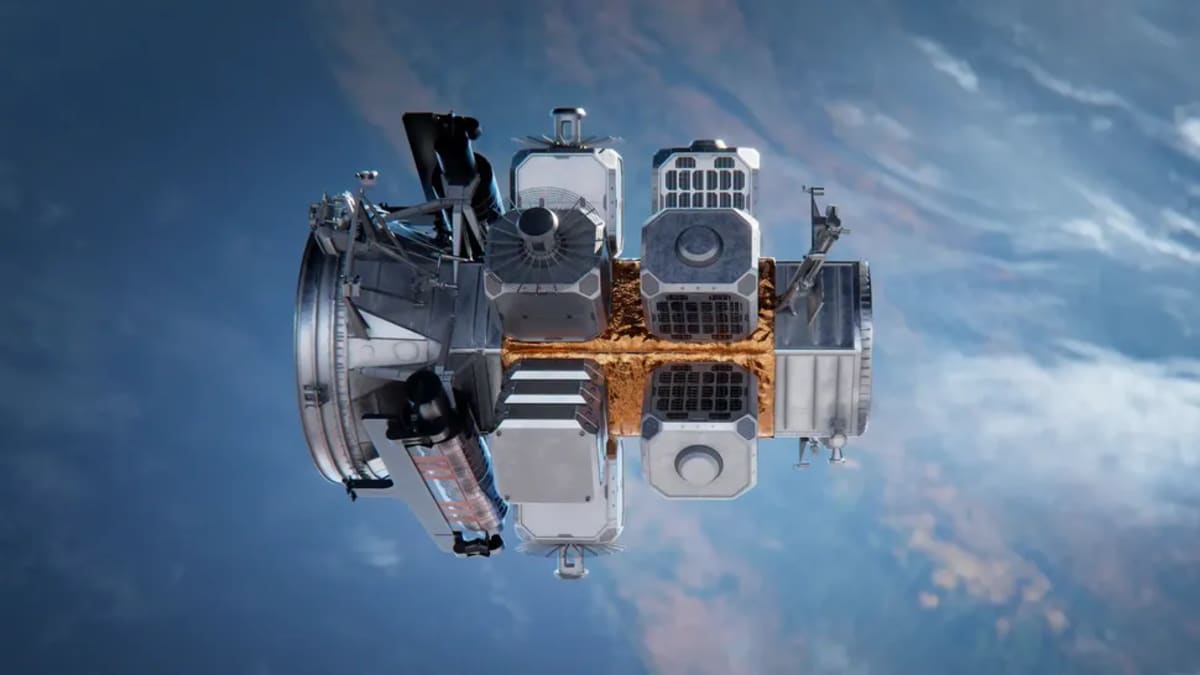
Blue Ring is a multi-purpose, high-powered, solar-electric, and chemically propelled spacecraft that uses high and low thrust to deliver the best performance even in the most challenging of mission circumstances. It can carry payloads weighing up to 4,000 kilograms distributed among its 13 ports and deliver them at a range of different orbits and destinations, including Earth orbits, the Moon, and Mars. As far as the launches are concerned, it is compatible with small 5-meter-class fairing launch vehicles, apart from Blue Origin's own New Glenn.
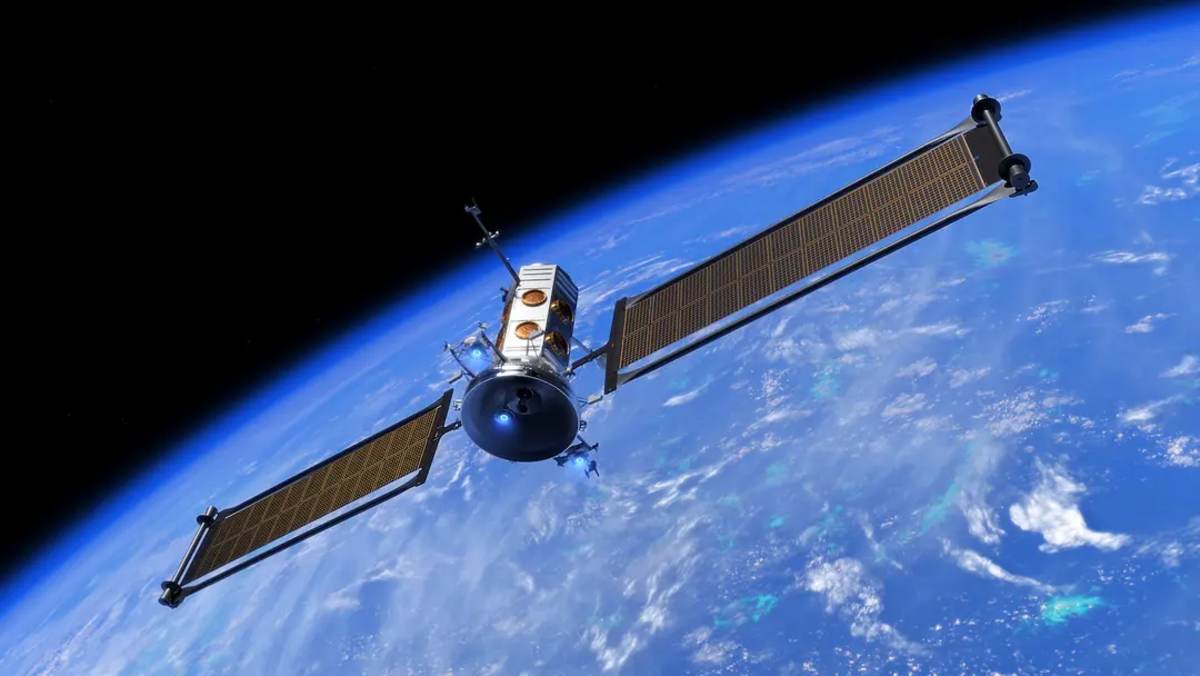
Upon identifying a potentially hazardous space object, the NEO Hunter system will send out a team of cubesats to gather as much data about the object's mass, composition, and density as possible. Once it has done that, it will use one of its two tactics to deflect it from its path. As its name suggests, the first method involves shooting a stream of charged particles at the asteroid. These concentrated streams of charged particles carry enough force to alter the trajectory of an asteroid, at least in theory.
Working alongside JPL/Caltech, we've developed a Near-Earth Objects (NEO) Hunter mission concept for planetary defense using Blue Ring. NEO Hunter tests multiple asteroid-deflection techniques, including ion-beam deflection and robust direct kinetic impact, helping protect Earth… pic.twitter.com/ZWsdfJAtLq
— Blue Origin (@blueorigin) March 11, 2026
The second method will come into play if the asteroid is moving too fast and is too big to be affected by the ion beam. First, the system will release a small satellite, known as a "Slamcam," which will record the event and confirm mission success. Then, a high-velocity interception course will be set by the NEO Hunter system with the potentially hazardous rock, following which a spacecraft will crash into the body at a speed of about 22,600 miles per hour. This technique was first exhibited during NASA's DART mission, which successfully altered the orbit of the moonlet Dimorphos around its partner Didymos, while also altering the binary pair's orbit around the Sun in 2022.
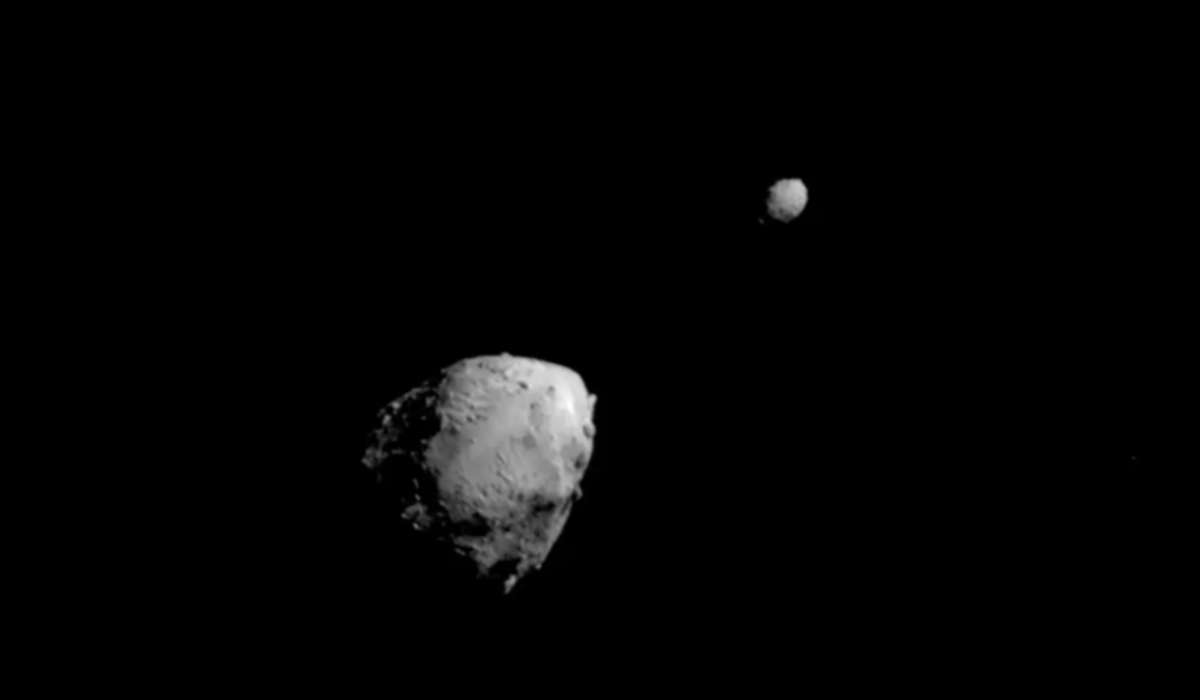
"This is another example of how commercial platforms like Blue Origin can conduct low-cost, high-priority science, exploration and planetary defense missions," the company wrote in its X post. Besides venturing into planetary defense, Blue Origin has joined Elon Musk's SpaceX in the orbital data center race to meet the energy demands of artificial intelligence. Dubbed "Project Sunrise," the project plans to launch over 50,000 satellites into space, the proposal for which was filed with the Federal Communications Commission on Thursday, March 19, 2026.
More on Starlust
Microbes may survive asteroid impacts and travel between planets, new study finds
Blue Origin announces extended pause of at least two years in New Shepard flight operations