 0:47
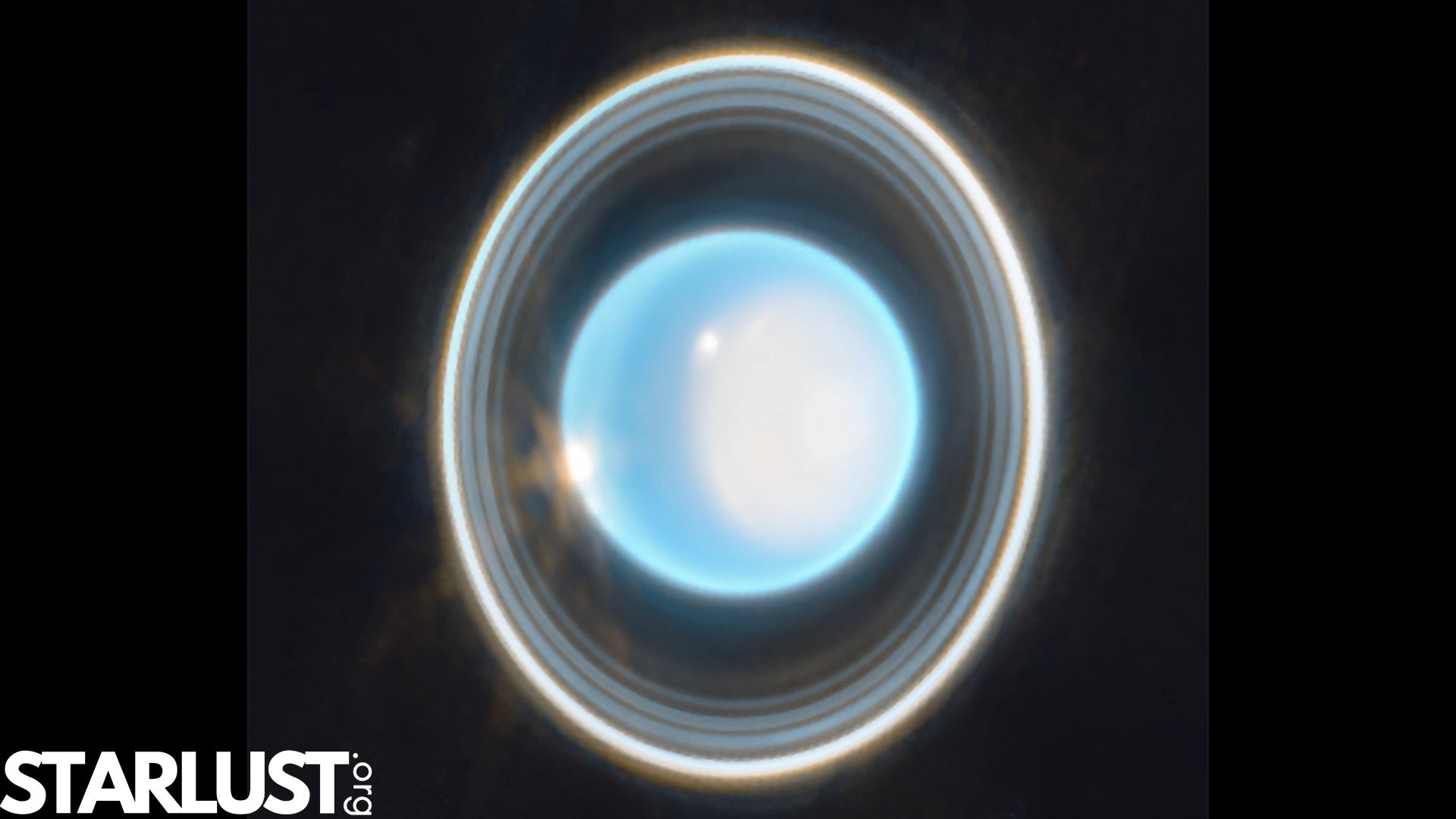
NASA's James Webb surprisingly captures 11 rings and a mysterious polar cap on Uranus
NASA's James Webb Space Telescope revealed a side of Uranus rarely seen before. Captured February 6, 2023, the infrared image showed 11 of the planet's 13 known rings — a stark contrast to Voyager 2's 1986 flyby, which showed little more than a featureless blue-green ball in visible light. Webb's sharper view also picked up a bright polar cap forming at the pole facing the Sun, a seasonal feature that appears each summer and disappears by fall for reasons scientists still can't fully explain. The pattern ties back to Uranus's unusual tilt: the planet spins almost entirely on its side, giving each pole roughly four decades of nonstop sunlight followed by four decades of darkness over its 84-year orbit. Six of the planet's 27 known moons also turned up in the same frame. Credit: NASA, ESA, CSA, STScI; Image Processing: Joseph DePasquale (STScI)
More Videos
 0:48
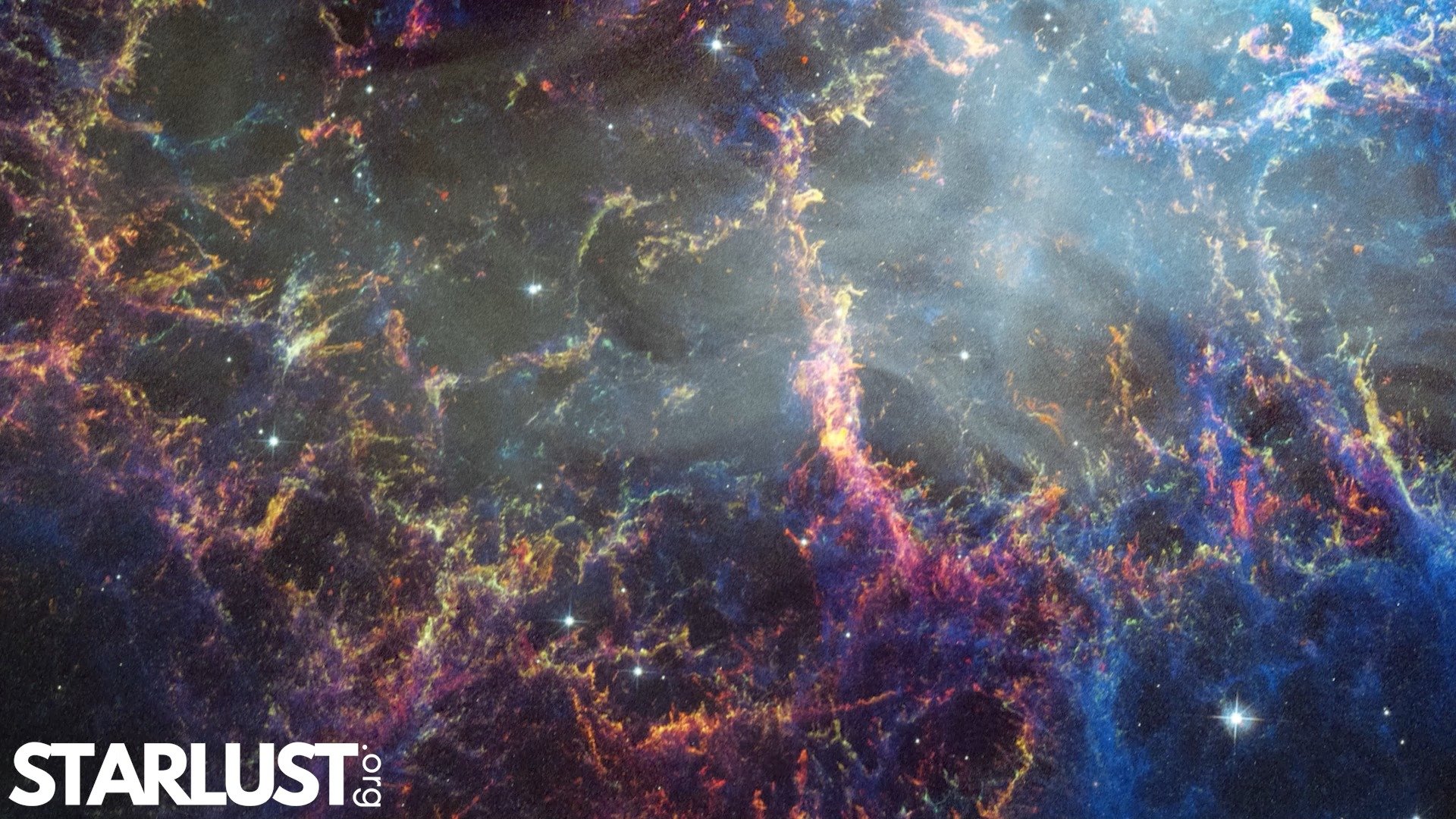
NASA's Hubble found this ancient supernova remnant isn't expanding the way scientists expected
Nearly a thousand years ago, astronomers witnessed a supernova so bright it was visible in daylight for weeks. Its remnant, the Crab Nebula, has continued expanding 6,500 light-years away ever since. In 2024, NASA's Hubble Space Telescope revisited the nebula, capturing a new image that was compared against its own observations from 25 years earlier — with the findings released in March 2026. Rather than stretching outward evenly, the nebula's outer filaments had simply moved outward more than those near its center, a pattern tied to the Crab's true nature as a pulsar wind nebula, powered by a spinning neutron star at its core. Researchers said the real breakthrough was still ahead, as they plan to combine this data with the James Webb Space Telescope's infrared view for the fullest picture yet. Credit: NASA, ESA, STScI, W. Blair (JHU); Image Processing: Joseph DePasquale (STScI)
 0:23
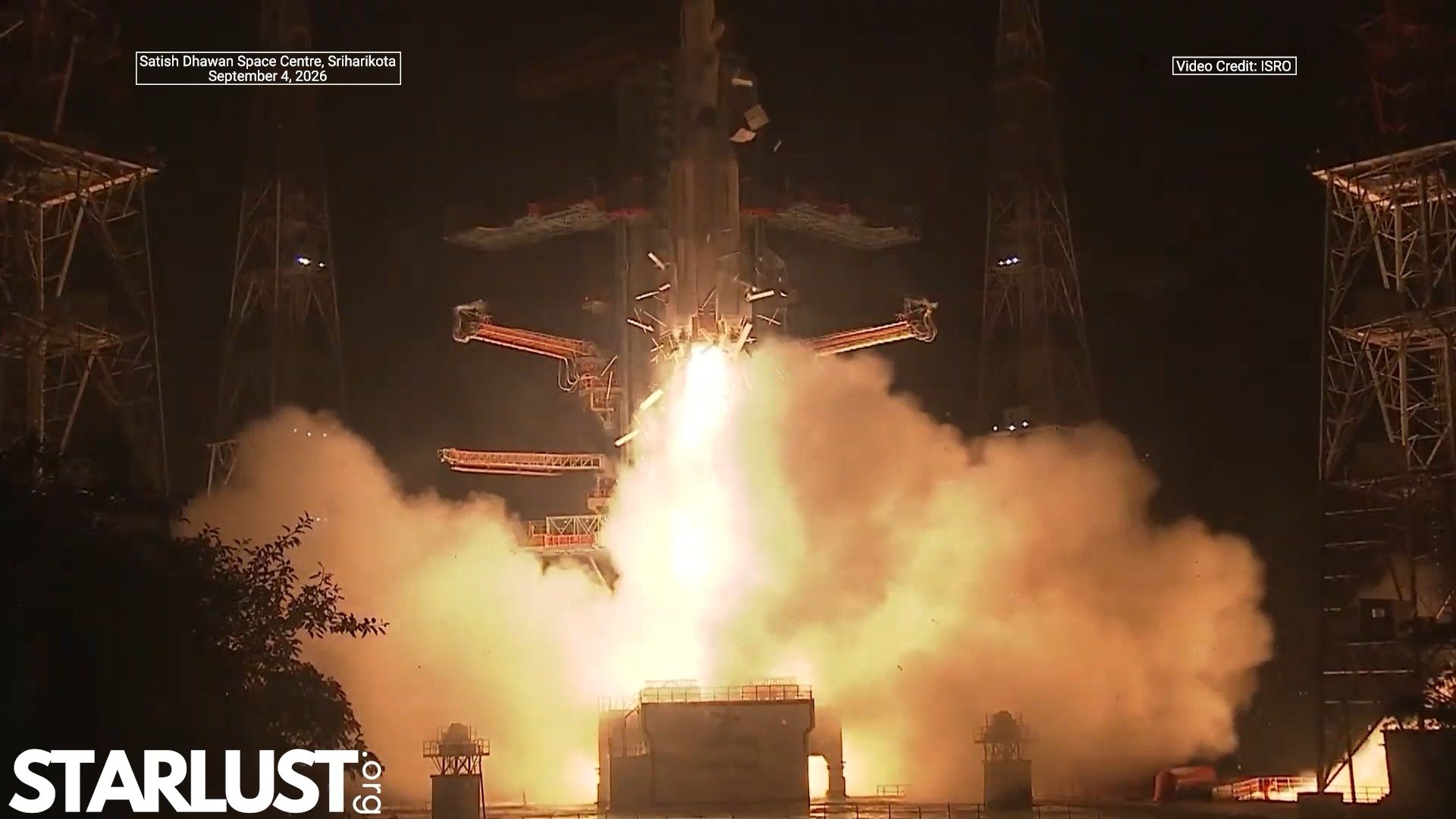
ISRO launches India's 1st Earth-imaging satellite in geosynchronous orbit
ISRO achieved a milestone by successfully launching its GSLV-F17 rocket carrying the EOS-05 Earth observation satellite from the Satish Dhawan Space Centre in Sriharikota at 2:55 a.m. IST on September 4, 2026, lifting off through stormy weather. The satellite was placed into geosynchronous orbit, a first for India, allowing it to continuously monitor the same region of the country for disaster management, agriculture, and defense applications. The launch comes as ISRO works to rebuild confidence following back-to-back failures of its PSLV rocket, its usual commercial workhorse — the PSLV-C61 mission in May 2025 and the PSLV-C62 mission in January 2026, both failed during the rocket's third stage, losing satellites for India and international partners including Brazil, Nepal and Spain. Tuesday's GSLV-F17 success, using a different rocket, marks a critical step in reinforcing confidence in India's broader launch program. Video Credit: ISRO
 0:31
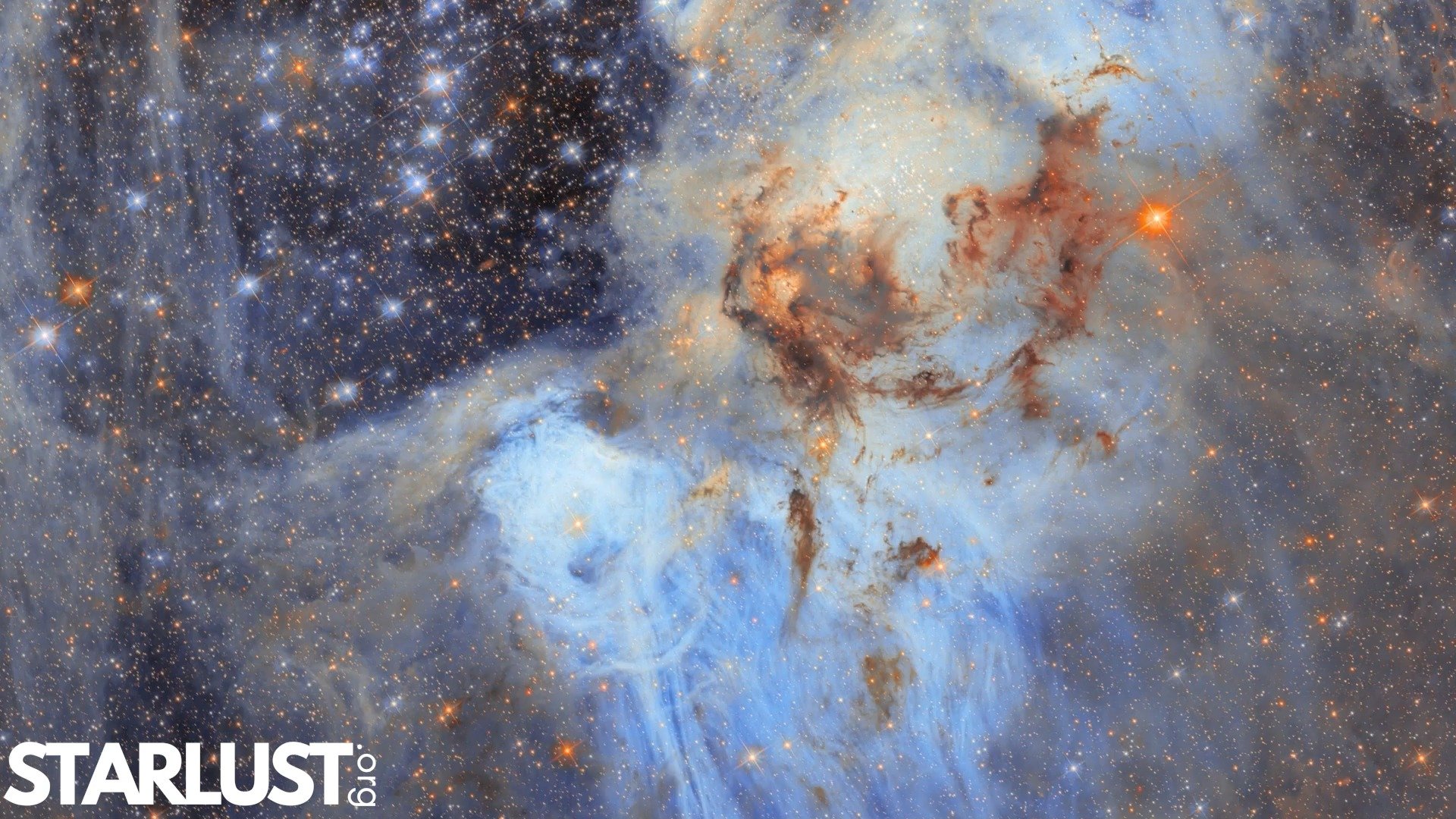
NASA's Hubble catalogs half a million stars near a mysterious "superbubble" in space
NASA's Hubble Space Telescope surveyed nebula N44, or LHA 120-N44, in the Large Magellanic Cloud — the largest of the small galaxies orbiting the Milky Way, located roughly 160,000 light-years away. The nebula's striking central void is a "superbubble," spanning roughly 210 by 140 light-years, blown by the powerful stellar winds and explosive supernovae of the stars at its center. When those stars swept away the surrounding gas, it formed a shell around the superbubble — and new stars are now forming within that shell. Hubble's survey cataloged nearly half a million stars in the region, including close to 30,000 that have not yet begun fusing hydrogen into helium, making N44 a useful target for studying exactly how long the process of star formation takes. Credit: ESA/Hubble & NASA, D. Gouliermis
 0:50
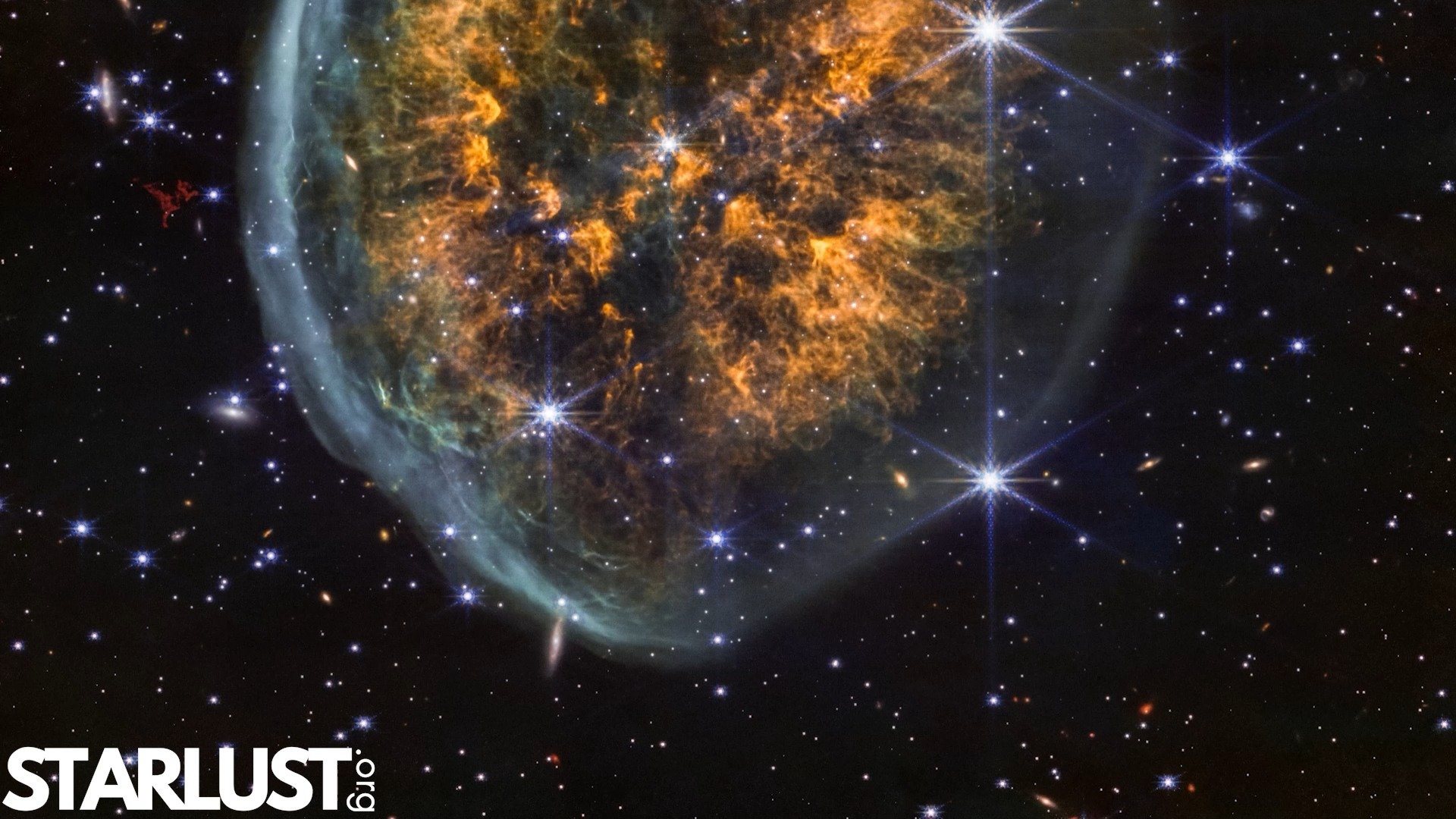
NASA'S James Webb reveals a nebula that looks like a brain inside a transparent skull
NASA's James Webb Space Telescope captured new images of nebula PMR 1, nicknamed the "Exposed Cranium" nebula for its resemblance to a brain inside a transparent skull. The images were released February 25, 2026, showing a dying star about 5,000 light-years away in the constellation Vela, expelling its outer layers. Webb studied the nebula using two instruments, revealing a dark central lane that may be linked to twin jets of gas erupting from the star — though researchers say it's still unclear whether the star will end its life as a supernova or a white dwarf. Video Credit: NASA, ESA, CSA, STScI, N. Bartmann (ESA/Webb); Image Processing: Joseph DePasquale (STScI)
 0:47
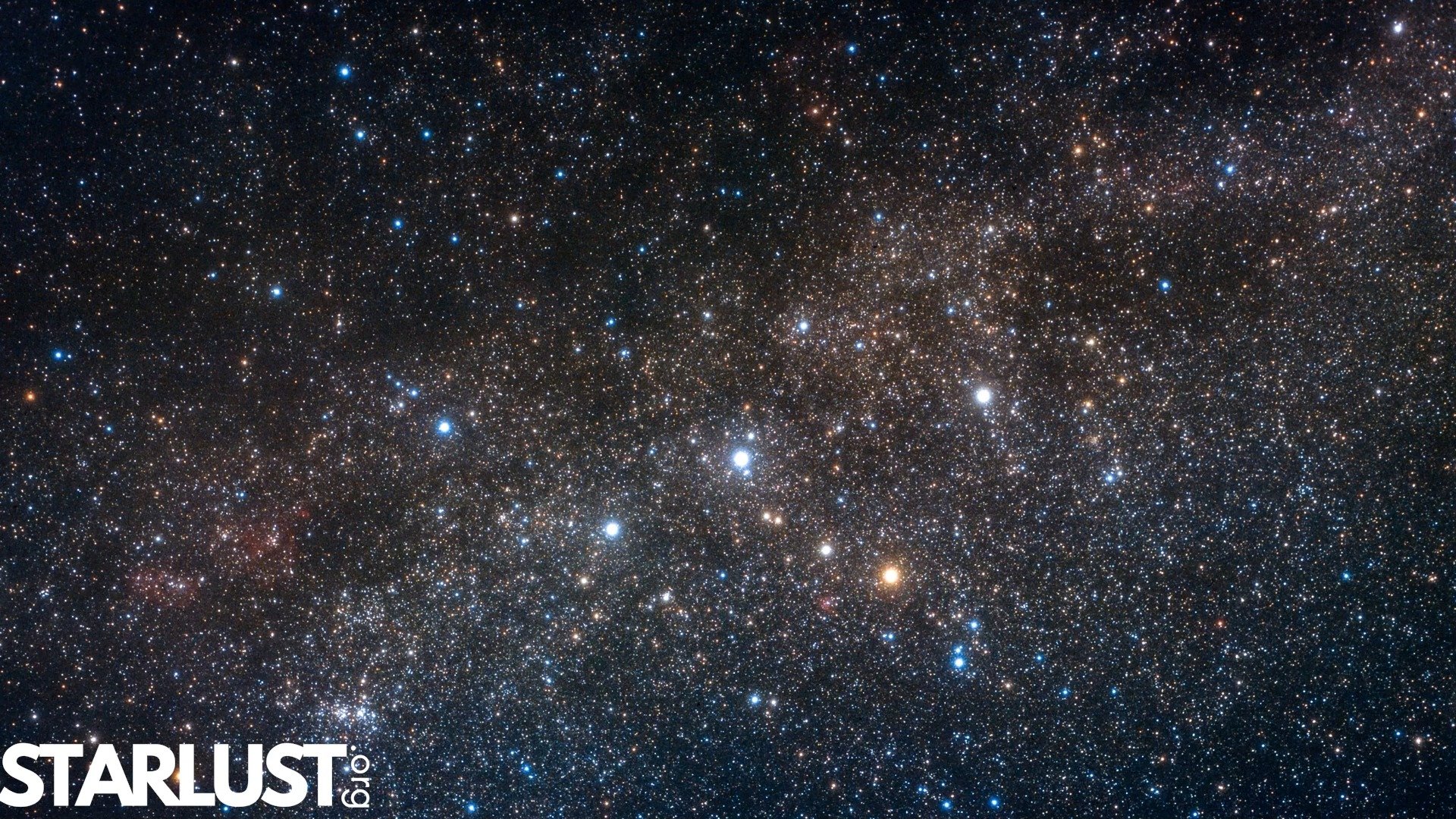
NASA's Webb finds shattered star fragments smaller than our solar system in Cassiopeia A
NASA's James Webb Space Telescope revealed fragments of an exploded star smaller than our entire solar system, hidden inside supernova remnant Cassiopeia A. The image was released December 10, 2023, based on data captured November 5, 2022, using Webb's NIRCam instrument. Located 11,090 light-years away in the constellation Cassiopeia, the remnant showed researchers exactly how the star broke apart during its explosion. Webb also detected several "light echoes," including one particularly large echo nicknamed "Baby Cas A," located about 170 light-years behind the remnant itself — offering scientists a rare, detailed look at the aftermath of a stellar explosion. Video Credit: NASA, ESA, CSA, Alyssa Pagan (STScI) Image Credit: NASA, ESA, CSA, STScI, D. Milisavljevic (Purdue University), I. De Looze (UGhent), T. Temim (Princeton University)
 0:40
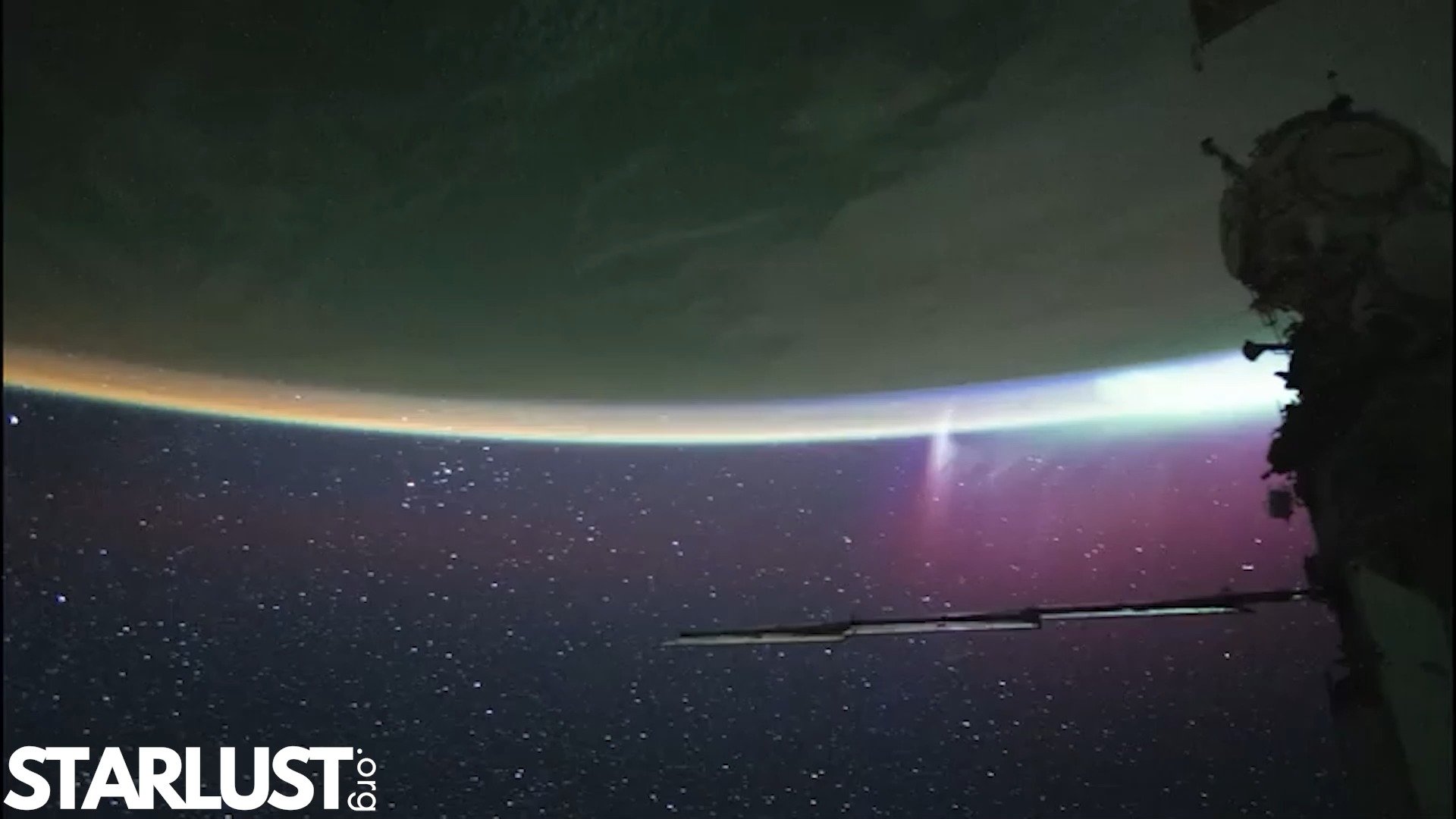
Watch: ISS timelapse shares rare view of Earth during a meteor shower
ESA astronaut Sophie Adenot shared a timelapse video captured from the International Space Station during the 2026 Lyrids meteor shower. The footage was recorded on Day 85 of her εpsilon mission, released on May 13, 2026, offering a rare view of Earth from roughly 250 miles above the surface. Adenot posted the clip alongside a note about spotting the ISS from the ground with the naked eye, writing: "I won't be able to see you, even if you wave very enthusiastically, but I'm thinking of you from up here." Video Credit: ESA/Sophie Adenot
 0:30
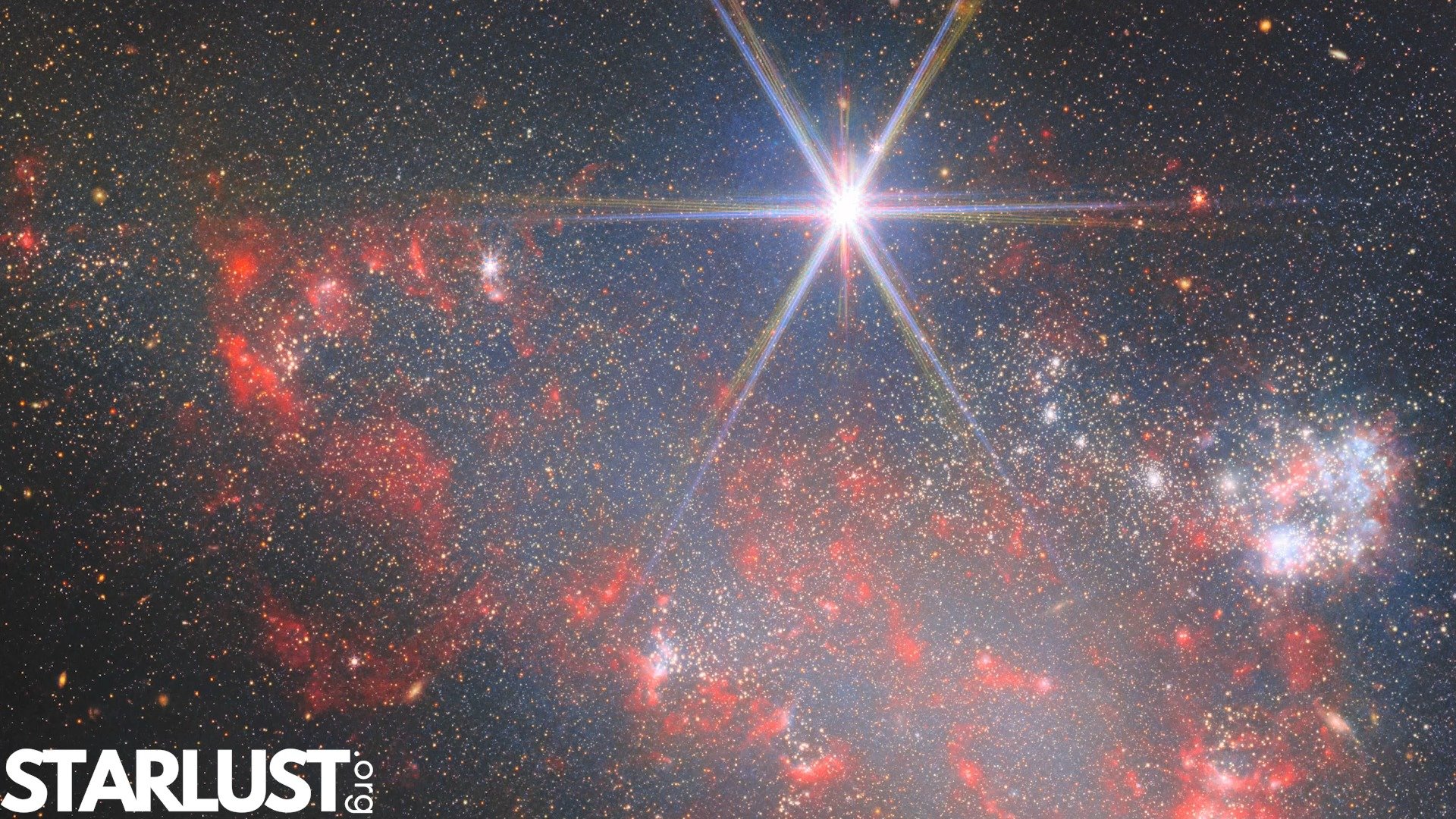
NASA's James Webb reveals new secrets about one of the strangest galaxies ever discovered
The James Webb Space Telescope has captured a new infrared look at Arp 263, an irregular galaxy about 25 million light-years away in the constellation Leo. First discovered in 1784, the galaxy was later included in a 1966 catalog of the universe's strangest galaxies for its unusual clumps of stars. Astronomers believe those clumps, and the galaxy's distorted shape, are the result of a past collision between two galaxies — triggering the chaotic star formation still visible today. Credit: ESA/Webb, NASA & CSA, A. Leroy; Acknowledgement: N. Bartmann (ESA/Webb)
 0:22
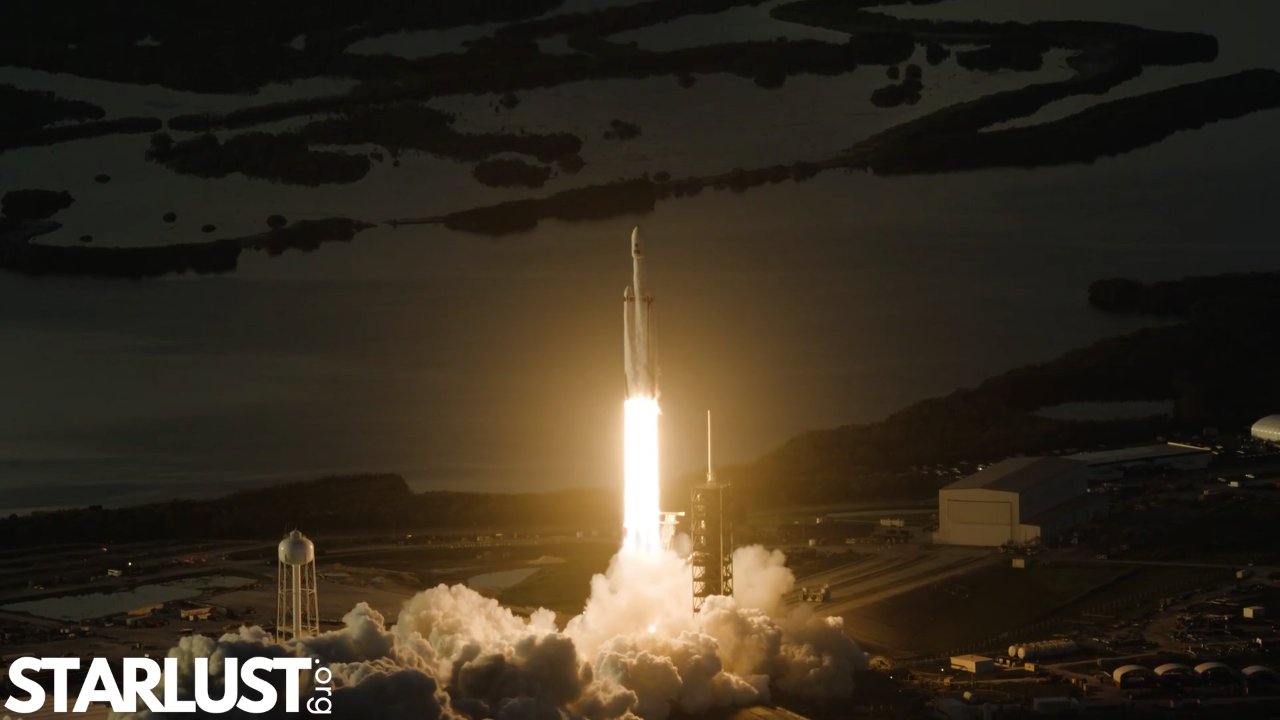
SpaceX releases HD footage of Falcon Heavy launching NASA's Roman Space Telescope
SpaceX released new high-definition footage of its Falcon Heavy rocket launching NASA's Nancy Grace Roman Space Telescope from pad 39A in Florida on August 30, 2026 — beginning its more than three-month journey to its destination, where it will capture never-before-seen images of the universe. Video Credit: SpaceX
 1:33
President Trump's surprise call during NASA's Roman Telescope launch briefing goes viral
President Trump made a surprise call to NASA Administrator Jared Isaacman following the successful launch of the Nancy Grace Roman Space Telescope, congratulating the team on the achievement. The call came as Isaacman and other experts, including Nicky Fox, Jackie Townsend, Julie McEnery and Denton Gibson, were interacting with the media and discussing the successful liftoff, deployment of the telescope and its future plans. The President contrasted NASA’s current momentum with his visits to agency facilities early in his first term, when he said runways had “grass growing through the cracks.” He described the agency’s work today as “the hottest space” and pledged continued funding support. Video Credit: NASA
 0:15
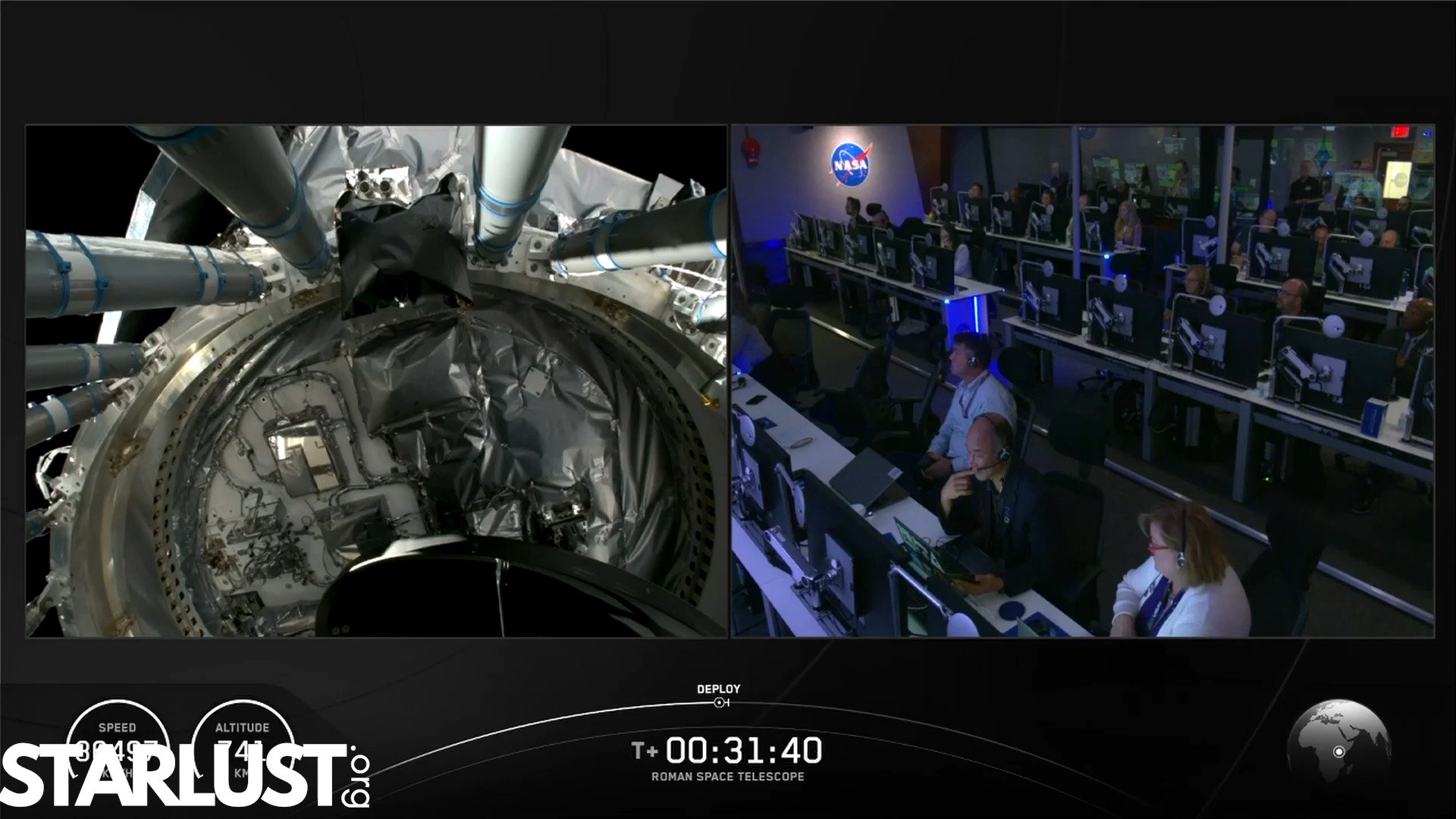
Watch: NASA's Roman Space Telescope deploys from Falcon Heavy in space
SpaceX confirmed successful deployment of NASA's Nancy Grace Roman Space Telescope roughly 31 minutes after its August 30, 2026 launch, at an altitude of about 463 miles. Roman is designed to study dark energy and dark matter, and will eventually map billions of galaxies, discover new exoplanets, and study black holes from its position at the Sun-Earth L2 point. Video Credit: SpaceX
 0:14
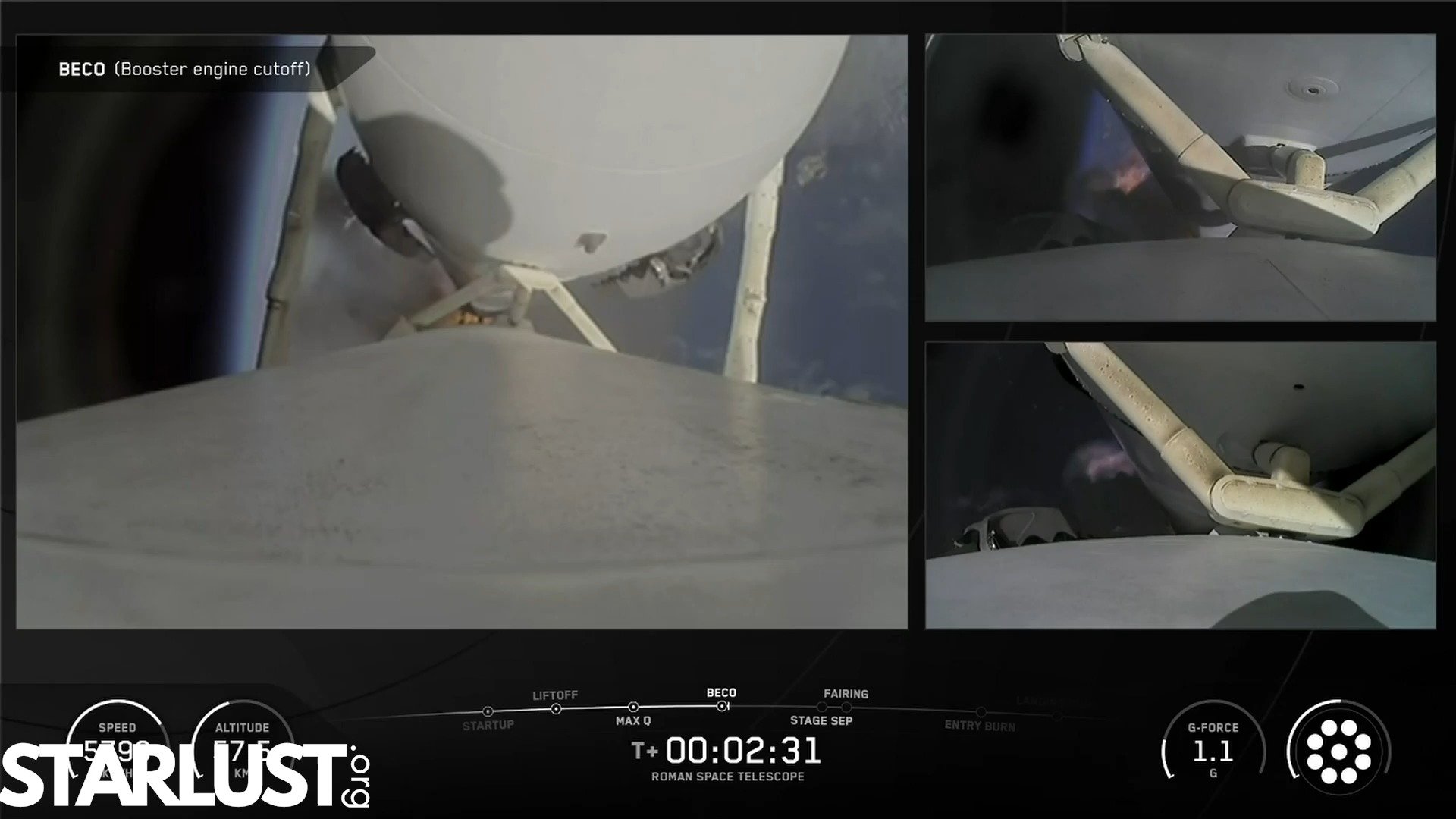
Watch: Falcon Heavy's side boosters separate during Roman Space Telescope launch
SpaceX confirmed side booster separation during the Falcon Heavy launch of NASA's Nancy Grace Roman Space Telescope on August 30, 2026 — captured roughly two and a half minutes into flight, with the rocket traveling at an altitude of 62.3 miles. Video Credit: SpaceX
 0:21
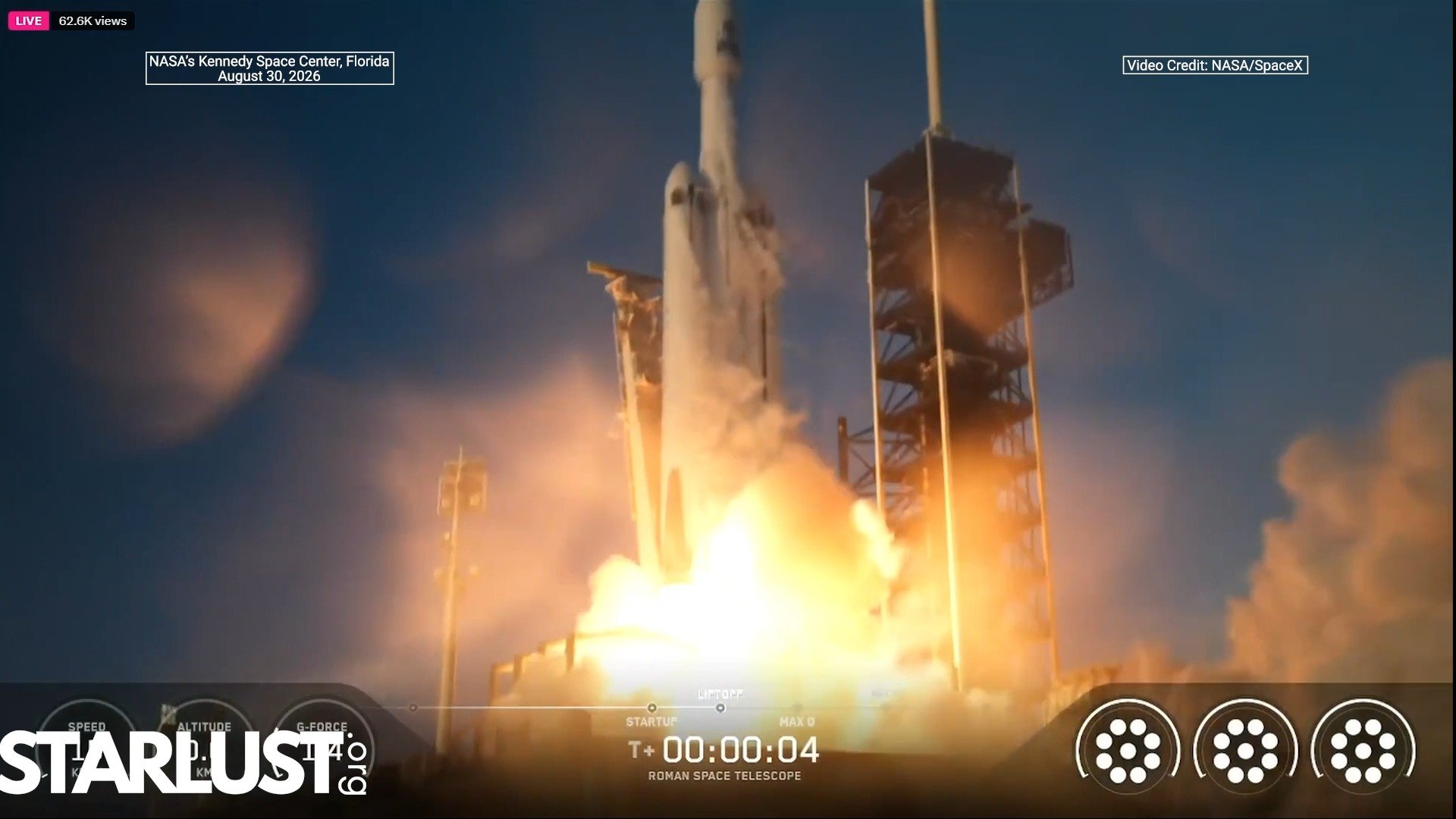
NASA's Nancy Grace Roman Telescope launched aboard SpaceX's Falcon Heavy
NASA's Nancy Grace Roman Space Telescope launched aboard a SpaceX Falcon Heavy rocket. Liftoff occurred at 7:26 a.m. EDT on August 30, 2026, from Launch Complex 39A at Kennedy Space Center in Florida. The mission used two first-stage side boosters — one flying for the first time, the other for the third, having previously launched the GOES-U and Viasat-3 F3 missions — both targeting landings at Cape Canaveral's Landing Zones 2 and 40. The observatory carries a primary mirror the same size as Hubble's, but paired with a camera capable of capturing images at least 100 times larger in field of view. Roman will now spend roughly 30 days traveling to its orbit at the Sun-Earth L2 point, where it will have an unobstructed view of the universe, with science operations expected to begin in early 2027 to map billions of galaxies, discover new exoplanets, and study dark matter. Video Credit: NASA/SpaceX