 0:38
0:38
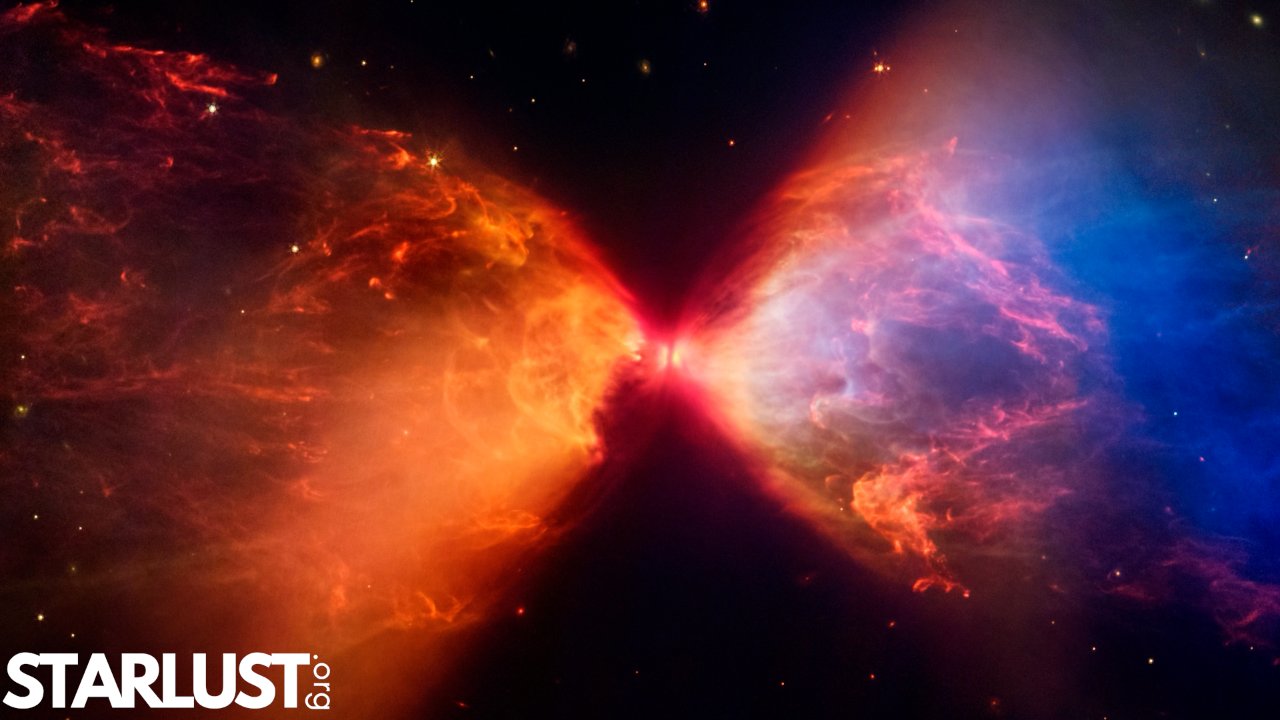
NASA's James Webb reveals the hidden protostar feeding inside this fiery hourglass cloud
NASA's James Webb Space Telescope captured the protostar within dark cloud L1527, about 460 light-years away in Taurus, with its Near-Infrared Camera. Released November 16, 2022, the image shows a protostar only about 100,000 years old, still hidden inside an hourglass-shaped cloud of gas and dust. Material ejected from the young star has carved out glowing blue and orange cavities above and below it, while its accretion disc continues feeding it material. The view offers a window into what our own Sun and solar system looked like in their infancy. Credit: ESA/Webb, NASA, ESA, CSA, and STScI, J. DePasquale (STScI), N. Bartmann (ESA/Webb)
More Videos
 0:47
0:47
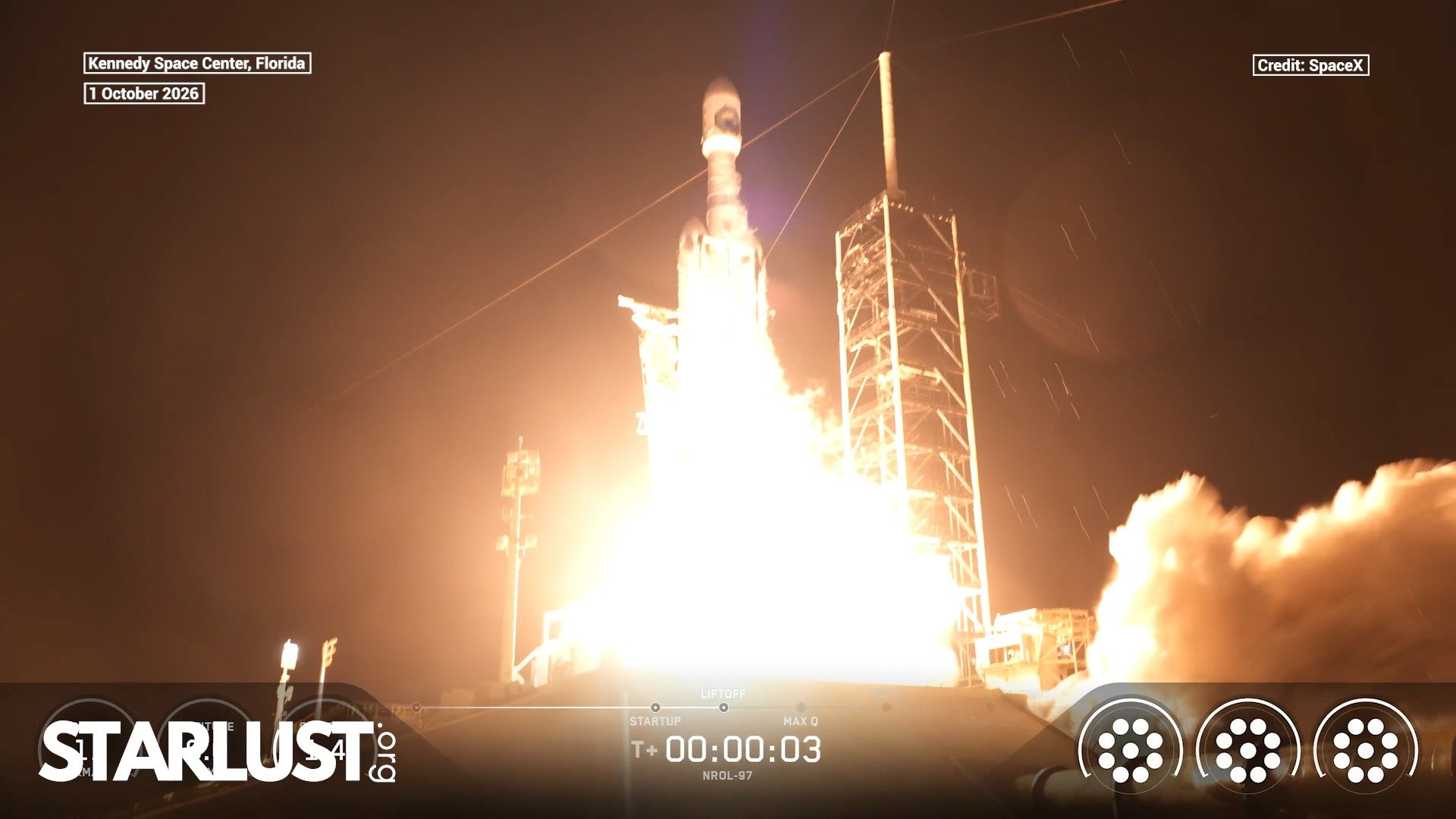
SpaceX successfully launches Falcon Heavy carrying NROL-97
SpaceX successfully launched Falcon Heavy carrying the NROL-97 mission from Launch Complex 39A at NASA’s Kennedy Space Center in Florida. The mission marked the second and fourth flights for the two Falcon Heavy side boosters, which previously launched the GOES-U, ViaSat-3 F3 and Roman Space Telescope missions. Video Credit: SpaceX
 0:26
0:26
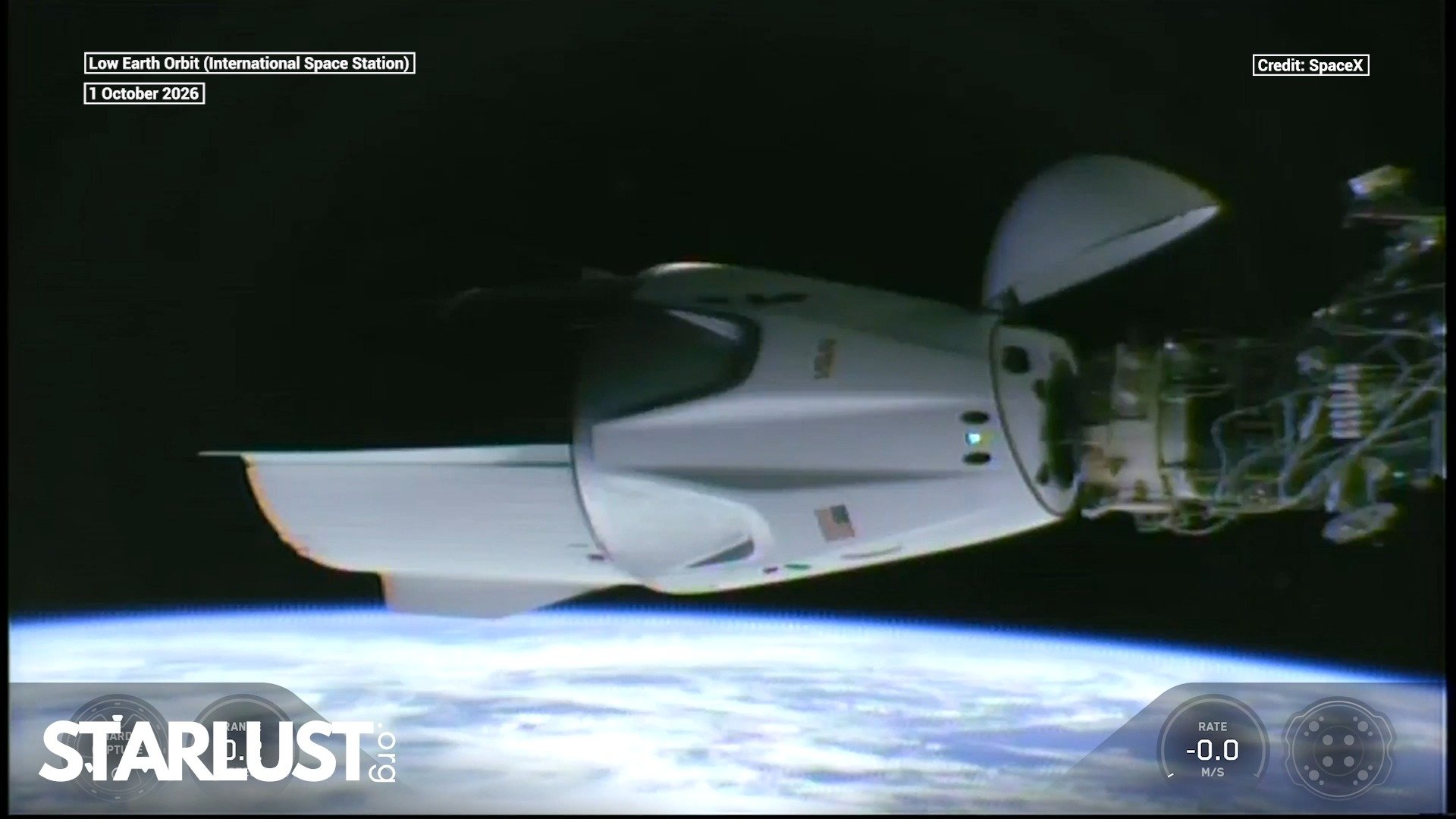
SpaceX Dragon docks with the ISS, carrying Crew-13 astronauts aboard
SpaceX's Dragon spacecraft carrying NASA astronauts Jessica Watkins and Luke Delaney, Canadian Space Agency astronaut Joshua Kutryk, and Roscosmos cosmonaut Sergey Teteryatnikov docked with the International Space Station at 7:05 p.m. EDT on October 1, 2026. Dragon connected to the forward port of the station's Harmony module, completing the fastest launch-to-docking of a U.S. spacecraft in ISS history. Video Credit: SpaceX
 0:30
0:30
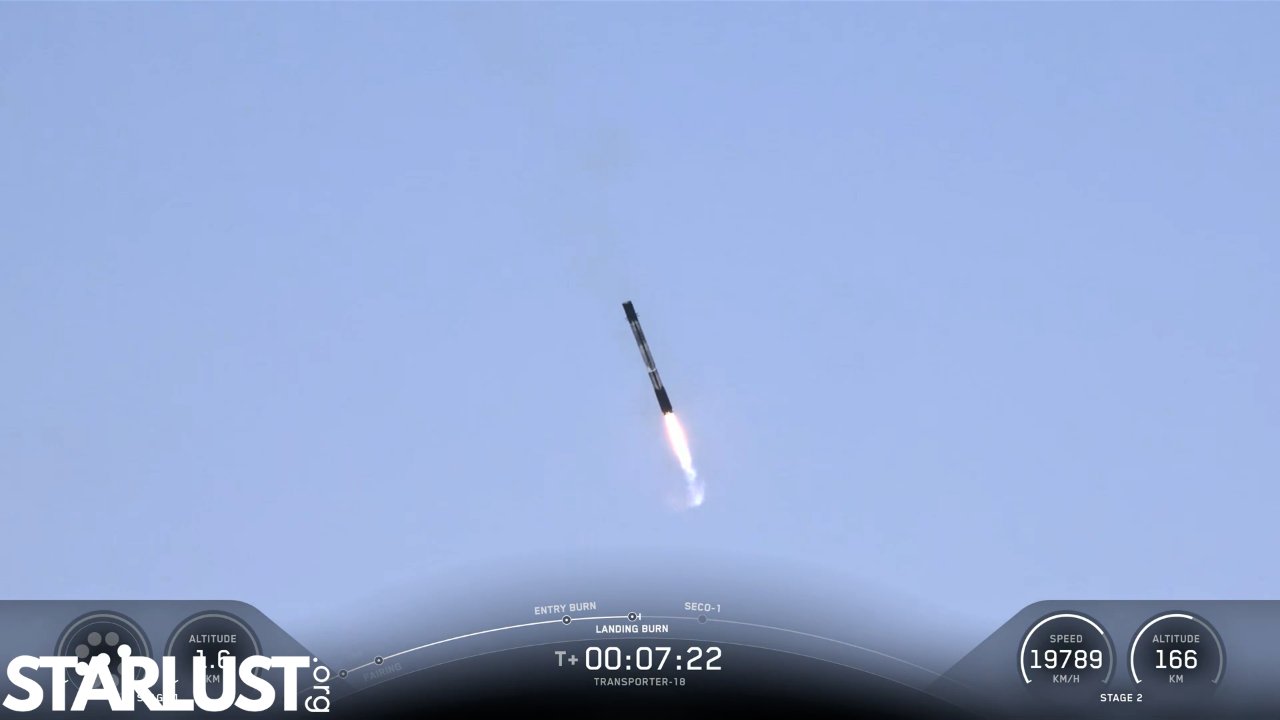
Falcon 9's first stage lands on LZ-4 after launching Transporter-18
Falcon 9's first stage landed on Landing Zone 4, Vandenberg Space Force Base, about 7 minutes 25 seconds after launching the Transporter-18 rideshare mission on October 1, 2026, the booster's 25th flight. Video Credit: SpaceX
 0:36
0:36
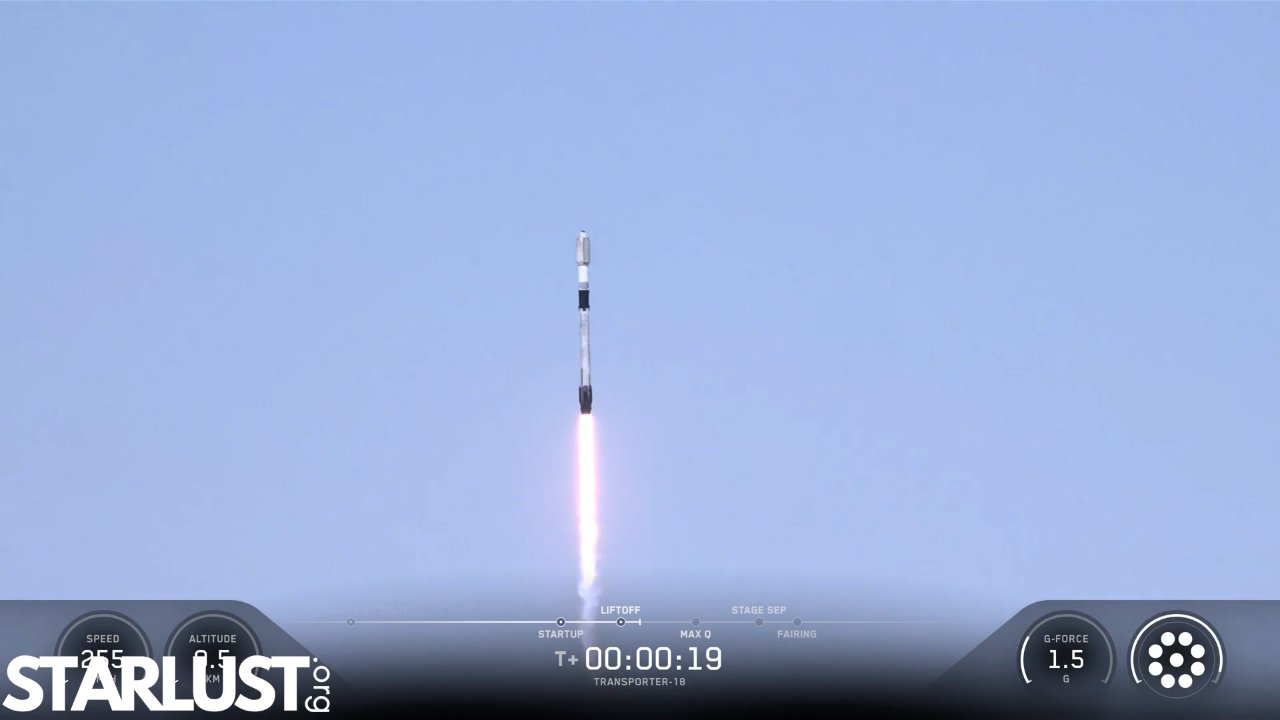
SpaceX launches Transporter-18 as part of a triple Falcon launch day
SpaceX launched the Transporter-18 rideshare mission from Vandenberg Space Force Base at 11:22 a.m. PT on October 1, 2026, sending 130 payloads to a sun-synchronous orbit. It was the third of three Falcon launches that day, following Crew-13 and ahead of a Falcon Heavy launch of NROL-97. Video Credit: SpaceX
 0:30
0:30
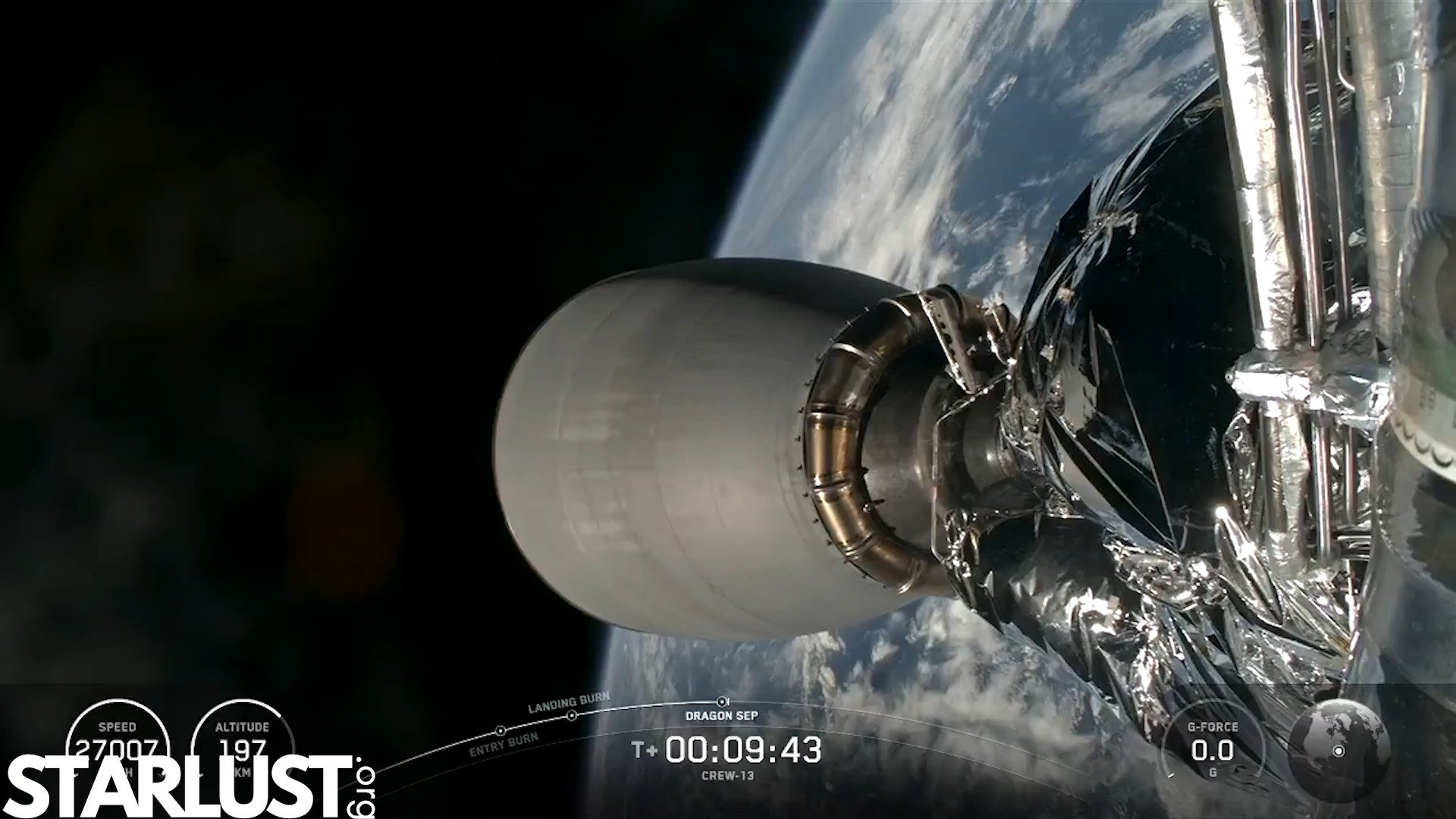
Dragon separates from Falcon 9's second stage, carrying Crew-13 toward the ISS
The Dragon spacecraft carrying the Crew-13 astronauts separated from Falcon 9's second stage about 9 minutes 49 seconds after launching from Cape Canaveral on October 1, 2026, beginning its approach to the International Space Station. Video Credit: SpaceX
 0:30
0:30
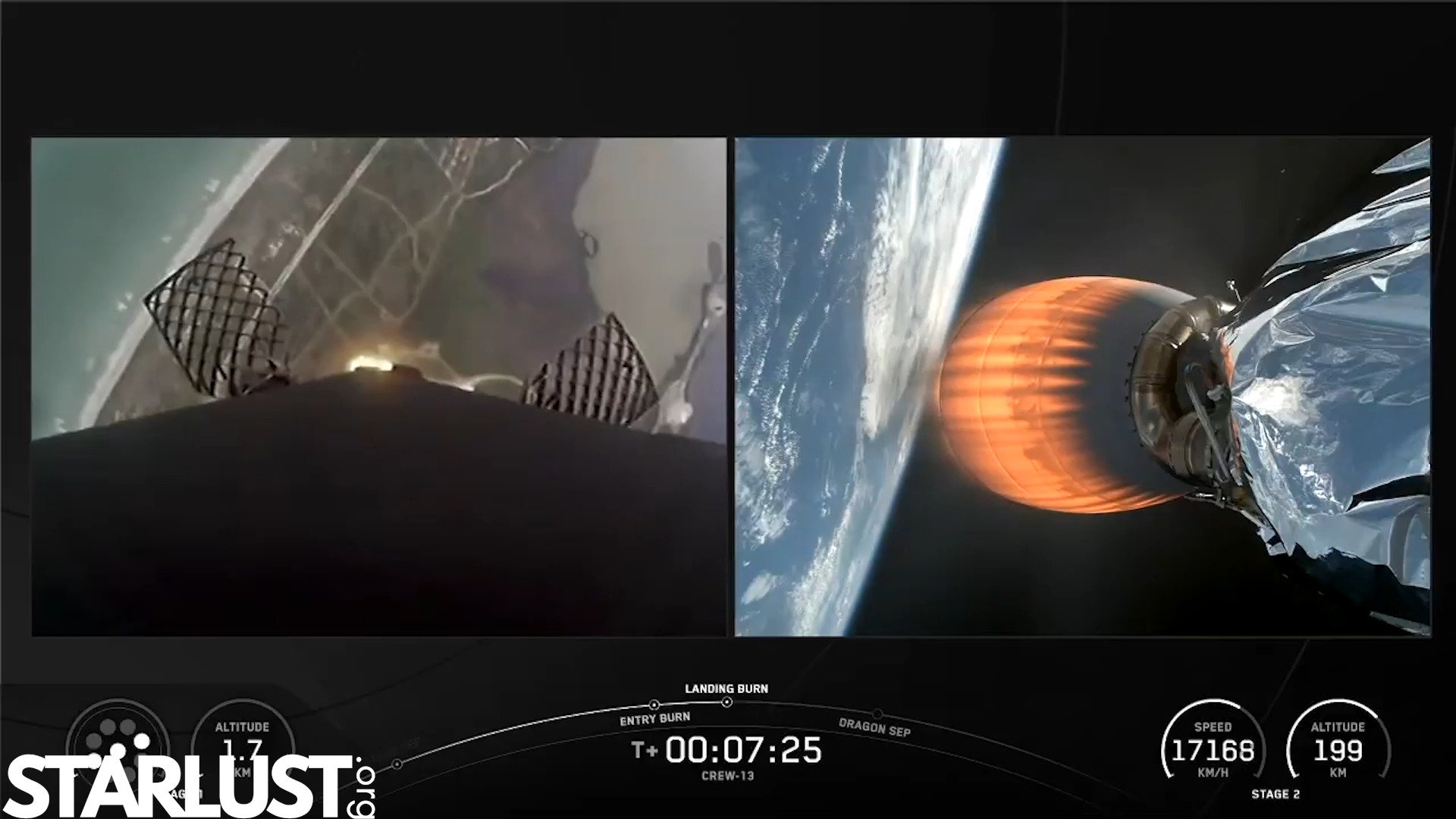
Falcon 9 lands at LZ-40 after launching Crew-13 to the ISS
SpaceX's Falcon 9 first stage landed at Landing Zone 40, Cape Canaveral, after launching Crew-13 toward the International Space Station on October 1, 2026, carrying NASA astronauts Jessica Watkins and Luke Delaney, Canadian Space Agency astronaut Joshua Kutryk, and Roscosmos cosmonaut Sergey Teteryatnikov. Video Credit: SpaceX
 0:26
0:26
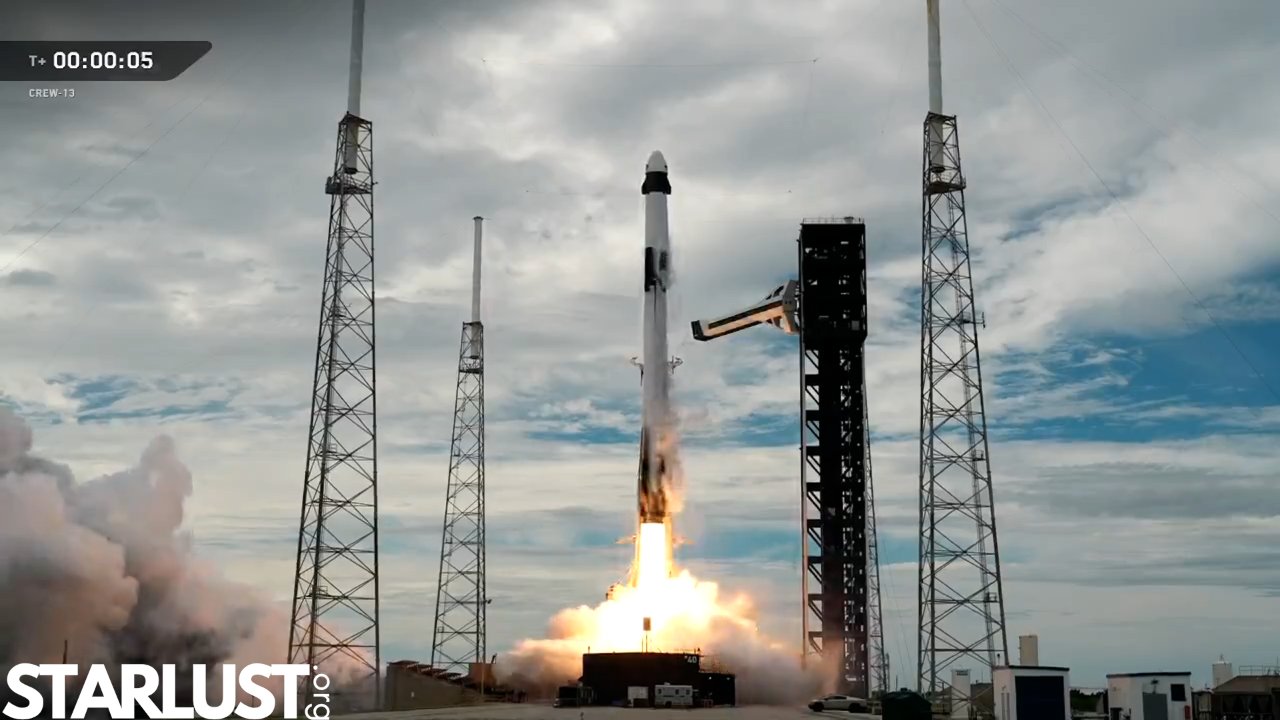
Liftoff! SpaceX launches Crew-13 astronauts to the International Space Station
SpaceX launched Crew-13 from Space Launch Complex 40, Cape Canaveral, at 11:10 a.m. on October 1, 2026, carrying NASA astronauts Jessica Watkins and Luke Delaney, Canadian Space Agency astronaut Joshua Kutryk, and Roscosmos cosmonaut Sergey Teteryatnikov to the International Space Station. The crew will spend roughly six months aboard the station as part of Expedition 75. Video Credit: SpaceX
 1:28
1:28
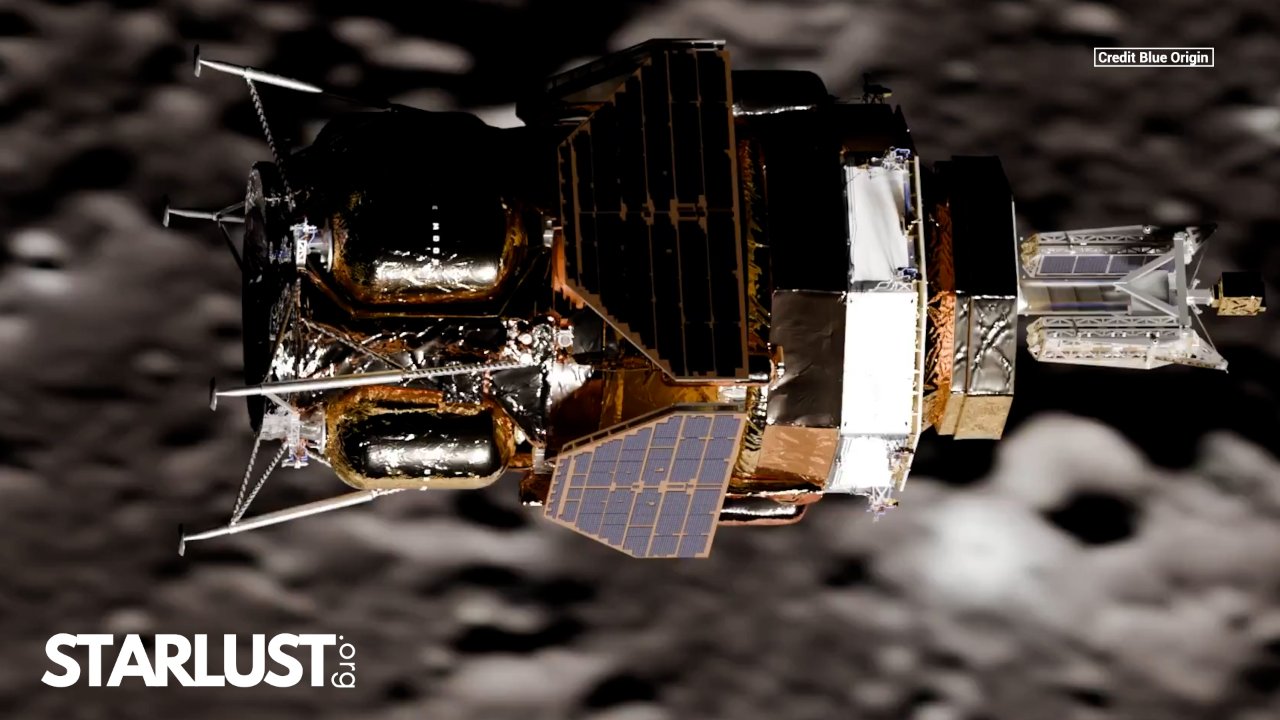
Blue Origin’s giant solar tower could power future Moon bases
Blue Origin has detailed its 20-meter Power Tower, a vertically deployed solar array designed to provide more than 10 kilowatts of power for future Moon Base operations at the lunar South Pole. Designed to be mounted on the Blue Moon MK1 lander, the system could capture near-continuous sunlight and eventually help extend power beyond individual lunar landers, supporting wider power networks across the lunar surface. Blue Origin has demonstrated its deployment in a lunar analogue environment on Earth. Video Credit: Blue Origin
 1:36
1:36
NASA and SpaceX set to launch Crew-13 astronauts to the ISS today
NASA and SpaceX are targeting today, October 1, for the launch of Crew-13, Dragon’s 13th operational human spaceflight mission to the International Space Station. Liftoff is targeted for 11:10 a.m. ET from Cape Canaveral, Florida. The Dragon spacecraft previously flew the Ax-4 mission, while the Falcon 9 first stage will make its third flight after launching Crew-12 and a Starlink mission. Following the docking and handover, Crew-12, including NASA astronauts Jessica Meir and Jack Hathaway, ESA astronaut Sophie Adenot, and Roscosmos cosmonaut Andrey Fedyaev, will board the SpaceX spacecraft and return to Earth with a scheduled splashdown off the coast of California. Video Credit: SpaceX / NASA / GettyImages
 1:39
1:39
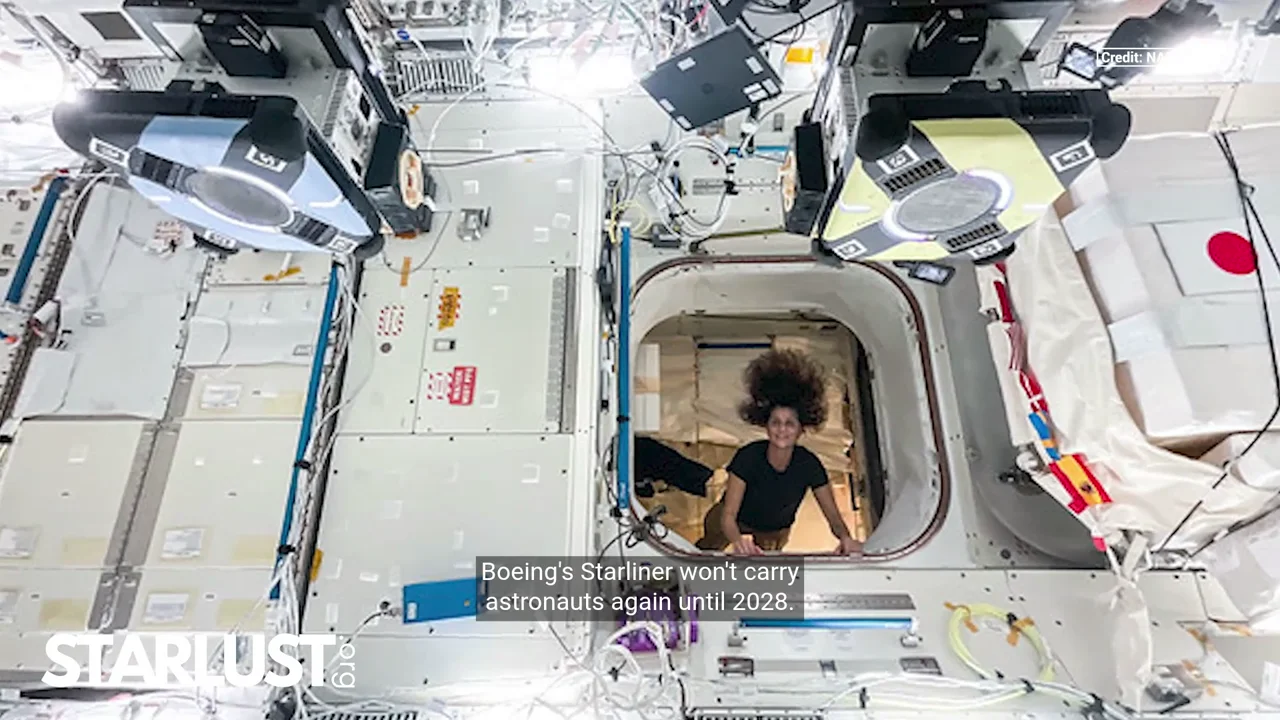
Boeing’s last chance: Starliner’s set for uncrewed flight before 2028 crewed mission
NASA and Boeing will first send Starliner to the ISS without a crew before astronauts return aboard the spacecraft. The uncrewed Starliner-1 mission is targeted for late 2026 or early 2027 and will test upgrades to its thrusters, thermal protection, batteries and parachute system following problems during its 2024 crewed flight. Video Credit: NASA/Boeing/GettyImages
 1:04
1:04
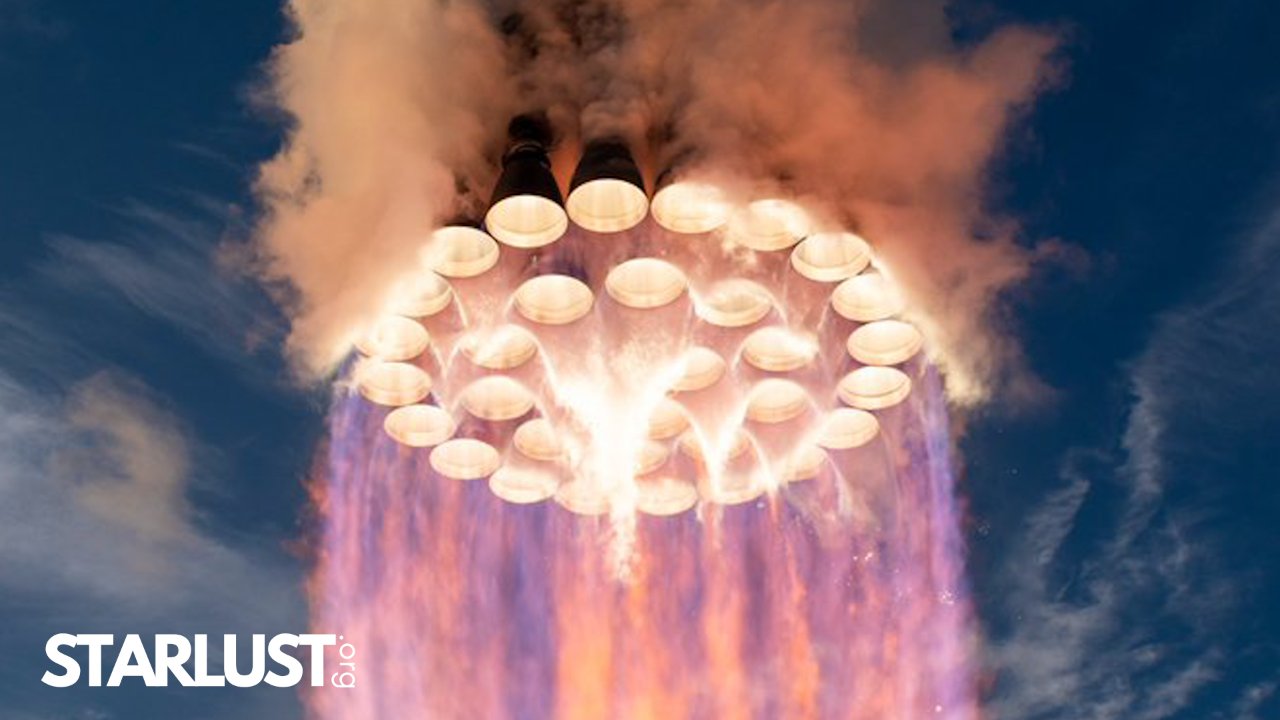
SpaceX releases incredible slow-motion videos of Starship Flight 14 liftoff
SpaceX has released stunning slow-motion videos of Starship Flight 14 blasting off from Starbase, Texas, on September 28, 2026. The flight marked Starship’s first attempt to reach orbit, with the spacecraft successfully reaching orbit and deploying 26 Starlink V3 satellites before continuing the test flight. The new footage captures the massive vehicle rising past the launch tower as its engines fire at liftoff, offering a dramatic close-up view of one of Starship’s biggest milestones yet. Video Credit: SpaceX
 1:25
1:25
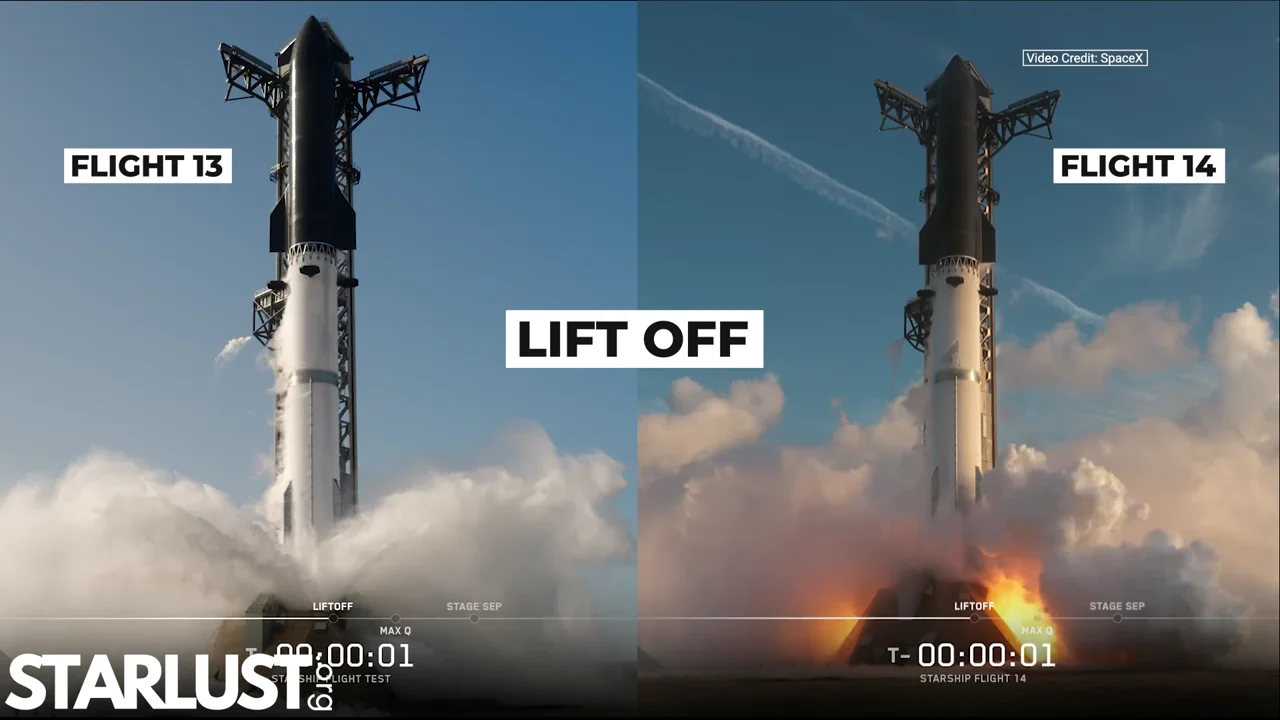
SpaceX Starship's liftoff on Flight 13 v/s Flight 14, side by side
A side-by-side comparison shows Starship lifting off on Flight 13, July 24, 2026, and Flight 14, September 28, 2026. Flight 13 flew Booster 20 and Ship 40 on a suborbital test, and its booster made a hard splashdown after engine failures. Flight 14 flew Booster 21 and Ship 41 on Starship's first successful orbital flight, deploying all 26 Starlink V3 satellites before the booster and ship both completed their splashdowns. Video Credit: SpaceX