 0:54
0:54
Watch Earth drift away as ESA’s Juice spacecraft heads for Jupiter
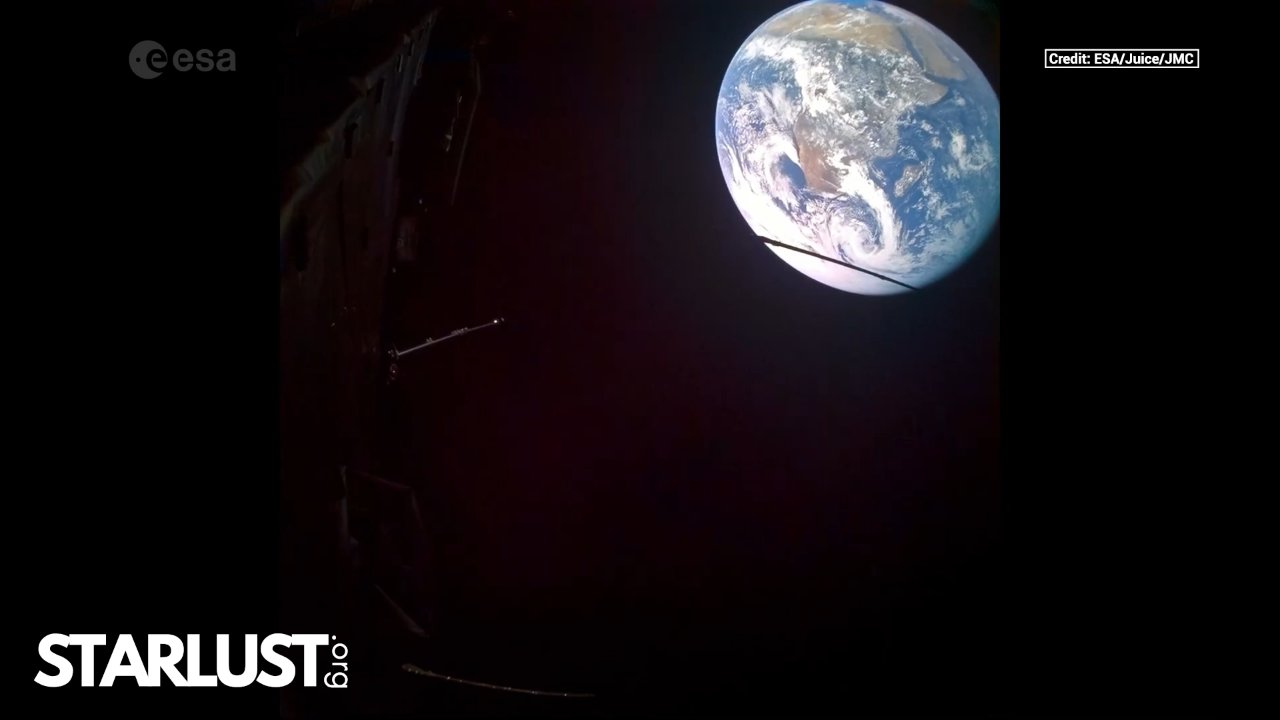
ESA’s Juice spacecraft has completed its September 28 Earth flyby, sending back a unique view of our planet captured by its onboard monitoring cameras. The footage shows Earth as a thin crescent before revealing almost the entire planet, with Africa visible and the Moon appearing as a tiny grey dot nearby. A final view captured on September 29 shows Earth receding into the distance. Juice passed about 8,640 km above the Indian Ocean, gaining roughly 3.5 km/s in speed as Earth's gravity bent its trajectory on the way to Jupiter. Credit: ESA/Juice/JMC
More Videos
 0:27
0:27
Amazing Starlink video shows SpaceX's Starship deploying V3 satellites into orbit
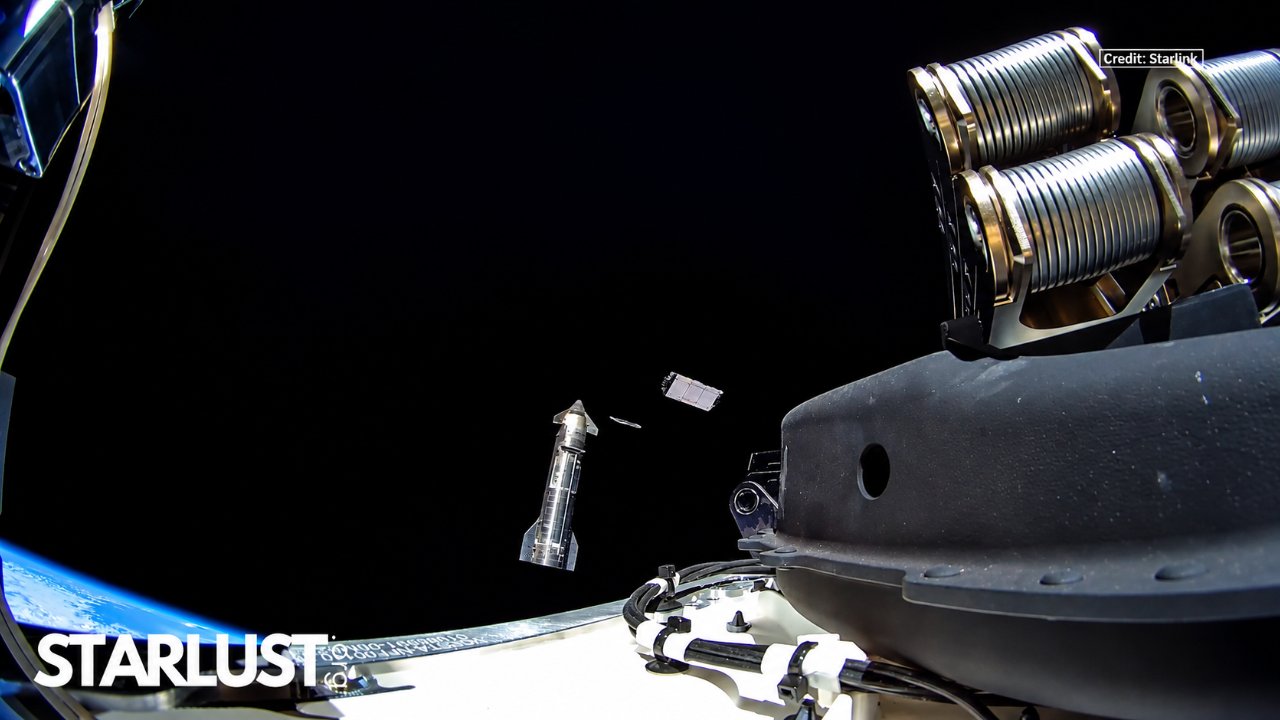
In new footage shared by SpaceX, Ship 41 can be seen deploying Starlink V3 satellites into orbit during Flight 14. The view from Starlink offers a striking look at the first deployment of SpaceX’s next-generation Starlink satellites. This Starship mission, the first to reach orbit, was launched on September 28, 2026, from Texas. Video Credit: Starlink
 1:47
1:47
Dawn on Mars: NASA's Curiosity captures the most detailed view of Martian wind-carved cliffs
NASA’s Curiosity rover captured the Sun rising over wind-carved formations called yardangs on Mars. The rover took this six-image panorama on August 11, 2026, from the lower slopes of Mount Sharp. The yardang layer stretches about 10 miles (16 kilometers) and could reveal more about Mars’ ancient environment when Curiosity reaches it in 2027. Video Credit: NASA/JPL-Caltech/MSSS; NASA/JPL-Caltech; NASA/JPL-Caltech/ESA/DLR/FU Berlin/MSSS
 0:25
0:25
Falcon 9 crosses the Moon in stunning slow-motion SpaceX footage
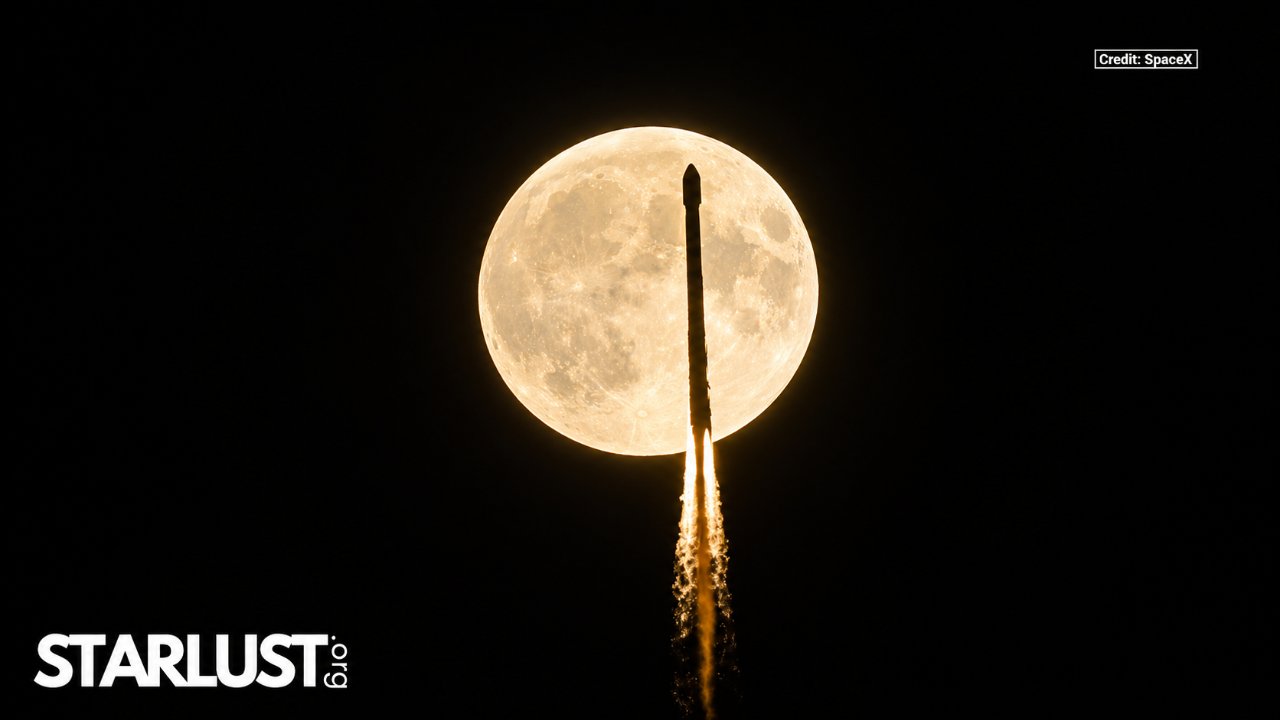
Watch SpaceX’s Falcon 9 cross the Moon in stunning slow motion as it launches Northrop Grumman’s Cygnus XL spacecraft. The footage clearly shows the rocket rising, its exhaust plume, and its silhouette against the Moon. Video Credit: SpaceX
 2:39
2:39
Hubble data from 1999 may now have found a planet born from a dead star
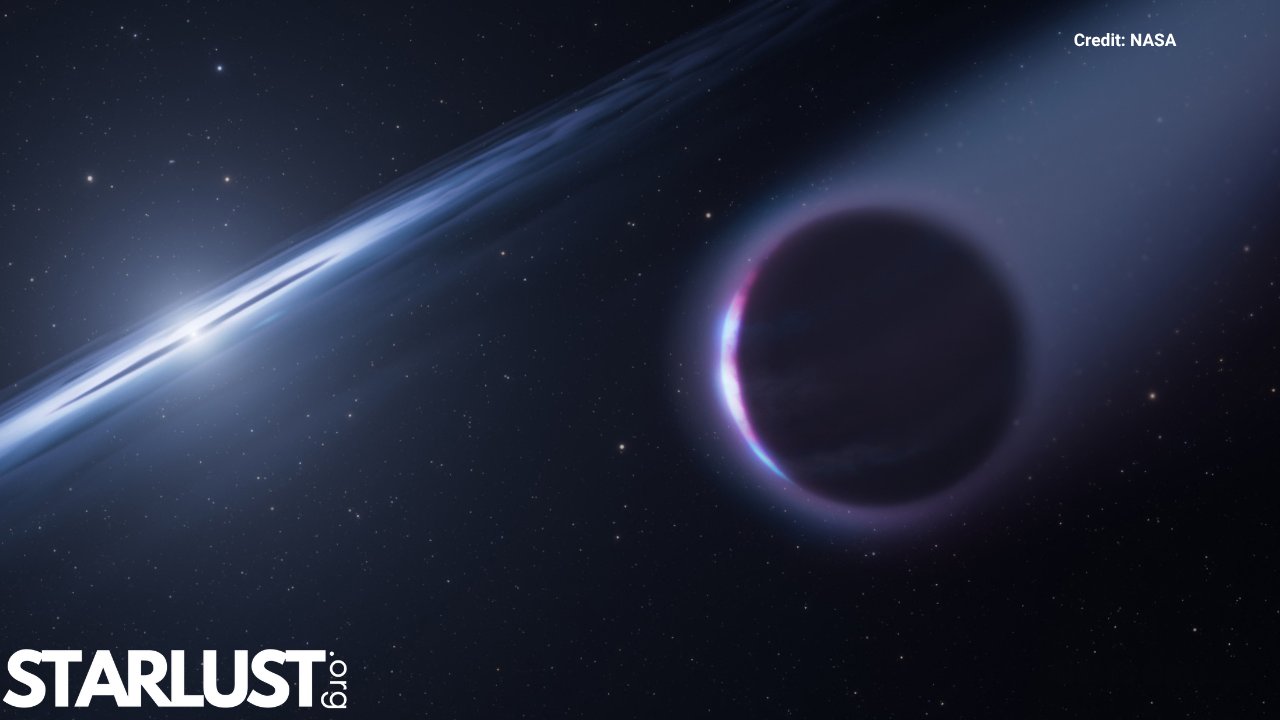
Researchers using archival data from NASA's Hubble Space Telescope reported on October 5, 2026, in Nature Astronomy that the white dwarf HS 0209+0832 may host a second-generation planet, one formed from material its star ejected as it died. Hubble's 1999 observations held about 100 unidentified chemical features, and a team led by Jamie Williams of the University of Warwick matched many of them to niobium, a heavy element made in dying stars. NASA's retired FUSE mission confirmed the niobium, and four months of TESS data showed repeating brightness changes consistent with a Jupiter-sized planet about 3.7 million miles from the star. Williams plans to use Hubble over the next several years to study how common such planets are. Credit: NASA Video Credit: White Dwarf and Exoplanet Animations created by Chris Smith and Scott Wiessinger
 2:10
2:10
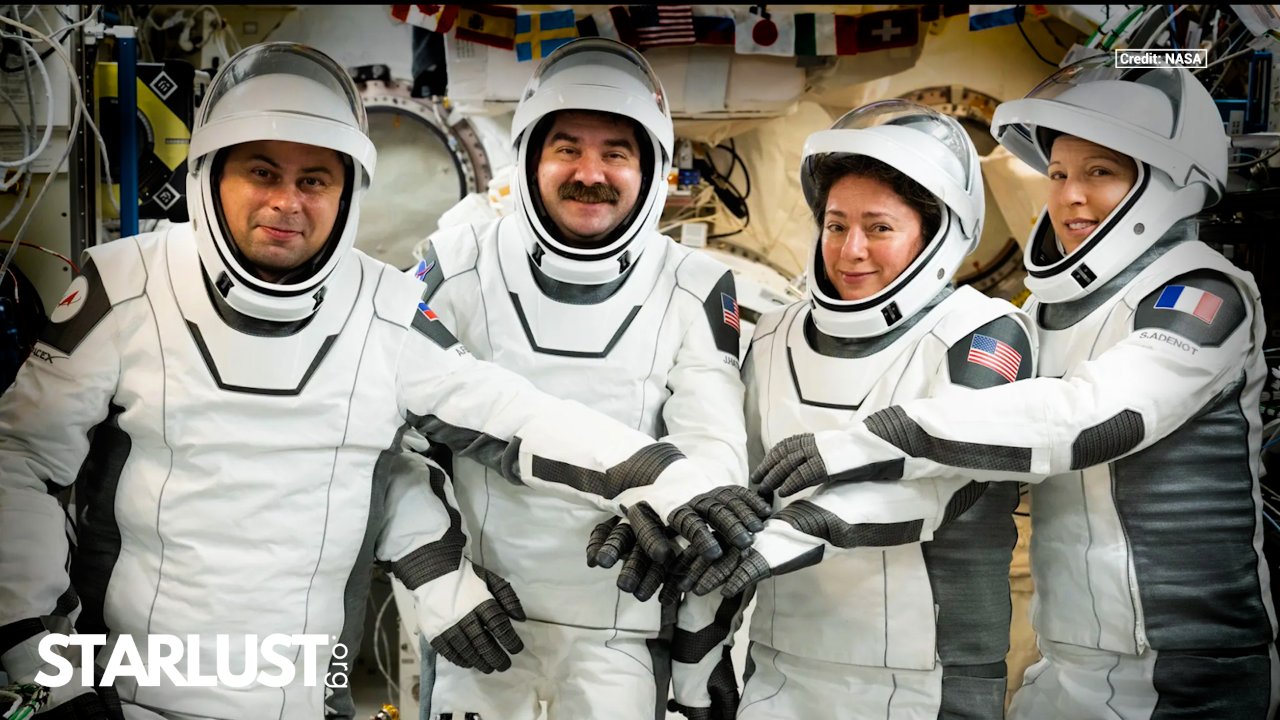
NASA-SpaceX Crew-12 mission concludes as astronauts prepare to return to Earth on October 8
NASA and SpaceX are targeting October 7 for the return of Crew-12 from the International Space Station. Dragon is scheduled to undock at 8:05 a.m. ET, with splashdown targeted for approximately 11:34 a.m. ET on October 8 off the coast of California. The four-member crew has spent nearly eight months aboard the ISS and has completed the formal handover with Crew-13 ahead of its return to Earth. Video Credit: NASA / ESA / GettyImages
 1:07
1:07
NASA's Hubble tracked a supernova fading over one year in a galaxy 70 million light-years away
NASA/ESA's Hubble Space Telescope tracked the fading light of supernova SN 2018gv in the barred spiral galaxy NGC 2525, about 70 million light-years away in the constellation Puppis. The supernova was first spotted in mid-January 2018, and Hubble observed it from February 2018 to February 2019, producing a time-lapse released on October 1, 2020, that shows it outshining the galaxy's brightest stars before fading away. It was a Type Ia supernova, which reaches a consistent peak brightness about 5 billion times that of the Sun, so astronomers use such explosions as cosmic tape measures to calculate distances to galaxies. Using those distances, Adam Riess's team had narrowed its measurement of the universe's expansion rate to 1.9% uncertainty by 2020, aiming for 1%. Credit: ESA/Hubble, Digitized Sky Survey, L. Calçada, Nick Risinger (skysurvey.org)
 17:15
17:15
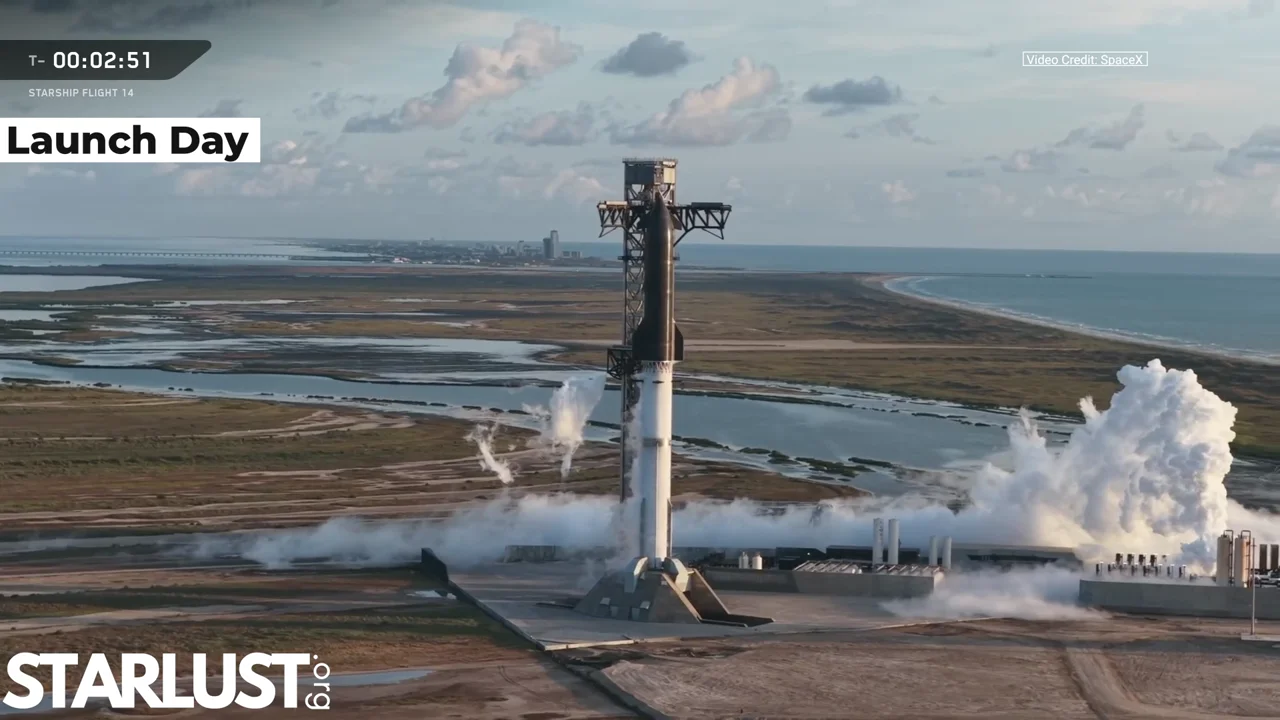
SpaceX Starship Flight 14 recap: Liftoff, first-ever orbit, 26 satellites deployed and fiery Pacific splashdown
Starship completed its first flight to orbit on Flight 14, launched from Pad 2 at Starbase, Texas, on September 28, 2026, after 13 suborbital test flights. Ship 41 reached orbit, deployed all 26 Starlink V3 satellites, and splashed down in the North Pacific, while Booster 21 splashed down in the Gulf of America. The booster lost a few engines and the ship lost one Raptor Vacuum engine on ascent, but both finished their flights. Flight 15 is targeted no earlier than October 19 and could attempt the first catch of a Starship upper stage, though SpaceX hasn't confirmed a date or plan. Video Credit: SpaceX
 1:33
1:33
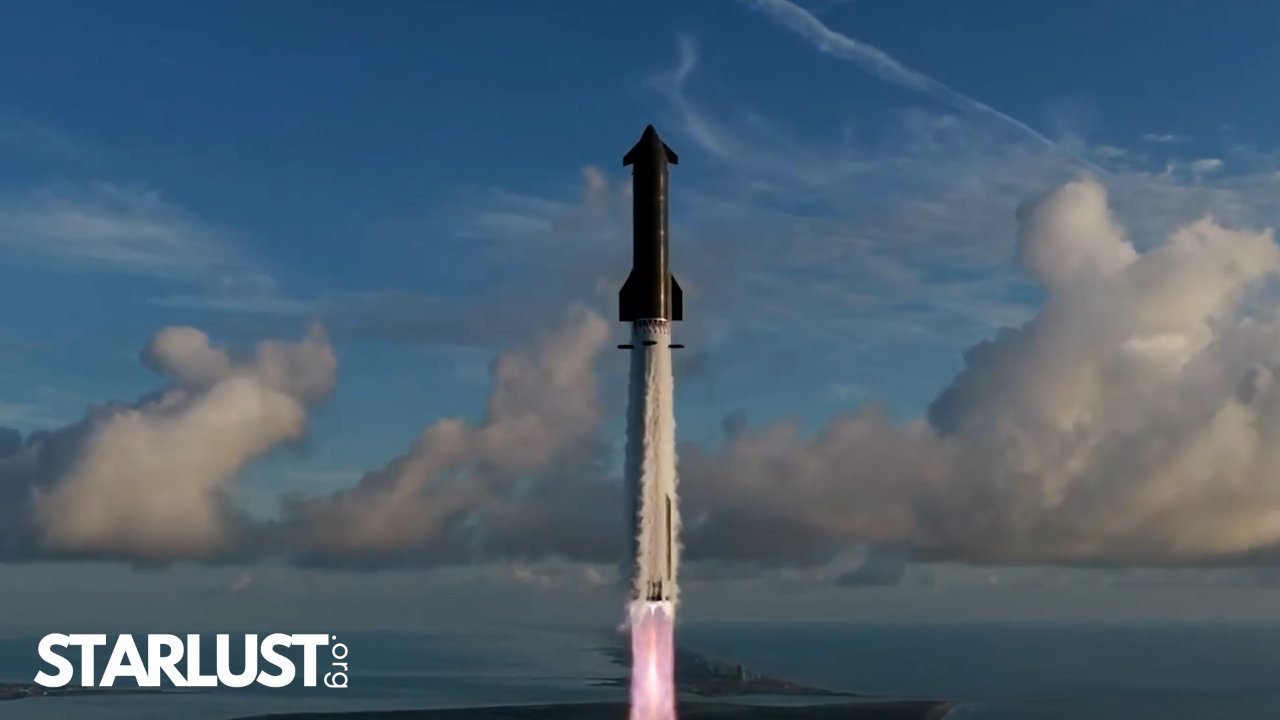
SpaceX Starship Flight 15: What to expect after Flight 14 reached orbit
After Starship’s first successful orbital flight, Flight 15 could bring another major test. Elon Musk has said SpaceX could attempt to catch the Starship upper stage on the next flight, while the mission will also show whether the vehicle can repeat its orbital operations after an engine issue on Flight 14. Video Credit: SpaceX
 0:15
0:15
SpaceX scrubs launch of 21 Northrop Grumman satellites just before liftoff, retry set for October 6
SpaceX scrubbed its October 5, 2026, launch of 21 Northrop Grumman data transport satellites for the U.S. Space Development Agency from Space Launch Complex 4E at Vandenberg Space Force Base, California. It is SDA's fourth Tranche 1 data transport launch and the first with Northrop Grumman-built satellites, adding a fourth orbital plane to a mesh network of optically linked satellites in low Earth orbit for military communications. A retry is listed for October 6 at 1:17 a.m. PDT. Once launched, the satellites would bring the Tranche 1 Transport Layer to 84 of its planned 126. Video Credit: SpaceX
 0:42
0:42
NASA's James Webb traced the history of two interacting dwarf galaxies 24 million light-years away
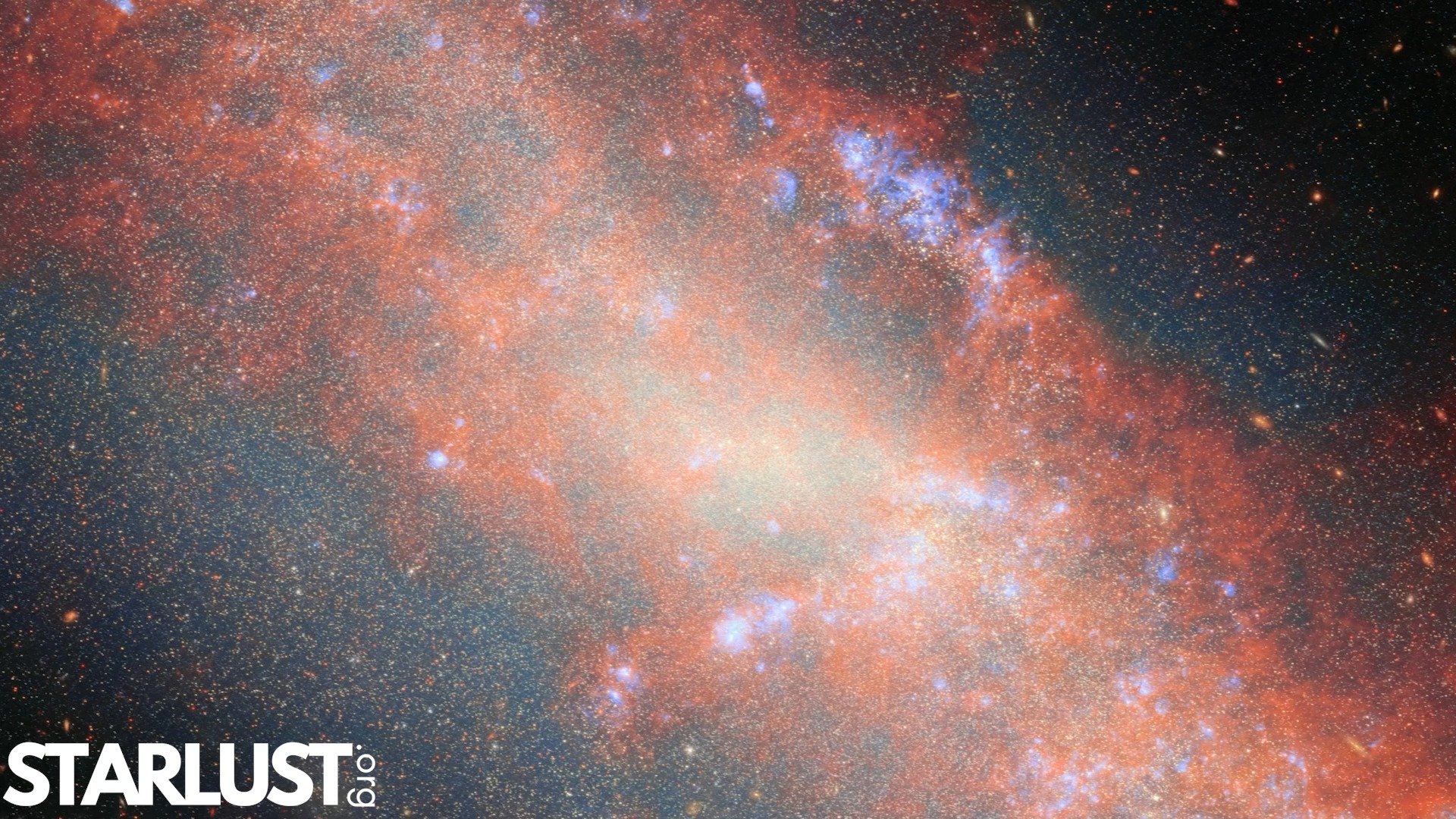
NASA's James Webb Space Telescope traced the history of two interacting dwarf galaxies, NGC 4490 and NGC 4485, about 24 million light-years away in the constellation Canes Venatici. The image was released on December 2, 2025, as Webb's Picture of the Month. Using Webb's NIRCam and MIRI instruments, researchers mapped where young, middle-aged, and old stars reside and traced the timeline of the encounter: the galaxies swept close to each other roughly 200 million years ago, then burst alight with new stars about 30 million years ago, with new clusters forming where their gas mixed. Because dwarf galaxies resemble the young galaxies of the early universe, encounters like this offer clues to how galaxies billions of years ago grew and evolved. Credit: ESA/Webb, NASA & CSA, A. Adamo (Stockholm University), G. Bortolini, and the FEAST JWST team; N. Bartmann (ESA/Webb)
 0:33
0:33
Watch SpaceX Starship Fire Its Engines in Stunning Slow Motion
SpaceX’s Starship fires its engines during a full-duration static-fire test at Starbase, Texas. The spacecraft remained secured to the launch mount as its six Raptor engines ignited ahead of its 11th flight test. Watch the original SpaceX footage in slow motion for a closer look at the flames and exhaust plume. Video Credit: SpaceX
 1:50
1:50
GomSpace Tests GOMX-5 for Debris Avoidance Within 48 Hours of Launch
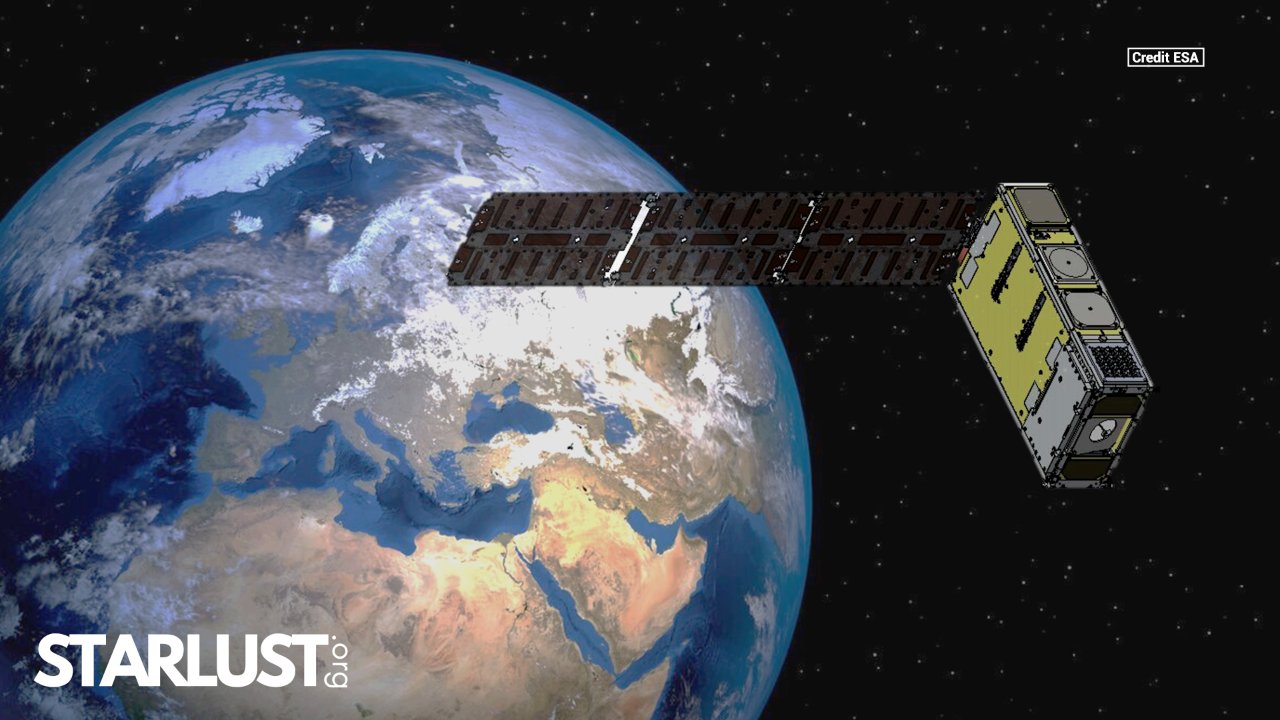
ESA-backed GOMX-5 is an 8U CubeSat built by GomSpace that launched aboard SpaceX’s Transporter-18 mission on October 1. The satellite is testing an iodine electric propulsion system designed to be commissioned within 48 hours of launch, allowing the spacecraft to become ready for potential collision-avoidance manoeuvres. The propulsion system is also intended to support end-of-life disposal in line with ESA’s Zero Debris approach. GOMX-5 also carries a compact radio-based payload designed to support maritime domain awareness by acquiring radio signals across multiple relevant frequency bands. Video Credit: ESA / GomSpace / SpaceX / GettyImages