 0:55
0:55
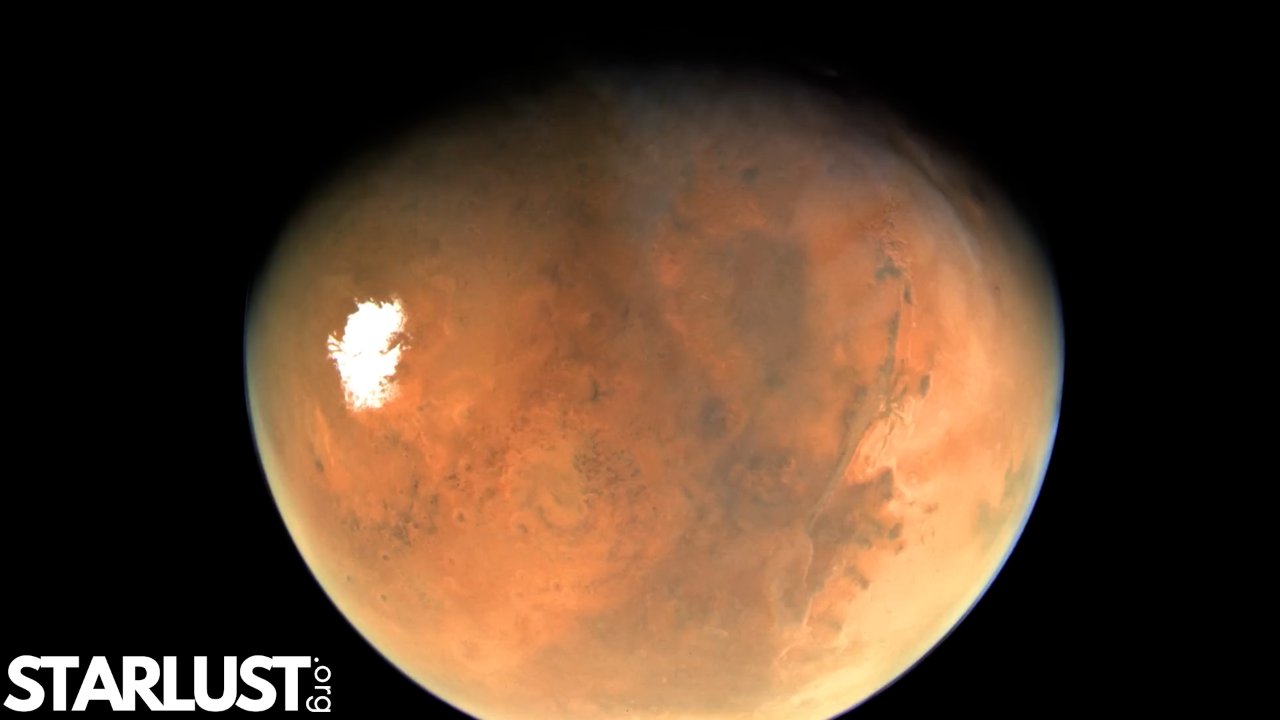
NASA's Psyche mission releases timelapse video of its Mars flyby
NASA's Psyche spacecraft flew by Mars on May 15, 2026, using the planet's gravity to boost its speed toward asteroid 16 Psyche, its ultimate destination. During the flyby, Psyche's imager captured a month-long time-lapse sequence of Mars — including windblown craters, the polar ice cap, and the Huygens crater — while also testing the instruments it will use to study the asteroid in 2029. Video Courtesy: NASA/JPL-Caltech/ASU/True Story Films
More Videos
 2:45
2:45
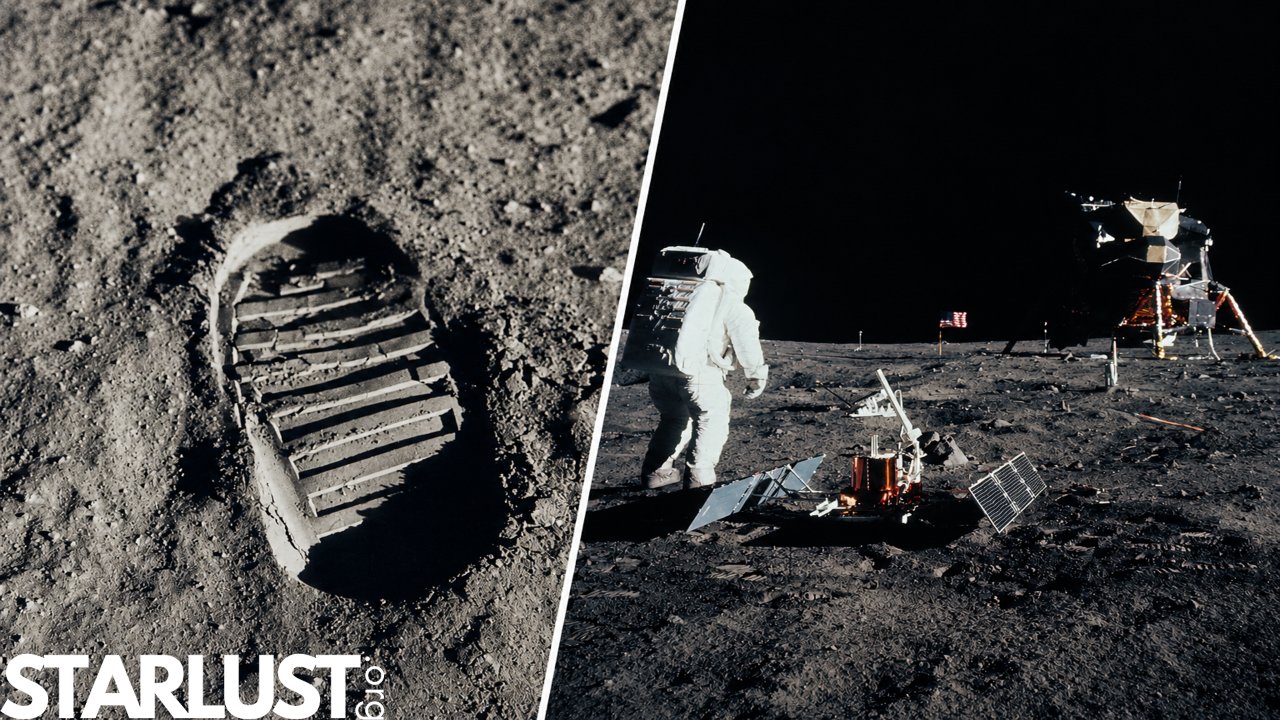
Lesser-known facts about every Apollo Moon landing (1969 - 1972)
Between 1969 and 1972, twelve men walked on the Moon across six landings. From a lightning strike that nearly ended a mission to a golden olive branch still sitting on the lunar surface, here are a few strange, lesser-known facts from every single one. Video Courtesy: NASA, Getty Images
 1:25
1:25
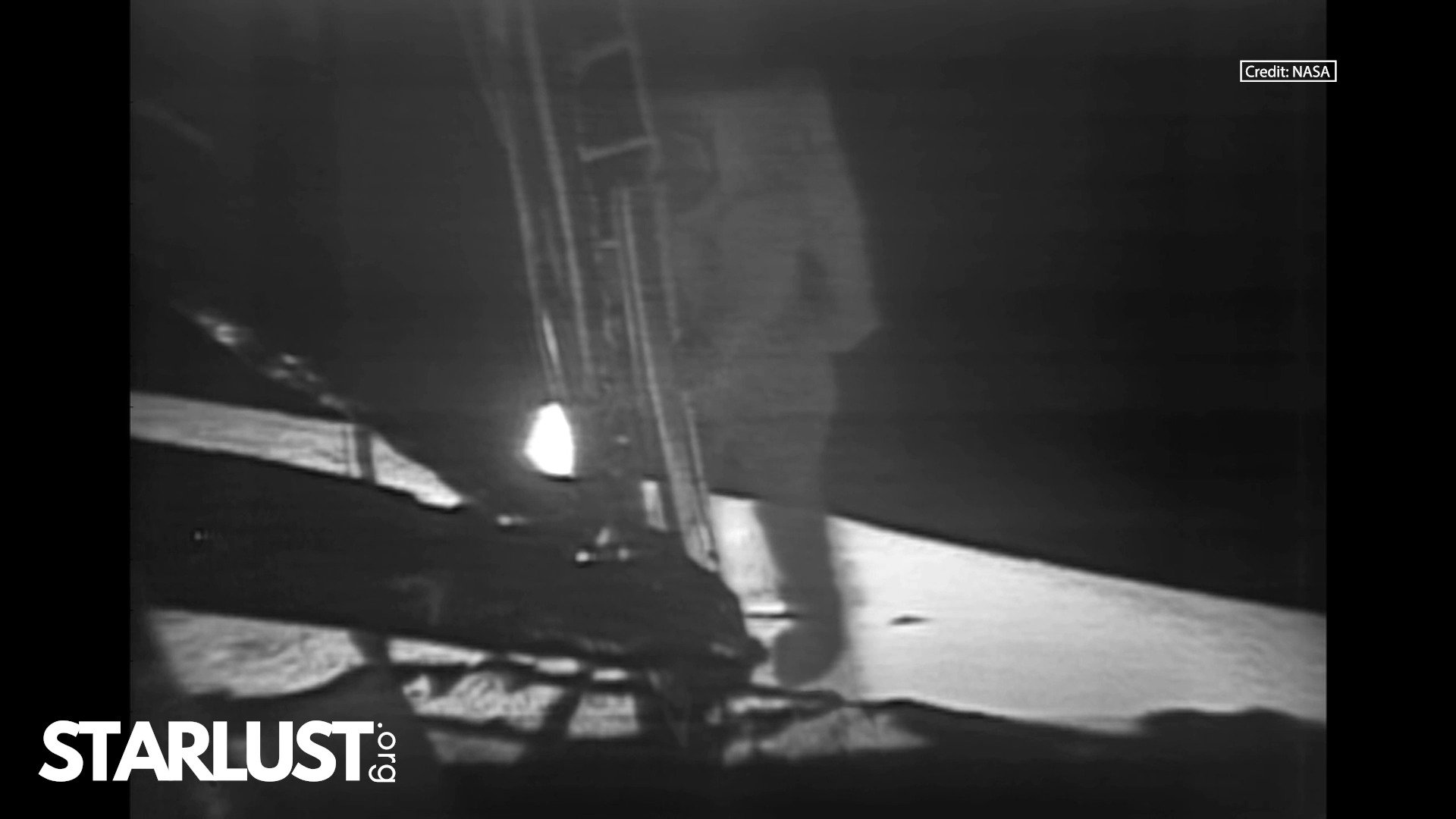
On this day in 1969, Apollo 11 astronauts walked on the Moon for the first time
On July 20, 1969, NASA's Apollo 11 mission made history when Neil Armstrong became the first person to walk on the Moon. Buzz Aldrin joined him on the lunar surface, while Michael Collins remained in orbit aboard the Command Module Columbia. During their moonwalk, Armstrong and Aldrin collected Moon rocks and soil, set up scientific experiments, and spent more than two hours exploring before returning safely to Earth. Video Courtesy: NASA and Getty
 3:13
3:13
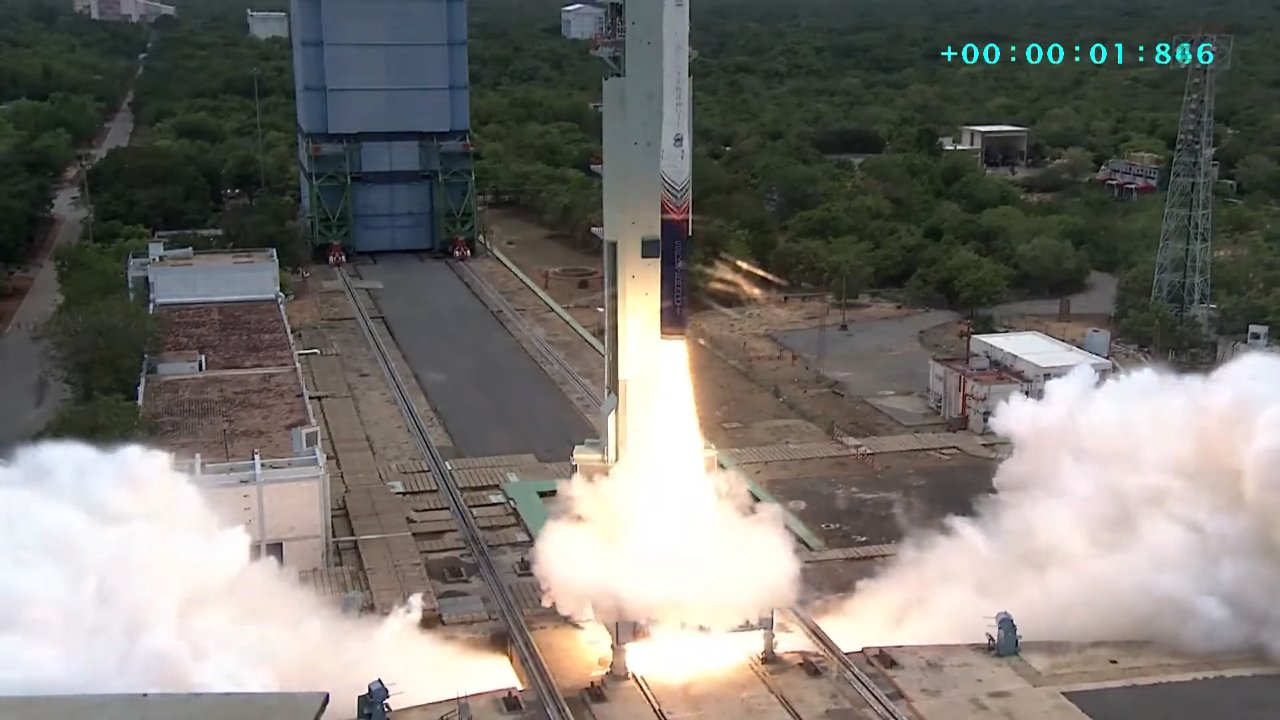
Skyroot's Vikram-1 successfully completes India's first private orbital rocket launch
Skyroot Aerospace's Vikram-1 successfully completed Test Flight-1, Mission Aagaman, from Sriharikota on July 18, 2026, becoming the first privately developed Indian rocket to successfully place payloads into orbit. The rocket's final stage, the Orbital Adjustment Module, uses a 3D-printed liquid engine capable of starting, stopping and restarting in space, allowing it to fine-tune the satellites' final orbit. Vikram-1 is powered by four solid-fuel stages plus this liquid-fueled upper stage. Video Credit: Skyroot Aerospace
 2:31
2:31
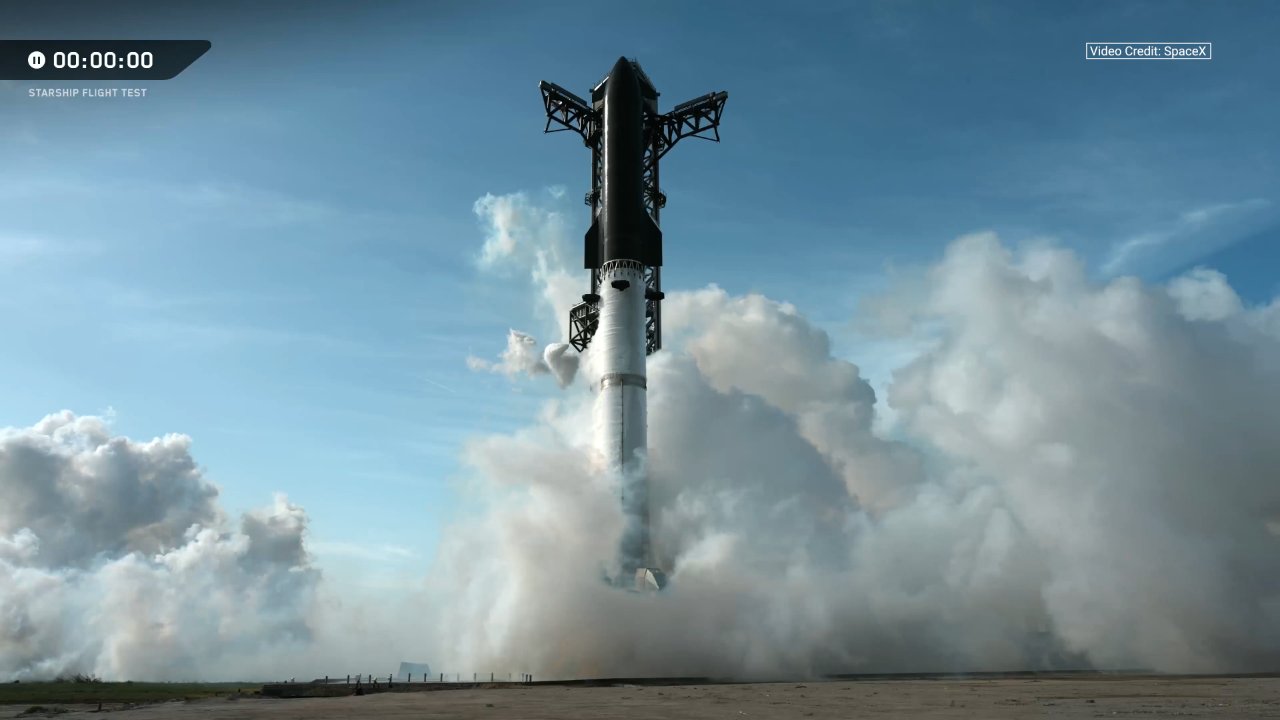
SpaceX aborts Starship Flight 13 launch after engines fail to ignite
SpaceX's Starship V3 came within seconds of launching from Starbase, Texas, on July 16, 2026, when some of its 33 Raptor 3 engines failed to start, triggering an automatic abort. It would have been Starship's 13th flight and the first test of its third-generation design, carrying 20 new Starlink satellites. Elon Musk said two engines will be removed and replaced, with the next launch attempt likely early next week. Video Credit: SpaceX
 0:55
0:55
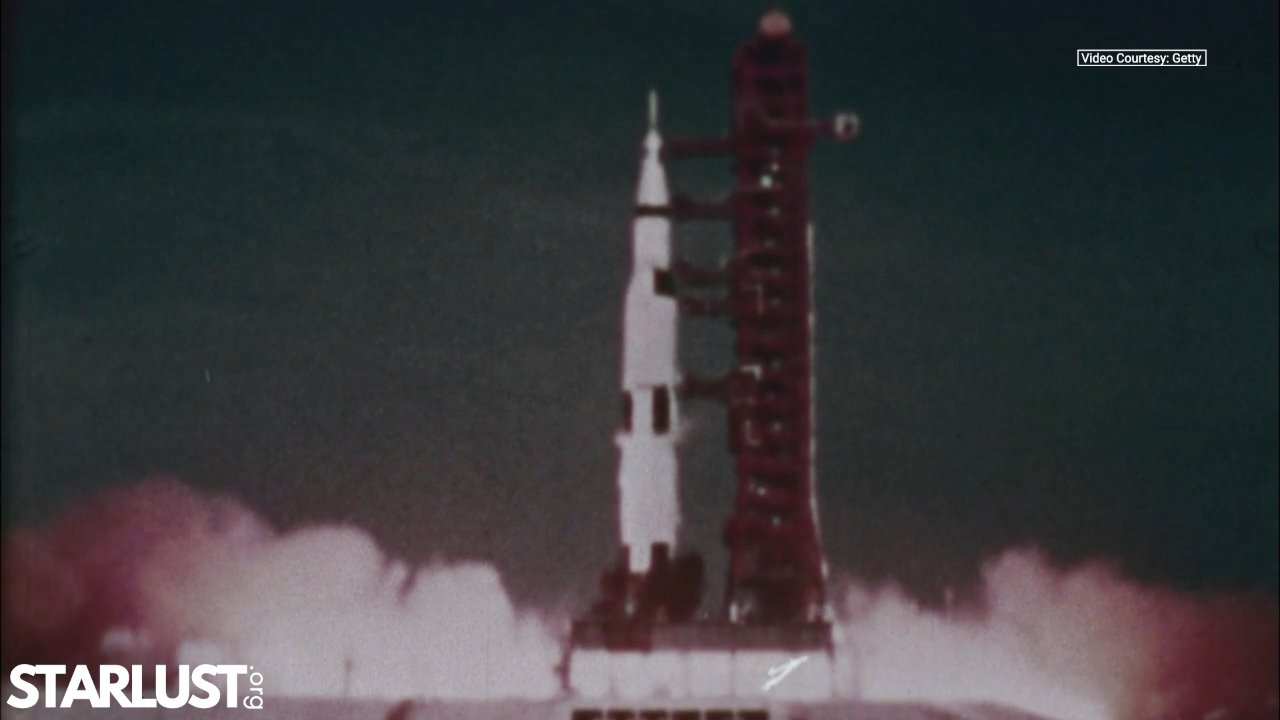
Apollo 11 lifted off on this day in 1969 — watch the historic launch
On this day, July 16, 1969, NASA's Apollo 11 mission lifted off aboard a mighty Saturn V rocket from Kennedy Space Center in Florida, carrying astronauts Neil Armstrong, Buzz Aldrin, and Michael Collins on humanity's first attempt to land people on the Moon. Four days later, on July 20, Armstrong and Aldrin became the first humans to walk on the lunar surface, while Collins remained in lunar orbit aboard the command module. Apollo 11 forever changed the course of space and lunar exploration and remains one of the greatest achievements in human history. Video courtesy: NASA and Getty #Apollo11 #MoonLanding #NASA #SaturnV #NeilArmstrong #BuzzAldrin #MichaelCollins #Moon #SpaceExploration
 2:45
2:45
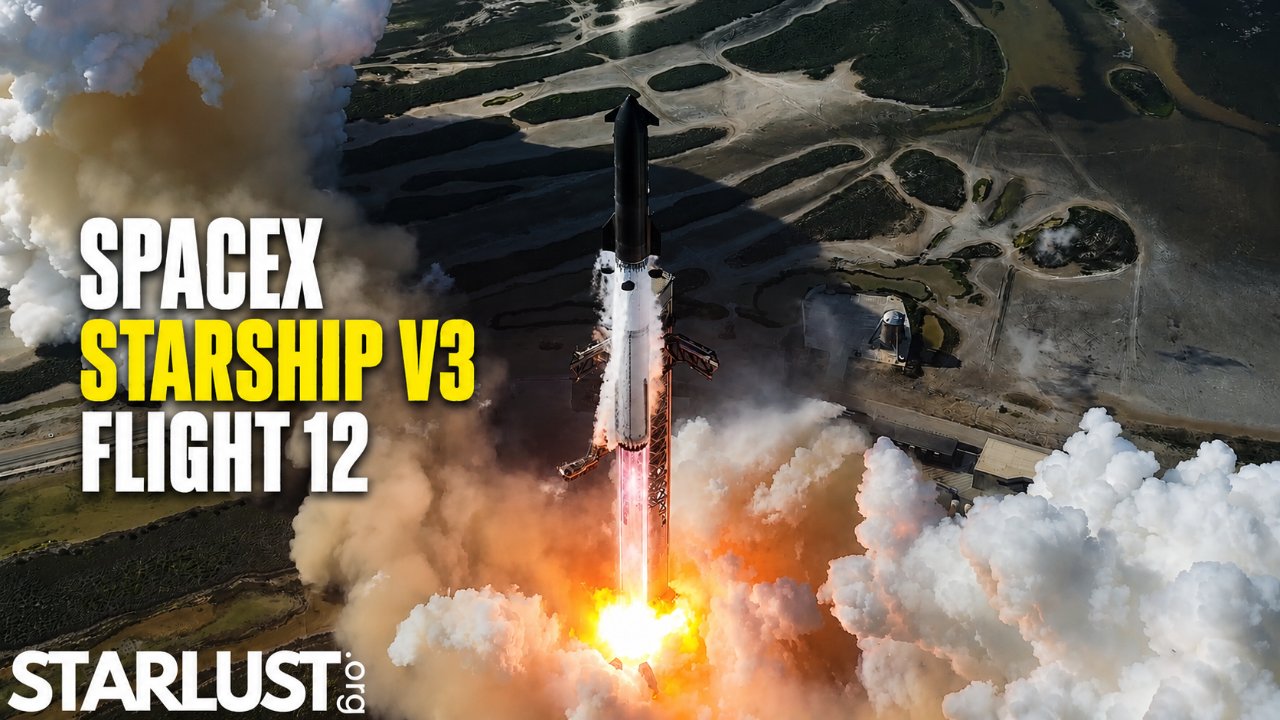
SpaceX Starship V3 Flight 12: Full launch, successful landing & planned explosion
SpaceX has released an extended video of Starship Flight 12, offering a complete look at the V3 vehicle's landmark test flight. The footage comes just days before Starship Flight 13, the next test launch could take place as early as Wednesday, July 15. Flight 12 marked the debut of Starship and Super Heavy V3, the new Raptor 3 engines, and the first launch from Pad 2. Despite losing one engine each on the booster and upper stage, Starship completed its mission, deployed 20 Starlink simulators and two modified Starlink satellites, and performed a controlled splashdown in the Indian Ocean. The explosion seen after landing was planned as part of post-flight testing and was not an accident. The mission provided valuable data that will help prepare Starship for future flights.
 0:55
0:55
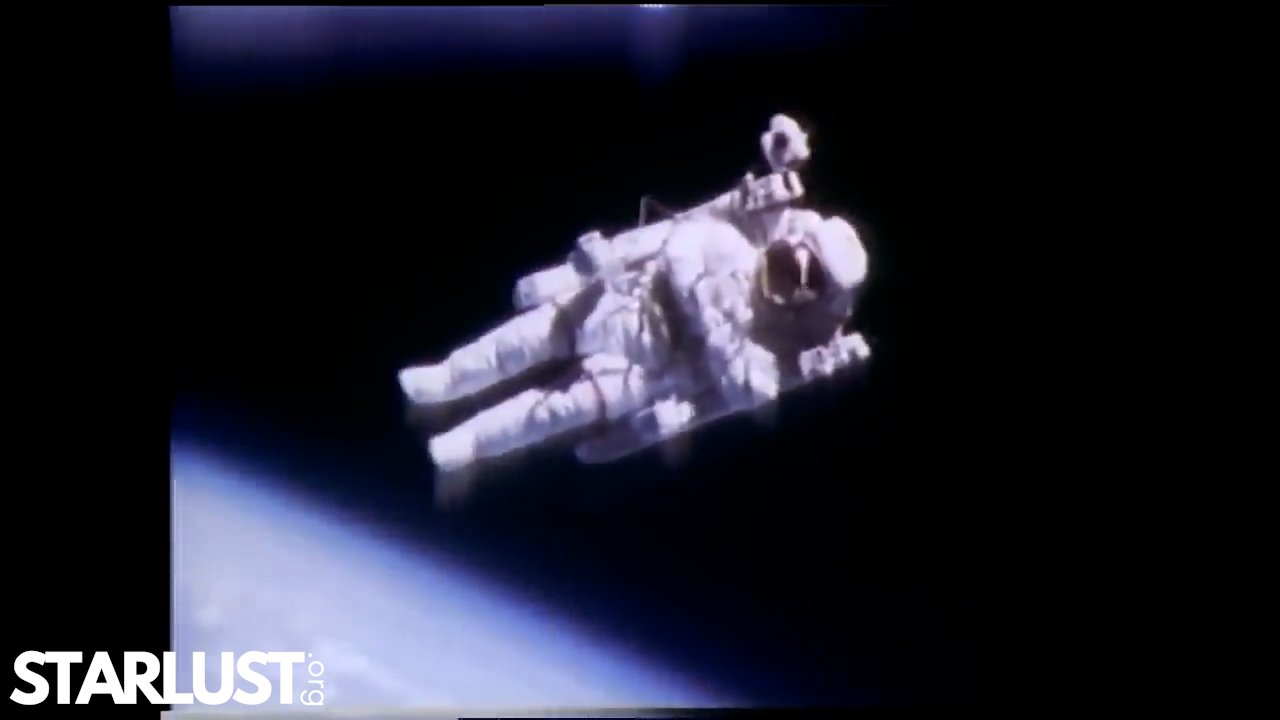
NASA video shows the first human to float freely in space
On February 7, 1984, NASA astronaut Bruce McCandless II made history by becoming the first human to float freely in space without a safety tether. During Space Shuttle Challenger's STS-41B mission, he piloted the Manned Maneuvering Unit (MMU), a nitrogen-powered backpack that carried him nearly 320 feet (98 meters) from the shuttle while orbiting Earth at 17,500 mph. His unforgettable solo spacewalk lasted 1 hour and 22 minutes, producing one of the most iconic images in spaceflight history (https://www.nasa.gov/history/photos-from-sts-41b/). As McCandless famously said, "It may have been one small step for Neil, but it's a heck of a big leap for me." Footage courtesy: NASA Video Editing by Starlust.org
 0:16
0:16
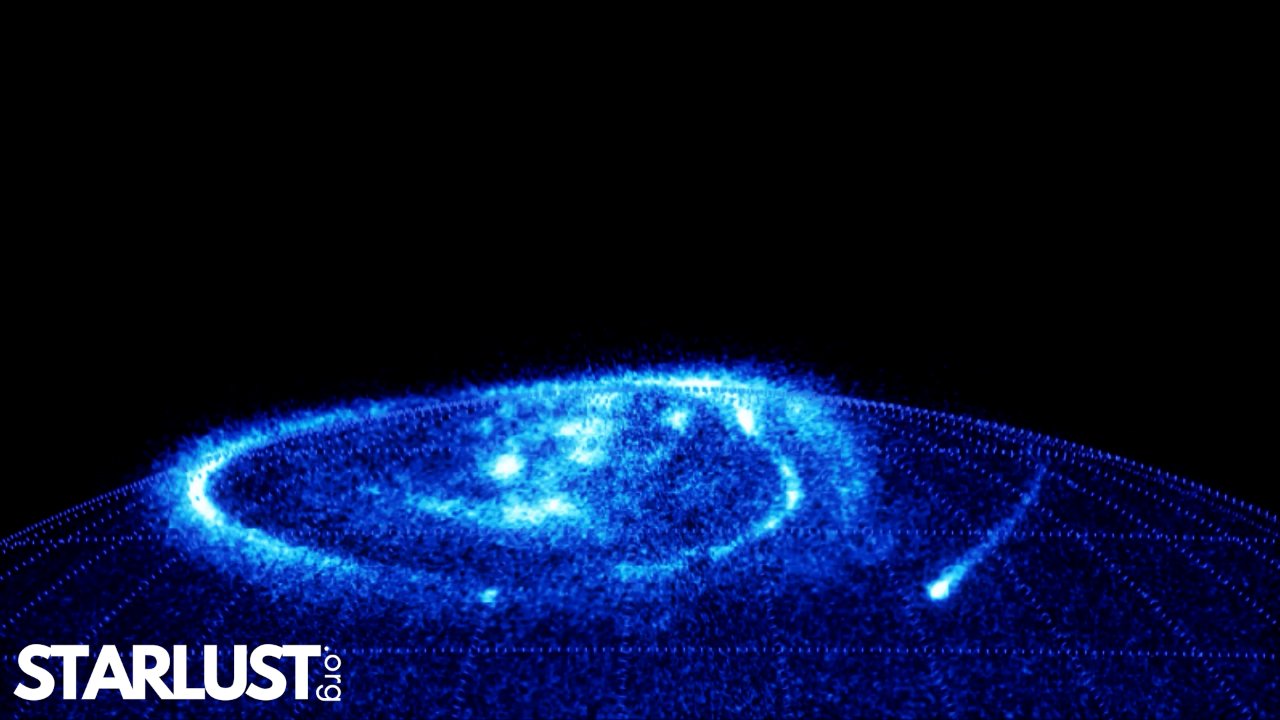
Watch Jupiter’s vivid auroras outshine Earth's in this 10-second timelapse
Captured by the Hubble Space Telescope in ultraviolet light, this timelapse reveals the auroras dancing across Jupiter's poles — fueled not just by the Sun, but by the planet's own powerful magnetic field pulling in charged particles from across its system. Credit: NASA, ESA, J. Nichols (University of Leicester)
 2:33
2:33
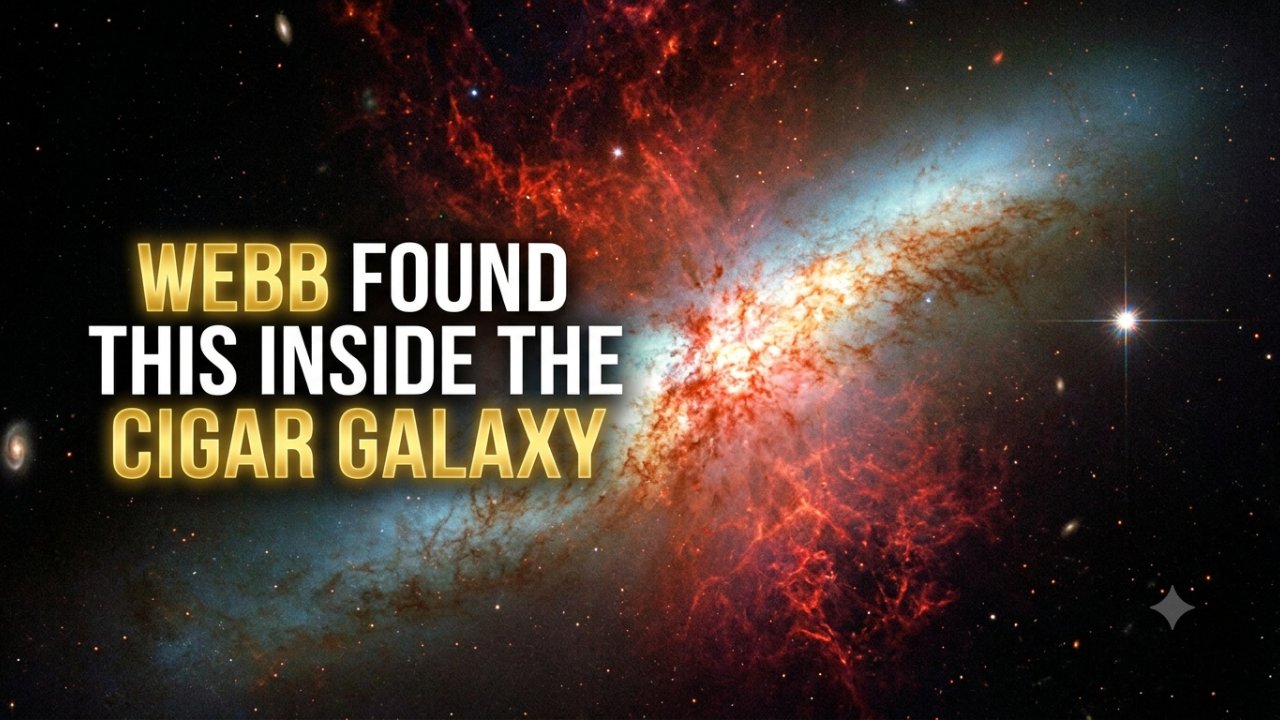
What James Webb found inside the Cigar Galaxy is changing astronomers' understanding of it
The James Webb Space Telescope has peered through dense clouds of dust inside Messier 82, the Cigar Galaxy, revealing millions of stars that remained hidden from previous observations. Using its Near-Infrared Camera, Webb resolved individual stars, stellar clusters, and intricate structures within one of the nearest starburst galaxies, where new stars are forming at an extraordinary rate. These observations are giving astronomers an unprecedented view of the galaxy's hidden stellar population and the processes driving its intense star formation, demonstrating how Webb's infrared capabilities are uncovering parts of the Universe that earlier telescopes could not observe.
 0:11
0:11
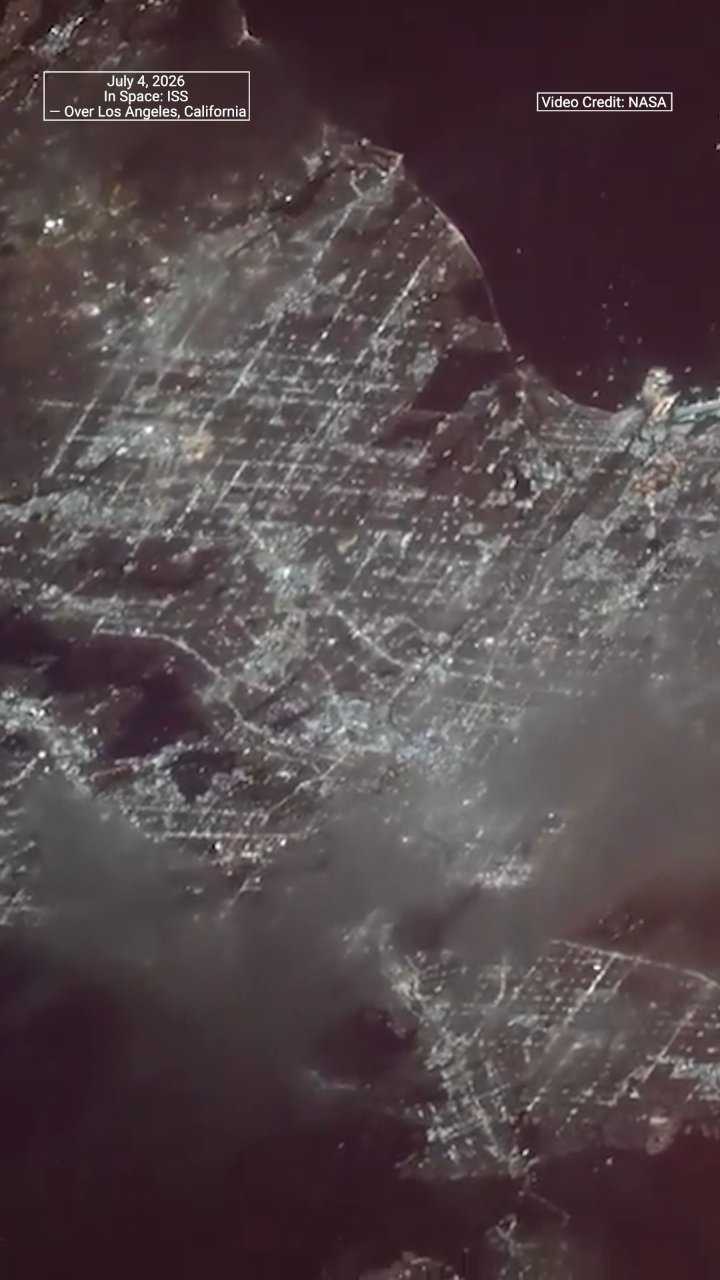
Los Angeles' epic July 4 fireworks shine bright from space for #America250
A celebration visible from orbit! The International Space Station flew over Los Angeles on July 4 as fireworks lit up the city during America's 250th Independence Day celebrations.
 1:42
1:42
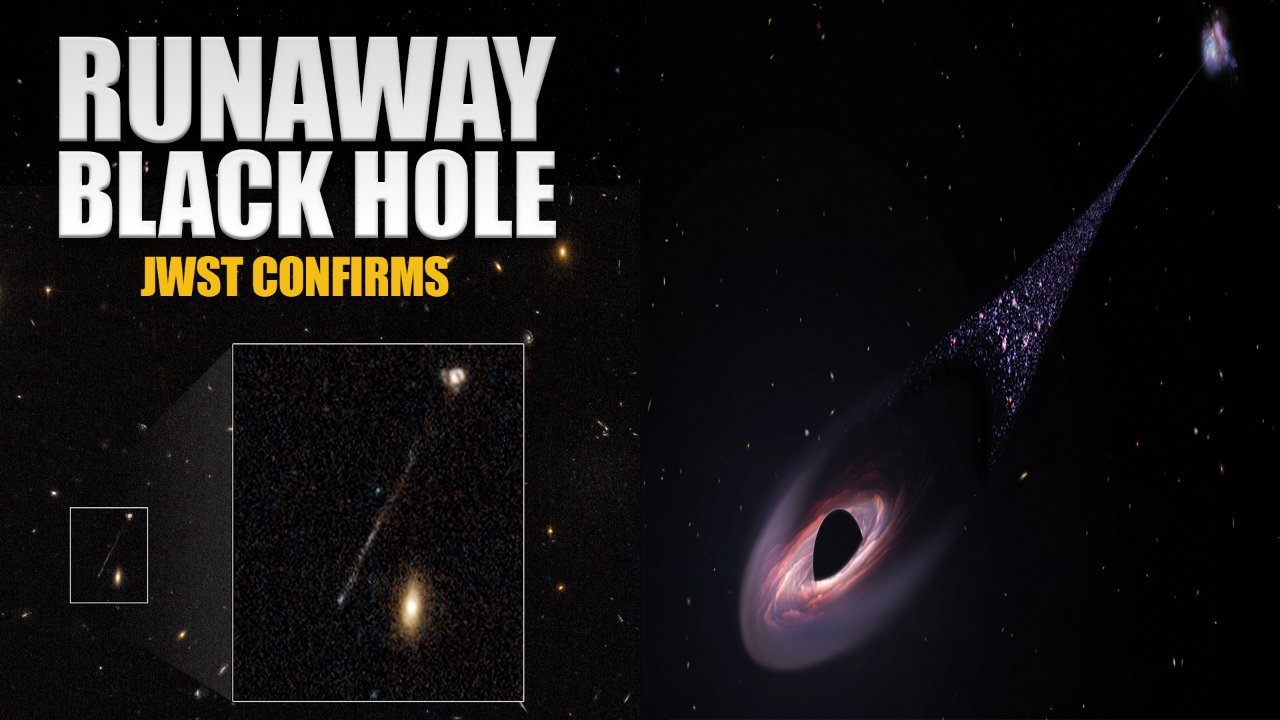
JWST confirms first-ever runaway supermassive black hole fleeing its galaxy at 2.2 million mph
Astronomers using the James Webb Space Telescope have confirmed RBH-1, a supermassive black hole at least 10 million times the mass of our Sun, being ejected from its host galaxy in the "Cosmic Owl" system at 954 km/s. First spotted by Hubble in 2023 as an unexplained 200,000-light-year streak, JWST's NIRSpec data in December 2025 proved it's a runaway black hole dragging a bow shock and a trail of newborn stars behind it — the first direct confirmation of a phenomenon predicted for over 50 years. Video Credit: NASA References: A Candidate Runaway Supermassive Black Hole”, via iopscience.iop.org: https://iopscience.iop.org/article/10.3847/2041-8213/acba86 “JWST Confirmation of a Runaway Supermassive Black Hole”, via arxiv.org:https://arxiv.org/pdf/2512.04166
 2:48
2:48
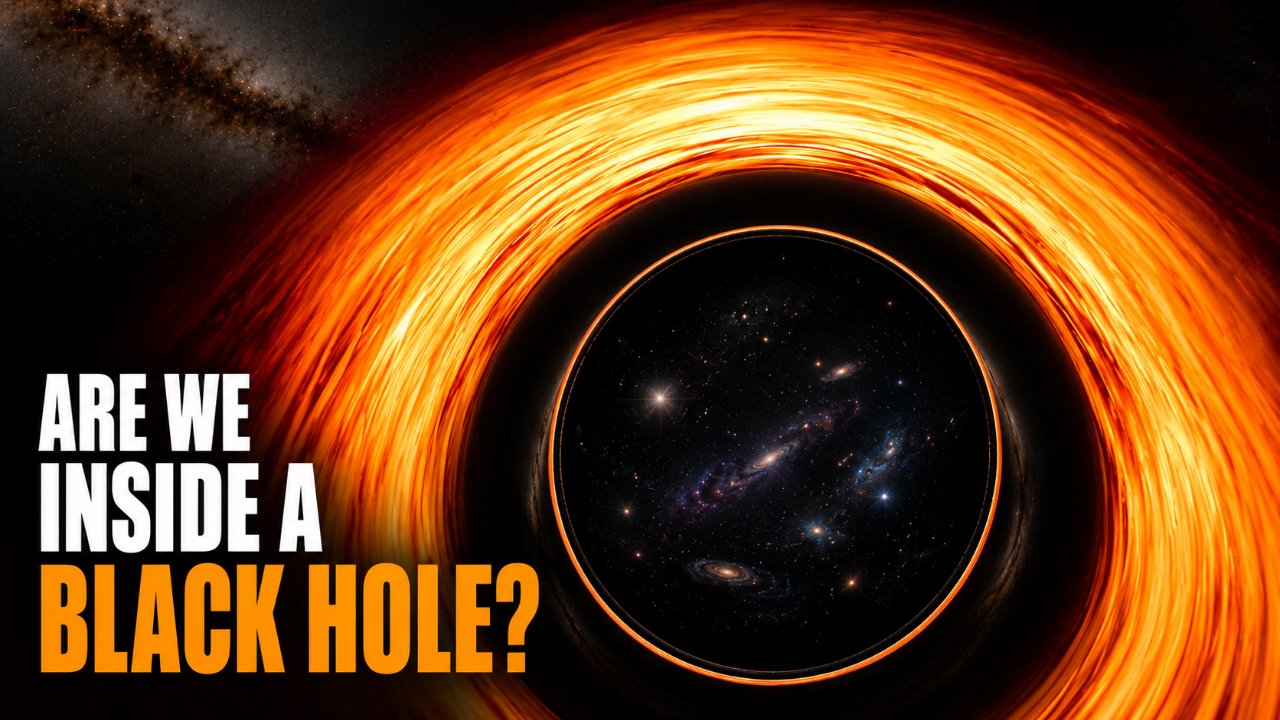
Our entire universe as we know it might just be inside a black hole
What if the Big Bang wasn't the beginning of everything, but the birth of our universe inside a giant black hole? In this video, we explore the fascinating idea that our observable universe could exist inside a rotating black hole, and why its size, density, and even Einstein's equations seem to support the possibility. We also dive into the James Webb Space Telescope (JWST) observations of 263 spiral galaxies, why their unexpected spin directions have reignited this decades-old theory, and whether these mysterious patterns could be the first hints that our universe is part of something much bigger. Video edited using footage owned by NASA and ESO. Royalty free music courtesy of Hook Sounds.