NASA’s Roman Space Telescope passes major pre-flight tests, may launch as early as this fall
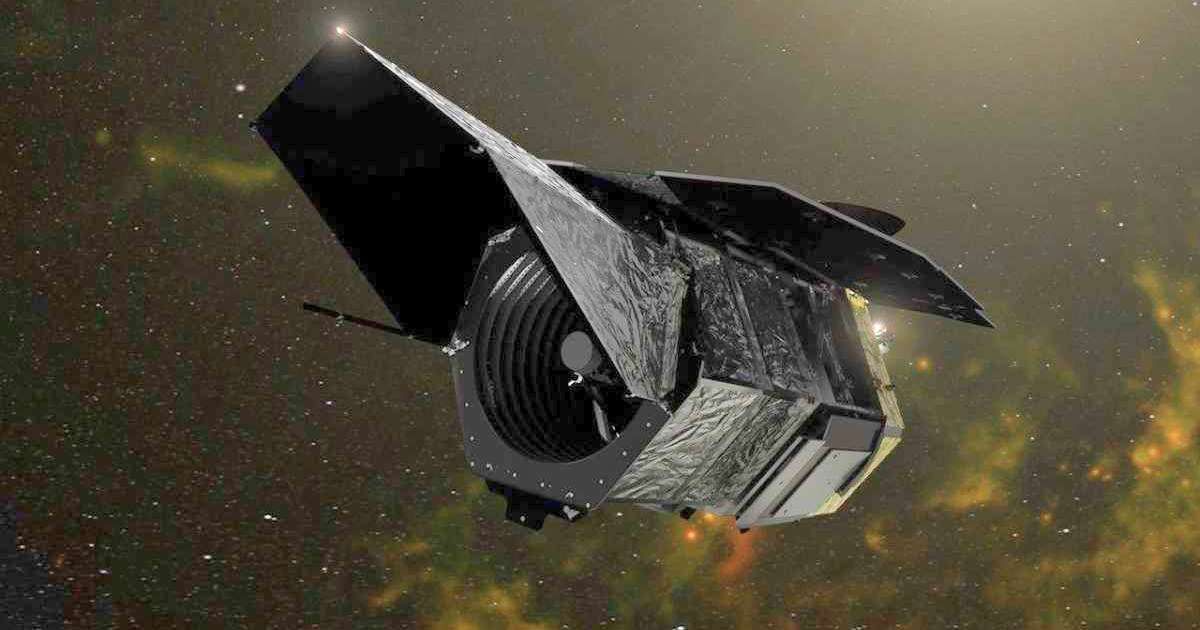
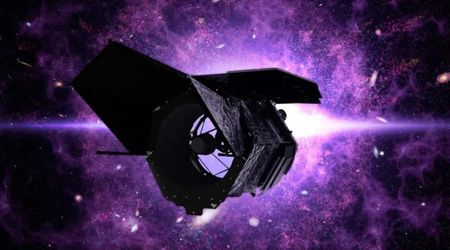
NASA’s Nancy Grace Roman Space Telescope has aced all its major prelaunch tests, confirming its readiness to endure launch conditions and function smoothly in space, the space agency reported. “All of the testing went smoothly and progress is well ahead of schedule,” said Jack Marshall, the Roman observatory integration and testing lead at NASA’s Goddard Space Flight Center in Greenbelt, Maryland. “The team has done a great job putting the observatory together, and the tests show that everything is lining up with expectations.” The mission is currently on track to be launched as early as this fall aboard a SpaceX Falcon Heavy rocket.
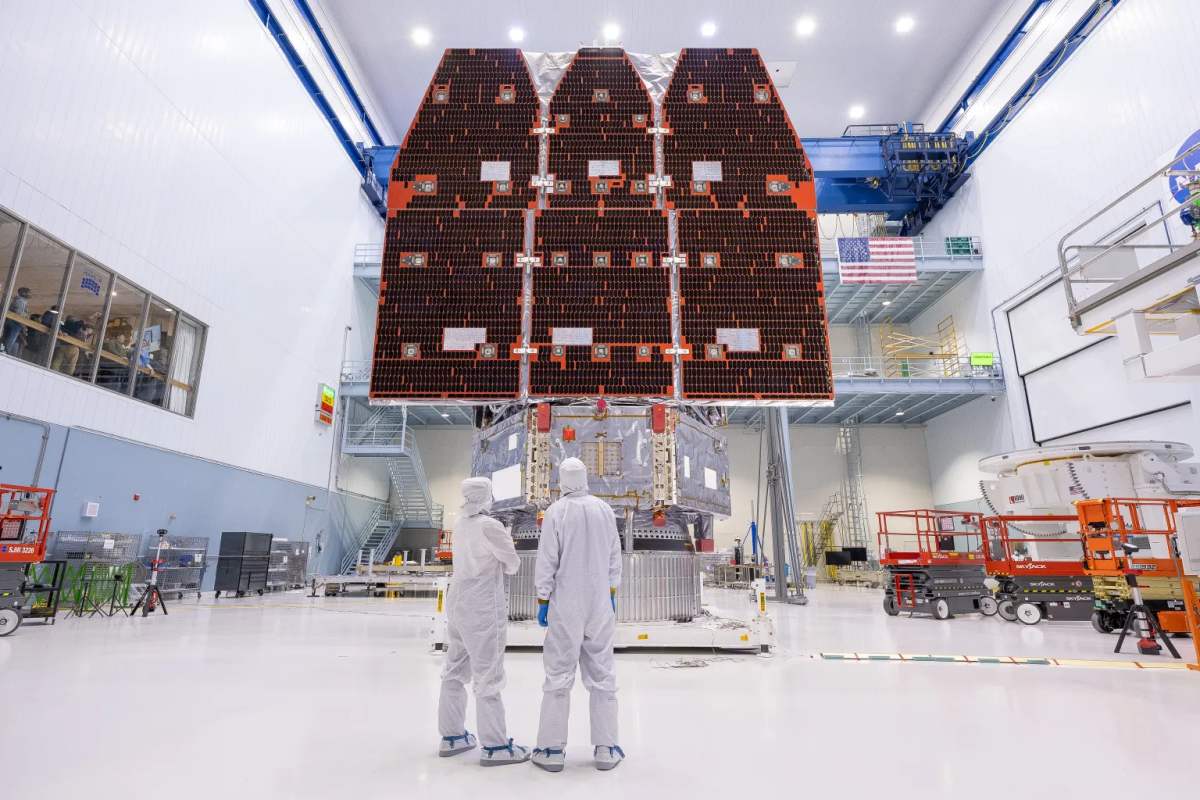
With a field of view no less than 100 times larger than the Hubble Space Telescope, Roman is expected to catch the light from a billion galaxies over the duration of the mission, which will entail observing exoplanets and answering questions about dark energy. The comprehensive tests on the observatory were conducted over three months, from January to March, with each month dedicated to a particular aspect of testing.
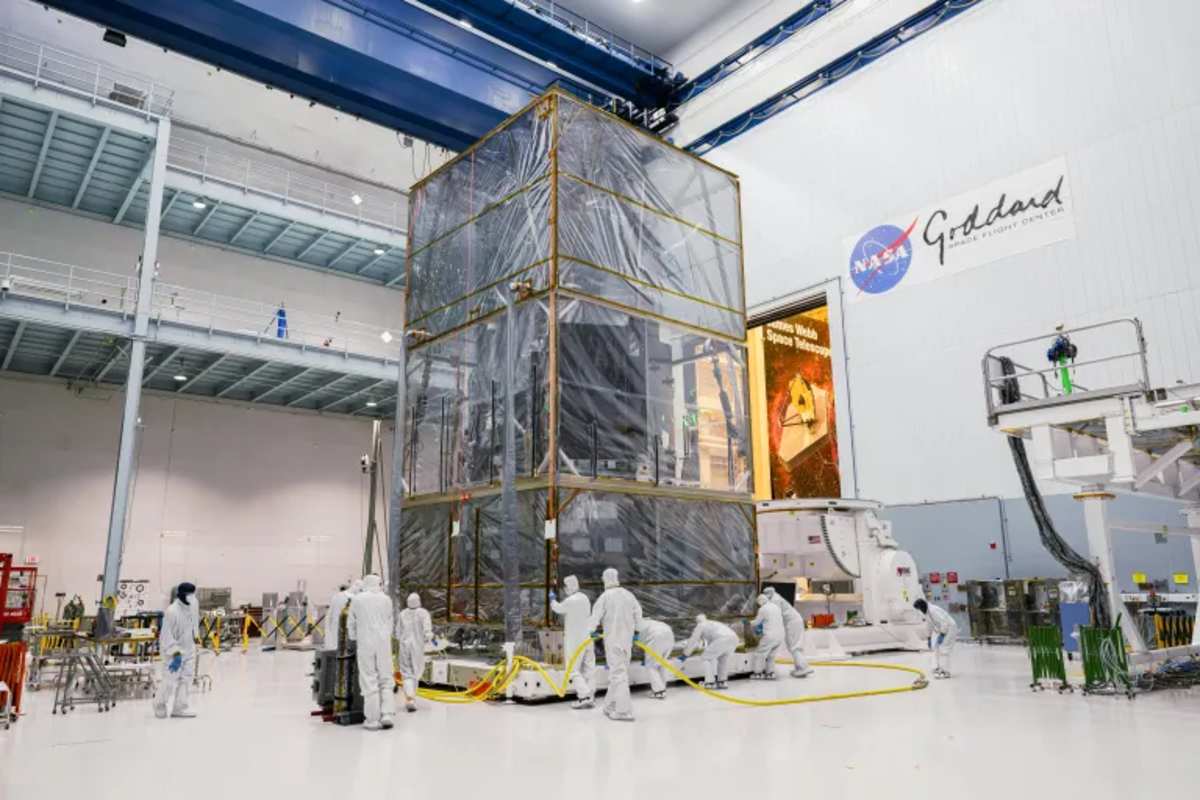
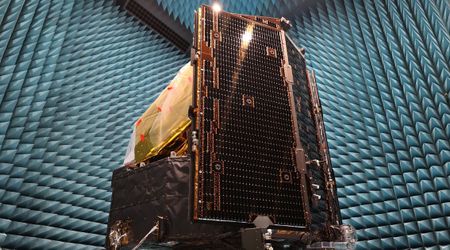
In January, engineers enclosed Roman in an absorbent panel setup to block external radio signals and soak up any reflections from within the test facility, preparing the observatory for an electromagnetic interference test. Following this, they powered all the electronics, monitoring for errors while verifying the observatory’s ability to fight interference from electrical noise without experiencing any disruption in the detection of faint infrared signals—Roman breezed through this.
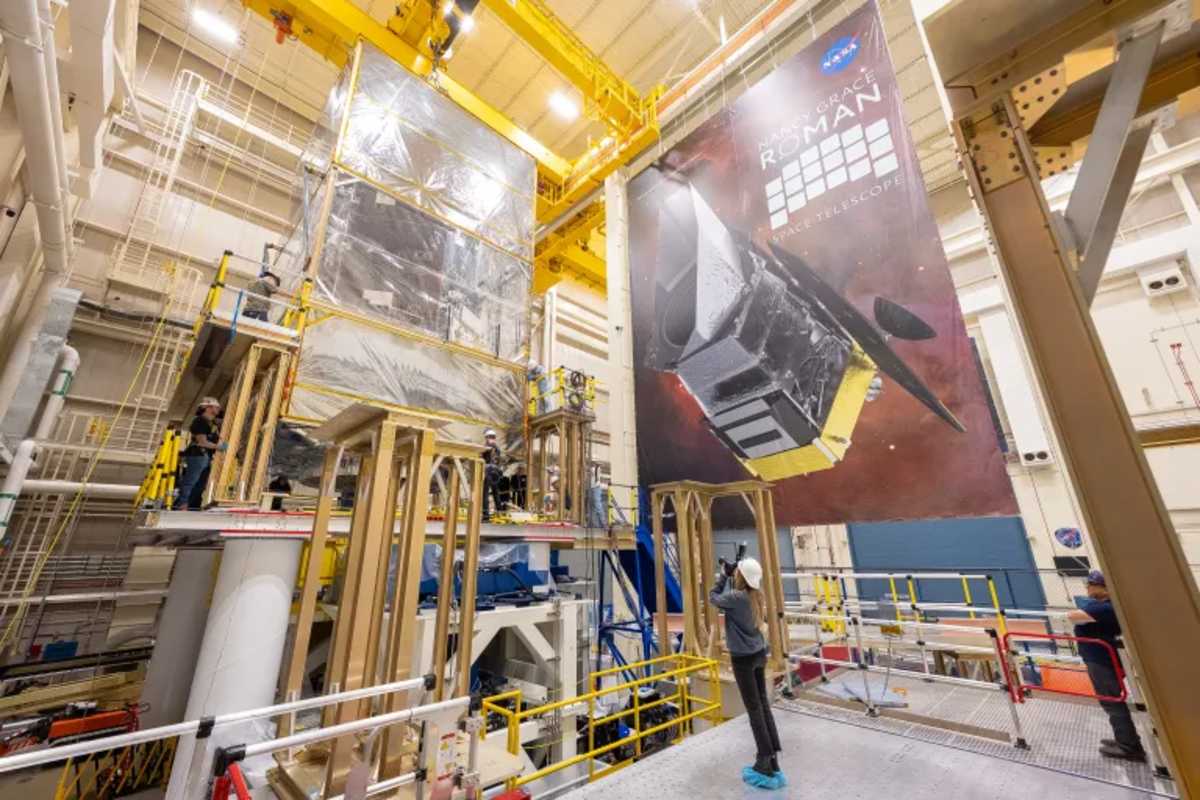
February saw the vibration test meant to mimic launch conditions. To this effect, the observatory was placed on a shaker table and put through progressively higher frequencies. “Try to imagine sitting on that rocket and feeling all those vibrations,” said Cory Powell, the Roman structural analyst lead at NASA Goddard. “We simulated the shaking that the launch vehicle will produce to ensure the components and connections will all remain intact.”
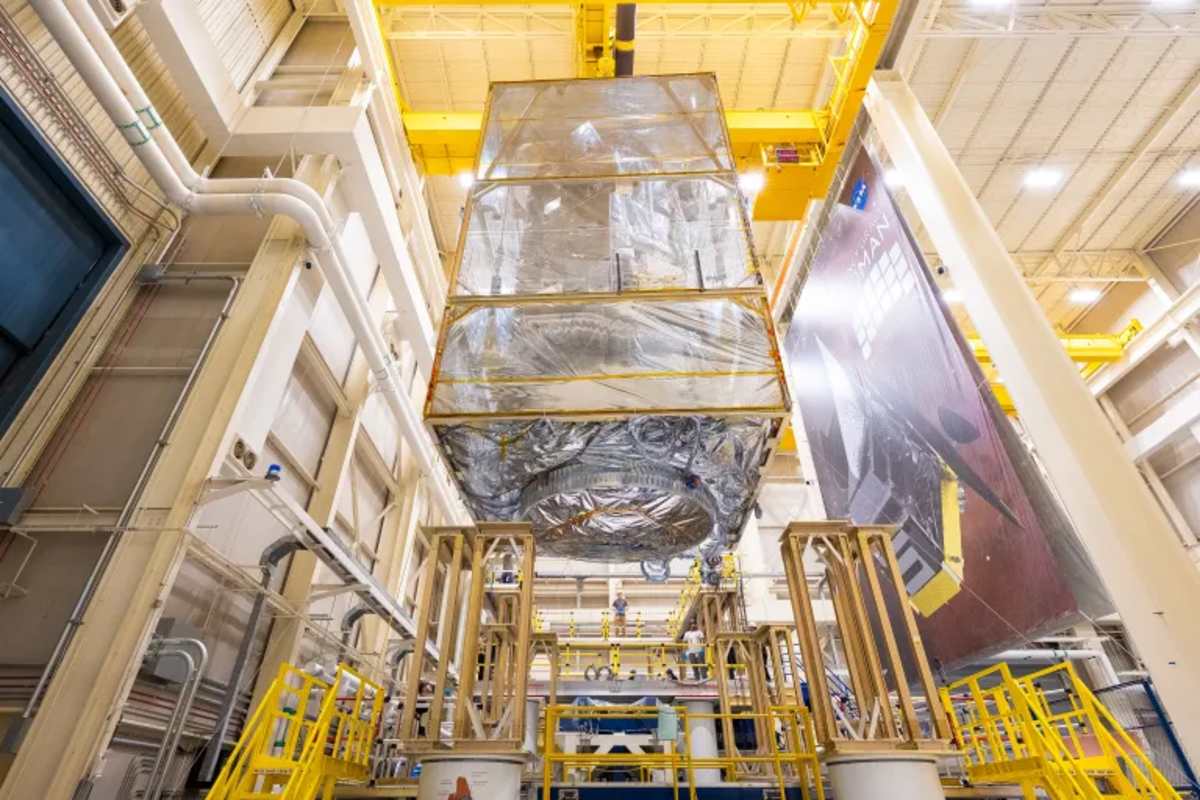
It is important to note that the observatory remained enclosed in a portable "clean room" every time it commuted between test facilities. This was done to prevent any contamination that could compromise the observatory's in-space performance. Coming back to the testing, March saw the observatory being placed in a state-of-the-art sound booth, where it was exposed to volumes up to 138 decibels. “If you’ve ever been at a concert with an extremely loud bass, that load you felt was acoustic energy,” Powell said. “Now think about how loud a launch is. The acoustics can produce very high loads on a large structure like Roman.”
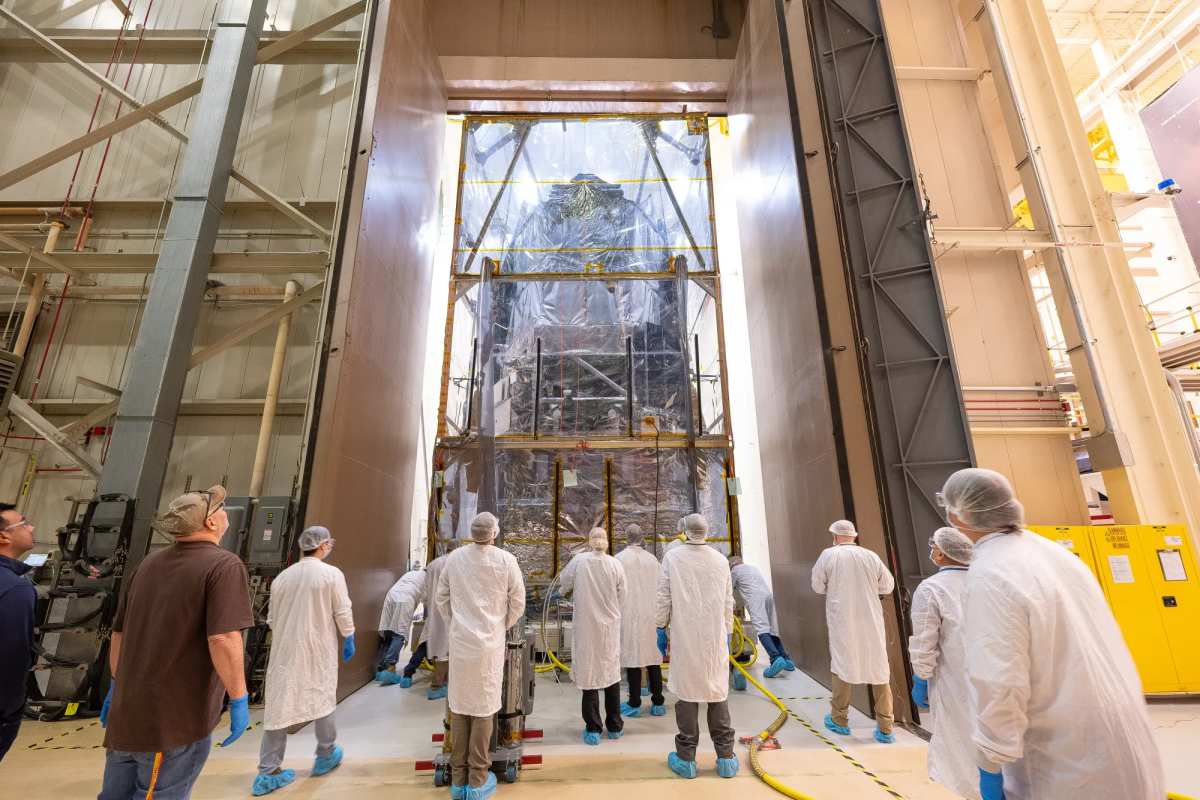
Now, Roman is back in a cozy, clean room at Goddard, where it's ready to go through a final series of smaller tests. The concluding tests, one of which will involve intense shocks that will mimic the jolt the observatory will experience after launch when it detaches from the rocket. The team will then deploy all of the initially stowed elements, which include solar panels, visor, antenna, and sunblock shield, to check that they'll function as intended after launch and separation. The observatory will soon be transported to NASA’s Kennedy Space Center in Florida for launch preparations early this summer, prepped for final integration with the Falcon Heavy rocket, and is expected to be ready for launch within a few months of its arrival.
More on Starlust
NASA engineers successfully install extremely strong ‘sunblock’ shield on Roman Space Telescope
NASA’s Roman Space Telescope survey aims to discover 100,000 star explosions and feeding black holes