NASA's Parker Solar Probe gathers data from Sun's corona again, equals distance and speed records
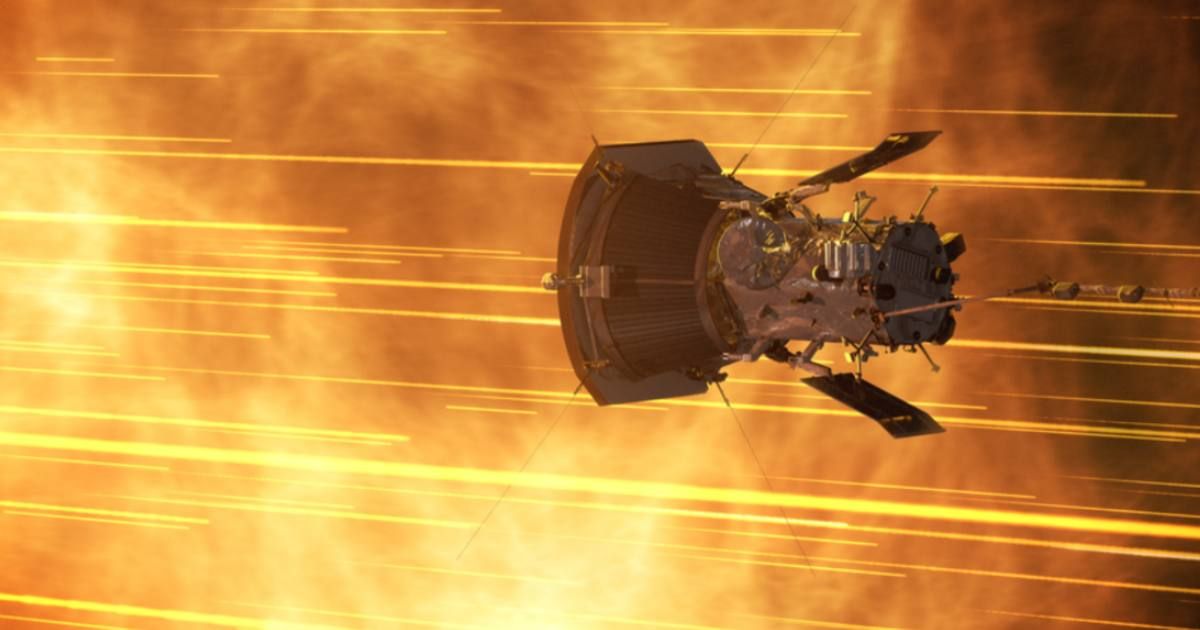
NASA's Parker Solar Probe collected scientific data from the Sun's atmosphere, the corona, again, from March 6 and March 16, 2026, the space agency reported. Having been out of contact for around a month leading up to, and for the duration of, the close approach, the probe communicated its status with flight controllers at Johns Hopkins Applied Physics Laboratory on March 14. The probe is expected to share its telemetry data today (March 17), while transmission of scientific data will resume tomorrow, March 18. The probe gathered the data using its four dedicated instrument packages that offer clues about the workings of events like the solar wind and coronal mass ejections (CMEs).
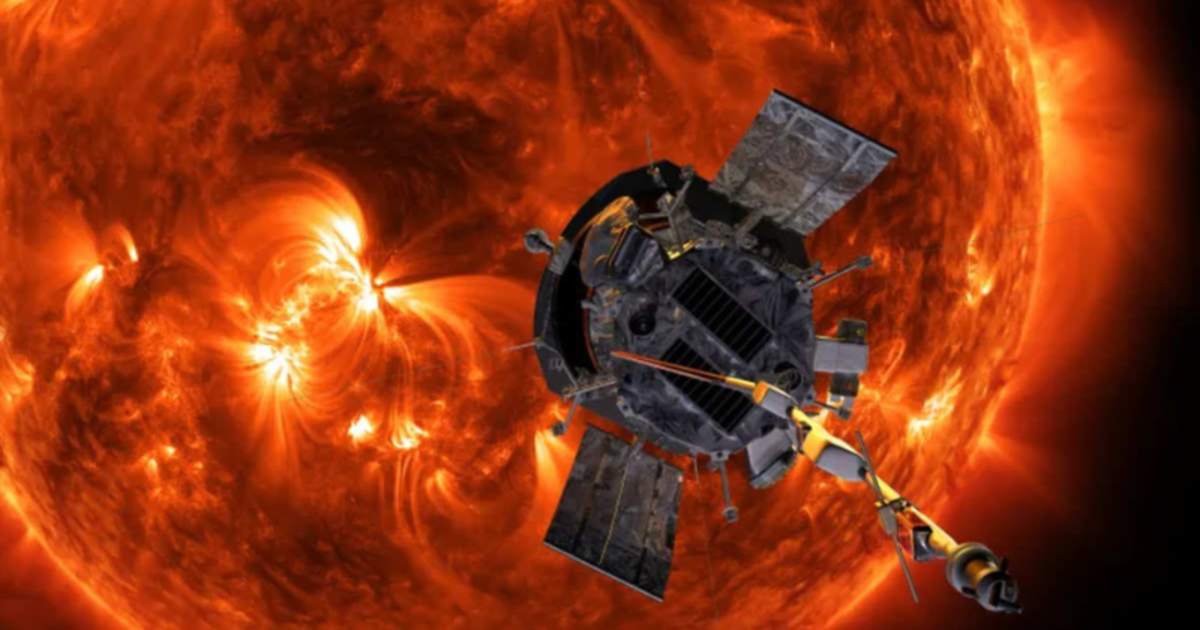
These events, often collectively referred to as space weather, have the potential to wreak havoc on communications and power grids here on Earth, as well as scientific infrastructure and humans in space. This is why NASA felt the need to launch a dedicated probe that could operate within the extreme conditions of the corona, which is much hotter than the Sun's surface. To protect the instruments of the probe from the Sun, engineers equipped it with a 4.5-inch-thick (11.43 cm) carbon-composite heat shield that can withstand temperatures as high as nearly 2,500 degrees Fahrenheit (1,377 Celsius).
The four instrument packages carried by Parker Solar Probe are the Fields Experiment, Integrated Science Investigation of the Sun (ISoIS), Wide Field Imager for Solar Probe (WISPR), and Solar Wind Electrons Alphas and Protons (SWEAP). Notably, the aforementioned 11-day period of Parker Solar Probe’s data collection using these instruments also overlapped with its 27th closest approach to the Sun. This happened on March 11, 2026, and equaled the record the probe had set at 3.8 million miles from the surface. The probe also traveled at 430,000 miles per hour (687,000 kilometers per hour), thereby equalling the record that it had set during a close approach on December 24, 2025, and matched on March 22, June 19, September 16, and December 13 last year.
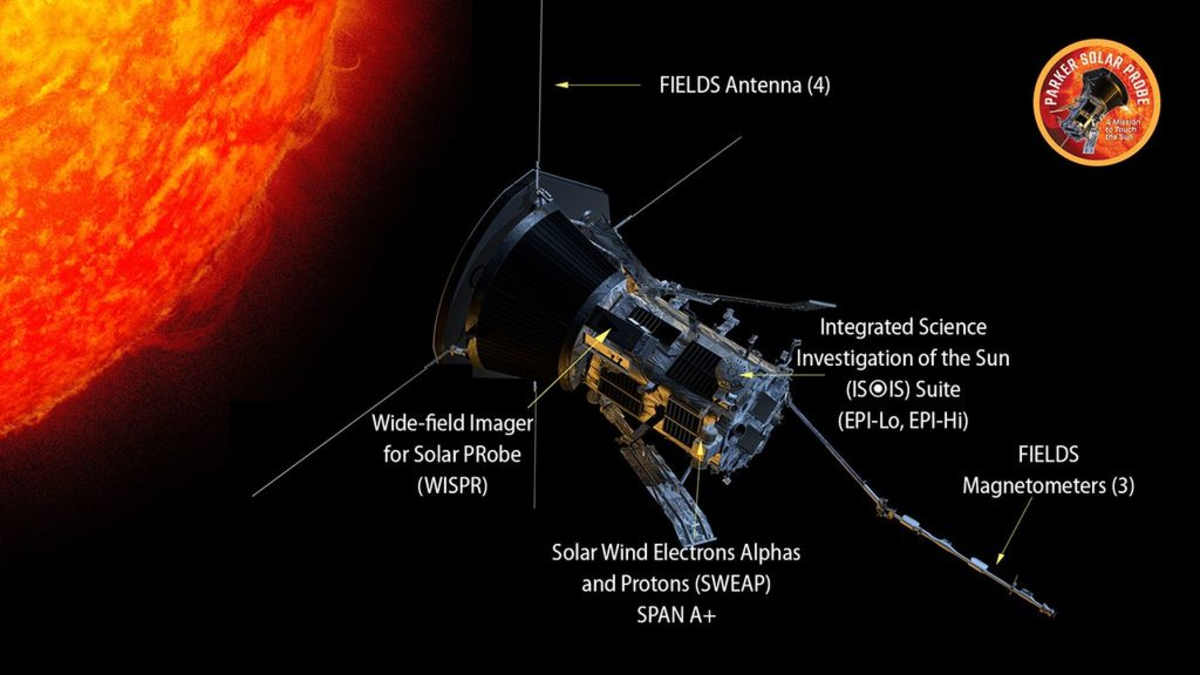
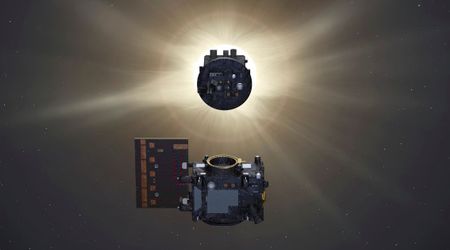
The otherwise invisible corona, which manifests itself as a brilliant ring during a total solar eclipse, had always been a source of fascination for astronomers. However, Parker’s unique vantage points inside it have already yielded many breakthroughs for scientists studying solar dynamics. For instance, a long-standing theory about magnetic reconnection was validated by data provided by the probe. Another puzzle it helped understand better was the phenomenon of magnetic field lines looping back, which had been previously thought to only journey outward.
At the time of launch in August 2018, the Sun was in its solar minimum and transitioned during Solar Cycle 25 to its maximum in late 2024. This allowed Parker Solar Probe to sample the solar atmosphere during the period of change. The probe's next steps for late 2026 and beyond are currently under NASA review.
More on Starlust
Dangerous solar storms can now be predicted up to two years in advance, thanks to new study