These Nebula images from 2026 will change how you see space forever
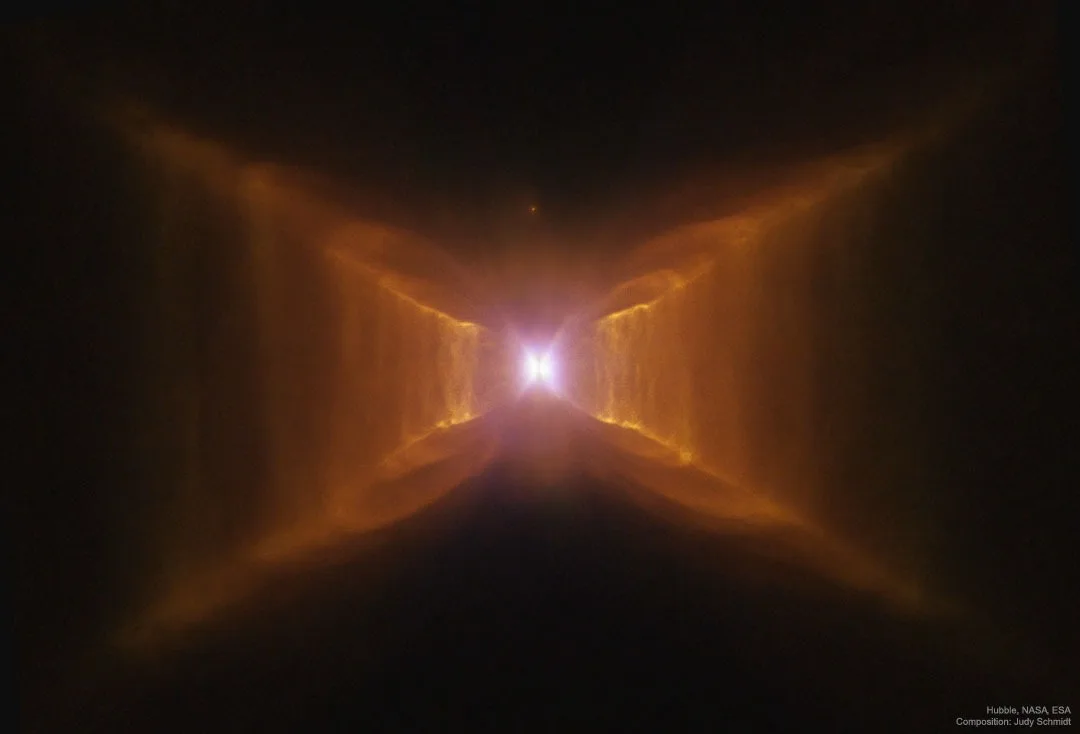
Red Rectangle nebula lights up a bizarre space pattern
In the picture from January 5, 2026, the glowing orb at the center of the Red Rectangle nebula is an aging binary star system. Situated right at the heart of the red rectangle, this is the source that powers the nebula. However, this particular nebula gets its rectangular shape most likely due to a thick dust torus. This pinches the spherical outflow and forms tip-touching conical shapes. On the contrary, explanations about the red color are not very convincing. One particular speculation suggests that the red hue might originate from the hydrocarbon molecules.
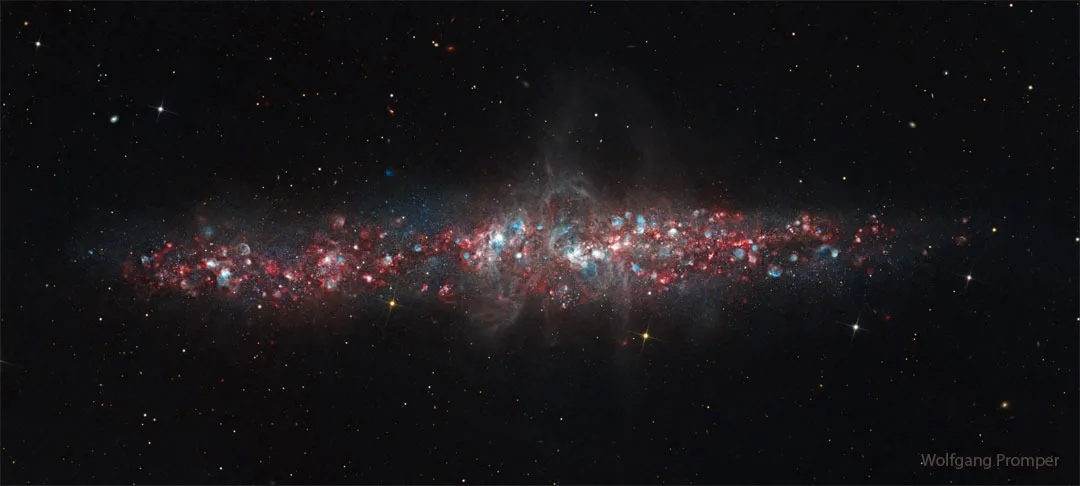
Hidden colors of the cosmos revealed across the String of Pearls
Starwatching just got a whole lot exciting. That’s because, with the right tool, nebulae from other galaxies are also visible. Sounds too good to be true? Well, the adjacent picture from January 26, 2026, shows glowing reds and blues of hydrogen and oxygen across the NGC 55 Galaxy. Compared with our Milky Way’s satellite galaxy, the Large Magellanic Cloud, the sprinkling patterns of nebulae form quite a dreamy array. However, these stars would need isolation of the specific colors emitted by oxygen and hydrogen for them to be visible.
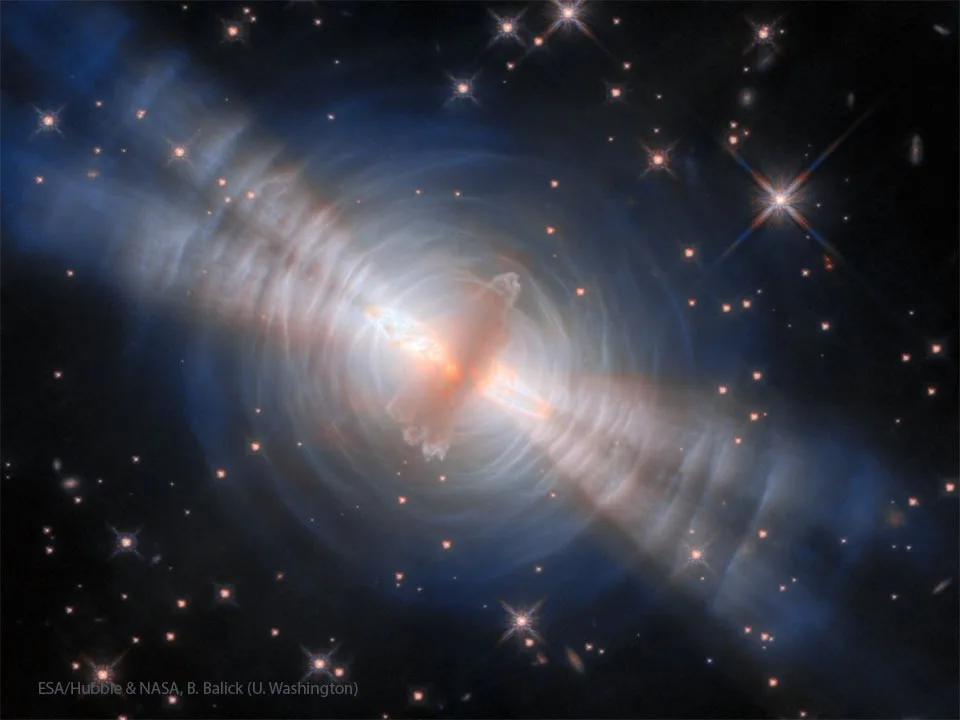
Egg Nebula reveals a cosmic ‘yolk’ in stellar death
Can the Sun be cracked open? Well, technically no. However, a glimpse of the same can be found in the ‘Egg Nebula.’ The ‘Egg Nebula’ is a Sun-like star that is on the verge of dying. Depicted brilliantly by the Hubble Space Telescope, the adjacent image released on February 25, 2026, has lots of visible infrared captures of a Nebula. Alternatively termed as the RAFGL 2688/CRL 2688, the star can be seen having shed its outer layers. This has given way to the hot core, which illuminates the outer layer, which is composed of gas and dust. The entire phenomenon closely resembles the ‘yolk’ (hot core) and ‘egg white’ (outer layer), hence, giving the name, ‘Egg Nebula.’
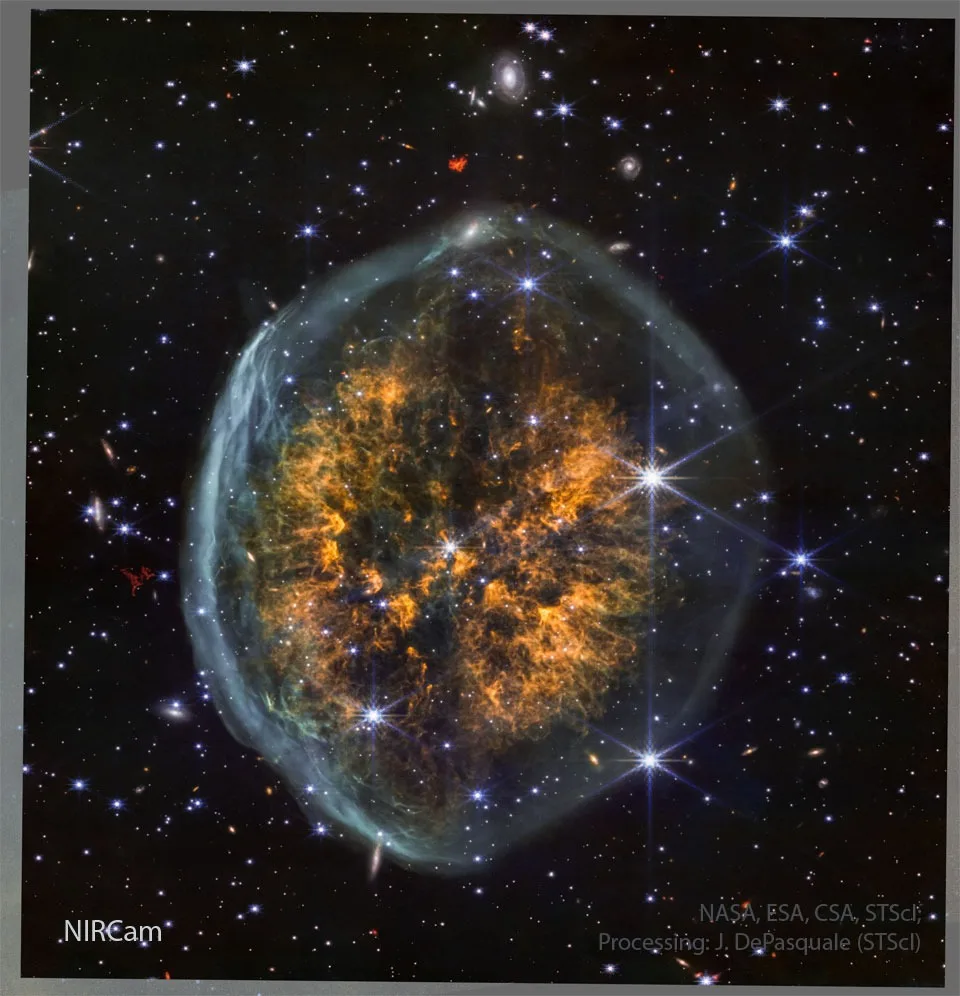
Cranium Nebula reveals a brain-like mystery in space
We might not be able to see what’s going on inside the human brain. But a star’s brain? Well, the Webb Space Telescope might have the answers. Visible in the picture shared on March 9, 2026, is a human brain-like structure, known as the ‘Cranium Nebula.’ Maintaining a mysterious profile, there is no concrete answer to how exactly the nebula was created. One of the popular explanations states that the PMR 1 might be a planetary nebula surrounding a white dwarf star. The massive central star is thought to be emitting gas and dust via stormy winds.
The Claw and Bubble Nebula glowing bright in a cosmic color clash
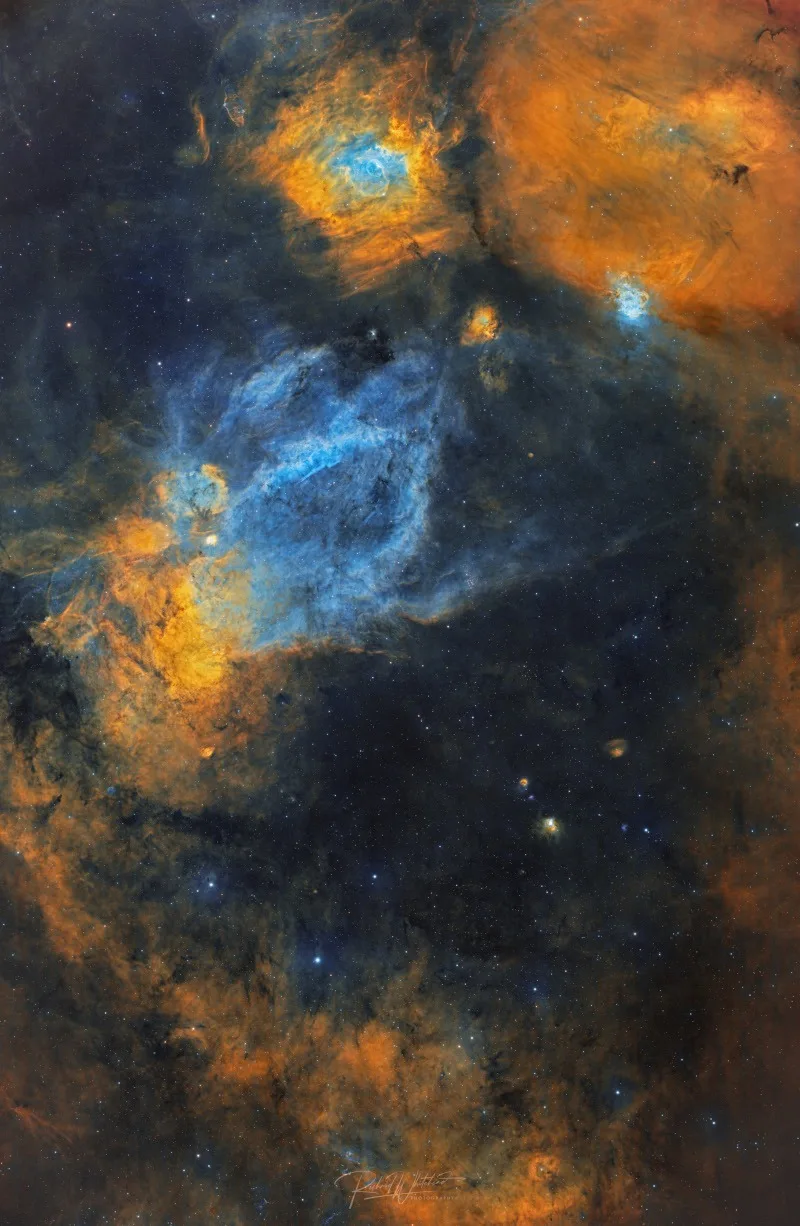
The Lobster Claw Nebula (Sh2-157) and the Bubble Nebula (NGC 7635) are neighboring emission nebulae in the constellation Cassiopeia. Although these nebulae are located roughly 11,000 light-years from Earth, we have found a pattern while taking a look at these cosmic giants. Scientists have decided to name these colorful cosmic structures the lobster claw and a bubble, going by how they appear in the picture. The Claw (Sh2-157) and Bubble (NGC 7635) Nebulae contain oxygen and hydrogen ionized by intense light coming from stars that are several times heavier in mass than the Sun. That in turn gives them the yellow and blue colors, which we can see in the picture captured by astrophotographer Richard Whitehead and shared on April 1, 2026.
The Lobster Claw (Sh2-157) is a massive HII region, while the Bubble is a 10-light-year-wide, wind-blown shell created by a hot star. The two nebulae are often imaged together, as the Bubble Nebula sits near the "claws" of the larger Sh2-157.
Trifid Nebula shines as an interstellar nursery
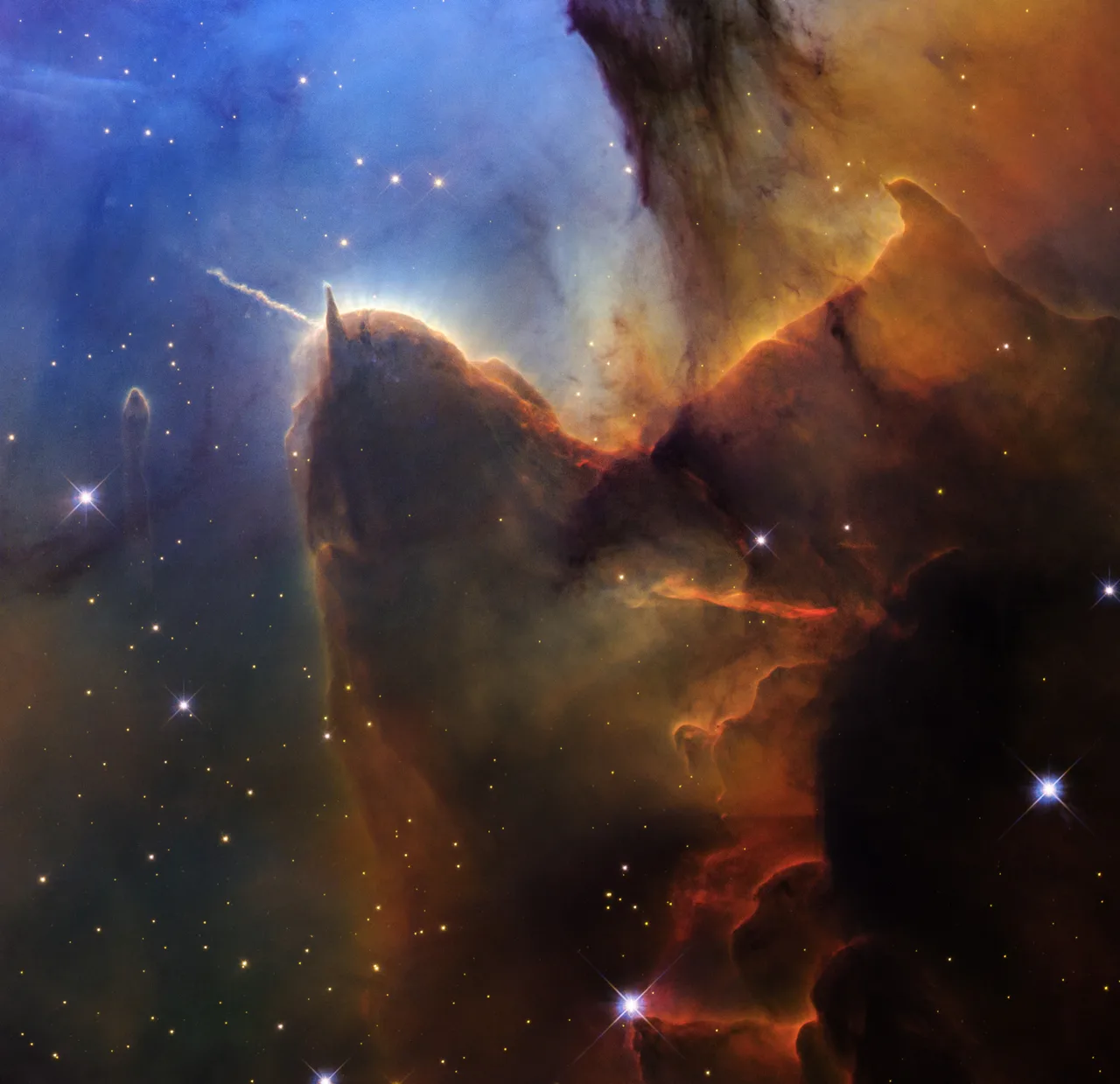
It stands about 5000 light-years away from our home planet. This star-forming cosmic zone was captured by the Hubble Space Telescope of NASA and was released on April 20, 2026. The Trifid Nebula is an H II region in the north-west of Sagittarius in a star-forming region in the Milky Way's Scutum–Centaurus Arm. This Nebula is also catalogued as Messier 20 or M20.
NASA released this image just four days before the 36th Anniversary of the launch of the Hubble Space Telescope. The cosmic sea of the Trifid Nebula has been captured in this image in great detail. Massive stars have been constructing this region for over 300,000 years. The image captures a part representing how strong winds originating from the massive stars form an enormous bubble. That in turn compresses the cloud’s gas and dust, leading to new waves of new star formation.