Scientists believe these 5 alien worlds could harbor life beyond Earth
Are we alone in the universe?
For a long time now, scientists have been intrigued by the possibility of life on other planets. Trying to answer the question “Where is everybody?” posed by renowned physicist Enrico Fermi, scientists have been on a quest to find planets that might support life as we know it or life that is completely alien in nature. Let's take a look at five of the most prominent candidates that they have found.
The image is a digital illustration of the Solar System.
Mars: Where life may have once existed
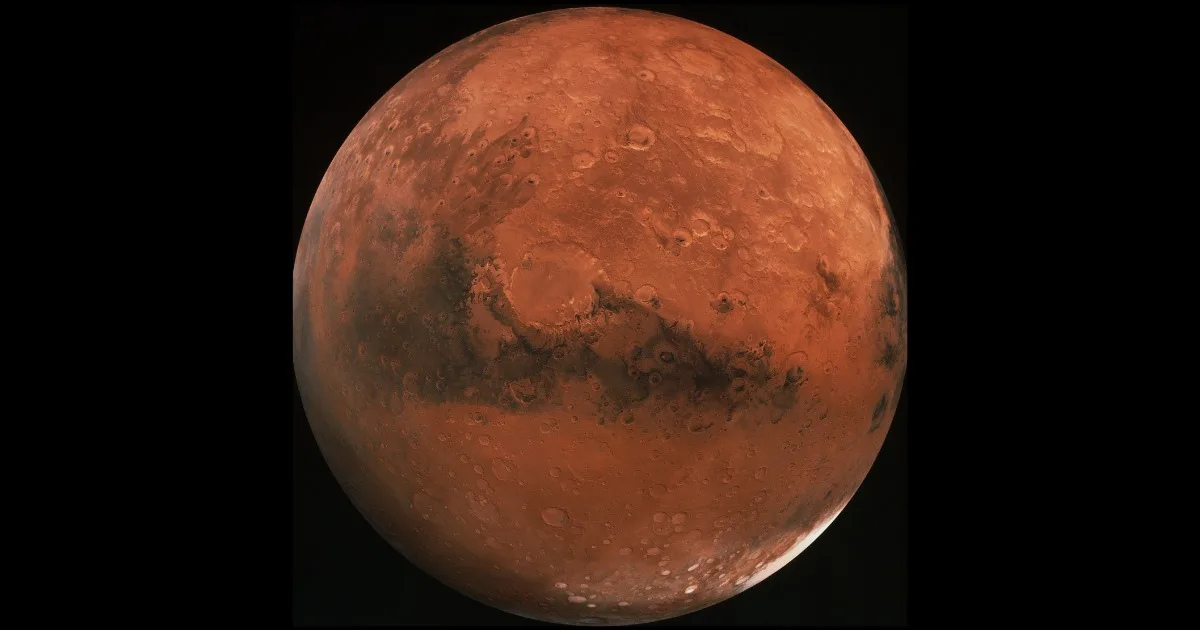
While scientists don't expect to find live organisms on Mars, they do think that the planet may have been habitable at one point in time when it was warm and was covered with water. In fact, a paper published in the journal Nature in September 2025 suggests that a sample collected by NASA's Perseverance rover from an ancient riverbed in Jezero Crater contains potential biosignatures—substances or structures that may be biological in origin.
This image is a close-up, colored representation of the 'Red Planet.' In the photograph, the impact craters on the surface of Mars are visible.
Kepler-452b: Earth’s distant twin in habitable space
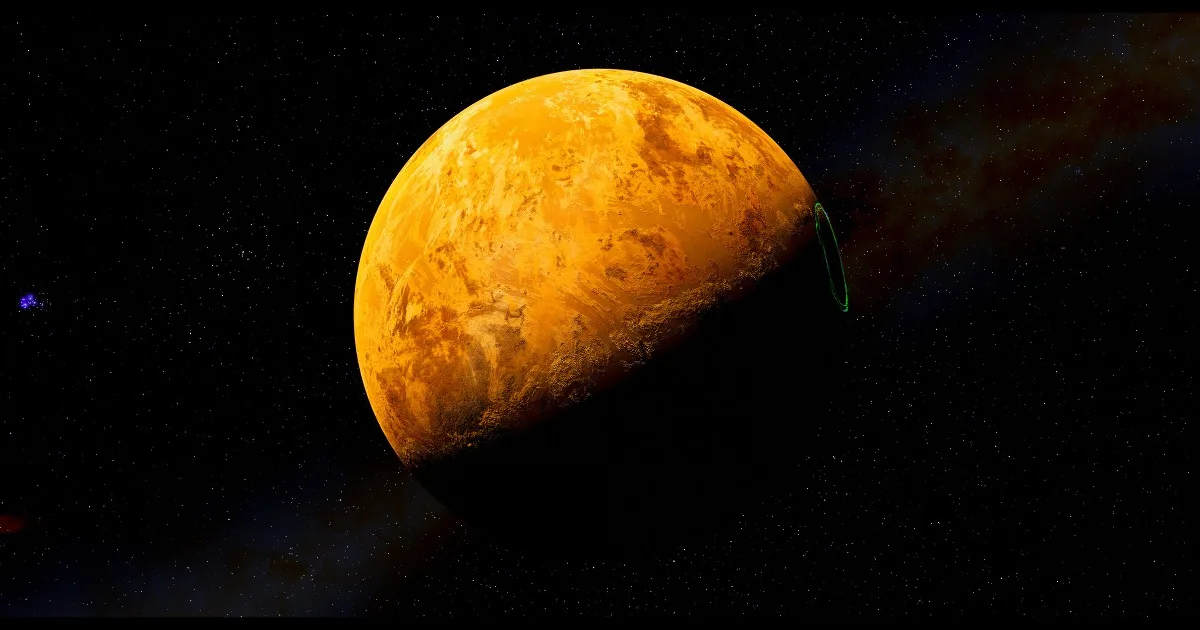
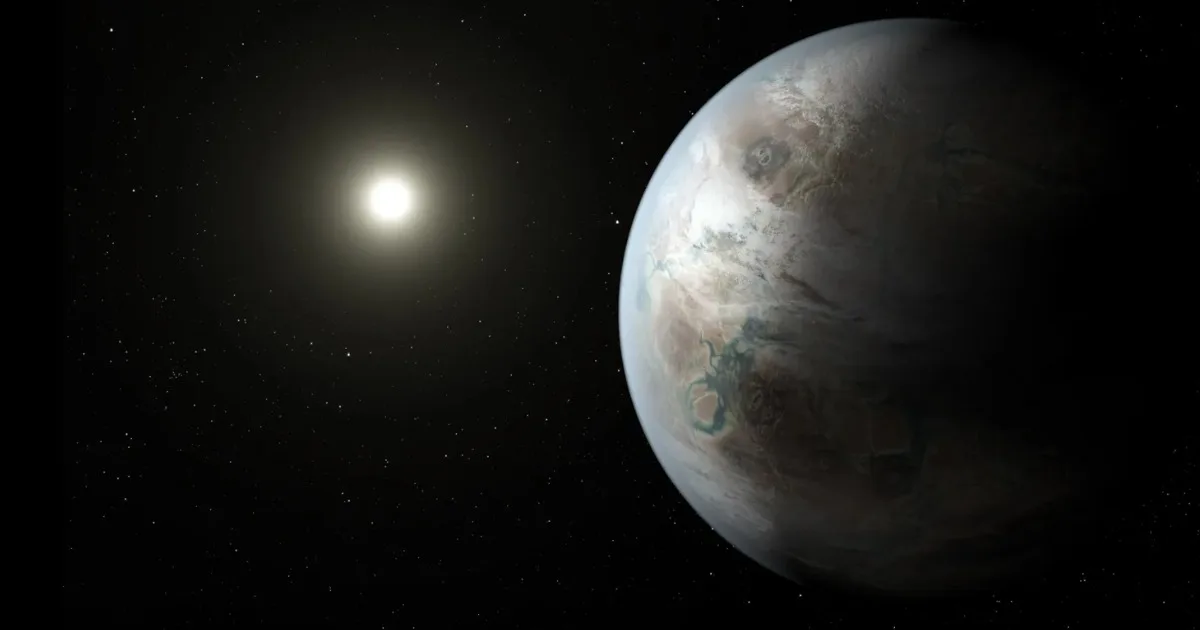
Kepler-452b is the first confirmed near-Earth-size planet in the habitable zone of a Sun-like star. The habitable zone is the region around a star that has temperatures that allow water to exist in its liquid form. Scientists, however, have not been able to confirm whether the planet, which is about 60% larger, has oceans or continents like Earth.
The photograph is an artist's conceptual illustration depicting a probable appearance of Kepler-452b.
Proxima Centauri b: An exoplanet orbiting our closest neighboring star
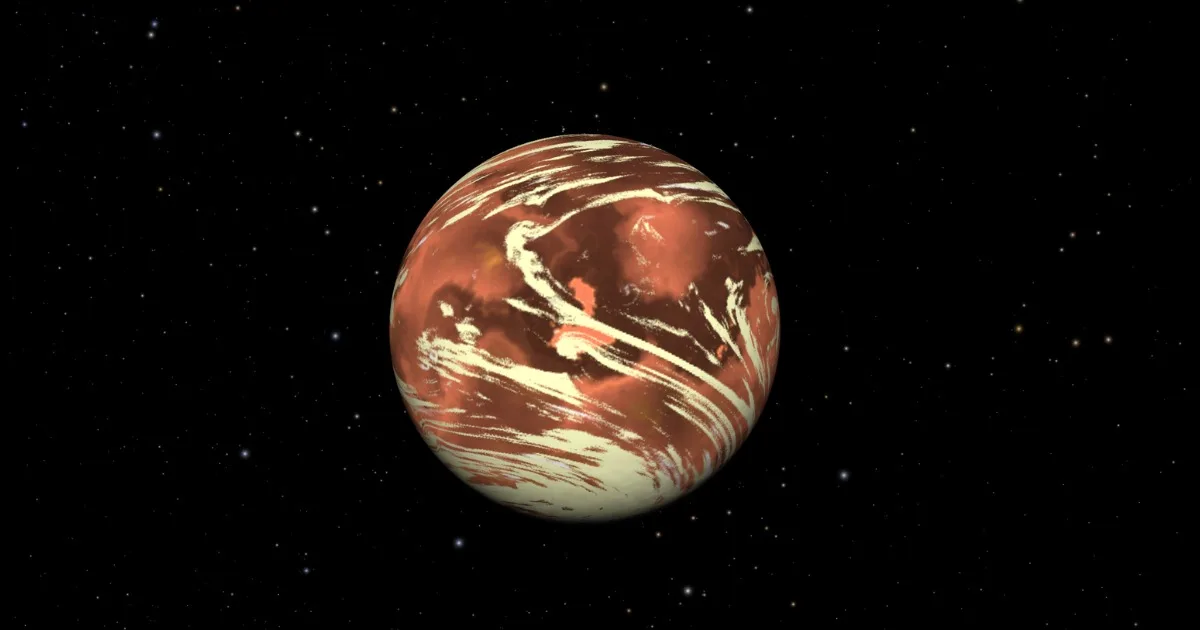
This exoplanet circles Proxima Centauri, which is Earth's closest stellar neighbor beyond the Sun, at just over 4 light-years away. Much like Kepler-452b, Proxima Centauri b is located in the habitable zone of its star, but it is also being bombarded by a fair amount of life-extinguishing radiation. A lot depends on whether it has a magnetic field strong enough to prevent its whole atmosphere from being stripped away.
The image is an artist's impression of Proxima Centauri b.
K2-18b: A super-Earth with an ocean
K2-18b’s distance from Earth is 110 light-years. The exoplanet, which is 8.6 times as massive as Earth, lies within the habitable zone of K2-18, a cool dwarf star. Interestingly, this exoplanet has a significant amount of carbon dioxide and methane in its atmosphere. This, coupled with low ammonia levels, points to the possibility of an ocean lying beneath K2-18b's hydrogen-rich atmosphere.
This image depicts the super-Earth exoplanet K2-18b, which orbits an M-type star. This image is a hypothetical visualization of the planet by NASA.
Kepler-22b: Ocean world or gas giant?
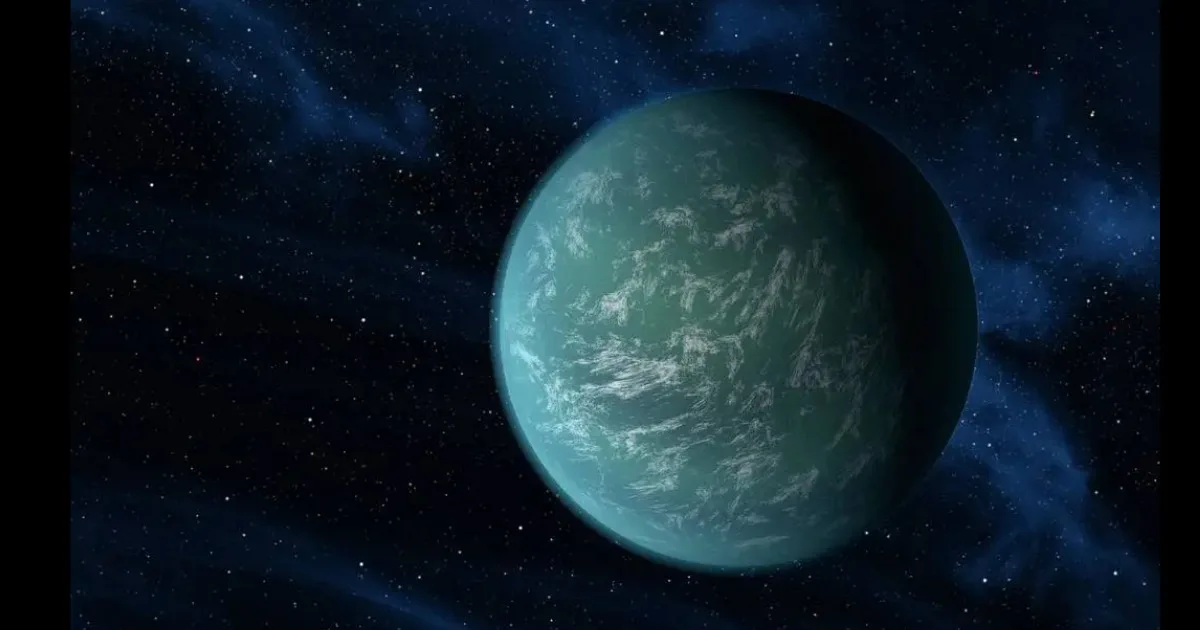
Kepler-22b was the very first exoplanet that was found to be in the habitable zone of a sun-like star by NASA’s Kepler mission. It orbits its star at a distance 15% shorter than that between the Sun and Earth, which would mean that it is significantly hotter than our planet. However, its star also shines 25% less brightly than our Sun. While some astronomers believe that it could have large quantities of water in the form of surface oceans, others think that it could be a gas giant instead.
This image is an artist's conceptual illustration of Kepler-22b.