Rare Artemis II photos reveal the Moon’s stunning hidden far side like never before
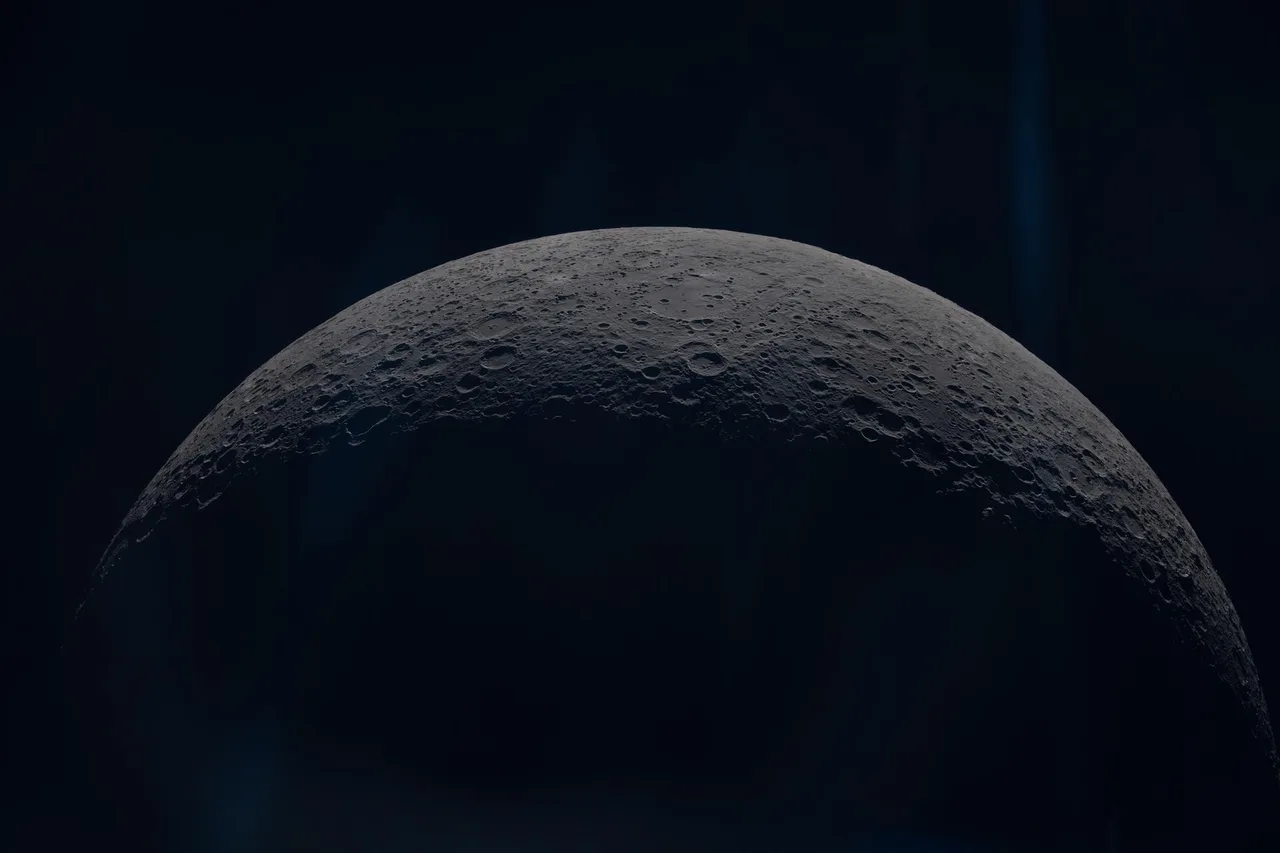
Skimming the Moon’s edge through endless cosmic quiet
The Artemis II crew completed a successful flyby around the Moon before their splashdown in the Pacific Ocean this April. En route their journey, the group of NASA scientists, Reid Wiseman, Christina Koch, Victor Glover, and CSA’s Jeremy Hansen took several pictures of the lunar surface. In the adjacent picture, a scenic snapshot of the curved limb of the Moon on the far side of the Moon is visible. Upon a closer inspection, the rugged terrain of the Moon can be seen with its craters.
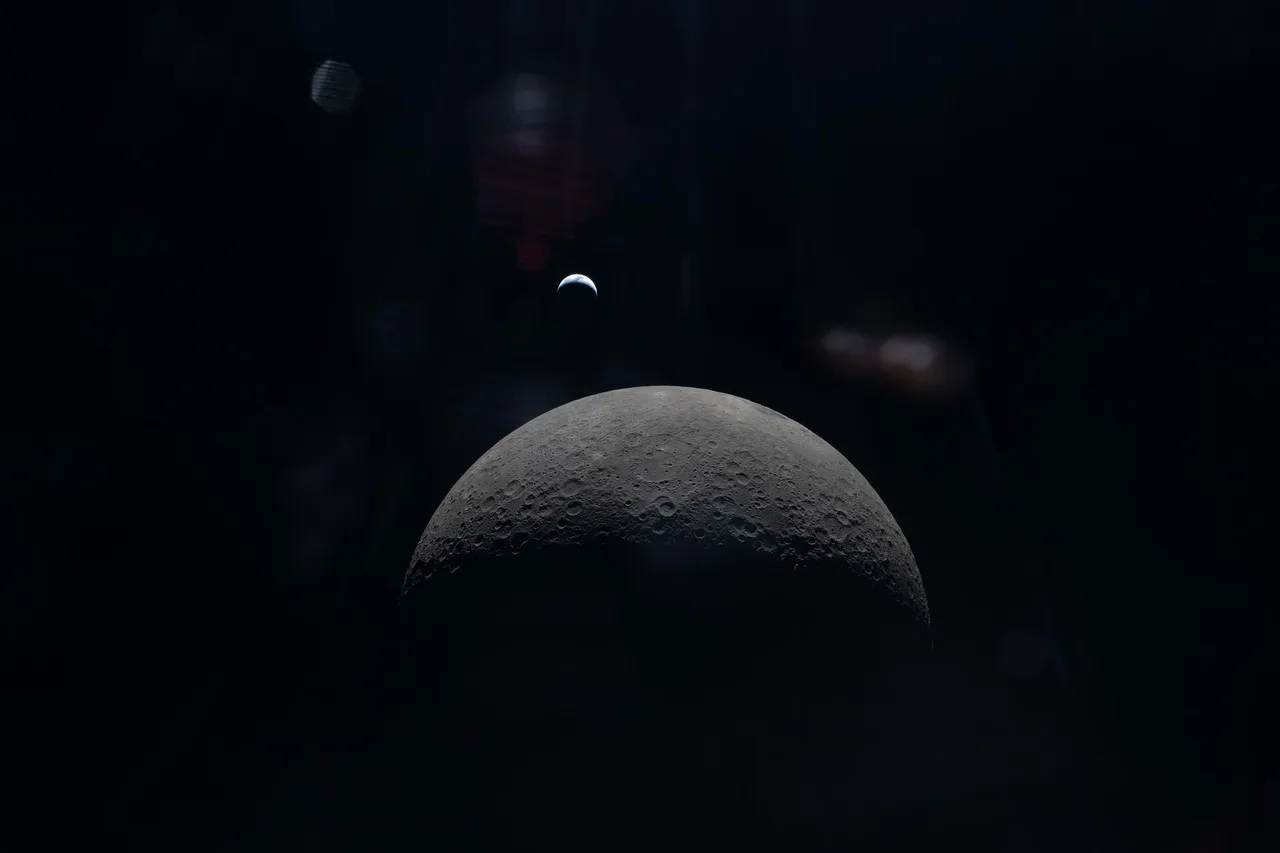
Crescent Earth floating above rugged lunar terrain
The sight of the crescent Moon from the Earth is very common. However, during their lunar flyby in the Orion spacecraft on April 6, 2026, the Artemis II crew thought of flipping the script. While passing by the obscured side of the Moon from the Earth, the crew members attempted to capture a breathtaking view of our blue planet from space. Visible just above the lunar horizon on the far side, the Earth appears in a crescent form, partly highlighting the daylight on our planet.
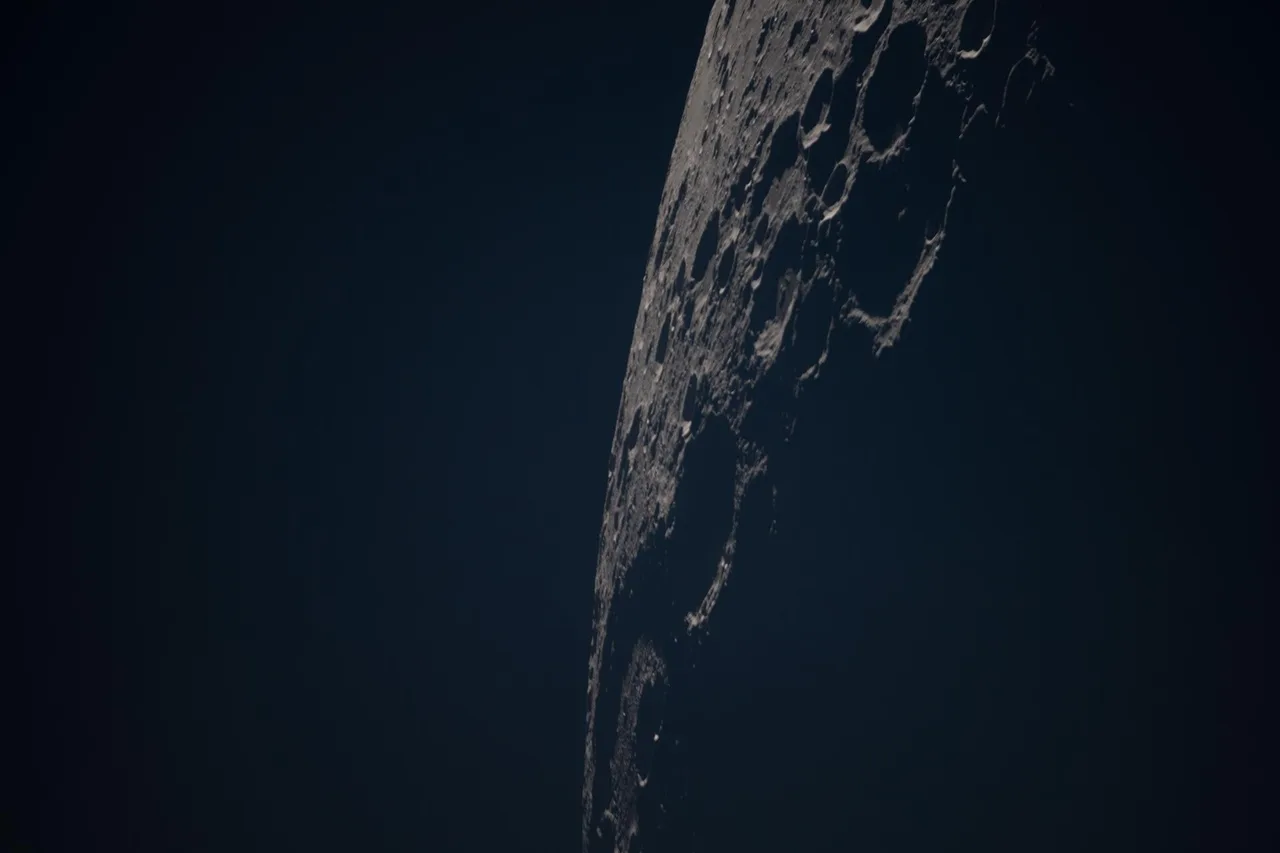
A shadowed portrait of the Moon’s Birkhoff Crater
The lunar surface is full of craters. And each crater has its own unique specifications. Likewise, this particular snap by the Artemis II crew is that of the Birkhoff crater on the far side of the Moon. Formed initially as an impact crater, the region got its current shape via years of constant collisions. In this particular snap, the crew members used an underexposed shot to clearly bring out the intricate details of the rugged terrain. Variations in topography alongside ejecta patterns make this picture an intriguing watch.
Hertzsprung Basin glowing against the Moon’s rugged highlands
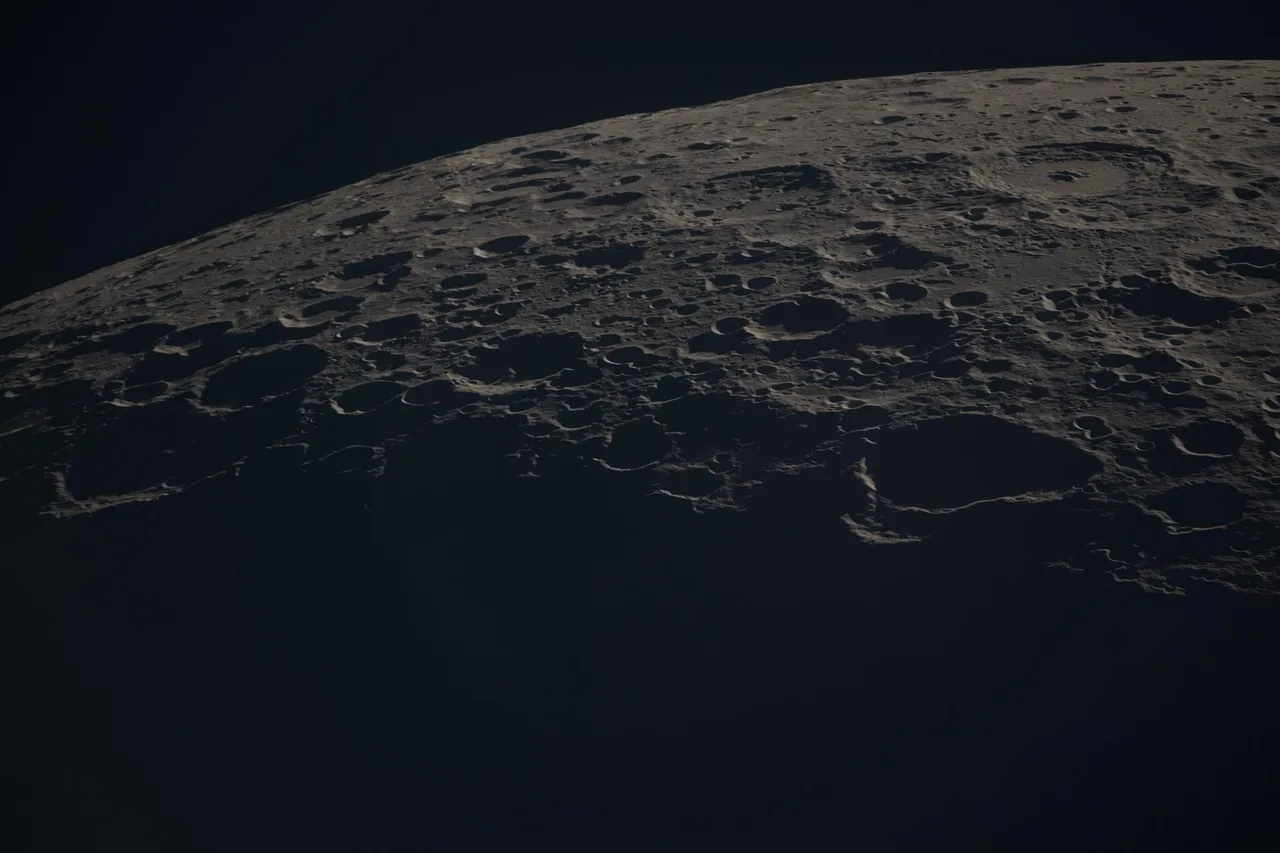
This image captures the zone of the Moon where the Hertzsprung basin lies. The particular area of the Hertzsprung basin appears darker compared to the other areas surrounding it. Adding to that, the texture of the Hertzsprung basin is smooth, contrasting with the terrain of the surrounding area and the Moon as a whole. The crew observed the terrain and remarked that it appeared "like a paved road". The outer areas are rugged and rougher. Furthermore, the color and brightness differ in areas across the Hertzsprung basin and reflect the complex geological formation of the area. The other areas also depict the ejecta and crater rays, which appear in faint brown and gray undertones across the highlands of the Moon.
Dancing past craters on the Moon’s quiet far side
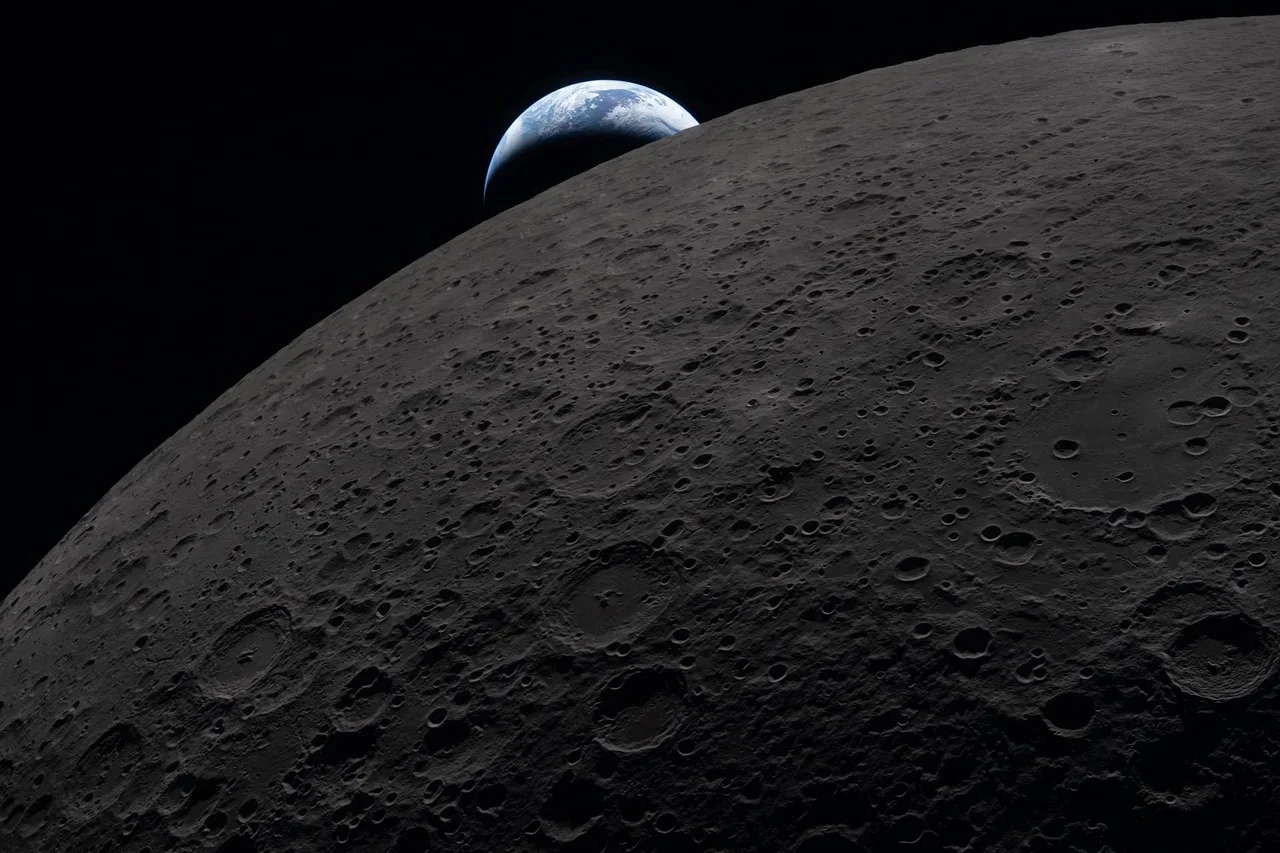
On April 6, 2026, the Artemis II crew captured this shot, where a close view of the surface of the Moon is visible along the terminator (which is the boundary between lunar day and night). Astronauts depended on observations along the terminator to study the Moon's terrain during the early days of the telescope. The sunlight that the Moon is receiving has been captured in this image, casting shadows across its surface, bringing the shapes and depths of crater in focus. Imaging of the Moon has now improved significantly, but this light and its reflection still help scientists in mapping the Moon's topography.
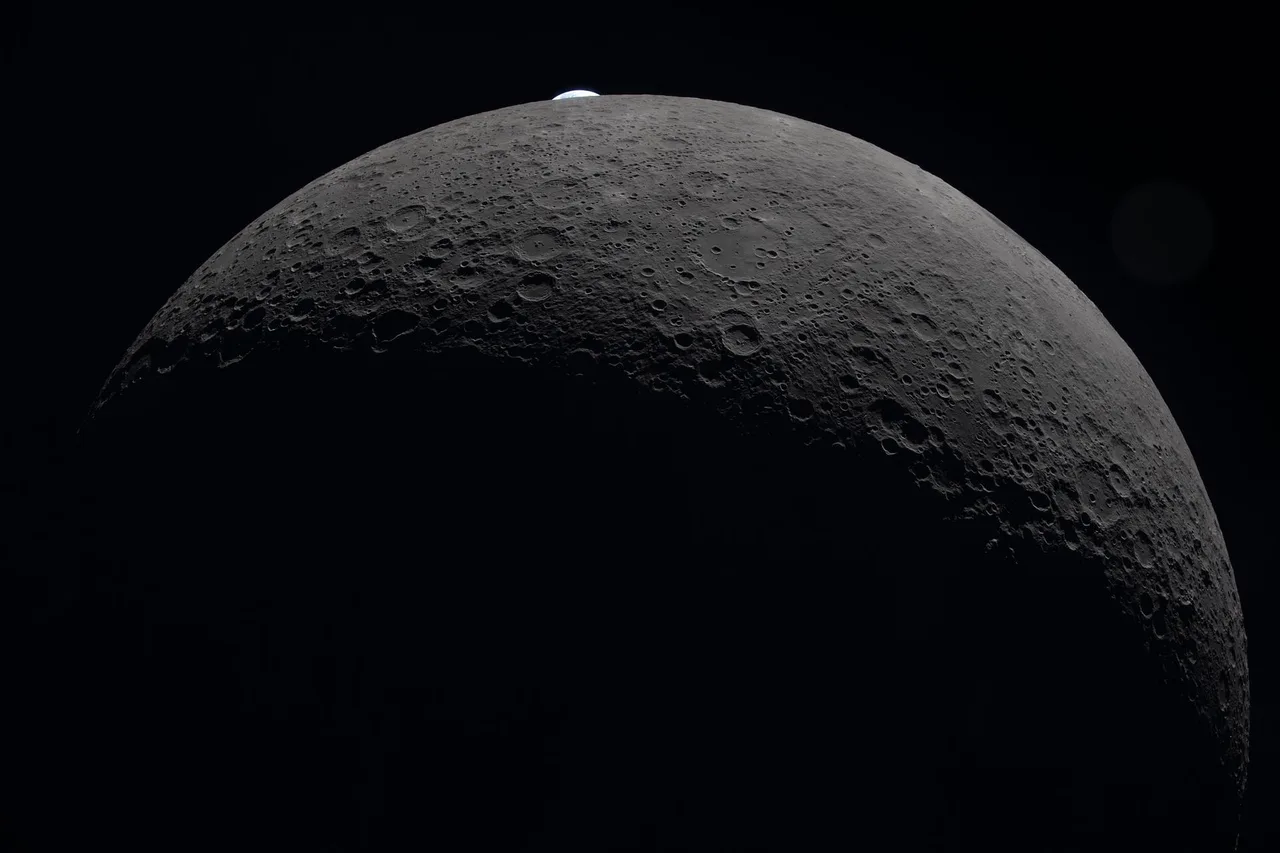
How Moon’s far side framed a fading blue Earth
As the Artemis II crew boarded the Orion spacecraft, which took a round around the Moon, at 6:41 p.m. EDT on April 6, 2026, they witnessed the Earthset from the far side of the Moon. Orion captured the stellar cosmic moments where we can spot our home planet in a muted blue shade. The white clouds covering Earth are visible in the image. The dark end of the Earth visible in the image reflects the areas that were experiencing nighttime during that time span. The image reflects how Australia and Oceania on the Earth are covered with swirling clouds at the top.
The far side of the Moon in softer light
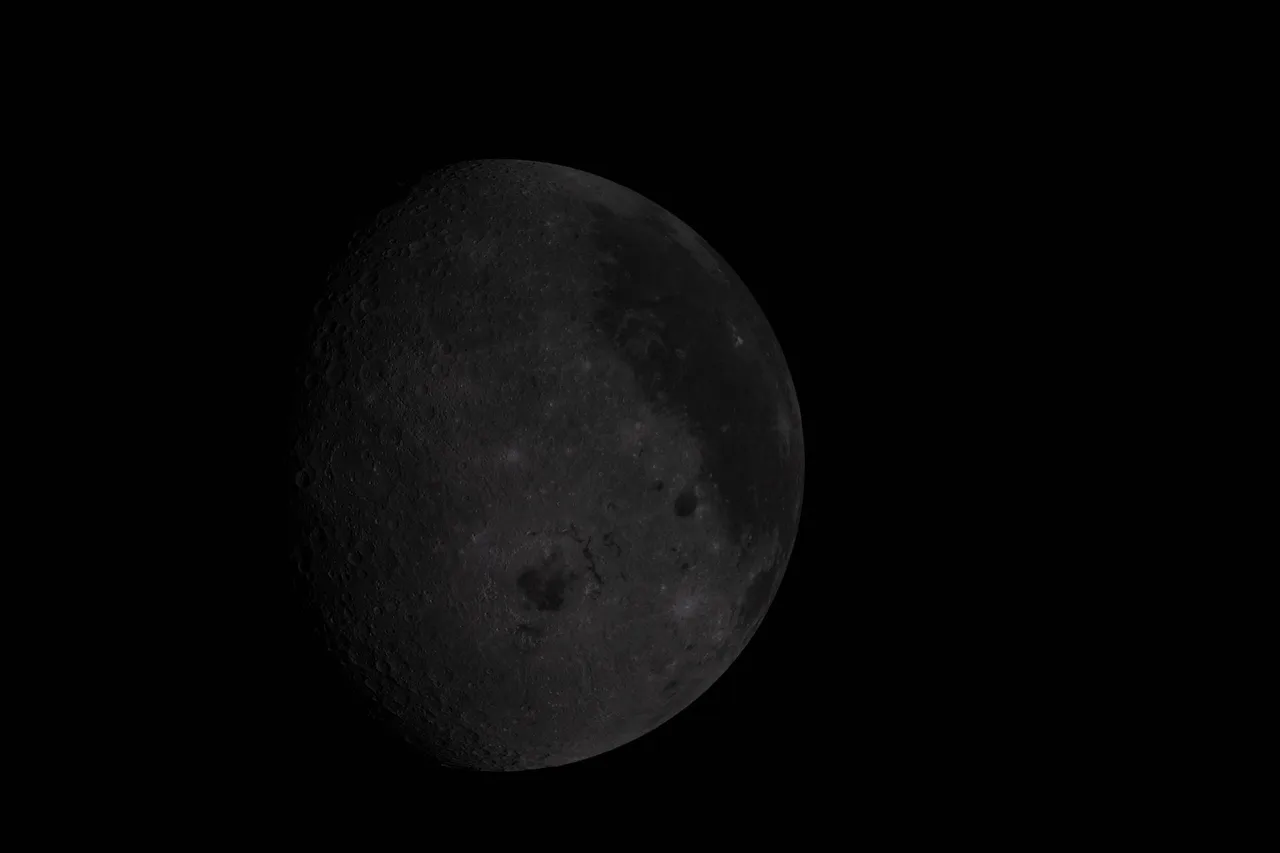
This particular shot of the far side of the Moon was an early attempt at capturing the captivating scenic beauty of our very own Earth’s natural satellite. In the image, the light setting is not as bright as it is in the other pictures. This might be because the Artemis II crew used a smaller aperture. During the flyby, the crew members spent about 7 hours recording and photographing the Moon while flying by on April 7, 2026.