5 space facts that sound fake, but they're 100% real
Space blurs the line between what's real and what's not
Although we have taken massive strides in astronomy as a civilization, space remains mysterious. But perhaps the best thing about space is that even some of the things we do know about it are mind-boggling.
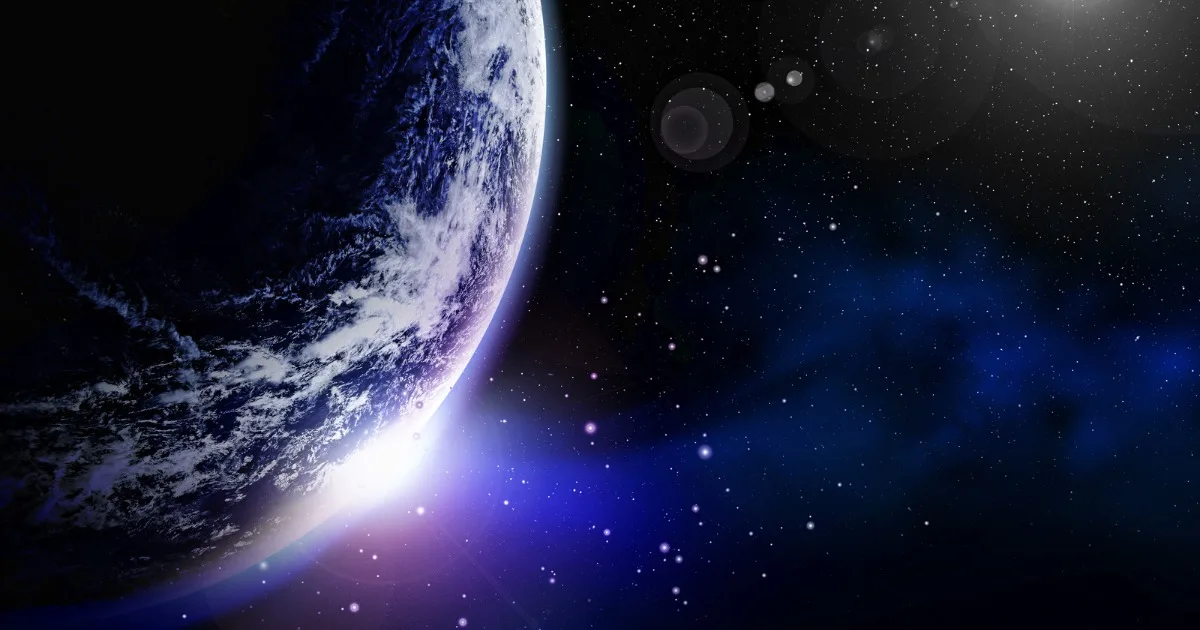
This is a digitally generated image of Earth.
Drop Saturn into a lake, and it would float
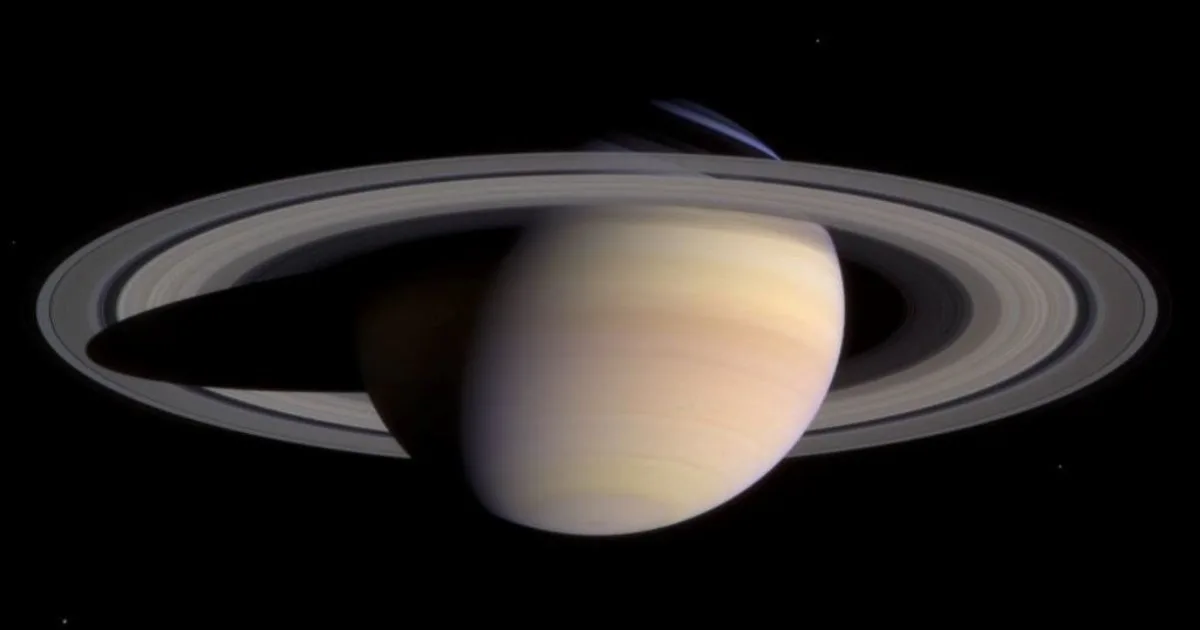
Saturn has a diameter nine times that of Earth. It is also the second-largest planet in our solar system. However, despite its size (or rather because of it), the ‘gas giant’ is less dense than water. That's because Saturn is predominantly made up of the two lightest elements in the universe—hydrogen and helium.
The gas giant’s average density is 0.687 grams per cubic centimeter. That's 30% less than the density of water.
This image of Saturn was captured by Cassini's narrow-angle camera on March 27, 2004. This image was the last single photograph showing the entire planet along with its rings before the spacecraft reached Saturn.
Just a teaspoon of neutron star matter could weigh millions of tons
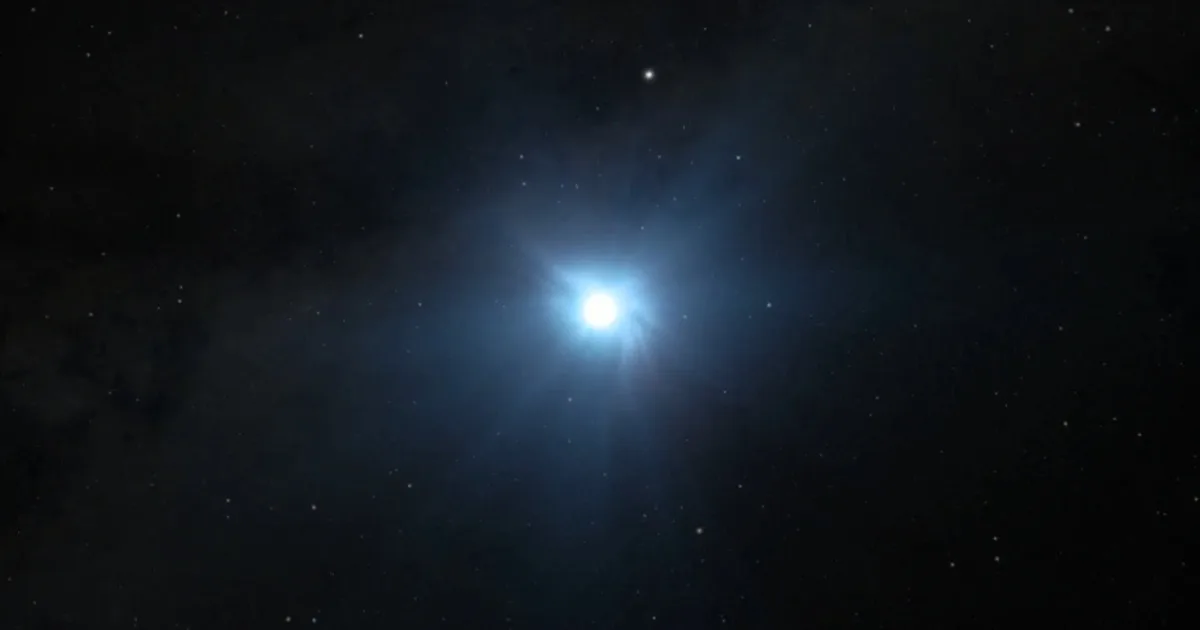
A neutron star is formed from the explosive supernova death of a medium-sized star. It is packed with mass and has immense weight. In fact, a typical neutron star can have 1.4 to 2.1 times the Sun’s mass, all of which is squeezed into a radius of 10 to 15 kilometers. Thus, if even a teaspoon of material is somehow extracted from a neutron star, it would weigh approximately 10 million tons!
This image is an artist's conceptual illustration depicting an isolated neutron star as an ultra-dense stellar remnant.
Jupiter’s massive storms can last for years on end
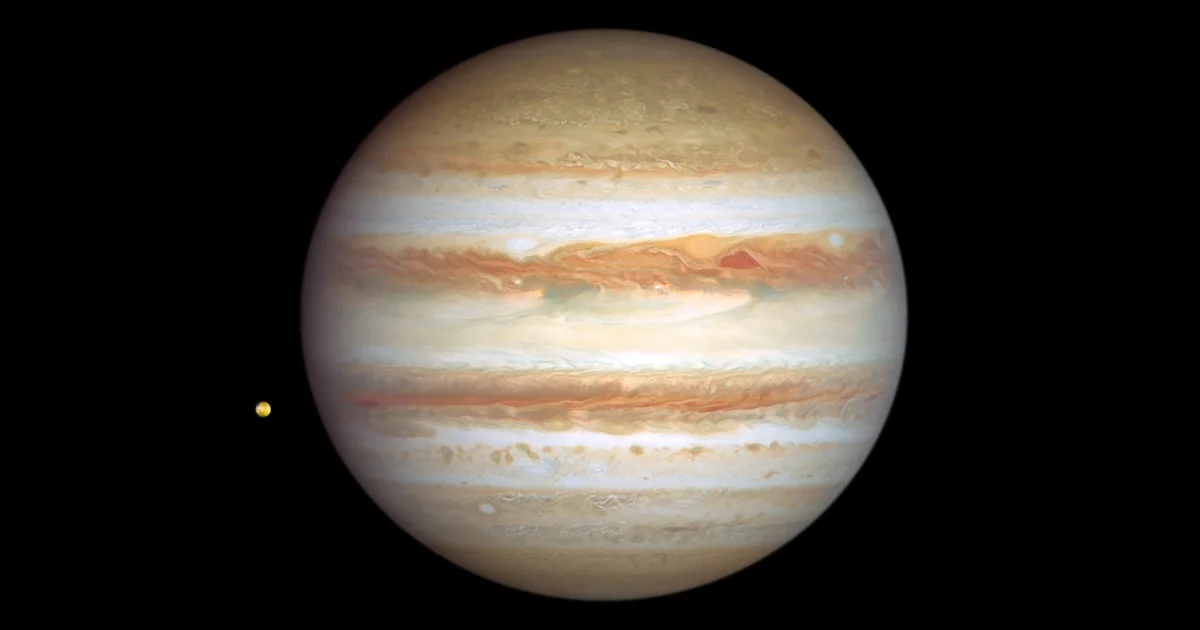
Since Jupiter does not have a solid surface to slow storms down, it experiences severe cyclones and anticyclones (cyclones rotating in the opposite direction) that can persist for many years. In fact, the Great Red Spot, which is an anticyclone with winds peaking at about 400 mph, has been observed on the planet for more than 300 years.
This is an image of Jupiter captured by NASA's Hubble Space Telescope. Hubble captured Jupiter's storm activity in the image. Alongside the gas giant, its moon, Io, can be spotted in the distant backdrop.
Moonquakes!
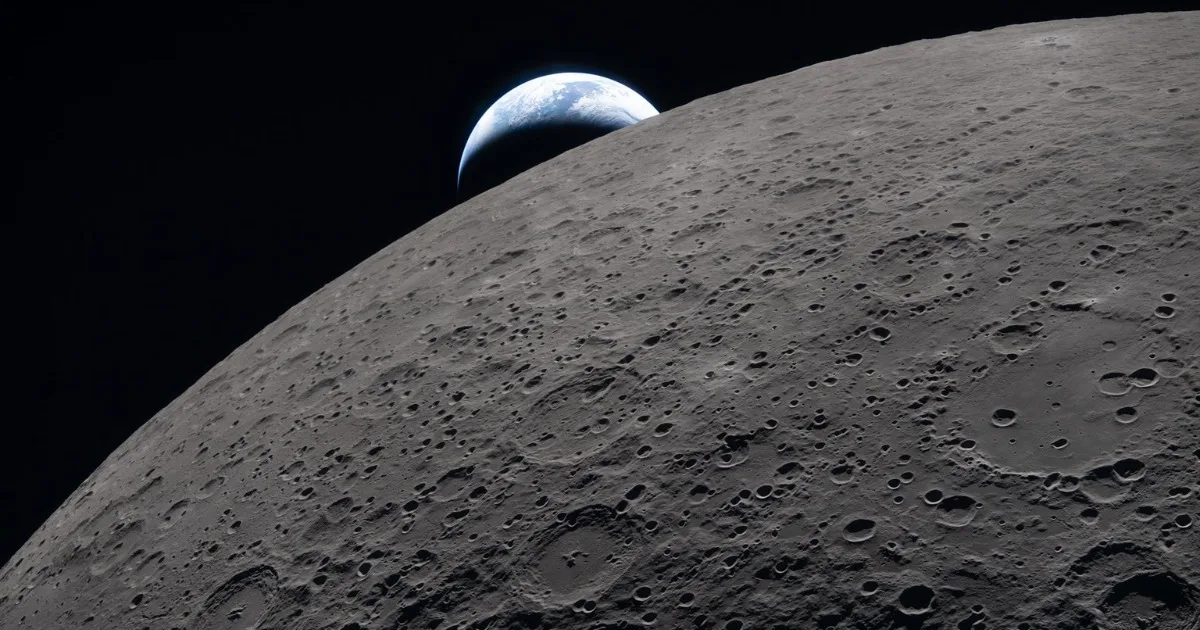
According to reports from the seismometers that the Apollo astronauts placed on the Moon, it was found that moonquakes (tremors on the Moon) are a common phenomenon. These usually occur due to the Earth’s gravity stretching and pulling the lunar interior. They are also caused by the Moon shrinking as it cools, among other things. Moonquakes can reach a severity of up to 5.5 on the Richter scale and can last for more than 10 minutes.
This image captures the Moon’s rugged surface in striking detail during the Artemis II lunar flyby, with the Blue Planet glowing softly in the distant backdrop. This image of the Earth rising beyond the lunar horizon was captured on April 6, 2026, at 6:41 pm EDT.
The International Space Station gets 16 sunrises a day
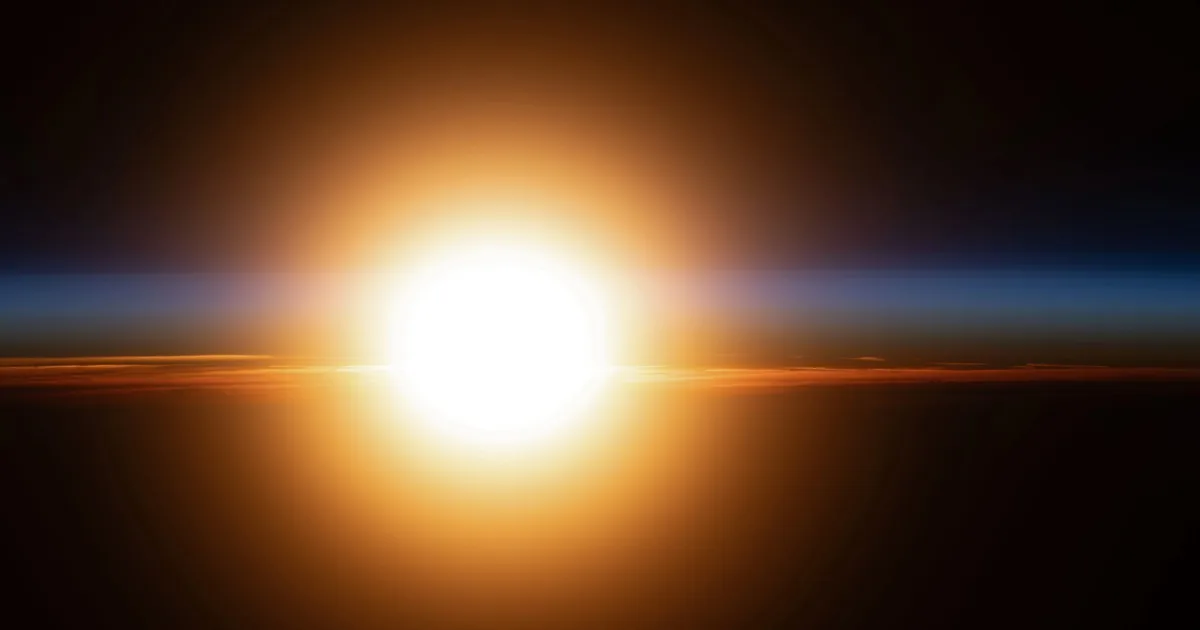
People on Earth see the sunrise and sunset only once a day. However, the astronauts working on the International Space Station (ISS) are lucky enough to witness 16 sunrises and sunsets per day. This is possible due to a high orbital velocity of more than 28,000 kilometers per hour. However, because of this, each sunrise or sunset only lasts a few seconds.
This image, taken when the ISS was 264 miles above the Caucasus Mountains, shows the Sun illuminating Earth's atmosphere during an orbital sunrise.