Skyroot's Vikram-1 launch: Key highlights and what's next for India's space missions
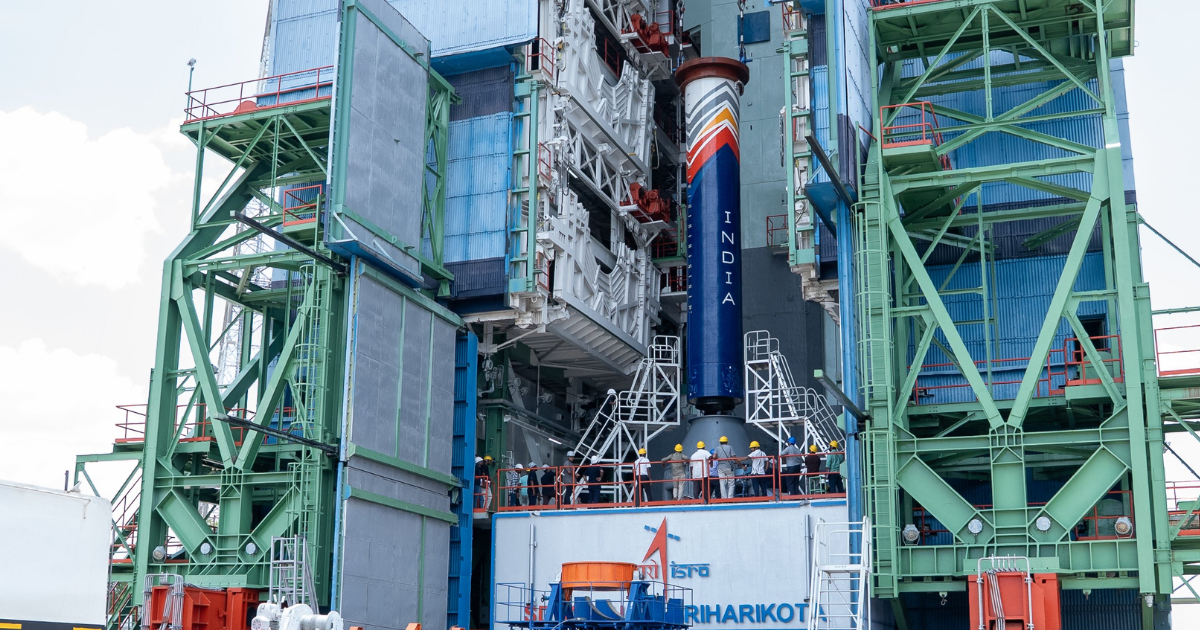
India's Skyroot Aerospace on July 18, 2026, successfully launched its Vikram-1 rocket from the Satish Dhawan Space Centre in Sriharikota, becoming the first Indian private company to launch an indigenously built rocket into orbit. The mission, named Aagaman ("Arrival"), makes India only the third country in the world after the US and China to have the capacity for private orbital launches. Marking the milestone, Skyroot officially posted on X, "Vikram-1 Test Flight-1 has reached orbit. India's first privately developed orbital rocket has completed its final burn and injected its payloads into a ~450 km orbit, making India the third country in the world with private orbital launch capability."
One of the most meaningful outcomes of Mission Aagaman was the trust our customers and partners placed in us.
— Skyroot Aerospace (@SkyrootA) July 20, 2026
Vikram-1’s maiden flight successfully deployed Grahaa Space’s SOLARAS satellite and Skyroot’s own SCOPE technology-demonstration satellite, while carrying in-orbit… pic.twitter.com/iGLVePilJN
The team was congratulated heartily by India's Prime Minister Narendra Modi, who announced on X, "This is a defining moment in India’s space journey. The growing participation of our private sector is opening new frontiers and accelerating innovation. This achievement will encourage countless youngsters to dream bigger and innovate fearlessly."
Key highlights from the Vikram-1 mission
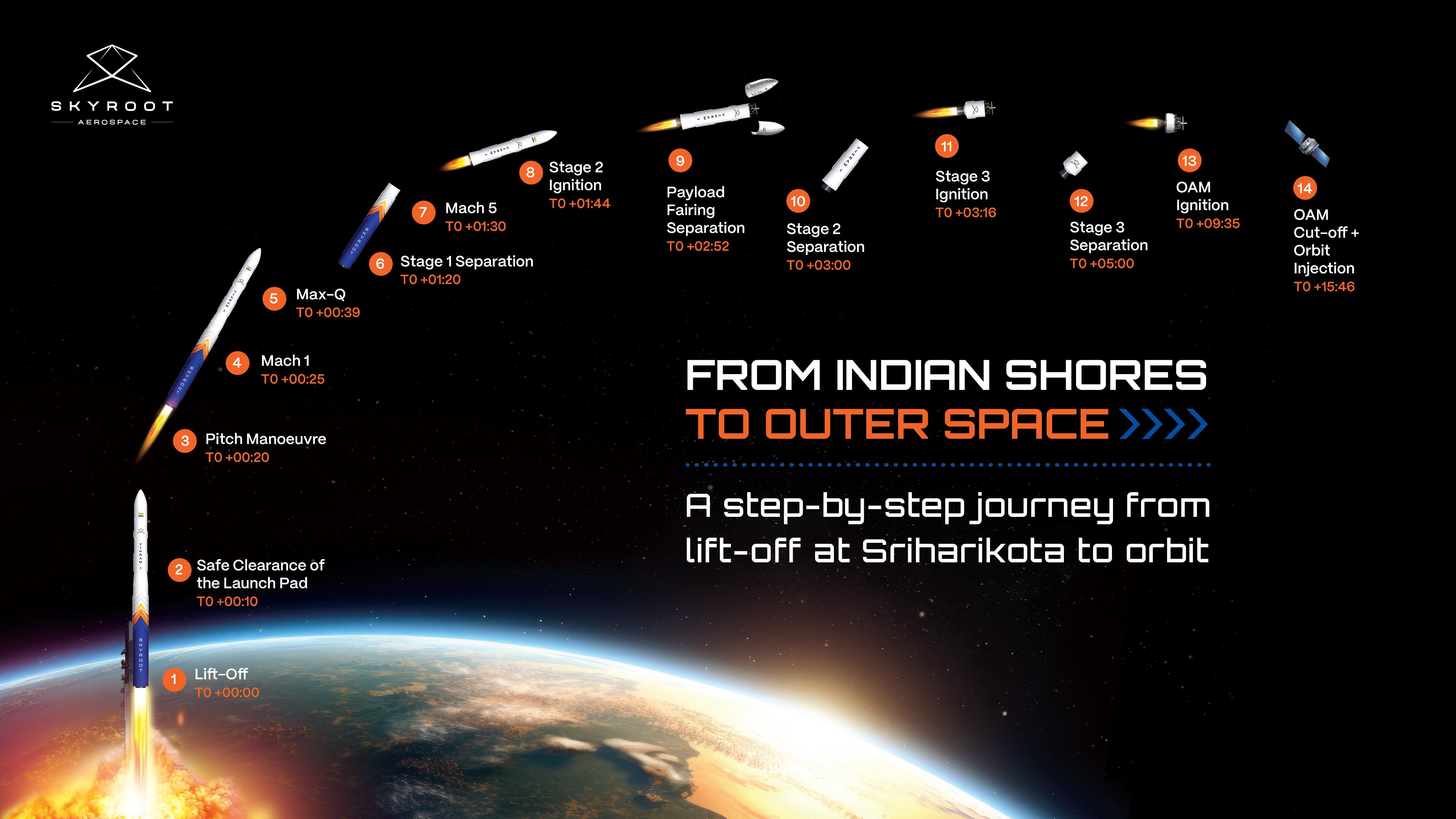
On July 18, 2026, Skyroot's Vikram-1 rocket lifted off at 12:05 p.m. Indian Standard Time (IST), which was about 35 minutes later than originally scheduled. Within 20 seconds of the flight, the rocket performed a pitch maneuver and tilted from a straight vertical climb toward the trajectory needed to reach orbit. Soon after, it crossed the Karman line, the 100-kilometer mark used to define the edge of space, without any issue.
In a beautiful coincidence, today—the day after our launch—marks Skyroot’s eighth anniversary. It started with a simple yet audacious belief that India's private sector could build its own way to orbit. 🚀
— Skyroot Aerospace (@SkyrootA) July 19, 2026
From Vikram-S becoming India's first private rocket to reach space in… pic.twitter.com/AH07METIDQ
As the flight continued, it successfully entered orbit at an altitude of about 450 kilometers. Just 17 minutes after liftoff, the mission director told the room, "The Vikram-1 Aagaman mission is a grand success." The Vikram-1's payloads included hardware from the German company Dcubed, a lab-grown diamond called Cosmic Bloom from an Indian company called Cosmos Diamonds, and a miniature 18-karat gold rocket made by artisans in Telangana.
Lt. Gen. AK Bhatt (retired), Director General of the Indian Space Association, said the flight showed that "our [India’s] domestic industry is primed to handle end-to-end space missions." Former ISRO chairman S Somanath, present at the launch, said, "This launch is going to change the space sector in a big way."
What's next for Skyroot?
While the launch was a success, Skyroot still has to prove it can fly Vikram-1 reliably on a regular basis with lower launch costs and expand into areas like satellite manufacturing and data services to compete globally. The company is now planning more test flights through 2026 and 2027, with the goal of offering commercial Vikram-1 launches by 2027.
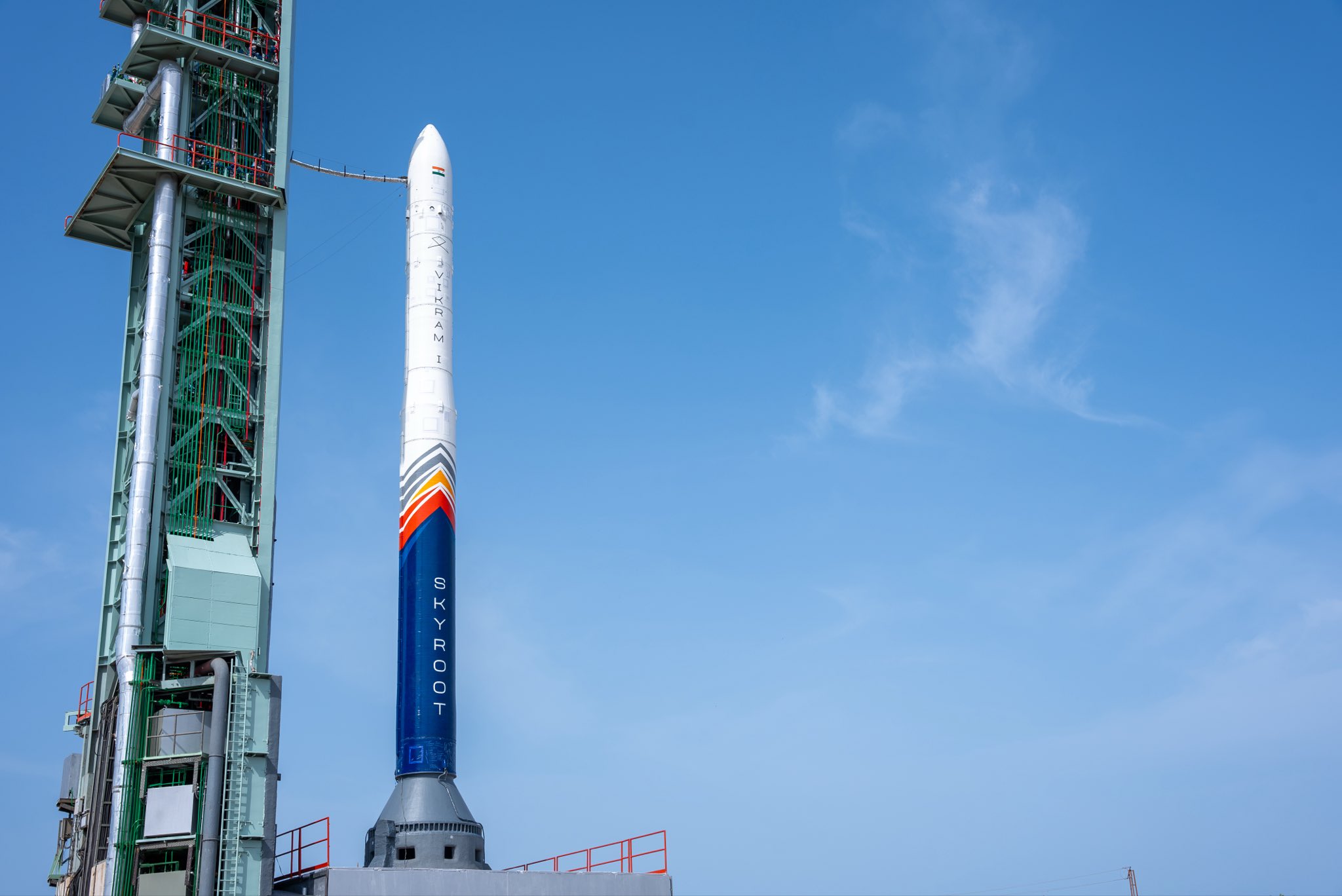
According to Skyroot co-founder Pawan Chandana, about 80% of its future customers are expected to come from outside India. Skyroot is also developing the larger Vikram-II rocket, which will feature a cryogenic engine and carry payloads of up to 900 kilograms. Its first test flight is expected no earlier than late 2027.
More on Starlust:
Elon Musk's SpaceX targets July 23 to launch Starship on Flight 13 after recent scrub
The next era of lunar exploration: Upcoming Moon missions to watch in 2026 and beyond