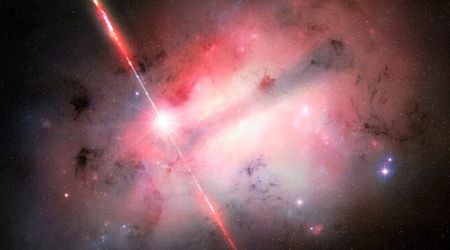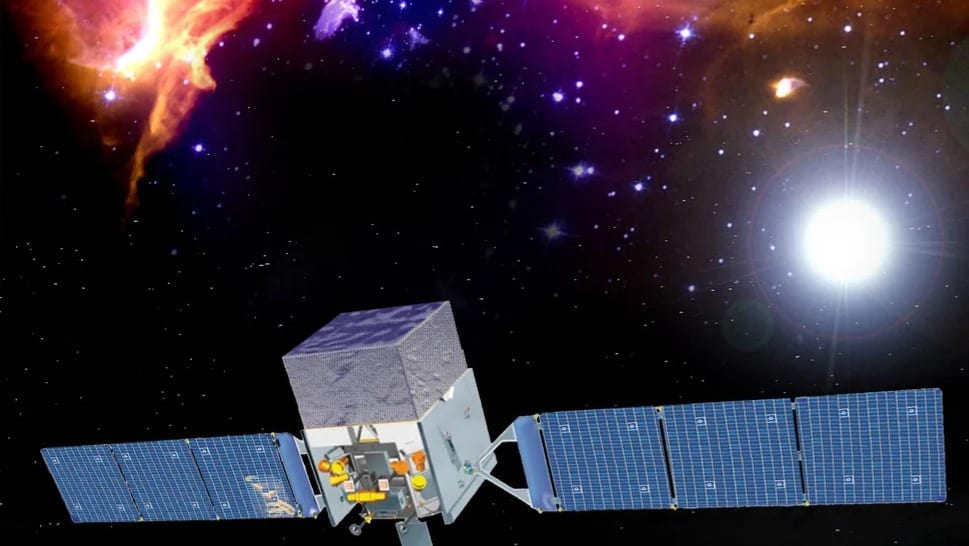
Designed specifically to detect the most energetic form of light, NASA's Fermi Gamma-ray Space Telescope is an active space-based observatory launched in 2008. Equipped with the Large Area Telescope (LAT) and a Gamma-ray Burst Monitor, Fermi's observations help scientists study many cosmic phenomena, from pulsars to cosmic rays to gamma-ray bursts (GRBs), the brightest and most powerful class of explosions in the universe. Over the years, Fermi has helped scientists make several major findings, including the identification of more than 300 gamma-ray pulsars and the discovery of vast, towering structures of gamma-ray emissions extending 50,000 light-years above and below the Milky Way's center. In 2017, Fermi also captured the first light tied to a gravitational-wave event, namely from the merger of two neutron stars in the galaxy NGC 4993.
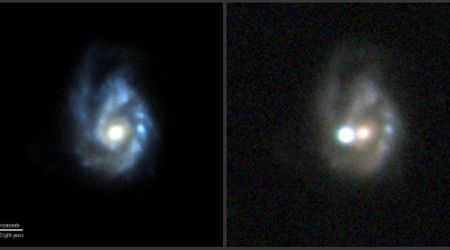
NASA’s Fermi Telescope detects gamma rays from a rare, unusually luminous supernova