5 animals who paved the way for human space travel
Animals were the first to space, astronauts followed later
Before astronauts ventured into space, scientists needed to understand whether humans could survive spaceflight, from tolerating the high G-forces of launch, to living in microgravity, and making it through reentry. With no clear answer, the United States and the Soviet Union initially refused to risk human lives, turning instead to animals. Monkeys, chimpanzees, and dogs were hence sent into space to determine whether living creatures could endure the rigors of spaceflight and return safely to Earth.
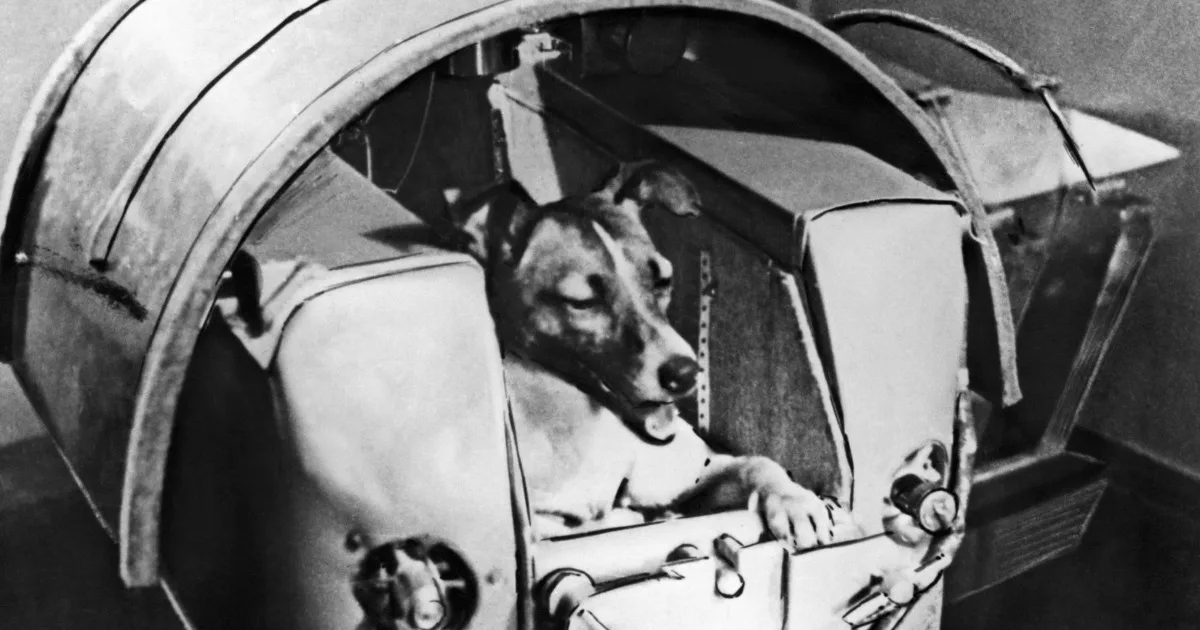
Laika
Laika was a stray mongrel taken from the streets of Moscow by Soviet scientists. In 1957, she became the very first animal to orbit Earth. Ahead of the spaceflight, Laika received extensive training, which included adapting to gel-based food. Sadly, on November 3, 1957, she was launched aboard Sputnik 2 for a one-way mission—the spacecraft was never designed to return to Earth.
During the mission, Laika was expected to survive inside the spacecraft for at least 7 days. However, due to a thermal control failure and the extreme stress of launch, the canine perished within hours. The US press later termed her ‘Muttnik,’ a play on the name Sputnik.
Albert II
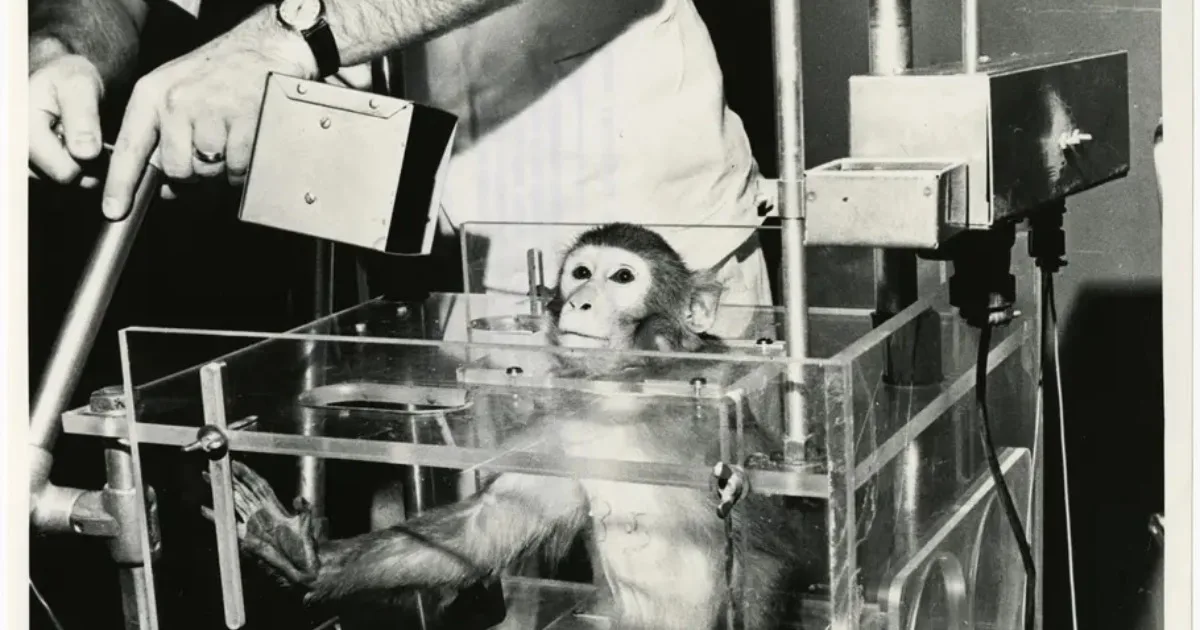
Humans did not venture out into the unknown of space until 1961. However, twelve years prior to this, a rhesus macaque named Albert II helped pave the way. On June 14, 1949, the United States launched Albert II into space aboard a modified German V-2 rocket.
The spacecraft took the monkey 83 miles (approximately 134 km) high, officially crossing the boundary of space. Albert II was kept under anesthesia throughout the mission. Sadly, though he survived the ascent, Albert II perished on impact when his capsule's parachute failed to open during the return to Earth.
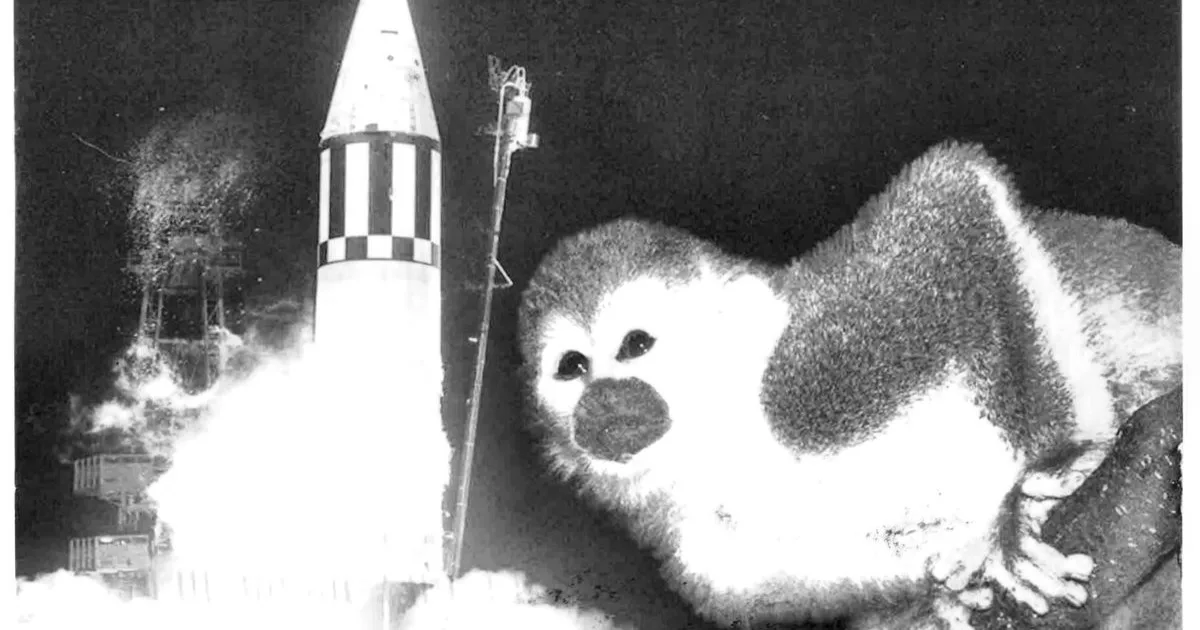
Gordo
Gordo, a squirrel monkey, helped scientists achieve a major breakthrough in the quest to send humans into space. On December 13, 1958, Gordo was blasted 600 miles (965 km) above Earth aboard a Jupiter AM-13 rocket. As the journey began, scientists were elated by Gordo’s steady health readings; his stable vitals proved that a living organism could handle the rigorous physical toll of space travel. Unfortunately, tragedy hit the mission on the way down. During splashdown, the capsule's flotation system failed. As a result, the vessel sank, making it impossible for the recovery crew to find Gordo in the Atlantic Ocean.
Félicette
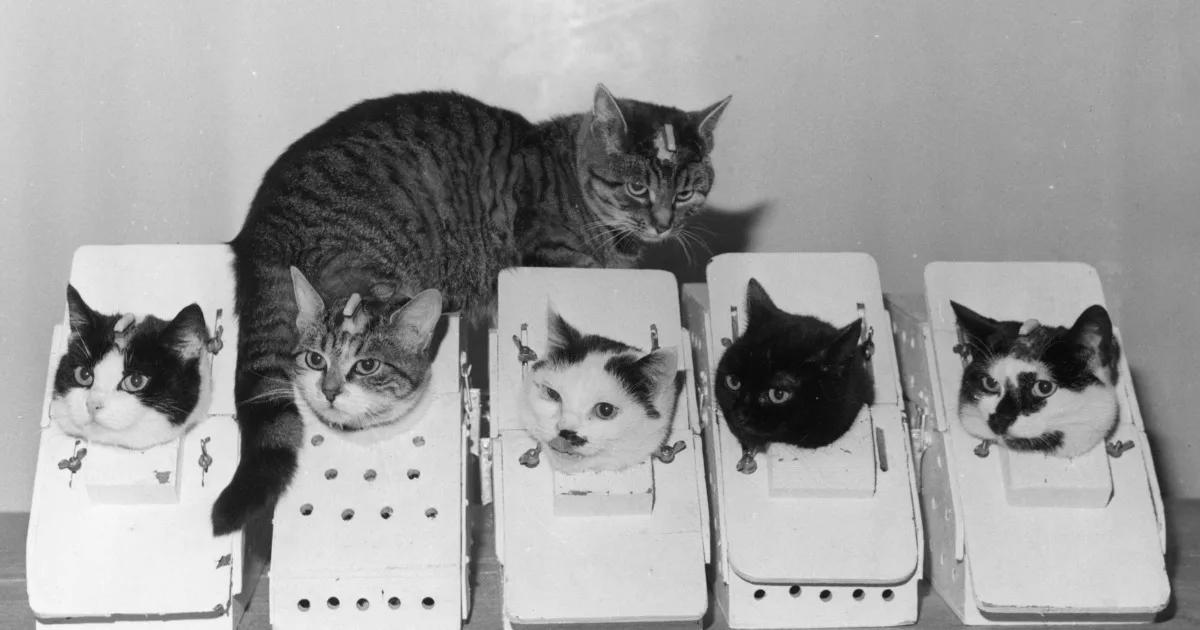
As the space race intensified during the 1960s, France geared up to participate in space exploration. However, instead of dogs or primates, the French team subjected several cats to rigorous tests, eventually selecting one.
On the morning of October 18, 1963, the chosen cat was secured inside a capsule atop a Véronique AGI sounding rocket at a launch site in Algeria's Sahara Desert. Launched at 8 am local time, her 13-minute suborbital flight carried her 96 miles (154 km) high, allowing her to experience roughly five minutes of weightlessness before the capsule safely parachuted back to Earth.
Initially, she was known simply as C341 to prevent researchers from getting attached. The French media soon started calling her Félix, assuming she was male and naming her after the cartoon character Felix the Cat. Later, once confirmed as a female, little C341 was officially named Félicette.
Although she returned home safely, her story did not end with a triumphant homecoming. Two months after her historic journey, scientists euthanized her to study the electrodes implanted in her brain and examine the neurological effects of spaceflight, but the postmortem ultimately revealed little of scientific value.
Ham
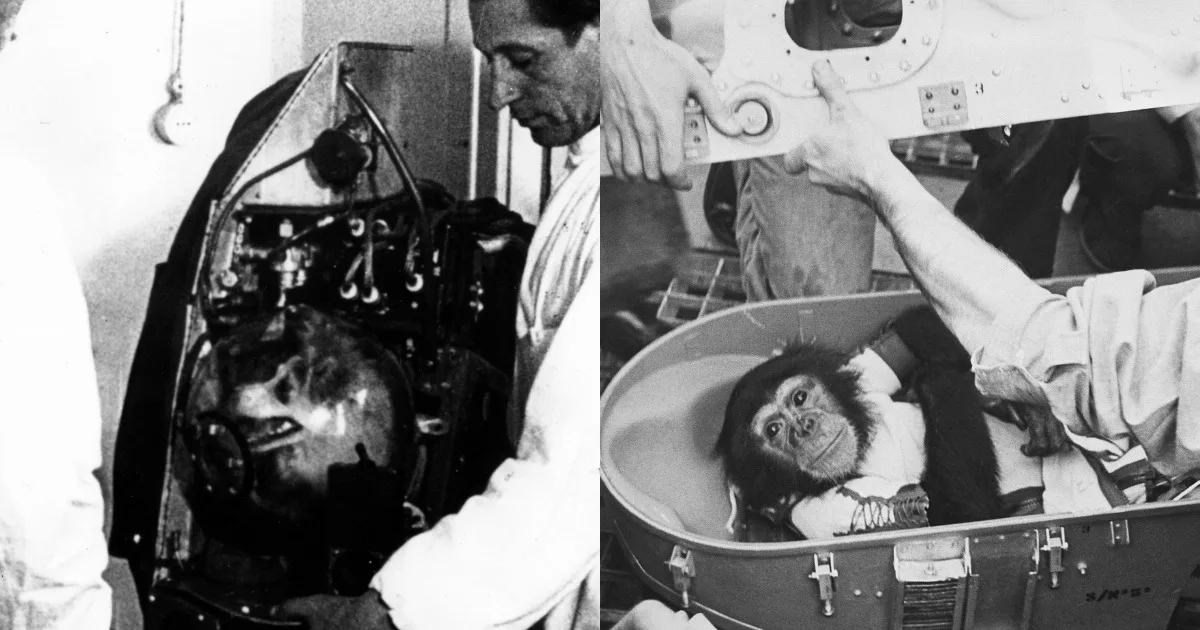
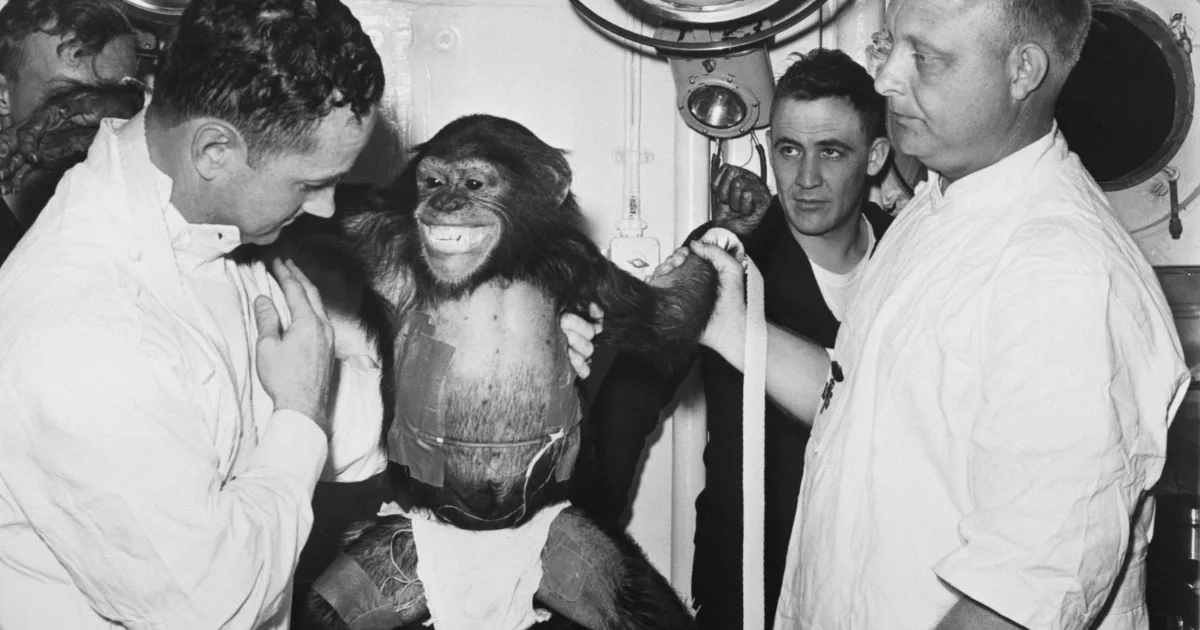
As several animals continued to pave the way, scientists wanted another important question answered: could a living being survive spaceflight and still perform tasks in weightlessness? One of the space pioneers who answered this question was Ham, a young chimpanzee.
Born in West Africa in 1957, Ham was brought to the United States and trained at Holloman Air Force Base. While other animals had already etched their names in history by surviving the journey, this astro-chimp’s visit became a milestone because Ham wasn't just a passenger. He was trained to pull specific levers in response to lights and sounds.
On January 31, 1961, he blasted off aboard a Mercury-Redstone rocket on a suborbital mission. Though the flight faced technical difficulties and traveled farther than planned, Ham remained calm. The young chimp successfully completed his assigned tasks before splashing down safely in the Atlantic Ocean after a 16.5-minute journey. Ham’s ability to physically respond in zero gravity proved that complex tasks could be carried out in the extreme conditions of space. Medical checks showed he was only slightly tired and dehydrated, confirming that humans were could survive a journey into the cosmos.