✕
Astronomy Constellation Deep Sky Objects Skywatching Instruments Spaceflight Videos
Home / Galleries

Space theories that may seem fictional but are strong possibilities

Astronomy Jul 6, 2026
BY DISITA SIKDAR
Burning asteroid moving towards Earth - Digital illustration. (Image Credits: adventtr/Getty Images)
Did the Moon harbor life once? Will the universe tear itself apart one day? Discover space theories that seem straight out of sci-fi.
4 Photos
1 / 4
The multiverse theory
IMAGE SOURCE: STOCKBYM/GETTY IMAGES

The multiverse theory

The multiverse theory, as the name suggests, claims that ours is not the only universe. There may be countless others out there with their own laws of physics, stars, galaxies, and maybe even their own intelligent civilizations.

The most well-known foundation of the multiverse concept is inflation theory. Inflation theory says that the very early universe (less than a second old) expanded extremely rapidly. This process is thought to have ended about 14 billion years ago. However, as cosmologist Heling Deng told Live Science, "Inflation does not end everywhere at the same time. It is possible that as inflation ends in some region, it continues in others.” This could lead to individual universes arising out of larger expanding universes.

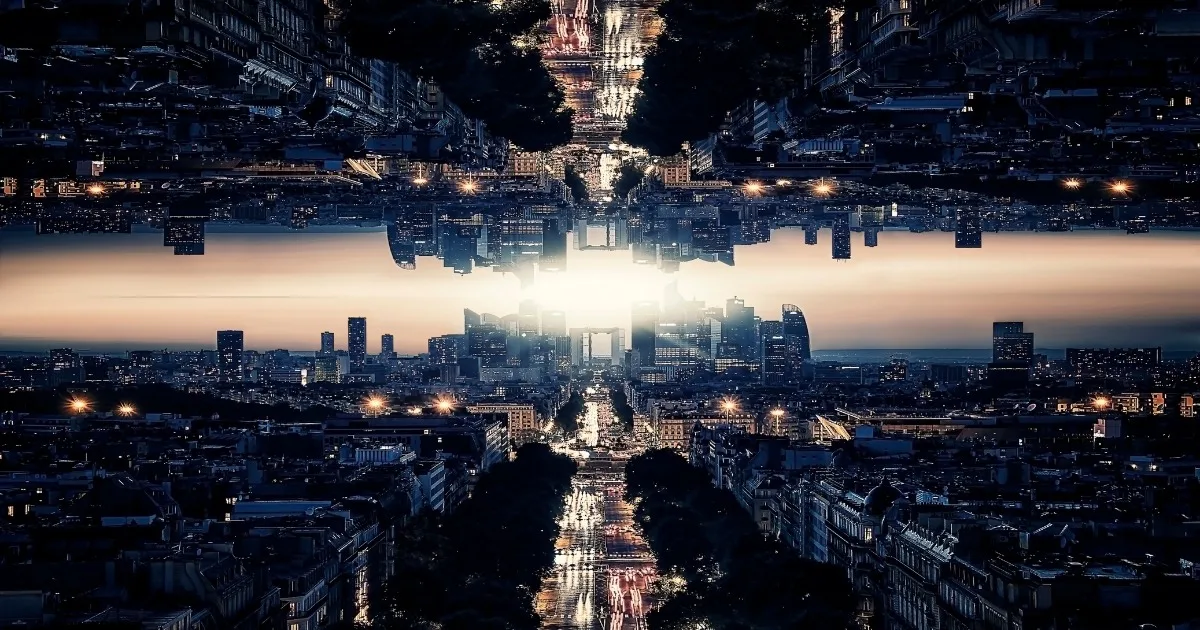
This digital art represents the idea of a parallel universe.

2 / 4
The Moon could have been habitable back in the day
IMAGE SOURCE: DRPIXEL/GETTY IMAGES

The Moon could have been habitable back in the day

We all know that the Moon currently has no atmosphere. Thus, there is certainly no possibility of life existing there. However, a 2018 study published in the journal Astrobiology suggests that two past incidents might have given the Moon favorable conditions to support life. The first incident happened 4 billion years ago, when Earth’s only natural satellite was forming from a debris disk.

Water vapor and other gases were being released in mass quantities during this time. The other incident took place some 3.5 billion years ago, when the lunar surface saw peak volcanic activity. According to the study, both instances would have created liquid water pools as well as a dense atmosphere that could have lasted millions of years.

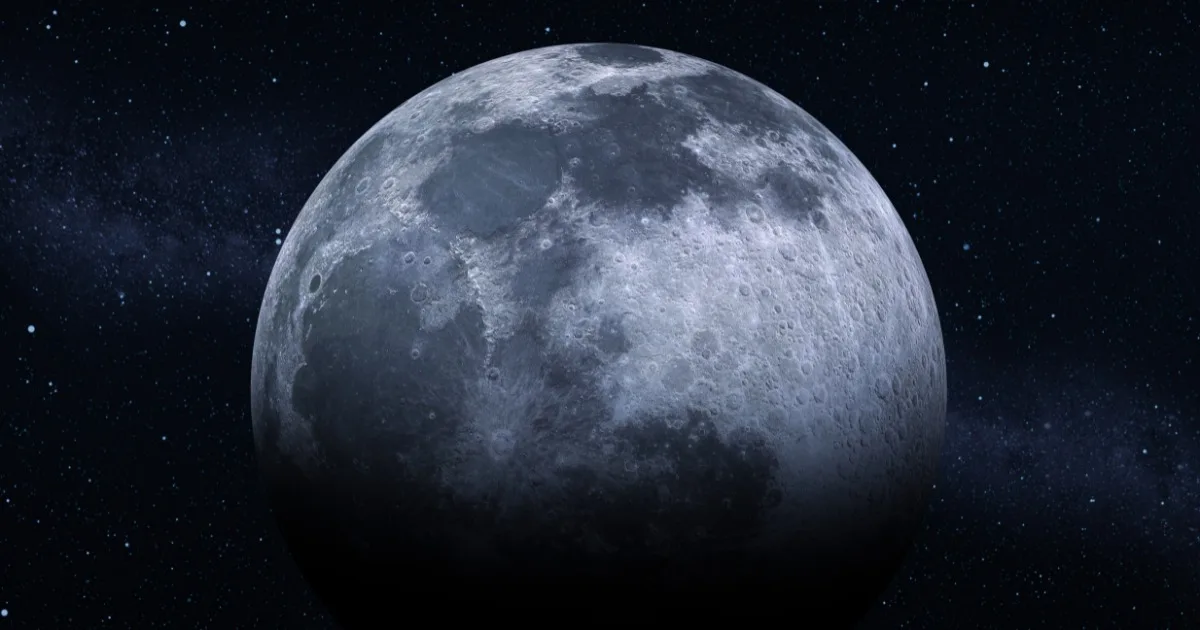
This is a stock image of the Moon's surface. In the image, the detailed lunar terrain is marked by rugged grey craters, vast maria, and subtle shadows, set against the dark, star-filled expanse of deep space.

3 / 4
The Big Rip
IMAGE SOURCE: DRPIXEL/GETTY IMAGES

The Big Rip

The Big Rip theory suggests that if dark energy becomes too strong, the entire universe will start to expand so vigorously that galaxies, stars, planets, and even atoms will get torn apart.

Dark energy is the mysterious force behind the apparent accelerated expansion of the universe. It permeates all of space-time and remains constant. However, there is a possibility that it could intensify with time, leading to increased acceleration of the universe. This, in turn, could push the velocity between any two points in space beyond the speed of light. If that were to happen, no physical force would be able to hold two points in space together, and so the universe as we know it would be torn apart. Even atomic and nuclear bonds wouldn't be able to hold their own.

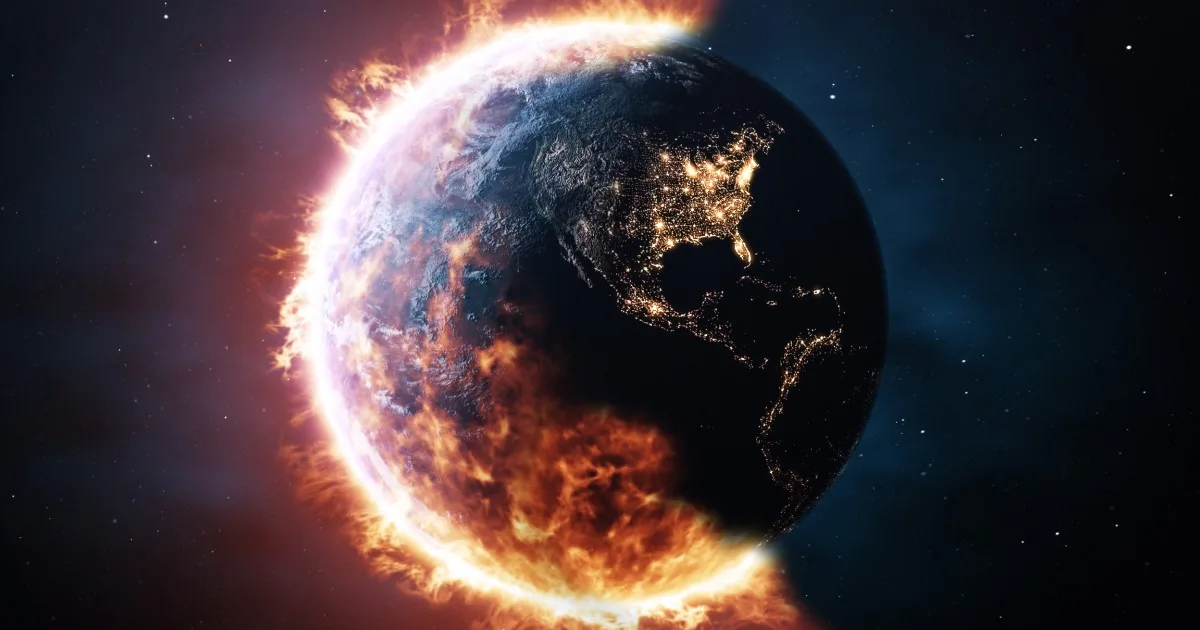
The image is an illustration of the Earth burning, depicting the threat that global warming poses to our home planet.

4 / 4
Earth's fate when the Sun nears its death
IMAGE SOURCE: BIKEJ BARAKUS/GETTY IMAGES

Earth's fate when the Sun nears its death

Like other low-mass stars out there, our Sun too will end its life as a white dwarf—an incredibly dense star, roughly the size of Earth, that has exhausted all its nuclear fuel.

But Earth will probably be long gone before the Sun enters its final days. That is because the Sun is slowly expanding, and, before it becomes a white dwarf, it will enter its red giant phase in about 5 billion years. Having lost all its hydrogen, the core of the Sun will begin to collapse during this stage, causing the surrounding shell of plasma to become hot enough to begin fusing hydrogen itself. The extra heat that will be generated because of this will cause the Sun to expand dramatically and eat up some of the inner rocky planets. While Mercury and Venus are almost certain to be eaten up during this expansion, Earth might also become a casualty.

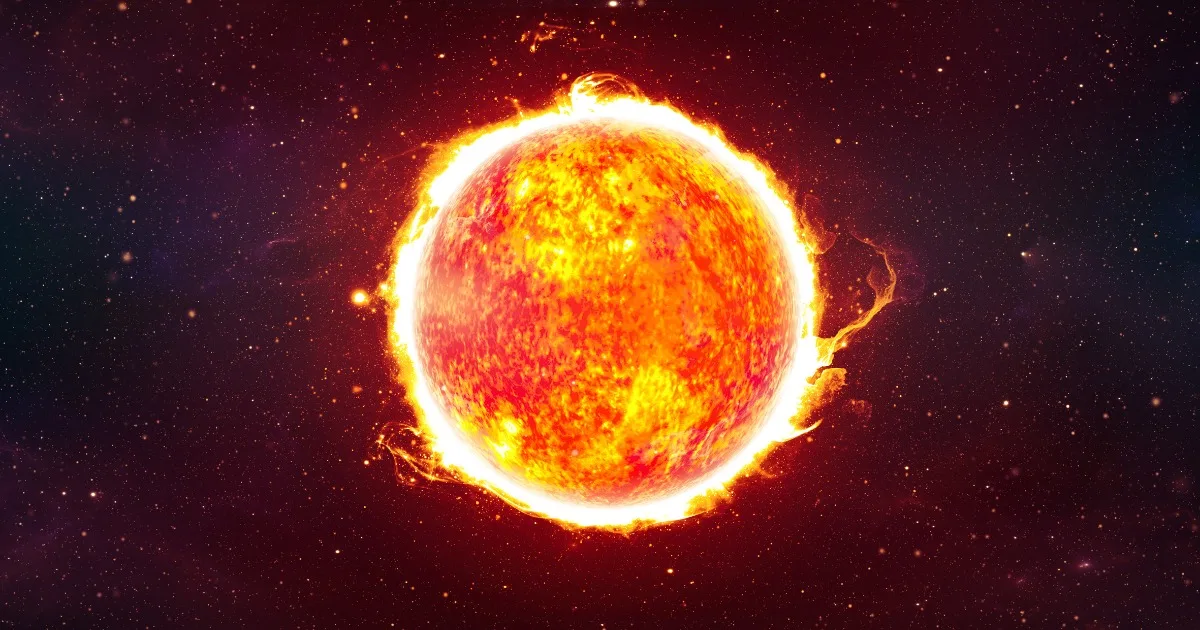
This image is a 3D rendering of the Sun.

MORE GALLERIES

5 surprising facts about the Moon that most people don't know 5

5 surprising facts about the Moon that most people don't know

Jul 6, 2026
Why haven't aliens contacted us? Here's what a NASA-based scientist says 6

Why haven't aliens contacted us? Here's what a NASA-based scientist says

Jul 4, 2026
These 5 moons are the strangest in our solar system 6

These 5 moons are the strangest in our solar system

Jul 4, 2026
5 of the most mysterious UFO sightings ever reported 6

5 of the most mysterious UFO sightings ever reported

Jul 3, 2026
5 space facts that sound fake, but they're 100% real 6

5 space facts that sound fake, but they're 100% real

Jul 3, 2026
Strangest objects spotted in our own Solar System 6

Strangest objects spotted in our own Solar System

Jul 3, 2026
Scientists believe these 5 alien worlds could harbor life beyond Earth 6

Scientists believe these 5 alien worlds could harbor life beyond Earth

Jul 2, 2026
5 space myths everyone grew up hearing (that aren’t true) 5

5 space myths everyone grew up hearing (that aren’t true)

Jul 1, 2026
Rare images of the Soyuz 11 mission that cost its crew their lives 9

Rare images of the Soyuz 11 mission that cost its crew their lives

Jun 30, 2026
How Soyuz 11 cosmonauts made history before becoming the only humans to die in space 7

How Soyuz 11 cosmonauts made history before becoming the only humans to die in space

Jun 29, 2026
NASA identifies five space dangers that can make life in space brutal for astronauts 6

NASA identifies five space dangers that can make life in space brutal for astronauts

Jun 22, 2026
American company plans to 'create' gravity to stay longer in space 5

American company plans to 'create' gravity to stay longer in space

Jun 19, 2026
Neil deGrasse Tyson explains how Artemis missions would lay the groundwork for Mars exploration 5

Neil deGrasse Tyson explains how Artemis missions would lay the groundwork for Mars exploration

Jun 13, 2026
Artemis III astronaut reveal: Landmark photos of NASA’s next crew heading toward lunar exploration 11

Artemis III astronaut reveal: Landmark photos of NASA’s next crew heading toward lunar exploration

Jun 10, 2026
NASA declares its Mars spacecraft MAVEN dead, but its legacy lives on 12

NASA declares its Mars spacecraft MAVEN dead, but its legacy lives on

Jun 6, 2026
What would happen if Earth got too close to a black hole? NASA has a terrifying answer 6

What would happen if Earth got too close to a black hole? NASA has a terrifying answer

Jun 4, 2026
James Webb uncovers dark matter shaping unseen cosmic web of the universe 7

James Webb uncovers dark matter shaping unseen cosmic web of the universe

Jun 3, 2026
Blue Moon 2026 in pictures: Stunning views of the rare lunar event and year's smallest full Moon 6

Blue Moon 2026 in pictures: Stunning views of the rare lunar event and year's smallest full Moon

Jun 1, 2026
Scientists thought a black hole forming before its galaxy was impossible — then James Webb spotted one 7

Scientists thought a black hole forming before its galaxy was impossible — then James Webb spotted one

May 29, 2026
Starlust.org is part of the Scale Content Inc. publishing group.

Google Source

About Us
Editorial Guidelines
Privacy Policy
Cookie Policy
Terms of Use
Contact Us
Link to Facebook
Link to Instagram

© Scale Content Inc. 1178 Broadway, 3rd Floor #3469, New York, NY 10001, United States