 0:21
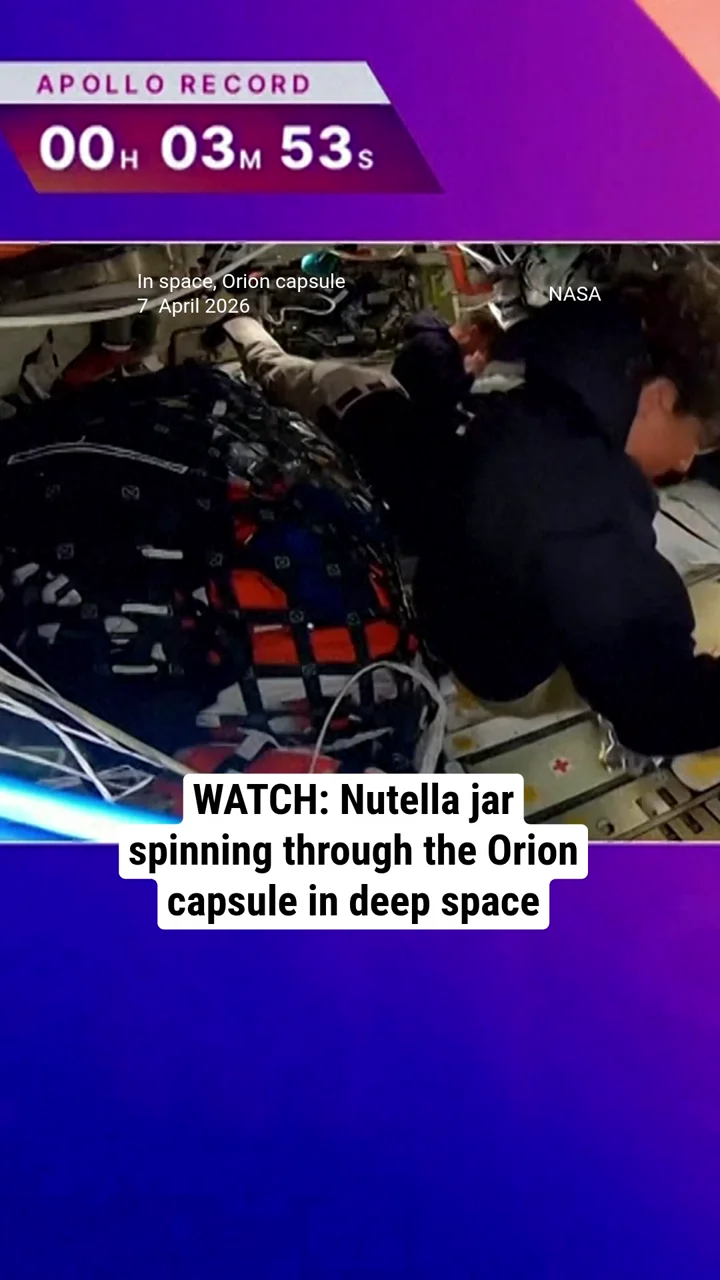
WATCH: Nutella jar spinning through the Orion capsule
Artemis II astronauts, with Christina Koch closest to the camera, were working minutes before the Artemis II mission set a new record for the furthest distance from Earth, when a jar of Nutella started spinning through the Orion capsule.
More Videos
 0:41
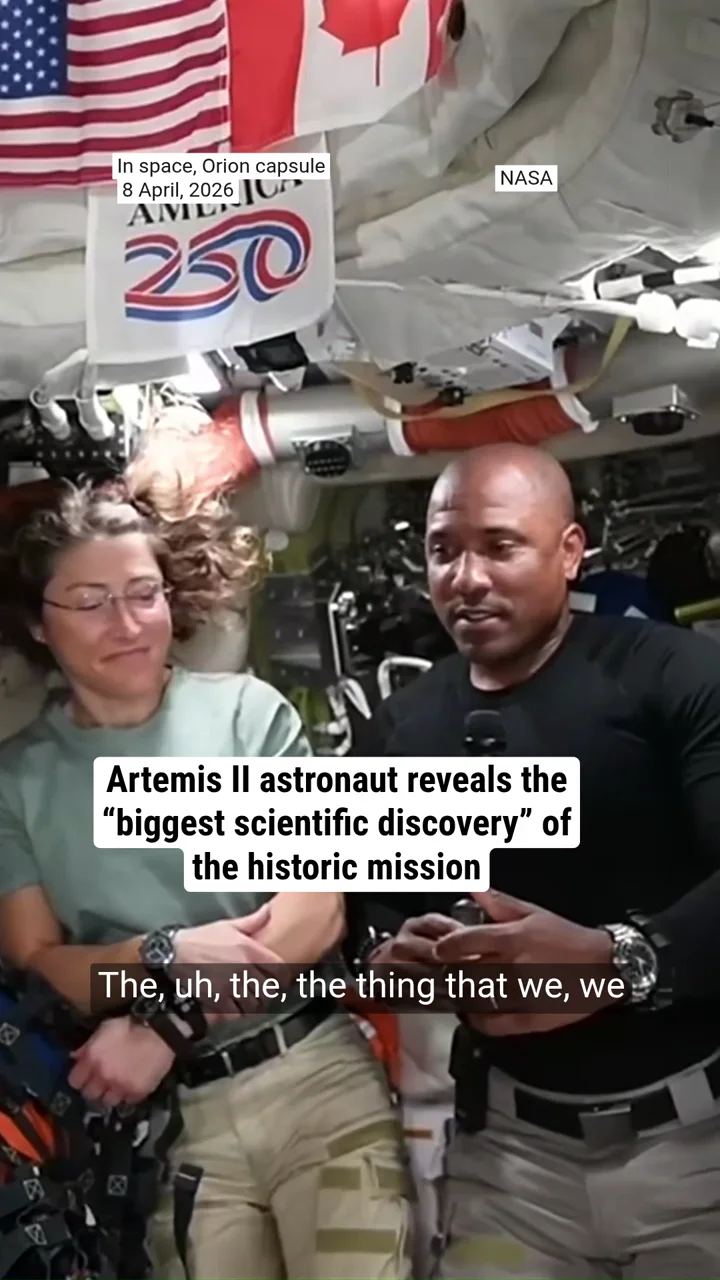
Artemis II astronaut reveals the “biggest scientific discovery” of the historic mission
When asked about the "biggest scientific discovery," Artemis II pilot Victor Glover said that the most surprising scientific moment of the mission wasn’t entirely unexpected—but still left the crew in awe. While they had trained to observe a solar eclipse beyond the Moon’s far side, the real experience far exceeded simulations. Despite concerns about limited illumination due to their launch timing, the eclipse became one of the mission’s most unforgettable highlights—described as a "greatest gift."
 0:27
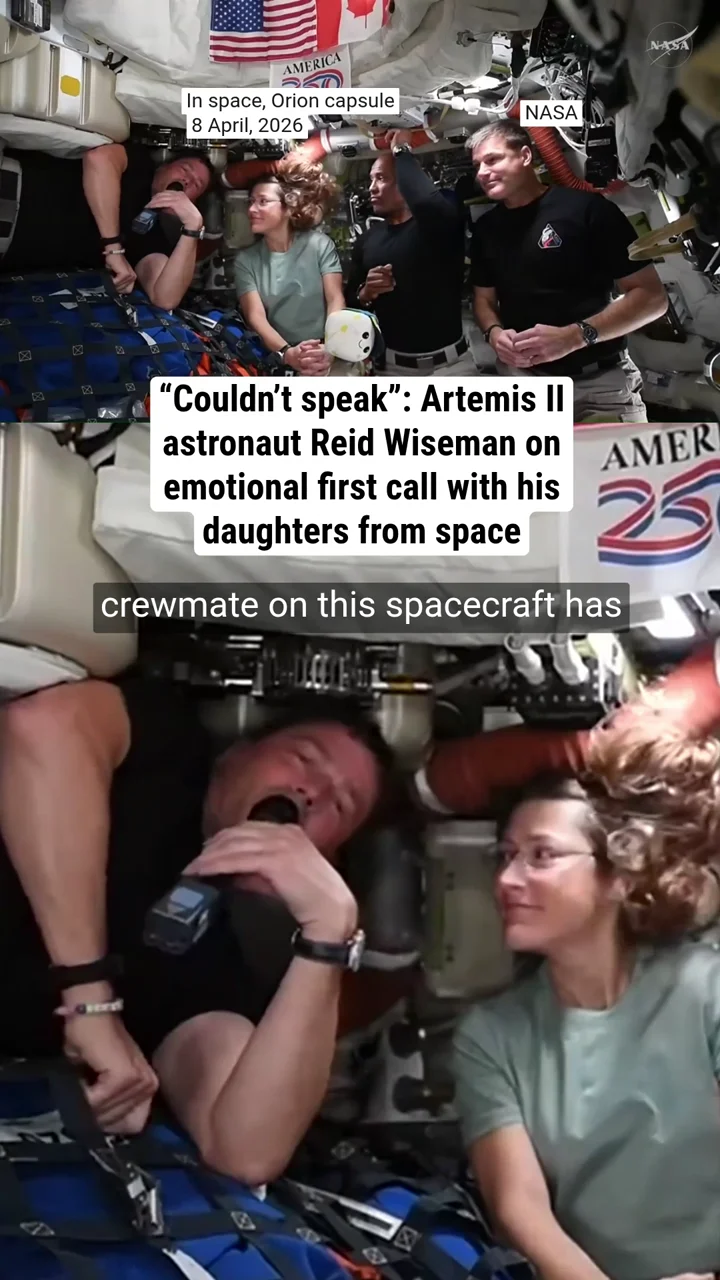
“Couldn’t speak”: Artemis II astronaut Reid Wiseman on emotional first call with his daughters from space
Artemis II Commander Reid Wiseman shared an emotional moment from space, revealing he “couldn’t speak” during his first call with his daughters. He was overwhelmed by the experience of the mission and the distance from home. The mission was launched on April 1.
 0:54
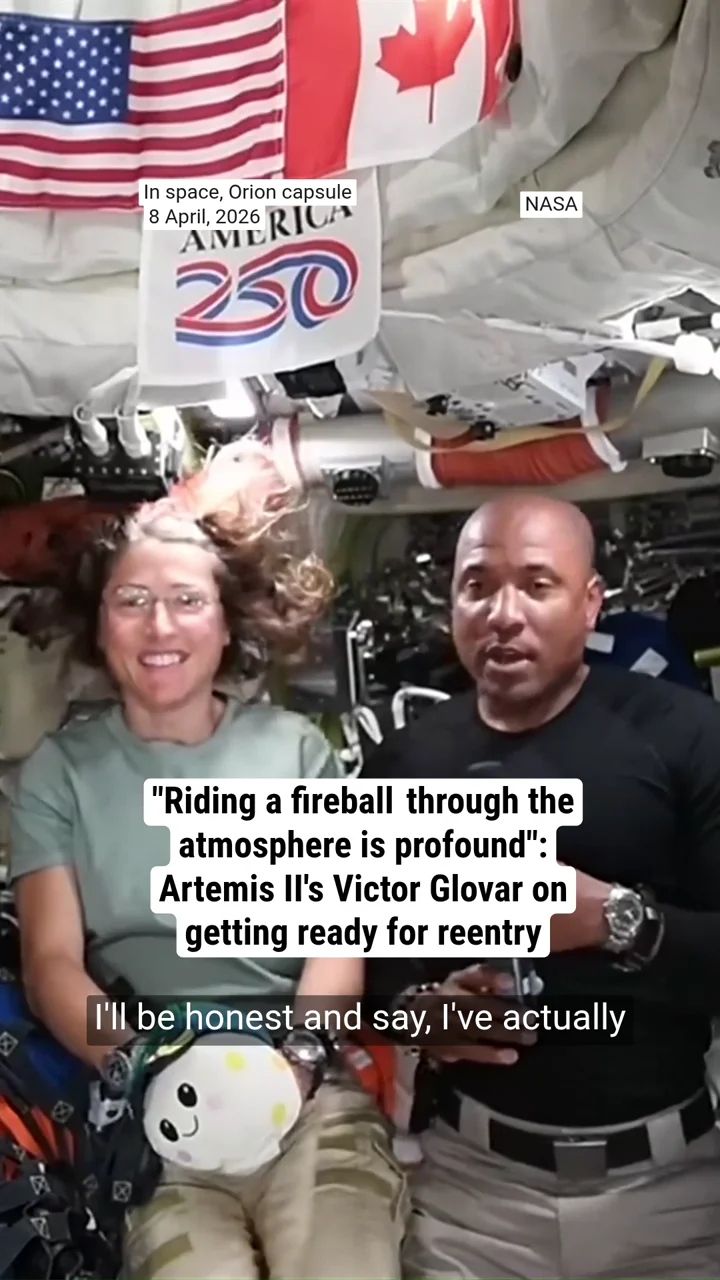
"Riding a fireball through the atmosphere is profound": Artemis II's Victor Glovar on getting ready for reentry
Artemis II Pilot Victor Glover says he has been thinking about reentry since the day the crew was assigned to the mission, calling the return to Earth just as important as the journey itself. While the mission has already produced significant data and imagery, he emphasized that “the best is yet to come” as the crew brings back more insights and stories. The crew is scheduled to splash down in the Pacific Ocean at 8:07 p.m. EDT (5:07 p.m. PDT) on Friday.
 1:11
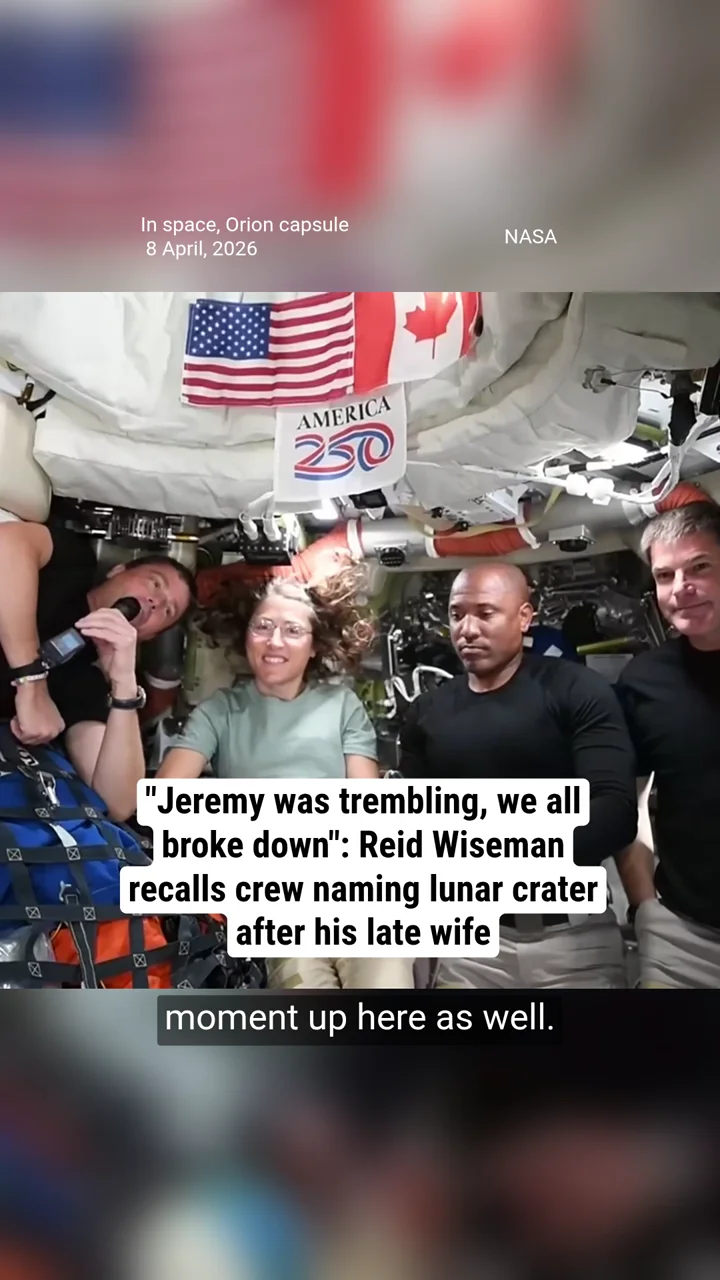
"Jeremy was trembling, we all broke down": Reid Wiseman on Artemis II crew naming lunar crater after his late wife
During a live media interaction on April 8, Artemis II Commander Reid Wiseman was asked about the moment his crewmates chose to name a “bright spot” on the lunar surface after his late wife, Carroll, as a tribute. His response highlighted the deep bond shared by the crew. Wiseman revealed that the idea took shape while they were in quarantine, with CSA astronaut Jeremy Hansen deciding to deliver the tribute during the lunar flyby. It became a "powerful," emotional moment, as the crew broke down in tears and embraced in a group hug.
 0:52
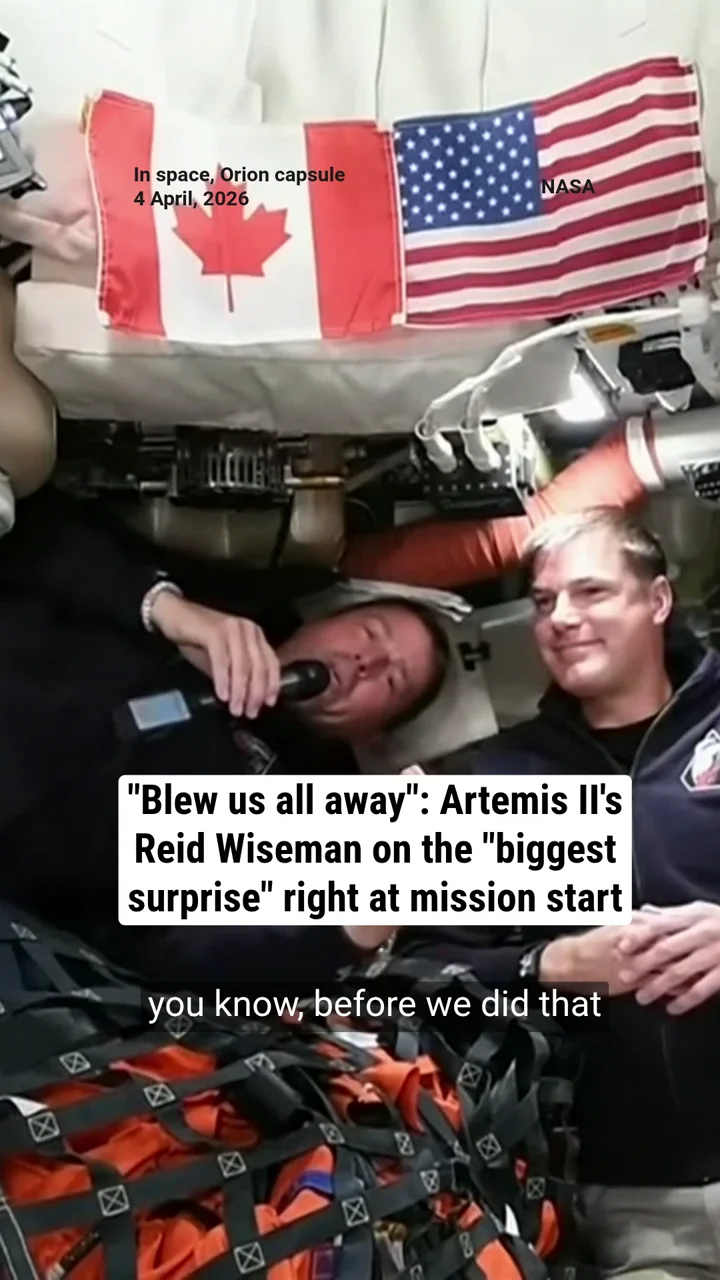
"Blew us all away": Artemis II Commander Reid Wiseman on the "biggest surprise" right at mission start
Artemis II Commander Reid Wiseman opens up about the biggest surprise he encountered right at the start of the mission, which launched from Kennedy Space Center on April 1, 2026. The crew is scheduled to splash down in the Pacific Ocean at 8:07 p.m. EDT (5:07 p.m. PDT) on Friday.
 0:49
NASA officials "shocked" by Artemis II crew’s report of impact flashes on the Moon
 0:16
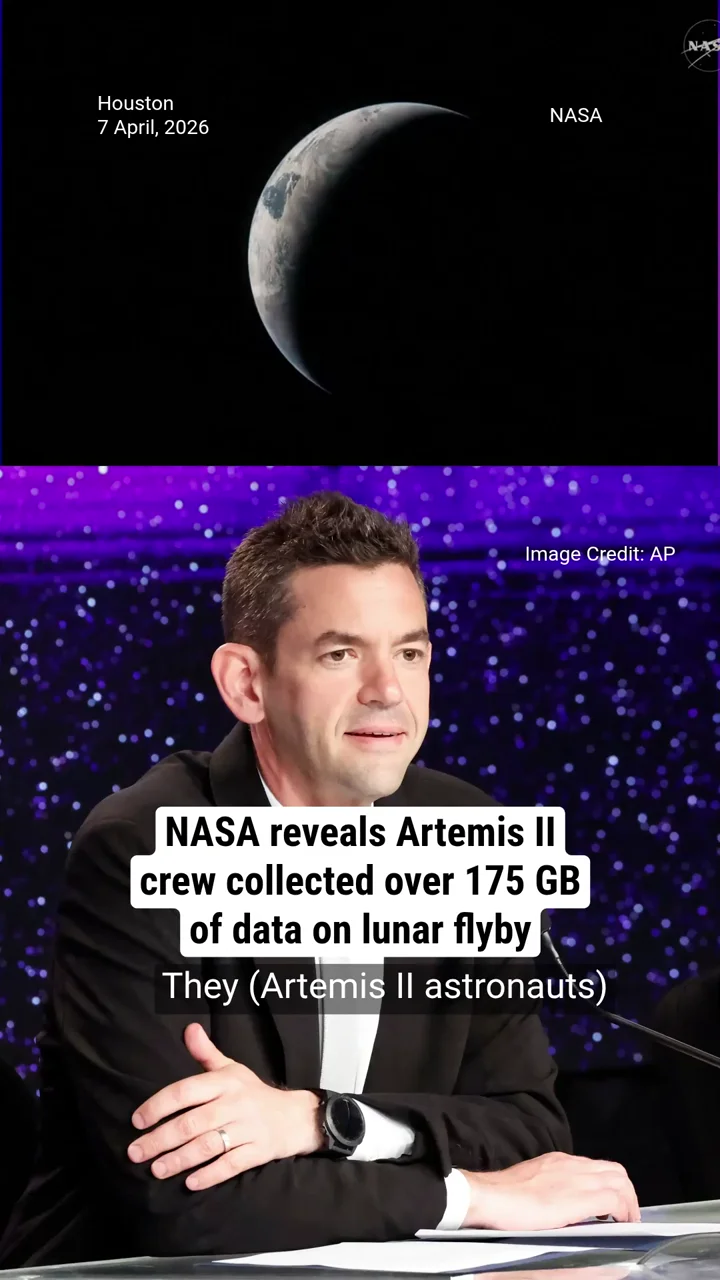
NASA reveals Artemis II crew collected over 175 GB of data on historic lunar flyby
Artemis II astronauts have captured over 175GB of lunar imagery during their recent Moon flyby, revealed NASA Administrator Jared Isaacman during a press briefing on April 7. They were able to deliver over 50GB of data from space on the same day, mostly via cutting-edge optical communication.
 0:29
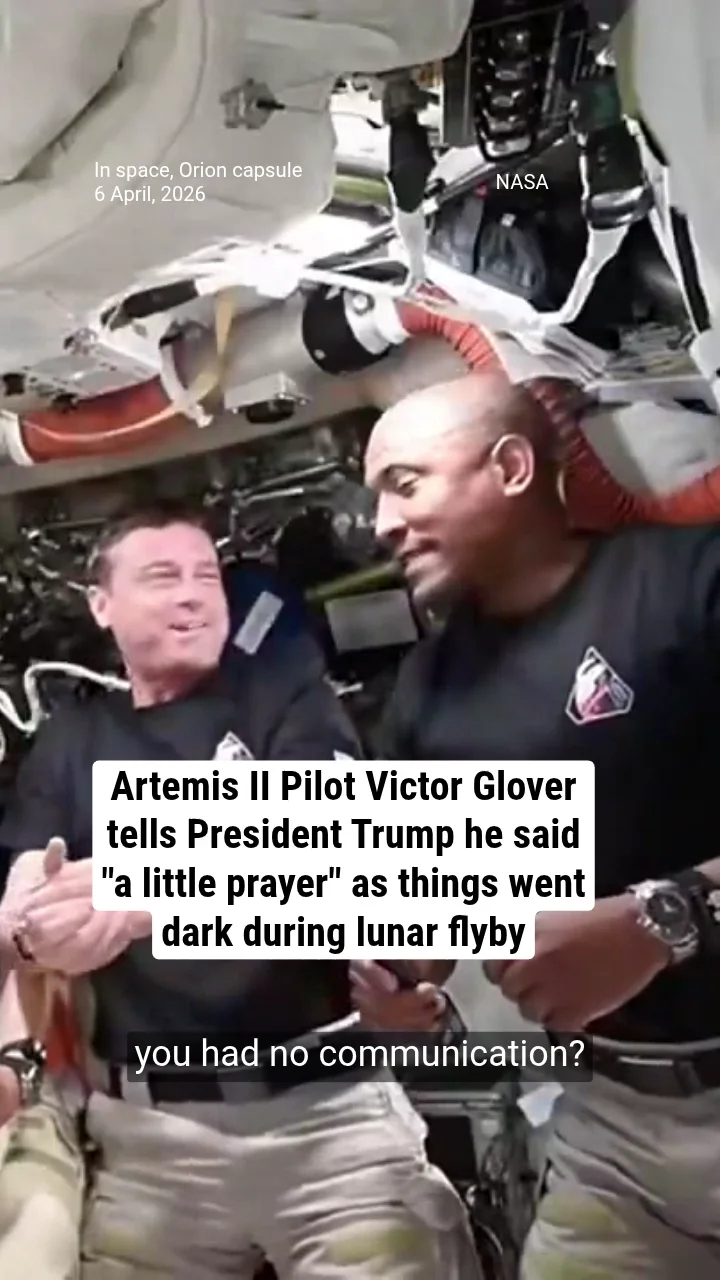
Artemis II Pilot Victor Glover tells President Trump he said "a little prayer" as things went dark during lunar flyby
During a brief loss of communication on the lunar far side, Artemis II pilot Victor Glover “said a little prayer" as he continued recording critical scientific observations. In one of the mission’s most intense moments, the crew captured some of their most detailed views of the lunar far side.
 0:28
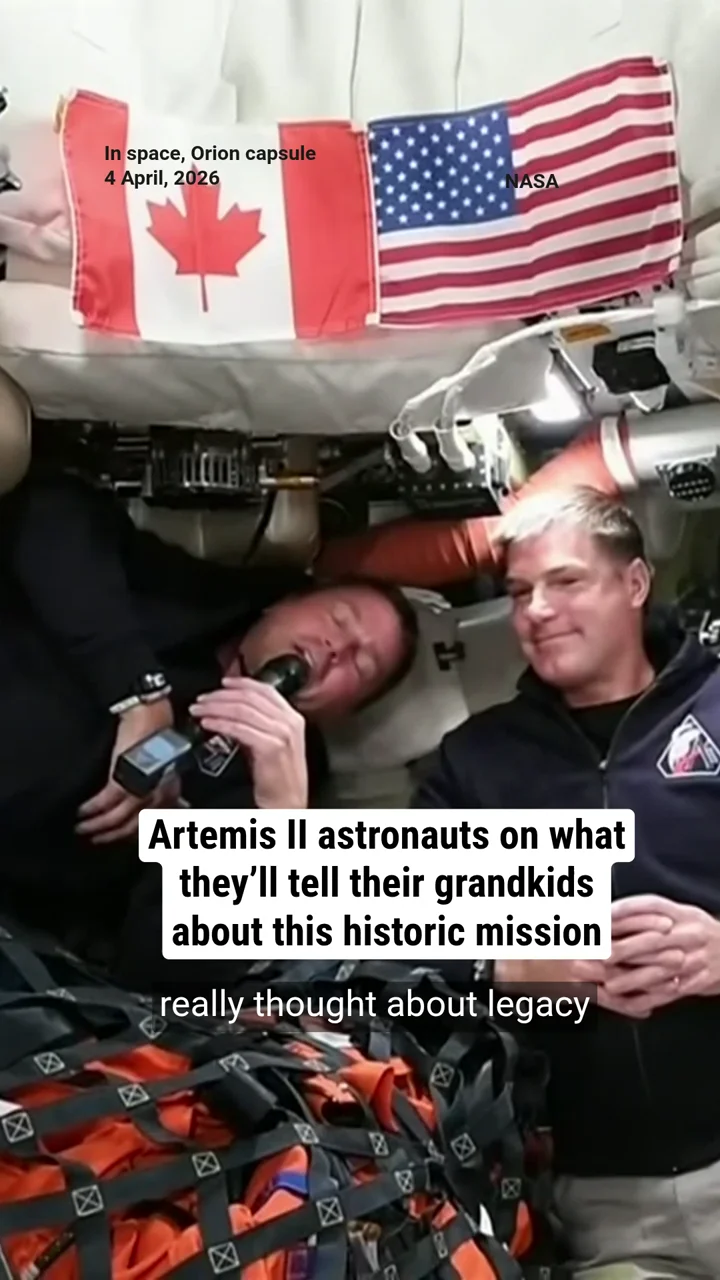
Artemis II astronauts on what they’ll tell their grandkids about this historic mission
For the Artemis II astronauts, this journey isn’t about legacy; it’s about the human experience of exploration. They imagine one day sitting with future generations—grandkids, family, or even strangers—sharing stories that feel almost "unbelievable."
 1:16
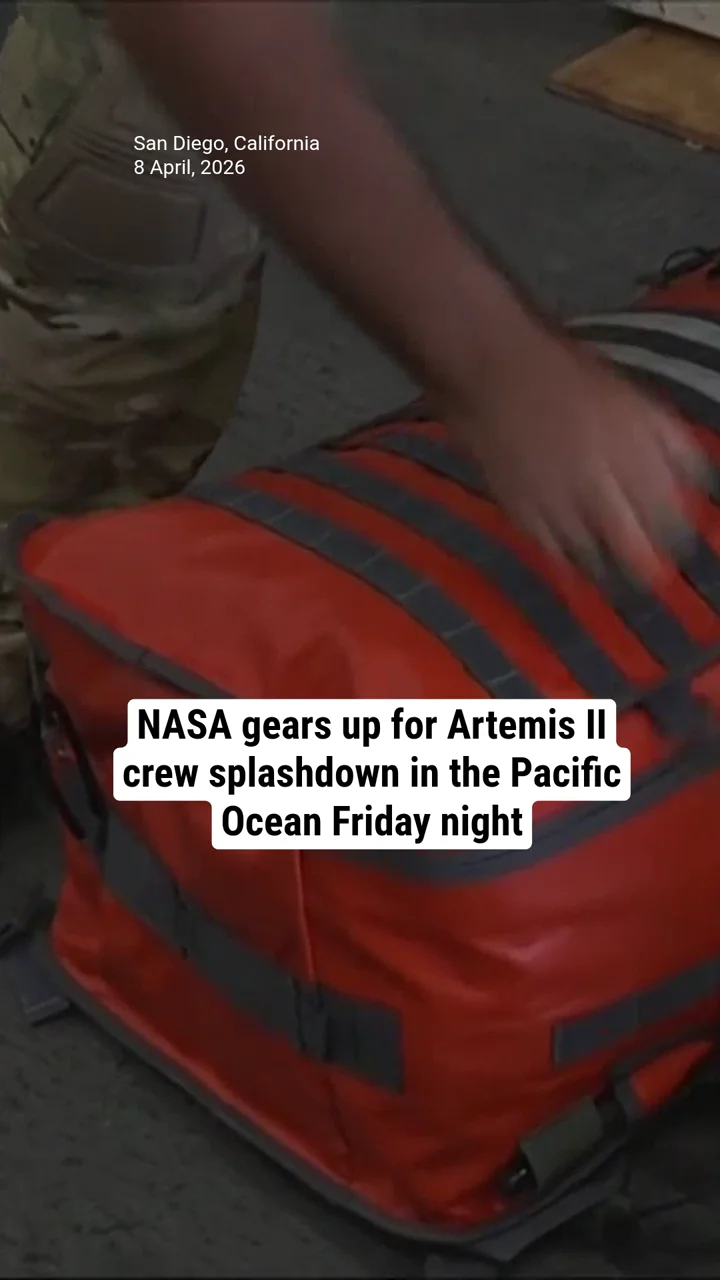
NASA gears up for Artemis II crew splashdown in the Pacific Ocean Friday night
The Artemis II crew, which has already successfully executed the first return correction burn, is scheduled to splash down in the Pacific Ocean at 8:07 p.m. EDT (5:07 p.m. PDT) on Friday. During the splashdown, the crew’s safety relies on rapid medical readiness, including tools like the MARCH bag. Named as an acronym for Massive bleeding, Airway, Respiration, Circulation, and Hypothermia/Head, it’s designed for quick, critical interventions immediately after landing in the ocean. Medics can use it to stabilize astronauts if any urgent medical issues arise, addressing the most life-threatening conditions on the spot. For situations requiring extended care, additional resources like defibrillators, blood transfusions, and advanced medical support are prepared nearby, ensuring the crew receives seamless treatment from the moment of splashdown through recovery.
 0:47
Artemis II’s Christina Koch speaks with “astro sister” Jessica Meir in rare ship-to-ship call
During a 15-minute ship-to-ship, audio-only call on April 7, 2026, the Artemis II crew spoke with NASA astronauts Jessica Meir, Jack Hathaway, and Chris Williams, and ESA (European Space Agency) astronaut Sophie Adenot aboard the International Space Station. Jessica Meir and Christina Koch both served together as NASA astronauts aboard ISS during Expedition 61 in 2019–2020. During that mission, they made history by conducting the first all‑female spacewalks alongside each other.
 0:53
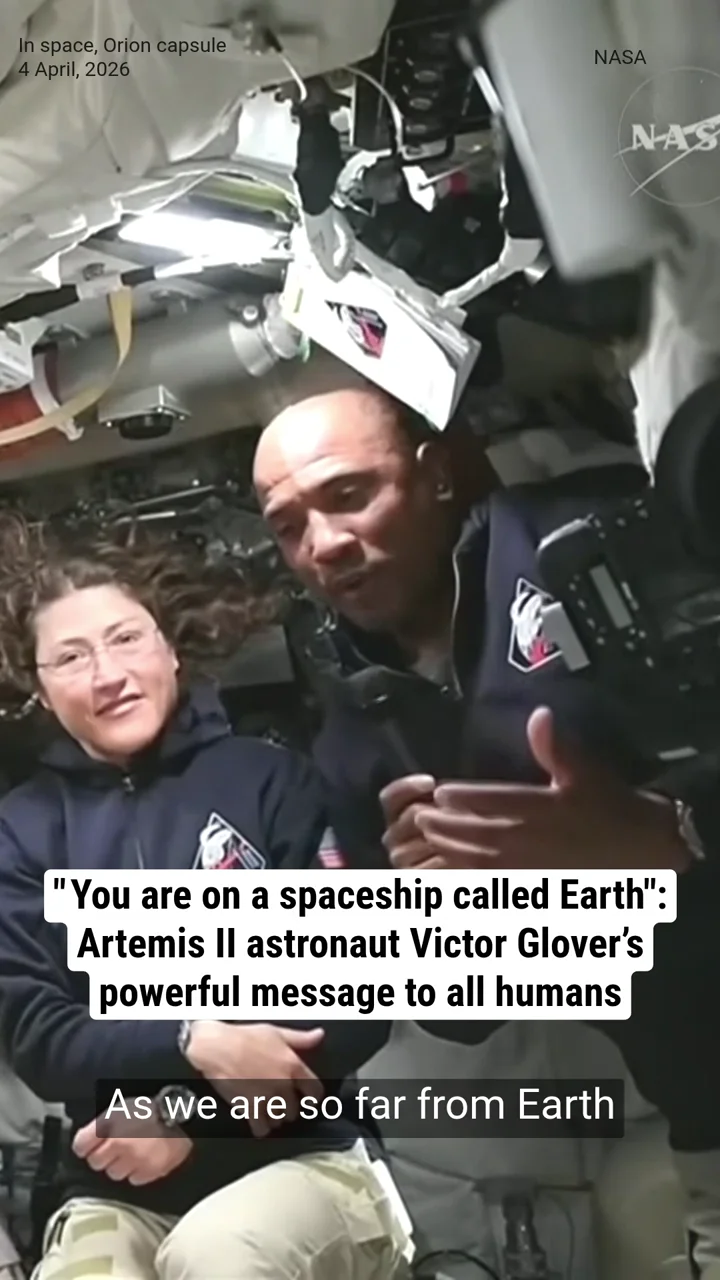
" You are on a spaceship called Earth": Artemis II astronaut Victor Glover’s powerful message to all humans
From deep space, Artemis II Pilot Victor Glover shared a humbling perspective: Earth isn’t just home—it’s our shared “spaceship,” a rare oasis in a vast, empty universe. His powerful message has now gone viral. Artemis II is now on its way back home after a successful and historic lunar flyby on April 6, 2026. The crew members are scheduled to splash down off the coast of San Diego at approximately 8:07 p.m. on Friday, April 10.