✕
Astronomy Constellation Deep Sky Objects Skywatching Instruments Spaceflight Videos
Home / Galleries

Will an asteroid hit the Moon in 2032? Here's what NASA says

Astronomy Jul 21, 2026
BY DISITA SIKDAR
Stock photo of an asteroid hitting the Moon. (Cover Image Source: Getty Images/iStockphoto/1001slide)
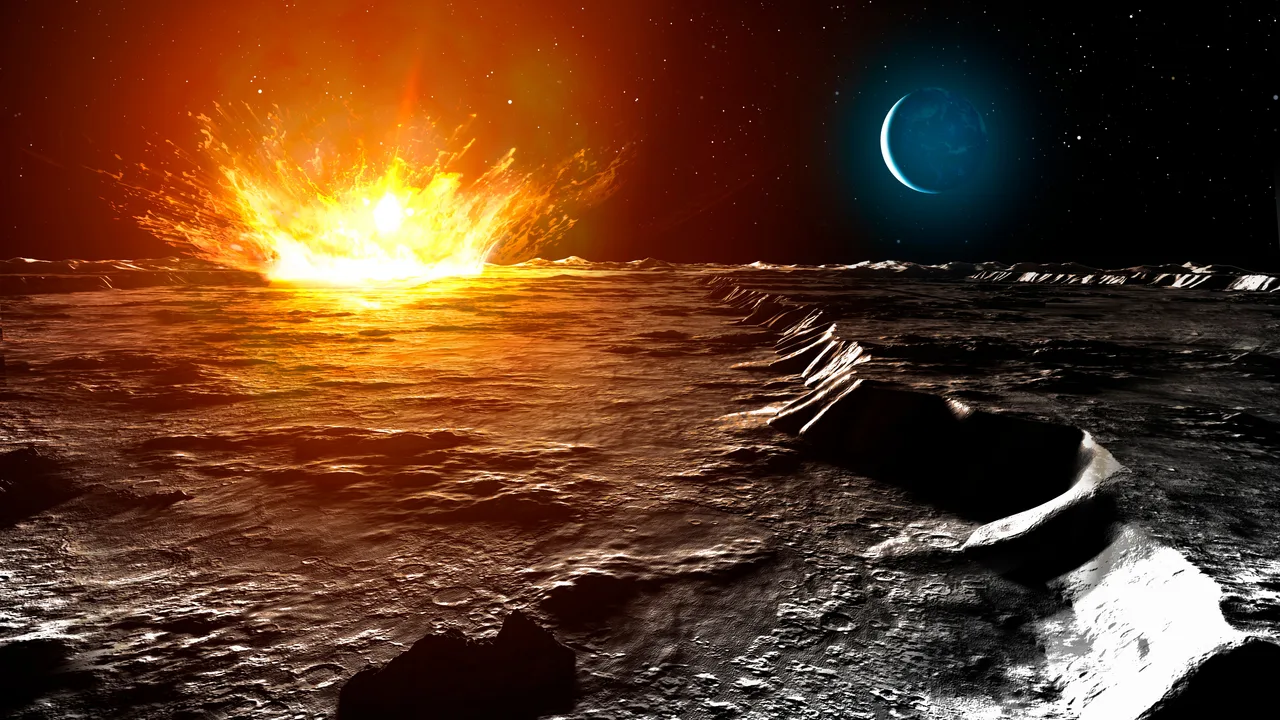
NASA has provided a crucial update on a previously anticipated collision between Asteroid 2024 YR4 and the Moon in 2032.
5 Photos
1 / 5
Could an asteroid really hit the Moon in 2032?
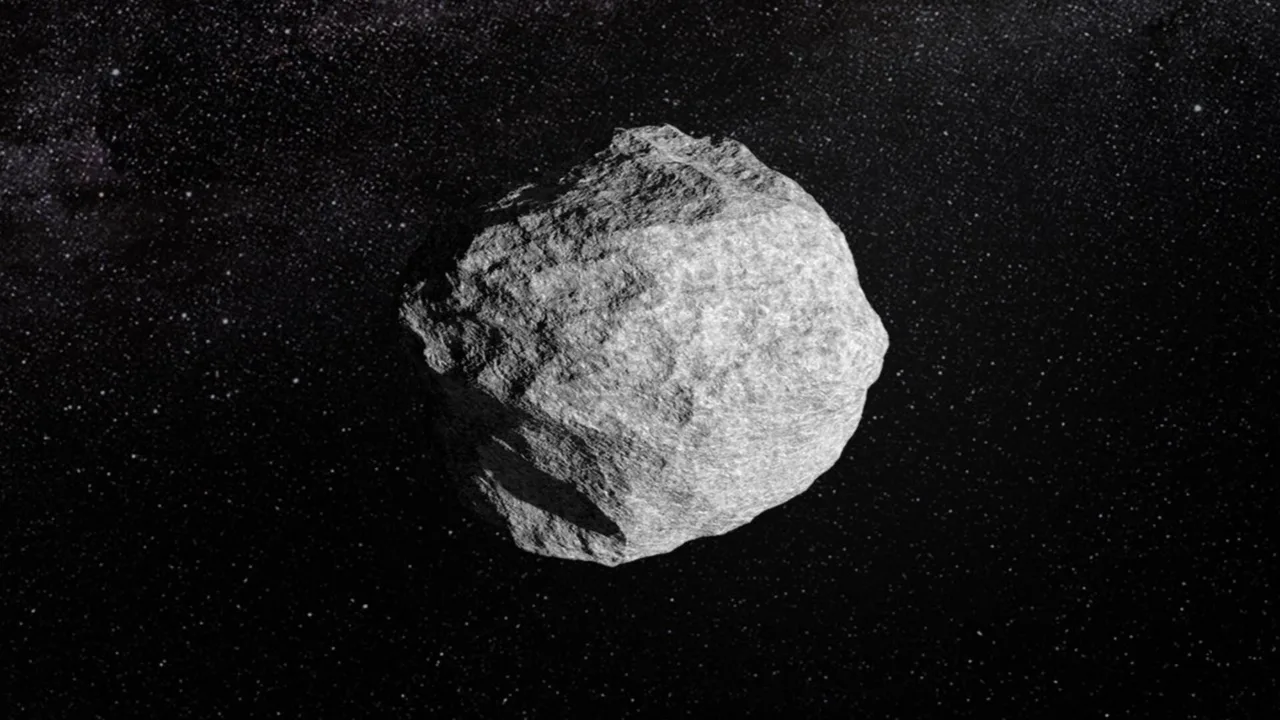
IMAGE SOURCE: GETTY IMAGES/SCIENCE PHOTO LIBRARY

Could an asteroid really hit the Moon in 2032?

In early 2025, scientists were concerned about the possibility of an asteroid colliding with our planet. Thankfully, they ruled out that catastrophic scenario quickly, but the threat was not deemed to be over. The object in question, Asteroid 2024 YR4, was initially discovered by the Asteroid Terrestrial-impact Last Alert System (ATLAS) on December 27, 2024. While Earth was deemed to be safe, scientists at NASA and ESA predicted a 4% to 4.3% probability that the near-Earth asteroid might hit the Moon on December 22, 2032. However, astronomers have recently provided a highly positive update regarding the space rock's trajectory.

2 / 5
What would happen if Asteroid 2024 YR4 hits the Moon?
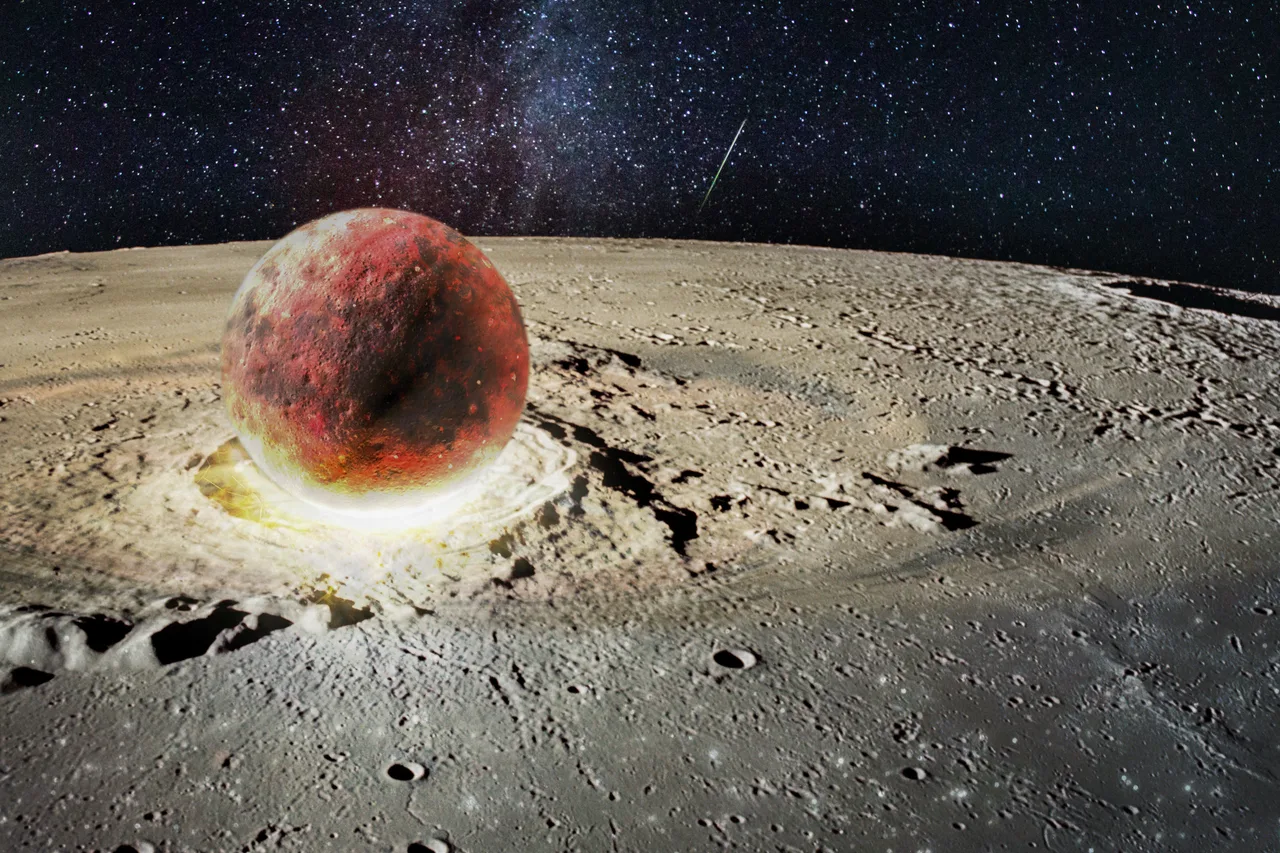
IMAGE SOURCE: ESA

What would happen if Asteroid 2024 YR4 hits the Moon?

NASA and ESA scientists estimated that the 200-foot-wide near-Earth asteroid would hit the Moon at nearly 9 miles per second. At such speeds, an asteroid of that size would have created a 500-foot-deep crater spanning 0.6 miles in the southern region of the Moon. Astronomers even predicted the exact timing of the theoretical collision: Asteroid 2024 YR4 could have impacted the Moon at approximately 10:19 AM EST on December 22, 2032, as per their calculations.

3 / 5
A lunar asteroid impact could produce a flash visible from Earth
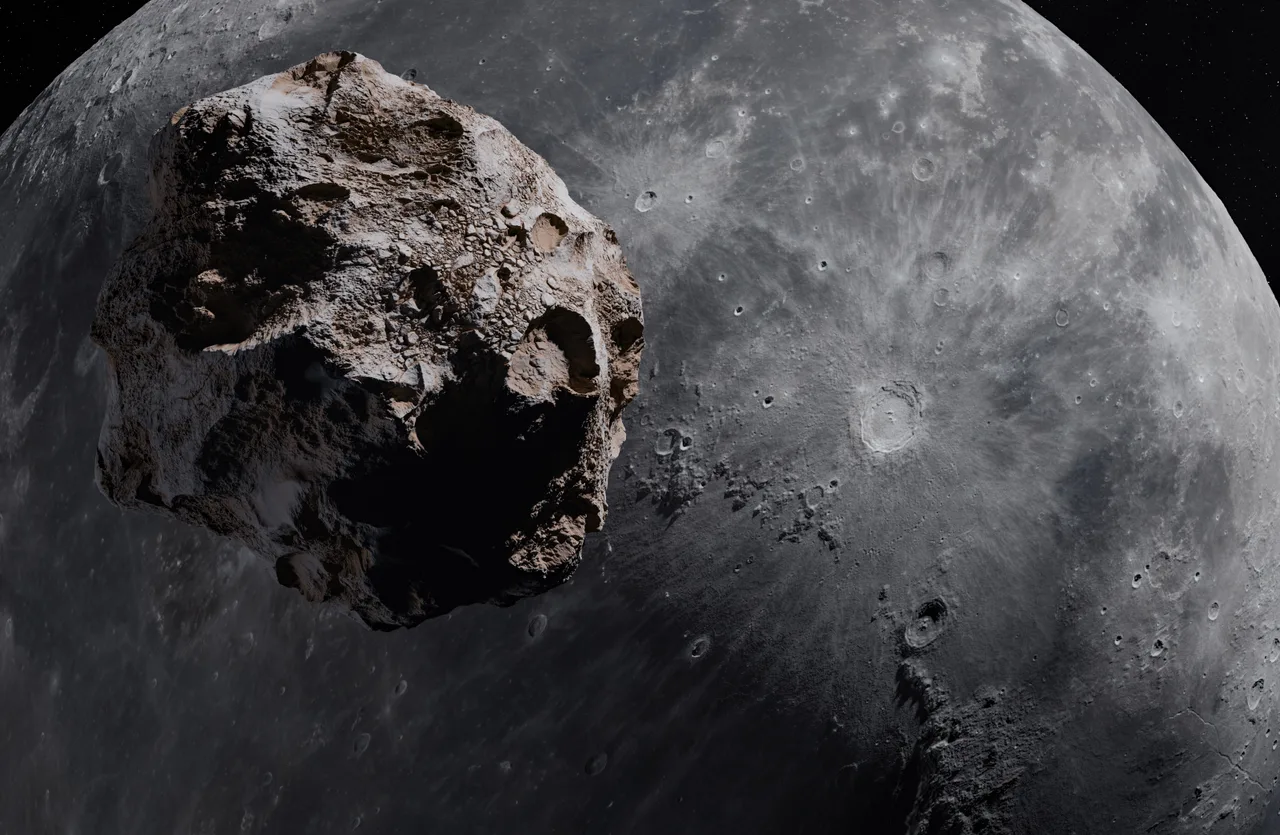
IMAGE SOURCE: GETTY IMAGES/ISTOCKPHOTO

A lunar asteroid impact could produce a flash visible from Earth

If the asteroid had crashed into an unlit portion of the Moon's Earth-facing side, people on Earth might have witnessed a fiery flash. Indeed, ESA astrophysicist Richard Moissl had stated, “It is a very rare event for an asteroid this large to impact the Moon—and it is rarer still that we know about it in advance. The impact would likely be visible from Earth, and so scientists will be very excited by the prospect of observing and analyzing it.”

Researchers estimate the flash could have potentially lasted for several minutes with a visual magnitude between -2.5 and -3, which is almost as bright as Venus appears in the night sky. This phenomenon could have been visible to the naked eye. Even after the bright flash faded, the impact site would have continued glowing in infrared light for several hours as the molten rock gradually cooled, though this infrared light would not have been visible to the naked eye.

4 / 5
From moonquakes to debris—a collision would have major consequences
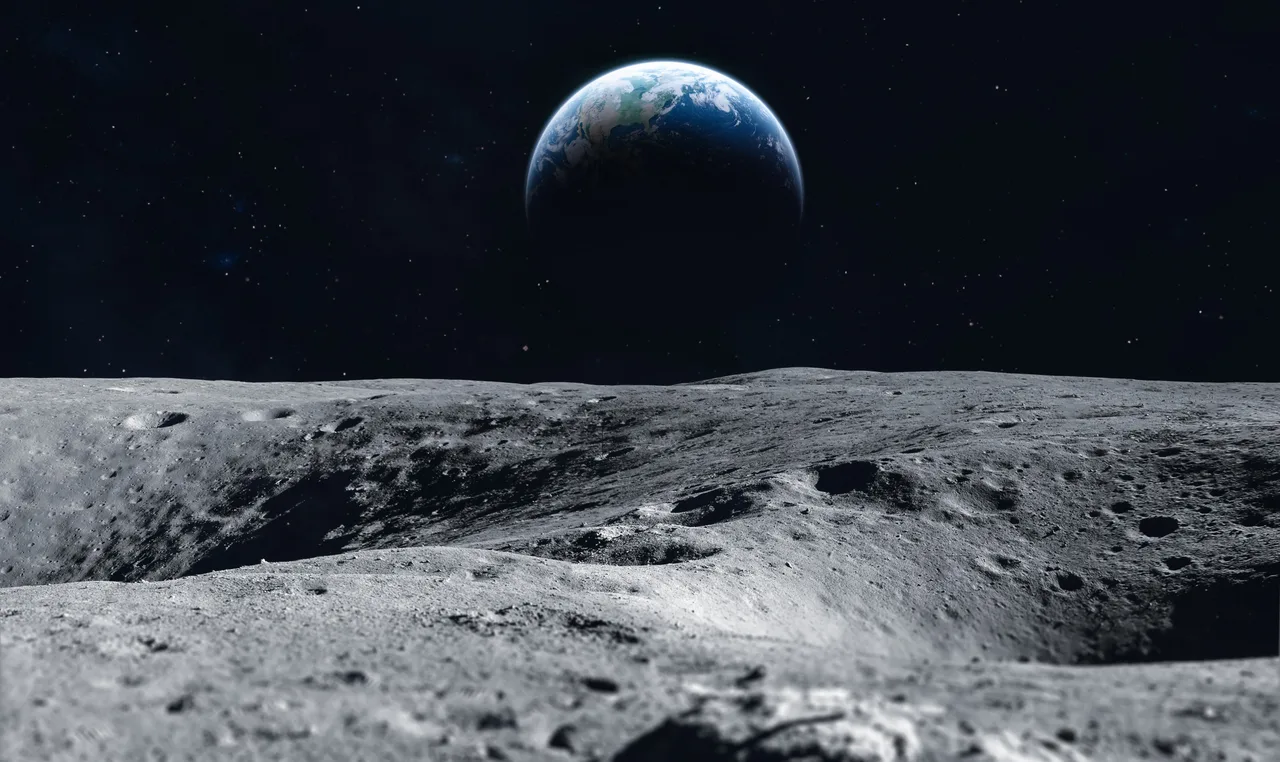
IMAGE SOURCE: GETTY IMAGES

From moonquakes to debris—a collision would have major consequences

According to researchers, the impact would have caused a 5.0-magnitude moonquake and released approximately 100,000 metric tons of debris into space. An August 2025 study published in The Astrophysical Journal Letters examined the consequences, pointing out that this dense layer of debris could heavily impact satellites orbiting near the Moon. Highlighting the severity of the threat at the annual meeting of the American Geophysical Union, NASA flight dynamics engineer Brent Barbee said, “This could pose a lot of risks to Earth-orbiting assets.”

5 / 5
NASA, ESA confirm the Moon is not going to get hit
IMAGE SOURCE: GETTY IMAGES/ISTOCKPHOTO

NASA, ESA confirm the Moon is not going to get hit

The latest data from the James Webb Space Telescope’s Near-Infrared Camera (NIRCam) has finally allowed astronomers to dismiss the 4% possibility of Asteroid 2024 YR4 slamming into the Moon. In March 2026, ESA announced that updated orbital calculations brought the chance of a collision officially down to zero; the asteroid will safely miss the Moon by over 12,000 miles (20,000 kilometers). While planetary defense experts are relieved, some scientists are mildly disappointed, as a collision would have provided an unprecedented, real-time opportunity to study how asteroids impact the Moon and how debris spreads in space.

MORE GALLERIES

Could aliens be hiding among us? Harvard researchers explore a bold hidden civilization theory 5

Could aliens be hiding among us? Harvard researchers explore a bold hidden civilization theory

Jul 21, 2026
Could another version of you be out there? What scientists say about the multiverse 6

Could another version of you be out there? What scientists say about the multiverse

Jul 21, 2026
Are aliens simply off the grid? A theory offers a surprising solution to the Fermi paradox 5

Are aliens simply off the grid? A theory offers a surprising solution to the Fermi paradox

Jul 20, 2026
International Moon Day: A look at NASA's most iconic Moon images 11

International Moon Day: A look at NASA's most iconic Moon images

Jul 20, 2026
7 incredible Moon treasures brought back to Earth by Apollo astronauts 8

7 incredible Moon treasures brought back to Earth by Apollo astronauts

Jul 20, 2026
Six Moon myths and the facts behind these popular beliefs 7

Six Moon myths and the facts behind these popular beliefs

Jul 19, 2026
Why haven't we found aliens yet? 5 strange possibilities that might explain the Fermi paradox 5

Why haven't we found aliens yet? 5 strange possibilities that might explain the Fermi paradox

Jul 17, 2026
This is how humanity will die: Stephen Hawking's predictions for the end of the world 5

This is how humanity will die: Stephen Hawking's predictions for the end of the world

Jul 16, 2026
From Kendall Jenner to Shaquille O'Neal, six famous people who claimed they saw UFOs 6

From Kendall Jenner to Shaquille O'Neal, six famous people who claimed they saw UFOs

Jul 16, 2026
These 5 asteroids are passing closer to Earth than you might expect 6

These 5 asteroids are passing closer to Earth than you might expect

Jul 15, 2026
5 facts about the International Space Station you probably didn't know 5

5 facts about the International Space Station you probably didn't know

Jul 15, 2026
The chilling theory that explains why we haven't found aliens yet 5

The chilling theory that explains why we haven't found aliens yet

Jul 15, 2026
Does a parallel universe exist? Here's what the leading theories say 5

Does a parallel universe exist? Here's what the leading theories say

Jul 14, 2026
How a logger’s five-day disappearance became one of history's most famous alien abduction mysteries 5

How a logger’s five-day disappearance became one of history's most famous alien abduction mysteries

Jul 14, 2026
5 animals who paved the way for human space travel 6

5 animals who paved the way for human space travel

Jul 14, 2026
5 global music icons who claimed they saw UFOs 6

5 global music icons who claimed they saw UFOs

Jul 13, 2026
Wait, humans sent these into space? 5 strange objects you won't believe are still floating out there 6

Wait, humans sent these into space? 5 strange objects you won't believe are still floating out there

Jul 13, 2026
Contact with 'advanced aliens' may not end well for Earth, warned Stephen Hawking 5

Contact with 'advanced aliens' may not end well for Earth, warned Stephen Hawking

Jul 13, 2026
Did an advanced civilization exist on Earth long before humans? 5

Did an advanced civilization exist on Earth long before humans?

Jul 10, 2026
Starlust.org is part of the Scale Content Inc. publishing group.

Google Source

About Us
Editorial Guidelines
Privacy Policy
Cookie Policy
Terms of Use
Contact Us
Link to Facebook
Link to Instagram

© Scale Content Inc. 1178 Broadway, 3rd Floor #3469, New York, NY 10001, United States